
Wine Styles
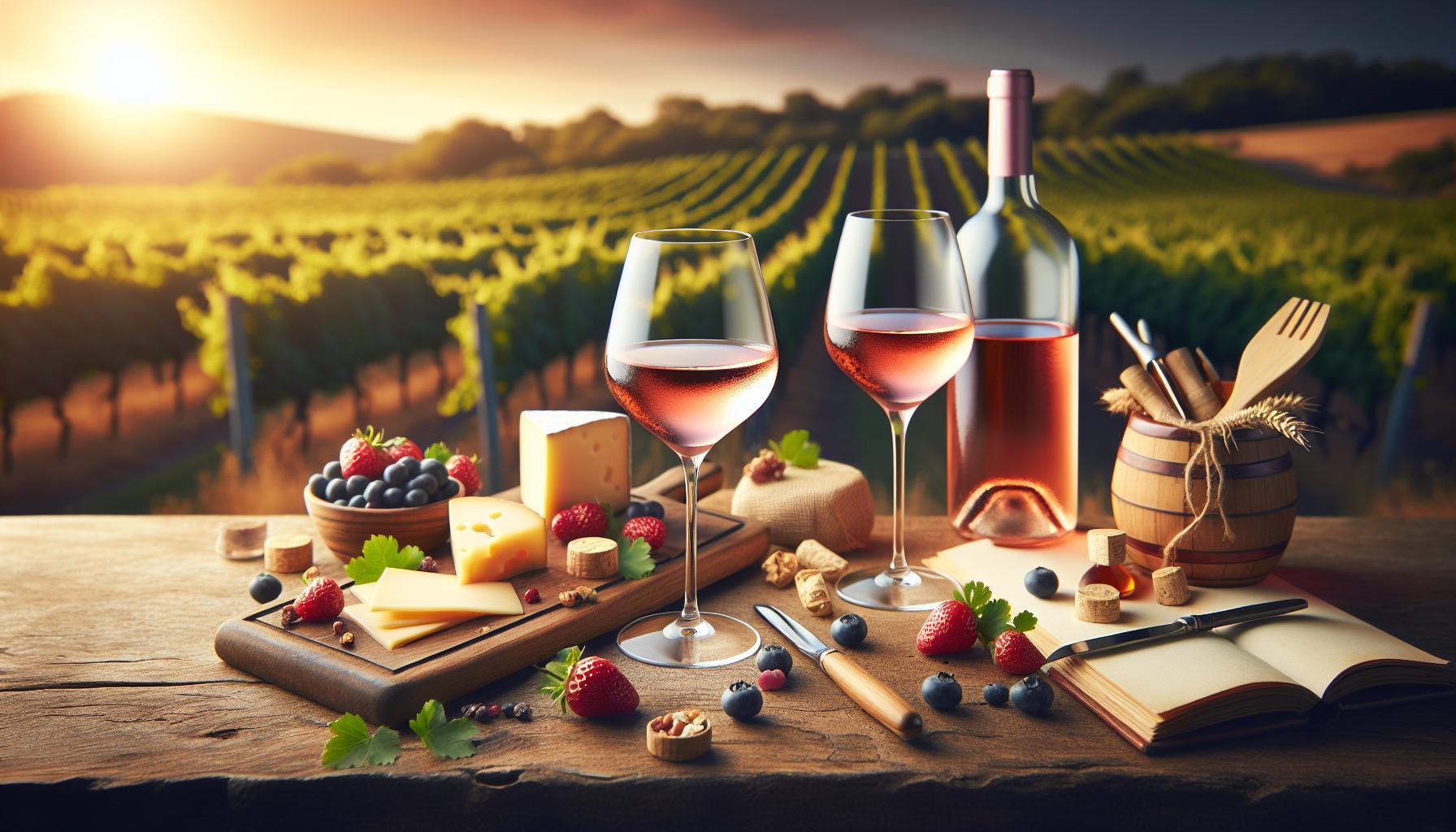
Wine styles classify fermented grape beverages by structural dryness, skin-contact pigmentation, tannin grip, and fermentation alcohol levels relative to distilled spirits. Ranging from 0–4 g/L dry Merlot and crisp Provençal Rosé to off-dry blends, table wines measure 9%–15% ABV compared against 40% ABV liquors.
Stylistic distinctions depend on yeast fermentation cutoff, grape skin maceration lasting 2–24 hours for Rosé versus 7–21 days for full reds, and residual sugar under 4 g/L for dry profiles. These guides compare fermented wine against 80-proof liquor while profiling Merlot and dry Rosé.


Comparative Selection & Benchmark Matrix
The comparative selection and benchmark matrix below evaluate scoring criteria, structural benchmarks, and verified use-case fit.
| Evaluative Resource | Evaluation Benchmarks & Criteria | Best Suited For |
|---|---|---|
| What Defines a Dry Wine Style Across Red and White | < 4 g/L residual sugar, crisp pH 3.0–3.5 whites vs. tannic dry reds | Style Classification |
| Is Wine Considered Liquor? Key Differences Explained | Core empirical evaluation & reference guide (2025-04-21) | Foundational Pillar |
| What Makes a Wine Dry? Understanding Wine Sweetness Levels | Core empirical evaluation & reference guide (2024-06-13) | Foundational Pillar |
Use-Case Classifications & Decision Guides
Use-case classifications and decision guides segment options by strategic objective, structural format, and evaluation criteria.
Varietal Dryness, Fermentation & Spirit Distinctions
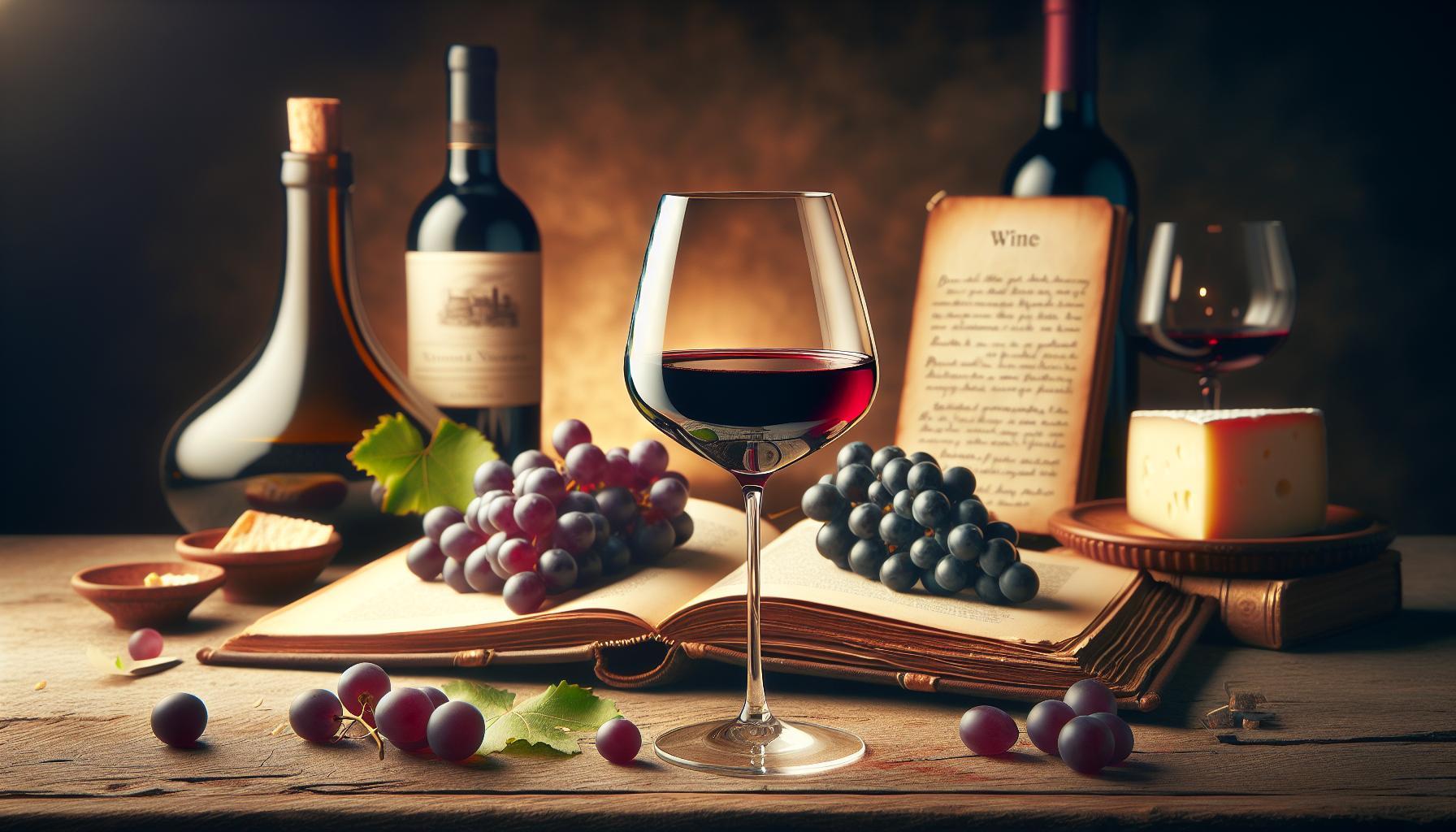
- Merlot Dryness Profile, Tannins, and Food Pairings — Clarifies why plush plum fruit in 13%–14.5% ABV dry Merlot mimics sweetness despite < 2 g/L sugar.
Selection & Comparison Questions
Selection and comparison questions resolve key differences in evaluation criteria, structural requirements, and strategic fit.
Is Rosé wine always sweet, or are most bottles produced dry?
Most European and contemporary New World Rosé wines—especially Provençal and French-style blends—are fermented bone-dry with under 4 grams of residual sugar per liter. Only sweet blush styles such as White Zinfandel retain 25–45 g/L residual sugar.
Why does dry Merlot sometimes taste sweeter on the palate than Cabernet Sauvignon?
Dry Merlot typically contains under 2 grams of sugar per liter just like Cabernet Sauvignon, yet softer medium tannins and ripe black-cherry esters create a rounder perceived texture that feels fruit-forward rather than astringent.
Why is fermented wine classified separately from liquor in beverage regulations?
Wine derives solely from fermented grape or fruit juice at 8%–16% ABV (up to 20% when fortified), whereas liquor undergoes thermal distillation in pot or column stills to concentrate ethanol to 35%–50% ABV (70–100 proof).