
Winery Experiences
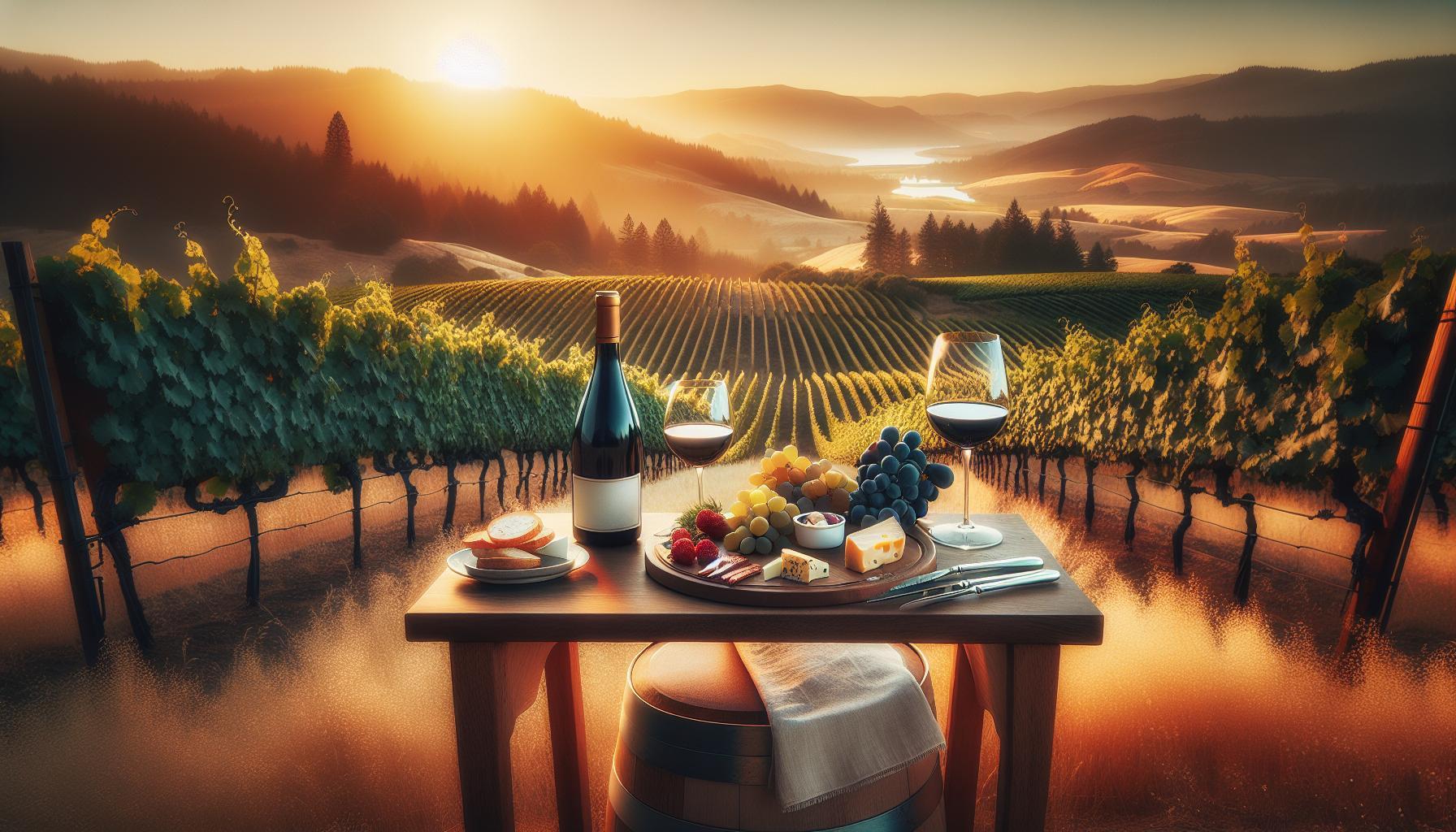
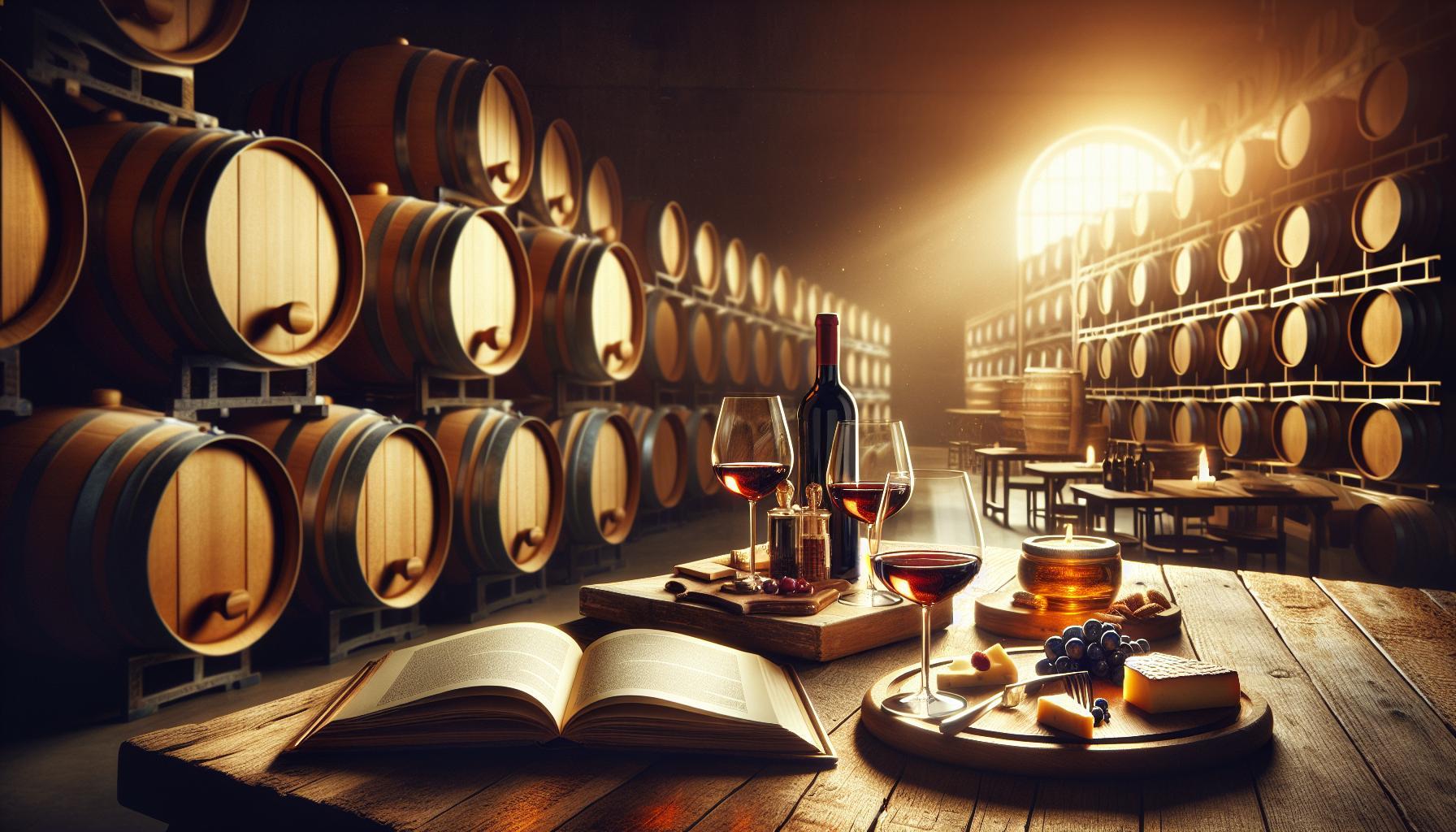
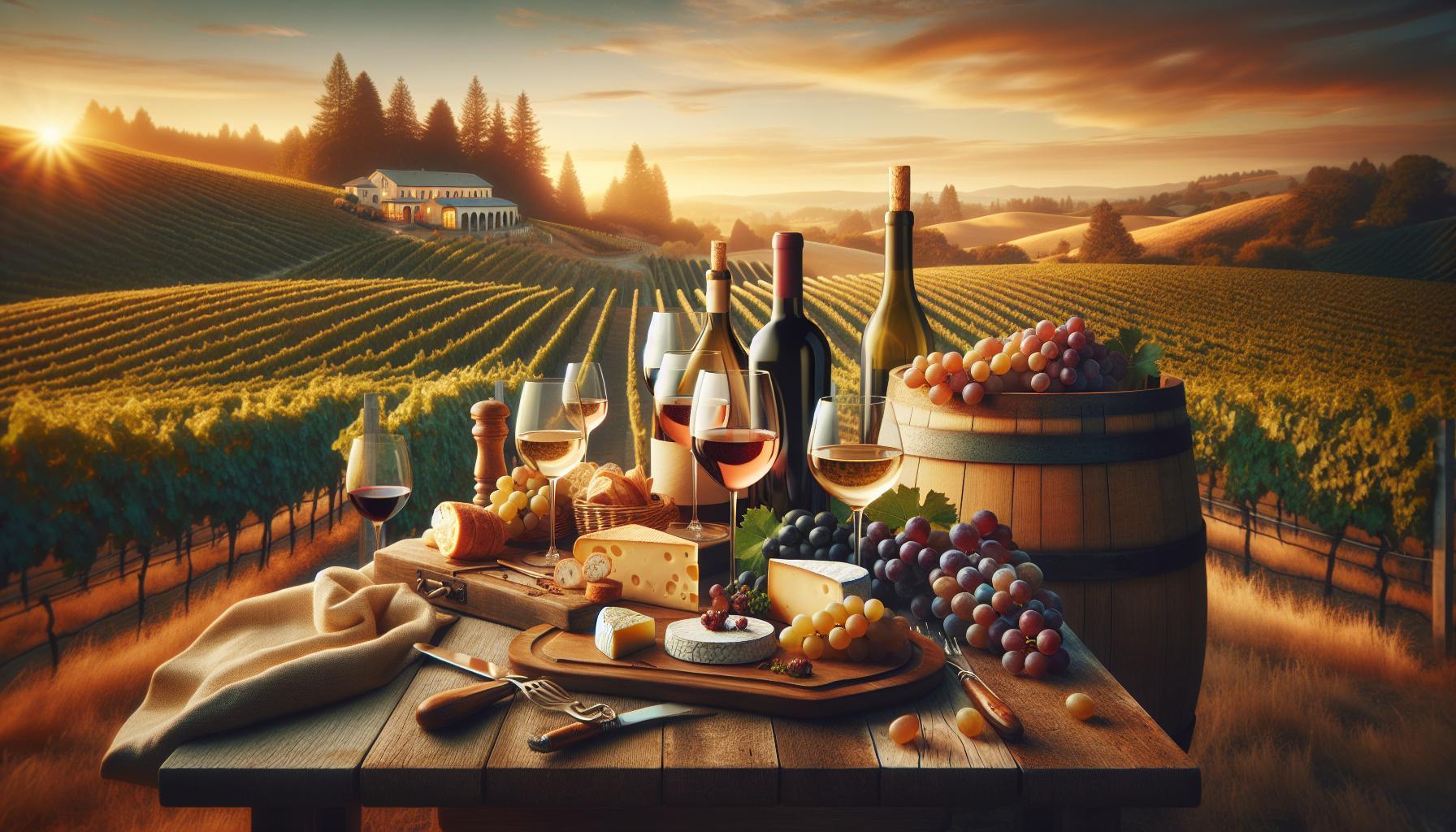
Winery experiences combine cellar-door tastings, estate ownership histories, urban wine venues, and seasonal dress planning across regional tasting rooms. Operating primarily between 10:00 AM and 5:00 PM under agricultural zoning permits, tasting estates balance 60–90 minute seated flights with fall harvest and winter barrel-room hospitality.
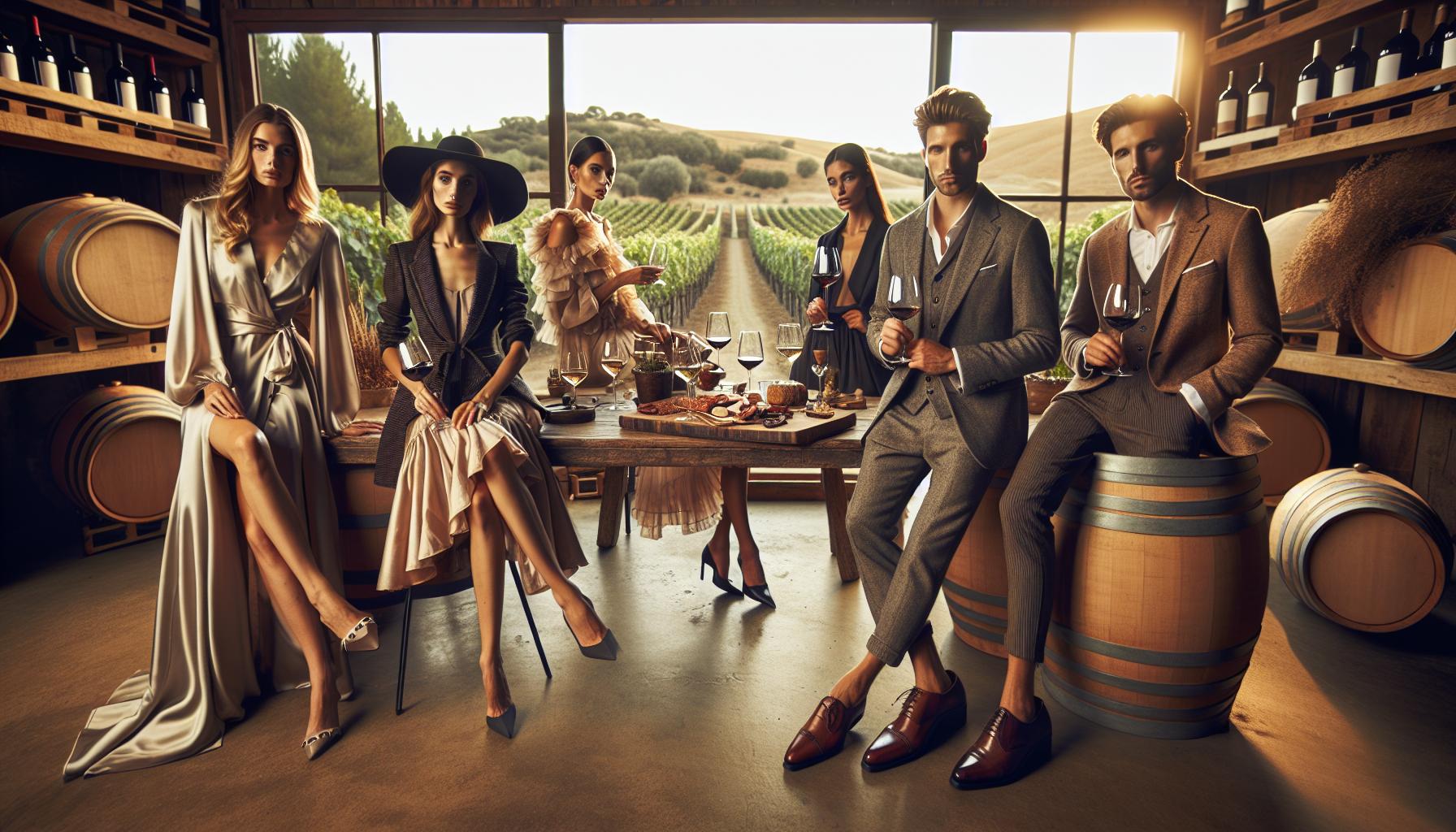
Hospitality formats range from Napa and Sonoma estate vineyards closing by 4:30–5:30 PM to multi-city urban wineries operating until 10:00–11:00 PM with live dining. These guides profile prominent California, Oregon, Michigan, and Florida venues alongside fall (50–70°F) and winter (35–55°F) winery attire.



Comparative Selection & Benchmark Matrix
The comparative selection and benchmark matrix below evaluate scoring criteria, structural benchmarks, and verified use-case fit.
| Evaluative Resource | Evaluation Benchmarks & Criteria | Best Suited For |
|---|---|---|
| Why Rural Wineries Close Early Around 5:00 PM | County agricultural zoning curfews (4:30–5:30 PM) vs. urban hospitality hours | Schedule Logistics |
| Silver Oak Cellars Ownership and American Oak Legacy | Duncan family stewardship since 1972 across Napa Valley and Alexander Valley estates | Producer Profile |
| City Winery Ownership and Urban Tasting Concept | Live music venues, on-site stainless fermenters, and tap-dispensed barrel pours | Urban Venue |
| Top Sonoma County Wineries for Tasting Tours | 19 Sonoma AVAs covering Pinot Noir, Chardonnay, and historic Zinfandel estates | Destination Picks |
Use-Case Classifications & Decision Guides
Use-case classifications and decision guides segment options by strategic objective, structural format, and evaluation criteria.
Featured Estate Wineries & Regional Tasting Rooms
- Caymus Vineyards Rutherford Tasting Location and Hours — Details Wagner family Napa Valley tasting reservations along Rutherford's Conn Creek Road.
- St. Julian Winery Locations in Michigan — Covers Michigan's oldest winery headquartered in Paw Paw plus six statewide tasting rooms.
- Blooming Hill Vineyard & Winery in Oregon — Highlights small-lot Cornelius, Oregon Pinot Noir tastings in a rural hillside barn.
- A Dello Winery Heritage and Varietal Craftsmanship — Profiles old-world Italian winemaking methods and family-style hospitality flights.
- A Love Story Winery & Bistro in Miami — Reviews urban Kendall wine bar pairings, seasonal plates, and evening lounge hours.
Seasonal Winery Dress Codes for Fall & Winter
- Core Winery Outfit Checklist for Guests — Balances breathable silhouettes, low-profile block heels, and spill-forgiving dark hues.
- What to Wear to a Harvest-Season Fall Winery Visit — Adapts layered knits, ankle boots, and earth tones for 50–70°F autumn vineyard weather.
- Winter Winery Outfits for 35-55°F Cellar Tastings — Pairs wool coats, cashmere layers, and traction boots for damp paths and chilly barrel rooms.
Selection & Comparison Questions
Selection and comparison questions resolve key differences in evaluation criteria, structural requirements, and strategic fit.
Why do most rural estate wineries close between 4:30 PM and 5:30 PM?
County agricultural land-use permits typically restrict rural tasting rooms from operating as late-night bars, capping hours near 5:00 PM to manage rural road traffic. Early closing also allows tasting hosts to sanitize stemware and transition safely alongside harvest cellar shifts.
How do urban wineries differ from rural vineyard tasting rooms?
Urban wineries source crushed fruit or must from regional growers and ferment on site inside metro neighborhoods, allowing evening service until 10:00 PM or later alongside full restaurant kitchens and live performance stages.
What temperatures should visitors prepare for inside working wine caves and barrel rooms?
Working fermentation halls and subterranean wine caves maintain year-round ambient temperatures of 55–58°F with 65%–75% humidity. Bringing a light jacket or structured sweater prevents chill even during 85°F summer vineyard visits.