
Wine Tasting Guide
Wine tasting guides prepare visitors for structured tasting-room flights, hospitality tipping norms, practical cellar attire, and regional producer stops. Standard tasting flights present 4–6 sequential 1.5–2 oz pours lasting 45–75 minutes, moving from crisp sparkling and white styles toward tannic reds while avoiding heavy fragrances.
Structured tasting rooms allocate 1.5–2 oz pours across 4–6 flight selections (roughly 1.5–2 standard glasses total) with optional 15%–20% hospitality gratuities, while regional circuits like Seneca Lake span 30+ lakeside estates. These preparation guides organize tasting etiquette, seasonal wardrobe choices, and distinctive producer visits.
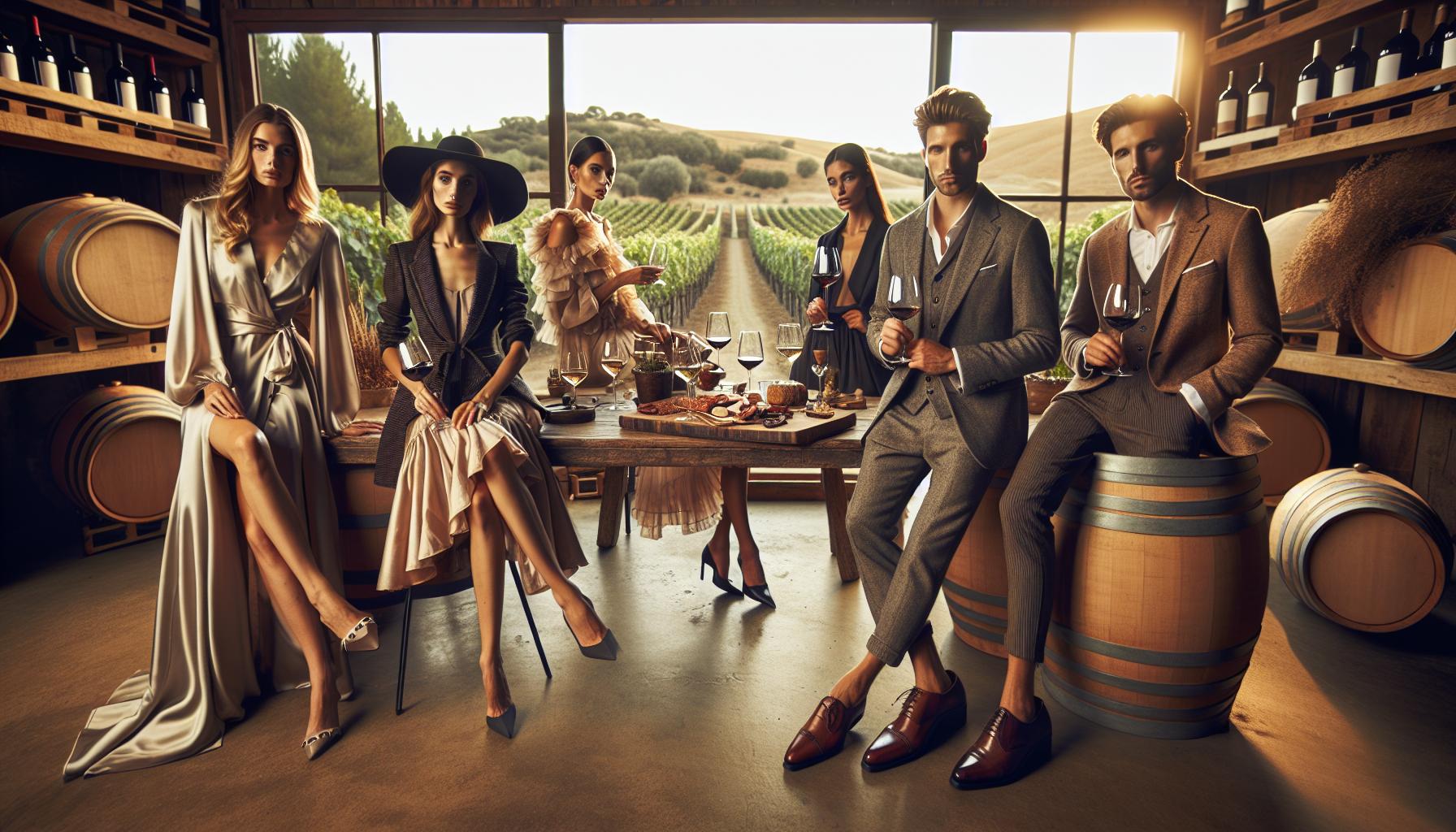


Comparative Selection & Benchmark Matrix
The comparative selection and benchmark matrix below evaluate scoring criteria, structural benchmarks, and verified use-case fit.
| Evaluative Resource | Evaluation Benchmarks & Criteria | Best Suited For |
|---|---|---|
| First-Time Winery Tasting Room Flow and Flight Order | 4–6 pours (1.5–2 oz each), dry-to-sweet progression, 45–75 min seated pace | Tasting Walkthrough |
| How Much to Tip at a Winery Tasting Room | 15%–20% on seated flight fees or bottle tabs; higher for private sommelier service | Hospitality Etiquette |
| What to Wear to a Winery Tasting Room Year-Round | Dark stain-resistant fabrics, flat terrain shoes, fragrance-free skin | Tasting Attire |
| Seneca Lake Wine Trail: Winery Count and Tasting Map | 30+ lakeside Finger Lakes wineries around 38-mile glacial shoreline | Regional Circuit |
Use-Case Classifications & Decision Guides
Use-case classifications and decision guides segment options by strategic objective, structural format, and evaluation criteria.
Tasting Room Dress Codes & Tipping Norms
- Practical Outfits for Vineyard vs. Urban Tasting Rooms — Adapts smart-casual wardrobes across gravel vineyard terraces and temperature-controlled barrel rooms.
- Wine Tasting Dress Codes for Group Tours and Dinners — Pairs mid-calf dresses, chinos, and closed-toe shoes for 3-stop afternoon tours.
- Seasonal Layering and Stain-Safe Fabrics for Wineries — Recommends dark merino or cotton blends and collar-clearance tops for swirling comfortably.
- When to Tip Tasting Hosts vs. Winemaker Owners — Clarifies standard 15%–20% hospitality bar etiquette versus bottle-purchase fee waivers.
Notable Producers & Natural Tasting Formats
- A to Z Wineworks: Oregon Pinot Noir and Pinot Gris Profile — Highlights multi-AVA Willamette and Southern Oregon sourcing across crisp cool-climate styles.
- Donkey & Goat Winery: Berkeley Natural Wine Tastings — Examines native-yeast, unfined, unfiltered Sierra Foothills and Anderson Valley urban flights.
- Boutique Winery Signature Flights and Palate Profiling — Shows how small-lot reserve flights illustrate barrel oak integration and vintage contrast.
Selection & Comparison Questions
Selection and comparison questions resolve key differences in evaluation criteria, structural requirements, and strategic fit.
In what order are wines poured during a standard winery tasting flight?
Tasting rooms pour flights from lightest to heaviest body and dryest to sweetest to prevent palate fatigue. Sparkling wines open the flight, followed by crisp whites, dry Rosé, light-to-full-bodied reds, and sweet dessert pours last.
Why should guests skip perfume or scented lotion before a wine tasting?
Roughly 75%–80% of perceived wine flavor comes from retronasal olfaction rather than tongue taste buds. Heavy colognes, perfumes, or strongly scented hand creams overwhelm delicate floral and mineral aromas across adjacent tasting tables.
What gratuity percentage is customary at a seated winery tasting room?
Leaving 15%–20% of the tasting fee or bottle bill is standard practice for attentive tasting-room staff and table servers. When tasting fees are waived after purchasing bottles, tipping 15%–20% on the original flight value recognizes dedicated host service.