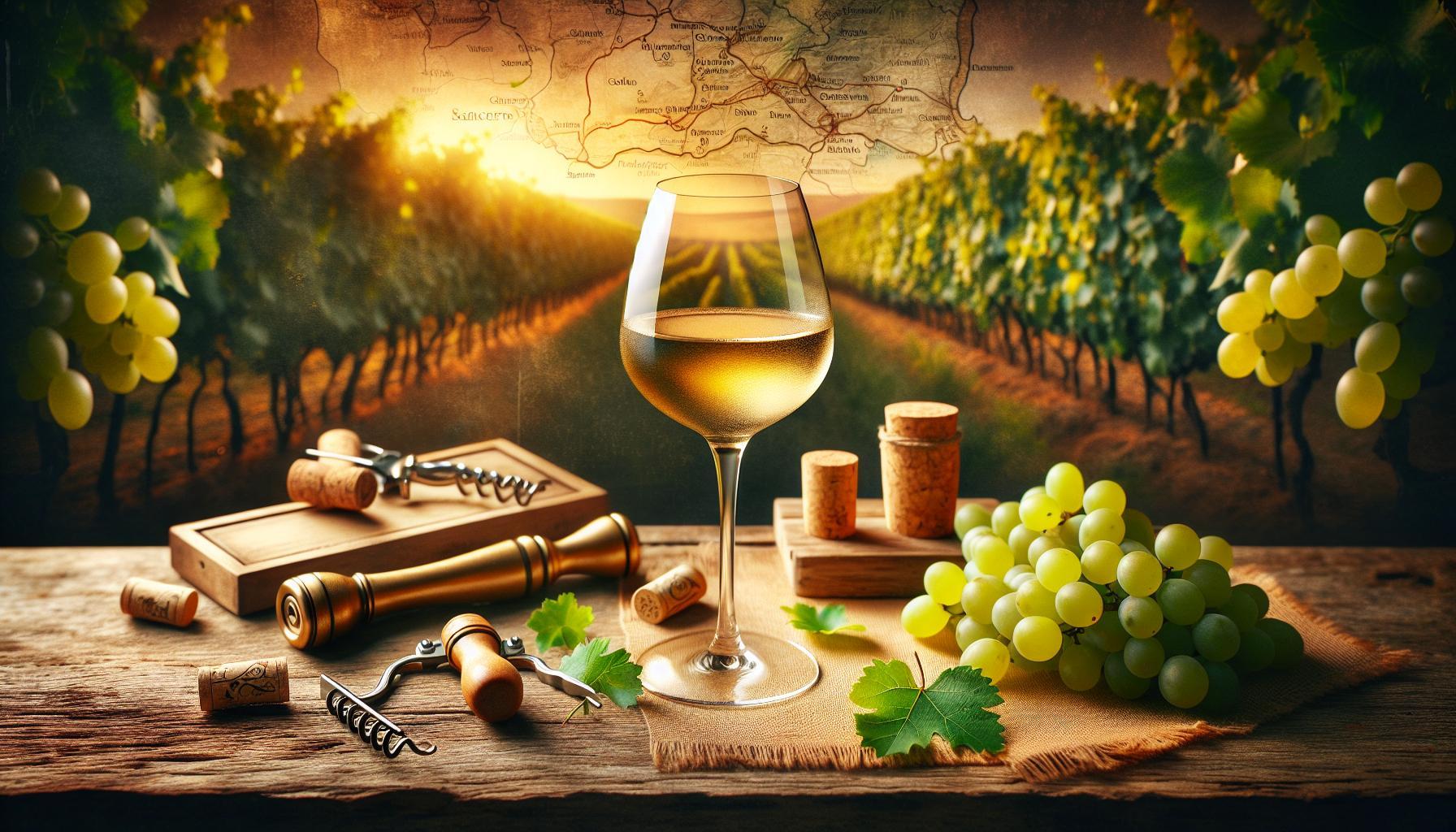

Nestled in the picturesque Loire Valley, Sancerre wine is a quintessential expression of France’s celebrated Sauvignon Blanc. With its fresh acidity and vibrant fruit characteristics, Sancerre has captivated wine lovers for centuries, offering a taste of the region’s unique terroir. But what truly sets this iconic white apart are the stories woven into each bottle-from the sun-soaked vineyards to the centuries-old winemaking traditions.
As you explore Sancerre, you’ll discover not just a wine, but a full-bodied experience that reflects the art of French viticulture. Whether you’re a seasoned connoisseur or a curious newcomer, understanding Sancerre will enhance your appreciation for this elegant wine. Join us on this journey through its origins, tastings, and food pairings, and delve into what makes Sancerre a beloved choice for moments of celebration and contemplation alike.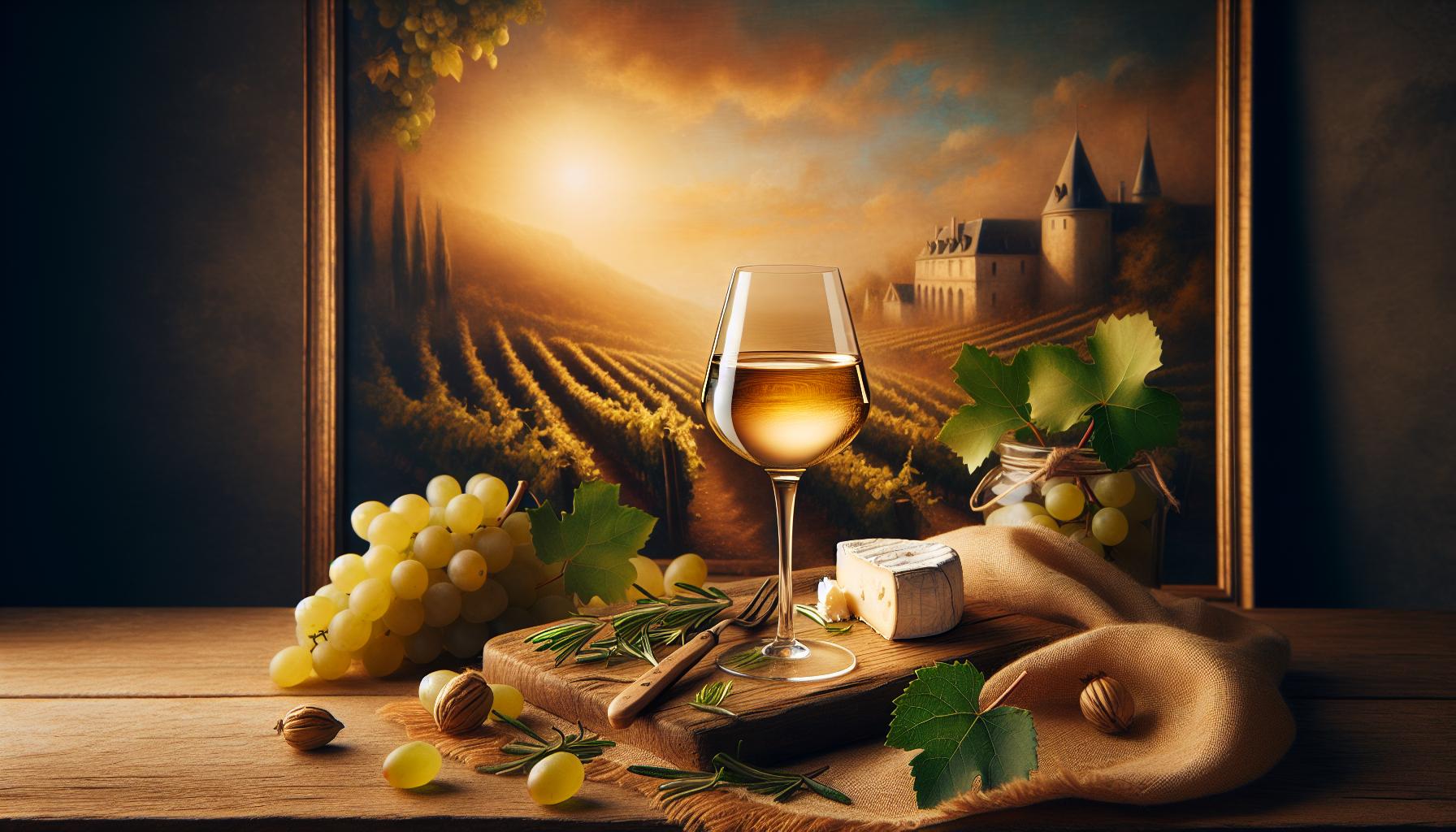
What Does Sancerre Wine Taste Like?
Sancerre wine captivates the palate with its vibrant and complex profile, largely derived from the illustrious Sauvignon Blanc grape. Typically presented as a dry, white wine, its allure lies in a spectrum of flavors that can transport a sipper to the sun-kissed slopes of the Loire Valley. The initial impression often reveals bright notes of citrus-think zesty lime, succulent lemon, and refreshing grapefruit-which dance playfully on the tongue. As you savor, deeper layers emerge, revealing whispers of herbs and, in some cases, a hint of smoke, nuances that depend on the terroir and winemaking techniques employed.
The unique terroir of Sancerre, characterized by its varied soils, including limestone and flint, significantly influences the wine‘s taste. This mineral essence imbues the wine with a distinctive crispness and freshness, often described as having a flinty or steely quality. This minerality can evoke a sense of place, reminding one of the vines hugging the terroir, where each grape absorbs the essence of its environment. With time, some Sancerres mature into richer, more creamy textures, complementing the vibrant acidity that makes them delightful companions to a wide range of culinary experiences.
To fully appreciate Sancerre’s nuances, it is crucial to take your time. As this wine opens up in the glass, it invites contemplation-the delicate evolution of aromas and flavors is a reminder of the artistry behind its creation. Whether enjoyed fresh on a warm afternoon or paired with a dish, Sancerre is more than just a beverage; it is a celebration of nature’s bounty and human skill, harmonizing in a glass. Approaching Sancerre is like embarking on a sensory journey, where each sip tells a story steeped in the culture, history, and passion of the Loire Valley.
The Unique Terroir of Sancerre
The vineyards of Sancerre are cradled in a uniquely enchanting landscape, where the soil and climate harmonize in a dance of nature that shapes the wines produced here. The region’s defining characteristic is its varied terroir, a tapestry woven from an intricate blend of soils that include flint, limestone, and clay. This multi-faceted foundation is not merely a backdrop; it is central to the essence of Sancerre wine. The brilliance of this wine can be traced to the minerals that permeate the grapes, giving rise to its renowned vibrant acidity and distinctive minerality.
In Sancerre, the presence of flinty soils imparts a remarkable, formidable backbone to the Sauvignon Blanc grape, often manifesting in wines that are described as having a steely or flinty quality. Such descriptors aren’t just poetic flourish; they encapsulate a tangible experience of tasting the land itself. The soils’ composition actively influences the flavors that bloom in each sip, from the bright citrus that immediately captivates the palate to the more subtle herbal notes and whispers of smoke that may unfold with greater complexity as the wine breathes. The interplay of these elements paints a vivid picture of the region’s terroir, where each glass embodies the unique fingerprint of its origin.
Climate also plays a pivotal role in this dynamic equation. Sancerre benefits from a temperate climate tempered by the cool winds of the Loire River valley, which allows grapes to ripen slowly and retain their acidity. This climatic balance creates wines that are refreshing yet inspired by a depth of flavor, capable of evolving gracefully over time. The expression of Sancerre wine is a celebration of the artistry of its winemakers, who are guided by an intimate understanding of how to cultivate their grapes in this rich, natural concert.
Exploring the terroir of Sancerre invites not just a journey into wine but a passage through the very essence of the Loire Valley’s landscape and heritage. Each bottle is a narrative, a reflection of the surroundings that nourish the vines and a tribute to the craftsmanship involved in transforming those sun-kissed grapes into a divine elixir. To enjoy Sancerre is to sip on a piece of the earth, to indulge in a story of soil and sun that has unfolded over generations, and to revel in the richness of one of France’s most cherished wine regions.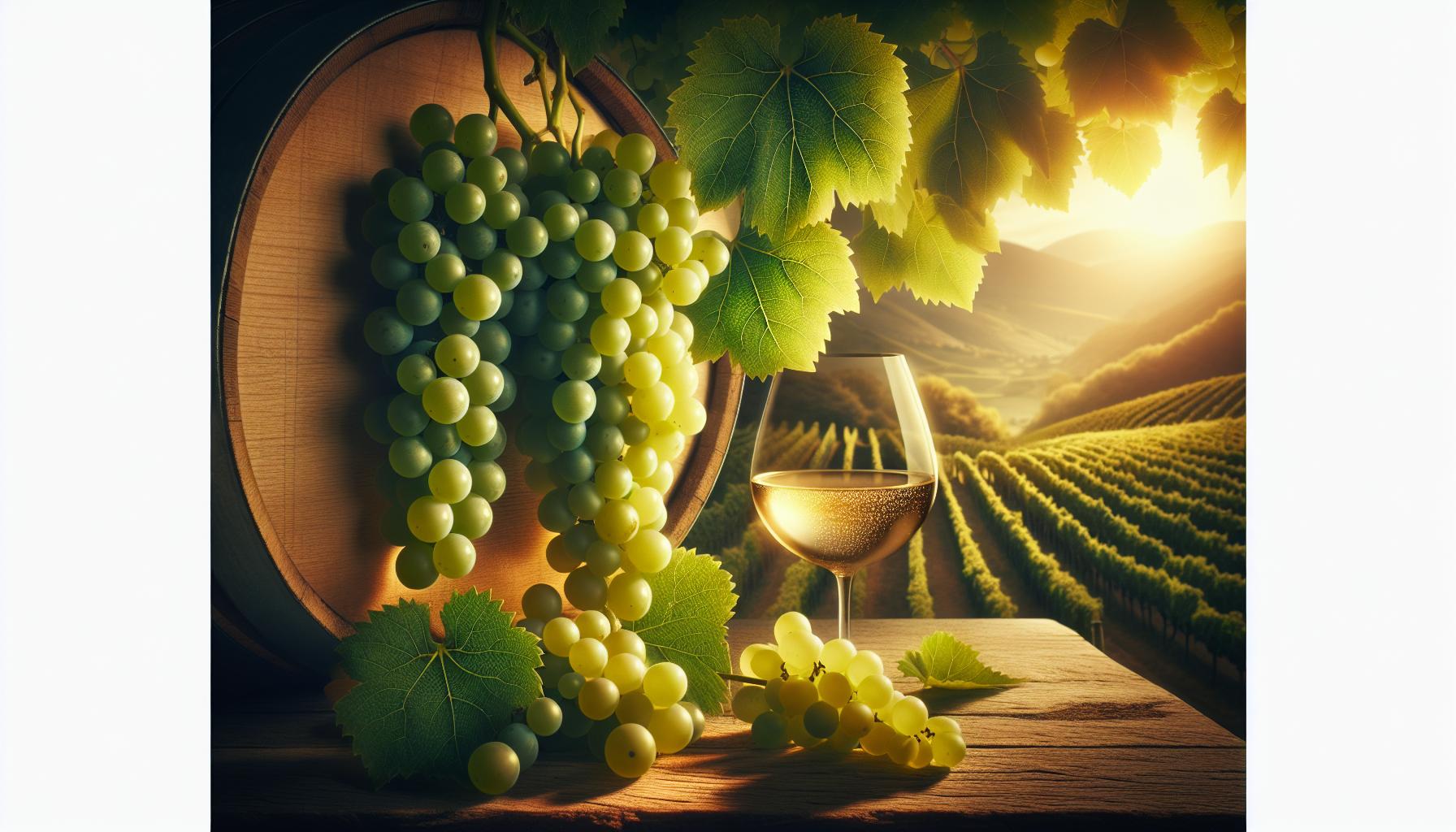
Exploring the Sauvignon Blanc Grape
The Sauvignon Blanc grape, a true star of the Sancerre region, is renowned for its zesty acidity and vibrant flavors that can transport one’s palate straight to the sun-drenched Loire Valley. This grape variety has an undeniable charisma that makes it a favorite among wine enthusiasts. Its ability to express the terroir so vividly is unmatched, reflecting the unique soil compositions and microclimates that shape each vintage. In Sancerre, Sauvignon Blanc develops a distinct character that beautifully marries fruity brightness with a structured minerality-a combination that tantalizes the senses.
What sets Sancerre’s Sauvignon Blanc apart from its counterparts in other wine regions lies not only in its inherent varietal traits but also in the meticulous methods that local winemakers employ. The grapes thrive in the region’s diverse soils-predominantly flint and limestone-imparting an unmistakable steely quality and a vibrant minerality, often described as flinty or chalky. When you pour a glass of Sancerre, the first sip might reveal bright notes of green apple and citrus, followed by more nuanced flavors of elderflower and freshly cut grass. These flavors dance across the palate with a crisp, refreshing acidity that is characteristic of the variety itself.
In exploring the nuances of this grape, one must also appreciate its adaptability and how its character can vary significantly based on the environment in which it grows. In the perfect conditions of Sancerre, the grape ripens slowly, allowing for a delicate balance between fruitiness and acidity-a crucial hallmark of high-quality Sauvignon Blanc. It’s fascinating how a sip of Sancerre can echo the community where it’s made, embodying local traditions and the passion of its vignerons.
When savoring Sancerre’s Sauvignon Blanc, consider not just the flavors but also the stories they tell. Each bottle is a journey through time, a reflection of the growing conditions of a specific vintage, and a narrative of the climate and soil that nourished the grapes. To partake in a glass of Sancerre is to engage with the rich tapestry of wine culture, where every drop is steeped in history and human endeavor, inviting us to celebrate each unique sip as a connection to the land and its heritage.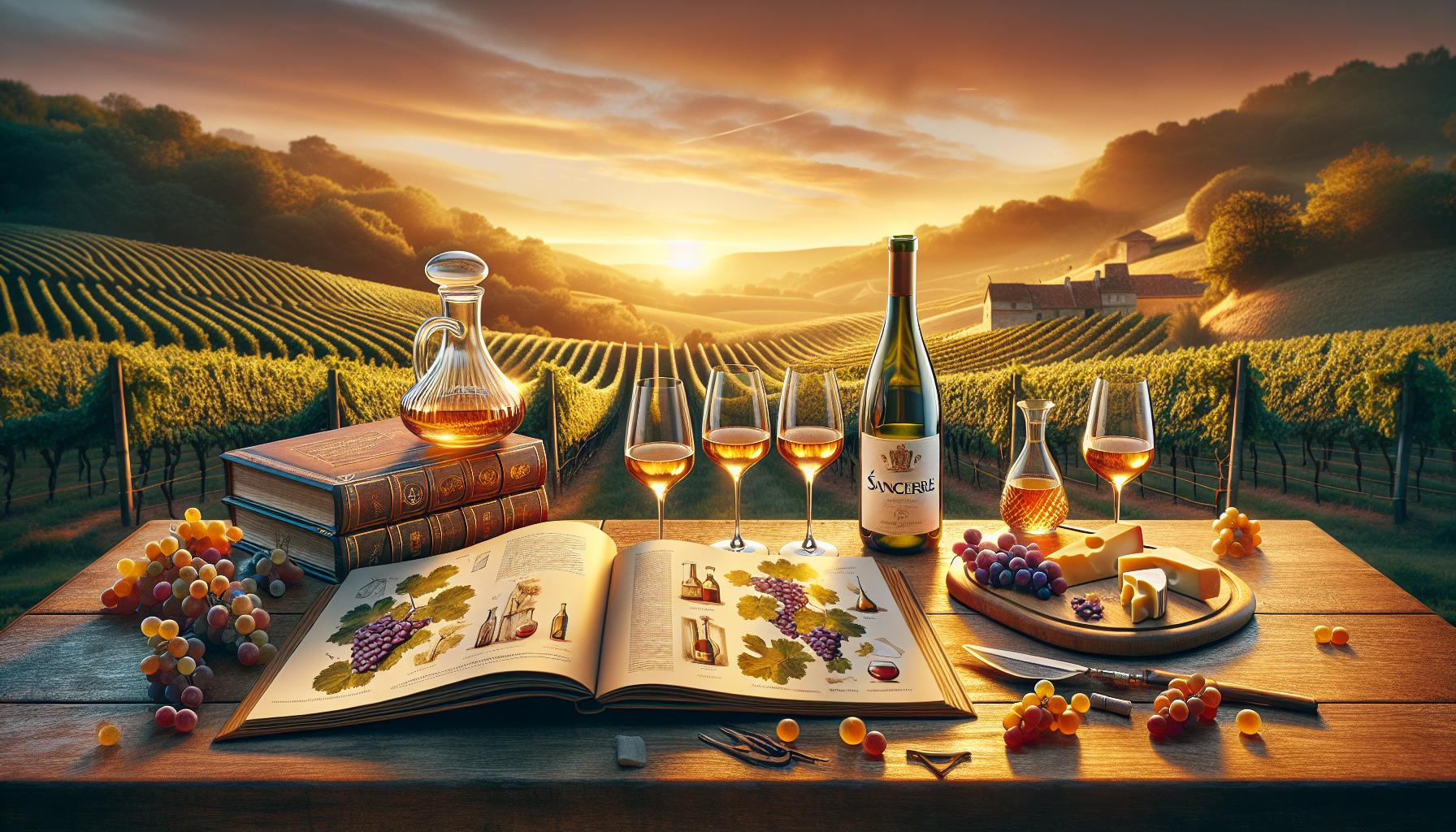
Sancerre’s Winemaking Traditions
The art of winemaking in Sancerre is an intricate dance between nature and tradition, a practice that has evolved over centuries while fiercely holding on to its roots. The region’s winemakers are custodians of their terroir-a blend of soil, climate, and traditions that together craft the distinctive character of Sancerre wines. Each vineyard presents its own unique microclimate, influenced by the limestone and flint soils that impart not just minerality but also a profound sense of place in every bottle. This harmony between vineyard and winemaker is essential, as it allows for the expression of terroir that defines Sancerre Sauvignon Blanc.
As the grapes are harvested, typically by hand to ensure only the ripest and healthiest fruit makes it to the winery, a world of meticulous care unfolds. Winemakers in Sancerre often employ a range of fermentation techniques, with many opting for temperature-controlled stainless steel tanks. This method preserves the fresh, fruity qualities of the Sauvignon Blanc grape while allowing the inherent notes of flint and citrus to shine through, producing a wine that is both vibrant and sophisticated. Some vintners also incorporate traditional methods, such as aging in old oak barrels, which can add subtle complexity and depth without overwhelming the wine’s signature profile.
Additionally, winemaking in Sancerre celebrates sustainability and respect for the environment. Many local producers are adopting organic and biodynamic practices, which harmonize with the values of the community. This forward-thinking approach not only honors the age-old traditions that have come before but also paves the way for a future that prioritizes the health of the land and the people who rely on it. The passion for crafting exceptional Sauvignon Blanc is palpable in every aspect of the winemaking process, from the vineyard’s stewardship to the thoughtful decisions made in the cellar.
The story of Sancerre wines is not merely about the liquid in the glass but encompasses the spirits of the families and communities that cultivate this remarkable land. As you engage with Sancerre, you are invited to partake in a narrative woven through generations-a narrative rich with cultural significance, historical depth, and a profound appreciation for the art of winemaking. Every sip serves as a reminder that wine is not just a beverage; it is a celebration of human connection, a testament to nature’s bounty, and an expression of time-honored traditions that continue to thrive in the heart of France.
Pairing Sancerre Wine with Food
The vibrant and zesty character of Sancerre wine makes it a delightful companion to a diverse array of dishes, enhancing the dining experience with its crisp acidity and minerality. As you explore the pleasure of pairing Sancerre, think of it as a conversation between the wine and your food, each elevating the other to new heights. This harmonious interaction has roots in the very terroir of Sancerre, where the chalky and flinty soils impart distinctive flavors that beautifully complement local cuisines.
Sancerre’s signature Sauvignon Blanc is often characterized by bright notes of citrus, green apple, and a subtle herbal quality, all of which create an elegant palate that pairs exquisitely with fresh seafood. Imagine sipping a chilled glass of Sancerre alongside a plate of oysters, where the wine’s acidity cuts through the brininess of the shellfish, creating a refreshing contrast. Alternatively, you might enjoy it with grilled white fish, where the wine’s minerality highlights the dish’s natural flavors without overpowering them.
Classic Pairings
By venturing beyond seafood, you’ll find that Sancerre also shines with various cheeses, particularly the flavorful goat cheese that hails from the local region. The wine’s bright acidity counterbalances the creamy texture of cheeses like Crottin de Chavignol, allowing their rich flavors to resonate on the palate, creating a dance of taste that celebrates the terroir of Sancerre. Here are some classic pairings to consider:
- Salads: Green salads with vinaigrette dressings enhance the freshness of Sancerre, making for a light and invigorating combination.
- Poultry: Roasted chicken or turkey, especially with herb rubs, complement the wine‘s herbal notes.
- Vegetables: Grilled or roasted seasonal vegetables become elevating accompaniments to a glass of Sancerre.
Sancerre as an Experience
Pairing Sancerre goes beyond just food-it’s an exploration of flavors and experiences. Incorporating the wine into your culinary adventures invites creativity into your dining table. Consider preparing a light pasta dish with lemon and herbs, which will resonate beautifully with Sancerre’s citrus notes, or even a savory ratatouille, where the amalgamation of vegetables and herbs finds a beautiful partner in the glass. This approach to pairing illustrates how Sancerre can bridge various culinary traditions, enhancing meals with its vivacity.
Ultimately, the key lies in the wine’s ability to provoke thought and conversation, turning each meal into a meaningful ritual. So, as you pour a glass of Sancerre, allow it to inspire your dish choices, and let each sip evoke the charm of the Loire Valley-where wine and food come together in a celebration of life and flavor.
Sancerre’s Role in French Wine Culture
In the pantheon of French wines, Sancerre occupies a hallowed space, emblematic of the artistry and tradition that defines this wine-loving nation. Much more than just a delicious Sauvignon Blanc, Sancerre serves as a cultural touchstone, linking history, gastronomy, and a deep sense of place within the Loire Valley. The region, with its rolling hills and chalky soils, is an eloquent testament to the notion of terroir-a philosophy that wine reflects the very land from which it comes. This principle is woven into the very fabric of French wine culture, making Sancerre not just a beverage but a narrative that unfolds through each sip.
Sancerre’s significance extends beyond the bottle; it is a symbol of regional identity and pride. Local producers have preserved traditional winemaking techniques while also embracing innovative practices, ensuring that each vintage tells a story of the year’s climate and harvest conditions. The resulting wines, characterized by their vivid acidity and aromatic complexity, invite exploration and appreciation. This dynamic interplay between tradition and modernity captures the spirit of contemporary French culture, where ancient practices meet modern sensibilities, reflecting a nation that respects its past while looking forward.
Moreover, Sancerre fosters connections among people, helping to cultivate a vibrant wine-drinking culture that thrives in conviviality. In bustling Parisian bistros or serene country terraces, Sancerre often graces tables adorned with simple yet exquisite fare: fresh seafood, local cheeses, or seasonal vegetables. Each pairing elevates the dining experience, turning meals into shared celebrations of life as unassuming but profound as the wines themselves. This communal aspect of drinking Sancerre is integral to its role in French social life, where wine acts as a catalyst for conversation, reflection, and joy.
To truly understand Sancerre’s place within the mosaic of French wine culture is to appreciate its qualities not just through tasting but through experiencing. Each glass invites you to tap into centuries of heritage, connecting you to the farmers, winemakers, and gastronomes-each with a passion as vibrant as the wine itself. Therefore, as you sip Sancerre, allow the flavors to tell you their stories, bridging the past with the present, creating a shared moment where tradition and taste collude in a delightful embrace.
Visiting the Sancerre Region: A Travel Guide
The Sancerre region, renowned for its exquisite Sauvignon Blanc wines, is a landscape imbued with history, serenity, and the artistry of winemaking. A visit to this picturesque area of the Loire Valley unveils not only the vineyards that stretch across gently rolling hills but also the quaint villages that embody the essence of French rural life. Imagine meandering through streets lined with traditional stone houses, where the air is fragrant with the scent of blooming vines and the occasional waft of fresh local pastries from family-run bakeries.
To truly immerse yourself in Sancerre’s rich vinous culture, consider exploring the region’s celebrated wineries. Many offer guided tours and tastings that reveal the intricate process behind crafting these iconic wines. You can sip on vibrant whites while gazing over the scenic landscapes that inspire each vintage. Notably, domains such as Domaine Vacheron and Henri Bourgeois provide not just tastings but experiences-where passionate winemakers share stories of their families’ traditions and the unique terroir that reflects in each bottle. To enhance your exploration, you might also engage in a culinary experience at a nearby restaurant specializing in local cuisine, perfectly paired with Sancerre wines.
While wine is undoubtedly the star, the region also offers diverse activities to round out your visit. The Loire River beckons you for a day of canoeing or cycling along its banks, providing opportunities to witness the natural beauty and wildlife of the area. An afternoon spent at the informal gardens of Chateau de Pesselieres, though its opening hours can be limited, is a delightful way to admire the fusion of nature and horticultural design, all the while reflecting on the surrounding vineyards.
Lastly, the town of Sancerre itself comes alive in the evening when the sun sets over the valley. Picture enjoying a glass of chilled Sancerre on a terrace, where local dishes featuring fresh seafood or goat cheese accompany the views, providing a sensory culmination of your exploration. Each sip serves as a connection, not just to the wine but to the land and the people who nurture it. Here, wine appreciation transcends the glass, deepening your understanding of a culture that celebrates tradition, quality, and the joy of shared experience-elements that are most potent when enjoyed in their home. Whether you’re seasoned in wine or a newcomer eager to discover, Sancerre welcomes all to this celebration of life in its purest form.
The Evolution of Sancerre Through History
The roots of Sancerre wine stretch deep into history, intertwining with the very essence of the Loire Valley’s landscape and culture. Historically recognized since the time of the Romans, this region has been transformed into a world-renowned wine-producing area, distinctly known for its exceptional Sauvignon Blanc. One might imagine ancient Roman soldiers savoring early vintages, though it took centuries for Sancerre to flourish into the respected appellation we know today.
By the 18th century, the unique terroir of Sancerre-a harmonious blend of chalky soils, river influences, and the region’s distinctive climate-had begun to earn its reputation among French wines. The viniculture era further evolved in the 19th century as techniques refined by generations of winemakers emerged. With the establishment of the Sancerre AOC in 1936, the region solidified its place in the wine hierarchy, granting it the recognition essential for protecting the authenticity and quality of its wines. This designation not only distinguished Sancerre from other French wines but also served as a guiding light for producers who upheld traditional methods alongside innovative approaches to winemaking.
Today, contemporary Sancerre wines reflect a rich tapestry of historical influences, blending traditional craftsmanship with modern techniques. Many wine enthusiasts are surprised to learn that alongside its celebrated whites, Sancerre produces a lesser-known yet enchanting line of red and rosé wines, derived from Pinot Noir. This lesser role is reminiscent of how Sancerre itself was often overshadowed by more esteemed wine regions, but the evolving palate of wine drinkers is rekindling interest in its red offerings.
As we navigate through the rich historical narratives surrounding Sancerre, it becomes evident that each bottle carries echoes of its past. The metamorphosis of Sancerre-from an alcohol produced for local consumption to a highly coveted wine-illustrates not just the evolution of a drink, but also the progression of its culture, terroir, and the unyielding passion of its winemakers. When you pour a glass of Sancerre, you are engaging with a living history, a connection to centuries of tradition, exploration, and the shared human experience. Whether sipped during a quiet afternoon or savored over a festive meal, each taste invites contemplation and conversation, enriching our appreciation of this iconic wine.
Crafting Sancerre: From Vineyard to Glass
Crafting Sancerre wine is an age-old art that begins with the region’s distinctive terroir and culminates in a glass that is both a reflection of its surroundings and a narrative of the winemaker’s intent. Nestled in the heart of the Loire Valley, Sancerre’s vineyards thrive on the region’s unique soil composition-primarily comprising chalk and limestone, which impart a remarkable minerality to the wines. This earthly richness is complemented by the region’s cool climate and the moderating influence of the Loire River, allowing the Sauvignon Blanc grapes to develop a vibrant acidity while retaining lush fruit flavors.
The journey from vineyard to glass demands meticulous attention at every stage of the winemaking process. Grapes are typically harvested by hand to ensure that only the finest fruit is selected, which is essential for preserving the delicate balance of flavors. Once gathered, the grapes are gently pressed, and the juice is left to ferment in stainless steel tanks or sometimes in oak barrels, a choice that can subtly influence the wine’s complexity. Winemakers often employ techniques such as malolactic fermentation, which softens the wine’s harsh malic acid, yielding a creamier texture and enhancing its aromatic profile.
An integral part of crafting Sancerre is honoring the region’s traditional methods while also embracing contemporary innovations. Many winemakers keep a keen eye on sustainability, employing organic or biodynamic practices to nurture their vineyards and produce high-quality fruit. This commitment to nurturing the earth shapes the wines in profound ways, cultivating a full-bodied character that resonates with both novice and seasoned drinkers.
When it comes to enjoying Sancerre, the interaction between the wine and your taste buds is a celebration of its painstaking journey. Pouring a glass of Sancerre invites you to indulge in its crisp notes of green apple, zesty lime, and gooseberry, all underscored by that signature minerality-a reminder of the very soil from which it sprang. Whether you savor it on a sun-soaked terrace in France or at a cozy dinner table, each sip connects you to the rich heritage of this beloved wine, beckoning deeper appreciation for the craftsmanship behind every bottle.
Understanding Sancerre’s Wine Labels
Every bottle of Sancerre whispers stories of its origin through the intricate details found on its label. Understanding these inscriptions can greatly enhance your appreciation of this iconic wine, turning each pour into an exploration of tradition, terroir, and artistry. At first glance, the label may appear to be a mere formality, but it is a roadmap guiding you through the nuances of the wine, from its designated appellation to the specific vintage that attests to the conditions of that year’s harvest.
One fundamental aspect to note is the designation of “Sancerre” itself, which signifies that the wine is produced in the Sancerre region of the Loire Valley, predominantly from the Sauvignon Blanc grape. When you encounter phrases like “AOC” or “Appellation d’origine contrôlée,” they assert the wine’s authenticity and adherence to strict regulations governing quality and production methods. In addition to varietal and regional specifications, labels often reveal the winemaking style-whether the wine is crafted in stainless steel tanks for a crisper profile or in oak barrels for additional complexity.
Moreover, vintage year is a hallmark of quality, as Sancerre can vary dramatically with each harvest, influenced by climatic conditions. A particularly warm year might yield richer, more opulent wines, while a cooler year can produce crisper, more mineral-driven expressions. Observing the vintage on the label allows you to trace the wine’s lineage and anticipate its flavor profile.
Alongside these essential details, some producers embrace a more personal touch with additional descriptors reflecting their specific philosophies or vineyard practices. Words like “organic” or “biodynamic” suggest a commitment to sustainability, while vineyard names or single estate references might signify exceptional sites known for their unique terroir. In essence, each Sancerre label serves not only as the gateway to a wine experience but as an invitation to connect with the rich cultural tapestry and craftsmanship that define this French classic.
So next time you reach for a bottle of Sancerre, take a moment to delve into the details on the label; within those carefully chosen words lies the story of the land, the climate, and the people who brought that exquisite wine to your table. Whether it’s your first taste or your hundredth, each sip will resonate deeper with the insights you glean from the label, enriching your overall experience and connection to this celebrated wine.
Debunking Common Myths About Sancerre
There’s an enchanting allure to Sancerre, a region that has captivated wine lovers with its dazzling Sauvignon Blancs. Yet, despite its prominence, several pervasive myths often surround this celebrated wine, clouding the appreciation of its true character and origins. It’s time to peel back the layers and set the record straight about Sancerre, making way for a deeper connection with this iconic wine.
One common misconception is that all Sancerre wines are light and purely fruity. While the region is renowned for its vibrant Sauvignon Blanc characterized by zesty citrus notes and minerality, it also produces more complex expressions that can surprise even the most seasoned palates. Some producers opt for a touch of oak aging, lending an alluring creaminess and changing the flavor profile significantly. Such variations are a testament to the skillful craftsmanship of Sancerre winemakers who harness the unique terroir-clay, limestone, and flint soils-to create multi-dimensional wines that can include herbal and even floral nuances.
Another myth suggests that Sancerre is exclusively a summer wine, suitable only for warm-weather sipping. In reality, its versatility transcends seasons. The wine’s crispy acidity elevates a wide range of dishes, from roasted poultry to creamy cheeses, making it equally enjoyable in the cooler months. Furthermore, the region produces delightful red and rosé wines from Pinot Noir, proving that Sancerre can be a year-round staple on your dining table, catering to every palate and occasion.
Lastly, there’s a persistent notion that Sancerre is only for the elite, reserved for special occasions or high-end menus. While it’s true that some producers craft exquisite, limited-edition bottles that command higher prices, many excellent Sancerre wines are widely accessible and offer exceptional value. Exploring Sancerre can be as rewarding as it is pleasurable, inviting wine enthusiasts at all levels to discover the remarkable qualities that define this quintessential French wine region.
In debunking these myths, we not only enhance our understanding but also deepen our appreciation for the rich stories contained in each bottle of Sancerre. Embrace the journey of exploration, and let the true essence of Sancerre unfold-one sip at a time.
Q&A
Q: What is Sancerre wine, and what makes it special?
A: Sancerre is a prestigious French wine from the Loire Valley, primarily made from Sauvignon Blanc grapes. Renowned for its crisp acidity and vibrant aromas, Sancerre showcases flavors of citrus, green apple, and mineral notes, making it a beloved choice for lovers of high-quality white wine.
Q: What food pairs well with Sancerre wine?
A: Sancerre pairs beautifully with seafood, particularly shellfish, as well as goat cheese and light salads. Its refreshing acidity complements the flavors of these dishes, enhancing the overall dining experience. For best results, serve with dishes that echo its crisp, clean profile.
Q: How should Sancerre wine be served?
A: Sancerre is best served chilled, at a temperature of 45-55 degrees Fahrenheit. Using a tulip-shaped white wine glass can enhance its aromas, allowing the delicate scents to concentrate and improve your tasting experience.
Q: Can Sancerre wine be aged?
A: While many Sancerre wines are enjoyed young, some can benefit from aging, particularly those from esteemed vineyards. Aged Sancerre may develop richer, more complex flavors over time, but typically, these wines are best consumed within a few years of release for optimal freshness.
Q: What are the different types of Sancerre wine?
A: Sancerre primarily produces three styles: Sancerre Blanc (white), Sancerre Rouge (red, made from Pinot Noir), and Sancerre Rosé (rosé). While white Sancerre constitutes the majority, the reds and rosés offer unique expressions of the terroir.
Q: How is Sancerre wine made?
A: Sancerre wine production involves harvesting ripe Sauvignon Blanc grapes, pressing them gently, and fermenting the juice in stainless steel to preserve freshness. Some producers employ techniques like malolactic fermentation or aging on lees for added complexity.
Q: What is the ideal serving glass for Sancerre?
A: The ideal glass for Sancerre is a tulip-shaped white wine glass, which helps concentrate and enhance its enticing aromas. This design allows the delicate scents to travel toward the nose, enriching your tasting experience.
Q: Why is Sancerre considered a classic French wine?
A: Sancerre is celebrated for its historical and cultural significance in France, originating from a region known for its exceptional terroir and winemaking traditions. Its unique combination of minerality, freshness, and aromatic complexity makes it a quintessential example of classic French wines.
Explore more about Sancerre and its unique characteristics to deepen your appreciation for this iconic wine.
In Retrospect
As you embark on your journey through the captivating world of Sancerre wine, remember that each sip is a taste of France’s rich terroir and vibrant history. With its crisp acidity and alluring mineral notes, Sancerre not only elevates your dining experience but also invites reflections on the culture it represents. Whether you’re pairing it with a delicate seafood dish or savoring it solo, this iconic white wine beckons you to explore more.
Ready to deepen your Sancerre experience? Discover essential pairing tips with our guide on Wine and Food Combinations or learn more about the famed Sauvignon Blanc grape by clicking here. Don’t forget to subscribe to our newsletter for exclusive insights into the enchanting world of wines, including recommendations tailored to your palate. Share your favorite Sancerre moments in the comments below and explore related articles to expand your wine knowledge. Cheers to your next tasting adventure!
Get our latest guides, news, and insights highlighted in your Google Search & AI Overviews.