


Red wine, with its rich history and diverse flavors, is often a staple in our homes, yet many wonder: how long does it truly last? Understanding the shelf life and storage secrets of red wine is essential, not just for optimal enjoyment but also for making the most of your investment. Did you know that a properly stored bottle can age beautifully over years, while another, left uncorked on the kitchen counter, can spoil within days?
As you contemplate your next gathering or quiet evening, knowing the lifespan of your wine can enhance your experience and ensure you savor every sip at its peak. The nuances of red wine, from varietal expressions to the influence of terroir, make each bottle a treasure, worthy of thoughtful appreciation. Join us as we explore practical tips and insightful knowledge, transforming your red wine journey into one of discovery and delight, ensuring that every glass is worth toasting.
How Long Does Red Wine Really Last?
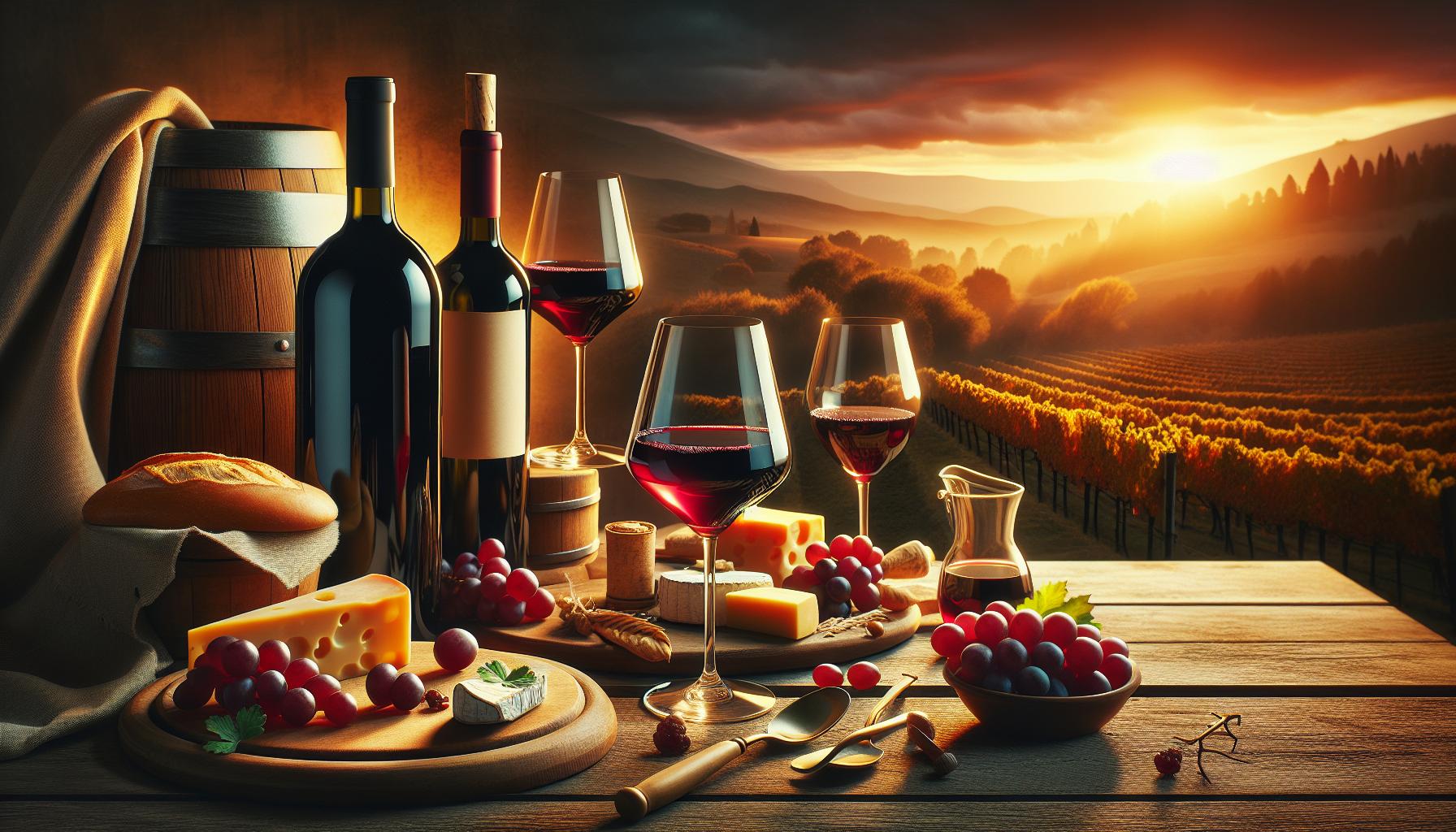
The longevity of red wine often sparks curiosity among enthusiasts and casual drinkers alike. While some bottles may boast the ability to age gracefully for decades, others are best enjoyed within a few years of their release. Generally, the shelf life of red wine can range from about 3 to 10 years, depending largely on the type and quality of the wine. Fine wines, especially those crafted from reputed varietals and producers, can thrive in cellars for even longer, developing complex flavors and depth that a young wine may not possess.
Take, for instance, a robust Cabernet Sauvignon or a finely balanced Bordeaux; these wines can develop beautifully over 10 to 20 years, as their tannins soften and their flavors intertwine. In contrast, lighter reds like Beaujolais Nouveau are designed for immediate enjoyment, offering vibrant fruit flavors that dissipate quickly with time. This is a striking reminder that not all wines share the same journey, with diverse varietals each carrying their own unique story and timeline.
Understanding how to assess wine longevity also involves some practical insights. Wine can deteriorate due to exposure to light, temperature fluctuations, and improper humidity levels, making storage conditions paramount. Ideal environments are dark, cool, and humid, allowing the wine to age properly. Storing bottles horizontally can keep the cork moist, preventing oxidation that could spoil the wine’s delicate profile.
Ultimately, the question of how long red wine really lasts isn’t merely about shelf life; it invites a deeper engagement with each bottle’s narrative. Each sip becomes a connection to the time, place, and people behind it-making every glass not just a drink, but a moment to savor. So next time you uncork a bottle, consider not only its age but also the adventure your palate embarks on-from the first pour to the very last drop.
Understanding the Shelf Life of Red Wine
The journey of a red wine from vineyard to glass is a captivating tale of nature and artistry, but how long can we expect this story to unfold? The shelf life of red wine is marked by an intricate balance of time, environment, and the very essence of the grape. While many casual drinkers might believe that all wines ‘get better with age,’ the truth is far more nuanced. Understanding the longevity of red wine is not simply about counting the years but appreciating the profound interplay between the wine’s characteristics and its storage conditions.
When we discuss the longevity of red wine, we’re often referencing both its aging potential and its optimal freshness after opening. Generally, a well-made bottle of red wine can last anywhere from 3 to more than 20 years, depending greatly on its varietal and storage. High-tannin wines, such as Cabernet Sauvignon and Barolo, possess the structural backbone to develop beautifully over time, gaining complexity and depth as they interact with oxygen within the bottle. On the other hand, brighter, fruit-forward wines like Pinot Noir or Grenache are often best enjoyed within their first few years, capturing that vibrant essence before it fades.
Factors affecting this dynamic lifespan include the quality of the wine, the vintage, and how it has been handled. For instance, wines that have undergone rigorous production methods and are produced from high-quality grapes tend to have a longer shelf life. Additionally, environmental factors such as temperature fluctuations, humidity levels, and light exposure can significantly impact aging. Wines stored in ideal conditions-cool, dark, and humid-are much more likely to thrive. Practically speaking, this means investing in proper wine storage solutions or at least finding a dark cupboard that maintains a stable environment.
As you embark on your wine adventures, remember that tasting is a journey. Each experience unfolds a narrative, not only about the wine’s age but also about its story-all the way from vineyard slopes to your table. So, whether you’re enjoying a young, exuberant bottle or a majestic aged vintage, take a moment to savor the experience, knowing that the questions of longevity and quality are as layered and rich as the wines themselves.
Factors Affecting Red Wine Longevity
The life expectancy of red wine is a captivating interplay of various elements that can enhance or diminish its quality over time. Factors such as grape varietals, storage conditions, and even the winemaking process heavily influence how long a bottle can last and remain enjoyable. Understanding these factors can transform your approach, whether you’re nurturing a prized vintage or simply trying to make the most of your weekend bottle.
Grape varietals play a pivotal role in determining longevity. High-tannin wines, like Cabernet Sauvignon and Syrah, often withstand the test of time, evolving in flavor complexity. In contrast, lighter varietals like Pinot Noir exhibit a shorter peak, generally thriving best when consumed within a few years of their release. The vintage also contributes significantly; years with ideal weather conditions typically yield grapes that are more resilient to aging. A drought year might produce a concentrated wine that ages beautifully, whereas a particularly wet season could lead to more straightforward, fruit-forward wines that are best enjoyed young.
Storage conditions are essential to preserving the integrity of red wine. Exposure to temperature fluctuations, light, and humidity can cause premature aging or spoilage. The ideal environment for storing wine mimics the cool, dark conditions of a cellaring facility: think stable temperatures around 55°F (13°C) and relative humidity around 70%. Investing in a wine fridge can be a wise choice, allowing you to control these conditions. Additionally, keeping bottles lying on their sides helps maintain moisture in the cork, preventing it from drying out and allowing air to seep in, which can oxidize the wine.
Other elements-such as the closure type and how the wine has been handled-also play critical roles. Screw caps often create a seal that preserves freshness longer than natural corks, which can be susceptible to cork taint. The journey from winery to table also matters-wines that have been exposed to extreme temperatures or have undergone rough handling are less likely to age gracefully. By understanding and manipulating these factors, you can not only extend the life of your beloved reds but also elevate your wine experience to one that celebrates the remarkable journey of each bottle.
Best Practices for Storing Red Wine
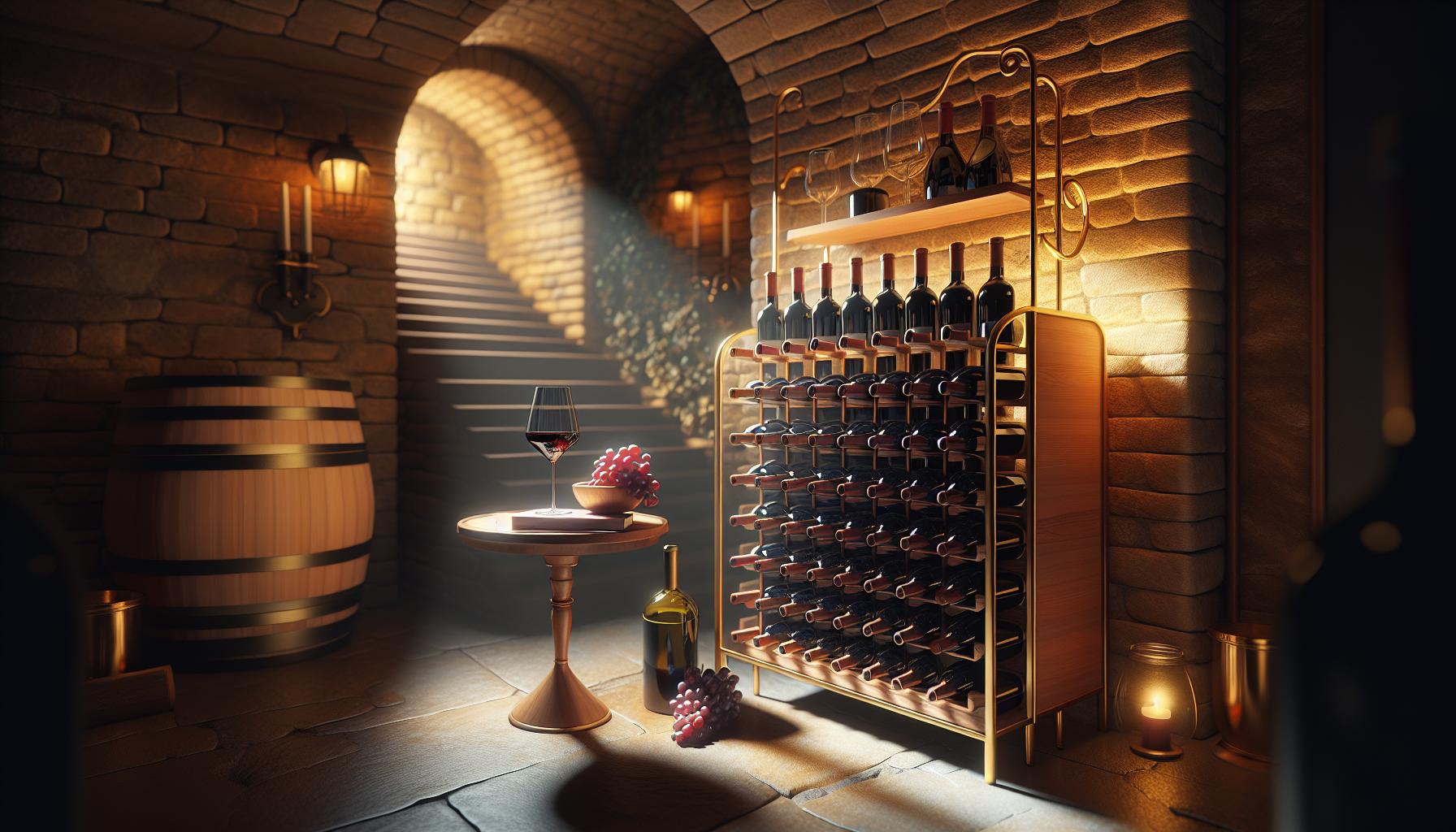
The journey of a bottle of red wine doesn’t end at the winery; in fact, how you store it can be as crucial as how it’s made. Within each bottle lies a world of aromas, textures, and flavors that can evolve beautifully-if given the right care. Wine, like art, requires a nurturing environment to flourish. Creating the perfect sanctuary for your reds is akin to crafting a cozy nook where a beloved book can be revisited time and again, each reading revealing deeper insights.
To begin with, consider the environment where your wine will rest. Ideally, wine should be stored in a dark, cool place, away from direct sunlight. Rays of light can cause unwanted chemical reactions, stripping away the vibrant aromas and flavors of the wine. The right temperature is crucial for long-term aging. Aim for a stable temperature, around 55°F (13°C), as fluctuations can encourage the wine to expand and contract, disrupting its delicate balance and potentially leading to spoilage. For those without a dedicated wine cellar, a wine fridge can be an excellent compromise, ensuring the consistent climate that wine dreams of.
Humidity is another often-overlooked aspect of wine storage. A relative humidity level of about 70% is ideal. This level prevents corks from drying out and becoming brittle, which can introduce oxygen into the bottle and spoil the precious liquid within. Storing bottles horizontally helps keep the cork moist and plugs the bottle tightly.
Moreover, pay attention to the vibrations and movement. Wine should be kept still-think of it as an artist at work, needing peace to create. Keeping bottles on sturdy shelves can eliminate disturbances from foot traffic or heavy appliances nearby. Investing in a few quality wine racks can enhance both storage and presentation, turning your collection into an artful display.
Incorporating these practices not only prolongs the life of your wine but also enhances the pleasure of uncorking a bottle, allowing each bottle to tell its story at the peak of its potential. What greater joy exists than the moment you pour a glass of wine that has reached its zenith, where every sip invites a deeper appreciation of its journey from grape to glass?
Optimal Temperature and Humidity for Storage
Storing red wine is akin to nurturing an exquisite flower; if you wish for it to bloom with all its glory, understanding its environmental needs is paramount. The ideal storage conditions are pivotal-not just for maintaining the integrity of your favorite vintages but also for enhancing them into something truly magical over time. When it comes to the optimal temperature, a consistent cool is essential. Aim for around 55°F (13°C), which is generally accepted as the sweet spot for aging red wines. This stable temperature ensures that the wine does not prematurely activate or degrade-the equivalent of keeping a rare book away from sunlight to protect its pages and ink.
One misstep many budding oenophiles make is allowing temperature fluctuations to alter their wine’s journey. Imagine your cherished bottle experiencing an unintended rollercoaster of warmth and cold; it would be much like a symphony orchestra thrown off balance-each note discordant, promising a mediocre sip instead of an awe-inspiring experience. Therefore, whether you’re setting up a temperature-controlled wine cellar or simply repurposing a closet, safeguarding against temperature swings is key.
Yet temperature alone won’t secure the longevity of your wine; humidity plays a crucial role as well. Ideally, a relative humidity level of about 70% is favorable. This moisture keeps corks from drying out, which could otherwise let air seep into the bottle and spoil the wine. Picture a sponge, bursting with moisture and eager to hold onto it versus a brittle artifact-stale and cracked. By storing your bottles horizontally, you ensure that the cork remains in contact with the wine, maintaining that vital seal. This elegant arrangement not only protects the cork but adds a touch of sophistication to your storage space.
Attending to both temperature and humidity conjures an intimate partnership between the wine and its environment, encouraging a slow and graceful evolution. When you next uncork a bottle that has been lovingly tended to in this way, you’ll find that its aromas dance from the glass, each swirl releasing layers of complexity and stories waiting to be savored. Embracing these principles transforms your wine collection into a living library-a testament to patience that blossoms with time, elevating must-have gatherings into memorable feasts, each sip enriched with history and heart.
Decoding the Aroma: How to Tell If Wine Is Off
Deciphering the aromas of red wine can be both an exhilarating and an intimidating experience; the art of understanding what a wine communicates through its fragrance can elevate your appreciation to new heights. When opening a bottle, the first encounter is the perfume released as you pour. A fresh, vibrant bouquet is often an indicator of quality and vitality. However, what happens when that alluring aroma morphs into something less appealing? Recognizing when a wine has turned can save you from an unpleasant experience, allowing you to appreciate its nuances to their fullest.
To identify if a wine is off, start by engaging your senses and being aware of the telltale signs. A musty odor resembling damp cardboard or mold is a common indicator of cork taint, usually caused by a compound called TCA (trichloroanisole). This can strip the wine of its true character, leading to a disappointed sip. Similarly, if you encounter an aggressive vinegar scent, it’s a sign of oxidation or spoilage-this wine has perhaps seen better days and should likely be discarded. Moreover, an aroma of cooked vegetables, particularly green bell peppers, might hint at a poor vintage or improper storage conditions.
Once you’ve completed your aroma assessment, it’s equally crucial to taste the wine. A vibrant wine that hits your palate with balance and roundness should not suddenly taste sharp or abrasive; off flavors such as a metallic bite or a bitter undertone can be signs of spoilage that were not apparent on the nose. Embrace these sensory moments as part of your wine journey, inviting you to explore the stories that each bottle holds, including those that signify a misstep.
In cultivating this practice, you’ll not only differentiate between a well-preserved wine and one that has journeyed past its prime but also enhance your overall experience of wine tasting. With every swirl, sniff, and sip, you invite deeper connections to the world of wine-transforming what was once a mere beverage into a passionate exploration of flavor and memory. The next time you uncork a bottle, take a moment to indulge in its aroma and truly savor the story it wishes to tell.
Open Bottle Life: How to Make It Last
Once a bottle of red wine is uncorked, its journey takes on a new dimension, one where the clock begins to tick on its freshness. While many might assume that once opened, the wine must be consumed quickly, there are indeed strategies to savor the delights of a bottle over several days-sometimes weeks-if approached with care. To extend the life of that beautiful Cabernet or velvety Merlot, consider a few key practices that can maintain the wine’s integrity, helping you experience the nuances in its taste and aroma for longer.
Firstly, the exposure to oxygen is the primary culprit behind wine’s transformation once the seal is broken. To mitigate this, re-corking the bottle tightly after each pour is crucial. If you’ve already enjoyed a generous glass and you wish to save the rest, consider investing in a wine preservation system, such as a vacuum pump. This handy tool can suck out excess air from the bottle, slowing down the oxidation process that dulls flavors. Additionally, keeping your wine in the refrigerator-even reds-can work wonders. Lower temperatures slow down the aging process and keep the wine fresher, particularly for those varietals that don’t suffer from cold temperatures.
Understand the Ideal Timeframe
The varietal of wine also plays a pivotal role in how long an opened bottle can last. Generally, lighter-bodied wines, like Pinot Noir, might be best consumed within 2-3 days, while more robust reds, such as Cabernet Sauvignon, can often last up to a week. Keep in mind that the subtleties in flavor may shift slightly over time, presenting an evolving tasting experience. Always trust your senses-if the aroma or taste has taken a turn for the worse, it’s best to let it go.
Utilize Bottle Closures
The type of closure can impact the longevity of an opened bottle as well. Natural corks, while charming, are more permeable to air than synthetic corks or screw tops, which can create tighter seals. Some wine enthusiasts argue that wine under screw cap can even maintain freshness longer. Don’t shy away from exploring the varieties; the closure method adds an interesting layer to the wine’s story and preservation.
In conclusion, the joy of red wine doesn’t have to evaporate the moment the bottle is opened. With thoughtful practices such as proper sealing, careful storage, and awareness of varietal lifespan, you can cherish those flavors long after the first pour. Embrace the notion that every pour tells a story-each sip an experience, with the potential for delightful discoveries in days to come. Raise your glass to not just the wine itself, but to the art of enjoying it over time, keeping the conversation going from bottle to glass and beyond.
The Impact of Bottle Closure on Freshness
The way a bottle of wine is sealed can significantly influence its longevity and flavor integrity after uncorking. Imagine opening a finely aged Cabernet Sauvignon, only to find that its complexity has faded prematurely-all due to the choice of closure. The interaction between wine and the air that infiltrates the bottle is a delicate dance, where the closure serves as both a gatekeeper and an influencer of the aging process.
Natural corks, a classic and romantic choice, allow a certain permeability to air. This can facilitate gradual oxidation, which is essential for the aging process of certain wines. However, it can be a double-edged sword, as too much exposure can lead to unwanted spoilage. While the rustic charm of a cork offers a tantalizing glimpse into tradition, it also introduces variability: some corks may be tainted with TCA (the chemical responsible for cork taint), which can spoil your cherished vintage. On the upside, many wine lovers cherish the tactile experience of removing a cork, as it evokes a sense of anticipation and ritual.
In contrast, synthetic corks and screw caps are gaining traction among winemakers and consumers alike for their reliability. These closures create a tighter seal, effectively limiting the ingress of air and preserving the wine’s freshness for longer durations. Many argue that wines sealed under screw caps maintain their original flavor profiles far better than their corked counterparts, particularly white wines and lighter reds that benefit from a more controlled aging process. The debate continues among wine enthusiasts, yet tasting a fresh, vibrant wine preserved under screw cap can be an eye-opening experience, inviting us to reconsider our preconceived notions about tradition versus innovation.
Ultimately, the choice of closure is not simply a matter of convenience; it’s a decision that impacts the wine’s journey from the vineyard to your glass. Whether you find joy in the rustic allure of a cork or prefer the modern assurance of a screw cap, each bottle tells a story-a story that unfolds beautifully with every pour. Understanding the influence of bottle closure can enhance your appreciation of wine, guiding your choices and enriching your tasting experiences, making the delightful pursuit of wine not just about consumption, but about exploration and learning.
Red Wine Varietals: Differences in Shelf Life
The longevity of red wine isn’t merely defined by its vintage but is heavily influenced by the grape varietal. Some wines, with their robust structures and deep flavors, have the capacity to evolve over decades, while others are best savored in their youth. It’s fascinating to delve into this world, where different varietals tell unique stories of aging potential.
For instance, Cabernet Sauvignon is often regarded as one of the noblest grape varieties, boasting a remarkable ability to age. The tannins inherent in its structure act as natural preservatives, allowing it to develop complex flavors over time. A well-stored Cabernet Sauvignon can last anywhere from 10 to 20 years, sometimes even longer depending on the winemaking techniques and vineyard practices. Imagine uncorking a bottle from a stellar vintage, the deep aromas of blackcurrant and cedar enveloping your senses, hinting at its rich evolution over time.
In contrast, varietals like Pinot Noir and Gamay are more delicate. They tend to have a lighter body and softer tannins, which make them enjoyable for early consumption. Typically, these wines shine at their peak in 3 to 7 years, showcasing vibrant fruit flavors and nuanced aromas. Pouring a glass of young Pinot Noir, you’re likely to experience fresh notes of cherry and rose petal, offering a delightful glimpse into the varietal’s immediate charm, yet lacking the structural integrity found in age-worthy wines.
Another interesting case is Syrah, beloved for its boldness and spicy undertones. Depending on its origin-from the Northern Rhône to Australia-its aging potential can vary significantly. While many expressions of Syrah can comfortably age for 5 to 10 years, some exceptional bottles, particularly those from prestigious regions, can evolve beautifully over 15 years or more, unveiling layers of complexity, ranging from savory herbs to smoky meatiness.
Whether you’re a novice or a seasoned enthusiast, understanding the differences in red wine varietals is essential for optimizing your collection. When aiming to prolong the life of your wines, consider their unique characteristics. Remember, not all wines are created equal in the aging department. Choose varietals wisely, based on your personal palate and the occasion, ensuring optimal enjoyment with every sip.
Restoring Life to an Old Bottle: Tips and Tricks
The delicate art of reviving an old bottle of red wine can be both a challenge and a rewarding experience, sending you on a sensory journey through time and taste. Over the years, wines can lose their vibrancy and charm, often leaving the drinker wondering if the vintage still holds the magic it once did. Here are some thoughtful strategies to explore, ensuring that you give your long-lost wine every chance to surprise you with its hidden allure.
First, begin by giving your bottle a gentle warmth. If it’s been stored in a cool environment, transitioning it gradually to a warmer temperature can help coax the aromas and flavors back to life. When you were young, how many times did you hear a parent talk about the versatility of embracing the right environment? Wine is no different. Try to open the bottle a couple of hours before serving, allowing it to breathe. A decanter is your friend here; by introducing oxygen, you can often dissolve that initial musty aroma, blending hidden complexities and enhancing the bouquet.
Another essential element to consider is the bottle closure. Over the years, cork can sometimes break down, leading to oxidation. If you suspect the cork has failed, don’t despair-try using a fine mesh strainer or cheesecloth when pouring. This can filter out any cork debris, allowing you to enjoy the beautiful liquid beneath without the fragments of history. In this context, a gentle pour is imperative; a slow, deliberate movement minimizes sediment disruption, preserving that delicate balance of flavors.
Lastly, trust your palate as your best guide. Engage with the wine slowly, savoring it like a seasoned traveler would with a timeless novel. Taste it at various intervals, perhaps pairing it with a modestly flavored cheese or charcuterie that can complement the wine’s character, drawing out memories from past festivities. This tasting ritual not only enriches your experience but breathes a sense of life back into the bottle-reminding you that even the oldest wines carry stories worth savoring.
Cultural Significance of Aging Wine
The aging of red wine is a practice steeped in centuries of tradition and cultural significance, reflecting not only the artistry of winemaking but also the connection between the drinker and the land. Throughout history, wine has served as a vehicle for storytelling, each bottle embodying the terroir, the season, and the unique conditions of the grape harvest. As wine matures, it develops complex flavors and aromas; a well-aged bottle can evoke memories of the past, both for individual experiences and the cultural narratives of entire regions.
In many cultures, aging wine symbolizes more than just improved taste; it represents patience, celebration, and the passage of time itself. For instance, in France, the tradition of savoring a vintage Bordeaux or Barolo from a particularly great year has become a rite of passage during important life events, be it weddings, anniversaries, or significant family gatherings. This imbues the act of drinking with deeper meaning-it’s not just about indulging in a fine wine; it’s about honoring moments that define our lives and drawing on the shared human experience.
Furthermore, the rituals surrounding aging wine extend to how it’s presented and consumed. Aged red wine often finds itself in the midst of communal gatherings where food and conversation flow freely, encouraging connections among friends and family. Pairing aged wines with carefully chosen foods enhances the overall experience, transforming a simple meal into a heartfelt celebration of culture, culinary art, and history itself. In this way, the bottle becomes a medium through which stories are not only told but also lived, as wine fosters connections that transcend generations.
As you explore the richness of aged red wine, consider approaching it with an open heart and an attentive palate. While technical understanding-like the effects of oak aging or the nuances of different varietals-can enhance appreciation, it’s ultimately the communion of flavors and the shared experiences they prompt that bring true joy. Tools of appreciation such as a decanter or a few moments of consideration before taking your first sip can unlock the soulful qualities hidden within an aged bottle. Remember, each bottle has a narrative; it’s yours to discover and enjoy, one taste at a time.
Wine and Food Pairings: Impress Your Guests
Embracing the harmonious marriage of wine and food is akin to orchestrating a symphony, where each note enhances the next. When pairing red wine with a meal, consider the robust flavors and characteristics of the wine to elevate your dining experience. For instance, a full-bodied Cabernet Sauvignon, rich with dark berry notes and hints of oak, complements the savory depth of a grilled ribeye or lamb, making the meal not just a feast for the palate but also an event to savor. As the wine breathes, it softens and reveals layers, much like the complex unfolding of a great story shared at the table.
When planning your pairings, think about balance and contrast. A velvety Pinot Noir, with its lighter structure and bright acidity, can beautifully offset the richness of duck confit or a mushroom risotto. Here, the wine’s acidity acts as a cleansing agent, heightening the dish’s flavors without overpowering. Similarly, a spicy Zinfandel can hold its own against smoky barbecue, its fruit-forward profile enhancing the zest without competing. This interplay encourages an engaging dialogue between food and wine-one that transforms dining into something truly memorable.
Cultivating a welcoming atmosphere can further enhance this experience. Perhaps you set the scene with a rustic table adorned with seasonal fruits and fragrant herbs, inviting discussions about the wine’s origin and the meal’s preparation. Engaging your guests in the process deepens their appreciation of both the culinary and vinous components. You might share anecdotes about the wine’s terroir or how certain varietals thrive in unique regions, connecting flavors to the Earth’s stories.
Lastly, remember that there are no hard and fast rules-when it comes to pairing, personal preference plays a significant role. Encourage your guests to experiment with different combinations, fostering a spirit of adventure and exploration. Over time, as you hone your instincts and discover what delights your palate, you will create experiences that resonate, long after the last drop has been savored. The art of pairing red wine with food is not just about enhancing flavors; it’s about creating connections-between people, memories, and the joyous moments that turn a simple meal into a cherished occasion.
Frequently asked questions
Q: How long does opened red wine last in the fridge?
A: Opened red wine can last about 3 to 5 days in the fridge if properly sealed. Using a wine stopper can help preserve its flavors. For the best taste, consume it within a few days to enjoy its optimal characteristics.
Q: What is the shelf life of unopened red wine?
A: Unopened red wine can generally last 3 to 5 years, depending on the type and storage conditions. Fine wines, especially reds with high tannins, may improve with age and can last even longer when stored properly in a cool, dark place.
Q: How should red wine be stored for optimal freshness?
A: Store red wine lying down at a consistent temperature between 55°F to 65°F (13°C to 18°C), away from direct sunlight. A wine cooler or cellar is ideal for maintaining proper humidity and temperature, helping enhance its aging potential.
Q: Can red wine go bad? How can you tell?
A: Yes, red wine can go bad. Signs include an off smell reminiscent of vinegar, cloudy appearance, or an overly sour taste. If in doubt, it’s best to taste a small amount before serving to ensure its quality is intact.
Q: Does red wine last longer if it’s corked or capped?
A: Generally, wines sealed with a cork tend to age better than those with screw caps. However, once opened, use a wine stopper or keep it capped tightly to minimize oxygen exposure, helping to preserve its taste for a longer period.
Q: What happens to red wine after the expiration date?
A: After the expiration date, red wine may not taste its best, but it typically won’t be harmful. Expect a decline in flavor and quality, making it less enjoyable. It’s best to consume wine before this date for the best experience.
Q: How long can red wine last after the bottle is opened?
A: Opened red wine usually lasts 3 to 5 days if refrigerated and sealed well. For those who enjoy a glass now and then, consider investing in a preservation system to extend its life beyond a few days, ensuring you savor every drop.
Q: Why does the storage condition affect red wine’s longevity?
A: Storage conditions greatly impact red wine’s longevity due to factors like temperature, humidity, and light. Ideal conditions help preserve its flavor and aroma, while extreme temperatures and light can cause it to age prematurely, affecting its overall quality.
Concluding Remarks
As you savor the rich layers of red wine, remember that understanding its shelf life and storage secrets not only enhances your appreciation but also enriches your experience. Whether you’re contemplating that bottle saved for a special occasion or simply wishing to prolong your preferred varietal, timely action transforms your wine enjoyment. For deeper insights, explore our articles on wine storage best practices and the fascinating impact of terroir on flavor profiles.
Don’t let your questions linger-join our community by subscribing to our newsletter for exclusive tips and in-depth wine guides that will continue your exploration. Embrace the journey; every bottle tells a story waiting to unfold. Share your thoughts or experiences below, and let’s enrich our collective understanding of the splendid world of red wine together!
Get our latest guides, news, and insights highlighted in your Google Search & AI Overviews.


