
When it comes to enjoying white wine, many enthusiasts find themselves pondering a simple yet pivotal question: should you chill it? The serving temperature of white wine is not just a matter of preference; it significantly influences the flavor experience and aroma release, unlocking the wine’s true potential. Research shows that cooler temperatures enhance crispness and acidity, making each sip a refreshing delight.
Imagine uncorking a bottle of Sauvignon Blanc on a warm evening, only to discover it tastes flat because it wasn’t chilled adequately. Understanding the ideal temperature range-typically between 49°F and 55°F-can elevate your enjoyment, ensuring every nuance of flavor dances across your palate.
Join us as we explore the secrets of chilling white wine, uncovering why temperature matters and how it can transform your tasting experience. Get ready to unlock the subtleties of your favorite varietals, creating memorable moments with each glass you pour.
Understanding the Ideal White Wine Serving Temperature
The delicate balance of flavors in white wines can be beautifully accentuated when served at their ideal temperatures. Imagine sipping a crisp Sauvignon Blanc chilled to perfection, its vibrant acidity dancing on your palate. This transformative experience hinges on understanding the specific temperature range that best showcases a wine’s characteristics. Typically, lighter white wines, such as Pinots Grigio and Rieslings, shine when served at a brisk 44 to 50°F (7 to 10°C), inviting their refreshing minerality to the forefront. In contrast, fuller-bodied white wines like Chardonnay benefit from a slightly warmer serving temperature of 50 to 55°F (10 to 13°C), allowing their complex flavors to unfold gracefully.
Achieving the proper temperature not only enhances the tasting notes but also harmonizes with the wine’s texture and aroma. White wines chilled too much can mask their intricate layers, while those served too warm may feel flabby or overly alcoholic. This is where a little science meets art; understanding that colder temperatures can mute flavors while warmer temperatures can emphasize them is paramount in the world of wine connoisseurship. Therefore, it’s essential to invest time in learning about the ideal serving temperatures for different varietals to elevate your wine experience to new heights.
When preparing to serve white wine, it’s often beneficial to pre-chill your bottles in the refrigerator or an ice bucket. However, be mindful of the duration; lighter whites can chill more quickly than their fuller counterparts. A practical tip to gauge the ideal chill is to invest in a wine thermometer, allowing you to serve your wine at the precise temperature every time. By taking these steps, you’re not just pouring a drink; you’re crafting a sensory experience, an invitation to savor each sip and explore the narrative woven into every bottle.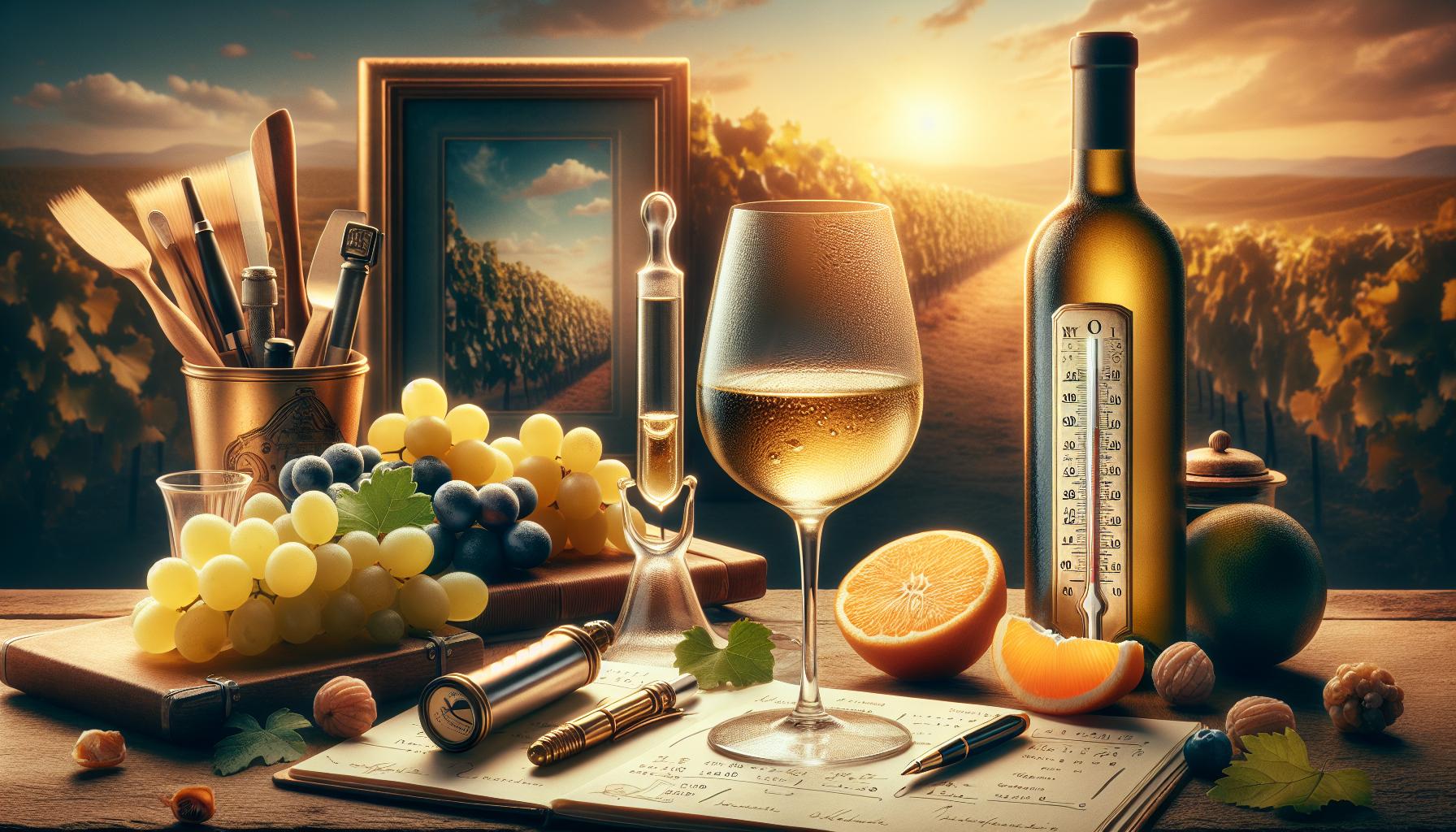
The Science Behind Chilling White Wine
The meticulous art of chilling white wine is a dance of temperature and taste, where science meets a sensorial narrative that draws wine enthusiasts deeper into their captivating world. Understanding the impact of temperature on the flavor profile of white wines can transform a mere sip into a symphony of sensations. White wines exhibit an array of characteristics that are intricately tied to their serving temperatures. Cooler temperatures tend to preserve acidity and freshness, characteristics vital to lighter varietals like Sauvignon Blanc and Pinot Grigio. Conversely, slightly warmer temperatures can unlock the complexity of fuller-bodied wines such as Chardonnay, allowing their richer textures and nuanced flavors to emerge, enhancing the tasting experience.
Consider the fascinating way temperature influences our perception. When chilled too aggressively, white wines can become muted, stripping away the subtleties that convey their unique terroirs and crafting stories. A well-balanced Chardonnay, served around 50°F (10°C), may blossom into a delightful exploration of stone fruit and oak, offering a luxurious mouthfeel that dances on the palate like a well-rehearsed ballet of flavors. In this delicate balance, the goal is to find that sweet spot where the wine’s inherent qualities shine through, without overpowering them with excessive cold.
In practice, achieving that ideal chill is as much about understanding individual varietals as it is about technique. The science of chilling wine is not just about placing a bottle in the fridge; it’s an exercise in patience and precision. Investing in a wine thermometer may seem a trivial luxury, yet it empowers you to serve each bottle at its optimal temperature reliably. When preparing for a gathering or a solitary indulgence, try to control the environment: pre-chill lighter wines quickly, but allow fuller whites to cool gradually to unleash their full potential. With a touch of mindfulness, every pour invites a moment of connection-not only with the wine but with the craft that brought it to life.
Popular White Wine Varietals and Their Temperatures
The nuances of serving temperatures play a pivotal role in how white wines express their distinct characteristics, making the choice of varietal essential for any wine enthusiast. Serving a wine at its optimal temperature can transform a modest gathering into an extraordinary experience, revealing layers of flavor that might otherwise be lost. Each white wine varietal has its sweet spot, and understanding these preferred temperatures can enhance both the aroma and taste.
For instance, iconic varietals like Sauvignon Blanc are best enjoyed chilled at temperatures between 45°F to 50°F (7°C to 10°C). This cooler range maintains the wine’s remarkable acidity and crispness, preserving the vibrant notes of citrus and green apple that make this varietal so refreshing. Conversely, a Chardonnay, particularly one that has undergone malolactic fermentation, thrives at slightly warmer temperatures of about 50°F to 55°F (10°C to 13°C). This warmth allows for the wine’s more intricate flavors-think buttery textures and notes of ripe peach-to emerge, creating a fuller tasting experience.
Other varietals, such as Pinot Grigio and Riesling, typically shine when served cooler, around 45°F (7°C). These wines benefit from their bright acidity, which is preserved at lower temperatures, delivering crisp, clean flavors that can transport you to sun-drenched vineyards with every sip. On the other hand, Gewürztraminer, with its lush and aromatic profile, is best served between 50°F to 54°F (10°C to 12°C). This range allows the delightful floral and spicy notes to unfold while still keeping its refreshing qualities intact.
As you delve into the world of white wines, consider the delicate balance of temperature and taste as you curate your selections. Employing a reliable wine thermometer will not only empower you to serve these varietals at their best but also inspire engaging conversations about their unique characteristics and the exceptional role that temperature plays in their enjoyment. Embrace the journey of discovery as each pour invites an exploration of the intricate tapestry of flavors woven into every bottle.
How to Chill White Wine Effectively
To elevate the experience of sipping chilled white wine, understanding how to chill it effectively is crucial. Did you know that improper chilling can lead to muted flavors and diminished vibrancy? To ensure that each glass serves up the freshness and complexity that white wines are known for, let’s explore the best practices in chilling methods that can transform your wine-drinking rituals.
The classic approach, of course, is the open-air method: placing your bottle in a bucket filled with ice and water for about 20-30 minutes. The science behind this is sound-ice alone often doesn’t chill as efficiently as water, as water surrounds the bottle completely, ensuring even cooling. Remember to fill the bucket halfway with water and then add ice until it overflows. This simple adjustment can make a significant impact, rapidly bringing the temperature down to that sought-after range of 45°F to 55°F (7°C to 13°C), depending on the varietal.
For those last-minute decisions to enjoy a glass, the freezer can also be your friend-but with caution. A quick 15 minutes there can offer a convenient chill, but be vigilant; neglecting the timer may lead to a frozen catastrophe, not to mention the wine’s complex flavors could become buried under frost instead of celebrated.
If you’re investing in a more sophisticated technique, consider a wine chiller sleeve. These gel-filled sleeves can be stored in your freezer and conveniently wrapped around the bottle. They provide that coveted chill without the pooling water and melting ice mess, plus they help maintain the temperature once you’re ready to serve. When opting for more avant-garde methods, techniques like using a saltwater solution can also accelerate chilling times thanks to the unique properties of salt, making it easier to achieve that optimal serving temperature in record time.
Regardless of the method you choose, always err on the side of being slightly cooler than necessary, as serving wine too cold can mask its inherent flavors. Elevate your wine experience by engaging not just with the process of chilling, but with every aromatic note and flavor profile that emerges when your white wine is served at its ideal temperature. Each sip should be a meditation, a journey through its vineyard origins, enhanced by treating the wine with the reverence it deserves in preparation for enjoyment.
Common Mistakes in Chilling White Wine
In the delicate dance between temperature and taste, chilling white wine incorrectly can be a misstep that overshadows the subtleties of floral notes and crisp finishes. One of the most common mistakes is over-chilling, leading to a wine that’s so cold its flavors are muted, robbing the sip of complexity. Many enthusiasts, in their eagerness to serve wine at a perfect temperature, may resort to popping the bottle in the freezer for a quick chill. While a brief respite in the freezer can expedite the process, a few extra minutes can transform that chilled delight into a frozen block of disappointment, burying the nuanced notes that make each varietal special.
Another pitfall lies in the choice of chilling method. Using plain ice alone can lead to uneven cooling, as the bottle often remains partially warm if not surrounded completely. A mix of ice and water is the golden standard, creating a universal embrace around the bottle, leading to an even chill in a fraction of the time. Also, neglecting the choice of glassware can affect the drinking experience. A narrow glass may retain cold longer, but it can also stifle aromatics. Opt for wider, generously shaped glasses that invite oxygen to coax out the wine’s true essence, allowing fragrant bouquets to mingle delightfully with the chilled content.
In the pursuit of that ideal temperature, many enthusiasts may forget that each varietal has its own optimum range. For instance, light whites like Sauvignon Blanc thrive at around 44-50°F (7-10°C), while the full-bodied Chardonnay would prefer a slightly warmer 50-55°F (10-13°C). Tailoring your chilling process to fit each wine’s unique character can enhance your overall enjoyment significantly. Lastly, be wary of the time spent chilling; it’s essential to respect the wine’s character and grandeur-after all, great wine should not only be chilled but rejoiced in, sipped slowly, and savored like an enchanting story waiting to unfold.
Innovative Chilling Methods for Home Use
In the realm of wine appreciation, the methods we use to chill white wine are not just practical steps-they can be the difference between a mildly enjoyable sip and an exquisite bouquet of flavors awakening on the palate. Picture this: it’s a sun-soaked afternoon, and your friends have gathered for a leisurely tasting experience. The last thing you want is to fumble with lackluster chilling methods that might dull the vibrancy of your carefully selected varietals. Instead, embrace innovative techniques that not only expedite the chilling process but also enhance the overall sensory experience.
One popular method is the use of frozen grapes. As simple as it sounds, adding frozen grapes to your glass not only chills the wine without watering it down (which can happen with ice) but also adds a subtle layer of flavor, especially if using complementary varieties like green grapes with Sauvignon Blanc. Another ingenious approach is the saltwater ice bath. By combining ice, water, and a dash of salt, you can chill your wines in about 15 minutes. The salt lowers the freezing point of the water, allowing for more effective chilling while ensuring that the bottle is entirely enveloped in that icy embrace.
For those more inclined toward technology, consider investing in a wine chiller or rapid cooling sleeve. These devices can chill your wine in minutes and are often designed to hold the ideal temperature for serving. Think of a chilling sleeve as a stylish coat for your wine, one that maintains its chill right down to the last drop. Alternatively, the vacuum-sealed aerator is a dual-purpose tool; it not only aerates your wine as you pour, letting its flavors blossom, but some models also feature built-in cooling technology, making them perfect for outdoor gatherings.
Ultimately, the key to a truly enjoyable wine experience lies not just in how we chill our bottles but in the mindful exploration of each pouring. Whether you opt for berries, saltwater baths, or modern gadgets, always remember that every method brings us closer to those enchanting moments-where chilled wine met with laughter transforms an ordinary day into an extraordinary memory. Embracing these innovative chilling techniques not only preserves the integrity of your wine but also enriches the narrative of your gathering, creating an atmosphere where every sip echoes the connection shared amongst friends.
The Importance of Glassware in Wine Experience
The right glass can transform your wine experience from pedestrian to profound, no matter how well-chilled your white wine is. Imagine this: you’re savoring a crispy, chilled Sauvignon Blanc, the summer sun gently warming your shoulder. You lift the glass to your lips, and the narrow rim directs the wine precisely to your taste buds, enhancing the zesty notes of citrus and grass. Glassware is not merely a vessel; it acts as a conduit, channeling the aromas and flavors that give wine its unique character.
When selecting glassware, consider the shape and size carefully. A glass with a wider bowl allows the wine to breathe, promoting the development of the aromatic profile. The wider mouth can also enhance the wine’s cooling effect, ensuring that each sip remains refreshing, especially for varietals such as Chardonnay, which benefits from exposure to oxygen. In contrast, a slim, tall glass often serves white wines like Riesling effectively, concentrating its delicate floral and fruity notes. Remember, the function of the glass goes beyond aesthetics; it’s about crafting an experience that lingers on the palate and in the memory.
Moreover, cleanliness and temperature are essential components of enjoying white wine to its fullest. Ensure your glass is impeccably clean, free from residue or dust, as even the slightest impurity can negatively affect the wine’s flavor profile. Pre-chilling your glasses can elevate your serving temperature as well. A cool glass not only enhances the experience of a freshly chilled wine but also extends the chill factor, making each sip delightfully crisp. To achieve this, consider rinsing your glasses with cold water or keeping them in the freezer for a short time.
In the end, savoring white wine is as much about the glass as it is about the wine itself. A beautifully crafted glass enriches your experience, inviting you to pause and appreciate the journey encapsulated in every pour. So next time you pour a glass, take a moment to admire the elegance of the vessel that holds your drink-the perfect collaboration of form and function that deepens your connection to the art of winemaking and the pleasure of shared moments.
Exploring Regional Differences in Wine Serving Temperatures
Every sip of white wine can open a portal to the diverse climates and cultures from which it originates, revealing how regional nuances influence preferred serving temperatures. In cool-climate regions like the Loire Valley in France, Sauvignon Blanc showcases its vibrant acidity and crispness best when served chilled, often between 45°F to 50°F (7°C to 10°C). This ensures that the bright citrus notes and herbal qualities shine, perfectly complementing the seafood dishes common in this region’s cuisine. In contrast, the warmer climates of California often encourage a slight elevation in serving temperature for varietals like Chardonnay, which thrive when enjoyed in the 50°F to 55°F (10°C to 13°C) range. Here, a bit of warmth unlocks the wine’s richer, buttery notes without masking its refreshing acidity.
Understanding these regional preferences can transport you to a sun-drenched terrace in Tuscany, where a well-chilled Vermentino meets the warmth of the Italian sun at about 46°F to 50°F (8°C to 10°C). The locals will tell you that the right temperature enhances the wine’s floral and stone fruit characteristics, enhancing the experience of warm evenings filled with laughter and delight. Meanwhile, in the cooler climes of New Zealand, Pinot Gris drinks best at 45°F to 50°F (7°C to 10°C), where the crispness invigorates the palate against the backdrop of lush green landscapes.
Essentially, the culture surrounding wine extends beyond the glass and the grape; it’s intertwined with tradition, history, and local taste. When preparing to serve white wine, consider not just the varietal but the regional characteristics that shape its ideal temperature. Exploring local customs can enrich your appreciation and deepen your connection to each pour, transforming a simple tasting into a shared, celebratory experience-akin to savoring warm moments around a table filled with loved ones. The journey through these global wine stories invites you not only to taste but to participate in a rich tapestry of human connection, celebrating the unique symphony of flavors throughout the world’s diverse vineyards.
The Culture and Ritual of Wine Serving
In wine culture, serving white wine isn’t merely a practical necessity but rather an experience steeped in tradition, history, and ritual that enhances the way we connect with the essence of each pour. Picture a warm summer evening in the South of France, where laughter drifts through lush vineyards, and the clinking of glasses signifies a toast to life. Here, the act of serving wine becomes a communal ritual, where the meticulously chosen serving temperature transforms an ordinary sip into an extraordinary moment of joy and connectivity.
Understanding the rituals that accompany wine serving can elevate your experience from simple refreshment to a celebration of flavors and memories. The ideal temperature at which white wines are served is driven not only by scientific rationale-preserving the wine’s complex notes and aromas-but also by the cultural practices that accompany each varietal. For instance, consider the Italian tradition of serving a light Pinot Grigio with antipasti. The careful chilling serves to accentuate the crisp acidity, which harmonizes beautifully with the salty and savory elements of the spread. Such rituals are not isolated; they intersect with the seasons, local weather, and even the life events being commemorated, infusing each gathering with a unique significance.
A particularly intriguing aspect of wine culture lies in its evolving nature; what may be deemed traditional today can shift dramatically over time and across regions. In parts of Spain, the communal sharing of wine-often served slightly cooler than initially intended for a refreshing touch-invites conversations and a slower pace, allowing the drinkers to savor not just the wine but each other’s company. As you pour a crisp Sauvignon Blanc, consider the way this ritual of serving transforms simple ingredients into a tableau of human connection. The shared experience, often accompanied by food, laughter, and storytelling, can invoke a sense of nostalgia and deepen bonds among friends and family.
While the science of serving temperature provides the framework, it is the rituals and cultural flavors that truly color our engagement with white wine. As you explore these practices, remain open to how they resonate personally. Blend your unique traditions with learned practices from global wine culture, allowing the serving of white wine to become your own cherished ritual-a beautiful tapestry of temperature, taste, and togetherness that stretches beyond the confines of the glass.
Pairing Chilled White Wine with Food
The shimmering allure of chilled white wine is not just about a refreshingly crisp sip; it’s also about elevating the dining experience to a harmonious crescendo of flavors. Wine, in its elegant glass, acts as a palette that paints the nuances of the meal, each varietal uniquely tempered to complement an array of dishes. When paired thoughtfully, chilled white wine has the power to transform a simple gathering into a culinary celebration, igniting conversations and eliciting memories.
To truly savor the synergy between food and chilled white wine, it’s essential to consider the wine’s characteristics alongside the dish’s flavors. For instance, a zesty Sauvignon Blanc, served at a chilled 45-50°F, thrives alongside herby seafood dishes, like lemon-garlic shrimp or fresh oysters, where its bright acidity cuts through richness and echoes the ocean’s essence. Conversely, a well-structured Chardonnay-preferably served slightly warmer around 50-55°F-flourishes when matched with creamy risottos or grilled chicken smothered in a buttery sauce, its fuller body intermingling beautifully with rich textures.
Exploring Pairings
When venturing into the realm of pairings, some classics never fade. Here are a few combinations that reflect the art of balance:
- Pinot Grigio: This vibrant wine pairs beautifully with light salads, antipasti, or grilled vegetables, allowing its crispness to enhance the freshness of the ingredients.
- Riesling: Whether off-dry or sweet, Riesling is a brilliant match for spicy Asian cuisine, as its natural sweetness balances heat, creating a delightful contrast.
- Châteauneuf-du-Pape Blanc: This rich white wine pairs well with dishes featuring goat cheese, reflecting the local produce in regions like the Rhône Valley, where both thrive.
Cooking and dining rituals often determine the best match for a chilled white wine. Imagine a summertime soirée; a light, flirtatious Verdejo harmonizes perfectly with a charcuterie board bursting with figs, prosciutto, and creamy cheeses, creating an experience that highlights the joy of sharing. On cooler evenings, a slightly richer Viognier might accompany roasted chicken with herbs, resonating with the comforting warmth of home-cooked meals.
As you craft your pairings, remember that the essence of a meal is not just the food itself but the memories forged around the table. Chilled white wine is an invitation to explore flavors, enhance memories, and deepen connections with those we gather with. So, as you lift your glass, may the temperature of your wine reflect not just the science of serving but the warmth of friendship and shared moments, inviting everyone to savor life one sip at a time.
Navigating the Myths of White Wine Temperature
The world of wine is rich with traditions and guidelines, yet often clouded by myths that can mislead even the most passionate wine enthusiasts. One common misconception is the belief that all white wines should be served ice-cold. While it’s tempting-as frosty glasses evoke thoughts of refreshing summer evenings-this approach can mute the wine’s intricate flavors and nuances. Each varietal thrives under its own optimal temperature conditions, and often, the science behind serving temperatures can greatly enhance the tasting experience.
For instance, lighter-bodied white wines such as Sauvignon Blanc and Pinot Grigio typically shine at temperatures ranging from 45°F to 50°F (7°C to 10°C). This range allows their bright acidity and floral notes to emerge fully, perfectly complemented by foods like light seafood dishes or simple salads. Conversely, fuller-bodied whites like Chardonnay or Viognier benefit from being served slightly warmer-around 50°F to 55°F (10°C to 13°C). At these temperatures, a richness and depth of flavor intensify, revealing subtle oak and buttery notes that might otherwise be lost at lower temps.
Another prevalent myth is that white wine should never be decanted; in reality, decanting can introduce oxygen, allowing some wines to blossom and unfold their character more completely. However, the idea of decanting may raise eyebrows depending on the varietal. For example, robust whites from regions like the Rhône can benefit from this practice, showcasing their complexities beautifully. Each varietal has its story, and within those stories lie the ideal conditions to reveal their essence.
To navigate these myths is to embark on a journey of discovery. Next time you pour a glass of white, consider its origin, its body, and its notes. Reflect on the fact that temperature is not merely a number; it’s a key that unlocks the true potential of the wine, inviting you to experience flavors that challenge preconceived notions and elevate your enjoyment. Embrace the nuances of temperature, and allow your palate to guide you through the beautiful tapestry of white wine.
Frequently Asked Questions
Q: Should white wine be chilled?
A: Yes, white wine should be chilled to enhance its refreshing qualities. Ideal serving temperatures range from 45°F to 55°F (7°C to 13°C), allowing fruity and zesty flavors to shine while maintaining crispness.
Q: What is the best temperature to serve white wine?
A: The best temperature for serving white wine varies by style. Light-bodied wines like Sauvignon Blanc and Pinot Grigio are best at 45°F to 50°F (7°C to 10°C), while fuller-bodied options like Chardonnay can be served at 50°F to 55°F (10°C to 13°C).
Q: How long should I chill white wine?
A: Chill white wine for about 2-3 hours in the refrigerator or 20-30 minutes in an ice bucket. This ensures a perfect, crisp temperature for enjoyment while preserving the bouquet and palate of the wine.
Q: Can white wine be served at room temperature?
A: While some may enjoy white wine at room temperature, it’s generally less preferred. Serving it chilled enhances aromatics and flavors, making for a more pleasurable tasting experience.
Q: Is it okay to put white wine in the freezer?
A: While you can briefly place white wine in the freezer for faster chilling, avoid prolonged exposure as it can affect flavor and even cause the bottle to break. Aim for no more than 30 minutes.
Q: How does serving temperature affect white wine taste?
A: Serving temperature significantly impacts the tasting experience; too cold can mute flavors, while too warm can overpower them. Chilling emphasizes acidity and freshness, enhancing the overall bouquet.
Q: What types of white wine are best served chilled?
A: Most white wines, particularly dry varieties like Sauvignon Blanc, Riesling, and Pinot Grigio, benefit from chilling. These wines retain their crispness and aromatics when served at appropriate cool temperatures.
Q: What are the myths about chilling white wine?
A: A common myth is that all white wines must be served ice-cold. In reality, the optimum temperature varies by varietal. Some fuller-bodied whites, like aged Chardonnay, are best enjoyed slightly warmer, around 50°F to 55°F.
Feel free to explore our detailed guide on wine serving temperatures for more insights into enhancing your wine experience!
The Conclusion
As you contemplate the best temperatures to chill your white wine, remember that serving it at the ideal temperature unlocks the full spectrum of flavors, making every sip a celebration of its vibrant character. If you’re ready to elevate your wine experience, don’t hesitate to explore our guides on selecting the perfect varietals or uncovering the art of pairing wines with delectable dishes.
Imagine unveiling the complexities of your favorite bottles, all while impressing friends and family with your newfound knowledge. Want to dive deeper? Check out our articles on adjusting serving practices based on seasonal changes or the significance of terroir in wine flavor profiles.
Don’t let these secrets remain in the bottle-join our community for exclusive insights and become a part of our wine-loving family. Share your favorite chilling tips in the comments below, and let’s toast to memorable moments ahead. Cheers to your next perfect pour!
Get our latest guides, news, and insights highlighted in your Google Search & AI Overviews.