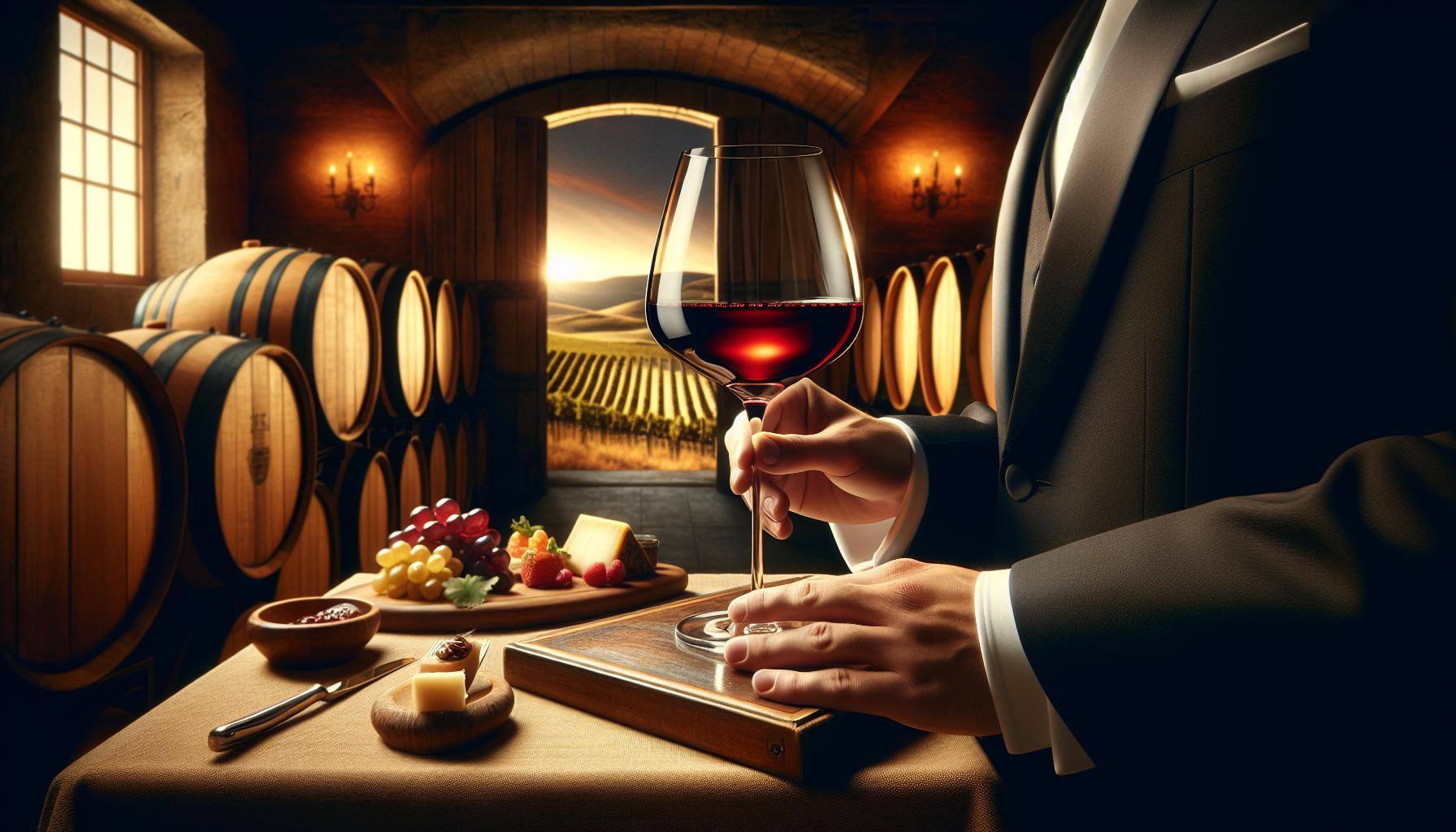

Did you know that the way you hold your glass of wine can enhance both your experience and the wine itself? Mastering the art of holding a wine glass isn’t just about etiquette-it’s about fully appreciating the nuances of flavor and aroma. Whether you’re at a formal dinner, a casual gathering, or savoring a quiet evening at home, how you grip that glass can impact the temperature and presentation of your drink.
For many, navigating wine etiquette can feel daunting, yet it holds the key to enjoying wine as it was intended. Understanding the subtleties of glass holding not only elevates your sipping experience but also instills confidence in social settings. In this guide, we’ll explore essential tips and etiquette to ensure that every sip is a celebration of flavor, culture, and connection. Let’s embark on a journey that transforms not just how you drink wine, but how you experience it.
How to Choose the Right Glass for Your Wine
Choosing the right glass for your wine is akin to selecting the perfect canvas for a masterpiece-it enhances the experience, highlighting the wine’s character and nuances. From the curvature of the bowl to the shape of the rim, each detail of a wine glass plays a pivotal role in how we perceive and enjoy our chosen varietal. For instance, a generous bowl allows red wines to breathe, encouraging the release of their aromatic complexities, while a narrower glass concentrates the delicate aromas of whites and sparkling wines, drawing the senses to their refreshing qualities.
When selecting a glass, consider the wine’s structure and flavor profile. Red wines, particularly bold varieties like Cabernet Sauvignon or Syrah, thrive in glasses with larger bowls that promote aeration. These glasses usually have wider openings, allowing for a more pronounced aromatic experience when bringing the glass to your lips. In contrast, lighter reds, such as Pinot Noir, benefit from slightly smaller bowls, guiding the subtle perfumes to the nose while maintaining a well-balanced sip.
For white wines, including those crisp Chardonnay or vibrant Sauvignon Blanc, opt for a glass with a narrower mouth. This design highlights the acidity and freshness, with aromas funneled towards the taster’s nose. Meanwhile, sparkling wines deserve a flute or a tulip-shaped glass that captures the effervescence and focuses on the delicate bubbles, adding a visual element to the overall experience.
While the science of glassware may seem daunting, ultimately, the perfect glass can be a deeply personal choice. Experimentation can yield delightful surprises-sometimes it is the unexpected that reveals the magic of wine. As you navigate the world of wine appreciation, remember that the right glass not only elevates the drink but also fosters connections to culture, history, and shared moments of joy, reminding us that every sip tells a story worth savoring.
Understanding Fundamental Wine Etiquette
A well-held wine glass is not merely a vessel; it is an extension of the wine experience. As you navigate the social rituals surrounding wine, understanding the nuances of how to hold a glass is crucial for both enjoyment and etiquette. This seemingly small detail can significantly influence not only your appreciation of the wine but also the dynamics of your interactions with fellow wine enthusiasts.
When cradling your glass, always hold it by the stem rather than the bowl. This practice serves a dual purpose: it prevents the warmth of your hand from altering the wine’s temperature and maintains the integrity of the glassware’s design-flaunting the elegance of your chosen varietal. Your fingers should wrap comfortably around the stem, allowing for an effortless tilt that brings the wine to your lips. This motion, done with purpose, can create a moment of connection as you engage with the wine, enhancing the overall experience.
In addition to the actual mechanics of holding a glass, the context matters. Engaging in conversations while savoring the wine can elevate the experience. For example, as you take a sip, lean slightly forward to invite discussion among your companions. This subtle gesture can encourage shared stories and insights, reminiscent of a fine dining experience where the meal is as much about connection and conversation as it is about taste. Each sip is an opportunity-an invitation to share the origin of the wine, the winemaker’s philosophy, or your personal memories tied to the beverage.
As you enjoy your glass, remember the importance of pacing. Wine tasting is a meditative act that deserves respect and attention. Avoid the rush; instead, take time to appreciate the aromas, the flavor profile, and how the wine transforms with each moment spent in your glass. In doing so, you’ll cultivate a deeper relationship with the wine and create a rich tapestry of experiences that you can savor long after the last drop has been enjoyed. Ultimately, the art of holding a wine glass is not just about form-it’s about the grace of moment and memory, transforming the act of sipping into an art of connection.
The Art of Holding a Wine Glass Elegantly
To truly appreciate the ritual of wine tasting, one must also embrace the nuanced art of handling a wine glass with elegance. The act of holding your glass isn’t merely an afterthought but a vital component of the entire wine experience. A glass of wine in hand can evoke feelings of sophistication and connection, transforming a simple moment into a celebration of flavors and stories.
Holding a wine glass properly requires more than just physical technique; it embodies a deeper respect for the drink and its origins. When you cradle the glass, always grasp it by the stem, an essential practice that serves several purposes. This method prevents your hand’s warmth from inadvertently warming the wine and helps maintain a clean aesthetic, allowing the wine’s color and clarity to shine. As you hold the glass delicately, let your fingertips lightly embrace the stem, ensuring your grip is firm yet gentle. A well-held glass becomes an extension of your hand, facilitating a seamless journey of the wine from glass to palate.
In the world of wine appreciation, context is everything. Imagine yourself at a vineyard dinner, engaging in intimate conversation over a glass of exquisite red. Lean slightly forward, glass cradled by the stem, as you engage your companions. This subtle yet intentional gesture invites sharing-whether it’s discussing the old-world charm of a Barolo or the crispness of a Sauvignon Blanc. Each sip taken with mindfulness enhances not just the flavors but the ties you create with those around you, weaving a narrative that’s as rich as the wine itself.
Embrace the meditative quality of each tasting moment. Recognize that pacing is paramount; allow the wine to breathe and engage with the aromas, flavors, and textures it offers. As you savor, observe that the act of sipping should feel almost ceremonial. Envelop yourself in each layer of experience and remember that with every glass, you are partaking in a tradition steeped in history and culture. Thus, the way you hold your wine glass becomes a reflection of your appreciation not just for the drink but also for its capacity to connect us all, turning individual moments into shared memories worth cherishing.
Tips for Sipping: The Perfect Technique
Sipping wine is an art that transcends mere consumption; it’s an experience that invites reflection and connection, both with the drink itself and the company you keep. When you raise your glass, consider the entire ritual-from the elegant lifting of the glass to your lips to the delicate dance of flavors across your palate. To sip perfectly, let’s delve into some helpful techniques that enhance both appreciation and enjoyment.
Begin by ensuring your glass is filled appropriately. The ideal fill level is about one-third full; this allows the wine to breathe and gives your nose ample opportunity to engage with the aromas that swirl above the surface. As you take your first sip, let the wine cascade over your tongue, allowing it to interact with all areas of your mouth. This not only helps to engage all your taste buds but also aids in fully appreciating the wine’s texture. By pausing briefly to savor each sip, you’ll find that the complexity of flavors unfolds gradually, revealing nuanced notes that may have otherwise gone unnoticed.
Consider the positioning of your glass. As you bring it to your mouth, keep it at a slight angle. This subtle tilt not only exudes sophistication but also facilitates a more controlled pour into your mouth, allowing you to savor the wine without overwhelming your senses. While sipping, maintain a relaxed posture-this openness creates a more enjoyable atmosphere, making it easier to engage in conversation or contemplative thought.
Another tip is to pay attention to the accompanying aromas. Before sipping, gently swirl the wine in your glass to release its bouquet, then bring the rim close to your nose and inhale deeply. The aromas play a crucial role in your tasting experience, contributing significantly to your perception of flavor. As you sip, allow the scents to blend with the taste, creating a harmonious experience that envelops you in the essence of the wine.
Finally, embrace the communal aspect of sipping wine. Engaging with others while sipping invites dialogue about the experiences and emotions the wine evokes. Share thoughts on the flavor or memories it conjures-the act of sipping becomes a shared journey rather than an isolated task. By cultivating mindfulness and intention in your sipping technique, you elevate the experience from simple enjoyment to an exploration of taste, relationship, and culture.
The Subtle Importance of Aroma in Wine Tasting
The moment you raise a glass of wine to your lips, you’re engaging in a sensory experience far richer than just taste. The aromas wafting from your glass are critical to this experience, often making the difference between a mundane sip and an enchanting encounter with the wine. A staggering 80% of what we perceive as taste comes from our sense of smell, emphasizing why understanding and appreciating these scents can elevate your wine tasting journey.
When you swirl your wine gently in the glass, you release a bouquet of aromas that can take you on a sensory adventure. This act, while seemingly simple, serves several purposes: it oxygenates the wine, allowing volatile compounds to escape, and it encourages the interplay of aromas that can transport you to the vineyard from which the wine originated. The key here is to not just rush through the process. Instead, engage with the scents. Lean in, bring the rim of the glass close to your nose, and inhale deeply to absorb the intricate layers of fragrance. You might pick up hints of ripe cherries, earthy undertones, or even floral notes reminiscent of a sun-kissed garden.
A deeper appreciation for aroma can be cultivated by understanding the varietals. For instance, a Sauvignon Blanc might reveal zesty notes of lime or grapefruit, refreshing your senses, while a Cabernet Sauvignon may exude rich dark berries, chocolate, or even a hint of tobacco. Each wine tells its own story through its aromas, often reflecting the terroir-the unique environment in which the grapes were grown. When you learn to identify these characteristics, a simple sip transforms into a narrative filled with history, culture, and the artistry of winemaking.
In addition to enhancing your tasting experience, aroma plays a crucial role in how you perceive flavor. As you sip, allow the scents to mingle with the wine on your palate. The combination of the aromatic profile and the taste creates a fuller, more nuanced experience. Could it be that the warmth of a merlot brings forth notes of vanilla or the herbaceous quality of a floral pinot noir invokes memories of an early spring afternoon? The nuances are what make wine tasting an art rather than a science-something to be savored with mindfulness and joy. So, as you hold your glass, remember that each whiff is an invitation to connect intimately with the wine, revealing a depth that enriches not just your palate but also your appreciation for the world of wine.
Pairing Wine Glass Style with Different Varietals
Choosing the right wine glass can significantly enhance your wine experience, much like the right frame can elevate a beautiful painting. Each varietal tells a distinct story, and the glass acts as the vessel through which that narrative is best expressed. For instance, serving a bold Cabernet Sauvignon in a glass with a larger bowl allows for more air exposure, softening tannins and bolstering its deep, complex aromas-rich dark fruit mingling with hints of tobacco and cedar. Conversely, a light-bodied white like Sauvignon Blanc shines in a taller, narrower glass, which directs its refreshing zesty notes-think citrus and green apple-toward your nose while retaining the freshness of its crisp acidity.
Understanding Glass Shapes
The shape of a wine glass is not merely a stylistic choice; it serves specific purposes to enhance the tasting experience. For example, a classic Burgundy glass features a wide bowl and a wider rim, which promotes the gentle aeration of the wine and allows the bouquet to rise, giving you full access to its aromatic profile. This is especially beneficial for Pinot Noir, which is often delicate yet full of intricate flavors. On the other hand, sparkling wines like Champagne are best served in flutes that maintain effervescence and highlight the wine’s lively aromas of toast and green fruit while minimizing surface area exposure, allowing tiny bubbles to linger longer.
- Cabernet Sauvignon: Wide bowl for aeration.
- Pinot Noir: Burgundy glass for developing its bouquet.
- Sauvignon Blanc: Tall glass to focus its fresh scent.
- Champagne: Flute to keep bubbles intact.
A Thoughtful Choice
As you ponder your next selection, consider the harmony between the glass type and the varietal, akin to selecting the right season to enjoy a particular dish. For a rich, oaked Chardonnay, the right glass allows the warmth and creaminess to flourish. By opting for a glass with a slightly tapered rim, you can accentuate the wine’s luscious mouthfeel and fruity undertones, evoking flavors of ripe peach and vanilla.
Selecting your glass is also an opportunity for a more profound connection with the wine itself. Think of it as a dialogue; the glass informs the wine while the wine, in turn, reveals its layers. Engage in this dance thoughtfully, allowing yourself to explore how the combination of glass and varietal can transform a casual sipping experience into a meditative appreciation of wine’s artistry.
Cultural Considerations in Wine Drinking Customs
In the vast tapestry of wine culture, the customs surrounding how we drink wine can be as diverse as the varietals themselves. Across cultures, wine serves not only as a beverage but as a medium of connection-between people, traditions, and histories. In Italy, for instance, meals often revolve around wine, embodying the essence of la dolce vita. When you raise a glass of Chianti at a family dinner, it is not merely about the wine itself; it is about the relationships, the shared history, and the celebration of life encapsulated within that glass. Proper etiquette here transcends the mundane-it’s about respect and appreciation.
Holding a wine glass with a sense of grace varies wildly between cultures. In many Western traditions, one holds the stem of the glass to avoid warming the wine with body heat. However, in other societies, such as in parts of Asia, the emphasis often lies on the communal aspect of drinking, where one pours for others and offers to clink glasses in a sign of respect and harmony before sipping. This act of pouring for others, known as geongju in South Korea, signifies not only generosity but a deeper connection among participants. It’s a ritual that transforms a simple act of drinking into a shared experience, emphasizing the importance of communal ties in social gatherings.
Much like the wine itself, the aesthetics surrounding wine drinking customs can be rich and intricate. In France, tossing the cork back into the bottle after finishing a Magnum can be seen as a sign of generosity, inviting guests to take home a bit of the experience. Meanwhile, in Spain, the use of copa-a traditional stemmed glass for sangria or wine, imbues each toast with a sense of nostalgia and cultural pride, making the act of sipping a moment steeped in history. Different styles of glasses not only enhance the visual experience but also resonate with the tactile memories tied to each sip.
Ultimately, our approach to wine drinking etiquette-how we hold the glass, our toasting traditions, and our communal rituals-draws heavily from the cultural fabric that weaves through our lives. Each pour becomes a story, each sip a reflection of our values, connections, and the very essence of hospitality and tradition. Understanding these cultural nuances not only enhances our wine experience but also nurtures a deeper appreciation for the rich heritage that wine embodies.
Enhancing the Experience: Wine and Food Pairing
When savoring a fine wine, the symbiotic relationship between wine and food transcends mere pairing-it’s an alchemical experience that heightens both taste sensations and the very essence of enjoyment. The classic phrase “what grows together, goes together” resonates deeply in this context, suggesting that regional cuisines often find their perfect wine counterparts. Imagine a robust Chianti, weaving its way effortlessly through the rustic flavors of a Tuscan tomato-based pasta; the acidity of the wine harmonizes with the dish, lifting each flavor while providing a delightful contrast.
Artful Pairings
To enhance your wine experience, consider the following essential pairing principles that lead to a richer, more nuanced tasting journey:
- Complementary Flavors: Matching the weight and intensity of both wine and food can create an exquisite balance. For example, a creamy Chardonnay can beautifully complement a buttery lobster dish, with both elements echoing the richness of the other.
- Contrasting Elements: On the flip side, opposites can attract. Think of a sharp Sauvignon Blanc with a rich goat cheese. The wine’s vibrant acidity serves to cut through the creamy texture, cleansing the palate with each sip.
- Texture Matters: Pay attention to the textures present in both your food and wine. A tannic red like a Cabernet Sauvignon, for instance, pairs well with a grilled steak, as the protein softens the wine’s tannins, creating a balanced experience on the palate.
- Consider Geography: One of the most rewarding approaches is to explore regional pairings. A quintessential Spanish Tempranillo finds its ideal accompaniment in the hearty flavors of paella, encapsulating the culinary heart of the region.
A Sensory Journey
The ritual of pairing is more than a technical exercise; it’s an invitation to embark on a sensory journey that embraces contrast and harmony. As you sip, take a moment to contemplate the aromas that envelop each dish. Can you identify the scents of freshly chopped herbs mingling with the notes of your wine? Perhaps a warm, comforting dish evokes memories of family gatherings or a sun-drenched vineyard. It’s in these reflective moments that wine truly becomes a conduit for connection-infusing your meal with shared narratives and histories.
Remember, your choices don’t have to adhere to rigid rules. The beauty of culinary exploration lies in personal preference and curiosity. Experimenting with unexpected pairings could surprise you and perhaps even unveil delightful combinations that transcend conventional wisdom. Whether it’s an extravagant feast or a simple weeknight dinner, transforming each wine and food encounter into a celebration of flavors nourishes not only the body but also the spirit. Embrace the adventure, and let every glass pave the way for memorable experiences, cheers to the connections forged through food and wine!
Exploring the History of Wine Glass Design
The evolution of wine glass design is a fascinating journey that mirrors the cultural and historical shifts surrounding wine itself. In ancient civilizations, wine was often consumed from goblets or simple vessels carved from stone or ceramics, designed more for utility than aesthetics. However, as wine culture blossomed, particularly in Europe, the importance of the glass itself began to rise, not only as a container but as an integral part of the tasting experience. The creation of lead glass in the 17th century, particularly in England and Bohemia, marked a significant leap forward, as the clarity and brilliance of the material enhanced the visual appeal of the wine, inviting a new kind of appreciation.
As we traverse the timeline of wine glass design, it becomes clear that function and form have always gone hand in hand. Each style of wine glass is meticulously crafted to accentuate specific varietals, shaped to channel aromas and enhance flavor profiles. For instance, the iconic Bordeaux glass, with its broad bowl and tapered rim, allows the wine to breathe while directing the aromatic experience precisely to the nose. This design not only elevates the sensory encounter but also aligns with the etiquette of wine tasting, encouraging sippers to engage fully with each pour.
Moreover, the cultural significance of different glass styles cannot be overstated. In Italy, for example, the traditional ‘bicchiere’ varies from region to region, reflecting local customs and the types of wines produced. A Chianti is commonly served in a rustic carafe, often accompanied by a carafed glass, embracing the notion of conviviality and shared experiences around the table. As our understanding of wine deepens and diversifies, so too does the range of glass designs-a testament to the indelible link between winemaking, culture, and the way we savor each sip.
Ultimately, when selecting a glass, it’s worth considering not just the wine itself, but the handcrafted artistry of the vessel that cradles it. As you hold your glass, appreciate the thought that has gone into its creation, and allow this mindfulness to enhance your sipping experience, transforming it from a simple act into a meditative exploration of flavor, history, and human connection.
Common Mistakes to Avoid While Sipping
When it comes to the nuanced art of sipping wine, even the most seasoned enthusiasts can fall prey to common pitfalls that detract from the experience. For instance, one frequently overlooked aspect is the way we grip the glass. Holding a wine glass by the bowl instead of the stem may seem innocuous, but it can raise the temperature of the wine too quickly, especially if you’re indulging in a delicate white or a nuanced red. To fully appreciate the intricate flavors and aromas, remember to cradle the stem gently between your fingers, allowing your body heat to stay away from the wine and maintain its ideal serving temperature.
Another mistake often made is neglecting to engage in the ritual of observation and inhalation before taking a sip. All too often, eager tasters skip straight to drinking, missing the chance to appreciate the wine’s legs or clarity in the glass. Taking a moment to swirl the wine gently allows you to release its volatile aromas, which can dramatically enhance your tasting experience. Inhale deeply and allow your sense of smell to guide your palate, maximizing the enjoyment of what the wine has to offer.
Additionally, rushing through each sip is another missed opportunity. Wine should never be gulped; rather, it invites contemplation. Allow yourself the luxury of savoring the moment. As the wine traverses your palate, focus on its complexity: notice the varying tastes that unfold-sweetness, acidity, tannin, and body. Engaging with the wine in this way transforms each pour into an experience that resonates more profoundly than mere consumption. To enhance your enjoyment, consider silently narrating the flavors to yourself as you taste, turning sipping into a meditative practice rather than a hurried task.
Finally, be mindful of your surrounding environment and company. Wine appreciation thrives on engagement and conversation; thus, avoid the distractions of mobile devices or loud settings that can clash with the tranquil experience wine offers. Embracing these moments with intention not only deepens your appreciation for the wine itself but also builds connections with the people you enjoy sharing it with. In this way, every sip transforms into a shared journey of discovery and delight, woven into the fabric of your personal history with wine.
Advanced Techniques for Tasting Wine with Confidence
In the grand tapestry of wine appreciation, the act of tasting is not merely a routine-it is a ritual steeped in history, culture, and sensory exploration. Imagine holding a finely crafted wine glass, where each swirl and sip transforms into an intimate dialogue between you and the wine itself. Mastering advanced techniques for tasting can elevate your experience from the mundane to the extraordinary, allowing you to engage with the nuances of each pour confidently.
To begin with, understanding the visual aspects of wine is crucial. When you observe the wine’s color, clarity, and viscosity, you set the stage for what’s to come. Hold your glass at a slight angle against a white surface; this not only enhances your perception of color but also allows you to assess its intensity and depth. A deeper hue in red wines often suggests ripeness, while the clarity can be a sign of meticulous production methods. Swirling the wine gently releases its aromatic compounds, an essential step that activates the olfactory senses. As you inhale its bouquet, try to identify specific aromas, from fruity and floral to earthy and spicy, allowing your nose to guide your palate.
As you sip, let the wine linger on your tongue for a moment before swallowing. This pause is where the magic unfolds. Focus on the wine’s texture, acidity, sweetness, and finish. Is it velvety, crisp, or perhaps a bit tannic? Engaging with these sensations not only enriches your tasting but also hones your vocabulary for discussing wines with others. Remember, wine tasting is subjective, and your impressions are uniquely yours. Consider jotting down tasting notes, not just to catalog your experiences but also to train your palate to recognize different varietals and their characteristics.
Finally, create an inviting atmosphere that encourages contemplation. Turn off distractions, dim the lights, and maybe even pair your tasting with complementary music that resonates with the wine’s mood. This environment will foster a deeper appreciation, allowing you to reflect on what the wine evokes-memories, emotions, connections to the land it comes from. In essence, each glass of wine is a story waiting to be told, not just about the vineyard it hails from, but also about the moment you share with it. Embrace these techniques, relish the journey, and watch as your confidence blooms with each sip.
The Meditative Ritual of Wine Appreciation
In the world of wine appreciation, every sip is an invitation to pause, reflect, and connect. Imagine the gentle curve of a beautifully crafted wine glass cradled in your hand, its allure beckoning you to savor not just the wine itself but also the moment that encapsulates its essence. This experience can transform wine tasting from mere consumption into a meditative ritual, allowing us to immerse ourselves fully in the sensory pleasures and stories embedded within each pour.
Holding a wine glass correctly is less about rigid etiquette and more about enhancing your experience. As you cradle the stem, which prevents your hand from warming the wine, allow your fingers to feel the texture and shape of the glass. This simple act grounds you, inviting mindfulness into your tasting journey. Consider the setting-choose a quiet space, dim the lights, or even light a candle to create an intimate atmosphere. Such thoughtful preparation not only elevates the wine but also sets the stage for a deeper emotional connection, transforming a casual tasting into a sacred moment of self-reflection and appreciation.
As you bring the glass to your lips, embrace a slow and deliberate sipping technique. Instead of gulping, take a small sip, allowing the wine to linger on your tongue. This moment of stillness enables you to explore its complexities-the way the flavors unfold and the finish trails off like a distant memory. With each sip, think of the vineyard’s terroir, the winemaker’s intent, and the region’s history. By contemplating these elements, you not only celebrate the wine but also acknowledge the human artistry that has brought it to your glass.
The ritual of wine appreciation extends beyond the drink itself; it is also about honoring the connections forged through wine. Invite a friend or loved one to share this experience, fostering discussion about the flavors and aromas you detect. Create a space for joy and laughter as you reminisce over shared moments or explore new conversations tailored to the wine in your glass. In doing so, you elevate tasting from a solitary act into a collective celebration of life, memory, and connection.
Engage with wine not just as a beverage but as a meditative practice that embodies patience, reflection, and joy. By appreciating the intricacies embedded in every bottle and each glass, you cultivate a richer understanding of wine that harmonizes with the symphony of human experiences it represents. Let each sip tell its story, allowing wine tasting to become a cherished ritual that nourishes both your palate and your spirit.
Faq
Q: How should I hold a wine glass properly?
A: To hold a wine glass properly, grasp the stem with your fingers. This prevents your hand from warming the bowl, preserving the wine’s ideal temperature. Always hold the glass upright to avoid spills and for optimal aeration, which enhances the wine’s fragrance and flavor profile.
Q: What is the etiquette for toasting with wine?
A: The etiquette for toasting involves making eye contact with your fellow toasters, gently clinking your glasses, and expressing a toast. After the clink, take a sip; it’s a sign of goodwill. Remember to keep your glass lower than anyone you’re toasting to, as a show of respect.
Q: Why is it important to hold the glass by the stem?
A: Holding the glass by the stem is important because it keeps the bowl cooler, which helps maintain the wine’s intended temperature. Touching the bowl with your hand can raise its temperature, especially for whites and sparkling wines, affecting the taste and aroma.
Q: Can I hold my wine glass by the bowl?
A: While you can hold a wine glass by the bowl, it’s generally frowned upon. Doing so may warm the wine too quickly, particularly with delicate varietals. It’s best to stick to holding the stem for a more refined and controlled sipping experience.
Q: What is the proper way to sip wine?
A: The proper way to sip wine involves taking small, measured sips. Allow the wine to sit on your palate to explore its nuanced flavors. It’s also polite to avoid gulping; this enhances the appreciation of the wine while maintaining a sophisticated demeanor.
Q: How can I enhance my wine tasting experience?
A: To enhance your wine tasting experience, swirl the glass gently to aerate the wine, then inhale the aroma before sipping. This process opens up the wine, allowing its bouquet of flavors to unfold and contributing to a more enjoyable tasting experience.
Q: What should I do if my wine glass feels too full?
A: If your wine glass feels too full, it’s advisable to pour out a small amount. A properly filled glass should be about one-third full to allow for swirling and aeration. This not only improves your experience but also adheres to proper wine etiquette.
Q: Why use different types of glasses for different wines?
A: Different types of glasses enhance specific wine characteristics through shape. For example, larger bowls for reds allow better aeration, while narrower glasses for whites preserve temperature. Each design optimizes aroma release and flavor expression, enhancing your overall wine enjoyment.
The Way Forward
As you embrace the art of holding a glass of wine, remember that each sip is a journey through history, culture, and the craftsmanship of renowned vineyards. Mastering this etiquette not only enhances your tasting experience but also deepens your connection to the stories behind each bottle. Whether it’s exploring the vibrant notes of a Malbec from Uco Valley or the delicate charm of a Tuscan Riserva, each glass invites you to partake in a rich tapestry of flavors and traditions.
Ready to elevate your wine experience even further? Dive into our guides on “Wine Tasting Techniques” and “Choosing the Right Glass for Every Wine” for more insider tips that promise to enhance your appreciation and enjoyment. Don’t forget to sign up for our newsletter, where you’ll receive exclusive insights and special offers directly to your inbox!
Share your own wine stories or ask questions in the comments below-let’s continue the conversation! Every glass is more than just a drink; it’s an invitation to explore deeper connections with friends, family, and the world of wine. Cheers to your next sip!
Get our latest guides, news, and insights highlighted in your Google Search & AI Overviews.