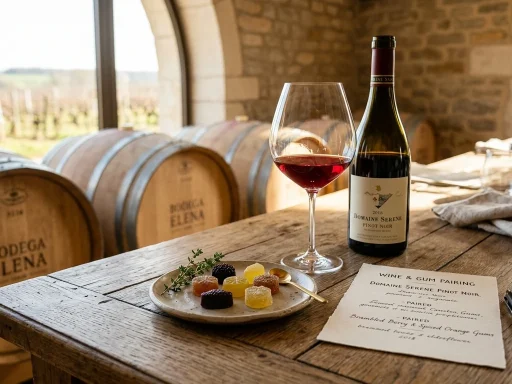

For those with a sweet tooth, sweet red wines are a delightful indulgence that can elevate any occasion. With their rich, fruity flavors and luscious textures, these wines promise to ignite your taste buds and add a touch of joy to simple moments, enhancing celebrations big and small. Whether it’s a cozy night in or a festive gathering, choosing the right sweet red wine can turn an ordinary evening into something truly special.
Imagine savoring a velvety glass that dances between notes of ripe cherries, dark chocolate, and hints of spice-a perfect companion for desserts or enjoyed solo. But how do you navigate the world of sweet red wines to find the perfect bottle? Join us as we explore the best options available, uncovering the nuances that make these wines a favorite among enthusiasts and newcomers alike. As you read on, prepare to discover your next cherished wine that satisfies both flavor and experience.
What Defines Sweet Red Wine? Explore Varietal Characteristics
The world of sweet red wines unfolds like a rich tapestry, vibrant with flavors that span the palate. While some might envision only sugary concoctions, the truth is far more nuanced. Sweet red wines are often defined by their residual sugar content, typically exceeding 10 grams per liter, which imparts a delightful sweetness. However, they are also characterized by their varietal traits, differentiating them from their drier counterparts. For example, Zinfandel and Port showcase bold fruit flavors and luscious sweetness, but each embodies distinct profiles shaped by its region and winemaking technique. As you embark on this enchanting exploration, understanding these varietal characteristics will heighten your wine appreciation journey.
The richness of sweet red wines often stems from the specific grape varieties used. Merlot, known for its rounded and jammy characteristics, can yield a soft sweetness that dances gently on the tongue, making it approachable for newcomers. In contrast, the more robust Syrah (or Shiraz) can provide an intense, spiced sweetness, inviting you to decode layers of dark fruit and pepper nuances. Meanwhile, Muscat shines with florals and tropical undertones, showcasing how sweetness can be refreshing rather than cloying. This sensory diversity invites exploration, whether you’re savoring a glass solo or pairing it with a meal.
In addition to sweetness, the acidity in these wines plays a crucial role in their overall balance. While sweetness can seduce, it is the interplay with acidity that keeps your palate engaged. A well-crafted sweet red will dance between these elements, allowing the fruit character to shine without becoming overwhelming. This equilibrium is what makes sweet reds an intriguing choice for both novices and seasoned wine enthusiasts alike.
As you delve into the realm of sweet red wines, consider not just the sweetness but the broader sensory experience they offer. Each sip can be a narrative, echoing the history and craftsmanship behind its creation. Exploring these varietals not only enlightens your taste buds but also connects you to a shared human experience-the joy of discovery and the ability to evoke emotions through something as simple, yet profound, as a glass of wine.
The Rich History Behind Sweet Reds in Wine Culture
The allure of sweet red wines is deeply etched in the annals of wine history, tracing back to ancient civilizations where sweet wines were often reserved for the most important events and esteemed guests. As far as 4,000 years ago, the Egyptians produced sweet wines by allowing grapes to over-ripen on the vine, thus enhancing their sugar content. This timeless practice not only showcased the unique terroirs of specific regions but also laid the groundwork for a culture that celebrated the sensory experiences elicited by these luscious elixirs.
In Europe, sweet red wines came to prominence with the rise of the Mediterranean trade in the Middle Ages. Notable examples like Port-originating from the Douro Valley in Portugal-and Banyuls from the Roussillon region of France emerged as favorites among the aristocracy. These wines were often fortified, a technique that not only added to their sweetness but also preserved them for long journeys. They became the toast of royal tables across Europe, underpinning social status and the art of fine dining.
As winemaking techniques evolved, so did the styles of sweet red wines. The introduction of methods such as late-harvesting and noble rot-where grapes are affected by a specific fungus that concentrates their sugars-further enriched sweet red wine profiles. Varietals like Zinfandel and Brachetto turned the spotlight on the delightful fruitiness and aromatic profiles that sweet reds could achieve, captivating palates and drawing wine enthusiasts from all walks of life.
Today, sweet red wines continue to be celebrated not only for their taste but also for their cultural significance. They embody a sense of joy and community, often accompanying celebrations and special occasions. As you explore this rich tapestry of flavor and tradition, you’ll find that each sip of sweet red wine is not just a taste but a journey through time-a bridge that connects us to the artistry of past vintners and the vibrant storytelling they inspired through their craft.
Top Sweet Red Wine Varietals: A Taste Exploration
Sweet red wines are a delightful category that captivates palates with their rich flavors and luscious sweetness, often evoking memories of dessert and celebration. Among the myriad varietals that fall into this category, a few standout examples showcase the enchanting interplay of fruitiness, sweetness, and complexity that define these wines. Let’s embark on a taste exploration of some exceptional sweet red wine varietals that can satisfy even the most discerning of sweet tooths.
One of the most renowned sweet red wines is Port, particularly from the Douro Valley in Portugal. Fortified during fermentation, Port maintains its natural sugars, resulting in vibrant flavors of dark fruits, chocolate, and spices. The most popular types of Port include Ruby and Tawny, each offering unique profiles; Ruby Port is youthful and rich, while Tawny is aged for years, developing nutty and caramel notes. Consider pairing a glass of aged Tawny with a slice of blue cheese, where the wine’s sweetness beautifully contrasts the cheese’s sharpness.
Another sensational varietal is Brachetto, predominantly produced in the Piedmont region of Italy. This semi-sweet wine is often sparkling and delivers an aromatic profile filled with notes of strawberries and raspberries, invitingly bright and fresh. Brachetto is typically enjoyed chilled and pairs harmoniously with dessert, particularly chocolate or fruit tarts, making it a perfect ending to a meal.
Zinfandel, particularly from California’s wine country, also makes an appearance on the sweet red wine stage. Known for its bold fruit flavors and peppery nuances, sweeter versions of Zinfandel provide jammy notes of blackberry and cherry with a delightful finish. These wines can be savored on their own or paired with barbecue dishes, enhancing the meal’s smokiness while the wine’s sweetness softens the spice.
Dornfelder, a lesser-known but increasingly popular varietal from Germany, offers another captivating option. With its deep color and rich fruit-forward flavors of plums and cherries, Dornfelder can often be crafted into a delectable sweet red wine that exemplifies berry compote in a glass. Its fuller body and balanced acidity make it an excellent companion for desserts, especially those featuring dark chocolate or rich, creamy cheeses.
Experiencing the full range of flavor profiles in sweet red wines opens a door to endless culinary possibilities. Each varietal brings its own narrative-from ancient traditions to modern innovations, enriching our collective wine culture with diverse expressions of sweetness. With these distinctive wines, sweet reds invite you to sip, savor, and explore a world where flavor and history intertwine.
How to Taste and Appreciate Sweet Red Wines
Delving into the world of sweet red wines is akin to embarking on a journey through a vibrant tapestry of flavors and aromas that evoke a range of emotions and memories. The first step to truly appreciating these wines lies in understanding how to taste them purposefully – a practice that transforms sipping into a delightful experience filled with discovery. When pouring a glass of a wine like Ruby Port, take a moment to observe its color: a deep, lush red that hints at the richness within. Swirl gently, letting the wine breathe, and take a deep inhale. What does it remind you of? Perhaps you’ll catch notes of dark berries intermingled with chocolate or hints of spice that transport you to a cozy evening by the fireplace.
Once you’ve engaged your senses, let the wine linger on your palate. Take a small sip, allowing it to cascade across your tongue. The sweetness should be the first sensation, but pay attention to the layers beneath it. Does the wine reveal any tartness, a characteristic that balances the sweetness? With wines like Brachetto, you might experience bright, juicy notes of strawberries and raspberries that dance with a playful effervescence. As you savor each sip, consider pairing it with a small bite of complementary food, like a piece of dark chocolate or a rich cheese, to further enhance the experience. The interplay between the wine and food can elevate both, transforming your tasting into a culinary feast.
Tasting sweet red wines also invites you to connect with their origins and the artistry behind their production. With each varietal, there are stories that surface: the time-honored traditions of winemaking in Italy’s Piedmont region or the innovative approaches in California’s vineyards. Engage with these narratives by reading about the winemakers’ philosophies and the unique terroirs that shape their wines. This context enriches your appreciation and allows you to savor not just the flavors but the cultures and histories that breathe life into every bottle. To truly celebrate sweet red wines, remember to share this journey with others, inviting friends to taste alongside you, exchanging notes and reactions, creating a communal tapestry of enjoyment.
Ultimately, the art of tasting sweet red wines lies in the layers of flavor, history, and connection to those around us. Each glass presents an opportunity to pause, reflect, and engage with the world of wine in a way that is both personal and universal. So pour a glass, breathe deeply, and let the exploration begin.
Perfect Pairings: Foods that Compliment Sweet Reds
Sweet red wines, with their luscious sweetness and complex flavor profiles, can elevate a meal from ordinary to extraordinary when expertly paired with the right foods. The delightful interplay between the wine’s rich fruitiness and the flavors of your dish can enhance the tasting experience, creating a symphony of sensations that dance upon the palate. Whether you’re enjoying a fruity Lambrusco or a velvety Ruby Port, understanding how to complement these wines with food is an art that can deepen your appreciation for both the beverage and the culinary creations that accompany it.
To begin your pairing journey, consider the inherent characteristics of sweet red wines. Their sweetness often balances well with savory or salty dishes, providing a contrast that can be both refreshing and comforting. For instance, a glass of Brachetto d’Acqui, with its notes of strawberry and raspberry, finds a perfect match in spicy Asian dishes, such as sweet and sour chicken or Korean barbecue. Here, the sweetness of the wine counters the heat, while the bright fruit notes accentuate the dish’s flavors.
Next, think about how these wines marry beautifully with rich and decadent foods. A full-bodied sweet red like a Pedro Ximénez sherry, known for its deep, raisin-like sweetness, pairs exquisitely with blue cheeses such as Roquefort or Stilton. The savory, pungent qualities of the cheese contrast with the wine’s sweetness, creating a balanced and indulgent experience. Don’t shy away from desserts either; a sweet red can be the perfect companion for dark chocolate or berry-based desserts, where the wine echoes the dish’s flavors, creating a harmonious finale to your meal.
For those wishing to embark on a culinary adventure, consider the following pairing suggestions to create your perfect meal:
Delicious Pairing Suggestions
- Brachetto d’Acqui: Pairs wonderfully with spicy Asian cuisine or fresh fruit salads.
- Ruby Port: Enjoy with chocolate desserts, rich cheeses, or roasted nuts.
- Lambrusco: Best served alongside grilled meats or pizza, enhancing both flavor profiles.
- Pedro Ximénez: Ideal with blue cheese or rich desserts like tiramisu.
Ultimately, the art of pairing sweet red wines with food is less about adhering to rigid rules and more about exploring and enjoying the journey of flavors. Allow your palate to guide you, and don’t hesitate to experiment with different combinations. As you sip a sweet red wine, take a moment to reflect on the flavors unfolding on your palate and the memories they evoke. Sharing this experience with friends during a dinner party or a casual gathering can enrich your understanding, as the collective exploration of tastes and aromas can spark conversations and connections. So, pour yourself a glass, savor the sweetness, and let the culinary possibilities unfold before you.
The Best Sweet Red Wines for Every Palette
In the enchanting world of sweet red wines, flavors can dance between the playful and the profound, captivating both novices and seasoned connoisseurs. Whether you’re a devoted sweet wine enthusiast or someone curious about exploring this delightful category, there’s a wonderful array of options to satisfy every palate. Sweet red wines are not merely for dessert but can be enjoyed across various occasions, making them versatile companions for culinary experiences.
For those with a penchant for lush fruit flavors, Brachetto d’Acqui is a splendid choice. This sparkling red wine from Italy bursts with aromas of strawberries and raspberries, making it an ideal pairing for chocolate-covered strawberries or light pastries. Its effervescence provides a refreshing lift, perfect for summer gatherings or romantic evenings.
If you find yourself attracted to more robust profiles, Ruby Port is a classic that never disappoints. With its rich, velvety texture and notes of black cherry, fig, and chocolate, it pairs beautifully with aged cheeses like cheddar or a slice of cinnamon-spiced cake. Its depth and complexity make Ruby Port a perfect after-dinner treat, inviting introspective moments as you sip and savor.
For those who enjoy a palate that’s rich and syrupy, Pedro Ximénez offers ethereal sweetness reminiscent of molasses and dried fruits. This sherry’s lusciousness makes it a divine match with blue cheese or even poured over vanilla ice cream for an indulgent dessert. It embodies a sensorial journey that transports you to sun-drenched vineyards in southern Spain, capturing the essence of time and space with each luscious drop.
Exploring sweet red wines also opens doors to unexpected finds, such as Lambrusco, a charming, bubbly option that ranges from dry to sweet. Its vibrant acidity balances an array of flavors, from cherry to plum, and makes it a fantastic companion to grilled meats and pizza. This wine showcases how sweet reds can challenge assumptions, proving that they thrive not just with desserts but also alongside savory fare.
In summary, the exploration of sweet red wines is a celebration of flavor and experience. Each bottle carries not just taste but stories, places, and people, inviting you to create your own narrative with every glass. Embrace the myriad choices available, and let your palate lead the way through this inviting tapestry of sweet reds, ensuring that every sip becomes a cherished moment in your culinary journey.
Expert Recommendations: Must-Try Sweet Red Bottles
From the depths of sun-soaked vineyards, sweet red wines offer a luscious journey that captivates the senses and warms the soul. Each bottle tells a story, inviting exploration and appreciation. Here are some must-try sweet red wines that promise to satisfy your palate and perhaps introduce you to a delightful new favorite.
Top Sweet Red Wines to Explore
- Brachetto d’Acqui: This sparkling Italian red is an enchanting option, renowned for its vibrant notes of strawberries and raspberries. Best served chilled, it pairs beautifully with desserts or as a refreshing pre-dinner aperitif, making it a staple for warm evenings.
- Ruby Port: For those who appreciate a rich, velvety experience, Ruby Port stands out with its bold flavors of black cherry and chocolate. This fortified wine is perfect after dinner, served alongside a slice of dark chocolate cake or strong cheese, inviting deep, contemplative sips that linger on the palate.
- Pedro Ximénez: Known for its intense sweetness and complexity, this sherry embodies notes of raisins and molasses. Poured over vanilla ice cream or paired with blue cheese, it transforms simple desserts into extraordinary experiences, perfect for special occasions.
- Lambrusco: This delightful bubbly red ranges from dry to sweet, characterized by its fresh fruit flavors like cherries and plums. Its lively acidity makes it an excellent companion to grilled meats and fresh salads, breaking the notion that sweet reds belong solely to the dessert table.
- Zinfandel (Sweet): Not all Zinfandels are created equal; sweet versions, often referred to as “white Zinfandel,” present a delightful mix of juicy berry flavors with a hint of sweetness. Ideal for picnics or gatherings, this wine’s lightness and fruit-forward style make it a crowd-pleaser.
Exploring these selections not only highlights the versatility of sweet red wines but also showcases their capacity to pair well with diverse cuisines-from desserts to savory dishes. Each of these wines offers a unique tasting experience, depending on occasion, mood, or meal, inviting you to delight in their rich flavors and multifaceted aromas.
In the realm of sweet reds, the exploration doesn’t end here. Engage your senses and open your palate to these diverse expressions, each a testament to the winemaking artistry and the rich tapestry of flavors waiting within each bottle. As you venture into the world of sweet red wines, allow yourself the joy of discovering personal favorites and creating your own narratives, glass by glass.
Understanding Sweetness: Sugar Levels Explained
The intriguing world of sweet red wines is not just about catchy names and beautiful labels; it is deeply rooted in the science of sugar levels that dance on your palate. When we talk about sweetness in wine, we refer to the residual sugars left after the fermentation process-a delicate balance that can turn a good wine into an extraordinary experience. For sweet red wines, this often means a residual sugar content ranging from 30 to 150 grams per liter, depending on the style and winemaking process involved. Understanding these sugar levels is essential for any wine enthusiast aiming to navigate the sweet red landscape with confidence.
Residual sugar not only defines sweetness but also influences the overall mouthfeel and balance of the wine. For instance, a wine with 30 grams of residual sugar per liter might taste pleasantly sweet and vibrant, invigorated by bright acidity; whereas a wine approaching 100 grams could embody a luscious, rich profile that calls for decadent pairing options, such as desserts or creamy cheeses. The interplay of sugar with other components-like acidity and tannins-creates a multidimensional taste experience. This dynamic is what allows a wine like Ruby Port to possess its rich intoxicating quality, often evoking notes of chocolate and dark fruits, while maintaining a pleasurable finish that leaves you longing for another sip.
Consider the remarkable varietals that excel in this domain. For example, Brachetto d’Acqui, often served slightly chilled, is infused with berry notes that blossom beautifully alongside its low tannin structure, with just enough sweetness to tantalize without overwhelming. On the other hand, Pedro Ximénez offers a symphony of figs and treacle-like richness, where high sugar levels become a sensorial journey that lingers in the memory long after the last sip. Understanding these sugar levels and how they affect both flavour and pairing can elevate your wine experience, guiding you towards selections that resonate with your cravings.
In your pursuit of the perfect sweet red, pay attention not only to the sugar content but also to the overall integration of flavours. Higher sugar content does not always equate to a better wine; it’s about finding that harmonious balance that speaks to your palate. Engaging with the intricate language of sweetness will arm you with the insights needed to explore the lush tapestry of sweet red wines. The more you familiarize yourself with these nuances, the more satisfying your journey through the vineyards and red wine selections will become. So, raise a glass to curiosity, exploration, and the sweet journey ahead!
How Sweet Reds Are Made: A Winemaker’s Perspective
The creation of sweet red wines is a fascinating dance between nature, technique, and the artistry of winemakers. Each glass of sweet red carries with it a story of meticulous processes that begin long before the grapes are harvested. The journey often starts in the vineyard, where optimal ripeness is the key determinant for sweetness levels. Sweetness in wine largely stems from the residual sugar that is left after fermentation, and this begins with choosing the right grapes, which are often left to hang on the vine longer than those destined for dry wines.
The Role of Harvest Timing
Timing is everything in winemaking, especially for sweet reds. Grapes like Zinfandel, Syrah, and Brachetto d’Acqui can develop a higher natural sugar content when allowed to ripen fully or even overripe. This strategy not only maximizes the sweetness but also enhances the flavors and aromatics, leading to complex notes that tantalize the senses. Grapes may be harvested at different stages to achieve desired sweetness levels; for instance, late harvesting can lead to a richer, deeper flavor profile.
Methods of Sweetness Enhancement
Once the grapes are harvested, winemakers have several techniques to enhance sweetness. One popular method is stopping fermentation before all the sugars are converted to alcohol. This can be achieved through cooling the fermentation process or by adding alcohol to the must (unfermented grape juice) to halt yeast activity. Additionally, some winemakers invoke the beloved noble rot process, utilized in varieties such as Tokaji, where the Botrytis cinerea fungus concentrates the sugars and acids, imparting unique flavors of honey, apricot, and spices. It’s a delicate balance, akin to an artist layering paint on canvas to evoke emotion and spotlight certain aspects of the piece.
Moreover, the selection of barrels and aging techniques also plays a pivotal role. Some sweet reds undergo malolactic fermentation, a process that softens the acidity, creating a creamier mouthfeel. Aged in oak barrels, these wines can acquire additional notes of vanilla, spice, or chocolate, which complement their inherent sweetness. Each decision made during the winemaking process-from varietal choices to fermentation techniques-allows for an exploration of depth and dimension, highlighting the winemaker’s philosophy and vision.
Celebrating the Craft
With each bottle uncorked, one can experience the culmination of various elements that come together to create sweet red wines-a result of traditional craftsmanship mingled with innovative techniques. By understanding the nuanced processes behind sweet reds, enthusiasts can appreciate not just the flavors but the dedication, effort, and artistry that go into every sip. Whether shared at a celebration or savored in quiet solitude, these wines invite us to indulge our senses and connect with the rich traditions that wine embodies.
Exploring Global Sweet Red Wine Regions
Sweet red wines have a rich tapestry woven into the fabric of global wine culture, emerging from diverse regions with unique characteristics that reflect their terroirs. From the sun-drenched vineyards of California to the historical sites of Italy, each region offers a different expression of sweetness, resulting in flavors that can delight the palate and warm the soul. Take, for instance, the legendary Tuscany, where the Sangiovese grape is often blended with post-fermentation techniques to produce vin santo, a luscious dessert wine with hints of dried fruit and honey. This cultural heritage not only adds a layer of complexity but also connects drinkers with the artistry of generations past.
In the California wine country, specifically Napa Valley, winemakers have embraced diverse varietals such as Zinfandel and Petite Sirah to craft semi-sweet and fortified wines that are as luscious as they are approachable. The warm climate allows these grapes to reach optimal ripeness, ensuring that natural sugars flourish, while innovative techniques in winemaking create sweet reds that exhibit bold fruit flavors-think blackberries and ripe cherries-balanced by a subtle complexity of spices.
Across the Atlantic, the famed Douro Valley in Portugal is renowned not just for its robust Port wines but also for its deliciously sweet red blends. Here, the indigenous grape varieties often undergo a unique vinification process involving partial fermentation followed by the addition of brandy, resulting in richly layered wines that can showcase flavors such as fig, chocolate, and nutmeg. This harmonious blending of techniques and terroir emphasizes how place is crucial in defining the personality of sweet reds globally.
In Australia, regions like the Barossa Valley are making a name for themselves with their bold Shiraz-based sweet wines. The combination of ripe fruit and a touch of sweetness creates a vibrant, approachable style, making these wines perfect for both casual sipping and festive occasions. The diverse climate and innovative winemaking practices mean there’s always something new and exciting to discover.
As you explore these exciting regions, keep in mind the unique perspectives and stories behind each bottle. Visiting these vineyards fosters a deeper understanding of the land, the grape, and the people dedicated to producing these exceptional wines. Whether you’re pairing these sweet pleasures with dark chocolate, rich cheeses, or enjoying them on their own, each glass encourages you to savor not just the taste but the global journey of sweet red wines. This appreciation transforms simple enjoyment into a shared celebration of culture, history, and craftsmanship.
Unique Labels and Lesser-Known Sweet Reds to Discover
There exists a treasure trove of unique labels and lesser-known sweet red wines just waiting to be discovered, often flying under the radar despite their exquisite qualities. These hidden gems can transport you on a delightful journey through flavors and aromas, offering experiences that rival their more renowned counterparts. Picture yourself sipping a rich, velvety Tannat from Uruguay, a wine that showcases an enthralling balance of bold fruit flavors and soft tannins. Its juicy notes of plum and blackberry, particularly when aged in oak, create a lush mouthfeel that lingers brilliantly on the palate.
Another exciting contender is a sweet red made from the indigenous Graciano grape in Spain’s Rioja region. Often overshadowed by its more famous counterpart, Tempranillo, Graciano can produce deeply colored wines with vibrant acidity and a tapestry of flavors. With hints of dried fruit, spices, and floral undertones, wines crafted from this grape offer a delightful experience that speaks volumes about the region’s winemaking heritage. Seek out smaller producers who use traditional methods, as their artisanal approaches often yield wines bursting with character.
For those who are adventurous in palate exploration, consider trying a sweet red Lambrusco. Often dismissed as a simple, bubbly wine, the right Lambrusco can be a revelation. Look for varieties that are produced in a more traditional style, which exhibit deeper flavors of cherries and plums, paired with floral notes. The effervescence adds a refreshing twist, making it a perfect companion to a charcuterie platter or spicy dishes.
As you embark on your quest to uncover these lesser-known labels, don’t hesitate to delve into the world of dessert wines, like the Australian “Sticky” or the Passito wines from Italy. Varieties such as Muscat or Pedro Ximénez, often used in sweet blends, showcase an alluring juxtaposition of sweetness and complexity. Their concentrated flavors of fig, caramel, and toffee can brighten any gathering, whether enjoyed alone or paired with rich cheeses.
Your journey into the universe of sweet reds doesn’t merely enhance your wine collection; it enriches your understanding of how diverse and intricate wine culture can be. The stories behind these unique bottles-rooted in local traditions and passionate craftsmanship-invite you to savor not just the wine itself but the vivid tapestry of history and culture it represents. Embrace the opportunity to venture beyond the mainstream and let your senses guide you to the exquisite nuances found within truly exceptional sweet red wines.
Sweet Red Wine Trends: What’s Gaining Popularity?
As a delightful twist in the wine market, sweet red wines are experiencing a renaissance, captivating a new generation of wine lovers with their diverse flavors and vibrant characters. Gone are the days when these wines were relegated to the basements of wine snobs’ collections; today, they are celebrated for their rich profiles and culinary versatility. This surge in popularity is largely fueled by an increasing appreciation for sweeter palettes, as well as the growing trend of pairing sweeter wines with a wider range of cuisines.
In the realm of emerging trends, sparkling sweet reds are making waves. Varietals like Brachetto d’Acqui and slightly sweet Lambruscos are being reintroduced with a modern flair, often served chilled, making them perfect for warm weather sipping. These effervescent wines offer refreshing bursts of berry flavors and a unique palate experience, ideal for casual gatherings or sophisticated brunches alike. The playful nature of these wines is drawing in curious consumers looking for something beyond the conventional dry red.
Another fascinating trend is the revival of traditional winemaking techniques, including late harvesting and botrytization, which focus on enhancing the natural sweetness of the grapes. Producers are increasingly turning to grapes like Muscat or Grenache, which pair beautifully with dessert but can also shine in a well-balanced sweet red. This dedication to craftsmanship not only celebrates the terroir but also allows wine drinkers to appreciate the stories and practices behind each bottle, enriching their experience with cultural significance.
Additionally, the health-conscious movement has influenced the sweet red wine scene. Producers are experimenting with lower alcohol levels and reduced sugar content while striving to maintain the integral sweetness that consumers love. This evolution offers guilt-free indulgence without sacrificing flavor, appealing to modern sensibilities that desire enjoyment without compromise.
Embracing these burgeoning trends means rethinking how we approach sweet red wines. Consider them alongside a charcuterie board or as a refreshing complement to spicy dishes – the key is to explore and indulge in the nuances of these luscious wines. By engaging with sweet reds on a grander stage, wine enthusiasts discover a realm rich with history, culture, and, most importantly, joy. Celebrate this returning trend; after all, wine is about savoring life’s sweet moments.
Frequently asked questions
Q: What is a good sweet red wine for beginners?
A: A great sweet red wine for beginners is Lambrusco. It’s slightly sparkling and low in alcohol, offering fruity flavors such as cherry and berry, making it an approachable choice for those new to sweet wines. Look for versions labeled “amabile” for a touch of sweetness.
Q: What are some popular brands of sweet red wine?
A: Notable brands producing excellent sweet red wines include Barefoot‘s Sweet Red Blend, Menage a Trois Sweet Red, and Apothic Red. Each offers unique flavor profiles, blending different varietals that cater to those who enjoy sweeter tastes.
Q: How can I tell if a red wine is sweet?
A: To determine if a red wine is sweet, check the label for words like “sweet,” “off-dry,” or “dessert wine.” Tasting notes typically highlight fruit flavors like raspberry or plum and may describe a smooth, sugary finish, indicating sweetness.
Q: When should I drink sweet red wine?
A: Sweet red wine pairs well with desserts or rich foods. Enjoy it after dinner with chocolate or fruit-based desserts, or on its own as a casual sipping wine. It’s also enjoyable during warm weather, served slightly chilled.
Q: What food pairs well with sweet red wine?
A: Sweet red wine pairs wonderfully with rich dishes like barbecue, spicy Asian cuisine, or desserts such as cheesecake and chocolate torte. The sweetness complements savory and spicy flavors, creating balance on the palate.
Q: Where can I buy the best sweet red wines?
A: The best sweet red wines can be found at local wine shops, specialty liquor stores, or online retailers like Wine.com. Check for user reviews and expert recommendations to find quality bottles suited to your taste.
Q: How should I store sweet red wine?
A: Store sweet red wine in a cool, dark place, ideally between 50-55°F (10-13°C). Keep bottles upright to minimize contact between cork and wine, and consume within a few years for optimal freshness, particularly for less expensive bottles.
Q: Can sweet red wine be aged?
A: While most sweet red wines are best enjoyed young, some premium dessert wines, like Ports or Sauternes, can improve with age, developing complex flavors. However, assess each varietal individually for aging potential.
Wrapping Up
As you embark on your journey to find the perfect sweet red wine, remember that each bottle tells a story, rich with flavor and history, waiting to be discovered. Whether you’re drawn to the luscious sweetness of a Lambrusco or the bold character of a Port, the right wine can elevate any moment. Don’t hesitate to explore our curated lists of sweet wines or delve deeper into understanding wine pairings and tasting notes; these resources will enhance your appreciation and empower your selections.
The world of sweet red wines is vast and inviting-why not take the plunge? Dive into our articles on the top sweet red wine varieties and the nuances of tasting to sharpen your palette. And if you found this helpful, subscribe to our newsletter for the latest insights and recommendations, ensuring you’re always in the loop. Cheers to your next delightful sip, and remember, the adventure in wine is only just beginning! Feel free to share your favorites in the comments below; we love hearing about your unique experiences!
Get our latest guides, news, and insights highlighted in your Google Search & AI Overviews.