


When you uncork a bottle of white wine, you unwrap not just a beverage but a moment of joy, relaxation, or celebration. However, the harsh reality is that wine, much like time itself, can spoil. Understanding whether your beloved white wine has gone bad is crucial to ensuring that every sip is as delightful as intended.
Did you know that wine can change dramatically in just a few days once opened? This vulnerability makes it essential for every wine enthusiast to recognize the signs of spoilage, whether it’s the subtle shift in aroma or an unexpected flavor profile that hints at oxidation. By learning to spot these warning signs early, you can transform your wine experience from potential disappointment to an informed, enjoyable journey.
So, pour yourself a glass-let’s explore the telltale signs of spoiled white wine and ensure that you never have to sip something less than extraordinary. Whether you’re a casual drinker or a budding connoisseur, this knowledge will empower your decisions and enhance your appreciation of wine’s fascinating world.
Can White Wine Spoil? Understanding the Basics
Can a bottle of white wine transform from a refreshing delight into a disappointing sip? Absolutely. Understanding the fundamental nature of wine spoilage not only enhances your appreciation for this complex beverage but also safeguards your palate from unpleasant surprises. White wine, much like living art, evolves with time and care; however, neglect can lead to its deterioration. Factors such as exposure to heat, light, and air can all conspire to spoil even the most exquisite vintages.
Generally, the delicate balance of acidity, sugar, and alcohol in white wine makes it more susceptible to spoilage than its red counterparts. While some robust wines can withstand the test of time, many whites can begin to lose their freshness within a couple of years, especially those with lower alcohol content, like Rieslings or Sauvignon Blancs. Proper storage is key-a wine rack in a dark, cool place is your best ally. Remember, even the most premium bottles can succumb to oxidation if their corks are compromised or if they’ve been stored upright, allowing the cork to dry out and let air seep in.
To gauge whether a wine has gone bad, it’s essential to cultivate a sensory awareness. Look for visual clues such as haziness or discoloration that differs from when it was first opened. Smell is a further indicator-if the wine emits a pungent odor resembling vinegar or wet cardboard, it’s a sign of spoilage. Lastly, tasting is often the last recourse: if the wine disappoints with dull or off flavors, perhaps a hint of sourness, it’s best to discard it. Embracing this knowledge empowers you not only to enhance your wine experience but also to appreciate the intricate journey from vineyard to glass, enabling every sip to be an exploration of flavors and history.
Signs of Spoiled White Wine to Look For
Understanding whether a bottle of white wine has gone bad can transform an anticipated indulgence into an unpleasant experience, which is an unsettling reality for any wine lover. Spoiled white wine doesn’t just affect the palate; it can also diminish the aesthetic experience of savoring a once-vibrant beverage. To navigate this nuanced world, you can develop a discerning eye for a few clear indicators of spoilage that may signal a wine’s decline.
First and foremost, visual clues serve as the initial touchpoint in your assessment. Fresh white wine should present a clear, bright appearance. Watch for haziness or a cloudy texture; either can indicate microbial activity or a breakdown of proteins. Additionally, discoloration from a lively pale yellow to an unsettling brown hue may suggest oxidation, a process that depletes the wine’s freshness, leaving it lifeless and dull.
Aroma plays a critical role next; smell can often be your most reliable guide. When you first uncork a bottle, take a moment to inhale deeply. Well-preserved white wines often have floral, fruity, or crisp aromas that tantalize the senses. However, if the scent is reminiscent of vinegar, wet cardboard, or even a musty cellar, these odors suggest spoilage. Such effluvia often arise from acetic acid bacteria, a common culprit of wine gone sour or a cork that has developed a taint.
Finally, tasting is the most definitive step to ascertain a wine’s viability. If the visual and aromatic tests haven’t provided clarity, sip lightly and pay attention to the flavors that unfurl across your palate. A vibrant white wine should have a balanced blend of acidity and fruitiness. If it falls flat, offering muted flavors or a puzzling tartness, it’s an unfortunate signal that it may be past its prime. In sum, by harmonizing your observation of sight, scent, and taste, you arm yourself with the expertise required to discern a delightful pour from a disappointing drink.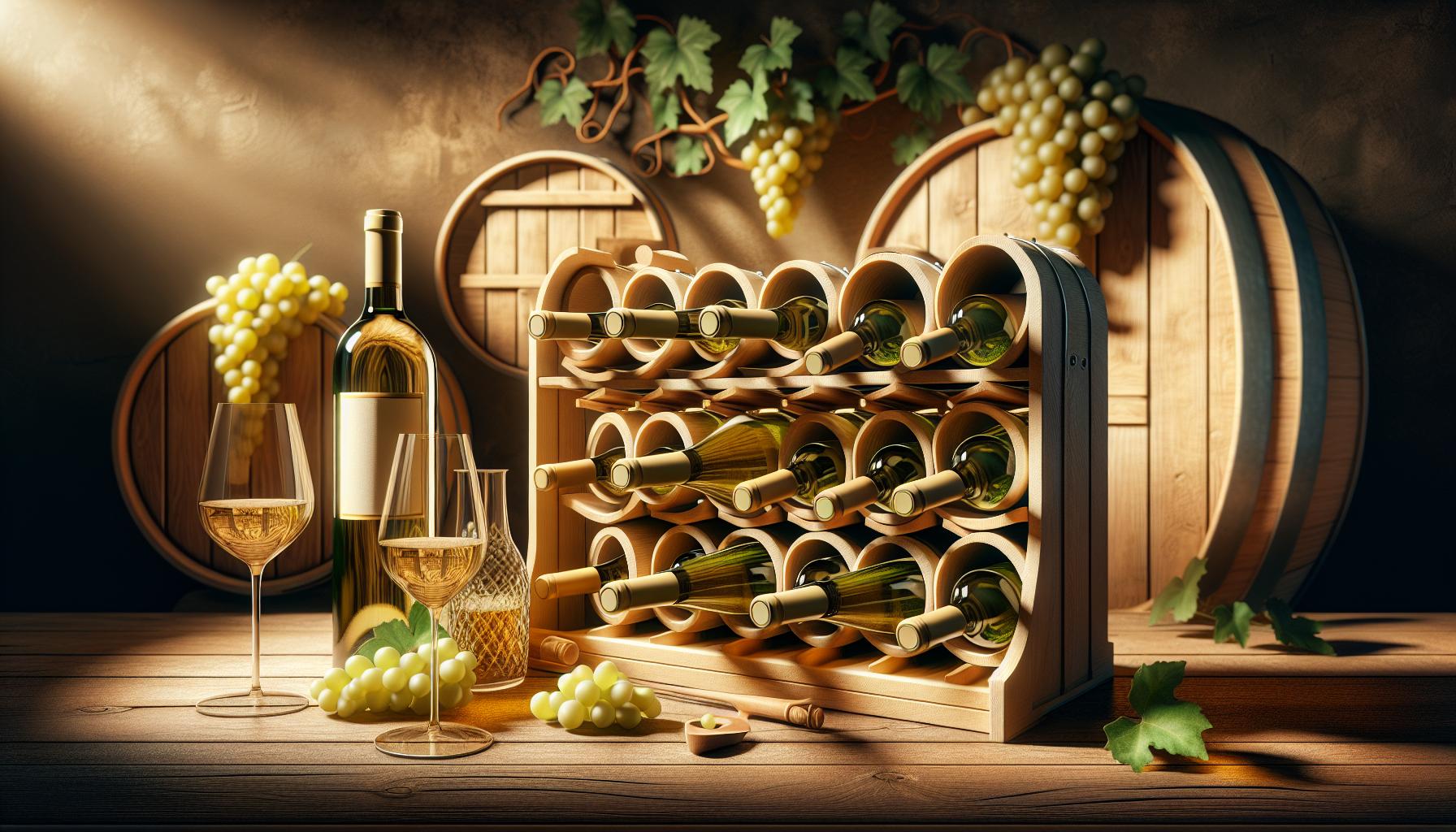
How to Properly Store White Wine
The allure of white wine often lies in its ephemeral qualities-its crispness, brightness, and the inherent stories captured in each bottle. Yet, to experience these elegantly entwined narratives, proper storage becomes paramount. A well-stored white wine can whisper hints of its terroir and vintage, while improper storage can render it a mere shadow of its intended vibrancy. To safeguard your liquid treasures, understanding the nuances of optimal storage practices can enhance your wine journey and prevent those bittersweet moments of discovering that a cherished bottle has spoiled.
Creating an ideal environment for white wine requires attention to several key factors. The first is temperature: white wines flourish at consistent, cool temperatures ranging from 45°F to 65°F (approximately 7°C to 18°C). This cool climate helps preserve delicate flavors and aromas. For many wine enthusiasts, a wine fridge is a worthwhile investment, providing stability away from household fluctuations. Conversely, keeping your bottles in places like a kitchen or garage, which can be subject to temperature spikes, is best avoided.
Another critical element is light exposure. Ultraviolet rays can degrade wine quality, prompting unwanted chemical reactions. For this reason, it is a good strategy to store white wine in dark places, such as wine racks or cabinets shielded from direct sunlight. If your collection includes bottles in clear glass, it’s particularly essential to keep them tucked away. The serene embrace of a cool, dark environment allows the wine to rest undisturbed, thereby developing its intricacies over time.
Humidity also plays an integral role in preserving wine, especially if the bottles have cork closures. Aim for a humidity level around 70%, which helps prevent corks from drying out and allowing oxygen to seep in. Too much humidity, on the other hand, could foster mold growth. It can also be worthwhile to lay bottles horizontally so the wine remains in contact with the cork, ensuring a snug seal that holds moisture and keeps air at bay.
While mastering these storage elements enhances your wine’s journey, don’t overlook the joy of mindful consumption. Wine is made to be shared and savored, so be attentive to your collection-rotate your bottles to make sure they don’t languish unnoticed. Embrace the adventure of uncorking a bottle at just the right moment, when its story is primed for enjoyment, thus making each sip a celebratory experience to remember.
Common Misconceptions About White Wine Shelf Life
The notion that bottled white wine can last indefinitely in your cellar is a charming myth that many wine lovers cling to, often spurred by a romanticized view of vintages and aging. In reality, though some white wines may benefit from a bit of time, most are crafted for enjoyment within a few years of their bottling. The shelf life of white wine can vary greatly, contingent upon the grape variety, production methods, and even the closure used. Many think that a vintage white will continue to evolve beautifully, but it’s essential to recognize that not all whites are designed for long-term aging; many are best enjoyed while they’re still fresh and vibrant.
When it comes to misconceptions surrounding white wine’s ability to improve with age, the truth is more nuanced. For instance, delicate varietals like Pinot Grigio or Sauvignon Blanc are typically meant to be sipped young, where their bright acidity and crisp flavors can truly shine. Conversely, certain structured whites like premium Chardonnays or dessert wines may benefit from some age, as they develop complex aromas and flavors over time. Thus, understanding the characteristics of the specific varietal can play a significant role in determining how long you can expect it to remain delightful.
Another common fallacy is the belief that once a bottle is opened, it can still be stored for weeks on end without consequence. This is a perilous notion; oxygen, which is introduced when you uncork the bottle, begins to alter the wine’s composition almost immediately. A half-finished bottle of white might seem fine after a week or so, but it can quickly lose its freshness and flavor. The truth is that, once opened, most white wines are at their best within three to five days. Using preservation tools like vacuum pumps or inert gas dispensers can help extend the life of an opened bottle, but even these have their limits.
Finally, let’s talk about the impact of light and temperature. Many assume that a dark cupboard or a cool place will suffice for wine storage, but the subtleties make a world of difference. Harmful ultraviolet rays and fluctuating temperatures can wreak havoc on your precious bottles, leading to premature aging or spoilage. Storing wine in a consistent, cool environment-ideally around 55°F (13°C)-and in low light is not just a suggestion; it’s essential for preserving wine quality. By shedding light on these misconceptions and embracing a deeper understanding of white wine’s nuances, enthusiasts can elevate their appreciation and enjoyment, turning every sip into a celebration of life’s fleeting moments.
Effects of Temperature on White Wine Quality
The relationship between temperature and white wine quality is as intricate as the flavor profiles of the wines themselves. Picture a crisp Sauvignon Blanc, its freshness nose bursting with citrus and green apple notes; now imagine that same bottle exposed to heat or extreme temperature fluctuations. What was once a vibrant expression of terroir can quickly turn dull and lifeless, reminding us that wine is a delicate balance of science and artistry. The ideal serving temperature for most white wines typically hovers between 45°F (7°C) and 55°F (13°C), allowing their aromas to bloom while maintaining refreshing acidity.
When white wine is subjected to elevated temperatures, particularly beyond 70°F (21°C), it can initiate a process known as premature aging. This occurs because heat accelerates chemical reactions within the wine, leading to the breakdown of its components and diminishing its freshness. A once-floral Viognier may soon display unwanted oxidative flavors reminiscent of cooked fruit or sherry-like notes, which masks the intricate layers of flavor originally intended by the winemaker. Therefore, diligent care should be given not only when serving but also when storing wine-keeping it in a stable environment is crucial.
Fluctuations in temperature, like a rollercoaster ride for your bottle, can introduce unwanted stress to the wine. It’s akin to inviting chaos into a perfectly orchestrated symphony. Not only can the cork expand and contract, potentially allowing air to enter the bottle and spoil the wine, but it also alters its intended aging trajectory. With high temperatures pulling wine toward over-ripeness and low temperatures supressing its full expression, the middle ground must be honored. Consistently cool storage-ideally around 55°F (13°C)-ensures that your wines maintain their delicate balance, allowing time to work its magic without the discord of temperature-related issues playing in the background.
In your journey through the world of white wine, consider not only the varietal characteristics but also the environment in which they dwell. Elevating your wine experience involves these careful considerations; the dance of temperature and quality is one that every enthusiast should embrace. It’s a whisper of wisdom as you pour that first glass, knowing the care taken in its stewardship allows each sip to be more than just a drink, but a communion of culture, craft, and community.
The Role of Sulfites in Wine Preservation
Sulfites often stir up a bit of controversy in the wine world, evoking passionate opinions that range from the protective to the prejudiced. Yet, these compounds play a crucial role in preserving the integrity and longevity of white wine, seamlessly blending science with the artistry of winemaking. Naturally occurring sulfites are found in grapes, but many winemakers add extra sulfites to ensure their wine maintains freshness, flavor, and stability throughout its life. The paradox lies in their necessity: while sulfites safeguard against spoilage and oxidation, some individuals are sensitive to them, leading to a nuanced relationship with wine.
How Sulfites Work
Sulfites act as antioxidants and antimicrobial agents, curtailing the growth of unwanted bacteria and preserving the wine’s delicate flavors. When it comes to white wines, this is particularly vital. The inherent brightness of a well-crafted Chardonnay or the vibrant notes of a Sauvignon Blanc can easily fade if left unprotected. By inhibiting oxidation, sulfites help keep those tantalizing aromas intact-think of freshly sliced apples, zesty citrus, or the delicate floral notes that enhance your wine experience. Without sufficient sulfites, exposure to air can lead to oxidation, and your once-crisp wine can taste flat and lifeless, or worse yet, reminiscent of vinegar.
While it’s easy to vilify sulfites due to the headlines about wine-related allergies, it’s important to recognize their role in the rich tapestry of wine preservation. The truth is, the levels of sulfites found in wine are generally low and comparable to those present in foods such as dried fruits and certain pickled products. As a rule of thumb, good-quality wines typically contain less than 150 parts per million (ppm) of sulfites, with many falling under 75 ppm. This delicate balance ensures that wines remain delicious and enjoyable without overwhelming the palate.
Practical Tips for Wine Lovers
For those keen to minimize sulfite exposure while still indulging in the joys of white wine, consider these practical steps:
- Choose organic wines: Look for labels that indicate “no added sulfites” or organic certification, which often translates to lower sulfite levels.
- Be mindful of storage: Properly store your white wines in a cool, dark place. This minimizes the need for preservatives by slowing down the aging process.
- Drink fresh: Opt for younger white wines with vibrant acidities, such as Pinot Grigio or Muscadet, which are inherently less reliant on sulfites.
In embracing the role of sulfites, one can better appreciate not only the craftsmanship behind each bottle of wine but also the nuances of flavor and aroma that make each sip a journey. As you immerse yourself in the vibrant world of white wine, understanding these components will enhance your experience, transforming a simple glass into a celebration of life’s complexities. So, pour a glass, savor those luscious notes, and embark on a delightful exploration, all while knowing that sulfites quietly work in the background, preserving your wine for the joy of sharing and savoring.
Rescuing Oxidized White Wine: Tips and Tricks
Once a bottle of white wine has succumbed to oxidation, it may taste like a sad shadow of its former self, often described as flat, dull, or even vinegary. However, before you decide to toss that lost bottle, take a moment to explore some creative remedies to breathe new life into oxidized wine. Many home sommeliers have found that with a pinch of culinary imagination and an open mind, even oxidized wine can be transformed into something deliciously enjoyable.
One popular method for rescuing oxidized white wine is to incorporate it into a delightful sauce. Think about the way the flavors of a rich, buttery Chardonnay meld into a creamy garlic sauce for pasta or a fragrant white wine reduction with shallots for scallops. Cook down the oxidized wine with aromatics, herbs, and spices to enhance its lingering notes, creating an exquisite sauce that can elevate a simple dish into a gourmet experience. Alternatively, consider using it in marinades-its mellowed qualities can infuse meats or vegetables with depth, perfect for grilling or roasting.
If you’re feeling a bit more adventurous, try adding sparkling water or soda to your oxidized white wine, transforming it into a spritzer. This not only dilutes the oxidized flavors but also introduces a refreshing effervescence that can make the drink more palatable. Enhance this concoction by adding slices of fresh fruit, herbs like mint or basil, or even a splash of fruit juice, turning a failed bottle into a charming summery beverage.
Lastly, don’t forget about the versatility of oxidized wine in various culinary applications. Use it for stews or braises, where a long cooking process can mellow out the flaws of oxidation while amalgamating flavors into a satisfying dish. For instance, the complexity offered by an oxidized Sauvignon Blanc can enhance a chicken tagine, bringing a touch of acidity to balance the rich spices.
With these tips in mind, a seemingly spoiled bottle of white wine can become a hidden gem in the kitchen. Rather than let it go to waste, embrace your creativity and transform oxidation into opportunity. Whether in the form of a sauce, a refreshing spritzer, or an enriching braise, such innovations celebrate the journey of the wine while ensuring that every drop contributes to the beauty of the culinary experience. So, the next time you encounter an oxidized bottle, consider it not a failure, but rather a new canvas for exploration and flavor transformation.
When to Throw White Wine Away: A Practical Guide
There’s a fascinating interplay between sensory perception and the life cycle of white wine, making the decision to part ways with a bottle as complex as the wine itself. While many wines can age gracefully, white wines, with their delicate compositions, have a shelf life that can often surprise the uninitiated. Knowing when to discard a bottle is crucial-both for enjoyment and for health.
Visual cues are often the first sign that a bottle isn’t what it once was. Look for changes in color; a white wine that appears darker than its original hue may indicate oxidation. If the once bright, pale straw has morphed into a deeper golden shade, it could be past its prime. Another telltale sign is cloudiness-a clear wine that becomes hazy may have undergone spoilage. The aromatics, too, can offer guidance: if a wine emits an unpleasant aroma reminiscent of vinegar, or if it smells dank and lifeless, these are strong indicators that the wine has spoiled.
Temperature plays a pivotal role in the integrity of white wine. Exposure to heat can lead to accelerated spoilage. As a rule of thumb, if the wine has been stored improperly-exposed to temperatures above 70°F for extended periods, or if it has been left in a hot car-the chances of spoilage increase significantly. Beyond physical attributes, the taste is the ultimate arbiter. A wine that tastes flat, overly acidic, or excessively sweet compared to its original profile has likely seen better days.
In practical terms, here are some key points to consider when determining if it’s time to say goodbye to a bottle of white wine:
- Color Change: Darkening or unusual cloudiness signals potential spoilage.
- Off Flavors: If it tastes vinegary or flat, you might want to pour it out.
- Aroma: Dull or unpleasant scents are strong indicators of oxidation.
- Storage Conditions: Improper temperatures can hasten spoilage; be mindful of heat damage.
Trust your senses, for they are your most reliable guide in this nuanced adventure. When in doubt, remember that a bottle of wine, much like a perfect moment, should be savored while it still has the capacity to delight. Embrace the journey of wine appreciation, and let each bottle’s story guide you through the world of flavor and experience.
Delve into the World of Wine Tasting: Spoilage vs. Flavor
The delicate art of wine tasting invites us into a world of sensory exploration, where the dance between spoilage and flavor becomes not merely an aspect of appreciation but a path to deeper understanding. Engaging with white wine can feel like embarking on a conversation with a long-lost friend: the initial notes might be inviting and bright, but it’s essential to attune your senses to the shifts that could signal an unfortunate shift from elegance to ruin. Spoilage-often an invisible intruder-can compromise even the most exquisite bottle, yet recognizing these changes can transform a moment of uncertainty into an opportunity for learning.
To start, understanding the intrinsic characteristics of various white wines is vital. For instance, a fresh Sauvignon Blanc typically bursts with zesty citrus and herbaceous notes, while an oaked Chardonnay offers richness marked by creamy textures and buttery undertones. However, when spoilage sets in, these flavors can morph into something altogether less appealing. A once-vibrant wine may start to develop dull, rancid notes reminiscent of vinegar or wet cardboard, a clear indication that it has crossed over into the realm of unpleasantries. The ability to distinguish these off-flavors is not only an exercise in your palate’s capabilities but a necessary skill for any discerning wine lover.
Engaging with a glass of aging white wine often feels like a voyage through time, where every sip represents the vineyard’s heritage and the winemaker’s intentions. Yet, the question of whether a wine has spoiled can best be answered through a combination of sight, smell, and taste. Color changes are immediate visual indicators; an unwanted hue of deep amber rather than pale gold may whisper tales of oxidation, while cloudiness signifies a disturbing departure from clarity. Complementing this visual assessment, the aroma plays a pivotal role. A whiff of mustiness or a discernible vinegar scent should prompt caution-these elements are your first line of defense against less enjoyable experiences.
As we dive deeper into the sensory experience, remember that the goal of wine tasting is not merely to pinpoint flaws but to appreciate the full spectrum of flavors. Sometimes, oxidation can bring forward complex notes that are delightful rather than detrimental. A touch of background knowledge on how different varieties evolve over time can equip you with the wisdom needed to navigate these nuances. After all, not every unexpected flavor deserves a quick dismissal; some may surprise you with their depth and complexity.
Ultimately, the journey between spoilage and flavor in white wine is emblematic of life’s larger questions-how do we recognize the beauty that endures and learn from what fades? By honing your tasting skills and developing an acute awareness of sensory changes, you transform your approach to wine from mere consumption into an enriching dialogue with each bottle’s story. Hence, respect and curiosity can lead you to appreciate not just what to drink but how to truly savor the experience.
Exploring Different White Wine Varietals and Their Longevity
Exploring the vast kingdom of white wine is much like experiencing a grand orchestra; each varietal plays its own unique melody, presenting flavors and aromas that tell the story of its origin and winemaking techniques. While they may share a common color palette, the distinctions between Chardonnay, Sauvignon Blanc, and Riesling are vast, especially regarding their aging potential and susceptibility to spoilage. Understanding the nuances of these white wine varietals is key for any wine enthusiast hoping to navigate the sometimes turbulent waters of preservation and drinking windows.
Take, for example, Chardonnay-a chameleon of a grape that manifests differently across regions and winemaking processes. Oaked Chardonnays, often rich and buttery, can gracefully age for several years if stored properly, developing layers of complexity that enhance their appeal. Conversely, unoaked Chardonnays typically shine brightest in their youth, showcasing crisp acidity and fresh fruit flavors. These wines are best enjoyed within three to five years of their vintage date, as their delicate nature can quickly fade, sometimes leading to the off-putting notes reminiscent of oxidation.
Sauvignon Blanc, in its vibrant form, bursts with zesty citrus notes and green herbs. This varietal generally reflects a shorter shelf life, ideally consumed within one to three years to retain its refreshing crispness. However, producers from regions like Sancerre or New Zealand may craft versions that can withstand a bit more aging. The key is to keep an eye on those bright, grassy notes; when they begin to dull and transform into a murky pool of muddled aromas, it may be time to say goodbye.
Riesling presents yet another intriguing narrative. This varietal, known for its diverse range from bone-dry to decadently sweet, can actually improve with age, especially those sourced from esteemed regions like Germany’s Mosel or Alsace in France. A well-stored Riesling can develop alluring petrol and honey notes over a span of ten years or more, inviting a delightful complexity that loyal fans adore. On the other hand, lower-quality bottles or those lacking acidity may turn prematurely, showcasing unattractive features that signal spoilage.
### Aging Potential Quick Reference:
| Varietal | Ideal Aging Potential | Flavor Characteristics |
|---|---|---|
| Chardonnay | 3-10+ years (depending on oak treatment) | Rich, creamy, buttery |
| Sauvignon Blanc | 1-3 years | Crisp, zesty, grassy |
| Riesling | 5-15+ years (depends on sweetness and region) | Floral, fruity, honeyed, petrol |
With each sip of white wine, you’re not just tasting a beverage; you’re engaging in a delightful conversation about the terroir, the climate, and the heart of the winemaker. As you navigate the complexities of varietals and their aging potential, remember that respect and care in storage play a significant role in preserving their story. Ultimately, the journey is about more than discerning spoilage-it’s a profound exploration of flavor, heritage, and the joy of sharing memorable moments with friends and family over a glass.
Culinary Pairings: Recipes to Use Up Aging White Wine
Using aging white wine in the kitchen is not only a clever way to prevent spoilage, but it also unlocks a world of flavor-enhancing opportunities. Imagine a vibrant Sauvignon Blanc that has started to lose its youthful fruitiness, yet still holds the zesty acidity ideal for brightening up a dish. This is the moment to transform it into a luscious sauce or a delectable marinade. The natural flavors of the wine can enhance the essence of your meal, creating depth that elevates the dining experience.
Flavorful Culinary Applications
When you have a bottle of aging white wine, consider these delightful recipes:
- White Wine Garlic Sauce: Sauté minced garlic in olive oil, then pour in your aging white wine and reduce it until it thickens. Toss in some cooked pasta and fresh herbs like parsley or basil for a quick and satisfying dish.
- Wine-Braised Chicken: Use white wine in a braise with chicken, onions, and your choice of root vegetables. The wine will not only tenderize the meat but also impart its nuanced flavors, making each bite a celebration of rich, savory goodness.
- Poached Fish: Infuse a delicate flavor into your fish by poaching it gently in a mixture of white wine, herbs, and broth. The acidity of the wine will keep the fish moist and flavorful, capturing the essence of the ocean.
- Wine-Infused Risotto: Start your risotto with a splash of white wine. As the grains absorb the wine, they’ll take on a delightful complexity, complemented by chicken broth and a sprinkle of Parmigiano-Reggiano.
- Marinated Vegetables: Combine leftover white wine with olive oil, vinegar, and herbs to create a tangy marinade for grilled or roasted vegetables. This adds a delectable zest that marries beautifully with the natural sweetness of the veggies.
Beyond the Plate
Utilizing white wine in cooking speaks to the very heart of culinary artistry-transforming potential waste into a canvas of flavor. Great dishes often come from a willingness to improvise and adapt, and an open bottle of aging white wine offers countless possibilities to invent and inspire. Wine has a unique way of bringing out flavors and marrying them together, creating harmony in every dish.
As you explore these culinary avenues, consider how the qualities of specific white varietals might influence your cooking. An older Chardonnay, often rich and buttery, can lend a lovely creaminess to sauces and stews, while a vibrant Riesling might brighten up your dishes with its floral notes. The journey through your kitchen, guided by the flavors of aging white wine, is an opportunity to celebrate creativity and enjoy the connecting thread of food and wine in a delightful culinary dance.
Choosing the Right White Wine: Preventing Spoilage
Choosing the right white wine for your collection is more than just picking a pretty label or a trendy brand; it’s a step towards ensuring that your wine remains enjoyable and free from spoilage. Understanding how wines interact with their environment is crucial, as improper storage can lead to premature aging or spoilage. Think of it this way: selecting a well-balanced wine with strong acidity and fresh flavors can serve as a foundation for longevity, while also enhancing your culinary adventures down the line.
When selecting white wine, pay attention to its varietal characteristics, as different grapes can exhibit varying levels of acidity, sugar, and tannin, all of which influence how well a wine will hold up over time. Generally, white wines like Sauvignon Blanc and Riesling have higher acidity, which acts as a natural preservative, thus making them more resilient against spoilage. In contrast, richer varietals like Chardonnay may evolve more quickly, requiring mindful consumption and care. It’s often advisable to choose wines from reputable regions known for their quality, as these wines typically feature better winemaking techniques that can enhance their longevity.
Proper storage is key to maximizing the shelf life of your white wine. While a lovely magnum of white Burgundy may be calling your name, it’s essential to consider its appropriate environment. Aim to keep your wine in a dark, stable location with a consistent temperature-ideally between 45°F and 65°F. The ideal humidity level should be around 70% to keep corks from drying out, which can lead to oxidation. For a practical container, a wine fridge is an excellent choice for those without dedicated cellar space, as it offers temperature control and UV protection.
Lastly, never underestimate the importance of serving temperature. Poor serving practices can render even the finest wine unappealing. For whites, serving them too warm can amplify undesirable flavors, while chilling them too much can mask their complexity. Aim for temperatures between 45°F and 55°F, allowing your wine to express its character fully. In conjuring the perfect atmosphere, consider complementing your wine with foods that enhance its flavors, as that not only prevents waste but truly enriches your dining experience. By choosing wisely and embracing thoughtful preservation practices, you can relish the nuances of white wine, turning each sip into a celebration of your well-informed selection.
Faq
Q: Can white wine go bad after opening?
A: Yes, white wine can go bad after opening. Typically, it starts to oxidize within a few days, leading to off flavors. To prolong its freshness, reseal the bottle tightly and store it in the refrigerator. Check for sour or vinegar-like aromas before consuming.
Q: How can you tell if white wine has spoiled?
A: Spoiled white wine usually has a distinct sour smell, resembling vinegar or musty notes. Taste testing is crucial; if it tastes flat or has an unpleasant bitterness, it’s best to discard it. Always check for any noticeable changes in clarity or color.
Q: What causes white wine to spoil?
A: White wine spoils primarily due to oxidation, which occurs when it’s exposed to air. Factors like heat and light can also accelerate spoilage. Using proper storage methods helps maintain its quality and ensures the enjoyment of its nuanced flavors.
Q: Is it safe to drink old white wine?
A: Drinking old white wine is generally safe, but the taste may be compromised. If the wine smells or tastes unpleasant, it’s best to err on the side of caution and not consume it. Always evaluate its freshness before indulging.
Q: How can you store white wine properly?
A: To store white wine properly, keep it upright in a cool, dark place, ideally between 45-65°F (7-18°C). Use a wine fridge or regular refrigerator if opened. Avoid temperature fluctuations and keep it away from direct sunlight.
Q: How long does unopened white wine last?
A: Unopened white wine can last several years, depending on the type. Generally, most whites are best enjoyed within 1-3 years of purchase. Check for specific varietals as some, like Chardonnay, may age well longer.
Q: Can you refrigerate white wine?
A: Yes, refrigerating white wine is recommended, especially after opening, as it helps slow oxidation. Even unopened bottles can benefit from cool storage, preserving their flavor and aromas until you’re ready to enjoy them.
Q: What are the different spoilage signs in white wine?
A: Spoilage signs in white wine include a change in aroma (sour or musty), flavor alterations (bitterness or flatness), and visible changes like cloudiness or color darkness. Trust your senses; if it seems off, it’s safer not to drink it.
The Way Forward
As you embark on your wine journey, remember that understanding how to spot spoiled white wine is only the beginning. Equip yourself with the insights to savor every sip-trust your senses and keep an eye out for those telltale signs of spoilage. Whether exploring varietal notes or sharing unforgettable moments over a perfectly chilled glass, your appreciation for wine is an evolving narrative that deserves to be celebrated.
Ready to deepen your knowledge? Dive into our related articles on Proper Wine Storage Techniques and Pairing White Wine with Food for a holistic wine experience. Don’t forget to join our newsletter for expert tips straight to your inbox and ensure you never miss a drop of valuable wine wisdom. Share your thoughts in the comments below-what wine experiences have shaped your palate? Cheers to the adventure ahead!


