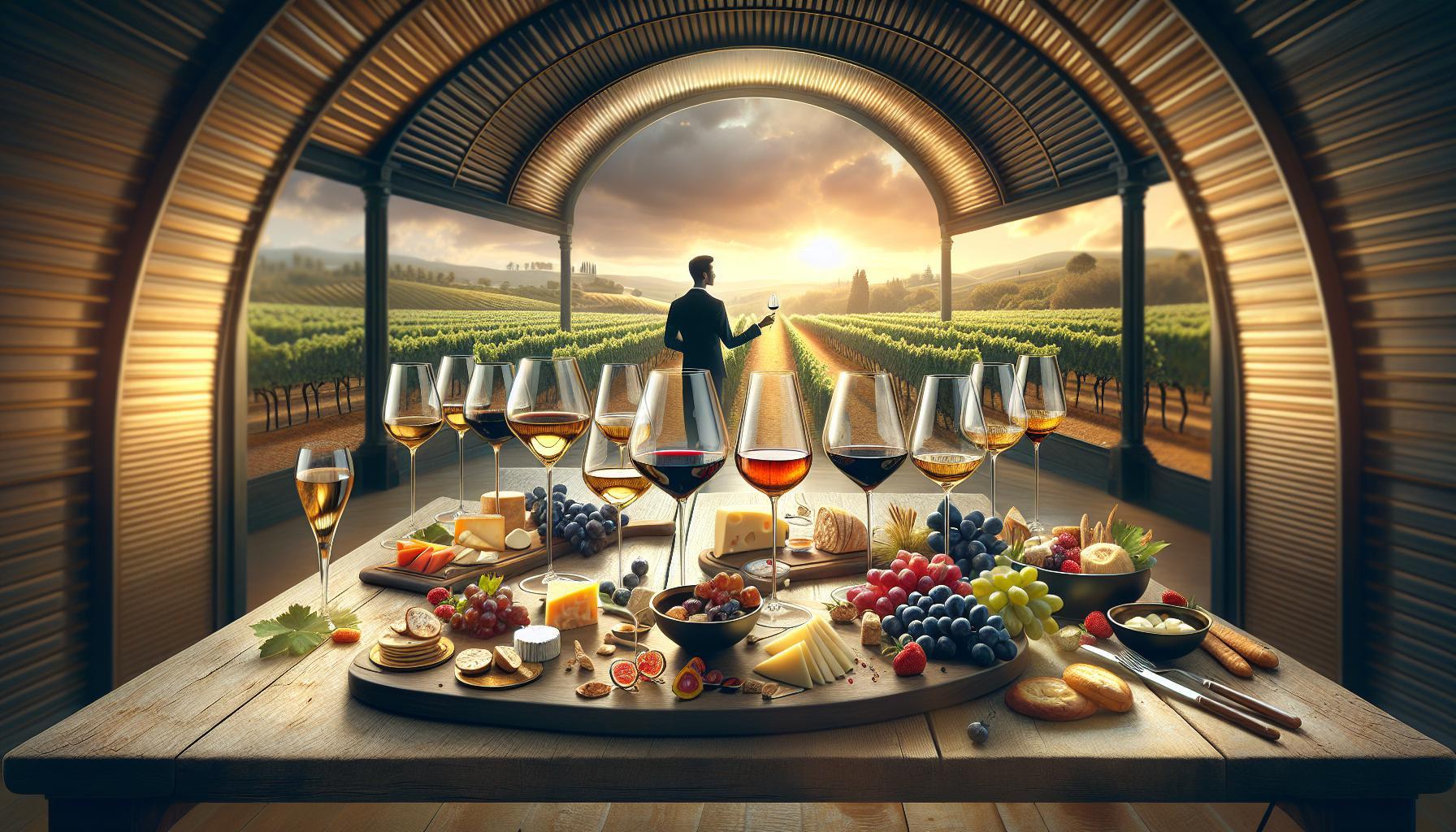
Nestled in the heart of California, Napa Valley boasts over 400 wineries, making it a premier destination for wine lovers around the globe. This guide to Napa’s wine wonderland is not just about numbers; it’s an invitation to explore the stories, traditions, and innovations that envelop each bottle. Whether you’re a seasoned connoisseur or a curious newcomer, understanding the diverse wineries of Napa will deepen your appreciation for this captivating region.
As you traverse the rolling hills and picturesque vineyards, each winery offers a unique glimpse into the art of winemaking, reflecting the rich tapestry of culture and flavor that defines Napa. You’ll find everything from rustic family-owned estates to grand, architecturally stunning properties, each contributing to the valley’s renowned reputation. This exploration not only quenches your thirst for wine knowledge but also connects you to the passionate individuals behind the craft.
Prepare to sip, savor, and discover what makes Napa Valley a beloved haven for oenophiles, as we unveil the essential details you need to navigate this enchanting wine landscape. Your journey through Napa’s wineries awaits, promising experiences that will linger long after the last drop.
Exploring Napa Valley: A Wine Lover’s Paradise
In the heart of California lies Napa Valley, a sanctuary for those who cherish the art of winemaking. With its picturesque landscapes adorned by rolling hills and sprawling vineyards, Napa isn’t just a destination; it’s an experience that unfolds with every sip of wine. Visitors often find themselves captivated by the personal stories behind each vineyard, where the passion of winemakers transforms grapes into extraordinary bottles that are celebrated around the world. The history, the culture, and the communion found in this region create a rich tapestry that invites exploration and discovery.
Amidst the approximately 400 wineries scattered across Napa Valley, each establishment offers a unique narrative-a delightful realization for wine enthusiasts. Whether you seek the intimacy of a boutique winery or the grandeur of a large estate, the diversity of tasting experiences is both vast and inviting. Imagine gathering around a rustic barrel, listening to a winemaker’s journey while sampling a robust Cabernet Sauvignon that resonates with the very soil it was grown in. Many wineries are dedicated not only to crafting exceptional wines but also to educating visitors about the intricacies of viticulture and the nuances of terroir.
As you traverse the valley, the scenic routes beckon with their beauty and promise of hidden gems. From the iconic Highway 29, flanked by renowned establishments, to lesser-known paths leading to quaint family-owned vineyards, the landscape is a feast for the senses. Keep an eye out for seasonal events, from harvest festivities to intimate winery dinners, where you might pair a delightful Chardonnay with locally sourced cuisine crafted by talented chefs. These experiences enrich your visit, anchoring your understanding of wine within a broader cultural context and making your journey feel like a personal exploration rather than a mere tour.
In the ever-evolving narrative of Napa Valley, there’s a palpable shift towards organic and sustainable practices, as many wineries embrace an ethos that honors the environment while producing exquisite wines. Here, wine isn’t just a beverage; it’s a bridge that connects tradition, innovation, and an unwavering commitment to quality. Each bottle represents a dedication to craftsmanship, inviting you not just to taste, but to become part of a movement that cherishes the land and its heritage. So, as you embark on this adventure, remember that every sip tells a story-one that you are now a part of.
The Rich History of Napa’s Wine Culture
The story of Napa Valley’s wine culture is woven into the rich tapestry of California’s history, tracing its roots back to the mid-19th century. In 1855, a pioneering figure named George Yount became the first to plant vineyards in the valley, establishing what would become one of the world’s premier wine regions. His vision was one of harmony, understanding that the unique climatic conditions and fertile soil of Napa could produce wines of exceptional quality. Today, as you stroll through the valley, you can feel the weight of history at each winery, from the weathered barns to the meticulously maintained vineyards that echo with stories of resilience and passion.
During the late 1800s, Napa experienced a burgeoning winemaking boom, marked by the arrival of many Italian and German immigrants. They brought with them traditional winemaking practices that laid the foundations for Napa’s diverse varietals. However, this prosperous period faced a crushing setback with the onset of Prohibition in 1920, which decimated the industry. Many wineries closed, while others transformed into speakeasies or pivoted to producing sacramental wines. It wasn’t until the late 20th century that Napa Valley truly began to reclaim its status, culminating in the 1976 Paris Tasting-an event that dramatically showcased Napa wines on the global stage, winning against French contenders and forever altering perceptions of American wine.
Fast forward to today, Napa Valley boasts around 400 wineries, each contributing to a rich and diverse culture of wine appreciation that draws millions of visitors each year. Whether nestled in the foothills or sprawling along the valley floor, these establishments embody a blend of innovation and tradition, proudly showcasing varietals like Cabernet Sauvignon, Chardonnay, and Merlot. Each winery has its own tale, with some focusing on small-batch production while others embrace the grandeur of their estates, crafting wines that reflect not only the terroir but also the heart and soul of the winemakers themselves.
As you prepare for your exploration, consider that the future of Napa Valley’s wine culture lies in its commitment to sustainability and organic practices. More than just a trend, many wineries are now dedicated to preserving the land, using biodynamic methods and minimizing their environmental footprint. This reverence for nature, alongside a focus on quality and flavor diversity, promises to keep Napa Valley at the forefront of global wine culture while inviting a new generation of enthusiasts to partake in its rich heritage. Each bottle you uncork carries within it tantamount stories and a promise-a connection to the past, the present, and the future of winemaking in this enchanting valley.
How Many Wineries Are There in Napa?
Nestled in the heart of California, Napa Valley stands as a testament to the art and science of winemaking, boasting a remarkable array of approximately 400 wineries. This vibrant community of vineyards and tasting rooms is a beacon for wine lovers seeking both adventure and education in their quest for the perfect pour. Each winery is unique, reflecting the rich tapestry of entrepreneurial spirit, diverse heritage, and commitment to quality that defines Napa’s wine culture.
Visitors will find a fascinating mix of large estates and boutique wineries. The larger establishments often feature extensive facilities, gourmet restaurants, and lavish tasting experiences, while the smaller, boutique wineries may offer intimate environments where personal connections with the winemakers are encouraged. This variety provides a broad spectrum of experiences, from the grandeur of sprawling vineyards to the warmth of small family-operated wineries, each with its own story and specialties. Wineries such as Opus One and Robert Mondavi epitomize prestige and scale, showcasing sophisticated wines crafted with utmost care, while gems like Stony Hill Vineyard or Storybook Mountain Vineyards offer a glimpse into the passionate craftsmanship characteristic of smaller operations.
The landscape of Napa is not just stunning; it serves as a canvas for distinct terroirs that influence the character of each wine. Visitors can savor world-class Cabernet Sauvignon, delicate Pinot Noir, and crisp Chardonnay, each influenced by the valley’s unique microclimates and soil variations. Whether you’re taking a leisurely drive down the Silverado Trail or meandering through the scenic backroads, each stop reveals a new chapter in Napa’s rich winemaking legacy, making the valley not just a destination but a delightful journey.
### Discovering Wineries
As you plan your wine-tasting adventure, consider the following pointers to enhance your experience:
- Start Early: With so many wineries to choose from, an early start ensures you have ample time to explore the varietals and enjoy leisurely tastings.
- Consider Reservations: Many wineries require reservations, especially for more exclusive tastings or tours, so plan ahead to ensure you can visit your desired spots.
- Mix it Up: Balance your itinerary by pairing larger wineries with smaller, family-owned ones to gain insights into differing winemaking philosophies.
- Keep an Open Mind: Each winery has a distinct style; embrace the diversity and try varietals you may not typically choose.
In the heart of this legendary valley, the allure of Napa’s wineries is not just about the wine-it’s about the stories shared, the time spent in lush landscapes, and the rich culture waiting to be uncovered. Whether a novice or a connoisseur, the breadth of experiences offered by these 400 wineries provides ample opportunity for learning, exploration, and enjoyment.
Types of Wineries: From Boutique to Large Estates
In Napa Valley, the variety of wineries ranges from boutique to large estates, each offering a distinctive glimpse into the art of winemaking. This vibrant spectrum not only highlights the region’s versatility but also caters to diverse preferences, whether you’re seeking intimate encounters with artisanal winemakers or grand experiences at renowned establishments. Understanding these types of wineries can greatly enhance your visit, as each has its unique charm and story.
Often, boutique wineries, such as Stony Hill Vineyard or Storybook Mountain Vineyards, focus on limited production and hand-crafted wines. These smaller operations pride themselves on quality over quantity, allowing winemakers to experiment and refine their craft. Here, visitors can enjoy personalized tastings, often guided by the owners themselves, who may share tales of their vineyards, the challenges they face, and their passionate philosophy toward winemaking. This intimate atmosphere encourages deeper connections-not just to the wine, but to the people behind it, offering a chance to taste the personality behind each vintage.
In contrast, larger estates like Robert Mondavi or Opus One present a different narrative. These wineries have the infrastructure to support extensive tours, gourmet dining, and extravagant tasting experiences, often accompanied by breathtaking architecture and picturesque landscapes. Here, guests can expect a more polished, professional approach to wine tasting, where the experience is often as meticulously crafted as the wines themselves. While the scale may overshadow the intimate touch found in boutique wineries, these establishments do not lack character; they narrate the history of Napa’s evolution into a world-class wine destination through their styles and offerings.
Exploring both types of wineries creates a rich tapestry of experiences that enhances your appreciation for Napa’s wine culture. Consider weaving together visits to both large estates and boutique gems during your journey. This balance will not only satisfy your palate but will also offer a fuller understanding of Napa’s diverse winemaking philosophies, ensuring your adventure through Napa Valley transcends mere tastings and evolves into a deeper exploration of its storied wine heritage.
Tasting Experiences: What to Expect at Each Winery
Stepping into a winery in Napa Valley is like embarking on a journey through time and terroir, where each sip can transport you to the sun-drenched hills and fertile soils from which the wine originates. Expect an experience that engages your senses fully-from vibrant colors and intricate aromas to the rich flavors resting within your glass. Regardless of whether you have chosen an intimate boutique winery or a grand estate, tasting experiences in Napa are crafted to evoke curiosity and connection.
At smaller wineries, such as those nestled among the backroads, you’ll find that tastings often feel akin to a friendly gathering rather than a formal affair. Owners or winemakers frequently serve as your guides, eager to articulate their passion and the narrative behind each bottle. As you swirl the wine in your glass, its hues can tell the story of sunlight, rain, and the meticulous care that fills every stage of its development. While sipping a crisp Sauvignon Blanc, notice the notes of citrus and grass, and let the earthiness of a Cabernet Sauvignon linger on your palate, each sip complemented by tales of the vineyard’s unique terrain and philosophy.
Larger wineries, like the illustrious Robert Mondavi or Opus One, offer a different kind of experience, wherein your trip transforms into an immersive exploration of viticulture at its pinnacle. Here, expect structured tasting flights that juxtapose age-old vines with modern winemaking techniques, often set against the backdrop of stunning architecture and panoramic vineyard views. Experience the opulence of a reserve tasting paired with gourmet bites, an event that elevates the senses yet invites discussion and reflection. The wines may have depth defined not just by their varietal traits but by the meticulous craftsmanship that elevates Napa’s status on the world stage.
Regardless of your choice of winery, the warmth of Napa’s hospitable environment encourages you to ask questions, delve into winemaking practices, and savor each drop as both an individual reflection and a shared experience. Whether you are savoring a glass imbued with the spirit of a small family-run vineyard or enjoying the wide-reaching legacy of a famed estate, your tasting adventure in Napa Valley promises an enriching tapestry woven with flavors, stories, and connections to a landscape that has defined American winemaking for centuries.
Navigating Napa: The Best Routes to Visit Wineries
Embarking on a journey through Napa Valley is as much about appreciating the renowned wines as it is about enjoying the stunning landscapes that cradle them. With over 400 wineries peppered throughout the valley, the choice of routes can enhance your experience, allowing you to travel through picturesque vineyards, historical sites, and charming towns. The challenging task is not in finding a route but in selecting which delightful paths to traverse, all while savoring the rich stories each winery has to tell.
To chart your perfect course, consider the diversity of Napa’s regions, each offering a unique character and selection of wineries. The legendary Highway 29 runs straight through the heart of Napa Valley and is arguably the most frequented for its concentration of acclaimed wineries. Along this scenic drive, you can visit heavyweights like Robert Mondavi and Stag’s Leap, where the lush greenery is interspersed with grand estates, making it an ideal route for those seeking a taste of classic Napa.
For a more off-the-beaten-path experience, consider the Silverado Trail, which runs parallel to Highway 29 but invites a more intimate exploration of the valley. This route leads you through picturesque vineyards and smaller family-owned wineries, such as the beloved Hall Wines and the charming spot of Grgich Hills. With less traffic and a quieter ambiance, the Silverado Trail allows for spontaneous stops, picnics overlooking the vines, and a deeper connection with the land and its custodians.
While you plot your course, be sure to account for the time of year. Spring can be choked with life as grapevines burst into bloom, harmonizing beautifully with blooming wildflowers, while autumn offers a spectacular canvas of vibrant fall colors against the backdrop of golden grapes. Each season paints the valley with a distinct mood and flavor, enhancing your travels.
Finally, don’t rush your journey. Allow time for leisurely lunches at vineyard restaurants, spontaneous detours to local artisan shops, or scenic vistas that beckon for a moment of reflection. Bringing along a trusted winery app or guidebook can further enrich your experience, offering maps, tips, and recommendations for nearby wineries that might be just around the corner.
Exploring Napa Valley isn’t merely a drive from one winery to the next; it’s an opportunity to connect with the land, the people, and the incredible stories that shape this world-class wine region. Whether you choose to delineate your path based on iconic wineries or hidden gems, revel in the adventure that unfolds with each turn.
Seasonal Events: Celebrating Wine Through the Year
Throughout the year, Napa Valley transforms its vibrant tapestry of wine culture into a series of seasonal celebrations that both educate and delight wine enthusiasts. Each event serves as a cherished ritual, inviting visitors to participate in the rich traditions that accompany the winemaking process. Spring brings the Napa Valley Trade Tasting; a must-visit event where industry insiders and enthusiastic novices alike can sample over a thousand wines, deepening their appreciation for the valley’s diverse terroirs. This season also heralds the Napa Valley Aloha Festival, a festive celebration of tropical culture paired with local wines, creating an extraordinary blend of flavors, music, and art.
As summer unfolds, Napa’s wineries host an array of outdoor concerts and movie nights under the stars, providing the perfect backdrop for sipping exquisite vintages. One highlight is the Napa Valley Wine Auction, where collectors gather to bid on rare wines and excursions, with proceeds benefiting local charities. This event not only fosters a sense of community but also emphasizes the philanthropic spirit that is alive within Napa’s vineyard-embedded culture. Invigorating culinary festivals, like the Napa Valley Culinary Festival, combine gourmet food with wine pairings, allowing visitors to indulge their palates while learning from acclaimed chefs.
The arrival of autumn signals grape harvest, a time of jubilant celebrations including the Napa Valley Harvest Festival. Here, travelers can immerse themselves in the buzz of the crush, followed by a lively parade filled with local artisans and winemakers showcasing their harvest bounty. Seasonal offerings expand as wineries unveil their new releases, giving aficionados a sense of pride in tasting wines that truly speak to the heart of Napa Valley. This season is not just about the wine; it’s about the collective joy of a community working together to embrace the fruits of the land.
Winter, with its serene vineyards and quieter landscapes, is a time for reflection. The Napa Valley Winter in the Vines promotes cozy tastings and curated events, where visitors can enjoy intimate wine-pairing dinners in rustic settings. Additionally, many wineries offer exclusive vertical tastings, allowing guests to explore how a particular vintage has evolved over the years-a luxurious experience that ties in history and craft. This seasonal magic propels you into a reflective space, inviting contemplations over both the glass and the landscape.
Through the year, Napa Valley orchestrates a captivating assortment of events that go beyond mere wine consumption; they celebrate the passion, artistry, and community that have made this region a wine lover’s utopia. Whether you’re a seasoned connoisseur or a curious newcomer, these gatherings offer a unique opportunity to engage with Napa’s wine culture in ways that are both enriching and memorable.
Organic and Sustainable Wineries: A Growing Trend
The organic and sustainable wine movement in Napa Valley is not just a trend; it’s a burgeoning philosophy that resonates deeply with the valley’s commitment to preserving its rich terroir while responding to the increasing consumer demand for environmentally conscious practices. As vineyards transition to organic farming, they are not merely avoiding synthetic chemicals; they are embracing a holistic approach that fosters biodiversity, enhances soil health, and creates wines that authentically express place. This is about more than just maintaining certifications; it’s about nurturing the land and the community intertwined with its rhythms.
Visiting an organic winery, such as Frog’s Leap Winery, is an enlightening experience. Here, you can witness the intricate balance that comes from farming without the use of herbicides or pesticides, utilizing cover crops to improve soil vitality and attract beneficial insects instead. Guests are often encouraged to stroll through the vineyards, seeing firsthand how healthy vines thrive in symbiotic relationships with their environment. Tasting wines like their vibrant Sauvignon Blanc, one can appreciate not just the flavor profile-a zesty, honeyed delight-but also the ethos behind the bottle, knowing it’s crafted with care for the earth.
Sustainable practices extend beyond the field; many wineries in Napa are implementing eco-friendly initiatives throughout their operations. With features such as solar power systems, water recycling processes, and sustainable packaging, these establishments embody a commitment to environmental stewardship while also producing award-winning wines. For example, Stag’s Leap Wine Cellars has showcased sustainability through a vineyard management plan that has improved overall health while protecting local ecosystems.
Consumers are not just passive participants in this narrative; they are increasingly seeking transparency about the origins of their wine. Engaging with vineyards that prioritize organic and sustainable principles allows wine lovers to feel connected to the land and the people behind their favorite bottles. It’s about sharing a story-one where every sip not only delights the palate but also contributes positively to the environment. So, when you choose a wine from Napa’s organic or sustainable wineries, you partake in a much larger journey of responsibility, community, and authentic craftsmanship, one that elevates the entire wine experience.
Wine Varieties: Discovering Napa’s Unique Terroir
Napa Valley stands as a mosaic of wine varieties, each crafted with the region’s distinct terroir that influences every aspect of the grape’s journey from vine to bottle. The unique interplay of climate, soil, and geography in Napa, with its diverse microclimates and topography, allows for a remarkable range of varietals to be cultivated. The famed Cabernet Sauvignon reigns supreme here, revered not only for its robust flavor profile-bold black fruit, rich chocolate, and a hint of spice-but also for its ability to express the valley’s varied terroirs. Yet, Napa’s offerings extend far beyond this iconic grape, unveiling a rich tapestry of wines that invite exploration.
Among the well-loved varietals, Chardonnay emerges as another star, beloved for its luscious texture and broad spectrum of flavors that can range from bright citrus and floral notes to buttery richness, depending on whether it undergoes malolactic fermentation and oak aging. The area of Carneros, where cool breezes from San Pablo Bay temper the heat, is particularly renowned for producing expressive Chardonnays that showcase vibrant acidity and a minerally backbone. Visitors can indulge in tastings that distinctly highlight the influence of climate on flavor, an experience that echoes the broader narrative of Napa’s terroir.
The thrilling diversity of Napa Valley includes lesser-known varieties too, such as Zinfandel, often celebrated for its jammy fruit and peppery zest-perfect for those seeking something unique beyond the classic Cabernet appellation. Tasting Zinfandel can be an adventure in itself, revealing oft-overlooked flavor notes like dark berry, smoke, and sometimes surprising hints of licorice. Many boutique wineries focus on crafting small-lot Zinfandels that tell stories of the specific vineyards where they are grown, allowing you to savor the nuances that differentiate one bottle from another.
As one meanders through Napa’s lush vineyards, the sensory experience goes beyond the wines themselves. Each tasting is steeped in the land’s history and traditions, intertwined with storytelling that offers contextual depths into the winemakers’ philosophies and their quest for perfection. So when you raise a glass of Napa wine, you are not merely enjoying a beverage; you are partaking in a legacy that speaks of passion, craftsmanship, and the land itself-a sip that invites you to ponder over “what makes this wine, this place, so special?” Ultimately, exploring Napa’s wines is not just about the drinking; it’s about letting the experience unfold, allowing every glass to tell its own captivating tale.
Insider Tips: Maximizing Your Wine-Tasting Adventure
Napa Valley, often hailed as a wine enthusiast’s Eden, offers an abundance of experiences for both seasoned oenophiles and curious newcomers. With hundreds of wineries dotting the landscape, maximizing your wine-tasting adventure requires a blend of strategy, curiosity, and receptiveness to the stories that each bottle embodies. Start by mapping out your itinerary based on themes-perhaps it’s exploring small, family-run vineyards one day, and larger estates the next. Many wineries require reservations for tastings; securing these in advance can save you from disappointment, especially during peak visiting seasons.
When at the wineries, embrace the tasting like a ritual. Engage deeply with the conversation, listen to the winemaker’s history, and ponder the nuances of different varietals. Each tasting is an invitation to explore not just wine, but the labor and love that shaped it. Pay attention to the sensory notes while tasting-consider how the aroma unfolds in your nose before the wine reaches your palate, a delightful prelude to the nuanced flavors that may follow. You might say, “This Cabernet has a rich, dark cherry aroma with undertones of leather,” transforming your tasting from a simple act into a reflective dialogue about the wine’s character.
Rather than simply sipping and spitting, try to incorporate a mindful moment between each taste. Seek to understand the terroir and how the climate, soil, and even the craftsmanship inform each varietal. Don’t hesitate to ask questions: What techniques were used? Why was a particular grape chosen for this blend? These inquiries not only enrich your experience but also create a connection with the artisans behind the scenes.
Lastly, while Napa Valley’s well-known wineries deserve their acclaim, don’t shy away from exploring the under-the-radar gems that lie off the beaten path. Boutique facilities often offer personalized experiences and unique varietals that larger establishments may not showcase. Ask for recommendations from locals or other visitors; journeys like these can lead to delightful surprises, allowing you to savor wines that are emblematic of the region’s vast richness yet remain intriguingly individual. Balancing your time between the celebrated and the obscure will reward you with a comprehensive appreciation for Napa’s diverse wine culture. Enjoy the adventure-every sip narrates a story waiting to be discovered.
Hidden Gems: Wineries Off the Beaten Path
In the picturesque landscape of Napa Valley, where rolling hills cradle vineyards stretching towards the horizon, it’s easy to get swept away by the allure of the top-rated wineries. However, a treasure trove of experiences waits in the wings at lesser-known gems, where the richness of Napa’s wine culture truly comes alive. These hidden wonders often provide an intimate glimpse into viticulture, revealing personal stories and crafting unique varietals that larger estates may overlook.
Consider visiting Caldwell Vineyard, a family-owned boutique winery renowned for its innovative biodynamic practices and exceptional red blends. Here, you might find yourself engaged in passionate discussions with winemaker John Caldwell, who seamlessly merges traditional techniques with avant-garde approaches. This small-scale production fosters a sense of community, inviting visitors to participate in barrel tastings that offer a rare peek into the winemaking process. The inviting atmosphere encourages questions, ensuring that your tasting experience is as enlightening as it is enjoyable.
Another notable hidden gem is Sullivan Vineyards, where the focus is on small-batch winemaking. Nestled in the serene Rutherford area, this winery is known for its handcrafted wines typically only available through tastings or their wine club. The combination of a beautiful estate and knowledgeable staff transforms your visit into a warm gathering rather than a simple tasting appointment. As you sip on a velvety Cabernet Sauvignon, take in the breathtaking vineyard views and let the calm of the surroundings enhance your appreciation for the finer details of each pour.
The experiences offered by lesser-known wineries often embody the spirit of Napa Valley’s wine country, emphasizing connection over commercialism. These small, artisan establishments pride themselves on sustainability and personal touch, providing opportunities to taste wines that tell a story, closely linked to the land and the people who cultivate it. When journeying through wine country, step off the beaten path to explore these hidden treasures. Ask for recommendations from local boutiques or fellow travelers, and embrace the serendipity that often accompanies these unexpected discoveries. Each sip at these lesser-known locales serves as a reminder that sometimes the most profound experiences lie beyond the iconic labels and celebrated estates, waiting to be savored.
The Future of Napa: Trends Shaping the Wine Industry
In a world increasingly defined by innovation and sustainability, Napa Valley is poised at the forefront of evolving trends that will shape its wine industry for generations to come. The integration of technology into winemaking processes is becoming more prevalent, from precision viticulture that utilizes drones and sensors to monitor vineyard health, to advanced fermentation techniques that enhance flavor profiles. This evolution is not solely about efficiency; it also signifies a deeper connection to the land and an understanding of how environmental factors can affect grape quality. Wineries are harnessing big data to make informed decisions, allowing them to adapt to the unique demands of each vintage.
The shift towards organic and sustainable practices continues to gain momentum, reflecting a broader societal demand for environmentally conscious production methods. Many Napa wineries are now implementing biodynamic farming principles, not only to create high-quality wines but also to nurture the biodiversity of their vineyards. Visitors to places like Caldwell Vineyard may find themselves immersed in discussions about these practices, illustrating how this commitment to sustainability serves as both a marketing strategy and a genuine passion for preserving the land. This trend is not just about making wine; it’s about cultivating a deeper respect for nature and creating wines that tell the story of their origins.
As consumer preferences shift, so too does the landscape of wine offerings. The exploration of lesser-known grape varieties and unconventional blends is gaining traction as winemakers seek to differentiate themselves in a saturated market. This quest for uniqueness is akin to an artist experimenting with a new palette; it encourages creativity and risk-taking. New varietals are being introduced, appealing not just to seasoned connoisseurs but also to a younger demographic eager to explore the breadth of what wine can offer. Wineries are hosting educational tastings that allow visitors to engage with these emerging trends, enriching their wine-tasting experience with knowledge and newfound appreciation.
To stay competitive, many wineries are also focusing on experiential marketing-crafting memorable experiences that go beyond traditional tastings. Interactive tours, culinary pairings, and even vineyard wellness retreats are reshaping the visitor experience, transforming casual wine enthusiasts into lifelong aficionados. This shift not only enhances customer loyalty but also fosters a deeper emotional connection to the brand. As Napa Valley continues to evolve, it stands as a testament to how tradition can harmoniously coexist with innovation, providing a platform for both the beloved classics and the bold new fronts of wine exploration.
Faq
Q: How many wineries are there in Napa Valley?
A: Napa Valley is home to over 475 wineries, each offering a unique glimpse into the region’s rich viticultural history. Visitors can explore everything from large estates to boutique wineries, making Napa a true wine lover’s paradise.
Q: What types of wine are produced in Napa?
A: Napa Valley is renowned for its diverse wine production, particularly its Cabernet Sauvignon and Chardonnay. Other varieties include Merlot, Pinot Noir, and Sauvignon Blanc. Each wine reflects the valley’s unique terroir, contributing to its world-class reputation.
Q: When is the best time to visit Napa Valley wineries?
A: The best time to visit Napa Valley is during the harvest season, from late August to October, when vineyards are bustling with activity. Spring, with its blooming flowers and mild weather, is also a popular time, providing picturesque landscapes for wine tasting.
Q: How do I choose which wineries to visit in Napa?
A: To choose wineries in Napa, consider your wine preferences and tasting goals. Research their offerings, availability of tours, and ambiance. You might also seek recommendations from locals or guides, or consider a themed tour, such as organic wineries or historic estates.
Q: Are there any wineries in Napa Valley that are family-friendly?
A: Yes, many wineries in Napa Valley are family-friendly, offering activities for kids such as outdoor picnic areas, gardens, and even grape juice tastings. Always check ahead to ensure specific accommodations are available, as some wineries provide tailored experiences for families.
Q: What should I know about winery etiquette in Napa Valley?
A: Winery etiquette involves being respectful, such as making reservations, arriving on time, and being curious yet polite during tastings. Avoid overindulgence, engage with the staff, and don’t hesitate to ask questions about the wines and their production.
Q: Can I visit Napa wineries without a reservation?
A: While some wineries in Napa Valley accept walk-ins, many require reservations, especially for tastings or tours. It’s best to check each winery’s policy ahead of your visit to ensure a smooth experience, particularly on weekends or during peak seasons.
Q: How can I make the most of a wine tasting experience in Napa?
A: To maximize your wine tasting experience, pace yourself by savoring each sip, paying attention to flavors and aromas. Take notes on your favorite wines and engage with winery staff about their production methods. Pair tastings with food if available, enhancing the overall enjoyment.
For more insights on Napa Valley’s wine culture, check out our sections on wine varietals and must-visit tasting rooms. Dive deeper into the stories behind your favorite bottles!
Closing Remarks
As you contemplate your journey through Napa’s enchanting wine landscape, remember that its over 400 wineries offer not just exquisite wines but rich stories and unforgettable experiences. Embrace the diverse artistry of each bottle-where sun-drenched vineyards meet shimmering wine glasses, summoning your senses to immerse in flavors that linger like cherished memories. Before you set your sights on the next vineyard, explore our guide on Wine and Food Pairing for your tastings, or discover the Hidden Gems of Napa Valley to uncover what makes this region uniquely captivating.
Don’t miss the chance to join our community of wine enthusiasts-sign up for our newsletter for curated insights and exclusive offers that will enhance your journey. As you sip on the complexities of Napa, let us be your guide in this adventure where every pour is an invitation to explore. For any lingering questions or to share your own Napa experiences, we invite you to comment below or explore our other articles on Wine Culture and the Best Tasting Room Experiences. Your next great wine story begins here-cheers to the discovery that lies ahead!