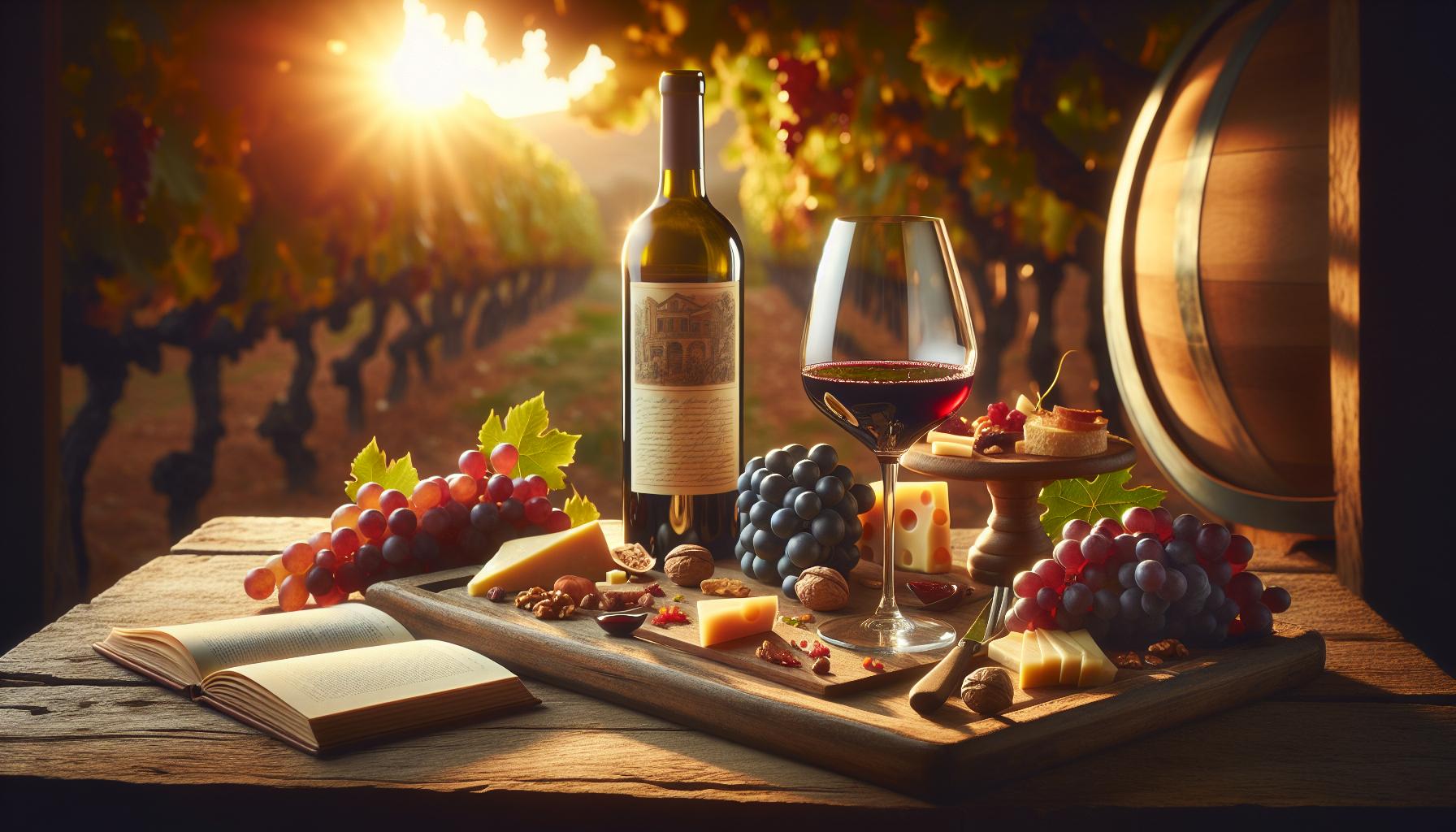

Sweet wines have an enchanting ability to captivate the palate, each sip evoking memories of warm sunsets or celebratory gatherings. Whether you’re drawn to the luscious allure of a late harvest Riesling or the rich depth of a Port, understanding what constitutes a good sweet wine can transform your dining experience. In a world where wine appreciation often leans towards the dry and complex, sweet wines offer a delightful reprieve-a chance to indulge your sweet tooth while exploring a spectrum of flavors and aromas.
This guide shines a light on the best sweet wines available, catering to every taste and occasion. As we journey through your options, consider how sweet wines can perfectly complement desserts, elevate cheese pairings, or stand alone as a refreshing treat. With an array of styles, from sparkling to syrupy, each bottle tells a story, inviting you to explore the artistry behind the pour. Let’s embark on this flavorful adventure and discover tailored selections just waiting to satisfy your cravings for sweetness.
What Defines a Good Sweet Wine?

A delightful sweet wine is like a warm embrace on a chilly evening-comforting, rich, and enveloping the senses. But what truly distinguishes a good sweet wine from a merely sugary beverage? It lies in the intricate balance of sweetness, acidity, and flavor complexity. A well-crafted sweet wine should not only satisfy the palate with its luscious sweetness but also possess enough acidity to prevent it from feeling cloying. This harmony creates a wine that dances gracefully on the tongue, leaving a lasting impression.
To determine a quality sweet wine, consider factors such as the grape variety and the winemaking process. Varietals like Riesling, Sauternes, and Moscato are renowned for their sweet profiles and can showcase a spectrum of flavors-from apricot and honey in a late-harvest Riesling to the botrytis-affected notes of caramel and nut in a Sauternes. Each grape brings its unique characteristics and the terroir it hails from plays a crucial role in its development. Moreover, the winemaker’s skill-how they manage fermentation, blend sugars and acidity, and even the aging process-can significantly enhance the wine’s overall complexity and finish.
In choosing sweet wines, it’s essential to pay attention to labels that indicate sweetness levels, such as “late harvest” or “ice wine,” which often denote greater concentration of sugars. These wines are typically more layered, offering an array of tactile sensations, from silky smoothness to a vibrant, crisp finish. Additionally, personal preference plays a pivotal role; a good sweet wine for one individual may differ vastly for another. Therefore, exploration and tasting are key. Group tastings with friends or visiting local wineries can be a delightful way to discover personal favorites, and it allows for shared experiences that enrich the enjoyment of each pour.
In summary, a good sweet wine captivates the senses through a beautiful balance of sweetness and acidity, complemented by complex flavors unique to its varietal and region. Ultimately, the best sweet wine resonates with your taste and evokes cherished memories, making it an exquisite companion for life’s sweetest moments.
Exploring the Spectrums of Sweetness in Wine
What makes the world of sweet wines so captivating is its rich tapestry of flavor profiles, each varying not only by region and grape but also by the winemaking process that transforms humble fruit into liquid poetry. Imagine standing in a sun-drenched vineyard, the air heavy with the sweet perfume of ripe grapes. Some varieties bask in the bright sun until they reach their peak of ripeness, while others endure a transformative frost that concentrates their sugars. This journey through nature defines the sweetness spectrum-a magnificent range from the delicate effervescence of a Moscato d’Asti to the luxurious decadence of a Sauternes.
A sweet wine isn’t just one-note sugary; it can express a symphony of flavors, influenced by terroir, aging conditions, and fermentation techniques. For instance, Riesling, often regarded as the queen of sweet wines, can show fruity notes of peach and apricot, augmented by a refreshing acidity that gives the wine backbone and prevents it from being overly cloying. On the other hand, Botrytis cinerea, the noble rot, transforms grapes like those used for Sauternes into an opulent elixir, yielding complex notes of honey, dried figs, and candied citrus that linger on the palate like a cherished memory.
Understanding the Spectrum of Sweetness
The sweetness in wines can be broken down into several key categories:
- Dry to Off-Dry: While not sweet in the traditional sense, these wines still carry a hint of residual sugar, making them approachable for those easing into sweeter wines.
- Sweet: These wines are unapologetically luscious, showcasing a pronounced sweetness paired with balancing acidity.
- Very Sweet: Often dessert-style wines, these are meant to complement rich desserts or simply to be enjoyed on their own.
Moreover, understanding labels such as “late harvest,” “ice wine,” or “dessert wine” can significantly enhance your experience. These designations not only narrate the story of the wine’s production but also set expectations for sweetness levels and complexity. For instance, “late harvest” wines typically involve grapes picked later in the season, allowing for a higher sugar content and more concentrated flavors.
It’s important to remember that personal preferences play a vital role in exploring the spectrum of sweetness. Consider hosting a tasting party with friends to sample various styles side by side, from the vibrant bubbles of Prosecco to the rich, luscious finish of a vintage port. Each pour offers a new story, whispering the tales of the lands and seasons that birthed them. Through these experiences, every sip becomes a celebration-a sweet moment savoring the nuances that bring us all together.
Top Sweet Wine Varieties You Must Try

When it comes to sweet wines, there is a world of diverse flavors waiting to be uncovered, each glass telling its own story of terroir, grape varietals, and winemaking techniques. Whether you’re indulging in an elegant dessert after a sumptuous meal or simply enjoying a quiet evening, certain sweet wines stand out as must-tries for any enthusiast. Below is a selection of some of the most delightful and accessible sweet wines that can cater to every palate.
One cannot discuss sweet wines without mentioning Riesling, the noble queen of sweetness. Originating from Germany, Rieslings range from off-dry to lusciously sweet, often characterized by vibrant floral notes and juicy fruit flavors, such as apricot and peach. A great selection for those new to sweet wines is Dr. Loosen Riesling from Mosel, which exemplifies balance between sweetness and acidity, creating a refreshing and nuanced experience. It’s an excellent pairing with spicy Asian cuisine, turning each sip into a fragrant adventure.
Another exquisite contender is Moscato, particularly Moscato d’Asti, hailing from the Piedmont region of Italy. This slightly sparkling wine captivates with its low alcohol content and sweet, fruity profile, often featuring hints of peach, orange blossom, and honey. It’s an ideal choice for outdoor gatherings or as a refreshing aperitif on a warm afternoon. Look for Saracco Moscato d’Asti; its lively effervescence and delicate sweetness make it an instant crowd-pleaser.
We cannot overlook the deeply indulgent Sauternes, a legendary dessert wine from Bordeaux, crafted from grapes affected by the magical noble rot, Botrytis cinerea. This wine offers a symphony of flavors-think honey, apricot, and candied citrus-with a silky texture that lingers on the palate. A wonderful introduction to Sauternes is Château d’Yquem, often considered the gold standard, though many other producers create exceptional bottles worthy of exploration. Pair Sauternes with foie gras or blue cheese to elevate the experience to heavenly heights.
Finally, for those who enjoy unique tasting experiences, consider Tokaji Aszú, from Hungary. This sweet wine, made from Furmint grapes, offers complex flavors of dried fruits, saffron, and spices, presenting a fuller body and a wonderfully long finish. Disznókő Tokaji Aszú 5 Puttonyos is a remarkable representation, showcasing just how sweet wines can reach exquisite depths of flavor-a perfect conclusion to any meal.
Being open to the myriad options available in sweet wines not only sharpens your palate but also enriches your dining experiences. Each bottle serves as a portal to its region’s culture and history, inviting you to savor every drop as a celebration of life’s sweet moments.
Decoding Sweetness: Labels and Regions Explained
The world of sweet wines is as varied and colorful as the labels adorning their bottles. When indulging in these delightful beverages, one encounters a vast spectrum of sweetness, which can be both exciting and somewhat daunting for the uninitiated. The key to understanding sweet wines lies not only in their taste but also in their labels that reflect their origin, style, and sweetness levels. Each label serves as a storyteller, offering insights about the wine’s character and the region it’s from.
Understanding the labeling of sweet wines begins with the designation of sweetness levels, which can range from off-dry (slightly sweet) to lusciously sweet. For instance, in regions like Germany, the sweetness is often indicated by terms such as “Kabinett,” “Spätlese,” and “Auslese.” Each of these labels signifies a different level of ripeness and sweetness from the grapes used. Similarly, wines from France’s Sauternes region are renowned for their luxurious sweetness, with labels such as “Premier Cru” and “Deuxième Cru” reflecting quality and sweetness gradations. In both cases, these designations not only help guide consumers but also offer a lens into the winemaker’s intentions and the conditions of the vintage.
Regionally, sweet wines have established identities that inform their flavors and expressions. Moscato d’Asti, originating from the Piedmont region of Italy, is an example where climate and grape varietal play a crucial role. This wine’s naturally lower alcohol content and delightful fizz complement its innate sweetness, making it a favorite for many wine lovers. Across the globe, Tokaji Aszú from Hungary is celebrated for its rich, sweet flavors created through the noble rot process, denoting the climatic conditions that are perfect for such a transformation. In contrast, Cabernet Sauvignon-based dessert wines from California showcase the ability of bold red varieties to be transformed into sweet delights, reflecting the diverse character of their terroir and the artistry of the winemaker.
With each bottle of sweet wine, you’re not merely sipping a beverage but embarking on a journey through culture and history. Understanding the labels and regions allows enthusiasts to appreciate the nuanced flavors and the intentions behind each sip. Whether you’re toasting to a special occasion or winding down after a long day, these sweet wines invite a moment of reflection and enjoyment, each revealing its unique story through every taste.
Perfect Pairings: Foods That Compliment Sweet Wines
There’s something undeniably enchanting about sweet wines; they shimmer with a promise of indulgence that appeals to the senses. But finding the right food companions can elevate this experience to sublime heights. Pairing sweet wines with the right flavors not only enhances the wine’s character but also creates a harmonious dining experience that lingers in memory. Here are some delightful pairings that celebrate the lush sweetness and complexity of these wines.
Decadent Desserts
When it comes to desserts, sweet wines are often the star of the show. Pair a luscious Sauternes with a rich crème brûlée; the wine’s honeyed notes and refreshing acidity cut through the creamy custard, creating a perfect balance. Similarly, a late-harvest Riesling complements apple pie beautifully. The wine’s bright acidity and fruitiness accentuate the spices and harmony of warm baked apples.
Savory Delights
Contrary to popular belief, sweet wines are incredibly versatile and can stand up to savory dishes. Think about a classic pairing: blue cheese and Port wine. The intense, pungent flavor of the cheese and the rich sweetness of the Port work together, playing off each other as if they were old friends. For a more adventurous pairing, consider a spicy Thai curry with an off-dry Gewürztraminer. The wine’s floral notes and residual sweetness counterbalance the heat, creating an exhilarating culinary experience.
Fruits and Nuts
Fresh fruits can serve as the perfect canvas for sweet wines, especially when entertaining. A Moscato d’Asti pairs exquisitely with fresh berries; the light carbonation and sweetness compliment the berries’ natural tartness. Not to be overlooked are roasted nuts, which can provide a wonderful contrast in texture and richness-try pairing a sweet, effervescent Prosecco with honey-roasted almonds for an unforgettable snack.
Cheese and Charcuterie
Finally, a cheese and charcuterie board can be the perfect vehicle for sweet wines. Pair a sweet Vouvray with aged gouda or a fragrant brie, allowing the wine’s sweet notes to enhance the creaminess and richness of the cheeses. A selection of cured meats can also be included; the salty and savory aspects can balance the sweetness of the wine beautifully.
Finding the right pairings with sweet wines transforms an ordinary meal into a joyous celebration of flavors. Each sip and bite can create an intricate dance on the palate, unlocking a world of taste where sweetness reigns, and culinary creativity blooms. Explore these combinations with an open heart and mind, and let the simplicity and joy of good food and fine wine take you on an enjoyable journey.
Sweet Wines for Every Occasion: Celebrations and Quiet Evenings
There’s a timeless elegance to sweet wines that can elevate nearly any occasion, whether you’re celebrating milestones or enjoying the quiet serenity of a cozy evening at home. Imagine a warm evening with friends gathered around your table, laughter swirling through the air, or a quiet night by the fire with your favorite book. Sweet wines can seamlessly enhance these moments, transforming them into cherished memories.
For those celebratory gatherings, consider a vibrant Moscato d’Asti. Its effervescence and sweet notes of ripe peach and apricot create a delightful contrast to festive dishes like spicy Asian appetizers or rich charcuterie boards. The gentle sparkle lifts spirits, making it a perfect toast for birthdays or anniversaries. Alternatively, for a more luxurious affair, Sauternes, with its luscious honeyed complexity, pairs beautifully with a cheese course, particularly blue cheese or creamy brie. Its rich profile evokes a sense of indulgence, perfect for intimate dinners or holiday feasts.
In moments of quiet reflection, a glass of Tokaji Aszú can serve as a companion to stillness. Its harmonious balance of sweetness and acidity invites contemplation, pairing excellently with a simple dessert like poached pears or dark chocolate. This Hungarian delicacy offers a layered experience that can evoke memories of time spent in vineyards, surrounded by rolling hills and warm sunshine, wrapping you in both nostalgia and tranquility.
So, as you journey through your explorations of sweet wines, remember that the true magic lies not merely in the wine itself but in the moments you share. Embrace the possibilities-whether it’s a luxurious celebration with laughter and joy or a quiet evening of introspection, sweet wines can enrich every experience, celebrating not just flavor but the connections we forge through shared moments over a glass.
Tasting Notes: What to Expect from Sweet Wines
The world of sweet wines is a tapestry woven with rich flavors and complex aromas, each bottle a delightful narrative waiting to be uncorked. Whether you lean towards the lush, honeyed tones of a Sauternes or the fizzy, fruity whispers of a Moscato d’Asti, understanding what to expect from sweet wines can enhance your tasting experience. As you delve into these delectable options, be prepared for a sensory journey that delights the palate and dances on the taste buds.
When you taste a sweet wine, the initial impact is often a vibrant burst of fruitiness. Imagine biting into a perfectly ripe peach or a cluster of sweet, succulent berries; this is the essence captured in many sweet wines. These wines typically exhibit various layers of flavors that range from apricot and honey to tropical fruits like pineapple and mango. The balance of sweetness is beautifully complemented by acidity, which brightens the experience and prevents the wine from feeling cloying. You may find yourself noting an intriguing complexity-some sweet wines, like a nicely aged Tokaji Aszú, might reveal hinting notes of dried fruits, nuts, and even spices, enriching the tasting narrative.
The mouthfeel of sweet wines can vary significantly. Some are creamy and full-bodied, wrapping your palate in a velvety embrace, while others may present a lighter, more refreshing quality, especially those with a effervescent character. Consider a lovely German Riesling Spätlese that might begin with an energetic effervescence followed by a smooth sweetness, its subtle minerality giving depth to the experience. This interplay of texture and flavor is what elevates sweet wines from mere desserts to sophisticated companions for meals and social gatherings.
As you swirl a glass of sweet wine, pay attention to the aromatic bouquet. The scents can be beguiling, offering floral notes laced with ripe fruit, candied citrus, or even hints of herbaceous aromas that link back to the terroir from which they hail. Wines from cooler climates, like some of the renowned late-harvest German wines, often provide a chiseled freshness that accentuates their zesty fruit notes. The aromatic profile invites you into each glass, preparing you for the burst of flavors that awaits.
In the end, the taste of sweet wine is deeply personal and subjective. Each sip can evoke memories, inspire feelings, and even tell a story-whether it’s a celebration marked by the toast of sparkling dessert wine or a quiet night wrapped up in the embrace of a lovely sweet Bordeaux. Embrace this exploration, savoring not just the wine but the connections it fosters, transforming each moment into a memory that lingers just as sweetly as the wine itself.
Best Sweet Wines Under $20: Affordable Delights
One of the delightful discoveries in the world of sweet wines is that you don’t have to break the bank to savor high-quality options. There’s an impressive array of sweet wines priced under $20 that offer a sensory experience worth celebrating. These bottles allow you to explore diverse flavor profiles, from honeyed nectarines to fizzy, luscious florals-all while remaining friendly to your budget.
Among the treasures waiting for you is Moscato d’Asti, a lightly sparkling wine from Italy that often exhibits fragrant notes of peach, orange blossom, and apricot. It’s a favorite for those with a sweet tooth, delivering a refreshing balance of sweetness and bright acidity, making it perfect for warm evenings or as a delightful aperitif. Another charming option is Riesling, particularly those labeled as Spätlese, which often showcase rich fruit flavors like lychee, pear, and green apple, all enveloped in a pleasing sweetness softened by natural acidity.
Let’s not overlook Sweet Red Blends, which can often surprise with their depth and complexity. Wines like Jam Jar Sweet Shiraz offer velvety cocoa and ripe cherry notes, providing a luscious mouthfeel and an irresistible sweetness. This versatile choice pairs beautifully with a variety of foods, from barbecue to dark chocolate desserts.
For a slightly different experience, consider exploring Late Harvest wines, which are made from grapes left on the vine longer to develop natural sugars. The Chateau Ste. Michelle Late Harvest Riesling is a well-regarded pick; it achieves a splendid balance of sweetness and acidity, ensuring a lively finish.
Finally, Port-style wines, such as Ruby Port, provide a robust alternative with rich, concentrated flavors of dark berries, figs, and raisins. Enjoy it on its own or paired with cheese, and you’ll discover a delightful aspect of sweet wine that can elevate any gathering.
With these choices, you can indulge in exquisite flavors without exceeding your budget. By embracing these affordable delights, you can invite sweetness into your wine journey and create memorable experiences-one sip at a time.
The Art of Serving Sweet Wine: Tips and Techniques
Serving sweet wine is not just about pouring into a glass; it’s an immersive experience that sets the stage for enjoyment, conversation, and connection. Imagine unfolding an evening with friends or a quiet moment with a loved one, where every sip is a gentle indulgence and the atmosphere enhances the wine’s luscious charm. Understanding how to serve sweet wine can elevate your gathering, inviting both appreciation and curiosity.
To begin, temperature plays a crucial role in unlocking the complexities of sweet wines. Most sweet wines, with their rich flavor profiles, shine when served chilled-especially those that are white or sparkling, like Moscato or Riesling. Aim for a temperature around 45-50°F (7-10°C). This chill not only refreshes but also keeps the sweetness balanced against the acidity, bringing out vibrant notes of fruit and florals. For sweet reds, like a Ruby Port, slightly warmer temperatures around 60-65°F (15-18°C) can enhance the wine’s depth without overwhelming the palate.
Glassware is another significant aspect. While it’s tempting to pour sweet wines into casual tumblers, using proper wine glasses can markedly improve the tasting experience. A medium-sized glass with a wide bowl allows room for swirling, which releases the wine’s aromas and invites you to take a deeper breath before indulging. A tulip-shaped glass, in particular, is ideal for sweeter wines, concentrating the fragrant notes toward your nose and accentuating the sensory journey from aroma to taste.
When it comes to pairing, sweet wines can dance harmoniously with a diverse range of foods, transforming a simple meal into a culinary adventure. Think beyond dessert-sweet wines can enhance savory dishes, too. A luscious Sauternes works wonderfully with rich pâté, while Late Harvest Riesling is phenomenal with Thai cuisine, where its sweetness counteracts spicy flavors. Set the table with a mix of sweet and savory bites, encouraging guests to experiment with flavor pairings. Tantalizing combinations promote conversation and create memorable moments, all revolving around the shared love of wine.
Incorporating storytelling into your serving ritual can truly enhance the evening. Share the background of the chosen wines-the grapes’ journey, the unique terroir, or the winemaker’s personal touch. Each bottle holds a tale waiting to be shared. As you pour, invite guests to note the colors, the aromas, and even how the flavors evolve after each sip. This interactive aspect not only enriches the experience but also fosters a sense of community, tying everyone together over the shared experience of enjoying a lovely sweet wine.
By focusing on the details of service, temperature, glassware, food pairings, and engaging storytelling, you can create an atmosphere that celebrates the beauty of sweet wines, turning each sip into a cherished memory.
Crafting Your Sweet Wine Collection: A Beginner’s Guide
Crafting a sweet wine collection can be as delightful as each sip itself, a beautiful journey that tantalizes the palate while weaving stories of culture and place. For a beginner, diving into the world of sweet wines might feel overwhelming, but with a little guidance and curiosity, it can transform into an enchanting exploration. It all begins with understanding what makes a sweet wine truly shine-its balance of sweetness and acidity, its aromatic profiles, and, often, the nostalgia it evokes.
Start your collection by exploring various styles. Sweet wines come in several forms-Dessert wines like Sauternes, Late Harvest Riesling, and Ice Wine offer rich, luscious flavors often perfect for pairing with desserts or enjoying solo as indulgences. In contrast, sparkling options such as Moscato or Asti provide a lighter, effervescent sweetness, creating a festive atmosphere for any occasion. Think about the contexts in which you plan to share these wines, as well as your own taste preferences. Engage your senses by visiting local wine shops or vineyards for tastings, where you can savor different varieties and discover which ones resonate most with you.
Building Your Collection
As you begin to select bottles, consider incorporating a range of wines from diverse regions, each imparting its unique terroir and craftsmanship. For instance:
- Sauternes from Bordeaux, France: Known for its complex flavors of apricot and honey, this wine is a testament to the art of botrytis (noble rot).
- Tokaji Aszú from Hungary: Often celebrated as one of the world’s finest dessert wines, it marries sweetness with vibrant acidity.
- Riesling: Hailing from Germany and available in varying sweetness levels, it’s notably versatile, able to complement both spicy dishes and sweet desserts.
Furthermore, store your sweet wines correctly. Their intricate flavors often require strategic storage conditions: keep them in a cool, dark place with stable temperatures, ideally around 50-55°F (10-13°C). Orientation matters too; laying bottles on their side ensures the cork stays moist, sealing the wine’s essence.
Participating in the Journey
Finally, remember that building a collection is not only about acquiring bottles; it’s about cultivating stories and experiences. Each wine you select can become a chapter in your personal narrative-a special bottle shared during a celebration, or a rare find that transports you to a distant vineyard with its first sip. Embrace the adventure of discovery, engage with it deeply, and never shy away from asking questions-whether from knowledgeable staff in specialty shops or fellow enthusiasts online. With each carefully chosen bottle, you’ll not only expand your collection but enrich your journey into the captivating world of sweet wines.
Exploring Dessert Wines: Unique Picks for Sweet Tooths
There’s a world of indulgence waiting for those who crave sweetness in their glass, and dessert wines stand as the pinnacle of this pleasure. These wines, often rich and luscious, offer an exquisite range of flavors and aromas, making them perfect companions for both delectable treats and intimate moments of reflection. Rich notes of honey, tropical fruits, and an underlying acidity work harmoniously to create a luxurious experience that dances on the palate. For the sweet-toothed enthusiast, understanding the myriad of dessert wines available can transform any gathering into a celebration of flavor.
One exquisite category to explore is the renowned Sauternes from Bordeaux, France. This opulent wine is created from grapes affected by noble rot, or Botrytis cinerea, which concentrates their sugars and flavors. Expect to be enchanted by its complex profile, where glorious layers of apricot, honey, and a touch of citrus combine to create a symphony of sweetness. Pair it with blue cheese or a rich crème brûlée, and you have a match made in culinary heaven.
Another delightful option is the Late Harvest Riesling, celebrated for its balance of sweetness and vibrant acidity. Originating primarily from Germany, this wine showcases the beauty of late-harvested grapes, often bursting with flavors of ripe peach, honey, and floral notes. Its versatility allows for wonderful pairings, whether enjoyed alongside spicy Asian cuisine or a simple fruit dessert.
For those seeking something sparkling, Moscato d’Asti from Italy is a playful choice, with its gentle effervescence and fresh notes of peach and orange blossom. This low-alcohol wine serves as a delightful aperitif or a sweet finish to a meal, reinforcing the belief that sweet wines can indeed be both fun and sophisticated.
In exploring dessert wines, consider your own palate and the experiences you wish to cultivate. Each bottle is an invitation to discover, not just a flavor profile but the rich stories behind the vineyard and the artistry of winemaking. Embrace these moments-whether during a dinner party or a solitary afternoon treat-and allow the sweet notes to transport you to places where indulgence and enjoyment intertwine.
Understanding Sweet Wine Trends and Innovations
In recent years, the landscape of sweet wines has evolved dramatically, embracing a blend of traditional winemaking techniques and innovative practices that are reshaping our understanding and appreciation of these delightful offerings. The rise of sustainability in viticulture has birthed a new generation of winemakers committed to organic and biodynamic methods, which not only enhance the expression of terroir but also result in sweet wines that are purer, livelier, and perhaps, even more refreshing than their conventional counterparts. Many producers are now wielding technology and research as allies, using data-driven approaches to pinpoint the optimal harvest times for achieving perfect sweetness without sacrificing acidity, thus crafting wines with exquisite balance.
Among the most captivating trends is the increasing popularity of natural sweet wines, often characterized by minimal intervention in the fermentation process. Winemakers are allowing wild yeasts to work their magic, resulting in unique flavor profiles that reflect the vineyard’s environment. This renaissance in wine crafting also sees a greater focus on lesser-known grape varieties, inviting adventurous palates to explore gems like Muscat of Alexandria or Orange Muscat, which can deliver experience-rich sips filled with blossoms and overripe stone fruits. Retail spaces and wine bars are increasingly featuring these niche selections, aiming to educate consumers while building a bridge between the old world and the new, thus demystifying the perceived elitism surrounding sweet wines.
Furthermore, the interaction of sweet wines with food is undergoing transformative explorations. As culinary trends shift towards incorporating diverse global flavors, chefs and sommeliers are encouraging joyful experimentation with pairing sweet wines with savory dishes, such as charcuterie boards adorned with cheeses and nuts or spiced Asian meals. This pairing method widens the appreciative audience for sweet wines, showcasing their versatility beyond the dessert table. As these wines gain newfound respect and visibility, the dialogue around sweet wines has shifted from mere indulgence to a heady discussion of artistry, innovation, and sensory exploration.
Amid these trends, there’s also a cultural shift towards sweet wines as social facilitators. Whether through engaging wine tasting events or festivals celebrating local vineyards, the communal experience fostered by sweet wines allows for connections to flourish-bringing people together in celebration of flavor, friendship, and indeed, a sweet touch of humanity. The resurgence of interest in these beverages invites both novice and seasoned wine enthusiasts to discover their nuances, rediscover long-lost favorites, and even find the perfect sweet wine for a Saturday evening under the stars or a festive gathering. In this space of evolution, there’s truly something exciting for every sweet tooth, waiting to be explored, savored, and celebrated.
Frequently Asked Questions
Q: What types of sweet wines are best for beginners?
A: Beginners often enjoy Moscato or Riesling because of their approachable sweetness and fruit-forward flavors. These wines are low in tannins and can be enjoyed chilled, making them perfect for those new to wine. Consider starting with a sparkling Moscato for a refreshing experience.
Q: How do I choose a sweet wine for dessert?
A: When selecting a sweet wine for dessert, look for options like Port, Sauternes, or Ice Wine. These wines complement sweet dishes beautifully, enhancing flavors without overpowering them. Pairing a rich dessert with a similarly intense wine creates a harmonious balance.
Q: What are the differences between dessert wines and sweet wines?
A: Dessert wines are specifically designed to accompany or replace desserts, typically having higher sweetness and alcohol levels. Sweet wines, however, can be consumed at any time and don’t necessarily have to be served with dessert. Understanding this distinction helps refine your selection based on occasion.
Q: Can you recommend affordable sweet wines that impress?
A: Affordable sweet wines such as Barefoot Moscato or Yellow Tail Riesling offer delicious flavors without breaking the bank. Both wines are widely available and perfect for casual gatherings or intimate dinners, making them crowd-pleasers that can impress your guests.
Q: Why are some wines sweeter than others?
A: The sweetness of wine primarily comes from residual sugar left after fermentation. Factors such as grape variety, ripeness at harvest, and winemaking techniques like late harvesting or drying grapes contribute to the overall sweetness level. Understanding these elements can deepen your appreciation of wine.
Q: How should sweet wines be served?
A: Sweet wines are best served chilled, typically between 45°F to 50°F (7°C to 10°C). Using appropriate glassware enhances the tasting experience. A white wine glass works well since it allows the fragrant qualities to be appreciated while keeping your hands from warming the wine.
Q: What food pairs well with sweet wines?
A: Sweet wines pair beautifully with a variety of foods, including spicy dishes, cheese plates featuring blue cheese, and desserts like cheesecake or fruit tarts. The key is to create a contrast that highlights the wine’s sweetness while balancing the dish’s flavors.
Q: What sweet wine should I try if I like fruit flavors?
A: If you love fruit-forward flavors, consider trying an off-dry Gewürztraminer. This wine exhibits aromas of lychee, peach, and rose, making it vibrant and refreshing. Its slight sweetness can beautifully complement spicy Asian dishes or desserts with tropical fruits.
Final Thoughts
As you explore the delightful world of sweet wines, remember that each bottle tells its own story, promising a unique tasting experience that can transport you to vineyards kissed by the sun. Whether you’re savoring a lush Moscato or indulging in a rich Sauternes, these wines are not just drinks; they’re a celebration of life, perfect for any occasion. Don’t let this journey end here-immerse yourself further by discovering our guides on pairing sweet wines with delectable desserts or uncovering the intriguing history behind each varietal.
Feeling inspired? Join our community by signing up for our newsletter to gain exclusive insights and offers that enhance your wine discovery journey. Your palate deserves the best, so dive into our curated selection of wines that cater to every sweet tooth. Have questions or insights of your own? We invite you to share your thoughts in the comments below! Remember, the world of sweet wines is vast and full of flavors waiting to be explored. Whether a seasoned enthusiast or a curious newcomer, there’s always something new to taste and experience. Cheers to your next adventure!
Get our latest guides, news, and insights highlighted in your Google Search & AI Overviews.