


Wine is more than just a beverage; it embodies a rich tapestry of culture, history, and human connection. As we navigate the intricate world of wine culture today, exploring creative ways to enjoy it can enhance our appreciation and experience. From innovative pairings to sustainable practices, discovering fresh perspectives invites both connoisseurs and newcomers alike to engage with wine in meaningful ways.
Have you ever wondered how to elevate your next gathering or find connection through a shared glass? In “Can I Wine? Exploring Creative Ways to Enjoy Wine Culture Today,” we will journey through unique approaches that breathe new life into traditional practices, allowing you to savor not just the wine, but the stories and traditions it carries. By embracing these modern interpretations, we celebrate the communal spirit of wine while fostering deeper connections to the art and science behind it. Join us as we uncork this exploration and invite curiosity to our glasses.
Can Wine Ignite Your Creativity?
Wine is often regarded as a catalyst for creativity, a notion supported by various studies suggesting that a moderate amount can indeed help spark the imagination. Picture this: you’re sitting at a rustic table, a glass of rich Cabernet in hand, and the aromas of blackberry and cedar begin to weave tales that expand your artistic thoughts. This environment, combined with the soothing qualities of wine, provides not only relaxation but also a psychological lifting of barriers inhibiting creative thought.
Many artists, writers, and innovators have long celebrated wine as an inspiration, tracing its influence through poetry, painting, and other creative ventures. For instance, the vibrant colors of a wine glass can evoke emotions, leading to visual art that captures its essence. Consider a humble bottle of rosé, the pink hue gently glinting in the sunlight; it becomes a muse, inspiring lyrical compositions or vivid landscapes. This interplay highlights how wine not only enriches our palates but can also become a conduit for creative expression.
Experimenting with wine and creativity can take many forms. Hosting a wine and paint night, where participants sip while they create, can break down inhibitions and encourage artistic exploration. Music and wine pairing events can elevate the experience, as different wines may inspire various emotions and creative impulses in synchronized harmony. Remember, it’s about cultivating an atmosphere where creativity can flourish, highlighting wine’s role beyond just a beverage-it becomes an integral part of the creative process.
As we embrace the artistic potential of wine, let’s keep in mind that inspiration can be found everywhere within its cultural narrative. Whether through the stories etched on labels or the heritage tied to specific vineyards, wine invites us to delve deeper into the human experience. So next time you uncork a bottle, consider what stories await-not just in the glass, but in your imagination as well.
Dive into the Art of Wine Pairing
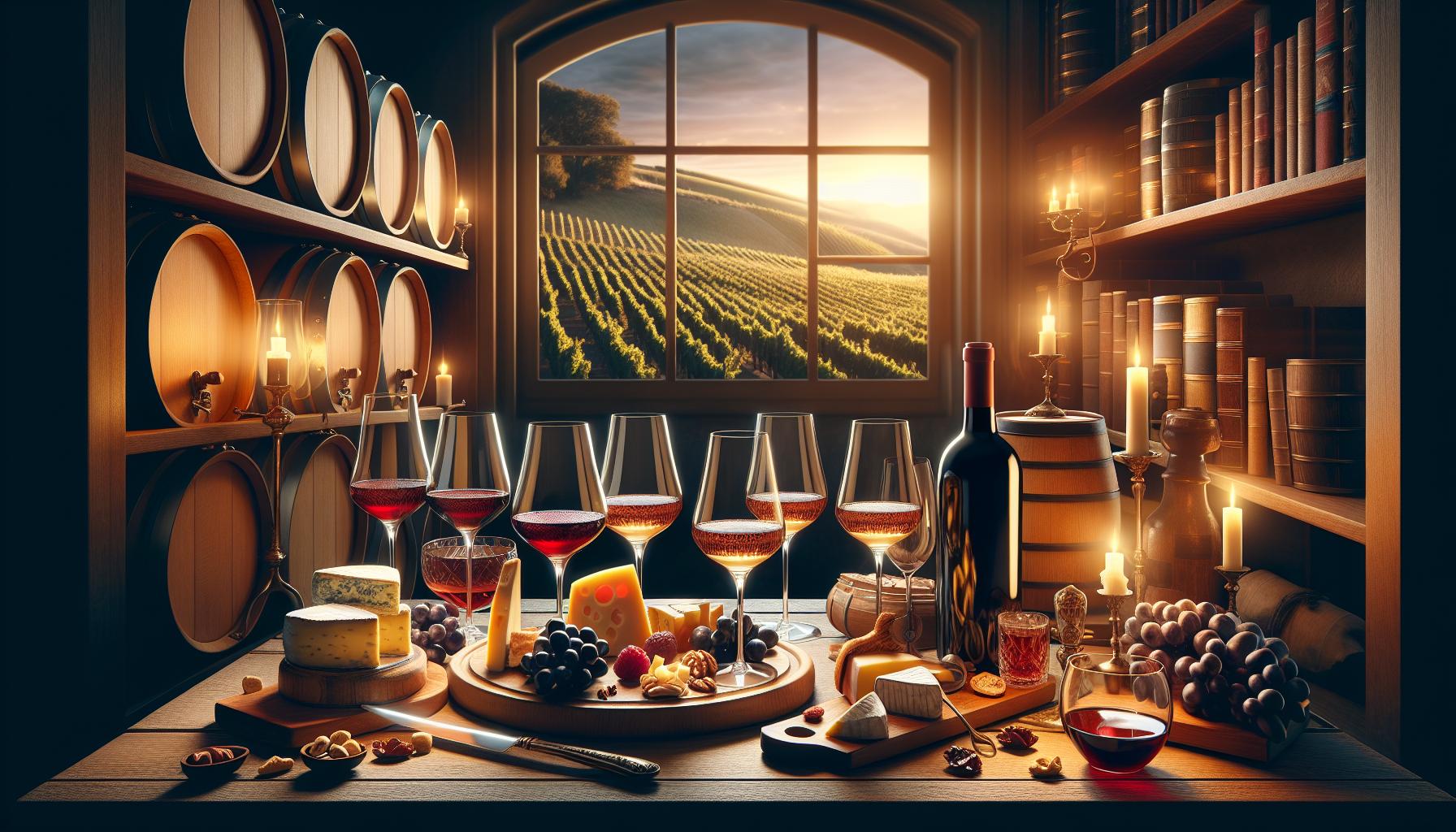
Imagine a beautifully arranged table, where the clinking of glasses and the aroma of delightful cuisine envelop you like a warm embrace. Wine pairing is not merely about choosing a drink; it’s an art form, a dance that celebrates synergy between flavors and aromas, elevating both food and wine to new heights. The right pairing can unlock the full potential of a dish, transforming a lovely meal into an unforgettable culinary experience.
Let’s delve into the intricacies of this artistic pursuit. At the heart of successful wine pairing lies the appreciation of balance. A rich, full-bodied red, like a Cabernet Sauvignon, brilliantly complements the robust flavors of a grilled steak or a decadent chocolate dessert. Conversely, a zesty Sauvignon Blanc can highlight the freshness of a citrus salad or a delicate seafood dish, creating a harmony that delights the palate. The key is to consider both the intensity and the flavor profiles of the wine and the dish.
For those eager to explore this sensory adventure further, consider these practical tips:
- Match weight with weight: Ensure that the body of the wine complements the weight of the food. Lighter wines with lighter dishes, and full-bodied wines with hearty meals create a seamless dining experience.
- Contrasting flavors: Sometimes, opposites attract. The acidity of a sparkling wine can cut through the richness of a creamy pasta, refreshing the palate after each bite.
- Regional pairing: Embrace the traditional wisdom of local cuisine. A Chianti pairs beautifully with Italian fare, as both the wine and the dishes share the same terroir, echoing the flavors of the land.
As you embark on your wine pairing journey, remember that the most profound experiences often stem from personal discoveries. Experiment and take notes on what excites your taste buds. Showcasing your unique palate allows you to foster connection not only with the wine and food but also with yourself and those around you. Wine pairing is about storytelling, enriching your dining adventures through flavors and memories. Each sip and bite can transport you, connecting you to the culture, history, and heart behind every bottle and plate. Embrace this artistry, and let each meal be a canvas for your creative expression.
Unveiling Unique Wine Tasting Experiences
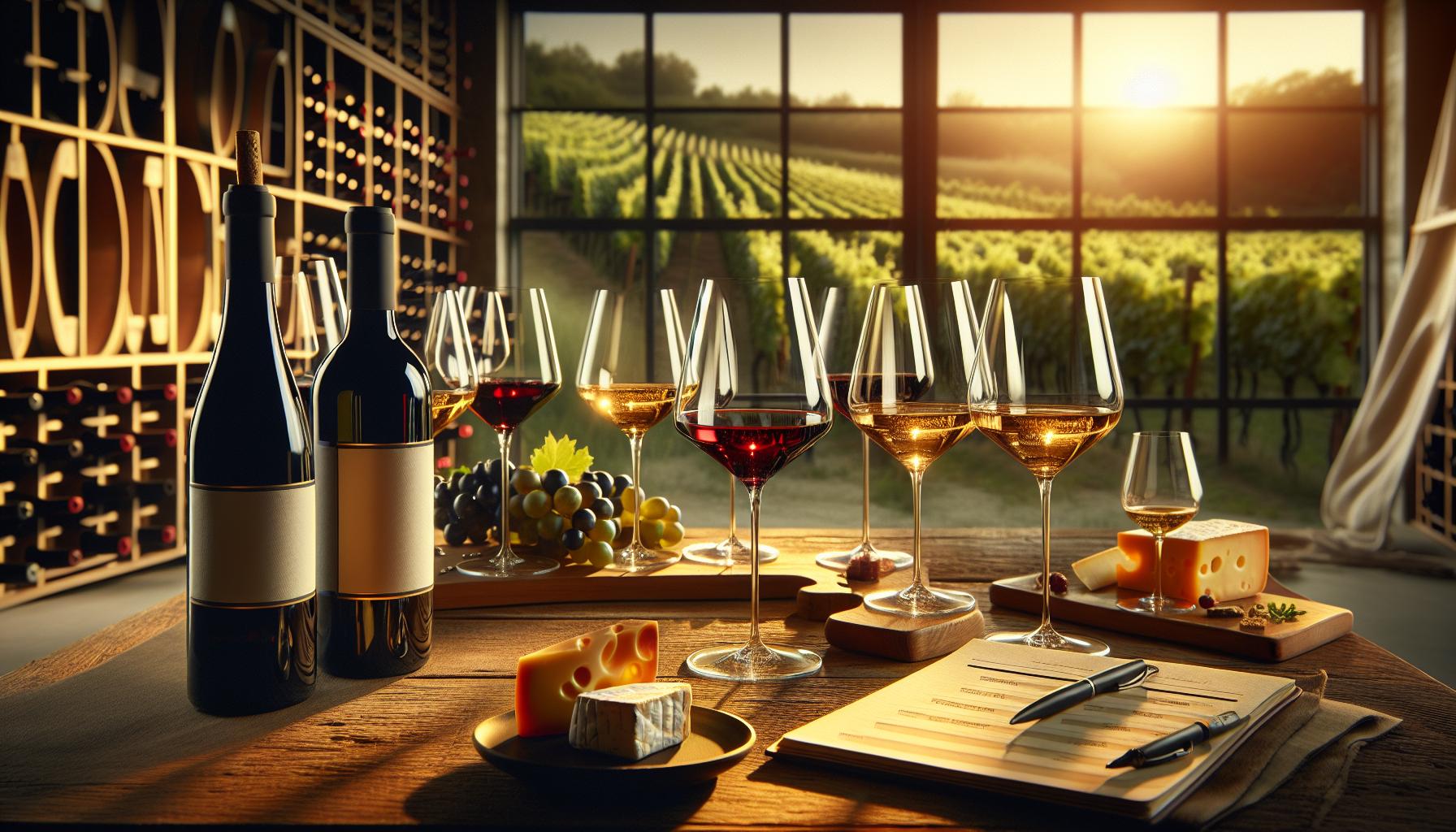
There’s a certain magic that unfolds when you step into the world of wine tasting; each sip invites a journey through time, place, and the art of human ingenuity. Unique wine tasting experiences go beyond mere sampling of varietals; they are immersive adventures that tantalize not just the palate but also awaken the spirit. Picture whisking through sun-drenched vineyards, the air fragrant with ripening grapes, and discovering the stories of the land and its people intertwined with every bottle.
For those seeking unforgettable moments, California’s wine regions offer a plethora of extraordinary tasting experiences. Among them, the Napa Valley Wine Train presents a distinctive way to combine wine tasting with dining. Guests can indulge in a gourmet lunch accompanied by a curated selection of Napa Valley wines while embarking on a scenic three-hour journey through breathtaking vineyards. The harmony of good food and fine wine while rolling through picturesque landscapes creates a sensory delight that lingers well after the last glass is poured [[2]].
If your palate craves deeper knowledge, consider participating in specialized workshops focused on food and wine pairing-like the intimate workshops in Napa Valley where a professional wine educator guides you through the nuances of flavor combinations. This not only enhances your appreciation of wine but turns each tasting into a learning experience, where you can personally explore the art of pairing wines that sing with the dishes before you, forging connections with both the beverage and the culinary delights it complements [[3]].
As you venture into unique wine tastings, allow yourself to engage with the stories behind each vineyard and vintage, much like savoring a favorite book. Each visit holds the potential to ignite creativity and inspire your own personal narrative. Whether you are wandering through a vineyard, savoring a meticulously crafted flight of wines, or learning the intricate art of pairing, each experience invites you to relish in the celebration of life that wine embodies. In this way, wine tasting transforms into an art form, a dance that enriches both your soul and your palate, allowing you to become not just a consumer, but a participant in the beautiful tapestry of wine culture.
Exploring Wine Regions: A Cultural Journey
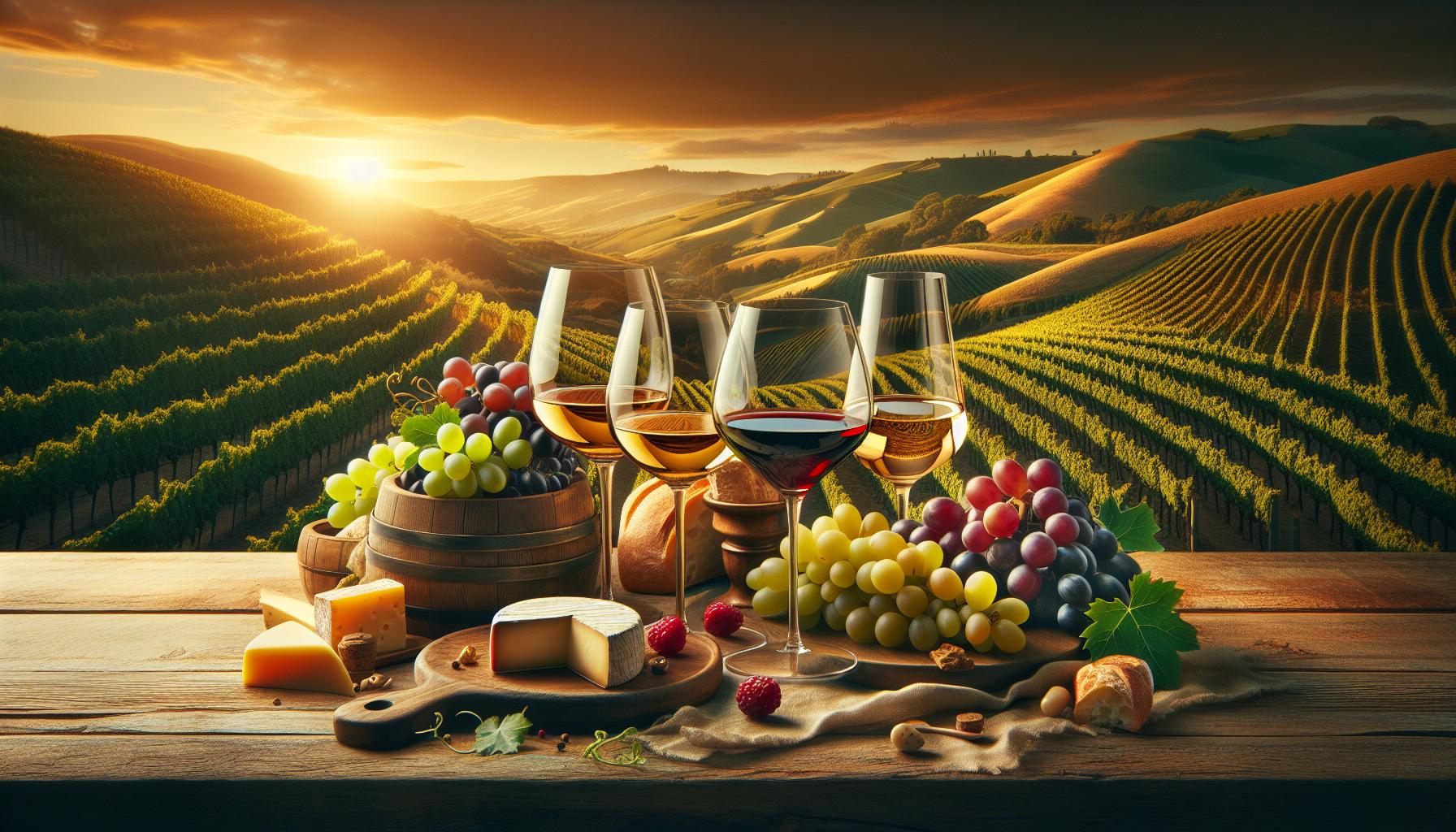
Venturing into the world of wine regions reveals a tapestry rich in culture, history, and sensory delight. Imagine standing among the verdant hills of Tuscany, where the Sangiovese grape feels like the very essence of the earth beneath your feet, or strolling through the sun-kissed vineyards of Bordeaux, where centuries of winemaking tradition pulse through each vine. These regions are not merely landscapes; they are living stories, each bottle of wine a chapter filled with the romance of the land.
One of the beauties of exploring wine regions is discovering how the culture surrounding wine is as distinctive as the varietals produced. For instance, in Napa Valley, wine tastings often merge with the culinary arts, where local chefs create dishes designed to complement the wines’ characteristics, fostering a relationship between food and wine that enhances both experiences. Participating in a vineyard tour here can offer insights into sustainable practices, like organic farming and biodynamic approaches, which resonate with modern consumers seeking connections to the land, flavor, and ecological awareness.
Conversely, regions like the Loire Valley present a more rustic charm, with quaint villages and vibrant markets where local wines are celebrated in community gatherings. Engaging with locals, you may find the French penchant for leisurely meals highlighted by the wines produced in their backyard, translating wine appreciation into a communal art form. Here, it’s not just about tasting the wine; it’s about understanding the traditions, like shared harvest festivals, that bind communities together over shared bottles-experiencing wine as a conduit for cultural expression and human connection.
Wine regions thus serve as classrooms of heritage and artistry, where visitors can immerse themselves in local customs, engage with passionate winemakers, and savor unique vintages that tell a story of a place. Whether through guided tastings, artisanal pairing dinners, or cultural workshops, exploring these regions can ignite your creativity, offering a multifaceted appreciation for not only the wines themselves but also the vibrant cultures they represent. Each journey into a wine region promises new perspectives-a reminder that with every sip, you’re connecting to a larger narrative woven through time and place.
The Role of Wine in Celebratory Rituals
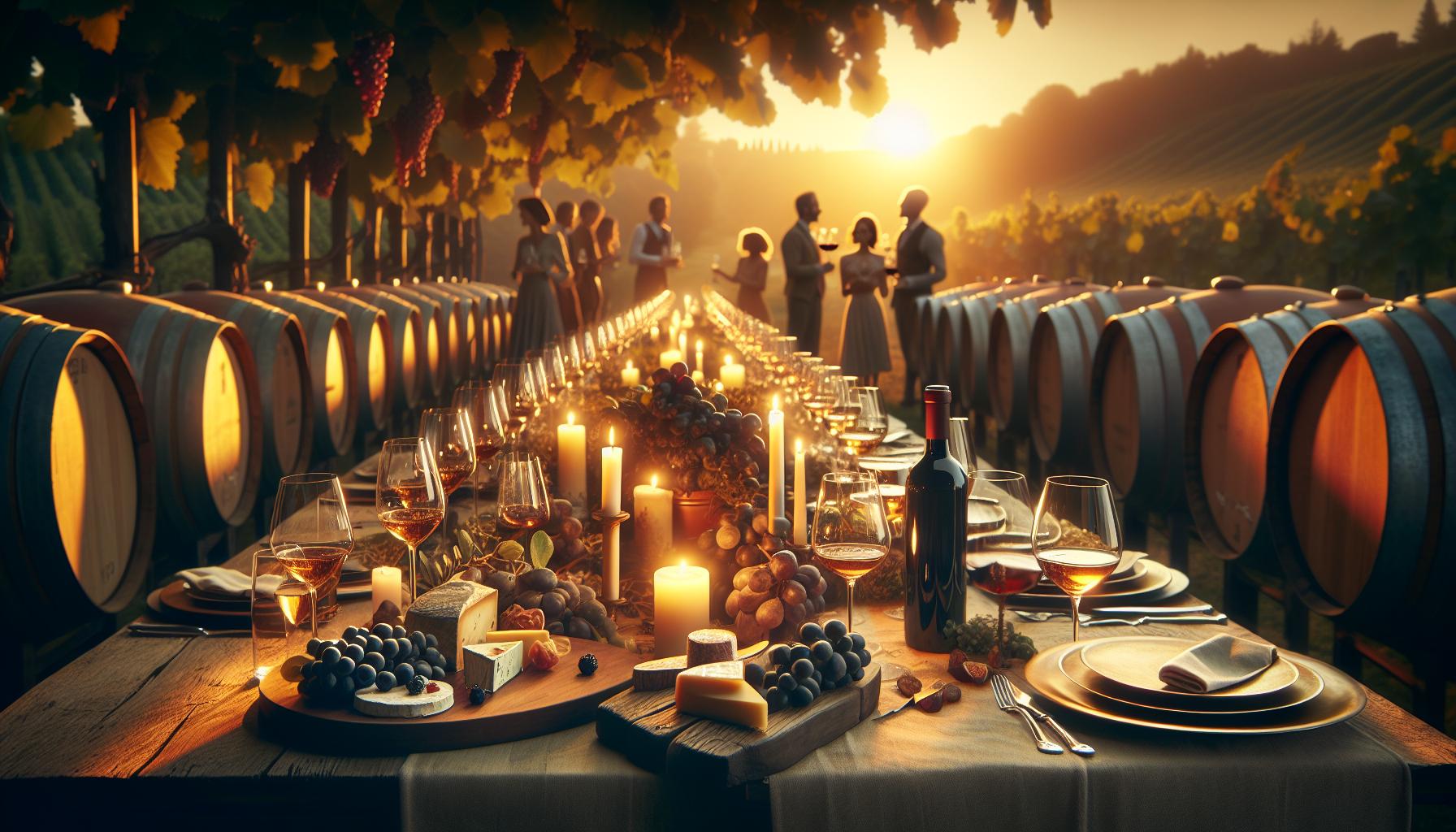
Celebrations are woven into the fabric of human experience, marking moments of joy, connection, and reflection. In the intricate dance of these occasions, wine often takes center stage, serving not merely as a beverage but as a symbol of festivity and togetherness. Picture a wedding reception where clinking glasses punctuate shared vows, or a milestone birthday celebrated with the gentle effervescence of champagne-a shared sip that transforms a gathering into a memorable festivity. Wine has the remarkable ability to enhance the ambiance, inviting people to pause and appreciate not just the drink but each other and the moment they share.
Across cultures, wine rituals vary, yet they share a common thread: the act of bringing people together. In many Mediterranean cultures, for instance, the “pouring of the first glass” during a feast is often reserved for honoring ancestors or significant others, acknowledging those who have come before us or those who hold a special place in our hearts. This practice serves as a poignant reminder of our roots and relates to the stories of families and friendships, creating a tapestry of memories that flow with every sip. The flavors in a glass of wine-be it a robust cabernet or a crisp sauvignon blanc-can evoke a sense of place and history, further enriching the experience of these shared moments.
Moreover, wine’s versatility makes it an integral part of various celebratory rituals around the world. In French cuisine, for example, pairing wine with food elevates simple meals into artistic culinary expressions. When paired thoughtfully, wines can amplify a dish’s flavors, creating a multi-sensory experience that delights the palate. Celebrations often involve meals where each course matches a distinct wine, transforming the act of eating into a complete sensory journey. This not only respects the traditional roles of both food and wine but also encourages a creative exploration of flavors, where personal stories and experiences come to life amid the clinking of glasses and sharing of laughter.
As you explore your own wine journey, consider how it might enrich your celebrations. Whether it’s experimenting with home-crafted pairings for a dinner party or curating a selection of wines for a seasonal gathering, wine can catalyze creativity. Think about incorporating local or unique varietals that resonate with your personal story or those of your guests. It’s not only about crafting the perfect atmosphere but also about fostering connection and sparking conversations. So, as your next celebration approaches, remember that each bottle of wine holds the potential to enhance the narrative of your gathering-a reminder that life, like wine, is best enjoyed in great company.
Sustainable Wine Practices for Eco-Conscious Consumers
In an age where sustainability is no longer just a trend but a necessity, the wine industry is stepping up to embrace eco-friendly practices that resonate with environmentally conscious consumers. From the vineyard to your glass, sustainable wine-making is about minimizing environmental impact while still producing high-quality products that celebrate the land and its heritage. By choosing wines from producers committed to sustainability, you not only savor delightful flavors but also contribute to a healthier planet.
Many wineries are now adopting organic and biodynamic farming techniques that eschew synthetic pesticides and fertilizers. Instead, these methods rely on natural alternatives, promoting biodiversity and healthy soil. For instance, cover crops are integrated into vineyard management to prevent soil erosion and enhance soil nutrients, while natural predators help control pests without chemical intervention. By selecting wines from these sustainable practices, you’re supporting a cycle that enriches the earth rather than depleting it.
Additionally, water conservation is becoming increasingly vital in the industry. Many wine producers are implementing advanced irrigation techniques that use less water and prioritize efficiency, such as drip irrigation systems that deliver moisture directly to the vine roots. Furthermore, some wineries are incorporating rainwater harvesting systems to utilize natural resources more effectively. By embracing these practices, consumers can responsibly indulge in their wine preferences without contributing to ecological strain.
Beyond cultivation, sustainable packaging is also gaining traction-as important as the wine itself. Many producers are opting for lighter bottles, which reduce transportation-related carbon emissions, and they are increasingly using recycled materials for labels and closures. Some wineries even encourage consumers to participate in recycling programs, making sustainability a collaborative effort.
Finally, it’s worth exploring local wineries that practice sustainability, as this not only reduces your carbon footprint associated with transportation but also fosters a connection with your community. Visiting these vineyards often results in unique experiences, where personal narratives of these practices are shared, enriching your understanding of wine culture. Sustainable wine practices culminate in a journey that celebrates taste, terroir, and the complexities of shared environmental responsibility while promoting a more conscientious world of wine appreciation.
From Vine to Bottle: Understanding Terroir
From the first sip of a bold Cabernet Sauvignon to the last drop of a delicate Sauvignon Blanc, the journey of wine from vine to bottle is an enchanting interplay of nature and nurture, culture and climate. The term “terroir” encapsulates this magic-a French word that conveys the unique character of a wine derived from its geographic origin, reflecting its soil, climate, and the specific practices of the winemaker. When we talk about terroir, we’re not just discussing varietals or tasting notes; we’re diving deep into a symbiotic relationship between the land and the vine, which ultimately influences the wine we enjoy.
Imagine standing in a sunny vineyard in Bordeaux, where the gravelly soil warms the roots of Cabernet grapes, providing the structure and tannins that are hallmarks of the region. Transitioning across the globe, picture the lush, volcanic loam of Sicily, which nourishes the indigenous Nero d’Avola, infusing it with a rich, robust flavor profile unique to its landscape. Such examples highlight how different terroirs produce wines that are not merely affected by their environment but are, in essence, an expression of it. This pact between grape and landscape narrates a story of climate fluctuations, topographical variations, and centuries of cultural heritage, which enrich the wine experience far beyond the glass.
As you explore creative ways to engage with wine culture, consider tasting flights that showcase wines from distinct terroirs within your own region or around the world. This can illuminate how a simple climatic difference or soil composition can render radically different flavors in seemingly the same grape. A guided tasting might have you sample a Chardonnay from California’s cool coastal areas side-by-side with a creamy, oak-aged version from a warmer climate in Australia, revealing the nuances brought forth by their respective eco-systems. In doing so, wine drinking transforms into an engaging sensory experience where you become part of a broader, interconnected story.
Moreover, understanding terroir can influence how you pair wine with food. The regional integrity of a wine often suggests complementary culinary traditions. For instance, a vibrant, herbaceous Sauvignon Blanc from New Zealand pairs beautifully with fresh seafood, reflecting the local cuisine’s affinity with the coastal climate. On the other hand, a hearty red from the temperate valleys of Napa is a delightful match for grilled meats, showcasing both the wine’s depth and regional culinary favor. As you savor your wine, take a moment to reflect upon the journey it has taken-from the specific plot of land and its micro-climate to your glass. This mindful appreciation fosters a deeper connection not only to what you drink but to the rich narrative that each bottle contains.
Ultimately, the exploration of terroir connects you not just to the world of wine, but to the very essence of place, tradition, and the artistry of winemaking, making every pour an invitation to discover, reflect, and celebrate the beautiful complexities of life through wine.
Crafting Your Own Wine Aesthetic
Wine is more than just a beverage; it serves as a rich canvas on which to craft your own aesthetic, one that reflects your personality, experiences, and even aspirations. To curate a wine experience that resonates with your unique identity, consider the multifaceted elements that can shape your approach-from bottle selection and glassware to pairing choices and presentation. By weaving these components into a cohesive vision, you can transform simple sipping into an art form that enhances enjoyment and sparks conversation.
Begin by reflecting on the wines that resonate with you-are you drawn to the luscious fruit notes of a ripe Merlot, or do you find solace in the bright acidity of a zesty Sauvignon Blanc? Your preferences can guide your selection of not just what you drink, but how you serve it. For instance, consider using stemware that complements your style: sleek, modern glasses can exude sophistication for a formal dinner, while rustic tumblers set a relaxed vibe for casual gatherings. Don’t shy away from mixing and matching your glassware; this eclectic approach can mirror the dynamic flavors and experiences that wine offers.
Incorporating thoughtful pairings into your aesthetic is another opportunity to elevate the experience. Create harmony between your wine and food by selecting culinary delights that showcase your local culture or seasonal produce. Hosting a gathering with friends? Aim for a Mediterranean feast that marries a fruity Rosé with grilled vegetables and fresh seafood-allow the flavors to dance and intermingle on the palate, creating a truly sensory experience. When curating your perfect pairing, remember that the right food can amplify the wine’s characteristics, while storytelling through the origin of the dishes can further enrich the experience, inviting guests to partake in your narrative.
Lastly, embrace the joy of aesthetics by intentionally designing your wine presentation. Consider investing in beautiful decanters that not only aerate but also serve as art pieces on your table. A well-styled charcuterie board, complete with artisanal cheeses and seasonal fruits, can enhance the visual appeal and inspire conversation among guests. Thoughtfully arranged settings invite a deeper appreciation for the wine itself, emphasizing its journey from vine to glass. Ultimately, crafting your wine aesthetic is an invitation to express creativity, community, and connection-a reminder that with each sip, you’re weaving your own story into the rich tapestry of wine culture.
The Social Impact of Wine Communities
The camaraderie built around wine transcends mere consumption; it weaves a tapestry of community, culture, and shared experiences. From intimate gatherings to grand festivals, wine serves as a catalyst for connection, forging friendships that often blossom over spirited conversations and clinking glasses. In exploring , one quickly discovers that they do more than foster appreciation for diverse vintages; they nurture a sense of belonging and cultivate shared narratives that enrich our lives.
Across the globe, wine clubs and tasting events create spaces for enthusiasts-both novice and expert-to converge, each bringing their own stories and preferences to the table. These settings encourage dialogue about terroir, varietal nuances, and aging processes, but they also provide a platform for personal sharing. A discussion about a favorite wine may lead to tales of family gatherings, memorable travels to vineyards, or even culinary adventures that made those wines special. In this way, wine acts as a shared language, enabling individuals to communicate their identities through the lens of their preferences and experiences.
Moreover, wine has a remarkable way of anchoring us in our cultural roots. Regional wine festivals celebrate local heritage, drawing attendees into the unique flavors and traditions that define their communities. For instance, events like the Napa Valley Wine Auction not only elevate local winemakers but also spotlight philanthropic contributions, as proceeds often support charitable causes integral to the community. When people gather over their shared love of wine, they create an avenue for collective efforts that can lead to sustainable practices and local economic growth.
As we embrace wine culture in our everyday lives, it’s essential to recognize the transformative power of wine in promoting social good. Engaging with wine communities allows us to connect with our neighbors, support local businesses, and participate in a vibrant tradition that values craftsmanship and connection. Whether enjoying a quiet evening with friends or attending a lively tasting event, wine encourages us to savor not just the flavors in our glass but also the rich tapestry of lives intertwined with each sip.
Inspiring Wine-Inspired Culinary Creations
The delicate interplay between food and wine not only enhances our dining experiences but can also spark creativity in the kitchen. The art of culinary creation inspired by wine embraces both innovation and tradition, allowing home cooks and seasoned chefs alike to elevate their meals while celebrating the rich tapestry of flavors that wine brings to the table. Consider, for example, the alchemy of using wine in various stages of meal preparation, whether it’s a cooking liquid, a marinade, or a finishing touch. Each method transforms the dish, infusing it with complexity and inviting diners to enjoy a sensory experience that transcends mere sustenance.
Engaging with wine in your culinary adventures can be approached from several angles. For instance, pairing food with complementary wines not only enhances individual flavors but also can inspire new ingredients and recipes. Some classic pairings, like cabernet sauvignon with rich, hearty stews or a light pinot grigio with seafood, serve as a springboard for creativity. Experiment with incorporating the wine directly into the dish: a splash of white wine can brighten a butter sauce for pasta, while red wine reductions offer deep, robust flavors that enrich everything from braised meats to decadent desserts like poached pears.
A creative approach to wine-inspired cooking encourages exploration and experimentation. Why not try crafting a wine-based sauce or glaze that embodies the essence of your selected varietal? For a unique condiment, consider a raspberry red wine reduction that can top grilled meats or be drizzled over cheese plates. Experimenting with different varietals encourages personal expression, as you discover how differing flavor profiles, acidity levels, and tannins can transform a simple recipe into something extraordinary.
### Wine-Infused Recipe Ideas
Here are a few wine-inspired culinary creations to ignite your imagination:
- Coq au Vin: This classic French dish showcases chicken braised with red wine, enriched with mushrooms, onions, and bacon. It’s a beautiful testament to how wine can elevate a simple protein into a culinary masterpiece.
- Red Wine Risotto: Stirring in a splash of red wine during the cooking process not only adds richness but also a stunning hue. Pair with earthy mushrooms or asparagus for a delightful meal.
- White Wine Poached Salmon: Poaching salmon in white wine with herbs creates a meal that feels both luxurious and light, perfect for an elegant gathering.
- Wine-Soaked Fruit Salad: Toss seasonal fruits with a bit of syrupy dessert wine to create a refreshing salad that sings of summer while serving as a delightful palate cleanser.
As you explore the intersection of wine and food, allow yourself the freedom to play with flavors and techniques. Wine culture is about connection and creativity, and each bottle can lead you on a new culinary journey. By embracing the richness of wine in your cooking, you’ll find satisfaction not just in the end result but in the process itself-a true celebration of the art of gastronomy that can be enjoyed with friends and family, fostering deeper connections over shared meals.
Embracing Wine in Everyday Life: Tips and Trends
Imagine hosting a casual gathering, where the atmosphere is lively, laughter mingles with the clinking of glasses, and the aroma of a carefully prepared meal wafts through the air. In this scenario, wine is not just an accompaniment; it is a catalyst that enhances connections and draws people into an immersive experience. In our modern lives, where the pace often feels relentless, embracing wine as a part of daily life offers a way to slow down, appreciate the moment, and foster meaningful relationships.
One of the most accessible approaches to weaving wine into everyday life is by integrating it into your cooking and dining rituals. Cooking with wine can elevate even the simplest dishes, transforming weeknight meals into culinary adventures. Consider incorporating a glass of your favorite varietal into a simmering sauce or using it as a marinade for meats. This not only enhances the flavors of the dish but can also encourage creativity in the kitchen, turning routine meals into a delightful exploration of taste and aroma.
Pairing wine with everyday meals doesn’t have to be an elaborate affair either. Instead, think of it as a chance to experiment and discover new combinations. For instance, a crisp Sauvignon Blanc can complement a simple summer salad, while a robust Malbec may be just the right companion for a hearty mushroom risotto. Use this opportunity to invite friends or family over for a casual wine-tasting dinner party, where everyone brings a bottle and shares a story behind their selection. Such gatherings can cultivate a sense of community, encourage dialogue about the wines enjoyed, and perhaps lead to new discoveries for all involved.
Trends to Consider
As we navigate the wine landscape today, a few trends stand out as not only fun but also reflective of a broader cultural shift toward sustainability and mindfulness in consumption:
- Natural and Organic Wines: With an increasing awareness of environmental impact, many wine enthusiasts are exploring natural and organic wines. These wines are often made with minimal intervention, allowing the terroir to shine through without the influence of synthetic additives. Searching for biodynamic or organically grown options can deepen your appreciation for the land from which the wine originates.
- Wine in Canned Format: Canned wine is making waves for its convenience and portability. Ideal for picnics or outdoor gatherings, these offerings often surprise with their quality, challenging the misconception that good wine must come in a traditional bottle.
- Wine and Wellness: As the wellness movement gains traction, is it any wonder that wine is getting a rebrand as part of a balanced lifestyle? Lightly frizzante wines, lower-alcohol options, and even innovative blends incorporating healthful ingredients are worth exploring, allowing wine lovers to indulge mindfully.
In embracing wine in daily life, the goal is not merely to enhance the act of drinking but to enrich experiences and relationships. Each bottle tells a story-one that invites us to explore, connect, and celebrate our shared humanity. Whether it’s the vibrant chatter over a well-paired meal, the quiet moments spent savoring a glass solo, or the joy of sharing bold new wines with friends, integrating wine into life becomes a delightful narrative that unfolds over time. So, pour yourself a glass and let the journey begin!
Storytelling Through Wine: Connecting Generations
Wine has a remarkable ability to weave together narratives that bridge generations, creating a tapestry of shared experiences and familial stories. Each bottle can act as a time capsule, holding within its liquid the essence of a moment or memory that can be recounted at dinner tables across ages. Whether it’s a complex Bordeaux that your grandparents savored on special occasions or a young Riesling celebrated for its lively notes during family gatherings, the stories associated with these wines are as varied as the flavors themselves.
Consider initiating a family tradition of “wine diaries” where each member contributes a page whenever a noteworthy event is celebrated with a particular bottle. This practice not only encourages reflection but also keeps the legacy of family gatherings alive as new generations join in. Imagine reading over the years about how your aunt discovered a rare vintage on a trip to France, or how your cousin celebrated a milestone birthday with a late harvest dessert wine that became an instant favorite. These accounts, rather than being mere notes, transform into cherished records that convey the familial warmth shared over glasses filled with stories.
Creating a wine-themed family recipe book can also amplify this concept of storytelling through wine. Each recipe could be paired with a favorite wine, accompanied by anecdotes about the occasions when it was enjoyed. This can lead to multi-generational cooking nights, where family members recreate beloved dishes while recounting the memories associated with each wine pairing. It’s a way to keep the flavor of the past alive while forging new ones. The act of cooking together while sharing a favorite glass becomes an intricate dance of legacy and innovation, with flavors acting as a bridge connecting past and present.
Embracing the idea that every wine has a story can also spark curiosity about the broader cultural narratives tied to winemaking regions. For example, while enjoying an Italian Chianti, families can discuss its origins in Tuscany and explore how the local soil, climate, and history influence its flavor. This shared exploration fosters a sense of connection not only between family members but also to the land and history. In doing so, wine serves as an important medium to reflect on heritage, instill values, and ignite discussions that build understanding and appreciation across generations.
By integrating these storytelling practices, wine becomes more than just a beverage; it transforms into a vessel of tradition, memory, and connection, crafting an enduring narrative that can be passed down through the family tree, one glass at a time.
Frequently asked questions
Q: What are some creative ways to enjoy wine culture today?
A: You can explore wine culture creatively by attending virtual tastings, organizing wine and food pairing dinners at home, or participating in wine-themed art classes. Seek out local wineries offering unique experiences, like vineyard yoga or painting sessions, to enhance your appreciation of wine while engaging in the community.
Q: How can I incorporate wine into my social gatherings?
A: Incorporate wine by hosting wine tasting parties where guests can sample different varietals. Create custom wine cocktails for a fun twist, or pair wines with a themed dinner. Sharing stories about each wine’s origin can also add a cultural touch to the experience, making the gathering memorable.
Q: What are some essential tips for wine tasting at home?
A: Start with a clean palate and glass to truly appreciate each wine’s flavor. Use a systematic approach, noting the appearance, aroma, taste, and finish. Pair your wine with complementary foods, and explore different regions and varietals to enhance your tasting journey. Consider pairing wines with local cheeses or foods to deepen the experience.
Q: Why is understanding wine terroir important?
A: Understanding terroir helps you appreciate how a wine’s environment influences its character. This includes factors like soil type, climate, and local tradition, which shape the flavors and aroma profiles. Embracing this concept can transform your wine selection process, enabling you to make more informed choices aligned with your preferences.
Q: When is the best time to learn about wine culture?
A: There’s no bad time to explore wine culture! Engage during any season-summer for fresh whites and rosés, or winter for hearty reds. Consider attending festivals, visiting vineyards, or following online courses. Each experience will deepen your understanding and enjoyment, allowing you to appreciate wine all year round.
Q: How do I choose the right wine for a meal?
A: To choose the right wine, consider the meal’s dominant flavors. Light dishes pair well with whites or lighter reds, while robust meals thrive with fuller-bodied wines. Use the classic pairing principles-red with red meats, white with fish-and don’t be afraid to experiment with unexpected combinations to discover unique flavor profiles.
Q: What are some common wine myths I should be aware of?
A: Common myths include that all red wines must be served at room temperature and that expensive wines are always better. In fact, some reds benefit from slight chilling, and the best wine is subjective, varying based on personal taste. Challenge these myths and cultivate your own wine preferences without being constrained by traditional norms.
Q: Why is wine pairing with food considered an art?
A: Wine pairing is an art because it requires balancing flavors, aromas, and textures. The right combination elevates both the dish and the wine, creating a harmonious experience. Experimentation and an understanding of flavor profiles lead to delightful discoveries, making the journey both enjoyable and rewarding for any wine enthusiast.
Final Thoughts
As we uncork the rich tapestry of wine culture explored in “Can I Wine? Exploring Creative Ways to Enjoy Wine Culture Today,” remember that each sip is more than just a taste; it’s an invitation to connect with history, tradition, and like-minded enthusiasts. Don’t let this moment pass-embrace the opportunity to deepen your appreciation and understanding of this magnificent world. For those looking to dive deeper, check out our articles on wine pairings and the art of tasting, which can enrich your experience further.
Feeling inspired? Engage with our community and share your wine journeys in the comments below. Don’t forget to sign up for our newsletter for tips, exclusive content, and the latest trends in the wine world. Whether you’re curious about malolactic fermentation or what makes a wine region unique, your exploration starts here. Let’s continue this flavorful adventure together, because the love for wine is a journey worth savoring. Cheers!


