


In a world that thrives on connection, the timeless phrase “A jug of wine, a loaf of bread, and thou” evokes a simple yet profound joy: the celebration of companionship over shared sustenance. This exploration of wine culture delves into the rich tapestry woven from ancient traditions, personal narratives, and cultural nuances surrounding this beloved beverage. Wine, much like a well-told story, invites us to pause, savor, and contemplate the moments that define our lives.
As we journey through the complexities of varietals, terroir, and tasting notes, we will also uncover how wine transcends mere consumption, becoming a vessel for community and connection. By engaging with the art of wine appreciation, you will discover not only the flavors contained within a glass but also the heritage and human experiences that flavor each sip. Join us to enrich your understanding, stimulate your senses, and deepen your appreciation for wine as a vital link in the tapestry of culture and friendship.
The Poetic Origins of Wine and Bread
The entwined histories of wine and bread stretch back millennia, each embodying the essence of human culture, sustenance, and celebration. From the cradle of civilization in the Fertile Crescent to the vineyards and bakeries of modern Europe, these staples resonate with a spirit that elevates them beyond mere food to symbols of hospitality and communion. The phrase “A Jug of Wine, a Loaf of Bread” captures a timeless sentiment, embodying the simplicity of shared moments around the table where nourishment and connection flourish.
In many ancient cultures, the fermentation of grapes into wine was not just a method of preservation but a ritual steeped in spirituality and health. The Greeks and Romans celebrated Bacchus and Dionysus, gods of wine and revelry, honoring them with grand feasts that often included freshly baked bread-an essential complement. This pairing exemplifies a philosophical view of existence, where the tangible essence of bread and the ethereal quality of wine forge a bond that reflects the dual nature of life: the mundane and the divine.
As we explore the poetic origins of these staples, consider how a simple meal transforms into an experience of art. Wine, with its myriad aromas and flavors, engages the senses, inviting introspection and appreciation. Bread, with its crusty exterior and soft interior, speaks to the comforting embrace of traditions that anchor us to our roots. Together, they create an opportunity for storytelling-each sip and bite a chapter in the ongoing narrative of human connection. The act of breaking bread and sharing wine fosters an atmosphere where bonds are strengthened, laughter echoes, and memories are ingrained. Beyond mere sustenance, this ritual encapsulates the human experience, urging us to slow down, savor, and reflect on the beauty of shared lives.
Unraveling the Symbolism of “A Jug of Wine a Loaf of Bread
The image of a jug filled with wine alongside a freshly baked loaf of bread conjures more than just a meal; it evokes centuries of tradition, ritual, and meaning woven into the very fabric of human interaction. This simple pairing epitomizes the essence of hospitality and communion, inviting us to pause and reflect on the deeper significance of sharing sustenance. The symbolism encapsulated within “a jug of wine and a loaf of bread” transcends mere nourishment, representing a profound acknowledgment of our need for connection-both to one another and to the earth.
In the context of cultural and spiritual narratives, wine and bread emerge as cornerstones of human experience. They are featured in countless rites-from the ancient Greek symposia where philosophers gathered to share ideas over wine, to religious ceremonies that elevate these staples to sacred symbols of life and death. The act of sharing wine serves as a convivial gesture that fosters dialogue and unity. It transforms casual gatherings into profound rites of passage, where moments of laughter, reflection, and storytelling flourish. Wine’s inherent qualities, its ability to engage and enchant the senses, mirror the way bread nourishes both body and spirit.
This relationship unfolds in myriad ways; consider the age-old tradition of breaking bread. When one shares the sacred act of eating, it becomes an intimate invitation to share not only food but also stories, experiences, and emotions. Each sip of wine invites contemplation, infusing the experience with both texture and depth. Whether it’s a rich red hinting at dark fruits and spices or a crisp white bursting with citrus notes, the flavor profiles connect drinkers to specific places, memories, and moments. Each loaf, too, offers its unique narrative-be it the rustic crust of a country loaf or the soft pillowy embrace of a ciabatta.
Ultimately, the symbolism of “a jug of wine and a loaf of bread” serves as a reminder of our shared humanity. It encourages us to cultivate relationships, nourish our spirits, and celebrate life’s richness in all its forms. In every gathering where wine flows and bread is broken, we honor traditions that deepen our understanding of life’s sanctity, fostering a sense of belonging that persists through time. So next time you find yourself at a table, remember that every pour and every bite is not merely an act of consumption, but an opportunity to connect deeply with history, culture, and those around you.
Exploring the Social Rituals of Wine Consumption
Embracing the ancient traditions of wine drinking reveals a rich tapestry of social rituals that are as diverse as the varietals in a vineyard. Gatherings steeped in the clinking of glasses and the sharing of stories are not merely about the enjoyment of wine; they are vital expressions of human connection that transcend mere consumption. Each toast, each pour, transforms the act into a dance of camaraderie and celebration, reminding us of the profound role wine plays in society-a link between past and present, celebration and remembrance.
Across cultures, the rituals of wine serve unique purposes. For instance, in countries like Italy, sharing a bottle isn’t just a prelude to a meal; it’s a full-bodied experience woven into the fabric of family gatherings. The table, adorned with food and affection, transforms into a canvas where wines tell their stories, unveiling the terroir from which they emerge. One can imagine a rustic Italian farmhouse, where the aroma of homemade pasta mingles with the earthy tones of a Chianti, creating an atmosphere ripe for conversation. Sharing wine becomes a way to craft memories, each sip reminiscent of laughter that echoes through time.
In contrast, more formal wine tastings present an opportunity to explore subtleties and nuances, cultivating an appreciation for the craftsmanship behind each bottle. The ritual of swirling, sniffing, and sipping is an invitation to engage not just our taste buds but our imaginations. Consider a group seeking to appreciate a barrell-aged Chardonnay. As each person describes the flavors-subtle notes of vanilla, hints of oak-their individual perceptions meld into a collective understanding. This ritual encourages a sense of community, inviting all to participate in a moment of shared discovery.
Additionally, social wine rituals often encompass elements of hospitality and tradition. The act of pouring wine for another, especially in cultures where respect for guests is paramount, carries significant weight. It’s a silent acknowledgment of valued relationships and an invitation to partake in something deeper. Likewise, ceremonies ranging from weddings to religious observances often hinge on the sharing of wine-it is not merely a drink, but a symbol of unity and continuity.
In essence, the joy of wine consumption lies less in the wine itself and more in its ability to weave people together within a tapestry of rituals that honor connection, memory, and the beauty of the shared experience. Each encounter, whether casual or formal, reminds us that life’s richness often lies in the moments we create, fueled by the simple yet profound act of sharing a jug of wine and a loaf of bread. So pour yourself a glass, engage in the ritual, and let the stories unfold over flavors that ignite the senses and deepen our shared human experience.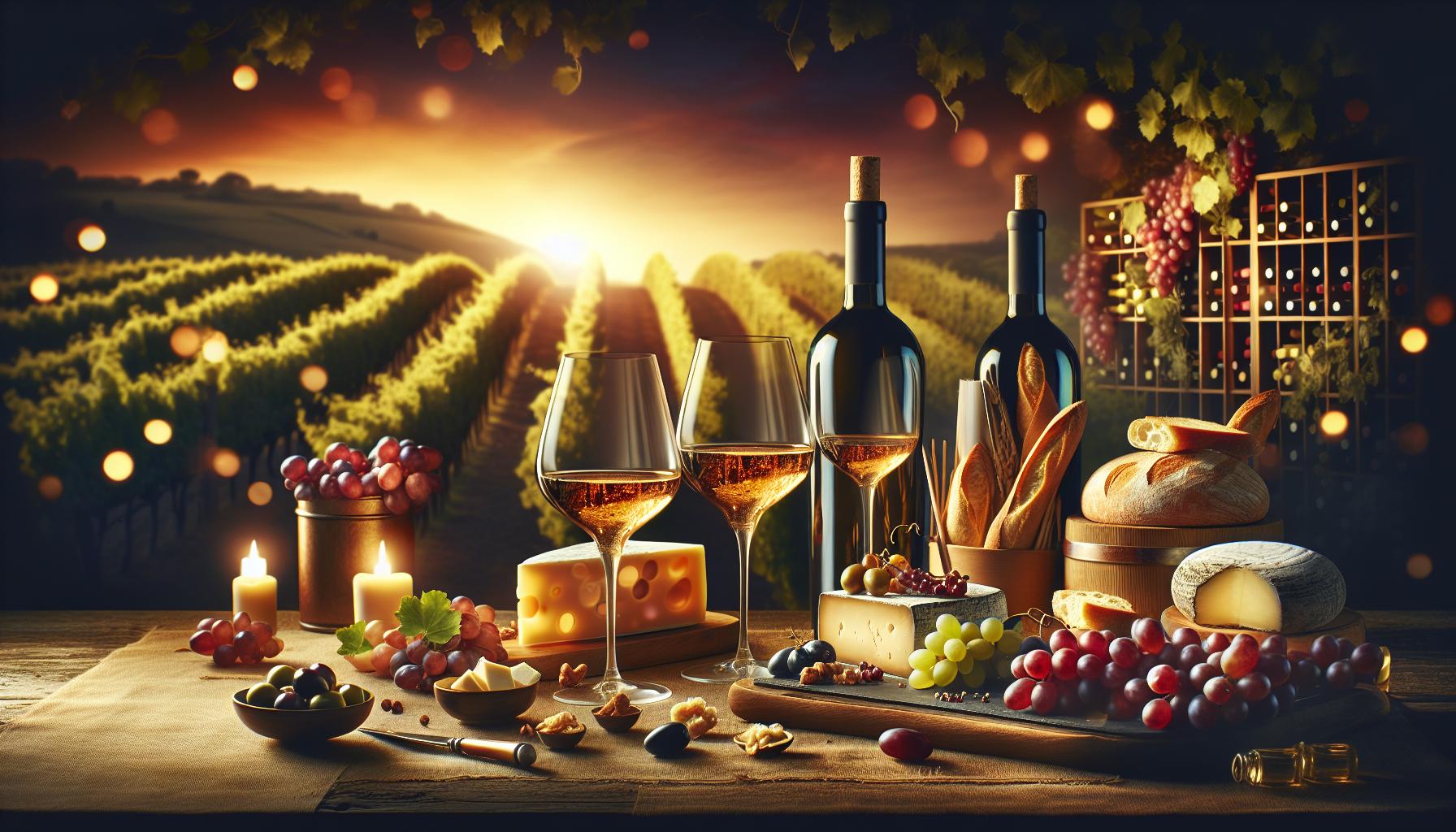
The Art of Wine Pairing: Elevating Your Culinary Experience
The delicate art of pairing wine with food can elevate a simple meal into a memorable culinary experience, one where each sip and bite harmonize perfectly. Imagine the experience of enjoying a velvety Cabernet Sauvignon alongside a rich, marbled steak; the way the wine’s tannins soften the meat’s fat creates a dance of flavors that is both indulgent and satisfying. Wine pairing transforms dining into a celebration, allowing us to explore the depths of taste and texture while celebrating the age-old bond between food and drink.
To embark on your journey of wine pairing, consider the interplay between the fundamental components of both wine and cuisine: acidity, sweetness, tannin, and flavor intensity. Generally speaking, a good rule of thumb is that the wine should match the intensity of the dish-light dishes with lighter wines, and robust meals with bolder options. For instance, a crisp Sauvignon Blanc complements a fresh goat cheese salad, where its acidity cuts through the creaminess of the cheese, refreshing the palate with each bite. Conversely, a rich and full-bodied Malbec pairs beautifully with a chocolate dessert, its lush fruitiness echoing the sweetness of the dish while providing a counterbalance to its richness.
Cultural context plays a significant role in this art as well. Traditional pairings are often rooted in regional cuisine-think of how the coastal seafood of Provence meets the bright, zesty flavors of a Vermentino, both reflecting the sun-soaked terroirs of Southern France. Exploring these cultural connections not only enriches your dining experience but also provides a narrative that makes each meal and pour a part of a larger story, one steeped in history and tradition.
As you refine your wine pairing skills, don’t shy away from experimentation. Each individual’s palate is unique, and what works for one may not resonate with another. Keeping a tasting journal is a delightful way to track your discoveries-note the wines, the dishes, and your thoughts on how they interacted. This practice encourages an adventurous spirit in your culinary explorations, inviting you to ask questions, refine your preferences, and enhance your enjoyment of both wine and food. In the journey of wine and food pairing, the invitation is clear: let each meal be an opportunity to savor life’s flavors, celebrating the connections we forge over a shared jug of wine and loaf of bread.
Cultural Significance of Wine Through History
Wine is more than just a beverage; it is a profound cultural artifact that has shaped human experience for thousands of years. From the ancient civilizations of Mesopotamia, where it was revered as a divine gift, to the lavish banquets of the Roman Empire that celebrated its complex flavors, wine has always been intertwined with human rituals, social interactions, and spiritual practices. The phrase, “A jug of wine, a loaf of bread,” encapsulates the idea of companionship and sustenance, reminding us that throughout history, sharing wine has been synonymous with sharing life-its ups and downs, joys and sorrows.
Throughout history, different cultures have woven wine into their fabric, giving it layers of meaning that extend beyond mere consumption. In ancient Greece, wine was synonymous with celebration and philosophy, often enjoyed during symposiums where great ideas and artistic endeavors blossomed. The Greeks honored Dionysus, the god of wine, as a symbol of fertility, festivity, and inspiration. These gatherings were not mere indulgences; they were a cultural cornerstone that fostered community engagement and intellectual pursuit, illustrating the role of wine as a catalyst for connection and creativity.
In Medieval Europe, the significance of wine took on a more sacred hue. Monastic vineyards became the custodians of winemaking knowledge, producing vintages that were utilized in religious ceremonies. The Eucharist, for example, showcased wine’s deep spiritual connotation, symbolizing the blood of Christ-a powerful reminder of sacrifice and redemption. The careful crafting of wine within these sacred walls also laid the groundwork for many of the winemaking techniques that are still celebrated today, providing a rich historical tapestry that connects the modern connoisseur to its origins.
Even in contemporary culture, the rituals surrounding wine remain significant. The sharing of a bottle often marks milestones, from weddings to casual gatherings, serving as a symbol of hospitality and goodwill. Wine tastings have burgeoned into social events that not only educate but also foster community, encouraging individuals to explore their palates and preferences. The act of savoring wine together creates an intimate space for conversation and reflection, honoring centuries of tradition while inviting new stories and experiences.
In conclusion, the illustrates its evolution from a humble agricultural product to a complex symbol of social and spiritual engagement. As we partake in this age-old ritual, we are not just indulging in a drink; we are participating in a practice that has brought people together for millennia, making every sip a bridge across cultures and generations.
Wine Varieties: A Journey Beyond the Label
The world of wine is a tapestry woven from countless threads of history, culture, and creativity, each varietal telling its own story as it graces our tables. When you crack open a bottle, you’re not just consuming a liquid; you’re embarking on a journey through time and terroir. With each sip, you’re invited to explore the distinctive personalities of different grape varieties, each reflecting the climate, soil, and artisanal techniques of its homeland. This rich diversity can seem overwhelming, but understanding wine varieties can transform your tasting experience from mundane to magical.
At the core of every bottle lies a grape variety, which significantly influences flavor, aroma, and texture. For instance, Cabernet Sauvignon is often bold and full-bodied with dark fruit flavors, while Chardonnay can range from crisp and citrusy to rich and buttery depending on its winemaking process. As you delve into tasting sessions, try to focus on more than just the name on the label; consider the nuances that come from the winemaker’s quirks and regional characteristics. You’ll find that a Pinot Noir from Oregon can express a completely different profile than one from Burgundy due to the underlying terroir, which affects everything from acidity levels to the resultant aromatic bouquet.
Exploring wine diversity isn’t just about assessing what’s in the glass. Consider the context in which these wines are enjoyed. A lively Sauvignon Blanc pairs beautifully with fresh goat cheese, enhancing the vibrancy of both the dish and the wine, while a Malbec from Argentina complements a hearty steak with its robust tannins and berry notes. This interplay between food and wine creates a ritual that sparks connection, much like the symbolism behind “a jug of wine and a loaf of bread.” Sharing a bottle with friends or family not only elevates the meal but also deepens the shared experience, embodying the fellowship of culinary enjoyment.
As you deepen your journey into wine, don’t shy away from the less familiar varieties. Wines like Grenache or Tempranillo-though perhaps not as mainstream-offer a cornucopia of flavor while allowing you to engage in conversation about their origins and the unique surroundings from which they come. Each glass becomes a gateway to understanding not just the drink but also the culture and people behind it. In a world increasingly focused on novelty, the storytelling potential of wine is a timeless comfort-a reminder that the simplest of pleasures, like sharing a good bottle in cozy company, remains richly rewarding.
Understanding Terroir: The Soul of Every Wine
Every grape holds within it a story, a narrative shaped not merely by the vineyard practices or the winemaker’s hand, but by the very earth from which it springs. This phenomenon is known as terroir, a French term that encompasses the unique environmental factors affecting a crop’s phenotype, especially grapes. From soil composition to climate variations, and even local traditions, terroir weaves a complex tapestry that influences the wine’s character and quality, making it a crucial element in understanding any bottle you uncork. Each sip becomes a journey, a glimpse into the past and present of the land it hails from.
Delving deeper into the essence of terroir, we discover that it reflects not just physical attributes but also cultural factors. The notion of terroir has given rise to wine laws and appellations, where specific regions have been recognized for their distinct qualities. For instance, the Burgundy region is celebrated for its Pinot Noir and Chardonnay, which exhibit flavors and aromas that uniquely speak of the limestone soils and the cooler climate. In contrast, the sun-drenched vineyards of Napa Valley yield robust and fruit-forward expressions of these varietals, illustrating how geographical differences can manifest in the glass.
The impact of terroir extends beyond just flavor; it reflects the philosophies and traditions of the communities that cultivate the grapes. For example, in regions such as Bordeaux, winemaking is an art steeped in centuries of tradition, where blending different varietals is common to achieve balance and complexity. This contrasts with smaller, boutique producers who may focus on single varietals, letting their wines tell the story of a specific plot of land. This attention to place encourages a connection between wine and the community, creating a bond that resonates with the age-old idea of sharing a jug of wine and a loaf of bread-a symbol of fellowship and communion.
As you explore wines from various regions, consider not only the flavor profiles but also the narratives inherent in each bottle. Discussing a wine’s terroir can enrich your conversations, allowing for a deeper appreciation for the craftsmanship involved. Next time you pour a glass, pause to reflect on the land, the climate, and the people who contributed to its journey from vineyard to table; this mindful approach transforms wine drinking from a routine act into a meaningful ritual, weaving you into the ongoing story of wine culture.
The Science of Wine: Fermentation and Flavor Development
The transformation of grape juice into wine is not merely a chemical reaction; it is a metamorphic journey that transcends time and place, resonating deeply within the culture of conviviality represented by the phrase, “a jug of wine and a loaf of bread.” At the heart of this process lies fermentation, the alchemical conversion whereby yeast metabolizes sugar into alcohol and carbon dioxide, creating a beverage that has been a literal and metaphorical sustenance for civilizations throughout history.
In winemaking, the fermentation process can be orchestrated through varying techniques, each producing distinct flavor profiles and characteristics. Primary fermentation typically occurs in closed tanks or barrels, where natural or cultured yeasts convert the grape’s sugars. But the magic really intensifies during malolactic fermentation (MLF), a secondary fermentation where harsher malic acid converts into softer lactic acid, resulting in a smoother, creamier mouthfeel-think of it as a gentle caress for the palate. This process is particularly beloved in rich white wines like Chardonnay and certain reds, adding depth and complexity that beckon the drinker to linger over the glass, savoring each nuance much like savoring a shared meal of bread and wine, where every bite and sip tells a story.
Exploring the science behind fermentation invites a wider appreciation of flavor development. Various factors-yeast strains, fermentation temperatures, and even the vessel in which fermentation takes place-significantly influence the final product. For example, white wines fermented in stainless steel tend to maintain crisp acidity and vibrant fruit flavors, while those aged in oak barrels often exhibit luscious notes of vanilla and spice, marrying fruit with complexity. This journey of flavor evolution reflects the unique terroir of the vineyards and the winemakers’ artistry, bringing a sense of place into the glass.
As one journeys through the wine world, it is essential to foster a reflective mindset, appreciating that every bottle captures a moment in time, an interplay between nature and human intervention. With each glass of wine shared, there’s an opportunity to deepen connections-not only to the people with whom we drink but also to the land, history, and traditions that brought the wine to our tables. Engage with these layers of meaning; consider pairing your wine with bread, allowing the flavors to intertwine, transforming each sip into a profound celebration of life’s simplest and most cherished pleasures.
Crafting Your Wine Journey: From Novice to Connoisseur
Embarking on the journey from novice to wine connoisseur is akin to traversing a labyrinth of flavor, history, and personal discovery. Each step offers an opportunity to enrich your palate, expand your understanding, and, most importantly, savor the beautiful interplay between wine and the many moments of life it enhances. The key to navigating this intricate path lies not in overwhelming yourself with facts or brand names, but in developing a genuine appreciation for the experience each bottle presents-a philosophy that echoes the sentiment of sharing “a jug of wine and a loaf of bread.”
To begin with, one must cultivate a sense of curiosity and openness toward wine. Start by exploring diverse varieties and regions; visit local wine shops, attend tastings, or explore online resources. Take notes on what you enjoy-the crispness of a Sauvignon Blanc, the smoky finish of a Syrah, or the intricate aromas of a well-aged Cabernet Sauvignon. This practice not only sharpens your palate but also forms a personal wine diary that tracks your evolving tastes. As your experience grows, consider broadening your scope to include food pairings. Understanding how wine interacts with various dishes can elevate your meals from mere sustenance to a harmonious celebration of flavor, much like the classic combination of bread and wine.
Engaging with wine culture also means embracing its communal nature. Wine has been a symbol of togetherness throughout history; gathering with friends over a meal and sharing stories enhances the tasting experience. Consider hosting themed tastings where you and your friends explore particular regions or varietals-compare the nuances of a bold Napa Valley red against a delicate Italian Pinot Noir, or experiment with local cheese and charcuterie pairings. These shared moments create a tapestry of connection, allowing for anecdotes, laughter, and perhaps a few delightful wine mishaps.
As your knowledge deepens, don’t hesitate to delve into the artistry of winemaking-explore terms like “terroir,” “malolactic fermentation,” and the impact of oak aging. Understanding these concepts not only enriches your appreciation but also fosters a profound respect for the craftsmanship involved. Each wine bottle serves as a sensory passport, telling the story of the land it comes from, the hands that crafted it, and the history that shaped its style. With each sip, you are tasting a fragment of culture and time, a beautiful narrative embodied in liquid form.
Ultimately, the journey to mastery in wine is less about aspiring to expertise and more about nurturing an appreciation for its complexities and joys. As you embrace this process, remember that every glass poured is an invitation to explore, to connect, and to reflect on life’s simplest pleasures. Whether alone or in the company of friends, may each moment shared over a jug of wine and a loaf of bread become a cherished memory, woven into the very fabric of your culinary adventures.
Celebrating Wine in Literature and Art
The rich tapestry of wine in literature and art reflects humanity’s enduring fascination with this ancient elixir, intertwining with our stories, emotions, and celebrations throughout the ages. From the lyrical verses of ancient poets to the evocative canvases of modern artists, wine serves as both muse and metaphor-a symbol of abundance, connection, and the ephemeral nature of life. It is as if each bottle uncorks a narrative waiting to be savored, inviting us to not only drink but to engage with its profound cultural resonance.
The portrayal of wine in literature has been as variegated as the wine itself, encompassing themes of love, loss, and the human condition. Think of the exquisite sonnets of Shakespeare, where wine becomes a medium for deep reflection and passionate dialogue, or the haunting verses of Baudelaire, who invokes wine as a source of both inspiration and melancholy. In contemporary works, wine continues to be a powerful literary device, appearing in the hands of characters seeking solace or communion, thereby reminding readers of our intrinsic desire for connection and celebration, mirroring the age-old sentiment of sharing “a jug of wine and a loaf of bread.”
Similarly, the world of art has embraced wine as a subject that evokes sensory exploration and emotional depth. The vibrant still lifes of the Dutch Masters, rich with textures and contrasting colors, invite the viewer to linger on the intricacies of a wine glass’s reflections or the voluptuous curves of a ripe grape. Each brushstroke tells a story, encouraging us to engage not only with the visual elements but with the essence of life itself encapsulated in the act of enjoying wine. Artists, from Caravaggio to Picasso, have captured the spirit of revelry and introspection associated with wine, portraying it as a catalyst for human connection, joy, and even philosophical contemplation.
In modern contexts, wine tasting has evolved into an artistic experience of its own, echoing the principles of fine art-balance, texture, complexity. As you savor a glass of well-crafted wine, consider it a living piece of art, the culmination of nature, time, and human skill, reflecting terroir and tradition. Let your senses be your guide as you explore the aromas and flavors, much like contemplating the subtle interplay of light and shadow in a masterpiece. Embracing wine in literature and art ultimately enriches our appreciation, transforming each sip into a moment of cultural reflection, a shared human experience etched into the soul of our collective memory.
In celebration of this interplay, consider hosting a gathering where literature and wine collide; select passages from your favorite authors to complement the wines you serve. Discuss the layers of meaning within the texts while sipping on varietals that resonate with each narrative. Such experiences allow participants not only to taste but to feel and connect, crafting their own stories around the table-an embodiment of the age-old truth that to share wine is to share life itself.
Sustainable Wine Practices: A Toast to the Future
In an era marked by an increasing awareness of environmental sustainability, the wine industry is undergoing a profound transformation towards more responsible practices. Sustainable wine production is not merely a trend; it is a vital commitment to safeguarding our planet while delivering quality and integrity in every bottle. As you sip on your favorite varietal, consider the journey it undertook from vine to glass, and the practices that ensure our shared appreciation for wine can flourish for generations to come.
One of the cornerstones of sustainable viticulture is the emphasis on biodiversity within vineyards. By cultivating a variety of grape types and maintaining natural habitats, winemakers contribute to ecological balance. Cover crops, for example, are planted between vine rows to improve soil health, control erosion, and provide habitats for beneficial insects. This holistic approach not only enhances the quality of the grapes but also fosters resilience against pests and diseases. Reducing chemical inputs also plays a crucial role; many winemakers are opting for organic or biodynamic farming methods, eschewing synthetic fertilizers and pesticides in favor of natural alternatives.
Furthermore, water conservation is paramount in sustainable practices. Vintners are adopting innovative irrigation techniques to increase efficiency while ensuring that grapes thrive in their natural environment. For instance, drip irrigation minimizes water waste and directs moisture precisely to the vine roots, promoting healthier growth and better fruit quality. Additionally, many vineyards are harnessing renewable energy sources, such as solar and wind power, to operate their facilities, significantly reducing their carbon footprint.
Lastly, embracing sustainable packaging is an integral part of this movement. Most bottles today are designed to be lighter, which lowers transportation emissions. Additionally, some producers are exploring alternative packaging solutions, such as kegs or boxes, which not only reduce waste but also offer consumers a fresher product. As you indulge in the flavors of your chosen wine, remember that each sip supports a vibrant network of sustainable practices aimed at preserving the earth and enriching your tasting experience.
Ultimately, the journey towards sustainability in winemaking is guided by the belief that we are not merely consumers of a product but stewards of a culture and an environment. Choosing wines from producers who prioritize sustainable methods allows you to participate in this important narrative, honoring the time-honored relationship between nature and our cherished traditions around wine. By fostering this connection, we toast to a future where both our palettes and our planet thrive harmoniously.
Wine and Connection: Building Bonds Across Cultures
In many cultures around the world, the act of sharing a meal and a glass of wine is more than just nourishment; it embodies connection, tradition, and unity. Wine serves as a bridge across communities and countries, transcending language barriers and social differences. This rich beverage has historically played a central role in gathering individuals at festive occasions, intimate dinners, and even solemn ceremonies. In essence, wine is not just a drink; it is a vessel of cultural expression and connection, as reflected in the proverbial “jug of wine and a loaf of bread”-symbols of hospitality and sustenance.
An example of this connection can be found in the Mediterranean cultures, where wine is often paired with traditional meals steeped in shared history. Families gather to break bread and share laughter over a full-bodied red wine, underscoring the importance of togetherness in their culinary rituals. These gatherings honor the past and present, as recipes and stories are handed down through generations. This is more than just a meal; it is an anchor to identity and a celebration of community, reinforcing relationships among family and friends.
Moreover, wine has long been a part of spiritual and cultural rites in various societies. For instance, during religious ceremonies-such as Passover in Judaism-wine takes on a sacred significance, symbolizing freedom and redemption. In many Christian traditions, the act of communion involves wine as a representation of connection and fellowship among believers. These rituals highlight how wine functions as a crucial element in uniting individuals through shared beliefs and values.
Finally, as we explore new wine territories-whether we are traveling abroad or sampling new varietals at a local vineyard-we are rewarded not only with flavors but also with stories. Each bottle encapsulates the terroir, the winemaker’s philosophy, and the cultural heritage of its origin. This interconnectedness draws us into a broader narrative about place and tradition, giving us a sense of belonging within a global tapestry of wine culture. In every glass, we celebrate human connection, craftsmanship, and the memories made over shared moments, reminding us that with each sip, we partake in an age-old tradition of communion, hospitality, and connection across borders.
Frequently Asked Questions
Q: What does “A Jug of Wine, a Loaf of Bread, and Thou” mean?
A: “A Jug of Wine, a Loaf of Bread, and Thou” emphasizes the simplicity and pleasure of sharing good food and wine with a loved one. This phrase, often linked to the poetic works of Omar Khayyam, celebrates the intimate joys of companionship, nourishment, and life’s simple pleasures.
Q: How is wine culture reflected in literature?
A: Wine culture richly permeates literature, symbolizing various themes such as celebration, connection, and introspection. Writers like Omar Khayyam use wine to explore human experiences and philosophies, demonstrating how wine serves as both a literal and metaphorical vehicle for deeper reflections on life and relationships.
Q: Why is wine often associated with relaxation or celebration?
A: Wine is linked to relaxation and celebration due to its historical role in social gatherings and rituals. It enhances experiences, fosters connections among people, and has been celebrated in various cultures as a symbol of joy and community, elevating moments of togetherness.
Q: What are some common wine rituals in different cultures?
A: Common wine rituals vary globally, including toasting in Western societies to celebrate unity and health, pouring wine for guests as a sign of hospitality, and using wine in religious ceremonies, such as communion in Christianity, reflecting its significance in cultural practices.
Q: How can I appreciate wine more deeply?
A: Deepening wine appreciation involves understanding varietals, exploring terroir, and developing a tasting routine. Engaging your senses-sight, smell, taste-while savoring each sip allows you to uncover the nuances of flavor and aroma, enriching your overall experience.
Q: What types of bread pair well with wine?
A: Various breads complement different wines; for instance, crusty baguettes pair well with red wines, while soft focaccia enhances white wines. Experimenting with flavor contrasts can heighten the tasting experience and elevate simple meals into extraordinary gatherings.
Q: How has wine evolved in contemporary culture?
A: In contemporary culture, wine has evolved beyond mere consumption to become an integral part of lifestyle branding, with emphasis on local wines, sustainability, and artisanal production. Social media platforms also play a significant role in shaping wine trends and education through visual storytelling.
Q: Where can I learn more about wine history and culture?
A: To learn more about wine history and culture, consider visiting wine museums, reading books dedicated to oenology, or exploring online courses. Engaging with vineyard tours can provide on-the-ground insights and narratives related to the vast tapestry of wine’s legacy.
Feel free to explore these concepts further as you dive into the intoxicating world of wine culture!
Final Thoughts
As we uncork the essence of wine culture and its rich tapestry woven into our lives, remember that each sip holds a tale waiting to unfold-a story of terroir, tradition, and connection. If you’ve savored the insights from “A Jug of Wine a Loaf of Bread and Thou: Meaning and Wine Culture,” don’t stop here; explore our articles on wine tasting techniques and the fascinating history of viticulture to deepen your appreciation further.
Join our community of wine enthusiasts by signing up for our newsletter, where you’ll receive exclusive tips, delightful pairings, and stories that celebrate the art of wine. Every bottle offers a journey, and we invite you to embark on yours-one filled with flavors, laughter, and delightful debates about the nuances of your favorite vintages. Share your thoughts in the comments below; we love hearing what wines inspire you! Together, let’s raise a glass to the delightful complexities of wine, fostering connections that transcend mere consumption into meaningful experiences.


