


In the culinary world, vinegar plays a pivotal role, yet many home cooks often confuse white wine vinegar with its counterpart, white vinegar. While both share a common purpose in enhancing flavors, their distinct characteristics can lead to unintended results in recipes. Understanding the nuances between these two vinegars not only elevates your cooking but also deepens your appreciation for the ingredients you use.
Imagine an exquisite vinaigrette drizzling over a fresh salad, where the choice of vinegar can make all the difference. By delving into the key differences between white wine vinegar and white vinegar, you’ll uncover how each can shape the taste and texture of your dishes. So, let’s explore this fascinating topic together, ensuring your culinary creations reach their full potential. As we journey onward, you’ll gain insights that promise to ignite your passion for cooking and enhance your kitchen repertoire.
Is White Wine Vinegar the Same as White Vinegar? Uncovering the Truth
White wine vinegar and white vinegar, while bearing similar names, represent two distinct products with unique applications and flavor profiles. The essence of white wine vinegar lies in its origins: it is crafted from fermented white wine, encapsulating the nuanced characteristics of the grapes used in its production. This fermentation not only develops its acidity but also preserves aromatic compounds that contribute to its complex flavor profile. In contrast, white vinegar, commonly known as distilled vinegar, is produced through the fermentation of grain alcohol. This process yields a more robustly acidic solution, devoid of the subtleties found in its wine-derived counterpart.
Understanding these differences is essential for any culinary enthusiast. When you reach for white wine vinegar, you’re adding a layer of sophistication to your dishes, be it in a vinaigrette, marinade, or even a delicate sauce. Its flavor, tangy yet slightly fruity, enhances dishes without overpowering them. In contrast, white vinegar’s high acidity makes it excellent for pickling or for recipes where a clean, sharp tang is desired. Each vinegar, therefore, serves a specific role in the kitchen, and knowing when to use each can elevate your cooking significantly.
In practical terms, consider the flavors of what you’re preparing. A light, floral dressing for a salad pairs beautifully with white wine vinegar, where nuances can shine through. Conversely, if pickling vegetables or making a cleaning solution, white vinegar’s assertiveness is preferable. This distinction helps in crafting dishes that resonate with the palate, showing how understanding the roles of these vinegars is as crucial as selecting fresh ingredients. Ultimately, a well-stocked pantry should reflect an appreciation for these differences, allowing for culinary creativity and depth.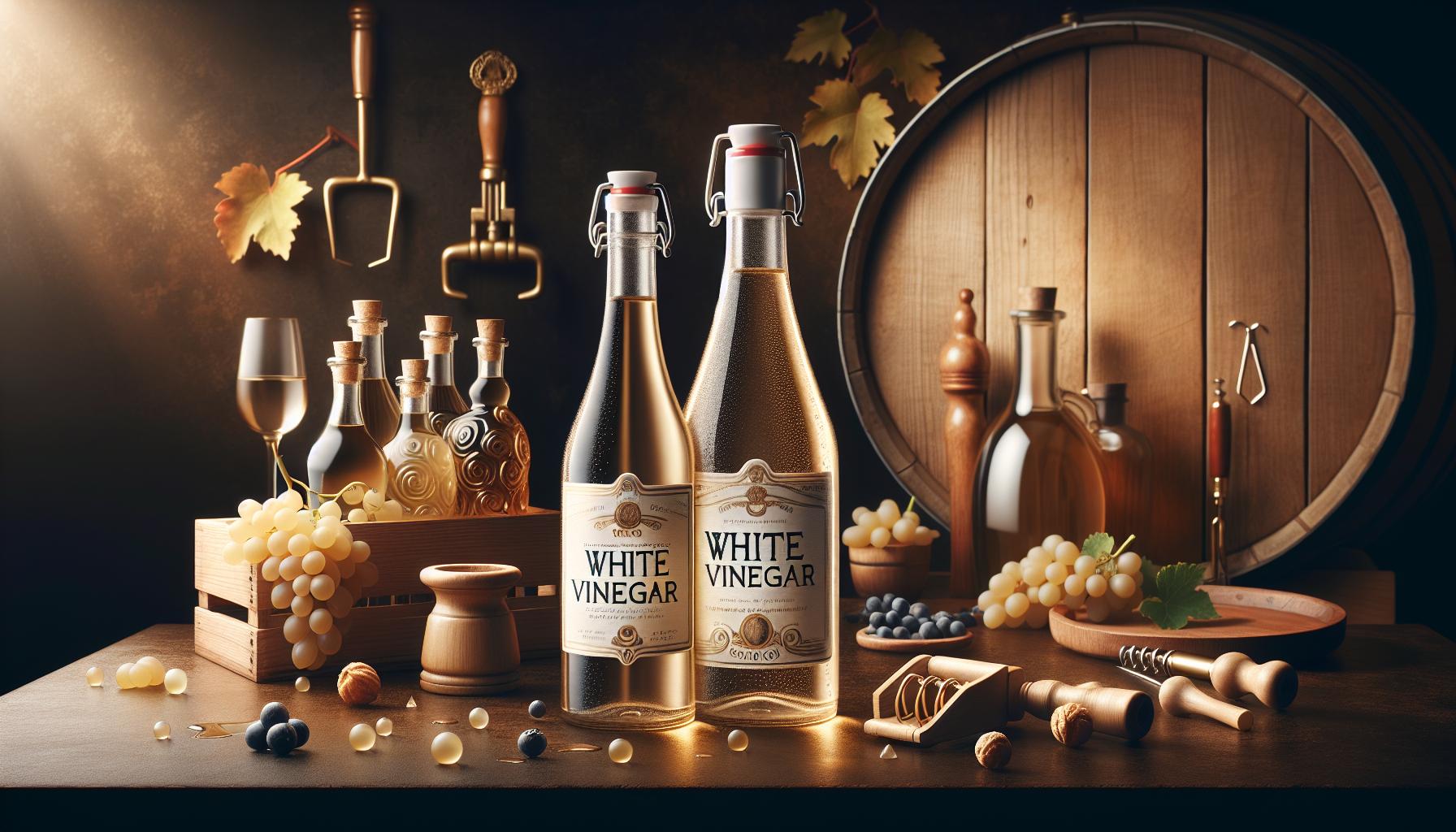
Distinct Flavor Profiles: Understanding the Taste of Each
The world of vinegar is rich and diverse, offering a spectrum of flavors that can profoundly influence culinary creations. When one considers white wine vinegar and white vinegar, the distinction in their flavor profiles can feel like a plunge into the nuances of fine wine tasting. White wine vinegar, born from the fermentation of white wine, carries with it the delicate essence of the varietals that birthed it. This means that every bottle can tell a different story-a Chardonnay might lend a bright, fruity character, while a Sauvignon Blanc could introduce herbaceous notes. It’s this subtle complexity that allows white wine vinegar to enhance dishes without overshadowing their intrinsic flavors.
On the other hand, white vinegar-often distilled from grain alcohol-offers a much sharper, more acerbic punch. Its clean, crisp profile is a culinary powerhouse, excellent for situations where a clean tang is required. Think pickling brines, cleaning solutions, or the stark brightness you seek in dressings that are more assertive. When tasting white vinegar, one might experience immediate acidity that demands attention, yet it lacks the layered intricacies presented by its wine-based counterpart.
When using these vinegars in your kitchen, it’s essential to align their characteristics with the intended culinary application. For a light vinaigrette, white wine vinegar’s nuanced flavors can elevate fresh greens, allowing the natural ingredients to shine. Conversely, for zesty marinades or a quick pickle, white vinegar can deliver the necessary tartness that cuts through richness and revives the palate. Understanding these flavor profiles not only enhances cooking but also fosters a deeper appreciation for the artistry behind each vinegar, transforming everyday meals into remarkable dining experiences.
Crafting Processes: How They Differ in Production
In the world of vinegar, the crafting process is as distinct as the flavors it produces, giving rise to nuanced differences between white wine vinegar and white vinegar. At the core of these two products are their base ingredients and fermentation methods, which ultimately define their characteristics and applications in the kitchen.
White wine vinegar is made through a process that begins with the fermentation of white wine. This intricate procedure utilizes specific strains of acetic acid bacteria, which convert the alcohol in the wine into acetic acid in a controlled environment. Depending on the type of wine used-be it a delicate Chardonnay or a robust Sauvignon Blanc-the resulting vinegar can take on a variety of subtle flavor notes reflective of the original varietal. The entire process can take several weeks to months, during which the vinegar develops its unique aroma and taste profile. Its artisanal production often emphasizes traditional methods, and some producers might even age the vinegar in wooden barrels to impart an additional layer of complexity, enriching its sensory depth.
On the contrary, the production of white vinegar typically involves a more industrial process. This vinegar is often distilled from grain alcohol, sometimes through a rapid fermentation and oxidation process that prioritizes efficiency over flavor depth. The use of highly purified alcohol means that the resulting product boasts a sharp and assertive acidity, which is great for applications requiring strong tang but lacks the nuanced flavor profiles found in its wine-based counterpart. This means that while white vinegar can efficiently serve various culinary and cleaning purposes, it doesn’t possess the same layers of character, making it somewhat less versatile for high-end culinary uses where flavor balance is crucial.
In choosing between these two vinegars, understanding their crafting processes empowers users to make informed decisions that enhance their culinary creations. For delicate salads or sauces needing a hint of sweetness and complexity, white wine vinegar shines. On the other hand, for quick pickling or cleaning tasks requiring a strong acidic bite, white vinegar proves its worth. Both have their rightful places in the culinary arsenal, but their distinct pathways from ingredient to product reveal much about their ultimate uses and appeal.
Culinary Uses: When to Choose Each Type
When considering which vinegar to use in your culinary creations, it’s essential to recognize how each type’s unique attributes can elevate your dishes. The elegance of white wine vinegar and the assertiveness of white vinegar serve specific purposes, enriching your cooking experience while influencing flavor, texture, and technique.
White wine vinegar, with its pleasantly fruity undertones and well-rounded acidity, is a harmonious companion to dishes that crave a touch of sophistication. Imagine drizzling it over a fresh heirloom tomato salad, where its subtle complexities enhance the tomatoes’ sweetness, elevating the entire dish to a realm of pure delight. In vinaigrettes, it pairs beautifully with olive oil, creating a balanced dressing that speaks to the heart of Mediterranean cuisine. Its nuanced profile also makes it ideal for deglazing pans after cooking meats; the resulting sauce will have layers of flavor, reflecting the original wine’s characteristics and bringing depth to the final dish.
On the other hand, when you’re in need of a vinegar that hits with all the punch of a boxer’s jab, white vinegar is your go-to. Its sharp acidity shines through in pickling brines, where it commands attention, preserving vegetables while imparting a clean, invigorating taste. For home canners, this vinegar is essential; its strong flavor ensures that even the most delicate of pickled items maintain their integrity and zest. White vinegar is also fantastic for cleaning and can help refresh everything from fruits and vegetables to kitchen surfaces, showcasing its versatility beyond the plate.
To make informed culinary choices, consider pairing suggestions that highlight each vinegar’s strengths:
Culinary Pairing Suggestions
| White Wine Vinegar | White Vinegar |
|---|---|
| Salad dressings (especially with olive oil) | Pickling cucumbers and radishes |
| Marinades for chicken or fish | Flavoring chutneys or hot sauces |
| Deglaze for sauces with pork or poultry | Cleaning produce or kitchen surfaces |
| Enhancing homemade mayonnaise or aioli | Adding acidity to baked goods (like quick breads) |
Ultimately, your choice between white wine vinegar and white vinegar hinges on the culinary narrative you wish to create. While white wine vinegar brings its charm and complexity, inviting contemplation and appreciation, white vinegar serves as an effective tool for swift, bold flavors. Embrace the versatility of both-delight in the character of white wine vinegar when you want to woo your guests, and rely on the straightforward might of white vinegar when life demands efficiency. Celebrate the dynamic world of vinegars and allow each to find its rightful place in your kitchen adventures.
Nutritional Insights: Health Benefits Explored
Both white wine vinegar and white vinegar, despite their differences in flavor and culinary uses, also present intriguing nutritional benefits that are worth exploring. These vinegars, though often overlooked, can add a dash of healthfulness to your diet in ways that elevate not just your dishes but your overall well-being. The acetic acid found in both types is credited with several health benefits, making them more than mere culinary staples.
Using these vinegars can aid in digestion, as the acetic acid promotes the production of digestive enzymes. Incorporating white wine vinegar into your meals, perhaps as a dressing or a finishing touch, can help stimulate your digestive juices, which may be especially beneficial after a heavy meal. This acid is also believed to have antimicrobial properties, potentially helping to reduce harmful bacteria in the gut. Moreover, the presence of polyphenols-antioxidant compounds found in wine-may also play a role in reducing inflammation and promoting heart health.
In terms of calorie count, both white wine vinegar and white vinegar are appealing choices for those mindful of their caloric intake. They generally contain minimal to no calories, allowing you to enjoy bold flavors without compromising your dietary goals. Using these vinegars as substitutes for higher-calorie options-such as creamy dressings or marinades-can keep your dishes light and health-conscious.
As you explore the realm of vinegars, consider their impact on your plate and your health, transforming simple ingredients into nourishing choices. A drizzle of white wine vinegar over roasted vegetables not only enhances flavor but also can add nutritional value, making your culinary journey as delicious as it is healthful. Embracing these vinegars can enrich your cooking and elevate everyday meals into healthful delights, all while providing a sensory experience that tantalizes the taste buds.
Storage Secrets: Preserving Quality and Freshness
To keep your bottles of white wine vinegar and white vinegar in peak condition and ensure they continue to enhance your culinary creations, proper storage techniques are essential. Much like their complex flavor profiles and production processes, the nuances in storage can significantly affect their quality. These vinegars, while resilient, thrive best when given the right environment, protecting their distinct characteristics and prolonging their shelf life.
Both types of vinegar should be stored in a cool, dark place, away from heat sources and direct sunlight. Exposure to light can alter the flavor and quality, leading to a less vibrant taste. Consider a dedicated pantry or kitchen cupboard for this purpose. Additionally, bottles should be tightly sealed after each use to prevent air from seeping in, which can accelerate oxidation. For white wine vinegar in particular, which boasts a more delicate flavor profile than its white vinegar counterpart, even slight oxidation can lead to a diminished taste and aroma.
When it comes to longevity, a well-stored bottle of white wine vinegar can last indefinitely, thanks to its acidic nature. However, while it may not spoil, it can slowly lose its brightness over time. White vinegar, on the other hand, is equally robust but gets its clarity and sharpness from acetic acid, allowing it to hold up well even as it ages. If you notice changes in color or sediments forming, it’s not necessarily a sign that your vinegar has gone bad; instead, it may just be a natural occurrence due to the fermentation process.
For those who frequently reach for vinegar in their culinary exploits, consider transferring any frequently used vinegar into smaller bottles for daily use. This not only makes it more accessible but also reduces the exposure of the larger bottle to air and light, preserving its quality over time. Enjoy these liquids as more than mere ingredients; treat them like the fine elixirs they are, respecting their journey from vineyard to your table. By investing a little effort into their care, you can ensure that each splash of vinegar remains a vibrant addition to your recipes, igniting flavors that enliven your meals and evoke the rich tapestry of culinary tradition.
Cultural Significance: The Role in Culinary Traditions
The world of vinegar is steeped in rich cultural significance, bringing together traditions, flavors, and histories that span continents and centuries. When we explore the distinct roles of white wine vinegar and white vinegar, we uncover not just their culinary applications, but their deeper connections to the societies that have embraced them. Both vinegar types share a common thread as essential ingredients, yet the subtleties of their uses offer fascinating insights into regional cuisines and practices.
In Mediterranean gastronomy, for instance, white wine vinegar plays a pivotal role in elevating dishes, often featured in vinaigrettes or as a finishing touch over roasted vegetables. This vinegar isn’t merely an ingredient; it’s a reflection of the terroir-the unique environmental conditions and local grape varieties that shape its character. Each bottle encapsulates the essence of vineyards nurtured under the sun of Italy or France, infusing meals with a taste of tradition and meticulous craftsmanship. As a result, it becomes a staple not just for flavor but as a cultural artifact, often passed down through generations alongside cherished family recipes.
Conversely, white vinegar, with its sharper, more acidic profile, occupies a different cultural space, often associated with preservation and ruggedness. Used in pickling and canning, it has been a key player in home cooking and food preservation throughout North America and other regions. This vinegar speaks to a spirit of resourcefulness and a commitment to seasonal eating; when summer’s bounty is preserved for winter meals, it embodies a sense of continuity and respect for nature’s cycles. The craft of pickling itself has evolved into an art form, with communities embracing unique local ingredients that honor their agricultural heritage.
Both vinegars show how food is intertwined with identity, culture, and history. They guide us through the customs and rituals of those who use them, offering a glimpse into daily lives, festivities, and even the mundane aspects of cooking. As we navigate the complex vocabulary of these vinegar worlds, let us appreciate not only the flavors they impart but also the stories they tell-connecting us to the myriad cultures that have embraced them throughout history. Each splash of vinegar brings with it a profound sense of place, revealing that when it comes to culinary traditions, the smallest ingredients often hold the most significant meanings.
Mixology Marvels: Creative Ways to Use Vinegar
Crafting cocktails with vinegar may sound unconventional, but when you consider the depth it can add, you’ll understand why it’s an exciting trend in mixology. Both white wine vinegar and white vinegar offer unique flavors that can elevate your beverage game, transforming simple cocktails into artful concoctions. The key lies in appreciating the nuances of each type and experimenting with them to create drinks that surprise and delight the palate.
Imagine a refreshing spritz where the bright acidity of white wine vinegar enhances the floral notes of elderflower liqueur. Mixing a splash of this vinegar with sparkling water and a hint of fresh herbs like mint or basil results in a sophisticated drink that balances tartness with fragrance. On the other hand, if you’re aiming for something bolder, consider using white vinegar in a tangy shrub, a vinegar-based syrup that can marry beautifully with spirits like gin or bourbon. The vinegar’s sharpness can cut through sweeter elements, providing a harmonious blend that enlivens the entire cocktail experience.
Creative Cocktail Ideas
- Vinegar-Infused Spritz: Combine white wine vinegar, sparkling water, elderflower liqueur, and a few sprigs of fresh mint for a refreshing aperitif.
- Classic Shrub Cocktail: Mix white vinegar with seasonal fruits and sugar to create a shrub, then blend with gin or bourbon and soda for a tangy twist.
- Salty Dog Twist: Incorporate a dash of white wine vinegar into a traditional Salty Dog to add complexity and a surprising depth to the grapefruit and gin base.
Embarking on a journey with vinegar in mixology not only personalizes your cocktails but also opens up discussions about flavor development and the art of balancing acidity. As with any ingredient, the quality of vinegar matters-opt for well-made, organic options when available, and don’t hesitate to taste as you go. You might find that a splash of white wine vinegar brings out the best in your cocktails, creating drinks that tell a story rich in flavor and culture. Embrace the exploration, and you’ll not only impress your guests but also cultivate an appreciation for the subtle complexities vinegar can offer in the world of cocktails.
Common Misconceptions: Debunking Myths Surrounding Vinegars
Understanding the intricacies of vinegar can be a delightful yet daunting journey, especially when it comes to white wine vinegar and white vinegar. One prevalent misconception is that these vinegars are interchangeable, leading many home cooks to miss the unique flavors and applications each offers. White vinegar, known for its sharp acidity and harshness, is often used in pickling and cleaning, while white wine vinegar provides a more nuanced flavor, derived from fermented white wine, making it a splendid addition to dressings, marinades, and light sauces.
Another frequent fallacy surrounds the idea that all vinegar is created equal in terms of health benefits. While both white wine vinegar and white vinegar possess acetic acid, which may aid in digestion and blood sugar management, white wine vinegar is often touted for its potential antioxidant properties due to the polyphenols present in wine. This slight variation in composition not only affects their taste but the nutritional profiles as well; thus, selecting one over the other can be about more than just flavor.
Many also believe that vinegar has an indefinite shelf life and that quality doesn’t matter. However, not all vinegars are created equal; the production process and sourcing of ingredients can significantly influence flavor, aroma, and even health benefits. Premium, organic versions can elevate a culinary creation while cheap, mass-produced options might yield a less satisfying result. The subtleties in production-like aging in wooden barrels versus being chemically created-can lead to profound differences in taste and overall quality.
Embracing these truths about white wine vinegar and white vinegar can enrich your culinary experiences. The next time you reach for a bottle, consider the flavor profile, the intended use in your dish, and the quality of your ingredients. Elevating your cooking starts with these small yet impactful choices in the kitchen, leading to more delicious and healthful outcomes.
Expert Tips: Choosing the Right Vinegar for Your Dish
Choosing the right vinegar can transform a mundane dish into a culinary masterpiece, much like a well-chosen wine pair enhances the dining experience. Understanding the nuances between white wine vinegar and white vinegar is essential for any ambitious cook. While white vinegar’s sharp acidity serves well for cleaning and pickling, white wine vinegar offers a more subtle complexity that can elevate dressings and sauces, inviting a depth of flavor that’s both delightful and sophisticated.
When deciding between the two, consider the dish you are preparing and the role that vinegar will play. For vinaigrettes or light sauces, white wine vinegar adds a gentle acidity with floral notes, harmonizing beautifully with olive oil and fresh herbs. Its delicate flavor profile complements rather than overpowers other ingredients, making it perfect for gourmet salads or drizzling over grilled vegetables. In contrast, you might reach for white vinegar when you want to achieve a punchier taste; its potent sharpness is ideal for pickling vegetables or crafting a robust marinade infused with your favorite spices.
Understanding Flavor Pairings
Think of vinegar as a supporting actress on the culinary stage, enhancing the leading flavors of a dish. If you’re creating a classic French vinaigrette, use white wine vinegar to add that coveted brightness that plays well with shallots and mustard. Alternatively, when making a hearty stock or sauce where you desire a stronger acidic kick to cut through fat, white vinegar comes into its own.
Additionally, don’t underestimate the role of quality in your vinegar choice. Opting for organic or artisanal varieties of either type can significantly enhance the taste and health benefits of your dishes. Higher quality vinegars often retain more of the nuanced flavors and beneficial compounds that are lost in mass-produced versions. Both white wine vinegar and white vinegar can be excellent additions to your pantry, but their different flavor profiles can impact the overall experience of your meals.
In culinary exploration, the right choice of vinegar is a chance to engage with the essence of the ingredients at hand, drawing out their best qualities and creating a symphony of taste on the palate. So next time you’re at the grocery store, take a moment to appreciate the bottles lined up on the shelf; each one holds the potential to transform your next meal into something extraordinary.
Sustainability and Sourcing: Ethical Considerations in Vinegar Production
In an increasingly conscientious world, the sourcing and production of our culinary ingredients have become paramount in discussions about sustainability. Vinegar, though often overlooked, plays a significant role in the culinary landscape, and understanding its production can illuminate the broader ethical considerations within food sourcing. The processes that yield both white wine vinegar and white vinegar bring varying environmental impacts, reflecting the broader practices of the agricultural and food production industries.
When considering white wine vinegar, it’s crucial to recognize that its primary ingredient is wine, typically produced from carefully cultivated grapes. Sustainable viticulture practices, such as organic farming, biodynamic methods, and integrated pest management, have a resounding effect on the quality and integrity of the final product. Many small-scale producers focus on sustainable grape-growing techniques, which not only enhance the flavor of the wine but also offer a lower carbon footprint, respecting the land and the ecosystem. This holistic approach fosters greater biodiversity, protects water sources, and mitigates the adverse effects of conventional farming, which often relies on synthetic chemicals.
On the other hand, white vinegar, commonly derived from grain alcohol, often involves mass production methods that may not prioritize sustainability. The grains used can come from monocrop farming systems, which deplete soil health and biodiversity. Consumers can seek out brands that prioritize organic and non-GMO grains or those that commit to sustainable practices in their production processes. Some brands are now adopting closed-loop systems, where waste products are reused, reducing overall environmental impact, and promoting resource efficiency.
As we engage with these vinegars in our kitchens, it’s worthwhile to reflect on the roots of our ingredients. Choosing artisanal or certified organic options not only elevates the dining experience with enhanced flavors and quality but also supports ethical farming practices that respect both the environment and the communities involved. By making informed decisions, we can champion sustainability in every bottle, enriching our meals while fostering a healthier planet.
Faq
Q: Is white wine vinegar the same as white vinegar?
A: No, white wine vinegar and white vinegar are not the same. White wine vinegar is made from fermented white wine, giving it a milder and more complex flavor. In contrast, white vinegar is acetic acid diluted with water and has a sharper taste, often used for cleaning and pickling.
Q: What are the key differences between white wine vinegar and white vinegar?
A: The key differences lie in their flavor profiles and uses. White wine vinegar has a fruity, nuanced flavor that enhances salad dressings and marinades. White vinegar is more acidic and is commonly used for pickling, baking, and cleaning.
Q: Can I substitute white vinegar for white wine vinegar in recipes?
A: While you can substitute white vinegar for white wine vinegar, it may alter the dish’s flavor. To mimic the taste of white wine vinegar, dilute white vinegar with a small amount of water or add a splash of water and a touch of sugar to balance its acidity.
Q: When should I use white wine vinegar instead of white vinegar?
A: Use white wine vinegar when preparing dishes that benefit from a subtler flavor, such as vinaigrettes or sauces. Opt for white vinegar in recipes where a strong acidity and sharpness are needed, like for pickling vegetables or making marinades.
Q: Is white wine vinegar healthier than white vinegar?
A: White wine vinegar contains trace nutrients and antioxidants derived from the fermentation of wine, whereas white vinegar is primarily acetic acid with minimal nutrients. Both can be included in a healthy diet, but white wine vinegar may offer slight additional benefits due to its origins.
Q: What flavors does white wine vinegar add to dishes?
A: White wine vinegar adds a light, fruity acidity and depth to dishes. It enhances flavors in salads, marinades, and sauces, making it a versatile ingredient for gourmet cooking and everyday meals.
Q: How should I store white wine vinegar?
A: Store white wine vinegar in a cool, dark place away from direct sunlight, ensuring the lid is tightly sealed. Proper storage helps maintain its flavor and quality over time.
Q: Can white vinegar and white wine vinegar be used interchangeably in cooking?
A: They can be used interchangeably in some recipes, but be mindful of the flavor impact. White wine vinegar is milder and sweeter, while white vinegar is more potent and can overwhelm the dish if not adjusted properly.
In Conclusion
In navigating the nuanced world of vinegars, understanding the distinct qualities of white wine vinegar versus white vinegar is crucial for enhancing your culinary creations. While both serve essential roles in the kitchen, their flavor profiles, acidity levels, and culinary applications can dramatically alter your dishes. If you’re intrigued to explore further, consider diving into our articles on “Creative Recipes with White Wine Vinegar” and “The Science Behind Vinegar Fermentation” to deepen your knowledge and culinary skills.
Don’t miss out on future insights that can elevate your cooking! Subscribe to our newsletter for more tips, or check out our product recommendations for the best vinegars on the market. Your exploration of flavors doesn’t have to stop here-engage with our community by sharing your favorite vinegar recipes or experiences in the comments below. Remember, the world of vinegar is as rich and layered as a fine wine; embrace the journey, and let your taste buds lead the way!


