

Nestled in the heart of Northern California, Sonoma County is a treasure trove of over 400 wineries, each telling a unique story through its vines. As you sip a glass of Pinot Noir or swirl a Cabernet Sauvignon, you’re not just tasting wine; you’re partaking in a rich tapestry of culture, history, and artistry that has been cultivated for generations. Understanding the sheer number of wineries and their distinctive characteristics can be overwhelming for both seasoned oenophiles and curious newcomers alike.
In this ultimate wine map, we aim to guide you through Sonoma’s splendid landscape of vineyards, where every bottle holds the promise of adventure and discovery. Whether you’re planning a leisurely afternoon of tastings or mapping out a weekend getaway, knowing how many wineries grace this lush region will enhance your experience and help you navigate your choices. So pour a glass, settle in, and let’s explore the boundless world of wine that Sonoma County has to offer.
How Many Wineries Are There in Sonoma County?
Sonoma County boasts a rich wine heritage, home to more than 400 wineries, each narrating its own story through every bottle produced. This impressive number can seem daunting, yet it represents an extensive tapestry of vineyards that span diverse landscapes, climates, and varietals. One of the unique characteristics of Sonoma is the sheer range of experiences available-from grand estates to charming family-run wineries, each offering a distinct flavor of Sonoma’s winemaking tradition.
When exploring the array of wineries, you’ll encounter distinct styles and approaches that vary widely even in proximity. For instance, many Sonoma wineries are renowned for their commitment to sustainable practices and organic farming, fostering a deep connection between the land and the wine crafted. The region excels in varietals such as Pinot Noir, Chardonnay, and Zinfandel, with each winery often specializing in a unique blend or signature style that captures its essence.
Visitors might consider venturing off the beaten path to lesser-known vineyards that embody the spirit of Sonoma County’s winemaking philosophy. Engaging with the owners, many of whom still work tirelessly in the tasting rooms, provides not just insights but also a personal touch that large, commercial wineries may lack. This connection enhances the tasting experience, encouraging wine enthusiasts to discover and appreciate the nuanced characteristics of each vintage.
With such an abundance of wineries, thoughtful planning can lead to unforgettable encounters and delightful discoveries. Taking the time to explore Sonoma’s wine map reveals a world waiting to be tasted, inviting everyone to become a part of its flourishing wine culture.
Discovering the Richness of Sonoma’s Wine Regions
Among the many delights that Sonoma County offers, its diverse wine regions shine brightly, showcasing the inherent richness of this celebrated locale. Nestled between the rugged coastlines and verdant hills lies a landscape intricately woven with over 400 wineries, each distinct yet part of the shared tapestry of Sonoma’s wine culture. As you venture through the hills and valleys, you’ll find a delightful variance in climate and topography, which not only shapes the wines produced here but also the experiences available for visitors.
Imagine standing amidst the expansive vineyards, where soft breezes carry the mingling scents of blooming wildflowers and sun-ripened grapes. Each winery reflects its terroir, making it essential to explore the nuances by traversing the different regions, such as the cool-climate Russian River Valley, known for its luscious Pinot Noir and Chardonnay, or the sun-soaked Dry Creek Valley, celebrated for robust Zinfandels. Here, you’ll encounter both grand estates and intimate family-run wineries, each offering distinctive narratives and wines that reflect their unique settings.
True exploration of Sonoma’s wine regions often requires stepping off the well-beaten path. Some of the most memorable discoveries happen in the smaller, lesser-known wineries, where visitors can engage directly with knowledgeable owners and winemakers. This connection fosters a deeper appreciation for the wine and the passion behind its creation; anecdotes about the land and meticulous crafting of each vintage transform tastings into intimate storytelling sessions, turning a simple sip into a shared experience.
As you navigate this wine-rich landscape, consider adopting a flexible itinerary that allows serendipity to guide your exploration. While having a plan is useful, leaving space for unexpected finds-whether it’s a delightful new varietal or an inviting picnic spot amid the vines-can yield the most extraordinary experiences. Remember, in Sonoma, the beauty lies not just in the well-known labels but in the rich stories of people and places waiting to be uncovered in every bottle.
A Deep Dive into Signature Sonoma Varietals
In the vast mosaic of Sonoma County’s wine offerings, certain varietals have emerged not just as local champions but as hallmarks of the region’s unique climate and soil. Among the over 400 wineries dotting this picturesque landscape, a deep exploration reveals that wines such as Pinot Noir, Chardonnay, and Zinfandel transcend mere categories; they tell the stories of the land, its history, and its people.
Pinot Noir, widely regarded as one of Sonoma’s flagship varietals, flourishes in the cooler microclimates of the Russian River Valley. This grape is notorious for its sensitivity to its environment, meaning that the nuances of each batch can differ dramatically from one vineyard to the next. When approaching a glass of Sonoma Pinot Noir, expect an elegant medley of bright red fruits, earthy undertones, and sometimes, a whisper of spice. The wines often exhibit a finesse that invites contemplation and conversation-a true testament to the winemaker’s art and the land’s personality.
In contrast, the lush Chardonnay of Sonoma often captures the imagination with its versatility. From the vibrant and fruit-forward expressions found in the Russian River Valley to the more restrained, mineral-driven styles of the Sonoma Coast, Chardonnay reveals itself in myriad forms. Sample a glass of barrel-fermented Chardonnay to experience the richness that comes from malolactic fermentation-a process that softens the wine’s acidity and adds creamy, buttery notes. This complexity harmonizes beautifully with seafood or creamy dishes, creating dining experiences that linger in memory.
Meanwhile, Zinfandel tells a different story, often dubbed the “heritage grape” of California. Thriving in the warm, sun-drenched valleys like Dry Creek, Zinfandel boasts bold, jammy fruit profiles with higher alcohol content and an array of spice notes, making it a favorite for barbecue pairings. The grape’s remarkable adaptability has led to colorful tales of winemaking across generations. When you sip a Sonoma Zinfandel, you’re not just enjoying a glass of wine; you’re partaking in a narrative-of rich soils and seasoned vines that have weathered both time and trial to deliver something truly special.
Embracing these varietals during your wine exploration in Sonoma not only heightens your tasting experience but allows you to connect deeply with the region’s rich viticultural heritage. Each varietal embodies its own story, waiting to unfold with every pour, inviting wine lovers to engage not merely as consumers but as explorers of the sensory and historical tapestry that defines Sonoma County. Whether you find yourself in a grand estate or a small family-run winery, take the time to appreciate the distinctive characteristics these varietals offer, and let the moments linger long after the last sip.
The Cultural History Behind Sonoma Wineries
The tapestry of Sonoma County’s winery culture is woven with stories of innovation, perseverance, and deep-rooted traditions that date back to the early days of viticulture in California. In 1825, the first grapevines were planted in Sonoma by the Spanish missionaries, marking a pivotal moment that would shape not only the local economy but also the social fabric of the region. The early settlers recognized the area’s potential for wine production, and their legacy remains evident today, as the region has blossomed into one of the premier wine destinations in the world.
Each of the over 400 wineries in Sonoma County carries a narrative, whether it be the story of a family-run vineyard passed down through generations or a new, innovative enterprise breaking conventional barriers. Many of these wineries stand as monuments to the cultural and historical interplay between the land and its people, showcasing how winemaking methods have evolved over time. Traditional practices coexist with modern techniques, revealing a landscape that embraces both the wisdom of the past and the excitement of new approaches. For instance, some wineries are now incorporating sustainable practices and organic farming methods, which not only honor the land but also cater to the evolving preferences of environmentally-conscious consumers.
Wine in Sonoma is more than just a beverage; it’s a reflection of the region’s multicultural influences. The German, Italian, and French immigrants who settled in Sonoma during the 19th century brought their own winemaking traditions, shaping local styles and varietals. This confluence of cultures has led to a rich mosaic of wines, each offering a glimpse into the region’s diverse heritage. The sense of place-terroir-infuses every bottle with notes that tell of the soil, climate, and carefully crafted techniques unique to each winery. Visitors are invited to engage with these stories, not merely as wine consumers but as participants in a living history that enhances their tasting experience.
Engaging with Sonoma’s wineries is akin to stepping into a living museum where each sip invites contemplation. As you wander through the vineyards and taste the wines, consider the rich tapestry of history that unfolds with every glass-inspiring not only appreciation for the craftsmanship involved but also a deeper connection to the land and the community that sustains it. Each winery’s unique narrative enriches the overall experience, offering not just a journey through flavors but an exploration of Sonoma’s cultural heritage, making your wine tour both an educational and sensory adventure.
Exploring the Terroir: What Makes Sonoma Unique?
The distinctiveness of Sonoma’s winemaking can be traced back to its diverse terroir, shaped by an array of environmental factors that work in harmony to produce exceptional wines. From the rolling hills to the coastal influences, Sonoma County boasts a rich tapestry of landscapes that create microclimates, enabling the cultivation of a multitude of grape varietals. This geographical variety is essential, as it allows vintners to select precisely the right location for each type of grape, enhancing complexity and flavor profiles in their wines.
Soil composition is equally vital; the varied types of soil across Sonoma-from sandy loam to volcanic ash-impart unique characteristics to the grapes grown within them. For example, the esteemed Cabernet Sauvignon tends to thrive in the rocky, well-drained soils of the Alexander Valley, where it develops bold flavors and robust tannins. In contrast, Pinot Noir flourishes in the cooler coastal areas like the Russian River Valley, resulting in wines with fruit-forward profiles and a nuanced elegance. Exploring the interaction between grape varietals, soil, and climate illustrates the profound impact of terroir on the finished product.
Engaging with a selection of Sonoma wines is not just about savoring flavors; it’s a sensual journey that reflects the identity of the land and people. Each sip tells a story of the sun-soaked days and cool nights that grapes have endured, and of skilled artisans who meticulously nurture them. Take, for example, the beautiful interplay of fog and sunshine in the Sonoma Coast region, which fosters vibrant acidity in wines, leading to crisp whites and harmonious reds. This climatic duality invites wine lovers to experience the juxtaposition of bright fruitiness and balanced structure, defining the characters of many Sonoma wines.
As you explore Sonoma’s rich wine offerings, consider visiting smaller, family-owned wineries to gain a deeper appreciation for the individual tales behind each bottle. The personal touch that these winemakers bring to their craft often reflects a deep respect for the land and its history, making every visit a unique and enriching experience. Whether you find yourself amid the rustic charm of a vineyard or enjoying the sophisticated atmosphere of a tasting room, each encounter with Sonoma’s wine culture enhances your understanding of what makes this region so special-where each bottle is not merely a drink, but a vessel of history, passion, and artistry.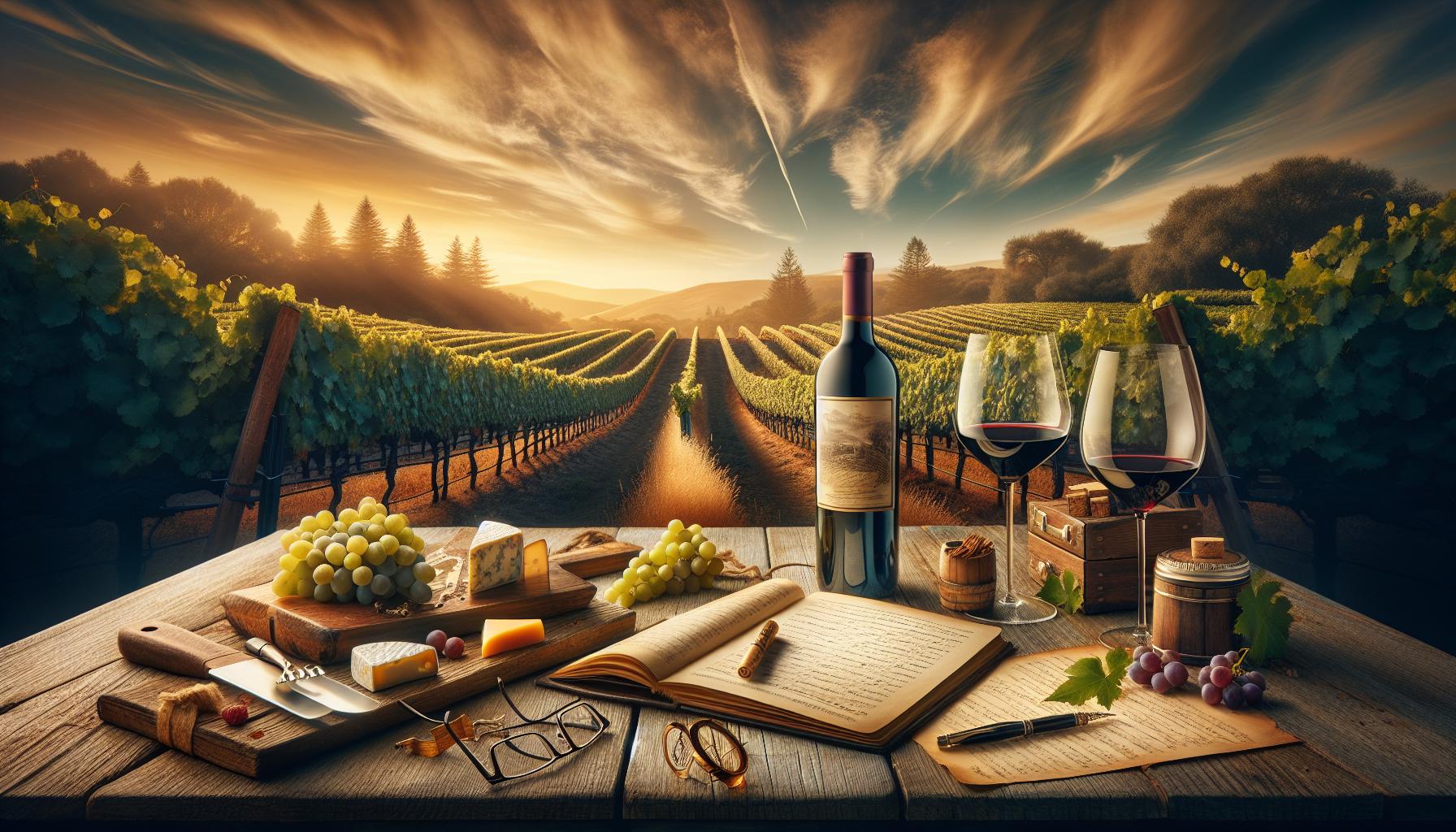
Understanding Winery Types: Family-Owned vs. Commercial
The enchanting world of Sonoma County wineries is as diverse as the wines themselves, divided primarily into two distinct categories: family-owned and commercial. As you explore wine tasting in this vibrant region, discerning the differences between these two types of wineries will enhance your experience, allowing you to connect more deeply with the stories behind the bottles.
Family-owned wineries are often steeped in personal history and dedication. Many of these establishments are run by generations of families who have cultivated their land and honed their craft over decades. Visitors to these wineries frequently share in intimate tasting experiences hosted by the very individuals who harvest the grapes and produce the wine. This personal touch can be felt in the carefully curated atmospheres, where each wine reflects family traditions, local terroir, and unique growing techniques. You might find the owners proud to share their stories-perhaps about the beloved vines planted by grandparents or a quirky winemaking method passed down through generations. Such encounters create a warm, inviting environment that often leads to memorable connections, not just with the wine, but with the people behind it.
In contrast, commercial wineries tend to operate at a larger scale, often focusing on mass production to cater to broader markets. While they may offer a wide array of wines and sophisticated facilities, the experience can sometimes feel less personal. That said, the advantage of visiting commercial wineries lies in their resources-many feature state-of-the-art tasting rooms, extensive vineyards, and polished tour experiences. Larger operations may also invest more heavily in marketing, which can lead to innovative wine styles and techniques, particularly as they adapt to trends in the market. In these settings, you may be introduced to professional staff well-versed in the technical aspects of winemaking, pulling back the curtain on processes like fermentation or barrel aging.
Regardless of where your preferences lie, both family-owned and commercial wineries contribute invaluable diversity to Sonoma’s bustling wine scene. If you seek personal stories and an artisanal touch, family-run estates will captivate you. Conversely, if you are curious about the innovation and broad accessibility of wine cultures, commercial wineries are a treasure trove of knowledge and experience. Consider diving into both worlds during your visit; each offers a different lens through which to enjoy and appreciate the remarkable wine heritage of Sonoma County, a place where every bottle has a story worth savoring.
The Impact of Sustainable Practices on Sonoma Vineyards
When visiting Sonoma County, the emergence of sustainable practices in winemaking is as captivating as the wines themselves. As more wineries strive to blend artistry with responsibility, a significant movement has taken root, establishing Sonoma as a leader in eco-friendly viticulture. Many wineries now embrace organic and biodynamic farming methods, minimizing pesticide use and promoting soil health, which ultimately enhances the quality of the grapes and, consequently, the wines. This commitment to sustainability not only cultivates the land for future generations but also resonates deeply with conscientious consumers seeking to reduce their environmental footprint.
The organic certification process varies but generally emphasizes the use of natural methods over synthetic chemicals. Sustainable practices go beyond just farming-wineries are increasingly implementing energy-efficient technologies, water conservation techniques, and waste reduction programs. For example, numerous estates are harnessing solar energy, creating a cycle of sustainability that significantly reduces their carbon footprint while lowering operating costs. In addition, vineyard owners often engage in habitat restoration projects, promoting biodiversity by preserving local flora and fauna. These initiatives showcase a holistic approach to winemaking, reflecting a deep respect for the local ecosystem.
Moreover, sustainable practices can enhance the sensory experience of wine tasting. Grapes grown in organic conditions tend to express the unique terroir more vividly, revealing the intricate flavors and aromas that define each specific vineyard. When you sip a wine produced sustainably, you’re not only enjoying a product that embodies quality and care but also connecting with the land and its heritage in a meaningful way. Many wineries proudly share these stories during tastings, allowing visitors to appreciate the full narrative behind the bottle.
In navigating Sonoma’s bounty, you’ll find that sustainability does not just end in the vineyard; it extends into the tasting room. Forward-thinking wineries are keen to educate their guests about the importance of sustainable practices, often employing eco-conscious materials and practices in their hospitality. When planning your visit, consider seeking out those establishments that prioritize sustainability, as they offer an enriching experience that harmonizes winemaking with environmental stewardship. By choosing sustainable wineries, you become part of a growing community that values quality, integrity, and a shared commitment to our planet’s health.
Top Wine Trails to Navigate in Sonoma County
Exploring Sonoma County’s wine trails is a delightful journey through a landscape rich in viticultural history and stunning scenery. With over 400 wineries, it’s important to map your route wisely to experience the diversity that Sonoma offers. Each wine trail has its unique charm, showcasing different varietals and winemaking philosophies. Whether you are a seasoned sommelier or a curious novice, these trails provide both exploration and education, revealing why Sonoma County is celebrated as one of California’s premier wine regions.
One of the must-visit routes is the Sonoma Valley Wine Trail, an iconic pathway that blends historical vineyards with modern wineries. Here, you can delve into the legacy of Zinfandel and Cabernet Sauvignon while soaking in the breathtaking views of rolling hills and lush vineyards. Notable stops include Ravenswood Winery, famous for its bold Zinfandels, where the knowledgeable staff can share the intricacies of the winemaking process and the story of the land.
Head over to the Russian River Valley for a different experience, characterized by its cooler climate that is ideal for Pinot Noir and Chardonnay. This trail is renowned for its intimate tasting rooms, where you are likely to engage deeply with the winemakers. Many of them offer limited-production wines that encapsulate the essence of the terroir, inviting you to savor the nuances that define Russian River’s wines. As you wind through this picturesque region, take a moment to appreciate the stunning landscapes, including ancient redwoods and scenic rivers.
In addition to these trails, consider the Dry Creek Valley, a hidden gem known for its artisanal wineries and sustainable practices. This is where the community shines, with many family-owned wineries committed to organic and biodynamic farming. Here, you can taste exceptional Sauvignon Blanc and old-vine Zinfandel, often paired with gourmet local foods. Participating in a tasting session at Fritz Underground Winery, for instance, allows you to savor wines crafted with a deep respect for the environment and tradition.
As you navigate these trails, remember to pace yourself. Engaging with the wines and the stories behind them is just as essential as the tasting itself. Sharing a conversation with knowledgeable staff can enrich your experience, revealing the subtleties in flavor and the dedication involved in each bottle. Take your time to explore the art of winemaking, and don’t hesitate to ask questions-you might just uncover a new favorite label or style that resonates with your palate.
A well-planned journey through Sonoma’s wine trails not only enhances your appreciation for wine but also connects you to the land, its people, and their shared passion for producing exquisite wines. As you sip your way through this remarkable region, you’ll find that each winery has a story that adds layers to your own wine experience, making every visit a memorable chapter in your exploration of Sonoma County.
Wine Tasting Etiquette: Making the Most of Your Visits
Embarking on a journey through Sonoma County’s wineries goes beyond merely sampling excellent wines; it is an opportunity to immerse oneself in the rich tapestry of history, culture, and craft that each pour represents. Whether you’re a seasoned enthusiast or a newcomer, understanding the nuances of wine tasting etiquette can transform your experience from good to great. Start by adopting a genuine curiosity about the wines you encounter. Ask questions, not only about the varietals but also about the stories of the land and the makers behind each bottle. This engagement fosters a deeper connection, turning a simple tasting into an enriching dialogue.
When it comes to the technicalities of tasting, approach with an open yet discerning mind. Begin by observing the wine’s appearance, noting the color and clarity. Swirl the glass gently to release its aromas, giving a good sniff before taking that first sip. Allow the wine to linger on your palate, noting its flavors and the sensations it evokes. Each sip is like a fleeting moment in time, a snapshot of the land and labor that brought it to fruition. Remember, tasting is not a race; savoring the wine and the surroundings allows for a more profound appreciation of what Sonoma has to offer.
In terms of dress code and demeanor, embrace a relaxed but respectful approach. Many tasting rooms encourage a casual atmosphere, yet being polished and presentable shows appreciation for the experience and the space. Avoid overly strong fragrances that might interfere with the olfactory delights of the wines. Additionally, maintain a friendly and open demeanor to invite conversations with staff and fellow tasters. Engaging with others can lead to shared insights and delightful discoveries.
Finally, consider the impact of your visit beyond just the immediate experience. Supporting family-owned and sustainable wineries, for instance, creates a positive ripple effect in the community. Take time to reflect on the stories and practices you’ve encountered, deciding to perhaps purchase a bottle or two not just for personal enjoyment but as a gesture of support for the artisans who pour their heart into their work. By blending respect, enthusiasm, and responsibility, your visits to Sonoma’s diverse wineries can cultivate memorable experiences that extend well beyond the tasting room, deepening your connection to this extraordinary wine region.
Seasonal Events and Festivals in Sonoma Wineries
As the seasons gently unfold across Sonoma County, the wineries come alive with celebrations that elevate the art of winemaking to new heights. Each season is marked by festivals and events that not only showcase the region’s exquisite wines but also highlight its vibrant culture and community spirit. Winter, spring, summer, and fall all bring unique opportunities to immerse oneself in the beauty of this wine paradise.
In the spring, events like the Sonoma County Harvest Fair launch the season with vibrant activities that celebrate local culture and culinary delights. Visitors can indulge in tastings, live music, and even chef demonstrations, all while enjoying the picturesque vineyard landscapes awakening from winter slumber. Summer is bustling, with Music in the Vineyards providing a perfect backdrop to sip rosé while enjoying live performances among the grapes. The long evenings are ideal for outdoor picnics, sunset tastings, and mingling with winemakers who share stories of their craft.
Autumn in Sonoma is nothing short of magical as the grape harvest reaches its peak. The Crush Festival draws countless wine lovers eager to participate in the excitement of grape picking, stomping, and sampling new vintages straight from the barrel. It’s a time of celebration, where wineries open their doors wider and share the bounty of their labor. The fall foliage adds a splendid view, creating a picturesque setting that enhances the experience.
Even in the depths of winter, the wineries do not hibernate. Events such as Pinot Noir Celebration or cozy fireside tastings keep the spirit warm and lively. It’s the perfect time to explore intimate tastings and food pairings that celebrate the richness of the varietals, as well as incredibly curated experiences that invite guests to learn about the winemaking process.
Whether you are a seasoned oenophile or a curious newcomer, participating in these seasonal events enriches the experience of tasting wine in Sonoma County. Engage with the land, savor the flavors, and connect with fellow wine enthusiasts to create lasting memories amidst the stunning vineyards.
Tips for Planning a Memorable Wine Tour in Sonoma
When venturing into Sonoma County, home to over 500 stunning wineries, strategic planning transforms a simple trip into an unforgettable exploration of flavor and culture. The first step in crafting your ideal wine tour is establishing a personal theme or focus. Do you gravitate towards smaller, family-owned wineries where you can engage deeply with passionate winemakers, or are you drawn to the elegance and innovation found in larger estates? Sonoma offers a rich tapestry of options, each with its own unique stories and tasting experiences waiting to be uncovered.
As you chart your path through the vine-laden landscapes, consider the geography of the wine country. Each valley, from the cool Russian River to the sun-kissed Dry Creek, presents distinct terroirs that influence the varietals. Think of the experience as a journey through diverse microclimates-an afternoon spent tasting zinfandels in Dry Creek might be followed by a graceful pinot noir from the Russian River, revealing the intricate layers of flavor that the region produces. It’s not just about the wine; it’s a chance to immerse in Sonoma’s exquisite environmental variances that play a significant role in winemaking.
Be sure to include time for frequent stops at places that savor not only the wine but the local culinary scene. Many wineries offer delightful pairings with artisanal cheeses or gourmet bites, elevating your tasting experience beyond the glass. Look for venues that host special events, such as vineyard walks, blending workshops, or seasonal festivals, and check to see if reservations are needed-they can fill up quickly! These immersive experiences invite you to savor every moment, creating layers of memory as rich as the wine.
Finally, pace yourself. With each sip and swirl, allow the subtleties of the wine and the essence of the region to wash over you. Engaging with the landscape, conversing with locals, and taking in the stunning views are all elements that contribute to a deeply fulfilling experience. Whether you’re sharing laughter with friends or reflecting on the day while watching the sun dip behind the hills, Sonoma’s woven narrative of artistry, community, and nature invites you to linger. Remember, this journey through wine is as personal as the bottle you choose to uncork-savor each sip, and let the wine transport you to the heart of Sonoma County.
Q&A
Q: How many wineries are in Sonoma County?
A: Sonoma County is home to approximately 425 wineries. This diverse region is known for its rich viticultural history and a wide variety of wine styles, making it an ideal destination for wine enthusiasts. Explore the full range on your wine map to experience the unique flavors each winery offers.
Q: What types of wines can I find in Sonoma County?
A: Sonoma County specializes in a variety of wines, including Zinfandel, Chardonnay, Pinot Noir, and Cabernet Sauvignon. Each varietal reflects the region’s diverse microclimates and terroirs. Use your wine map to identify wineries that focus on the styles that pique your interest.
Q: Are there any historical wineries in Sonoma County?
A: Yes, Sonoma County is home to several historical wineries, some dating back to the 1800s. Notable examples include Ravenswood Winery and Sonoma Valley’s historic wineries, which provide a glimpse into the region’s rich wine-making heritage. Check your wine map for these iconic locations!
Q: How can I plan a winery tour in Sonoma County?
A: To plan a successful winery tour in Sonoma County, start by identifying your preferred wine styles and regions. Use your wine map to cluster wineries close together for easier travel. Many wineries offer guided tours and tastings, so make appointments in advance for a seamless experience.
Q: When is the best time to visit Sonoma County wineries?
A: The best time to visit Sonoma County is during the harvest season from late summer to early fall, typically from August to October. This season offers vibrant colors and numerous wine events. Using a wine map can help you navigate to harvest activities and special tastings.
Q: Are there winery events I can attend in Sonoma County?
A: Yes, Sonoma County hosts various winery events throughout the year, including wine tastings, food pairings, and festivals like Sonoma County Harvest Fair. Be sure to check the calendar of events at wineries listed on your wine map and book in advance for popular gatherings.
Q: How do I choose the best wineries to visit in Sonoma County?
A: To choose the best wineries, consider factors such as wine varieties, amenities, and visitor experiences. Reading reviews and checking listings on your wine map for awards or unique experiences can help you gather the information needed to select the wineries that match your preferences.
Q: Can I visit Sonoma County wineries without reservations?
A: While some Sonoma County wineries welcome walk-in visitors, many require or recommend reservations, especially during peak seasons. To ensure an enjoyable experience, it’s best to check in advance and make reservations through your wine map or directly with the winery.
The Way Forward
Can you feel the anticipation bubbling up as you consider a journey through Sonoma County’s sprawling vineyards? We’ve unveiled the enchanting count of wineries for you, each a gateway to unique flavors and stories waiting to be savored. But why stop here? Dive deeper into the world of wine with our guides on wine tasting tips, or explore the essence of terroir and winemaking traditions in our related articles.
Join our community of wine lovers by signing up for our newsletter, ensuring you never miss a pour of expert insights or exclusive content. Whether you’re planning your next visit or simply wish to indulge your curiosity from afar, let your adventure in wine continue. From the rolling hills to the tasting rooms, each sip is a chance to connect with culture, history, and the joyful spirit of Sonoma. Cheers to discovering the next chapter in your wine odyssey!
Get our latest guides, news, and insights highlighted in your Google Search & AI Overviews.


