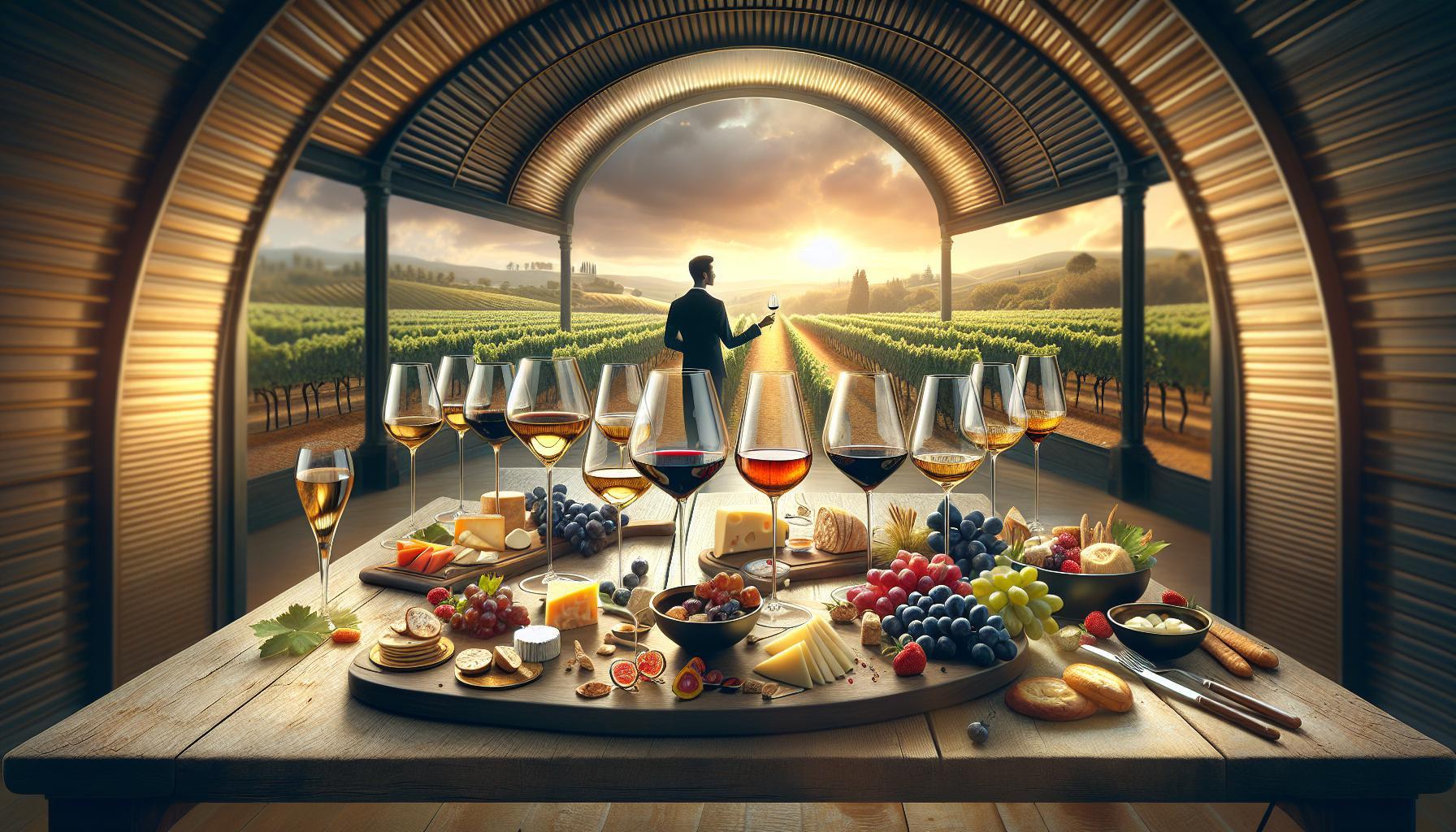
Visiting a winery often conjures images of wine-tasting flights and grape-infused revelry, but what if you don’t drink? Fear not-the winery experience is rich with opportunities that transcend the glass. From vineyard tours that tell the story of the land to culinary delights served in charming settings, there’s a world waiting to be explored beyond wine bottles.
For those preferring non-alcoholic pursuits, engaging with the intricate processes of winemaking, savoring artisanal food pairings, or reveling in a tranquil landscape can be equally rewarding. Wine culture, steeped in history and community, offers a window into the artistry that brings people together. So, step beyond the notion that tasting is the only way to enjoy; discover how to connect with the artistry of wineries without ever sipping a drop.
Join us as we delve into the myriad enriching experiences awaiting in the vineyard-a celebration of nature, culture, and the human spirit that makes each visit unique.
What to Expect at a Winery Without Drinking
At a winery, the experience transcends merely sipping on fine vintages; it’s a tapestry woven with rich histories, stunning landscapes, and a community that celebrates the art of viticulture. For those who choose not to partake in alcohol, a visit to a winery can still be a fulfilling and memorable adventure. Imagine strolling through lush vineyards, where the air is perfumed with the scent of ripe grapes and fresh earth, while engaging your senses in the surroundings rather than the glass. Wineries often have striking architecture, and the serene beauty of the countryside provides an idyllic backdrop for leisurely exploration.
While the centerpiece of a winery is often the wine itself, many establishments offer a range of activities that cater to all visitors. Engaging with knowledgeable staff can turn your outing into an educational experience, as they often share stories of the land and its winemaking legacy. Participate in vineyard tours to learn how the terroir influences each grape variety’s character-this is an insight into the passion and patience behind each bottle. Furthermore, many wineries are embracing the non-alcoholic trend by crafting exquisite grape juices or non-alcoholic versions of their wines. These options allow you to enjoy similar tasting notes and the overall vibe of a wine tasting without the alcohol content.
The ambiance at wineries often reflects a commitment to create an inviting and inclusive atmosphere. Many feature outdoor spaces, with picnic areas where you can relax and enjoy the landscape. Some even host cultural events or live music, transforming the winery into a vibrant gathering place for locals and tourists alike. Connecting with people who share your appreciation for these environments can lead to meaningful conversations and memories, all while enjoying the community spirit that an enchanting winery offers.
Lastly, don’t overlook the culinary offerings that accompany many wineries. Gourmet restaurants and farm-to-table experiences highlight local produce, making for exquisite dining options. From artisanal cheeses to seasonal dishes, you can savor the region’s flavors without needing to consume alcohol. This multifaceted approach to wine culture allows everyone-regardless of their drinking preferences-to find enjoyment and connection in a winery setting.
Exploring Non-Alcoholic Alternatives in Wine Culture

In recent years, the wine industry has been wonderfully disrupted by the growing demand for non-alcoholic alternatives. Wineries, keen on inclusivity, are not just pouring wine; they are also curating experiences that cater to a diverse audience, including those who prefer to abstain from alcohol. A visit to a winery doesn’t have to revolve around sipping cabernet or pinot; there are alternative experiences that resonate just as deeply with the essence of winemaking. Many wineries are now producing non-alcoholic wines and premium grape juices that can capture the complexity and nuances of traditional varieties, inviting visitors to explore the full breadth of flavors available without the alcohol.
These alternatives, often crafted with the same attention to detail found in winemaking, can provide a rich sensory experience. You might find sparkling grape juices that mimic the celebratory feeling of champagne, or non-alcoholic wines that retain the intricate tasting notes of their fermented counterparts. Innovative producers are experimenting with different grape varietals and blends, creating beverages that enchant the palate and elevate the tasting experience. Pairing these delightful drinks with gourmet snacks or meals can enhance the appreciation of both the food and the non-alcoholic beverages, bringing new dimensions to culinary pairings.
The ambiance and artistry of a winery extend beyond its offerings of liquid libations. Many wineries feature lush landscapes, with rolling vineyards that weave through the countryside, providing an expansive backdrop for reflection and connection. Engaging with knowledgeable staff not only fosters a deeper understanding of the art of viticulture but offers visitors the chance to learn about the land’s history, the science of wine production, and the flavors that define each vintage. This exchange cultivates a communal atmosphere where stories are shared, passions ignited, and friendships forged-all fueled by the shared enjoyment of place rather than by alcohol alone.
Participating in winery activities-like guided vineyard tours, grape stomping events, or engaging culinary workshops-allows visitors to immerse themselves in the wine culture without drinking. These experiences become a celebration of the land and the intricate processes that yield each bottle, honoring the craft behind the scenes. Ultimately, whether through non-alcoholic beverages, stunning scenery, or engaging activities, visitors can revel in the spirit of winemaking, savoring the moments created in an environment that welcomes all.
Engaging Atmospheres: The Art of Winery Ambiance

Visiting a winery is about more than just wine; it’s an immersive experience that engages the senses and stirs the spirit. Picture yourself standing in the midst of lush vineyards, a gentle breeze rustling through leaves, the air infused with earthy aromas and floral notes. This serene setting offers a perfect backdrop for reflection and connection, and even if you’re not sipping wine, the ambiance itself tells a compelling story. Wineries often curate environments that invite exploration, blending art and nature to create spaces rich in culture, history, and human connection.
One of the delights of a winery visit is the opportunity to engage with knowledgeable staff who are passionate about their craft. These guides are custodians of the winery’s story, eager to share insights into everything from grape varietals to the intricate processes involved in viticulture. As you stroll through the vineyards, you might listen to tales of labor-intensive harvests or rituals closely tied to the land and community. These narratives not only deepen your appreciation for the wines crafted on-site but also connect you to the broader tapestry of farming and food culture. Consider joining a guided tour: many wineries offer walking explorations that unravel the science and artistry behind what you see and smell.
The atmosphere itself is enhanced by thoughtfully designed spaces that emphasize comfort and charm. Imagine seating areas adorned with rustic tables, cozy nooks lined with local artwork, and expansive windows framing breathtaking views. Wineries often prioritize aesthetic appeal, ensuring that each corner invites guests to relax and savor the moment. Whether it’s a sun-soaked terrace overlooking rolling hills or an intimate cellar lined with barrels, each space captures the winemaking journey while fostering connections among visitors. Enjoy a leisurely stroll through the garden or relax in a swing chair beneath sprawling oak trees, letting the surroundings stimulate your senses and provoke reflection.
Furthermore, engaging experiences abound beyond just tasting. Attending workshops-be it a culinary class focusing on pairing food with non-alcoholic beverages, or a hands-on craft session-can deepen your understanding of the wine and food relationship. These activities invite participation and can transform your visit into a memorable adventure. Even activities such as grape stomping or seasonal harvest events allow for authentic engagement with the winery’s culture and create lasting memories that transcend the absence of alcohol.
Ultimately, the essence of enjoying a winery lies in soaking up the ambiance, engaging with the people, and reveling in the artistry that each vineyard presents. Each visit is an invitation to connect with the beauty of nature, to explore stories woven into the very fabric of the land, and to appreciate the delicate balance between producing a bottle of wine and the thriving environment that nurtures it. Even without a glass in hand, you can fully embrace the winery experience, making it an exploration of both taste and place.
Savoring the Moment: Wine Pairing Without Wine
Visiting a winery can be a sensory feast, even when you’re not partaking in the traditional tastings. Imagine a vibrant gastronomic experience where flavors and aromas intertwine to tell stories of the land without the need for alcohol. As you explore non-alcoholic wine pairings, you’ll find that many wineries are eager to share their culinary philosophies and partner ingredients that complement their wines beautifully.
Consider how the essence of terroir-those unique characteristics imparted by the land, climate, and grape variety-can also enhance non-alcoholic beverages. For instance, herbal teas, sparkling waters infused with fruits, or non-alcoholic wine alternatives can serve as delightful companions to a meal. By focusing on the key elements that wineries often celebrate-structure, acidity, and flavor profiles-you can create an evocative experience that mirrors a traditional tasting. For example, a crisp, refreshing cucumber and mint sparkling beverage might perfectly complement a light, zesty salad, just as a lively Sauvignon Blanc would. Utilizing dishes laden with local produce further reinforces the connection to the land and its bounty.
To amplify your experience, engage with the winery’s culinary team. Many establishments offer unique tastings or dinners that highlight how specific flavors can work together. Attending a culinary class focusing on pairing non-alcoholic drinks with gourmet bites is an educational and enjoyable way to enhance your visit. You might learn how a rich, chocolate dessert pairs harmoniously with a robust, estate-grown coffee, drawing parallels to a luscious port but without the alcohol.
Furthermore, allow yourself the freedom to savor each moment without the pretense that often accompanies wine tastings. Sipping on a beautifully crafted herbal infusion while watching the vineyard glow in the late afternoon sun can be just as contemplative as swirling a glass of vintage Cabernet. This approach not only enhances your personal enjoyment but fosters an appreciation of the artistry present at the winery, inviting you deeper into the world of flavors that transcend the alcohol itself.
Unveiling Winery Tours: Art, History, and Passion

Visiting a winery is far more than merely an exercise in the tasting of wines; it is an invitation to delve into the rich tapestry of art, history, and passion woven into each vineyard. Every winery has a story to tell, a history steeped in the distinct terroir of its land, and a community dedicated to the craft of winemaking. Even if you choose not to drink, engaging in these narratives can provide a profound, sensory experience that transcends the product itself.
As you wander through the verdant rows of grapevines, consider the artistry involved in every aspect of winemaking. From the initial selection of grape varieties to the meticulous process of fermentation and aging, each stage serves as a canvas for creativity and craftsmanship. Join guided tours where knowledgeable hosts share insights into viticulture and enology-explaining how the interplay of climate, soil, and tradition shapes the wines produced. These tours often reveal stunning architecture of the winery itself, showcasing stylish barrel rooms or charming tasting areas adorned with local art. Observing how the landscape and human endeavor converge will deepen your appreciation for the artistry at play.
One engaging aspect of winery tours is the opportunity to explore the history tied to the region. Many wineries are located in areas with rich cultural histories that predate modern winemaking. Your guide may share how immigrant communities introduced specific grape varieties or how historical events influenced agricultural practices. Such stories foster a connection between the time-honored traditions of the past and the contemporary expressions of wine culture today. Participating in interactive workshops or discussions not only enriches your understanding of winemaking but also serves as a heartfelt homage to the passion and labor of those who came before us.
Additionally, as you walk through the grounds, take a moment to appreciate the natural beauty surrounding you-breathtaking vistas, carefully curated gardens, or tranquil water features-all create an ambiance that complements the winery’s ethos. This engagement with nature serves as a subtle reminder of the connection we all have to the earth and its offerings. Overall, embracing the art, history, and passion integral to winery tours heightens every sensory experience, inviting you to find joy and meaning in an environment designed to celebrate profound human creativity and the power of place.
Participating in Events and Workshops
The world of wineries is a treasure trove of experiences that extend far beyond the sipping of fine wines. Engaging in events and workshops can unlock doors to personal growth, culinary skills, and cultural insights, making a visit to a winery all the more fulfilling, particularly for those who prefer to immerse themselves in the journey rather than the product. From hands-on cooking classes to art workshops inspired by the beautiful surroundings, wineries often curate a variety of activities that cater to diverse interests, ensuring that your experience remains rich and memorable without the need for alcohol.
Participating in expert-led workshops not only enhances your understanding of the winemaking process but also invites you to explore artisanal crafts and culinary arts. For instance, many wineries host seasonal cooking classes where participants learn to create dishes that perfectly complement local wines. Imagine preparing a rustic, fragrant ratatouille bursting with summer vegetables, while a seasoned chef shares tips on how to highlight flavors that resonate well with the vineyard’s offerings. These experiences foster a deeper connection to the food and, by extension, the wine culture, inviting you to appreciate the harmony between the two while allowing your curiosity to flourish.
Moreover, themed events provide a wonderful opportunity to engage with local culture and meet fellow enthusiasts. From harvest festivals celebrating the grape-growing season to film screenings set against breathtaking vineyard backdrops, the atmosphere is electrifyingly inclusive. Expect to find yourself mingling with others who share a passion for artisanal experiences, which often leads to unexpected friendships and connections grounded in a shared appreciation for the arts and crafts associated with winemaking.
In addition, many wineries offer unique programs, such as painting or pottery workshops, where you can create your own keepsakes inspired by the idyllic surroundings. Picture yourself wielding a paintbrush while soaking in the view of sprawling vineyards under a golden sunset, capturing that moment on canvas. Such artistic pursuits not only elevate your experience, allowing you to take home a tangible memory of your visit, but they also encourage creativity, turning each winery visit into a true celebration of life that resonates long after the journey ends.
Tasting the Landscape: Exploring Terroir Beyond Wine
Visiting a winery can be a sensory feast, even for those opting out of the wine experience. One of the most enriching aspects of a winery visit is the opportunity to explore the concept of terroir, a French term that encapsulates the unique interplay of environmental factors-such as soil, climate, and geography-that shape the characteristics of the land and, subsequently, the grapes it produces. This multifaceted relationship can be appreciated far beyond just the taste of wine; it invites visitors to engage with the landscape in a profound and meaningful way.
When wandering through the rolling vineyards, take a moment to absorb the scenery. The undulating rows of vines stretching towards the horizon are not just a visual treat; they tell stories of the region’s history and the meticulous care invested in their cultivation. Consider how the terroir influences the grape varieties grown in the area, as different soils and microclimates can yield vastly diverse profiles. For example, the chalky soils of Champagne create the perfect environment for the delicate flavors of Chardonnay and Pinot Noir, while the clay-laden soils of Bordeaux nurture robust reds. Each step through these fields becomes a journey into the heart of local agriculture, revealing the intricate balance between nature and human ingenuity.
While on a guided tour, engage with the stories of the land narrated by knowledgeable guides. Ask questions about the cultivation techniques, the impact of seasonal variations, and the philosophy behind sustainable practices. Many wineries are committed to eco-friendly methods, which adds another layer to the tapestry of terroir, showcasing how responsible stewardship of the land not only benefits the environment but enhances the quality of the grapes. This holistic understanding allows you to appreciate the winery experience from a broader cultural perspective, interweaving environmental awareness with agricultural practices.
Moreover, the culinary offerings at wineries often reflect local terroir, with menus inspired by seasonal produce and regional flavors. Even without wine, the experience of enjoying a meal crafted from ingredients sourced from the winery’s surroundings can heighten your appreciation for the land. Imagine a plate filled with heirloom tomatoes, fused with fresh herbs from the winery’s garden, or artisanal cheeses paired with homemade bread-each bite echoes the vibrancy of the terroir itself. This aspect of the winery visit truly encapsulates the philosophy that food and wine, or in this case, food and the essence of the landscape, are intertwined in the cultural narrative of the region.
Ultimately, taking time to embrace the essence of terroir not only enriches your winery visit but also ignites a deeper appreciation for the natural world. Whether it’s through intimate conversations about sustainable cultivation or indulging in local culinary delights, the experience at a winery transforms into a celebration of the land itself-a journey that resonates long after you leave, inviting you back into the embrace of nature’s bounty.
Culinary Delights: Winery Restaurant Experiences
There’s a delightful aspect to winery visits that transcends the allure of wine itself-the culinary experiences thoughtfully crafted by the kitchens of these vinous retreats. More than just an accompaniment to a tasting flight, food at wineries is an exploration of local ingredients, regional flavors, and gastronomic creativity, often as rich and varied as the wines that share the table. Even if you don’t drink, each bite is a journey through the culture, history, and terroir of the area, revealing the essence of the land and its people.
As you explore the winery’s restaurant, take note of the emphasis on seasonal and local produce that typically defines the menu. Many wineries pride themselves on cultivating relationships with local farmers and artisans, ensuring that every dish resonates with freshness and authenticity. Imagine savoring a vibrant salad featuring heirloom tomatoes, crisp greens, and herbs plucked from the winery’s own garden or enjoying a sumptuous plate of artisanal cheeses expertly paired with house-made preserves and crusty bread. Each dish invites a narrative, telling the story of the land’s bounty and the creativity of the chef.
Dining at a winery also offers the opportunity to engage with the culinary arts beyond the plate. Many establishments host culinary workshops and farm-to-table dinners, where guests can interact directly with chefs and learn about the preparation of seasonal dishes. Such experiences foster a sense of community and connection that enriches the visit, proving that the love of food can be as captivating as the appreciation of wine. Whether participating in a cooking class or enjoying a multi-course meal, the focus remains on conviviality and shared enjoyment, forging new friendships and memories amongst fellow food enthusiasts.
Moreover, for those less attuned to wine, wineries are increasingly recognizing the importance of inclusivity in their dining experiences. Expect to find non-alcoholic beverage options-think creatively crafted mocktails, house-made sodas, or fresh juices-that echo the complexity and care of the wine list. These alternatives allow you to immerse yourself fully in the winery’s culinary narrative without feeling left out. Ultimately, the culinary experience at a winery evolves into a celebration of taste, inspiration, and community, proving that the artistry of food is a worthy exploration in its own right, equally deserving of your attention and enjoyment.
Networking and Socializing: Making Connections at Wineries
The charm of a winery extends far beyond sipping fine vintages; it’s a communal experience that invites social engagement and connection. For those who choose not to partake in alcohol, wineries still offer a fertile ground for networking and broadening one’s social horizons. The convivial atmosphere, punctuated by the laughter of friends and the soft murmur of conversation, makes it an ideal setting to foster new friendships and enrich existing relationships.
Consider participating in guided tours or workshops that often feature discussions about winemaking or the intricacies of the vineyard’s landscape. These events tend to attract like-minded enthusiasts who share interests in agriculture, environmental sustainability, or culinary arts. Engaging in dialogue during these experiences can lead to serendipitous conversations. You might find yourself chatting with someone who has traveled to the same regions you dream of, or perhaps discovering a mutual connection through shared passions for local cuisine or gardening. Such interactions often deepen your understanding of the winery’s philosophy and community.
Moreover, many wineries host seasonal events, such as harvest festivals or art shows, which create even more opportunities for socializing. At these gatherings, the energy is often high, buzzing with creativity and collaboration. You might mingle with local artists displaying their work, fellow foodies eager to share their latest culinary discoveries, or even the winemakers themselves, who are often more than happy to tell stories of their craft. Engaging in these dynamic spaces can help cultivate a sense of belonging, as the spirit of the occasion encourages camaraderie and fosters connections.
In addition, comfortable seating areas and cozy fire pits at wineries invite guests to linger, allowing for casual conversation and deeper connections. Engaging with others while enjoying the scenery can add a level of intimacy to social interactions, often resulting in friendships that begin over shared admiration for the beautiful landscape. Even those who are not wine drinkers can contribute to the community atmosphere by sharing their personal stories, perspectives, and, of course, their unique tastes in non-alcoholic beverages, making the experience all the more vibrant and inclusive. By immersing yourself in the winery’s social fabric, you not only enhance your own experience but also enrich the tapestry of conversations that bring these beautiful spaces to life.
The Role of Wine in Cultural Narratives
Wine is not merely a drink; it is a vessel of history, culture, and connection. As you stroll through verdant vineyards or engage in laughter-filled conversations with fellow guests, you will discover that wine narratives are woven into the very fabric of our societies. For those who choose to forgo alcohol, understanding the role of wine as a cultural narrative can deepen your appreciation of the winery experience, offering a gateway into the stories that shaped the land and the people behind every bottle.
Wine has served as a cultural touchstone across civilizations, from ancient Greece’s symposiums, where philosophers pondered life while sipping on local vintages, to modern-day gatherings celebrating life’s milestones with toasts filled with sparkling delights. These traditions often evoke a sense of belonging and celebration, transcending mere consumption. You can still engage with this narrative through alternative beverages like artisanal sodas or carefully crafted non-alcoholic wines, allowing you to partake in the communal storytelling without alcohol. The act of pouring and sharing, after all, forms a ritual that fosters connection and warmth among attendees.
The rich tapestry of wine lore includes tales that highlight the land’s terroir-the unique environmental factors that influence grape characteristics. As you explore the winery’s landscape, delve into conversations about the soil, climate, and the meticulous care that goes into cultivating the vines. Engaging with knowledgeable staff and fellow enthusiasts can enrich your perspective and tether your experience to the broader mythology of the winemaking process. Consider how each sip-whether it is of a finely aged Cabernet Sauvignon or a zesty non-alcoholic alternative-can symbolize a connection to the earth and its cycles.
Moreover, wineries often celebrate their heritage through art and cultural events that reflect their history. Local art shows, music festivals, or seasonal harvest celebrations serve as platforms for storytelling, inviting you to engage with both creative expressions and the legacies they honor. Participating in these events allows for a shared experience that resonates deeply, drawing from collective memories that span generations. As you mingle among artists and fellow attendees, remember that the narratives surrounding wine are not solely about the beverage itself but about the friendships, traditions, and celebrations that have evolved alongside it.
In the grand tapestry of human experience, wine serves as a thread that weaves together history, geographies, and social connections. By embracing the rich narratives and cultural significance tied to wineries, even as a non-drinker, you embark on a journey of exploration and camaraderie-one that is as vibrant and textured as the wine itself.
Finding Your Own Flavor: Discovering Personal Enjoyment
Stepping into a winery can feel like entering another world, where the air is thick with the scents of earth and grapes, and the rolling hills invite you to explore their hidden treasures. For those who don’t drink alcohol, this experience can still be rich and fulfilling, as there’s so much more to enjoy than just tasting wine. Embracing the full sensory experience invites you to discover your own unique flavor and personal enjoyment, rooted not merely in what you sip, but in how you engage with the entire environment.
One of the simplest yet most profound ways to connect with a winery is by immersing yourself in its breathtaking landscape. Take a leisurely stroll through the vineyards, allowing nature to awaken your senses. As you walk among the rows of meticulously tended vines, consider the stories they tell-the years of weather, the whispers of the soil, and the care of the vintners. Allow the vibrant colors of the grapes and greenery to inspire your own sense of taste and appreciation. Engaging with the terroir, or the unique characteristics that different locales impart to wine, is not limited to the drink itself; it can deepen your understanding of the land and cultivate a profound sense of belonging.
Engage with Your Surroundings
Participating in winery tours is another essential avenue to explore. Many wineries offer insightful journeys that delve into the art of winemaking, encompassing the entire process from grape to glass. Through these experiences, you can learn about the specific varietals grown on the property, the methods used, and the cultural significance behind each bottle-all enhancing your appreciation of the artistry involved. Ask thoughtful questions during your tour; the staff often relish the opportunity to share stories that connect you not just to the wine, but also to the broader history and tradition of the winery itself.
To further enhance your winery visit, consider engaging in a culinary experience with food pairings that synergize with the winery’s offerings. Many establishments provide non-alcoholic alternatives, such as house-made sodas or local juices, which can be paired with gourmet dishes or artisanal cheeses. This culinary exploration allows you to delve into flavor profiles and experience palate contrasts without the need for alcohol. Connecting with flavors in this way not only heightens your sensory enjoyment but also fosters a deeper appreciation for the intricate relationship between food and wine culture.
Make Meaningful Connections
Moreover, don’t underestimate the social fabric woven into winery visits. Striking up conversations with fellow guests or winery staff can lead to meaningful interactions, where shared experiences blossom into new friendships. Discussing flavors, textures, and personal preferences opens up engaging dialogues that celebrate diversity in taste. Whether you share a laugh over a quirky wine label or bond over your favorite cheese, these connections add another layer of enjoyment to your visit.
In essence, discovering your unique flavor at a winery, even without consuming wine, hinges on your ability to engage holistically with the surroundings, the flavors presented, and the people you meet. Just as winemakers curate their craft with patience and intention, so too can you curate your experience-one that inspires joy, connection, and a profound appreciation for the art of winemaking. Each visit can be a personal journey, a chance to evoke feelings of enjoyment that resonate long after the day has ended.
Creative Souvenirs: Taking Home a Piece of the Experience
Stepping out of a winery after a delightful visit feels akin to leaving a vibrant tapestry of experiences, each thread rich with personal connections, flavors, and memories. For those who opt not to indulge in wine, the creative endeavor of taking home a tangible piece of this enchanting world is not only possible, but it can also become a rewarding ritual that celebrates the artistry of winemaking without the need for alcohol. Imagine bringing home not just a bottle, but a narrative that speaks to the essence of the vineyards, the craftsmanship, and your own unique experience there.
One approach is to purchase artisanal food products curated by the winery, which may include local olive oils, specialty vinegars, or gourmet preserves that resonate with the flavors you encountered during your visit. These culinary souvenirs allow you to recreate the magic of the winery in your own kitchen, offering an opportunity for culinary exploration that transcends the drinking of wine itself. For instance, opt for a jar of lavender-infused honey from a winery that grows its own herbs or a bottle of small-batch hot sauce crafted in partnership with local farmers. Not only do these products encapsulate the flavors of the region, but they also tell a story of local agriculture and passion.
Another creative way to commemorate your winery experience is to collect unique items such as handcrafted pottery, wine-themed art, or even vintage corkscrews from the winery gift shop. Each piece can serve as a conversation starter in your home, embodying the spirit of the winery and the memories of your visit. If the location offers local artisan crafts, consider taking home a piece that reflects the culture of the area-like a basket made from local reeds or a piece of jewelry inspired by the vineyards. Such items not only add a personal touch to your décor but also connect you with the landscape and creativity of the region.
For the more intrepid, attending workshops that allow you to make your own keepsakes can add another dimension to your experience. Imagine participating in a cheese-making class, where you can craft the perfect accompaniment to your favorite non-alcoholic beverages, and then take home the insights-and perhaps even samples-of your culinary endeavors. Alternatively, look for opportunities to design your own labels for bottles of juice or sparkling water, serving as whimsical mementos of your winery journey.
Ultimately, seeking out creative souvenirs transforms a simple winery visit into an interactive tapestry of culture and flavor. Each item you bring home can encapsulate a memory or a new system of value, making it a part of your personal narrative. As you curate these tokens of experience, consider how they reflect the artistry and dedication of the winery while celebrating your journey through their unique offerings. Whether it’s a taste, a story, or a crafted piece of art, taking home a part of your winery experience enhances the depth of the visit, ensuring that its essence lingers long after you’ve departed.
Frequently asked questions
Q: What can I do at a winery if I don’t drink wine?
A: You can still enjoy a winery visit by participating in guided tours to learn about the vineyard’s history and winemaking process. Explore the scenic views, indulge in gourmet food pairings, or take part in events like painting or live music. Many wineries also offer non-alcoholic beverages and educational workshops on topics like wine and food pairing.
Q: Are there non-alcoholic options available at wineries?
A: Yes, many wineries offer non-alcoholic alternatives such as sparkling juices, mocktails, or handcrafted sodas. These options allow non-drinkers to enjoy the atmosphere and culture of wine tasting without the alcohol. Always check in advance with the winery for specific offerings.
Q: How can I make the most of my winery experience as a non-drinker?
A: Embrace the experience by focusing on the ambience, the culinary offerings, and the educational aspects. Engage with staff about their favorite wines and the stories behind them. Participate in vineyard tours, tastings, and food pairings, and enjoy the local scenery and art events often hosted at wineries.
Q: What types of events can I attend at a winery if I don’t drink?
A: Wineries often host various events such as art shows, live music, and cooking classes, which are enjoyable for everyone, regardless of alcohol consumption. Additionally, consider attending food festivals, seasonal celebrations, or farm-to-table dinners that highlight local cuisine.
Q: Why should non-drinkers visit wineries?
A: Visiting a winery offers a unique opportunity to experience local culture, scenic beauty, and culinary artistry. Non-drinkers can appreciate the artistry behind winemaking, enjoy the social atmosphere, and discover exquisite food pairings that enhance the sensory experience of a vineyard visit.
Q: Can I still learn about wine without tasting it?
A: Absolutely! You can participate in educational sessions, vineyard tours, and workshops that explain winemaking techniques, grape varieties, and the influence of terroir. Engaging with knowledgeable staff can provide a rich understanding of wine’s cultural and historical significance while enhancing your overall experience.
Q: Are there family-friendly activities at wineries?
A: Many wineries are family-friendly and offer activities such as vineyard tours, picnic areas, and farm animals. Some have play areas or seasonal festivities that cater to children, making it an enjoyable outing for everyone, regardless of age or drinking preference.
Q: What should I wear when visiting a winery?
A: Dress comfortably and appropriately for the setting. If you plan to tour the vineyard, opt for comfortable shoes for walking. Consider wearing layers, as temperature can vary throughout the day. Stylish yet practical attire enhances your experience while allowing you to engage confidently in the winery’s environment.
Future Outlook
As you explore the rich tapestry of winery experiences, remember that the joys of these vibrant destinations extend far beyond the glass. Whether it’s basking in the beauty of sprawling vineyards, savoring gourmet pairings, or embarking on guided tours that delve into the artistry of winemaking, there’s something for everyone to cherish. Don’t miss the chance to immerse yourself in the enchanting stories and passionate culture surrounding wine-after all, every visit offers a unique glimpse into traditions that span generations.
Ready to dive deeper into the world of wineries? Check out our guides on “Culinary Pairings at Wineries” and “How to Choose the Perfect Winery Tour,” and don’t forget to sign up for our newsletter for the latest tips and exclusive offers. Your adventure awaits-embrace the experience today! Explore more, connect with fellow enthusiasts, and make unforgettable memories as you traverse this captivating landscape. Join the conversation below and share your thoughts or favorite winery experiences!
Get our latest guides, news, and insights highlighted in your Google Search & AI Overviews.