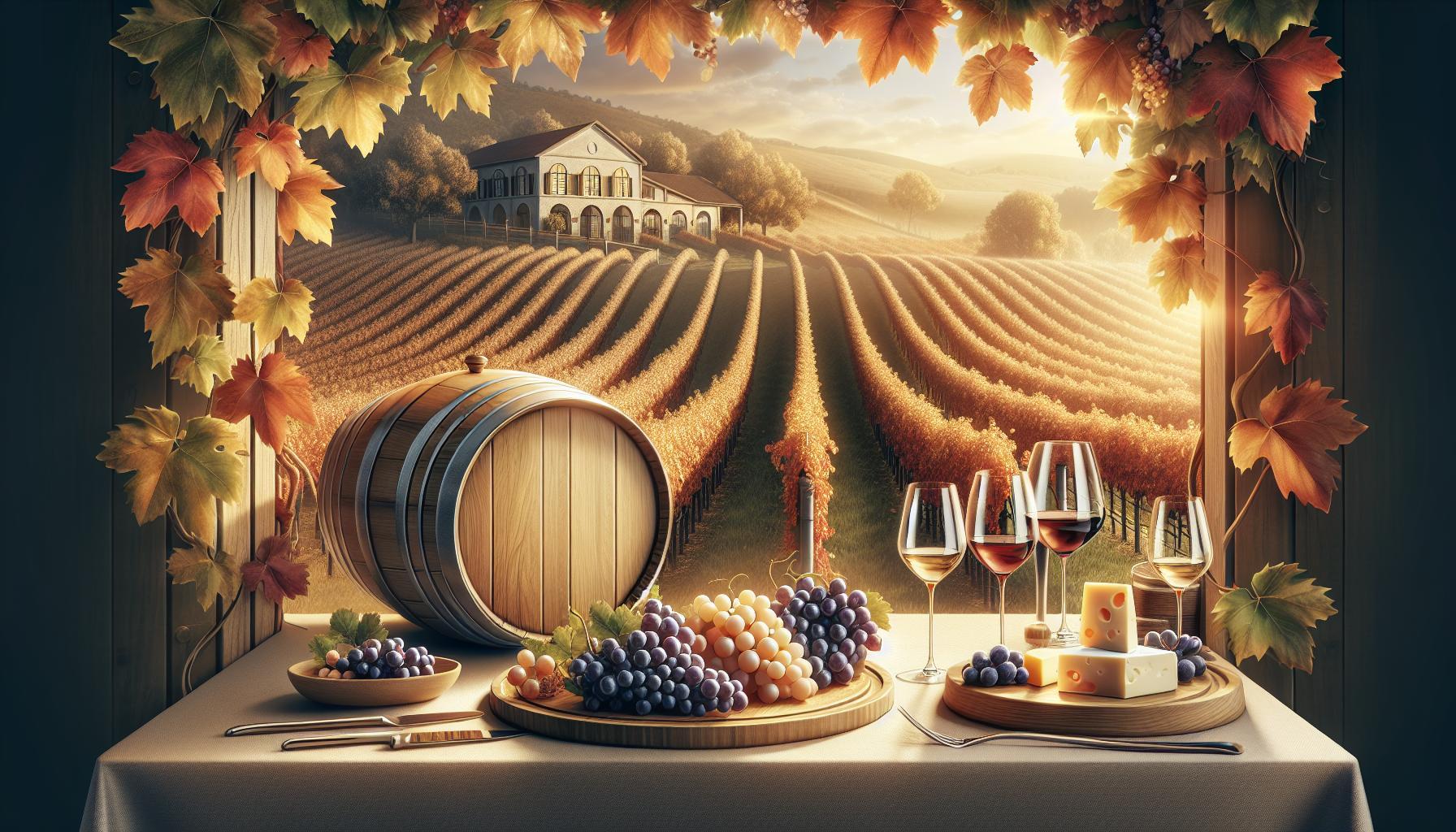
Stepping into a winery is like entering a world where stories, flavors, and craftsmanship converge, creating a tapestry rich in culture and experience. Whether you’re a curious beginner or a devoted connoisseur, understanding what unfolds during a wine tasting can transform a simple visit into a memorable journey. In this guide, you’ll discover not just the how-tos of tasting wine, but the deeper layers of appreciation each sip can offer, from the vineyard’s unique terroir to the artistry behind every bottle.
Wine reveals itself through every moment spent in a winery-from the first swirl in your glass to the final lingering notes on your palate. Every tasting is an invitation to explore the nuances of variety, aroma, and pairings, allowing you to connect not only with the wine, but with the people and traditions that shape it. As we delve into the art of wine tasting, prepare yourself to unlock the secrets of a world that celebrates the beauty of craftsmanship and the joy of savoring every sip.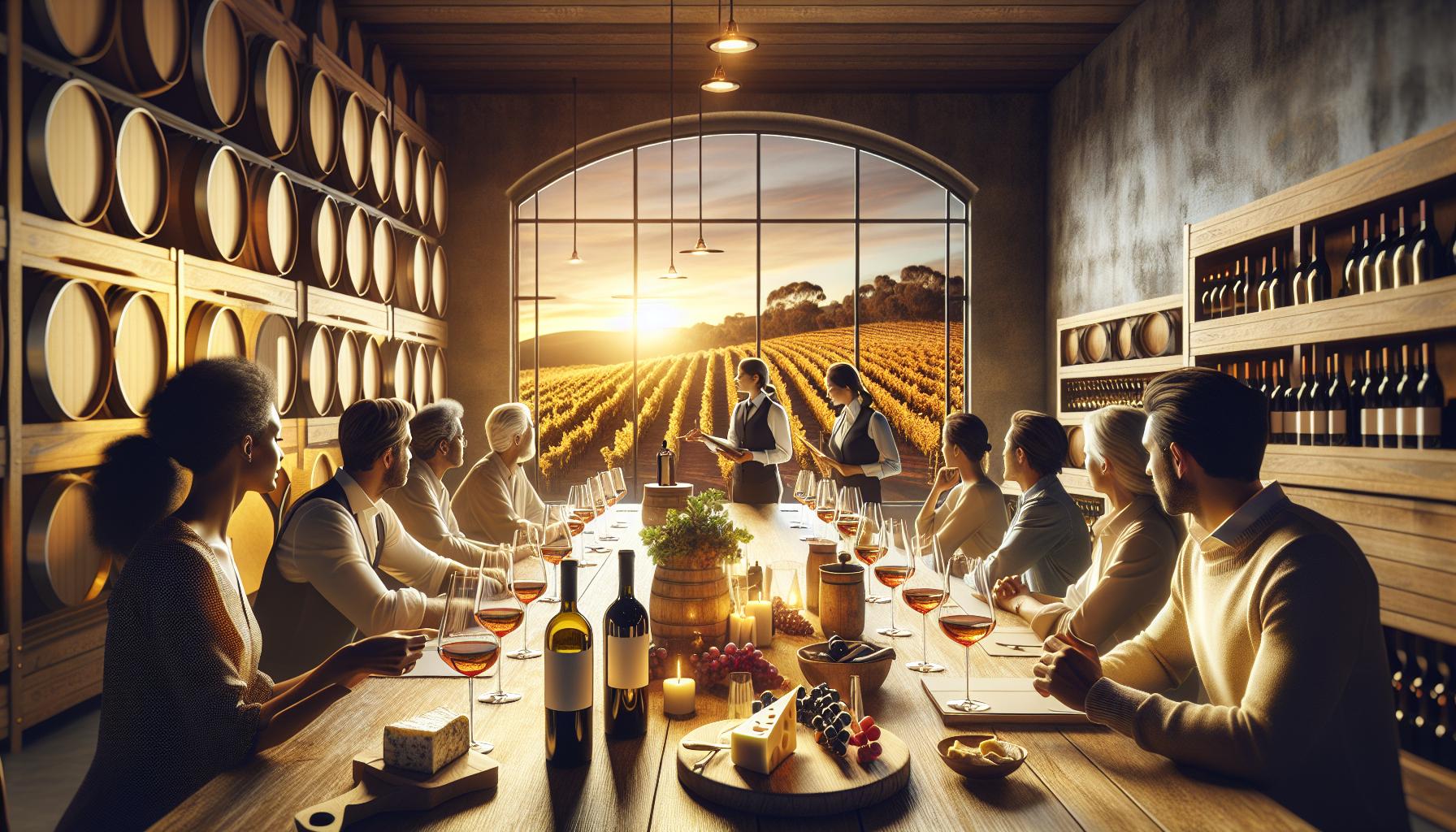
Understanding Wine Tasting: A Sensory Journey
When you step into the world of wine tasting, you embark on a captivating sensory journey that intertwines your palate with a rich tapestry of culture, history, and human connection. Each glass of wine tells a story, reflecting the soil from which its grapes sprang, the climate that nurtured them, and the hands that crafted it into the liquid in your glass. This process goes beyond merely drinking; it invites you to engage with various senses, each contributing to a deeper appreciation of what wine truly represents.
The first step in this exploration is to examine the wine visually. Observe the color, clarity, and viscosity as you tilt the glass. Whites may shimmer like sunlight through leaves, while reds can range from deep violet to bright ruby, hinting at their age and varietal characteristics. This phase sets the tone for what’s to come, as you allow your curiosity to build before indulging your other senses.
Next comes the olfactory experience. Gently swirl the wine to release its aromas and take a moment to inhale deeply. Notes of fruit, spice, or earthiness may waft up, so take your time to identify them. Perhaps you detect a hint of tropical mango or the allure of crushed black pepper. This aromatic journey bridges the gap between the wine’s origin and your own personal preferences, making the encounter uniquely yours.
As you finally take that first sip, let the wine dance across your tongue. Pay attention to its texture, acidity, sweetness, and the intricate balance of flavors. Is it fruity and bright, or does it evoke the rich, warm earth of its vineyard? Reflect on the finish-what lingering tastes are left as you swallow? Each sensation leads to a richer understanding of the wine‘s complexity and the craftsmanship behind it. Remember, there are no right or wrong impressions-only those that resonate with you personally. This experience encapsulates the essence of wine tasting, positioning it as a profound exploration of taste that is as much about the wine as it is about you, the taster.
Engaging with wine in this way not only enhances your enjoyment but also fosters a greater connection to the people and places that create these remarkable beverages. As you embrace each sip, you’re invited to partake in an age-old tradition that is both communal and contemplative, making every tasting not just a journey through flavors, but also an intimate dialogue with the world around you.
The Wine Tasting Process: Step-by-Step
When you enter the realm of wine tasting, it’s akin to stepping into an artist’s studio-each bottle, a canvas; every sip, a brushstroke painting a vivid picture of its origin. The process of tasting wine is a thoughtful, multi-sensory experience that unfolds in distinct, engaging steps, inviting you to immerse yourself fully.
To begin, visual examination sets the stage for your journey. As you tilt your glass, observe the wine’s clarity, hue, and density. The color can provide insights into its varietal and age; for instance, a young white might exude a pale, almost watery glow, while an older red may shimmer with a rich ruby or deep garnet tone. Let your eye wander over the surface, perhaps noting the tears or legs that trail down the glass, revealing hints of alcohol content and viscosity.
Next comes the olfactory exploration. Swirl the wine gently, allowing it to breathe and release its bouquet. Bring the glass to your nose and inhale deeply, seeking out the myriad of aromas-fruity notes, floral accents, earthy undertones, or spices. Each aromatic layer tells a story. You might capture the fresh, crisp essence of green apple or the deep, complex fragrance of mature leather. This phase not only serves to tantalize your senses but connects you to the artistry and intention embedded in the winemaking process.
With your senses primed, it’s time for the taste experience. Take a modest sip, allowing the wine to cascade over your palate. Pay attention to its textural elements-does it feel smooth or tannic? Consider its balance of sweetness and acidity, evoking sensations that range from bright and invigorating to rich and velvety. As the flavors unfold, focus on the finish-what lingering notes remain after you swallow? Perhaps a spiced warmth lingers or a refreshing citrus zest.
Finally, reflect on the experience. Jot down your impressions, whether in a tasting journal or simply a mental note. How does this wine resonate with your personal taste and memories? Sharing thoughts with fellow tasters can augment the experience, revealing new dimensions of flavor and scent you may have missed. Each tasting becomes not just an evaluation of the wine itself but an exploration of your preferences and insights, deepening your connection to the world of wine.
Through this structured yet flexible process, wine tasting transforms from a simple act of drinking into an enjoyable, communal celebration of culture, craftsmanship, and shared discovery. Engage fully, and let each sip transport you to the vineyards from which these exquisite wines flow, reminding you that within every glass lies a story waiting to be told.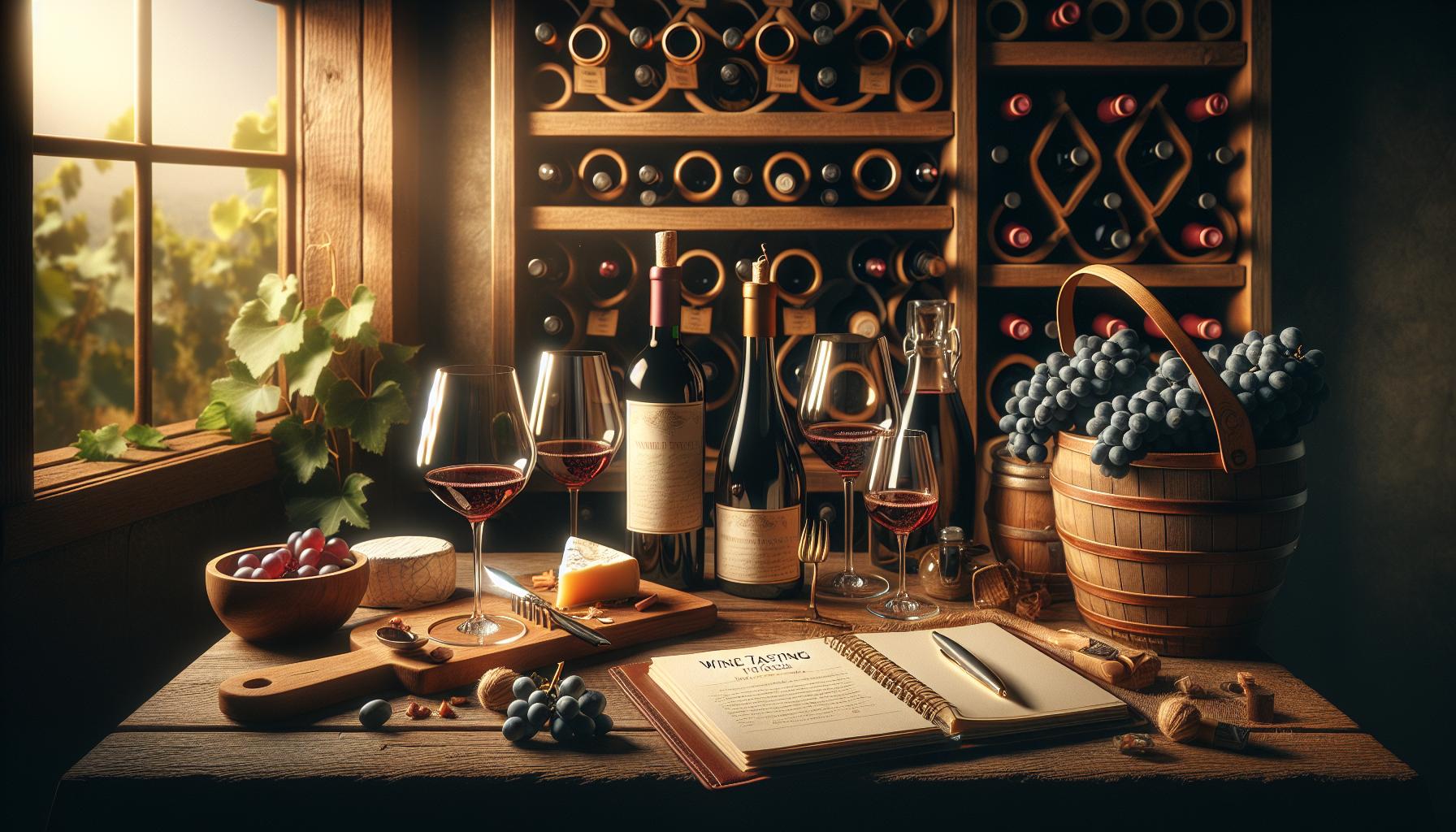
Choosing the Right Winery: Tips and Tricks
Selecting the right winery can be as exhilarating as finding a rare vintage tucked away in a dusty cellar. Each winery offers its own unique narrative – woven from history, terroir, and artistry – enticing visitors with not just the promise of exquisite wines but also memorable experiences. Whether you’re seeking a picturesque outdoor setting, a deep dive into winemaking processes, or a friendly atmosphere where you can connect with fellow enthusiasts, thoughtful considerations can elevate your winery visit from routine to remarkable.
Research and Recommendations
A bit of research goes a long way. Start by exploring the wine regions that pique your interest. Look for wineries with themes or focuses that resonate with your palate or curiosity, such as organic or biodynamic practices, artisan production methods, or a commitment to sustainable practices. Reading reviews and recommendations from trusted sources – whether they be friends, wine clubs, or reputable wine publications – can guide you towards hidden gems or well-trodden favorites. Websites and apps dedicated to wine tourism can often provide detailed insights about the experiences each winery offers, including tours, tastings, and special events.
Consider the Experience
Think about what sort of tasting experience you desire. Are you drawn to intimate, small-batch wineries that invite you into the intimate heart of their operations? Or do grander establishments with sweeping vineyards and opulent tasting rooms draw you in? Many wineries also offer specialized tasting experiences, engaging workshops, or gourmet food pairings that can enhance your visit. Some may even provide opportunities for vineyard tours led by the winemakers themselves, allowing you to gain a deeper appreciation of the terroir and the intricacies of winemaking. Researching whether a winery requires reservations for tastings can also save you from disappointment on busy weekends.
Location and Atmosphere
Consider the winery’s location and its ambiance. Does the setting fit the vision you have for your visit? Whether nestled in the rolling hills of Napa, perched along the coasts of Burgundy, or hidden away in the mountains of Tasmania, a winery’s surroundings can deeply affect your experience. The atmosphere – rustic, modern, vast, or cozy – can complement the wines you’ll taste. Look for those that offer outdoor tastings with stunning views, as they can create a sensory experience that heightens the enjoyment of each sip.
Engagement with the Staff
Lastly, never underestimate the value of a warm, knowledgeable staff. Engaging with the winery personnel can enrich your experience significantly. They are often the gatekeepers of the winery’s story, eager to share insights into the wines, the winemaking process, and the winery’s heritage. A wine tasting can become an enlightening dialogue rather than a simple transaction when the staff is passionate about their craft. This engagement not only adds depth to your tasting experience but often reveals nuances in the wines that you might have overlooked on your own.
In choosing the right winery, consider all these elements to create a layered, enriching experience. After all, each bottle tells a story, but the journey to discover it often begins long before you pour that first glass, invoking a deeper connection with every sip and every moment shared.
Types of Wine Tasting Experiences
A wine tasting experience can take many forms, each presenting a unique opportunity to engage with the wine, the winemaker, and the surrounding landscape. Whether you find yourself in a rustic vineyard or a polished tasting room, the types of tastings available cater to diverse interests and levels of expertise, encouraging a deeper appreciation for every glass.
Standard Tasting
The most common form, a standard tasting typically involves sampling a flight of wines selected by the winery. This could range from their flagship varietals to experimental blends or reserve selections. Expect a guided experience where staff shares insights into each wine, covering topics like the grape varieties, aging processes, and food pairings. Many visitors enjoy the relaxed pace of standard tastings, allowing for thoughtful sips and conversation. Here, the ambiance is crucial; a warm, inviting space enhances this exploration of flavors.
Vertical and Horizontal Tastings
For the more curious connoisseur, vertical and horizontal tastings offer depth that can unveil the intricacies of a winery’s portfolio. A vertical tasting samples different vintages of the same wine, revealing how age, weather, and winemaking choices affect each iteration. In contrast, a horizontal tasting allows you to explore various wines from the same vintage across different grape varieties or producers. Such experiences often highlight regional characteristics and vintage variations, providing insights into the winemaking philosophies that shape each bottle.
Themed and Food Pairing Tastings
Themed tastings focus on specific aspects of wine, such as varietals from a particular region, organic wineries, or sparkling wines from around the world. These experiences can be particularly educational, deepening your understanding of terroir and winemaking techniques. Food pairing tastings elevate the experience by allowing guests to taste wines alongside thoughtfully selected food offerings. This not only illuminates the harmonious relationship between food and wine but also encourages attendees to explore pairings beyond the traditional red and white dichotomy.
Private or Exclusive Tastings
For those seeking a more intimate experience, many wineries offer private tastings. These sessions can be tailored to specific interests, such as a behind-the-scenes glimpse into the winemaking process or a discussion with the winemaker themselves. Exclusive tastings may include access to limited releases or library wines unavailable to the general public. This bespoke experience fosters a stronger connection with the wine and its creator, often leaving a lasting impression on attendees.
Engaging in these varied not only enhances your palate but also connects you in profound ways to the culture, history, and artistry imbued in each bottle. Each sip transforms into a story, inviting you to contemplate the nuances of life, nature, and craftsmanship that go into every glass, creating unforgettable memories with each visit.
What to Expect on a Winery Tour
Embarking on a winery tour is more than just a casual visit; it’s a captivating journey that invites you to explore the art, science, and sheer enjoyment of winemaking. As you step into the vineyard, your senses awaken to the lush surroundings, where neatly lined rows of grapevines bask in the sun, each vine holding stories of hard work and careful craftsmanship. This is your gateway to understanding what magnificently unfolds in every bottle.
During the tour, expect to be guided through a tapestry of experiences that highlight both the foundational elements of viticulture and the complexities of winemaking. You’ll likely start in the vineyards, where knowledgeable guides share the intricacies of the grapes growing in the soil, discussing the significance of terroir-the unique characteristics imparted by the environment. You may find yourself marveling at the delicate balance required in cultivating different varietals, with some grapes thriving in rocky soil while others flourish in sandy terrains. The guide’s passion for their craft often transforms what might be a simple walk into a rich narrative about climate, geography, and the labor of love that defines each harvest.
After the vineyards, the tour usually shifts indoors to the winery itself, where the magic of fermentation occurs. Here, you might witness towering stainless-steel tanks and oak barrels that cradle the future of the wine you’re about to taste. Each stage of the winemaking process is revealed, from crushing the grapes to fermentation and aging. Expect insightful anecdotes about the techniques used, such as malolactic fermentation that softens a wine’s acidity, or the careful selection of oak barrels that impart flavor. It’s a behind-the-scenes look at how raw grapes become the polished wines you’ll soon savor.
As the tour culminates in the tasting room, prepare for an experience that is as sensory as it is educational. You might be presented with a flight of wines that exemplifies the winery’s philosophy, featuring selections that vary in body, aroma, and flavor. The sommelier or tasting room staff often share tips on how to savor each sip-what aromas to detect, the intricacies of flavor profiles, and ideal food pairings. This part of the visit not only enhances your appreciation for each wine but also emboldens your own journey as a wine lover, empowering you to explore more confidently the vast world of wine.
Ultimately, a winery tour is a celebration of connection-between people, place, and the potent elixirs crafted from the earth. Expect to leave with not just a delightful bottle of wine but also a deeper understanding and appreciation for the art of winemaking, enriched by the stories and passion shared during your visit. It’s an experience that resonates, inviting you to return and discover more of what each region and winery have to offer.
Essential Wine Tasting Etiquette to Follow
When attending a wine tasting, knowing a few essential etiquettes can elevate your experience and contribute to a more enjoyable atmosphere for everyone involved. Picture yourself in a beautifully manicured vineyard, where each sip of wine tells a story-your behavior can either enrich your own narrative or obscure the subtle nuances of the wines you’re sampling. Approaching the tasting with respect, curiosity, and an open heart is paramount.
First and foremost, timeliness plays a crucial role in winery visits. Arriving on time shows respect for both the staff’s time and your fellow tasters. If you are late, it can disrupt the flow of the tasting and leave less time for you and others to fully appreciate each pour. Just as the grape harvest is timed perfectly with the seasons, so too should your arrival be aligned with the schedule.
As you embark on your tasting journey, remember the importance of personal interaction. Engaging with the staff is not only polite but can significantly enhance your experience. Ask questions, share your thoughts, and listen attentively to their insights. This interaction fosters a communal environment and is often where the most enriching experiences lie. Wine is as much about connection as it is about flavors-it’s a bridge to stories, histories, and people behind each bottle.
During the tasting, mind your palate. Savouring each sip is an art-allow the wine to swish gently in your mouth, paying attention to its texture, aroma, and aftertaste. Refrain from making quick judgments; instead, embrace the complexity of the wine. Engaging with your fellow tasters regarding what you detect can inspire others and create a vivid dialogue about flavor profiles. Maintain proper glass etiquette as well; hold your glass by the stem to avoid warming the wine with your hand, and never fill it more than a third. This allows room to aerate the wine and lets you fully enjoy its aromas.
Finally, it’s important to express gratitude. Whether you love a particular wine or it’s not to your taste, thanking the staff for their guidance and expertise fosters a positive atmosphere and respects their hard work. Carrying a spirit of appreciation extends beyond just the wine-it’s a celebration of craftsmanship and connection, one that should resonate long after you leave the tasting room.
By embracing these etiquettes, you become part of a rich tapestry of wine culture that honors the land, the people, and the drink itself. Each tasting is an opportunity not just to sample liquid artistry but to connect with the broader narratives that define the world of wine.
Pairing Wine with Food: Enhancing Your Experience
When you think about wine, it’s easy to overlook the symbiotic dance that occurs when flavors meet between the glass and the plate. Pairing wine with food is not just an adjunct to the wine-tasting experience; it’s an exploration of taste that can elevate your senses and deepen your appreciation for both culinary and vinous artistry. Imagine a perfectly seared filet mignon complemented by a velvety Cabernet Sauvignon, or a refreshing glass of Sauvignon Blanc brightening a plate of delicate ceviche. The right combination not only enhances the flavors of both the food and the wine but also creates a delightful symphony that resonates with your palate.
Start by understanding the foundational principles of pairing. The age-old maxim “what grows together, goes together” can serve as a guiding light. Regional wines often match beautifully with local cuisines, providing a sense of place to your meal. For instance, a crisp German Riesling is an exquisite companion to spicy Asian dishes, while a rich Barolo from Italy finds its perfect partner in hearty, rich meats. Explore the *weight* of the wine and the food: a light-bodied wine often pairs well with lighter fare such as salads and seafood, whereas full-bodied reds can stand up to the bold flavors of robust meats and aged cheeses.
Exploring Flavor Profiles
Understanding the various profiles-both aromatic and taste-oriented-can unlock the magic of pairing. Consider the *acidity*, *sweetness*, and *tannins* of the wine. A wine with high acidity, like a classic Italian Chianti, can cut through the richness of an oily dish, while sweeter wines can harmonize beautifully with spicy foods. Here’s a simple framework to guide your choices:
- Red meats: Match with bold reds-Cabernet Sauvignon, Malbec.
- Poultry and seafood: Opt for white wines like Chardonnay or lighter reds like Pinot Noir.
- Spicy dishes: Choose off-dry wines such as Riesling or Gewürztraminer to balance heat.
- Desserts: Consider dessert wines like Port or Sauternes that can amplify sweetness without overwhelming the palate.
Creating Memorable Experiences
As you savor your wine, let it linger on your palate before moving to the next taste. This moment of reflection adds depth to the experience, allowing your senses to process the intertwined flavors. Wine pairing is about dialogue-between the wine and food, but also between you and those you share it with. Consider hosting a tasting evening where you try different pairings and discuss how each combination affects your perception of flavor.
In wine, as in life, the art of pairing is subjective, often presenting itself as a canvas upon which you can paint your preferences and expand your horizons. So, take the journey beyond the glass, let every sip tell a story, and revel in the joy of discovering new dimensions within your tasting experience.
Exploring Wine Varietals: Your Options
Exploring the world of wine varietals can often feel like embarking on a grand culinary adventure, where each bottle tells a story rooted in its unique terroir, history, and cultural significance. As you travel from Cabernet Sauvignon’s bold, dark fruit notes to the delicate floral hints of a Gewürztraminer, you’re not just tasting wine; you’re experiencing the essence of places, people, and traditions that have shaped each varietal. This journey of discovery opens up delightful opportunities to savor and appreciate the distinct personalities of wines, each waiting to be unearthed in your next tasting.
Popular Red Varietals
Among the numerous red varietals, a few stand out for their widespread appeal and unique characteristics:
- Cabernet Sauvignon: Often considered the “king” of red wine, Cabernet Sauvignon boasts deep flavors of black currant, plum, and a hint of green bell pepper, with substantial tannins that evolve beautifully with age.
- Pinot Noir: This lighter-bodied red is celebrated for its complexity, showcasing cherry, raspberry, and earthy undertones. It’s a versatile pairing choice, often complementing both poultry and richer seafood.
- Syrah/Shiraz: Known for its boldness, this varietal presents flavors of dark fruit, black pepper, and smoky notes, making it a fantastic match for grilled meats or rich, hearty dishes.
On your tasting journey, take a moment to explore each varietal’s aromatic characteristics, texture, and aftertaste. Engaging with these qualities brings forth a fuller understanding of personal preferences and deepens your appreciation for the varietals.
Refreshing White Varietals
If reds are the heart, whites are undeniably the spirit of wine tasting, bringing bright acidity and refreshing qualities that cleanse the palate:
- Sauvignon Blanc: With its vibrant acidity and zesty citrus character, this varietal often displays notes of green apple and freshly cut grass, making it an excellent companion for salads or light seafood dishes.
- Chardonnay: Ranging from fruit-forward styles showcasing tropical fruits to more complex, oaked versions featuring buttery notes, Chardonnay is a versatile choice that can adapt to various food pairings.
- Riesling: Typically known for its sweetness, this aromatic varietal offers flavors of peach, floral notes, and minerality, making it a delightful match for spicy cuisines like Thai or Indian dishes.
A tasting of white varietals invites you to explore the refreshing and crisp aspects of wine, allowing your palate to experience a wide range of flavors that can contrast or enhance your culinary experiences.
The Allure of Lesser-Known Varietals
While classics dominate the shelves, do not shy away from exploring lesser-known varietals that offer exciting new flavors and stories:
- Grüner Veltliner: This Austrian varietal is gaining popularity for its peppery notes and bright acidity, making it a lovely pairing with Asian foods or fresh vegetables.
- Tempranillo: The backbone of many Spanish wines, Tempranillo boasts rich flavors of dried fruit, leather, and tobacco, ideal for pairing with cured meats or Spanish tapas.
- Albarino: Hailing from Spain’s Rías Baixas region, this white varietal is crisp and aromatic, featuring peach and saline qualities, perfect with seafood and shellfish.
Exploring these varietals not only broadens your palate but also deepens your appreciation of the vast landscape of wine, underscoring the idea that there is always more to learn and experience.
By embracing the rich diversity within wine varietals, you cultivate a nuanced approach to tasting that goes beyond mere consumption-it becomes a conversation, a shared experience that connects you with the land, its people, and their storied histories.
Uncovering the Art of Wine and Region
When you step into a winery, you’re not merely visiting a place of production; you’re embarking on a journey steeped in history, geography, and artistry. Each bottle of wine is a reflection of its region-a liquid narrative that intertwines with the soil, climate, and culture of its origin. Understanding this connection between wine and its region enriches not only your tasting experience but also deepens your appreciation for the craft of winemaking.
Regions like Bordeaux, Napa Valley, or Tuscany are not just famous for their wines; they embody the essence of their local landscape. The concept of terroir, which refers to the unique environmental conditions of a vineyard, plays a crucial role in shaping each wine’s distinct flavors and aromas. The minerals from the soil, the microclimates caused by geographic features, and even the local traditions of viticulture all come together to create something uniquely representative of its birthplace. For instance, a Cabernet Sauvignon from Napa Valley may feature ripe, jammy fruit flavors due to the warm, sun-drenched days, whereas a Bordeaux blend might display more earthy, herbal notes reflective of its cooler climate and varied soils.
Exploring the culture of a wine region can enhance your tasting experience immeasurably. When sampling a wine, take a moment to consider the practices and histories behind it. Many wineries offer tours that provide insight into their methods-from sustainable farming practices to time-honored fermentation techniques. Engaging with these stories not only enriches your understanding of the wine but also fosters a deeper connection to the place itself. You might find yourself savoring a crisp Sauvignon Blanc while learning about the French heritage that shaped its production, discovering how centuries of winemaking knowledge contribute to its character.
As you explore a winery, allow the sensory elements of your surroundings to inform your experience. The rustic charm of a barrel room, the stunning architecture of the tasting room, or the breathtaking views from the vineyards all contribute to the ambiance. This context transforms tasting into an immersive experience where aesthetics, history, and flavor converge, inviting you to appreciate wine as a celebrated art form rather than just a beverage. Give yourself the freedom to wander, ask questions, and savor not just the wine but the very essence of the landscape that nurtured it.
Engaging with Winemakers: Building Connections
Building a connection with winemakers can profoundly enhance your winery experience, transforming a simple tasting into a rich exploration of passion, culture, and craftsmanship. As custodians of their vineyards, winemakers are often eager to share their journeys-the trials and tribulations of the growing season, the inspiration behind their blends, and the meticulous techniques that distinguish their wines. Engaging with them provides a unique opportunity not just to taste wine, but to savor the stories, struggles, and successes that bring each bottle to life.
While at the winery, take the initiative to ask questions that invite dialogue rather than simply receiving answers. Inquire about the specific varietals grown and what makes them thrive in the local terroir. You might ask how climate conditions affect their yield or why they’ve selected a particular fermentation method-questions that reveal intimate details of their winemaking philosophy. Such interactions often lead to deeper revelations about the wine, including personal anecdotes that can be as flavorful as the wine itself. For instance, a winemaker may recount how a late spring frost in one particular year altered the taste profile of their flagship Chardonnay, making it a more delicate version than usual, brimming with the essence of resilience.
Tips for Engaging with Winemakers:
- Be genuinely curious: Approach conversations with an open heart and an inquisitive mind. True enthusiasm can often lead to unexpected stories and deeper insights.
- Share your own experiences: Relate your own wine experiences-whether it’s a favorite varietal or a memorable tasting-to foster a sense of mutual appreciation and connection.
- Respect their time: While many winemakers love to share their journey, remember that they may also be juggling tasks. Gauge their availability and enthusiasm for a chat.
- Follow-up with gratitude: After your visit, consider sending a thank-you note or message. This not only leaves a positive impression but can facilitate future communications.
Constructing this network of relationships also enhances your understanding of the wine’s place within its local context and elevates future tasting experiences. You may discover that your newfound friendships with winemakers can provide access to limited releases or invitations to special events-bonus perks that enrich your ongoing wine journey. Additionally, as you learn the intricacies involved in creating each wine, you cultivate a greater appreciation for the craft as well as a deeper respect for the land and the people dedicated to bringing wine to your table. Each visit to a winery thus becomes not simply a tasting session, but a narrative woven into the larger tapestry of wine culture that celebrates human connection and shared stories-an enriching experience that lingers long after the last sip is savored.
Decoding Wine Labels: What to Look For
Navigating the intricate world of wine labels can feel akin to deciphering a beautifully scripted sonnet, rich with hidden meaning and history. Each bottle tells a story, and understanding how to read that narrative unlocks a deeper appreciation for what awaits within. Complicated terms like “terroir” or “appellation” may seem daunting at first glance, but they are your guideposts in this sensory journey. As you stand in a winery, bottle in hand, taking a moment to read the label can transform your experience from a simple tasting into an informed exploration of craftsmanship and tradition.
Start with the varietal, which indicates the type of grape used. Labels often feature prominent varietals-like Cabernet Sauvignon, Chardonnay, or Pinot Noir-that can give immediate insight into flavor profiles and food pairings. Following this, the region is noted, typically described by its appellation. This is where the story of the wine unfolds; for instance, a Napa Valley Cabernet will taste distinctly different from a Cabernet sourced from Bordeaux, influenced by the unique climate and soil (terroir) of each region.
Next, examine the vintage year, which tells you when the grapes were harvested. This detail not only informs you about the wine’s potential quality, depending on the weather conditions that year but can also lead to fascinating discussions about how different years affect flavor profiles. A talented winemaker may thrive in one vintage while struggling in another, providing hints of their skill and the vintage’s story interwoven with nature’s unpredictability.
Another crucial aspect is the producer‘s name, often prominently displayed. This can inform you about the style and philosophy behind the wine. Large wineries may produce mass quantities with high consistency, while smaller, boutique wineries might focus on unique, limited editions that showcase their personal touch and creativity. Consider reaching out to these lesser-known producers during your visits for an intimate understanding of their winemaking approach.
Finally, don’t overlook any additional descriptors on the label, such as “organic,” “barrel-aged,” or specific tasting notes. These can offer insight into the methods employed and the expected tasting experience. A label that promises “oak-aged” might lead you to anticipate richer, more complex flavors, while “unfiltered” may suggest a more rustic character of the wine.
In this dance of symbolism, each label acts as a window into the ethos of wine production and the myriad elements contributing to the final product. By learning to decode wine labels, you elevate your tasting journey-transforming each sip into a moment of reflection and connection to the land, the people, and the art of winemaking itself. Invest the time in reading the labels, and you will find they are not just informative; they are an invitation to discover the heart and soul behind every bottle.
Creating a Memorable Wine Tasting Experience
Creating a memorable experience at a winery is both an art and a joy-an opportunity to immerse oneself in the rich tapestry of sensory delights that wine offers. Imagine stepping into a sun-drenched vineyard, the air perfumed with grapes and earth, with each sip transforming a fleeting moment into a cherished memory. To elevate your visit, consider the following elements that craft not just a tasting, but a journey.
A thoughtful approach to selection can significantly enhance your experience. Rather than hastily sampling every pour presented, choose wines that reflect the region’s unique varietals. For example, if visiting a Napa Valley winery, prioritize a Cabernet Sauvignon that showcases the area’s characteristic robustness or a delicate Chardonnay that embodies its famed terroir. Engaging with knowledgeable staff who share insights and stories about the wines deepens your understanding and appreciation, making each bottle a narrative rather than just a beverage.
Atmosphere plays a crucial role in enjoyment. Seek outdoor tastings that offer views of sprawling vineyards or scenic landscapes. This connection to nature not only enhances the sensory experience but also allows for quiet contemplation as you savor the complexities of each wine. Many wineries provide artisanal cheeses or local charcuterie to accompany their selections, and creating a flight that harmonizes with these offerings can turn your tasting into an exquisite pairing experience that ignites your palate.
Another key to an unforgettable winery visit is tapping into the stories behind the wines. Engage with the winemakers or tasting hosts who often have delightful anecdotes about their craft, the history of the vineyard, or intriguing details about specific vintages. Understanding the passion and dedication behind each bottle not only enriches your appreciation but establishes a personal connection that elevates your tasting from routine to remarkable.
Using simple tools can also enhance your tasting journey. Consider bringing a notebook to jot down your impressions of each wine-the aromas, flavors, and your emotional reactions. This reflective practice cultivates mindfulness and allows you to revisit your thoughts long after you’ve left the winery, transforming fleeting tastes into lasting memories.
In sum, a memorable wine tasting experience is built on a foundation of selection, atmosphere, storytelling, and personal engagement. Each sip should be savored and experienced fully as a gateway to understanding the land, the craft, and the cultural narratives intertwined with the wine you consume. Embrace the journey, and let it inspire future explorations within the captivating world of wine.
Frequently Asked Questions
Q: What can I expect during a wine tasting at a winery?
A: During a wine tasting at a winery, you can expect to sample a variety of wines accompanied by detailed descriptions from a knowledgeable host. You’ll learn about the wine’s origin, tasting notes, and winemaking process. Enjoying the ambiance of the vineyard often adds to the experience, creating a holistic understanding of each wine.
Q: How should I prepare for a winery visit?
A: Prepare for a winery visit by checking the winery’s website for tasting fees and reservation policies. Dress comfortably according to the weather, and consider arranging for transportation if you plan to taste several wines. Research the winery’s offerings to enhance your experience and have questions ready for the staff.
Q: What types of wines can I taste at a winery?
A: Most wineries offer a range of wines, including varietals like Cabernet Sauvignon, Chardonnay, and Pinot Noir, among others. Some also provide tastings of unique blends or reserve wines. Explore their tasting menu to discover both popular selections and hidden gems tailored to your palate.
Q: Are food pairings included during wine tastings?
A: Many wineries offer food pairings with tastings to enhance the experience, though this varies by location. Some may provide light snacks or charcuterie boards, while others have full menus or picnic options. Consider checking in advance to ensure you can savor the perfect pairing with your wine.
Q: What to do if I don’t know much about wine?
A: If you’re not well-versed in wine, don’t worry! Just be open to learning and tasting. Ask your host for recommendations based on your flavor preferences, and take notes on what you enjoy. Every tasting is a chance to expand your palate and understanding of wine without pressure.
Q: Can I bring my own beverages to a winery?
A: Most wineries do not allow outside beverages due to licensing regulations. It’s essential to check the winery’s policy beforehand. Bringing your own drinks could lead to disappointment, so embrace the opportunity to explore their exclusive selections during your visit.
Q: How do I choose the right winery to visit?
A: Choosing the right winery involves considering your preferences for wine styles, ambiance, and additional activities offered, such as tours or events. Look for wineries that align with your interests, and read reviews online to find recommended spots that cater to your specific tastes.
Q: What etiquette should I follow during a winery visit?
A: Winery etiquette includes being respectful to the staff and other guests, avoiding excessive comments about pricing, and following any provided guidelines. Tasting with curiosity and appreciation not only enhances your experience but also fosters a warm atmosphere for everyone involved.
The Way Forward
As you step away from your adventure in wine tasting, remember that each sip holds stories of the land, culture, and passion woven into every vineyard visit. Whether you’re savoring the zesty notes of a Sauvignon Blanc or the robust charm of a Brunello, your winery experience is just the beginning of a lifelong exploration of the captivating world of wine. Now is the perfect time to embrace your next steps: dive deeper into our wine pairing guide or explore the nuances of different varietals in our wine education resources.
Don’t let your curiosity fade-sign up for our newsletter to stay informed on the latest trends and exclusive offers, ensuring your wine journey is always enriched. Share your favorite winery experiences in the comments below, and connect with fellow enthusiasts who share your passion. Let the exploration continue, as each bottle opens a doorway to new connections and delightful discoveries. Cheers to your next glass and the adventures that await!
Get our latest guides, news, and insights highlighted in your Google Search & AI Overviews.