Texas may not be the first state that comes to mind when you think of wineries, yet it proudly boasts the title of the fifth-largest wine-producing state in the U.S. With its vast landscapes and diverse growing conditions, Texas is home to more than 400 wineries, each contributing to a vibrant tapestry of flavors and styles.
This guide delves into the rich history and burgeoning culture of Texas wine, offering insights that not only highlight the number of wineries but also illuminate the unique characteristics that set them apart. Whether you’re a seasoned oenophile or a curious newcomer, understanding the Texas wine scene opens the door to a world of culinary experiences. Let’s journey together through the vineyards and discover what makes Texas an exciting frontier in the realm of winemaking.
The Growing Landscape of Texas Wineries
The sun-soaked hills of Texas are not just home to sprawling ranches and vibrant bluebonnets; they are rapidly becoming a conclave for wine lovers seeking both adventure and tranquility. Texas boasts over 400 wineries, marking it as the fifth-largest wine-producing state in the U.S. This burgeoning landscape is a tapestry of creativity and tradition, where both seasoned winemakers and passionate newcomers pursue the art of viticulture with unwavering commitment. The warmth of the Texas climate, combined with the diversity of its soil types-ranging from clay to sandy loam-offers unique opportunities for a wide array of grape varietals to thrive.
In recent years, Texas wine regions such as the Hill Country and the High Plains have gained recognition not just nationally, but on the international stage. The Hill Country, known for its breathtaking vistas, is home to boutique wineries nestled along scenic backroads, often offering tastings that resemble intimate gatherings rather than commercial endeavors. Here, vineyards cultivate Mediterranean varietals like Tempranillo and Viognier, each sip reflecting the land’s character and climate. Meanwhile, the High Plains, with its elevated terrain and cool nights, is drawing attention for its bold red wines, particularly Cabernet Sauvignon and Syrah, which flourish amidst the fertile soil.
As you explore this dynamic wine landscape, engaging with the local winemakers becomes an integral part of the experience. Their stories reflect the tireless effort and passion poured into each bottle, often accompanied by anecdotes about the land and the climate that shapes their wines. Visiting Texas wineries is not merely about tasting; it’s about connecting with a community that thrives on shared appreciation for the craft. From vineyard tours that delve into the intricacies of sustainable practices to food pairings that elevate your palate’s experience, each winery offers a slice of Texas’s evolving narrative in the world of wine. Whether you’re a novice narrator on this journey or an aficionado in search of the next great find, the path through Texas’s wine trails promises to be as rich and rewarding as the wines themselves.
Exploring Texas Wine Regions: A Journey Through Terroirs
The diverse geography of Texas is a secret waiting to be unveiled by adventurous wine lovers. As you traverse this vast land, you encounter a richness of terroirs-each with its own unique story, character, and influence shaping the wines produced here. From rolling hills to arid plains, Texas offers a tapestry of environments that contribute to its vibrant wine culture and flourishing industry.
Hill Country
Nestled in the heart of Texas, the Hill Country has emerged as the state’s flagship wine region. Here, a picturesque landscape dotted with limestone and granite hills provides an ideal setting for vineyards. The region basks in the sun, which ripens grapes like Tempranillo, Viognier, and Mourvèdre. These varietals thrive not only due to the favorable climate but also the rich, well-drained soils that facilitate healthy grape growth. Visitors can enjoy tastings at boutique wineries, often designed to evoke intimacy and community rather than commercialization, where tales of terroir come alive with every sip.
High Plains
Further northwest lies the High Plains, where the elevation brings cooler nights that are crucial for developing the bold flavors of Cabernet Sauvignon and Syrah. This region stands out not only for its quality wines but also for its striking scenery, characterized by wide-open skies and distant mountains. The High Plains AVA (American Viticultural Area) encompasses a large area, allowing for a remarkable diversity of wines. Exploring the High Plains reveals the intersection of climate and soil, with winemakers embracing sustainable practices to enhance the health of their vineyards.
Other Notable Regions
Texas is not limited to these iconic regions; it also boasts lesser-known gems like West Texas, known for its arid landscape and adventurous varietals, and North Texas, which combines traditional and innovative winemaking approaches. Each region reflects the unique characteristics of its environment, resulting in a broad spectrum of wine styles-whether you prefer the fruit-forward reds, crisp whites, or even rosés echoing the Mediterranean.
Understanding these diverse terroirs not only elevates your tasting experience but also deepens your connection to the land that nurtures each bottle. As you sample wines from different regions, consider the nuances they embody, and let your palate guide you on a journey that transcends mere drinking-it’s about celebrating the interplay of environment, culture, and human artistry in every glass. Whether you’re standing among the vine-draped hills of the Hill Country or gazing at the expansive skies of the High Plains, you’ll find that each sip tells a story as rich as the land it comes from.
Top Varietals: What Texas Wines Are Known For
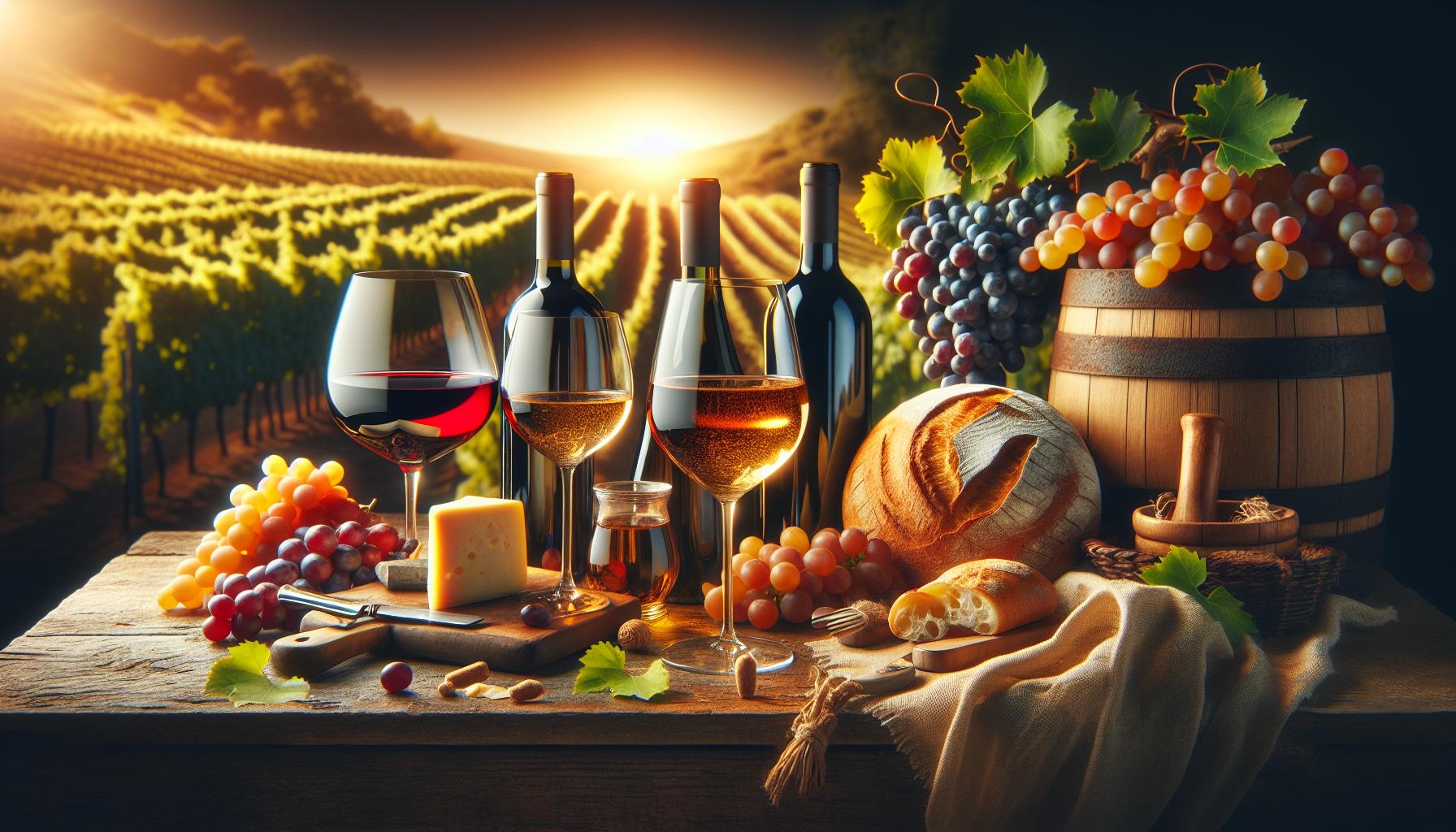
The heart of Texas wine culture is defined not just by the vast landscapes and cozy tasting rooms, but more importantly by the varietals that flourish across its diverse terroirs. In recent years, Texas has earned a reputation for producing a remarkable array of wines, creating a niche that speaks to both tradition and innovation. Prominently featured among these are a few standout varietals that truly embody the spirit of the Lone Star State.
Tempranillo
One of the emblematic varietals of Texas, Tempranillo has quickly become a flagship choice for many winemakers. Known for its ability to adapt to varying climates, this Spanish grape varietal thrives particularly well in the Hill Country region, where it produces wines that are deep, rich, and complex. A well-made Tempranillo can present a tapestry of flavors-ripe cherry, plum, and hints of leather, all woven together with a subtle spiciness from oak aging. These wines often reflect the warmth of the Texas sun, imbuing them with an inviting richness that just begs for a barbecue or a hearty stew.
Viognier
When it comes to whites, Viognier serves as a star player for Texas wineries. With its aromatic profile, this varietal offers tantalizing notes of peach, tangerine, and honeysuckle, often heightened by a creamy mouthfeel that can arise from malolactic fermentation. The unique terroir found in the Hill Country, combined with warm days and cool nights, allows Viognier to reach optimal ripeness while preserving its vibrant acidity. Enjoying a glass of Texas Viognier on a sunlit patio feels like experiencing a summer day in a bottle-fresh, invigorating, and utterly delightful.
Cabernet Sauvignon and Syrah
On the red wine front, Cabernet Sauvignon and Syrah play monumental roles. In the cooler High Plains region, Cabernet Sauvignon flourishes, resulting in bold wines that are layered with black fruit flavors, fine tannins, and expressive herbal notes. The altitude and warm days counterbalanced by cooler nights create a climate where this classic varietal can grow to its fullest potential. Meanwhile, Syrah has made significant inroads in both the High Plains and West Texas, known for its deep purple hues and flavor profiles that range from blackberries and plums to nuanced pepper and smoke, making it a fantastic choice for those seeking adventure in their glass.
Exploring these top varietals not only broadens your palate but also provides insight into the unique expressions of Texas wine. Each bottle reveals a story of the land, the climate, and the people dedicated to crafting wines that resonate with both the local culture and the discerning wine enthusiast. Whether you’re savoring a vibrant glass of Viognier or indulging in the full-bodied richness of a Texas Cabernet, every sip offers a moment to appreciate the artistry and craftsmanship behind Texas wines.
A Guide to Visiting Wineries in Texas
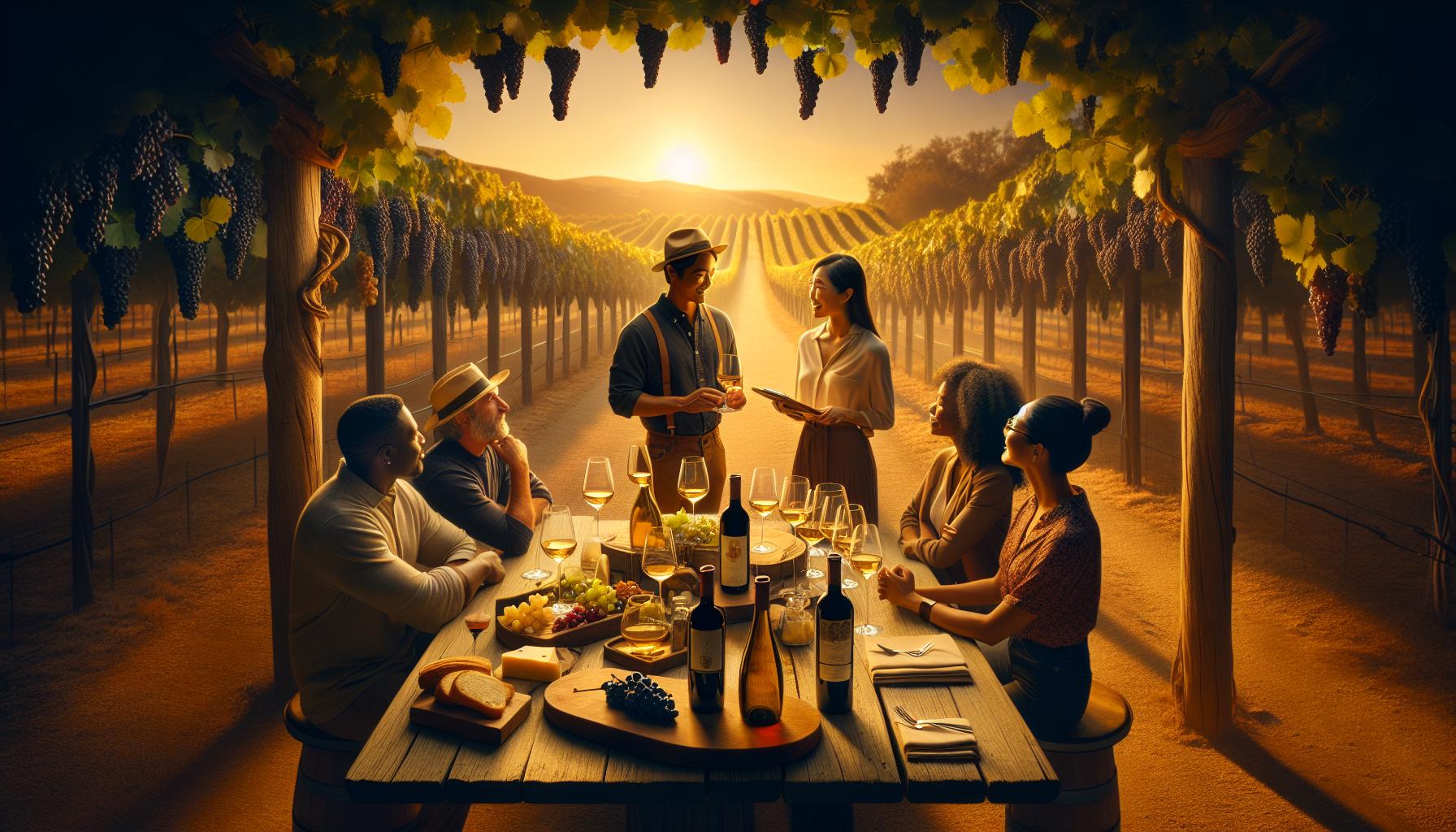
Visiting the numerous wineries scattered throughout Texas is akin to embarking on a delightful adventure, where each stop reveals a new chapter in the storied narrative of Texan winemaking. With over 500 wineries across the state, the landscapes continually shift from the rolling hills of the Hill Country to the rugged expanses of West Texas, inviting connoisseurs and novices alike to explore this burgeoning wine culture. Whether you’re a seasoned sommelier or simply seeking a pleasant day trip, Texas wineries offer an experience that enchants the senses and educates the palate.
To get the most out of your winery visits, consider planning your itinerary around wine trails, which feature clusters of wineries that are easily accessible and often offer coordinated events. The Texas Hill Country Wine Trail, for instance, boasts a blend of charming establishments where visitors can experience tastings that highlight local varietals such as Tempranillo and Viognier. As you navigate these trails, remember to embrace the spirit of exploration: engage with the winemakers, learn about their unique approaches to viticulture, and savor the playful nuances present in each bottle. Many wineries also host educational tours, providing insights into the winemaking process-from vine to wine-enhancing your appreciation of the craft.
A word of advice: approach your visits with an open mind and a refined sense of etiquette. Always check the winery’s website or call ahead for reservations, as many places now implement limited tasting experiences or require advance bookings due to high demand. During tastings, take your time to savor each glass, contemplating the flavors and aromas that define the estate’s identity. Practicing wine tasting etiquette not only enhances your personal experience but also creates a welcoming atmosphere for fellow guests and the staff alike.
Moreover, consider timing your visit with winery events or festivals, which often showcase exclusive releases and cultural celebrations that can deepen your connection to the Texas wine scene. From outdoor concerts to harvest festivals, these gatherings reflect the community spirit that is so vital to Texan culture-fueling connections that extend far beyond the vineyard. In doing so, you are not merely tasting the fruit of the vine; you are partaking in a rich tapestry woven from tradition, innovation, and collective passion.
Whether you’re recounting the story of the vineyard over a glass of Cabernet Sauvignon or finding a favorite Viognier under the sun, your journey through Texas’s wineries promises an experience filled with discovery, flavor, and the warmth of hospitality that is uniquely Texas.
The Best Wine Trails: Experience Texas Vineyards
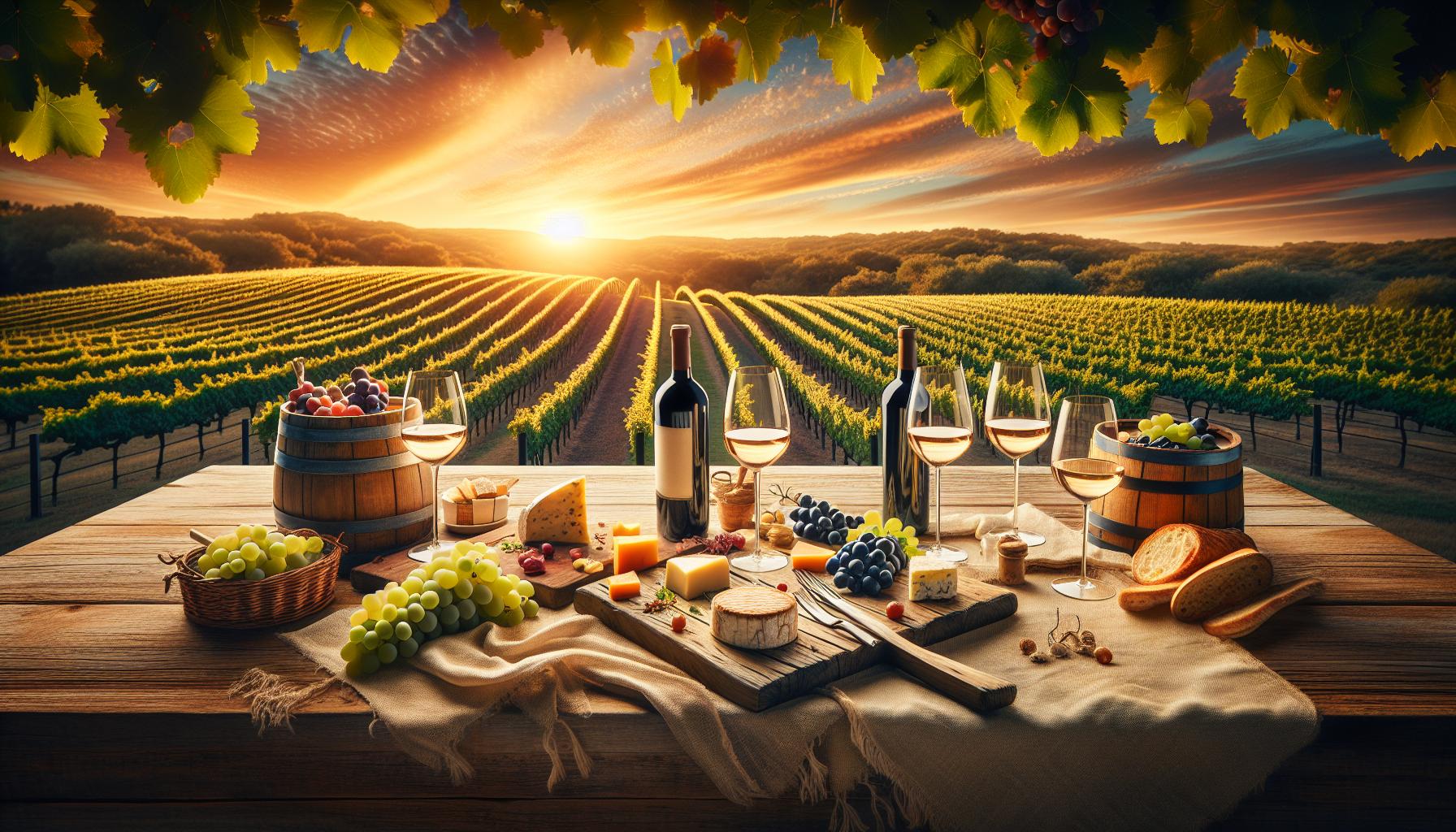
Exploring the winding paths of Texas wine trails is akin to embarking on a journey through a living tapestry of flavors and landscapes. Picture yourself rolling through the sun-kissed vineyards, where the air is infused with the aromatic whispers of grapes ripening on the vine. Across more than 800 vineyards, each trail unveils not just a selection of wines, but a sense of place deeply rooted in the Texan heartland.
The Texas Hill Country Wine Trail stands out as a premier destination. With a breathtaking backdrop of the Texas Hill Country, home to some of the state’s most celebrated wineries, this trail allows visitors to experience a delightful medley of majestic landscapes and exceptional wines. Stop by wineries such as Becker Vineyards, known for its lush grounds and award-winning Viognier, or Grape Creek Vineyards, where Tuscan-style architecture complements their portfolio of reds and whites that are sure to please any palate.
For those seeking an immersive experience, the Texas High Plains Wine Trail provides an exquisite opportunity to discover vineyards nestled at higher elevations, producing remarkable varietals like Tempranillo and Cabernet Sauvignon. The trail offers a more rustic charm, encouraging interactions with passionate growers who are eager to share their stories and the unique characteristics of the terroir that shapes their wines.
Engaging in these wine trails is best experienced at a leisurely pace. Consider planning a weekend getaway that allows for relaxed tastings and ample time to explore the picturesque small towns along the routes, where local cuisine and artisan crafts await. Many wineries offer themed events, such as grape stomping in the fall or pairing nights that unite local food with select wines. These gatherings not only enhance the wine experience but also cultivate a vibrant sense of community.
As you traverse these wine trails, let your taste buds guide you. Each stop is an invitation to delve into the nuances of flavor profiles and the stories behind each bottle. As you savor a glass of ruby-red Sangiovese or a refreshing rosé under the sprawling Texas sky, you’re not just enjoying wine; you’re partaking in a tradition that honors the land, the climate, and the timeless artistry of winemaking.
Winery Events in Texas: Festivals and Gatherings
The vibrant tapestry of Texas wineries comes alive through an array of lively events and festivals that showcase the state’s burgeoning wine culture. From grape stomping competitions that pay homage to traditional winemaking to art and food festivals that pair local cuisine with exquisite wines, Texas wineries have transformed seasonal gatherings into must-attend experiences. Picture the joyous atmosphere filled with laughter, live music, and the clinking of glasses-a true celebration of community and passion for wine.
One of the highlights on the Texas wine calendar is the annual Grapefest, typically held in Grapevine, Texas. This grand celebration of wine, food, and entertainment features over 30 wineries, offering tastings of their best selections while local chefs prepare dishes that complement the varietals. Attendees can wander through booths featuring art, craft vendors, and live performances, making it a complete feast for the senses. Beyond the sipping and savoring, this festival fosters connections amongst wine lovers and local producers, creating lasting memories.
In addition to larger events, many wineries host seasonal festivities that invite visitors to participate in the winemaking process. Harvest festivals celebrate the grape-picking season, where guests can engage in the charming ritual of grape stomping-an exhilarating and historical practice filled with laughter and camaraderie. Such hands-on experiences deepen the appreciation for how much effort and care goes into each bottle of wine, imparting a greater respect for the craft itself.
Visitors venturing through Texas wine country will find it worthwhile to check individual winery calendars, as many offer themed events focused on seasonal releases or unique pairings with regional dishes. Whether it’s a cozy autumn gathering with tastings of earthy reds or spring festivals celebrating fresh whites paired with local seafood, the diverse offerings cater to gourmands and casual tasters alike.
Every event, regardless of size or scale, encapsulates the essence of Texas’ winemaking ethos-an unpretentious celebration of quality, community, and the joys of discovering new flavors. So raise a glass at one of these vibrant gatherings, where the dedication of Texas winemakers shines brightly, and savor each sip against the backdrop of the Lone Star State’s enchanting charm.
Understanding Texas Wine Laws and Regulations
Navigating the landscape of Texas wine laws can feel like sifting through the diverse notes of a well-aged tempranillo-complex yet intriguing. Texas, with its burgeoning wine industry, is governed by a unique set of regulations that reflect both the state’s heritage and its ambitions within the broader wine market. Understanding these laws is essential for prospective winery owners and enthusiastic connoisseurs alike, as they influence everything from grape growing to distribution and tasting room operations.
Beginning with the foundation of wine production in Texas, the Texas Alcoholic Beverage Commission (TABC) regulates all aspects of the industry. This includes the issuance of licenses for wineries, which typically fall under the category of winery permits. To obtain a permit, an applicant must meet specific requirements, such as securing a bonded winery and complying with local zoning laws. Once established, wineries are subject to regulations concerning the types of wines they can produce and sell, including limits on how much on-premise consumption can happen and how much wine can be shipped in and out of state.
Additionally, Texas embraces a “farm winery” status, encouraging winemakers to sell their wines directly from the vineyard. This law not only supports the local economy but also fosters a personal connection between the producer and the consumer. Consumers visiting farm wineries often find a welcoming atmosphere where they can engage with the winemakers, learn about the production process, and sample wines that are often exclusive to the vineyard. These visits are often enhanced by local craft food pairings, offering a taste of Texas’ culinary diversity alongside its viniculture.
Moreover, the rise of sustainable practices and organic farming in Texas wine production has prompted a shift in regulations to accommodate these initiatives. Wineries that utilize organic growing methods can take advantage of marketing designations, allowing them to connect with increasingly eco-conscious consumers. As sustainability becomes a cornerstone of modern viticulture, understanding the rules surrounding organic certification alongside conventional practices will enhance your appreciation for the wines crafted within Texas’ vast and diverse terroirs.
In conclusion, the intricate web of Texas wine laws not only impacts the production and sale of wine but also shapes the experience for all who venture into this lively world. Whether you’re toasting to a local vintage in a picturesque vineyard or exploring the rich history of Texas wines at a bustling festival, deeper knowledge of these governing regulations enriches every sip, fostering a profound respect for the craft and the land that nurtures it. As Texas continues to grow as a wine destination, staying informed about its laws will ensure you savor each moment imbued with the spirit of the Lone Star State.
The Rise of Sustainable Practices in Texas Wineries
In the heart of Texas, where the landscape stretches as far as the eye can see, a revolution is quietly brewing in the wine industry-one deeply rooted in sustainability and environmental responsibility. Texas wineries are increasingly embracing sustainable practices, not merely as a trend but as a commitment to preserving the land that nurtures their grapes and the culture surrounding wine. This shift reflects a growing awareness of the intricate relationship between viticulture and the environment, inviting wine lovers to appreciate not just the flavors in their glasses but the ethos of stewardship behind them. From organic farming to biodynamic practices, the commitment to sustainability is shaping the future of Texas wine.
Many Texas wineries have adopted practices that prioritize ecological health and resource conservation. These initiatives go beyond simple organic certification; they include a holistic approach that balances agricultural productivity with environmental sustainability. For instance, several vineyards are utilizing cover crops to enhance soil health, reducing the need for chemical fertilizers while improving water retention. This not only benefits the vine’s development but also fosters biodiversity, creating habitats for local wildlife. Wineries are also exploring water conservation strategies-capturing rainwater and utilizing drip irrigation systems-to mitigate the impact of Texas’s often harsh climate on their vineyards.
Moreover, winemakers are beginning to engage more actively in their local communities to promote sustainable agriculture. By participating in collaborative events and educational workshops, they share knowledge about sustainable practices with aspiring farmers and local residents, fostering a culture of environmental mindfulness. These gatherings often feature tastings of award-winning wines paired with farm-to-table fare, highlighting how the principles of sustainability extend from vineyard to plate. This symbiosis not only elevates the tasting experience but also reinforces the narrative of sustainability as part of Texas’s culinary identity.
As consumers become increasingly conscious of their purchasing choices, wine drinkers are now seeking out producers who prioritize sustainability in their practices. In response, many Texas wineries proudly promote their eco-friendly methods through transparent labeling and storytelling, demonstrating their commitment to both quality and the planet. Visiting these wineries often transforms mere consumption into a meaningful experience as guests can engage directly with producers about their practices, enjoy tastings that reflect the terroir shaped by these efforts, and support a wine culture that respects and honors the land. This rising tide of sustainable practices in Texas wineries is not just reshaping the wine landscape; it’s weaving a rich tapestry of community, culture, and conscientious consumption that resonates with both new and seasoned wine enthusiasts.
Wine Tasting Etiquette: Savoring Texas Flavors
The rich tapestry of Texas wineries invites exploration, yet for many, the prospect of wine tasting can feel daunting. Understanding wine tasting etiquette can significantly enhance your experience, allowing you to appreciate not just the flavors but the stories each wine has to tell. As you prepare to embark on this palatable journey, consider some essential guidelines that can transform a simple tasting into a profound sensory discovery.
First and foremost, approach each winery with an open mind and palate. Texas wines are characterized by a diverse array of varietals, influenced by the unique terroirs of the region. Whether you find yourself savoring a lush Tempranillo or a crisp Viognier, take a moment to fully engage your senses. Look, swirl, smell, and then taste. This four-step process allows you to unlock the complex layers of aromas and flavors that each wine presents-a contemplation of cherry notes or hints of oak that often speak to the vineyard’s specific conditions and practices. Pair your sip with thoughtful silence to truly connect with the wine, allowing the nuances to unfold gracefully.
Engaging with the Winemaker and Staff
When tasting, don’t hesitate to engage with the staff and winemakers. Their passion and knowledge about the wines often deepen the experience significantly. Ask questions about the production process, a particular vineyard’s history, or even the motivations behind specific blends. Most Texas wineries pride themselves on their hospitality and are eager to share insights that enhance your understanding. This conversation can spark connections, revealing how a wine relates to its place and cultural significance-stories that elevate the simple act of drinking to a shared celebration of heritage and craft.
Mindful Consumption: Sharing and Respect
As you navigate your tasting, remember that moderation is key. Texas wineries often provide generous tastings, so pacing yourself is advisable. Consider sharing tastings with companions, often revealing new perspectives and favorite wines that you might not try alone. Additionally, it’s courteous to offer toasts during the tasting-this gesture not only acknowledges the artisans behind the bottles but celebrates the convivial spirit of wine. Finally, don’t forget to express gratitude. A simple “thank you” to the staff can go a long way in establishing rapport and fostering a friendly atmosphere.
With these thoughtful practices, wine tasting in Texas evolves from mere consumption into a rich journey of connection, reflection, and discovery, allowing you to truly savor the embodying flavors of the Lone Star State. Cheers to the adventures that await in every glass!
Profiles of Iconic Texas Wineries You Must Visit
Texas, the second-largest state in the U.S., boasts a burgeoning wine scene that has gained national recognition, showcasing a remarkable array of unique terroirs and varietals. In your quest to discover the heart of Texas wine culture, several iconic wineries stand out for their commitment to quality and hospitality, making them must-visit destinations for both seasoned wine lovers and curious travelers alike.
At the forefront is Driftwood Estate Winery, nestled in the picturesque Texas Hill Country. Known for its stunning views and a relaxed atmosphere, Driftwood specializes in varietals like Tempranillo and Viognier, while also offering a great selection of wines that highlight local terroirs. Visitors are often enchanted by their intimate tasting experiences, where you can savor wines paired with delightful local cheeses on the terrace overlooking the vineyard, creating a sensory experience that goes beyond just tasting.
Another noteworthy inclusion is Fall Creek Vineyards, one of Texas’ oldest wineries, established in 1975. Situated near Tow, this vineyard isn’t just known for its quality wines but also for its breathtaking views of Lake Buchanan. Their Reserve Cabernet Sauvignon is particularly acclaimed and carries the rich history of Texas winemaking. The staff here are storytellers, eager to guide visitors through tastings while sharing tales of grape cultivation in the unique climate of Texas Hill Country-an interaction that adds depth to each sip.
Bending Branch Winery has also carved out a significant niche in the Texas viticultural landscape, emphasizing innovative wine production techniques such as micro-oxygenation. Located in Comfort, TX, it’s celebrated for its passionate approach to crafting distinctive varietals, especially their award-winning Tannat. The winery embodies a spirit of experimentation, inviting guests to immerse themselves in their vibrant tasting rooms and to participate in events that explore food pairings and culinary integrations.
For those seeking a blend of culture and community, Wine for the People in Austin stands as a beacon of inclusivity within the industry. This winery, founded by the dynamic Andrea “Dre” Wilkerson, champions diversity in winemaking and offers an impressive lineup of handmade wines that reflect the vibrant spirit of Texas. The playful and approachable nature of their tasting experiences encourages an understanding of the winemaking process, allowing visitors to engage directly with the artistry of crafting wine while trying unique blends that may include things like Mourvèdre and Grenache.
All these wineries provide a tapestry of experiences that echo the growing landscape of Texas viticulture. Whether you’re sipping a glass of Fiano under the warm sun or enjoying a tastings flight paired with artisanal snacks, these visits not only enrich your palate but also your understanding of the culture behind the wine. Each winery offers a unique lens through which you can explore Texas’ dynamic winemaking journey, making every trip a celebration of community, tradition, and innovation.
Culinary Pairings: Enhancing Texas Wine Experiences
When it comes to wine, the magic often lies not just in the bottle itself but in its delightful companionship with food. In Texas, where diverse culinary traditions meet an equally varied winemaking landscape, the potential for beautiful pairings is boundless. Imagine savoring a crisp Texas Sauvignon Blanc, its bright acidity harmonizing with the spicy notes of grilled shrimp tacos, each bite and sip elevating the other to new heights. This synergy is what enhances the overall experience of enjoying Texas wines.
The uniqueness of Texas wines can be matched with equally distinctive culinary offerings. The Hill Country is renowned for its farm-to-table movement, where vineyards and local farmers collaborate to create seasonal menus that celebrate regional flavors. Here are some pairings that can guide your culinary adventure:
- Red Wines like Tempranillo: These bold wines pair beautifully with rich, savory dishes such as smoked brisket or chili, highlighting the spices and textures of Texas cuisine.
- White Wines such as Viognier: This aromatic varietal complements dishes with cream sauces or grilled chicken, allowing the floral notes of the wine to enhance the dish’s creamy richness.
- Sparkling Wines: Local Texas sparkling wines are perfect as an aperitif, setting the stage for a delightful meal, or pairing with lighter fare like salads and seafood for a refreshing counterbalance.
Finding the perfect pairing can turn a simple tasting into a profound exploration of flavors and aromas. This is especially true when you consider the terroir of Texas wines-the interplay of soil, climate, and grape variety. Embrace the local produce; a plate featuring goat cheese from a nearby farm, paired with a crisp rosé, showcases how the land can shape the glass. Additionally, don’t shy away from experimenting with unexpected blends; a Mourvèdre can surprise you when paired with a richly seasoned vegetarian dish, bridging complex flavors in a way that feels seamless.
As you navigate the delightful world of Texas wines, remember that the aim is not just to follow rules but to discover your palate’s preferences. Engaging with winery staff about their personal favorite pairings can also enhance your understanding, offering stories rich with culture and heritage that complement your tasting experience. So, as you uncork a bottle of Texas wine, let the food be your compass, guiding you through an unforgettable gastronomic journey.
FAQ
Q: How many wineries are currently operating in Texas?
A: Texas has over 400 wineries, making it one of the largest wine-producing states in the U.S. Its diverse climates and regions allow for a wide variety of grape cultivation, contributing to a vibrant wine scene. For more detailed regional statistics, explore our guide sections.
Q: What are the top wine regions in Texas?
A: The top wine regions in Texas include the Texas Hill Country, known for its scenic beauty and festivals, and the High Plains, famous for its varietals like Tempranillo and Syrah. These regions offer unique tasting experiences and landscapes that showcase the best of Texas wine.
Q: When is the best time to visit Texas wineries?
A: The best time to visit Texas wineries is during the spring (March to May) and fall (September to November) seasons. These months feature pleasant weather, grape harvests, and numerous wine festivals, making them ideal for wine enthusiasts.
Q: What types of wines are produced in Texas?
A: Texas wineries produce a wide variety of wines, including red, white, and rosé. Notable varietals include Cabernet Sauvignon, Merlot, and Tempranillo for reds, and Viognier and Chenin Blanc for whites. This diversity reflects Texas’s unique agricultural profile and climate.
Q: Are Texas wineries family-friendly?
A: Many Texas wineries are family-friendly, offering kid-friendly activities such as picnic areas, games, and even tours tailored for families. Check individual winery websites for specific amenities and events to ensure a welcoming experience for all ages.
Q: What wine events take place in Texas?
A: Texas hosts numerous wine events throughout the year, including the Texas Hill Country Wine & Food Festival and various harvest celebrations in the fall. These events feature tastings, seminars, and opportunities to meet winemakers, creating a rich atmosphere of discovery.
Q: How can I find the best wineries in Texas?
A: To find the best wineries in Texas, consider using online resources, local wine trails, and reviews from fellow wine lovers. Websites dedicated to Texas wine offer curated lists and rankings, alongside information on winery tours and tastings.
Q: Why is Texas considered an emerging wine region?
A: Texas is considered an emerging wine region due to its rapidly growing number of wineries, innovative winemaking techniques, and diverse terroir. The state’s unique climates and soils foster the production of high-quality wines that are gaining national recognition.
In Retrospect
As you uncover the vibrant tapestry of Texas wineries, remember that each bottle holds a story, a connection to the land and its rich heritage. With over 400 wineries thriving in this vast state, there is a treasure trove waiting for your discovery-each sip offering a glimpse into Texas’ unique terroir and winemaking traditions. If you’re inspired to dive deeper, explore our articles on “Top Texas Wine Regions” and “Best Wine Tasting Experiences in Texas” that will guide you on your adventure.
Don’t let your journey stop here. Sign up for our newsletter to stay updated on the latest wine trends and events, or visit our guides on varietal specifics and recommended pairings to elevate your appreciation even further. Engage with the community; share your experiences, ask questions, and connect with fellow wine lovers. Your next favorite wine awaits, and with Texas’ flourishing wine culture, the perfect glass is just a visit away! Cheers to new discoveries!
Get our latest guides, news, and insights highlighted in your Google Search & AI Overviews.