


Imagine savoring a glass of wine that not only delights your palate but also carries the legacy of a cinematic legend. Francis Ford Coppola, the renowned director behind timeless classics, isn’t just a master storyteller in film; he’s also made a significant mark in the wine industry with his renowned winery. But how much did he ultimately sell his beloved vineyard for, and what does that signify in the world of wine and celebrity culture?
As wine enthusiasts and curious readers, you might be wondering how such a transaction reflects not only Coppola’s personal journey but also the ever-evolving landscape of the wine business. The sale of his winery symbolizes the intersection of passion, profit, and legacy in an industry rich with history. Join us as we delve into the full story behind Coppola’s winery sale, unraveling its implications for both wine lovers and the wine market at large. Prepare to be captivated by the intricate relationship between filmmaking, winemaking, and the narratives that entwine them.
How Much Did Coppola Sell His Winery For?
The recent sale of Francis Ford Coppola’s winery has stirred both curiosity and excitement within the wine community, inviting numerous questions regarding the financial specifics of this high-profile transaction. After years of building both a robust winery and a unique brand identity that melded the artistic vision of filmmaking with the meticulous art of winemaking, Coppola has parted ways with his beloved estate in Sonoma County. The final sale price, reported to be approximately $120 million, reflects not only the quality of the wine produced-lauded for its rich varietals and distinctive Californian terroir-but also the prestigious legacy associated with the Coppola name.
This substantial price tag can be attributed to several factors that elevate the winery’s value beyond its physical assets. The site itself, nestled within the picturesque Napa Valley, offers an enviable location that many aspired to inhabit for its scenic beauty and tourism potential. Furthermore, the winery’s robust portfolio showcases not only award-winning wines but also a variety of experiences, including culinary offerings, film memorabilia from Coppola’s illustrious career, and outdoor events that have become integral to the local cultural landscape. The blend of impressive revenues from wine-sourced sales and the experiential offerings has undeniably contributed to this notable valuation.
Understanding how such a figure materializes unfolds like the layers of a well-crafted wine. The enduring appeal of the Coppola brand, built on decades of filmmaking success refocusing into a passion for winemaking, has created a unique synergy that enriches both the winery’s marketability and consumer loyalty. With this sale, the opportunity arises for new ownership to steward this cherished property while possibly expanding its offerings to more wine lovers and curious tourists alike. As the wine world watches closely, questions linger not only about the future direction of the winery but also about how this transaction might shape trends in winery acquisitions going forward.
In summary, the sale of Coppola’s winery serves as a captivating case study of how artistic legacy, prime location, and extensive brand appeal can converge to create significant market value in the wine industry. As new custodians prepare to take the helm, the wine community is left pondering what this heralds for the rich tapestry of experiences that has come to define the Coppola winery.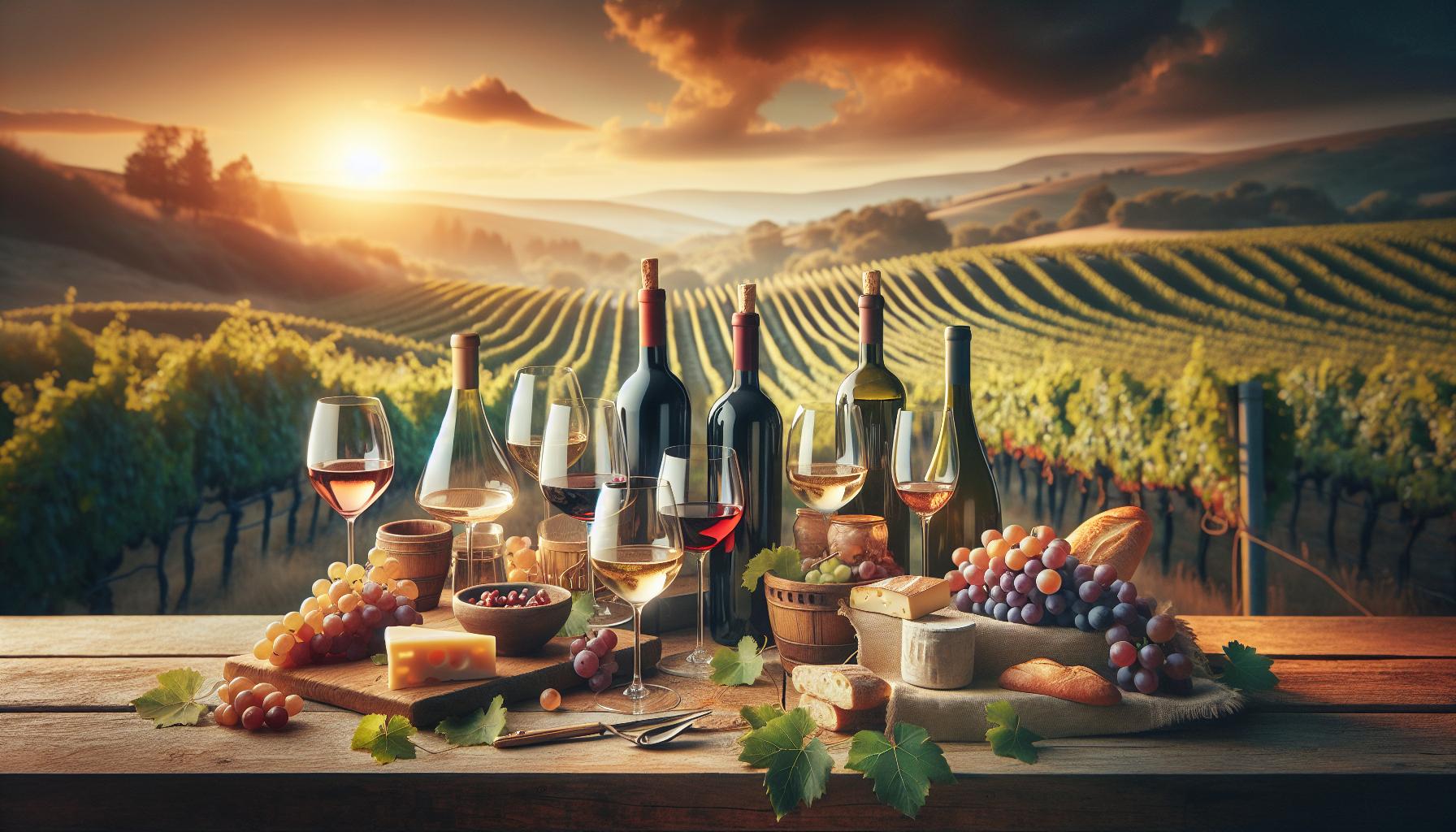
The Legacy of Francis Ford Coppola’s Winery
is as rich and complex as the renowned wines it produces. Established in the early 1990s, the winery not only marked Coppola’s foray into the world of winemaking but also served as a vibrant canvas for his artistic vision-a melding of cinema and viticulture that reflected his esteemed career in the film industry. Stepping away from the silver screen, Coppola sought to create an immersive experience that engaged the senses, nurturing a cultivated appreciation for both wine and storytelling among visitors and oenophiles.
Nestled in the stunning landscape of Sonoma County, the winery transcends mere wine production; it has evolved into a cultural landmark that celebrates the arts in all its forms. Through its rustic allure and captivating design, reminiscent of the grand estates featured in classic films, Coppola’s winery invites guests to explore, learn, and savor. The grounds feature film memorabilia that pay homage to his cinematic achievements while offering tastings that connect drinkers to the terroir of the region. This duality not only enhances the wine experience but also roots it firmly in the broader narrative of Coppola’s life-a narrative that is endlessly engaging and rich with creativity.
The impact of Coppola’s legacy can be observed not only in wine enthusiasts but also in the community surrounding the estate. The winery has become a gathering place for celebrations, romantic outings, and family adventures. Offering culinary programs alongside the wine tastings, it has cultivated a reputation for quality that extends beyond the bottle. Visitors are invited to relish pairings that elevate both the palate and the experience, creating lasting memories. This connection fosters a sense of loyalty among patrons who see the winery as a part of their personal journeys.
What this sale means for the future isn’t merely about transition; it echoes a continuation of Coppola’s ethos and vision. The new ownership will inherit a remarkable legacy that has raised the bar for what wineries can achieve in terms of customer experience and cultural significance. The values of craftsmanship, community engagement, and artistic innovation that have become synonymous with Coppola’s brand set an inspiring precedent. As the narrative of this once owner-driven establishment shifts, it leaves behind a tapestry woven from the stories of visitors, employees, and, of course, the wines that have graced the tables of enthusiasts far and wide. This lasting legacy serves not just as a remarkable chapter in winemaking history but also as an invitation for the next custodians to write their own stories within its storied walls.
Behind the Scenes: How the Sale Unfolded
The journey of selling Francis Ford Coppola’s winery was as intricate as the art of winemaking itself, marked by careful deliberation and strategic decisions that mirrored the filmmaker’s storytelling prowess. The process began quietly in early 2023 when whispers of a potential sale reached the wine community, stirring curiosity among aficionados and fans alike. The winery, after more than twenty-five years of operation, had cultivated a reputation that extended well beyond the vineyards of Sonoma County-a legacy laced with creativity, hospitality, and unparalleled craftsmanship.
As negotiations unfolded, it became clear that Coppola’s goal was not merely to sell a business but to entrust his carefully nurtured vision to capable hands. Serious buyers were screened, each bringing their own narratives and aspirations for the winery’s future. This exercise in discernment mirrored the meticulous process of crafting a fine wine, where every grape and fermentation decision holds significance. The stakes were high, with Coppola determined to find a successor who resonated with the winery’s ethos regarding artistry in not just wine, but experience.
Throughout the behind-the-scenes maneuverings, confidentiality was paramount. Prospective buyers signed non-disclosure agreements, allowing conversations to unfold in a cloak of discretion. Among these were industry veterans with ambitious plans to take the winery to new heights without losing its profound connection to Coppola’s vision. Ultimately, the negotiating table became a canvas where the interplay of value, artistic integrity, and future potential was explored.
When the time came to ink the deal, the historical weight of the moment loomed large. For Coppola, handing over the winery was like passing the baton in a long and arduous race. The final price tag, which, as later revealed, reached an impressive sum that reflected both the winery’s physical assets and its cultural capital, was a testament to the institution he had built. Yet, beneath the numerical value lay the stories of countless guests who had shared laughter and made memories on the estate-a narrative that echoes long after the sale has completed.
As the new custodians take the helm, they inherit not just vineyards and barrels, but a rich tapestry of experiences that have defined Coppola’s winery. This transition marks an exciting chapter that promises to blend the old with the new, ensuring that the winery remains a cherished destination for wine lovers and storytellers alike. The future looks bright as the legacy continues, urging everyone involved to savor the moment like a fine wine, appreciating each layer of complexity and richness that life, much like a splendid vintage, generously offers.
Financial Details: The Price Tag Revealed
The sale of Francis Ford Coppola’s winery, a storied establishment nestled in Sonoma County, ultimately culminated in a jaw-dropping price tag of $200 million. Such a figure not only underscores the winery’s tangible assets-its meticulously tended vineyards, the inviting hospitality of its estate, and its inventory of fine wines-but also encapsulates the cultural significance and emotional resonance that Coppola’s name evokes in the world of viticulture and beyond.
A Breakdown of the Valuation
The financial intricacies involved in this sale reflect the delicate balance between physical worth and the intangible legacy of storytelling and artistry that Coppola has imbued in his establishment. A few factors contributed to this staggering valuation:
- Location: Situated in one of the premier wine-producing regions in the United States, the winery commands both prestige and geographical allure.
- Brand Equity: The Coppola name, synonymous with film craftsmanship and creativity, adds a significant premium to the winery’s value.
- Diverse Portfolio: Beyond wine production, the winery offers a multifaceted experience with its tasting rooms, gourmet dining options, and unique events, appealing to a wide range of visitors.
- Market Trends: As the wine industry continues to grow, particularly in premium segments, investors seek opportunities in established vineyards with strong growth potential.
Each component of the winery’s valuation interlaces with Coppola’s vision and passion, ensuring that the number on the checkbook reflects not just monetary worth, but the years of memories, innovation, and artistry that have soaked into the very soils of the Napa Valley.
Looking Ahead
As new stewards take the reins, they are not merely acquiring a business; they are inheriting a vibrant legacy that intertwines film and wine-a narrative propelled by creativity and craftsmanship. The transition from Coppola to new ownership also signifies an opportunity to preserve the essence of what has made the winery a beloved destination, while simultaneously innovating and evolving its offerings. The road ahead is as exciting as a well-aged vintage waiting to be unveiled, promising fresh stories, wine-tasting adventures, and a continued celebration of the artistry behind every bottle.
In the end, monetary value may document the sale, but the true worth of Coppola’s winery lies in its capacity to foster connections, ignite passions, and create a sanctuary for those who appreciate the finer nuances of both wine and storytelling.
Key Factors Influencing the Sale Price
The allure of Francis Ford Coppola’s winery extends far beyond its picturesque vineyards and esteemed wine selection; it encompasses a rich tapestry of factors that contributed to its remarkable sale price of $200 million. In this realm of value, the complexities of branding, location, and market dynamics converge to shape an asset deeply intertwined with the narrative of both cinema and viticulture. Understanding these elements reveals not just the worth of the property but the powerful stories housed within each bottle.
One cannot overlook the location of Coppola’s winery, situated in Sonoma County, a crown jewel among America’s wine-producing regions. The geographical allure here is both strategic and enchanting, drawing upon visitors’ desires for a quintessential wine country experience. As connoisseurs of the vine often seek out locations that promise quality and beauty, the strategic positioning of the winery harnesses an organic draw, enhancing its market value. The surrounding landscapes are not just picturesque; they embody a sense of adventure and discovery that patrons and investors alike are eager to embrace.
Equally vital is the brand equity that the Coppola name carries. Francis Ford Coppola is celebrated not only for his cinematic genius but also for his commitment to quality and artistry, qualities that resonate deeply with wine enthusiasts. This reputation allows the winery to command a premium, as the narrative of Hollywood sophistication intertwined with winemaking artistry adds a layer of prestige that is hard to quantify but undeniably impactful. Such a legacy means that each bottle carries not just the flavors of the land but also the essence of storytelling, making it more than just a consumable product.
Furthermore, a diverse portfolio enhances the winery’s valuation. Beyond the production of wines, Coppola’s estate features exquisite tasting rooms, gourmet dining options, and a host of unique events that cater to a wide array of visitors-from novice wine drinkers to seasoned experts. This multifaceted approach not only increases foot traffic but also cultivates repeat customers who seek both the experience and the exceptional wines that emerge from the estate. Such offerings create a symbiotic relationship between the winery and its patrons, further solidifying its worth in the eyes of potential investors.
Lastly, the current market trends within the wine industry have played a significant role in shaping the sale price. An increasing appetite for premium wines-bolstered by growing consumer interest in diverse varietals and experiential tastings-positions established wineries as sought-after investments. With an ever-increasing number of wine enthusiasts eager to invest in authentic experiences and quality products, Coppola’s winery, with its established brand and rich legacy, stands as a beacon for investment opportunities in an evolving market landscape.
Through these lenses of location, brand strength, diverse offerings, and market dynamics, we gain insight into the complexity of the winery’s esteemed valuation. Each aspect integrates to form a holistic picture, capturing the essence of what makes this establishment not just a business, but a landmark of cultural and sensory exploration. As new ownership steps in, these factors will undoubtedly play a crucial role in shaping the future of a winery that embodies the delicate interplay between artistry, community, and the enduring allure of wine.
What’s Next for the Winery After the Sale?
The future of Coppola’s winery is poised for an intriguing evolution that promises to honor its storied past while venturing into new terrain. Following its sale, the winery’s new ownership presents an opportunity to refresh and innovate the winery’s dynamic offerings, ensuring that it remains a treasured destination for both seasoned oenophiles and curious newcomers. As the legacy of Francis Ford Coppola intertwines with a fresh vision, the next chapter unfolds-inviting exploration, enjoyment, and potential participation in the vibrant world of wine.
The new custodianship will likely prioritize a seamless transition that respects the brand’s heritage while exploring new avenues for growth. With Sonoma County’s standing as a premier wine destination, one can expect enhancements both in the vineyard and the visitor experience. For instance, there may be a renewed focus on sustainable winemaking practices, aligning with the growing consumer interest in environmentally conscious products. This commitment to sustainability can enrich the tasting experience, allowing guests to appreciate how the land and atmosphere influence each varietal.
At the same time, experiential offerings could expand. Imagine immersive events that delve into the art of winemaking, where guests participate in grape harvesting or blending sessions, culminating in personalized bottles to take home. Taste workshops may emerge, highlighting not only the wines themselves but also the tantalizing pairings with local artisanal foods, elevating the entire sensory experience. Coupled with the iconic Film Museum-a nod to Coppola’s cinematic legacy-visitors will likely find a more compelling narrative to connect them with both the wines and the artistry of storytelling.
Moreover, with the winery’s popularity and reputation, it is plausible that we will see increased collaboration with local vineyards and other boutique producers. These partnerships could yield exclusive wine selections that celebrate the unique terroir of Sonoma while capturing the spirit of cooperation among the wine community. Envisage limited-edition releases that tell a story, presented in elegantly crafted packaging-an appealing investment for collectors and an evergreen topic of conversation for gatherings.
As we gaze into the horizon beyond this significant sale, we can celebrate that the allure of Coppola’s winery is not merely in its iconic name but also in its profound capacity for adaptation and innovation. The winery remains a canvas upon which fresh ideas can flourish; a vineyard where art and nature converge, creating experiences that resonate deeply within the hearts of those who step foot upon its soil. Whether indulging in a glass of Cabernet Sauvignon or enjoying a gourmet meal in the picturesque setting, guests will undoubtedly continue to savor the intersection of culture, flavor, and narrative-vital elements that ensure the winery’s enduring charm and relevance in the evolving landscape of wine appreciation.
The Impact of the Sale on Wine Enthusiasts
The recent sale of Francis Ford Coppola’s winery has resonated deeply within the wine enthusiast community, sparking conversations about its future and what it signifies for wine culture. With Coppola’s name synonymous with cinematic brilliance and a blend of artistry and winemaking, the winery’s transition represents more than just a shift in ownership; it signals a continuation of a legacy, fostering a space where enthusiasts can engage with both the grape and the great narratives they inspire.
For avid wine lovers, the sale encourages a renewed exploration of the winery’s offerings, as new ownership typically brings fresh perspectives. This change is not merely about the wines produced but about the experience surrounding each bottle. With likely enhancements in sustainable practices and innovative tasting experiences on the horizon, enthusiasts can expect a more immersive engagement with the cultivation process that infuses each glass with significance. Imagine sipping a rich Cabernet Sauvignon, savoring its bold tannins, while also participating in a hands-on blending session or harvesting grapes during their prime.
Aligned with this experiential evolution, there’s the vital question of community and collaboration. The potential for the winery to partner with other local producers and boutique vineyards offers an exciting avenue for exclusive releases. Wine aficionados will find joy in discovering limited-edition bottles crafted with care, each telling a unique story reflective of Sonoma’s diverse terroir. These partnerships could encourage a vibrant exchange of ideas, even igniting regional pride among wine lovers, as they celebrate products born from the soil and the shared passion of the winemakers.
Furthermore, the burgeoning focus on sustainability resonates powerfully with today’s conscious consumer. Many wine enthusiasts prioritize not only flavor but also the story behind their selections-the ethics involved in producing their glass of rosé or sparkling wine. By embracing environmentally responsible practices, the new owners can attract an audience eager to support wineries that align with their values, enhancing both the tasting experience and the community’s connection to the land.
In essence, the impact of this sale extends far beyond the financial figures; it influences a culture of appreciation and curiosity in wine enthusiasts. With every sip taken at Coppola’s winery, there will not only be a celebration of taste but also a reflection on the evolution of winemaking as an art form-an ongoing saga of creativity and connection. The winery continues to be a lush canvas, inviting everyone from the casual sipper to the seasoned connoisseur to embark on an extraordinary journey through wine. Each visit is poised to be a narrative, full of layers waiting to be explored, where every glass shared may be the spark for both conversation and inspiration.
Coppola’s Journey: From Filmmaker to Winemaker
Francis Ford Coppola is perhaps best known as the visionary director behind cinematic masterpieces like “The Godfather” and “Apocalypse Now.” However, what many may not realize is that his journey into the world of winemaking is nearly as rich and layered as his films. This transition began in the late 1970s when Coppola purchased a modest winery in Sonoma County, California, not far from the vineyards of Napa Valley. This venture was not merely a business choice; it was a passionate pursuit rooted deeply in familial ties and a desire to create a lasting legacy.
As he cultivated his vineyards, Coppola infused his winemaking with the same passion and creativity that defined his films. His winery was outfitted with an aesthetic homage to cinema, featuring film memorabilia that turned wine tasting into a multimedia experience. Indeed, visiting the winery feels akin to stepping onto a film set, where each bottle boasts a narrative that tells both the story of the grapes and the artistry behind their transformation. Patrons are not just sipping wine; they are engaging with a cultural experience, with rich Cabernet Sauvignons and delicate Chardonnays poured alongside tales of Hollywood history and Coppola’s own family saga.
The Philosophy Behind the Vine
Coppola’s philosophy mirrors the craftsmanship seen in filmmaking-his wines, much like a well-crafted script, are a careful blend of elements that come together to create something beautiful. He has often emphasized the importance of terroir-the unique environmental factors that shape each vintage-as akin to a setting in a film that influences character and narrative. The lush, diverse landscapes of Sonoma allow the winery to produce a variety of wines that express depth and uniqueness, much like a cinematic story arc. This attention to detail reverberates through the tasting experience, as guests can discern the influence of the land in the flavors dancing on their palates.
Looking Forward
As Coppola transitions away from direct ownership of the winery, his legacy remains entwined with the land and the wine produced there. The new owners are now tasked with continuing this narrative, honoring the storied past while writing the next chapter. For wine enthusiasts, there is an exciting prospect: new ideas and fresh perspectives may breath additional creativity into this creative sanctuary. With the potential for innovative approaches to winemaking and visitor experiences, there lies an opportunity for the winery to continue inspiring curiosity and connection among those who visit.
In this evolving tale, Coppola’s journey from filmmaker to winemaker reveals the intricate bonds between art, culture, and the pleasures of the table. Each bottle produced encapsulates not only the beauty of Sonoma’s terroir but also the enduring passion of an artist turned vintner, celebrating the connective power of wine in all its forms. Each sip is a reminder that like film, wine brings people together, fostering moments of connection, conversation, and contemplation-inviting the world to savor its moments, one glass at a time.
Exploring the Winemaking Process at Coppola
At the heart of Francis Ford Coppola’s winery lies an enchanting blend of artistry and tradition, mirrored in every step of the winemaking process. This evolution from grape to glass is not merely a mechanical reproduction; it is a symphony of elements that harmonize to create wines which are both reflective of their terroir and evocative of the filmmaker’s artistic vision. As you delve into the specifics of how wines at Coppola’s estate are crafted, imagine each stage as a chapter in a beautifully written script, where every detail matters, and each decision influences the final narrative.
The journey begins in the vineyard, where the essence of the wine is deeply rooted. Coppola’s philosophy emphasizes the importance of terroir, that elusive combination of soil, climate, and geography which informs the character of each grape variety. The lush vineyards of Sonoma County allow for a spectrum of varietals-from robust Cabernet Sauvignons to vibrant Sauvignon Blancs-each one expressing the sheer vibrancy of the land. Coppola’s commitment to sustainable farming practices ensures that this relationship with the land is not only revered but also nurtured. Harvest is the culmination of this process, eagerly anticipated and marked by the excitement of gathering the fruit at its peak flavor and ripeness.
Once the grapes are harvested, they undergo meticulous sorting to ensure only the best make it into the fermentation tanks. This critical step reflects Coppola’s attention to detail akin to a director’s vision in pre-production. Fermentation, where the magic truly begins, is a dance of temperature control and natural yeasts, transforming the sugars in the grapes into alcohol. Here, malolactic fermentation may be employed, softening sharp malic acids-similar to adding layers to a character to evoke empathy and depth. This phase brings forth the wines’ complexity, opening the door to rich flavors that are as multidimensional as the films that Coppola has produced.
Compounding this intricate process is the aging of the wine, often carried out in oak barrels that impart subtle nuances-think of this as the character development phase of a narrative where wines age gracefully, acquiring personality as they interact with their wooden vessels. Each barrel, treated uniquely, adds distinguishing notes of vanilla, spice, or smoke, adding layers to the final taste profile. In the winery’s cellar, the environment plays yet another crucial role, offering a consistent climate that favors the slow maturation of wines, allowing them to evolve into something exceptional.
The culmination of this meticulous process is realized in the tasting room, where every glass poured tells a story. Patrons discover notes of dark cherry, hints of cedar, or maybe a whisper of minerality-all evocative of the Sonoma landscapes from which they hail. In this way, visiting Coppola’s winery becomes not just a tasting experience, but an engagement with the saga of each wine-a celebration of a life devoted to the art of creation, be it through film or wine. Engaging with the wines here is akin to savoring a fine movie; it calls for reflection, appreciation, and, above all, connection with the creative essence that flows through each sip.
By immersing oneself in this delightful process, wine enthusiasts are bound to find deeper appreciation not solely for the wines themselves but for the artistry encapsulating each bottle-an experience that reverberates with Coppola’s legacy as both a filmmaker and a winemaker.
Customer Experience: Visits and Tastings Explained
There’s a certain magic that envelops Francis Ford Coppola’s winery-a sanctuary where the spirits of both cinema and viticulture intertwine. Stepping onto the estate, you’re not just visiting a winery; you’re entering a realm where every detail is curated with the care of a master filmmaker. The experience is designed not only to educate visitors about the artistry of winemaking but also to engage their senses and inspire a deeper appreciation for the craft.
The visitor journey begins with the picturesque vineyards that greet guests as they arrive, stretching like an inviting carpet of green across the rolling hills of Sonoma County. Here, you can take a leisurely stroll, inhaling the fragrant air infused with the scent of ripening grapes. Engaging with the landscape provides a tangible connection to the terroir-the heart and soul of each varietal cultivated on site. Thoughtful signage scattered throughout the vineyard offers insights into the growing process and methods of sustainable farming, making this immersion into nature both educational and enchanting.
Inside the winery, the tasting experience unfolds like a carefully crafted scene in one of Coppola’s films. The warm and inviting tasting room invites you to select wines that speak to your preferences, be it a bold Cabernet Sauvignon with its deep, dark character or a crisp Sauvignon Blanc that dances on the palate. Knowledgeable staff-often as passionate about the wines as the filmmaker himself-guide you through a carefully curated flight, explaining the nuances of each vintage. They may even share anecdotes about the winemaking process, akin to the behind-the-scenes stories of classic films, enriching your understanding of what lies within the glass.
Tasting Room Etiquette: Getting the Most Out of Your Visit
- Take Your Time: Wine tasting is not a race. Savor each sip and allow the flavors to unfold on your palate.
- Engage with Your Guide: Don’t hesitate to ask questions-everyone has a unique palate and a personal story behind their preferences.
- Take Notes: If you’re keen on exploring different wines over time, jotting down your favorites and tasting notes can help you remember your experiences.
- Pace Yourself: While it can be tempting to sample everything, moderation will allow you to genuinely appreciate each wine.
Aside from tastings, Coppola’s winery also offers immersive experiences, including guided tours of the vineyards and cellars. These tours often include discussions about the meticulous winemaking process, from grape selection to aging and bottling. Insights into practices like *malolactic fermentation*, which softens the wine’s acidity, reveal the culinary artistry involved in crafting each bottle-fostering a greater appreciation for the labor and passion poured into every vintage.
As you sip a glass of wine at Coppola’s estate, whether sun-drenched on the terrace or cozying up at an intimate tasting table, reflect on the journey of flavors emerging from each pour. The sensory experience is akin to watching a masterful film; it requires engagement, contemplation, and an openness to the complexities that unfold. Each visit fosters a deeper connection to not only the wines but to the cultural narrative that Coppola has crafted, transforming mere enjoyment into a heartfelt celebration of the artistry that both film and wine represent. In essence, tasting wine at Coppola’s isn’t just about experiencing flavors; it’s about immersing oneself in a rich tapestry of creativity and dedication that transcends the glass.
Cultural Significance of Coppola’s Winery
The presence of Francis Ford Coppola’s winery transcends the simple winemaking process, embedding itself within a rich tapestry of artistry, culture, and personal narrative that resonates deeply with visitors. More than just a family-owned vineyard in Sonoma, it stands as a monument to the seamless melding of film and wine, allowing guests to taste not only the wine but the very echoes of storytelling that Coppola himself has passionately crafted throughout his career. Each bottle and every sip imbues an experience reflective of the themes and emotions that define his legendary films, cultivating a unique cultural space where cinema and viticulture converge.
Coppola’s winery is a celebration of heritage, drawing from both Italian traditions and California’s burgeoning wine culture. It serves as an emblem of how winemaking can encapsulate personal history and familial legacy, akin to the way cinema captures societal narratives. The cultural significance is further amplified by the winery’s various projects and initiatives, such as its commitment to sustainable farming, which resonates with contemporary movements toward environmental stewardship and ethical consumption. By engaging in practices that prioritize the health of the land, Coppola invites his guests to reflect on their own relationship to food, drink, and the environment-making each visit not just a tasting but a thoughtful engagement with the cycles of life that wine represents.
Moreover, the winery acts as a cultural hub, hosting events that celebrate the arts and foster community connections, from film screenings to music festivals. This not only enhances the visitor experience but fuels a dialogue between different art forms, reinforcing the idea that creativity knows no singular medium. The tasting room itself is not just a place to sip wine but a fertile ground for conversations about art, food, and life, much like the spirited discussions that flourish in the flickering light of a cinema.
In this rich narrative landscape, one can appreciate how each varietal tells a tale-whether it’s a crisp Sauvignon Blanc bursting with notes of citrus and grass, or a robust Cabernet Sauvignon that provides a glimpse into the intricate interplay of fruit, oak, and time. As you swirl, sip, and savor, you participate in a moment steeped in a legacy where every glass is steeped in history, passion, and a connection to the human experience. Thus, the invites wine enthusiasts and casual visitors alike to embark on a journey of discovery-one that invites them to engage not just with wine, but with the stories, emotions, and connections that weave through our shared human tapestry.
Future Trends in Winery Sales and Acquisitions
The wine industry is undergoing a metamorphosis, with trends in winery sales and acquisitions reflecting larger shifts in consumer preferences, investment strategies, and sustainability initiatives. As the market for bespoke wines flourishes alongside the rise of experiential tourism, wineries like Coppola’s are moving from mere production facilities to cultural hubs that prioritize community engagement, innovative practices, and storytelling. This evolution raises essential questions about how future winery transactions will unfold and what they will signify for both buyers and the broader wine culture.
One noteworthy trend is the increasing appeal of small, family-owned wineries to larger corporations and investment groups looking to diversify their portfolios. There’s a notable harmony found in the authenticity and heritage these wineries embody, reminiscent of Coppola’s own narrative arc from filmmaking to winemaking. Potential buyers are often motivated not merely by profit but by the desire to preserve and enhance the winery’s legacy, leading to more thoughtful acquisitions that align with cultural values rather than merely commercial gain.
Moreover, sustainability has emerged as a vital factor influencing acquisition decisions. Wineries that prioritize organic farming practices, biodynamic principles, and water conservation are becoming increasingly attractive to eco-conscious investors. For instance, a winery that adopts regenerative agriculture practices not only appeals to consumers looking for transparency and ethical production but also creates a more resilient business model capable of thriving amid climatic challenges. This shift is also seen in how investment firms assess wineries, often looking for environmental stewardship as a key performance indicator.
Investors are increasingly intrigued by the concept of experiential wine tourism, where visits to vineyards are crafted into immersive experiences that blend education, entertainment, and gastronomy. The trend reflects not only a change in consumer behavior-where patrons crave deeper connections to what they consume-but also how successful wineries are conceptualizing their long-term strategy. This phenomenon parallels Coppola’s own winery ethos, which invites guests to savor narratives and art alongside tasting notes. In the future, we can expect a surge of acquisitions aimed at enhancing visitor experiences, shaping them into multifaceted cultural centers that offer more than just wine.
As the market evolves, the question remains: what does the future hold for winery sales and acquisitions? The interplay between art, sustainability, and community engagement will be pivotal in shaping market dynamics. As both seasoned collectors and novice enthusiasts seek authentic experiences, the wineries that best embody these values are likely to attract attention, setting the stage for a vibrant and interconnected wine culture that honors its roots while adapting to new realities. In this dance of legacy, passion, and profit, we find that every bottle-much like a well-crafted film-has a story waiting to unfold, inviting us to taste the richness of human experience beyond mere consumption.
FAQ
Q: How much did Francis Ford Coppola sell his winery for?
A: Francis Ford Coppola sold his winery, Francis Ford Coppola Winery, for approximately $120 million in 2021. This transaction marked a significant milestone in the wine industry, showcasing the lasting legacy and impact of Coppola’s venture into winemaking.
Q: What was the reason behind Coppola selling his winery?
A: Coppola cited a desire to focus on his film projects and other personal pursuits as key reasons for selling his winery. This move allows him to shift his attention back to the cinematic world while ensuring the continued growth of the winery under new ownership. For more on his motivations, refer to the detailed insights in our main article.
Q: When did Coppola purchase the winery, and how did it grow in value?
A: Coppola purchased the winery in 1995 for $5 million. Under his stewardship, it expanded significantly, enhancing both its production capacity and brand recognition, thus increasing its market value exponentially over the years. The journey reflects Coppola’s passion for wine versus filmmaking.
Q: Who bought Coppola’s winery, and what do they plan to do with it?
A: The new owners are a group of investors known for their interest in premium wines. They plan to maintain the winery’s reputation for high-quality wines while exploring new market opportunities that align with Coppola’s legacy. This transition is designed to honor the winery’s heritage while innovating its offerings.
Q: What notable wines did Coppola produce during his tenure?
A: During his tenure, Coppola produced several acclaimed wines, including the “Director’s Cut” series and the “Claret” blend. Each wine reflects Coppola’s commitment to quality and his unique vision, showcasing California’s terroir and the rich varietal diversity of the region.
Q: How does Coppola’s winery fit into the larger Napa Valley wine culture?
A: Coppola’s winery has played a substantial role in elevating Napa Valley’s global reputation, blending cinematic art with winemaking. Its immersive visitor experience and educational initiatives foster appreciation for wine while painting a broader cultural narrative about the region’s artistry, sustainability, and community.
Q: What impact did Coppola’s winery have on the local economy?
A: The winery significantly contributed to the local economy by creating jobs, promoting tourism, and enhancing Napa Valley’s global profile as a premier wine destination. Its success has encouraged new investments in the area, enriching the cultural landscape and supporting local businesses.
Q: What lessons can aspiring vintners learn from Coppola’s journey in winemaking?
A: Aspiring vintners can learn the importance of passion, storytelling, and commitment to quality from Coppola’s journey. His approach demonstrates how authenticity and creativity can create a successful wine brand, emphasizing connection to both the land and the consumer. Explore his insights further in our main article.
For a deeper dive into Coppola’s full story, including his influence on winemaking culture and the events leading to the sale, check out our detailed article.
To Conclude
As we uncork the story behind Coppola’s winery sale, it’s evident that this isn’t just about a price tag; it’s a chapter in an ongoing narrative about passion, legacy, and the intricate world of wine. What does this mean for fans of Coppola and enthusiasts of fine wines alike? The sale opens doors to new opportunities, innovations, and the chance to savor the timeless qualities that wine embodies – from the vineyards’ rich terroir to the craftsmanship behind each bottle.
If you’re curious about the fascinating interplay between wine culture and investment, or perhaps want to delve into other industry insights, check out our articles on the “Top 10 Wine Investments to Consider” and “The Journey of Winemaking: From Grapes to Glass.” Don’t let the story end here; subscribe to our newsletter for the latest updates and exclusive content that will deepen your appreciation for the art of winemaking. Share your thoughts below – how do you feel this sale might influence Coppola’s legacy, or your future wine choices? Together, let’s raise a glass to exploration and conversation in the wonderful world of wine.


