
Wine is often seen as a timeless treasure, yet many enthusiasts wonder: does unopened wine go bad? This question is vital for anyone looking to fully relish their investment, whether it’s a celebratory bottle or a cherished collectible. Understanding how to properly store wine and recognizing its shelf life can unlock the potential of each sip, allowing it to age gracefully or be enjoyed at its peak.
Imagine unearthing that perfect bottle from your collection, only to find it has lost its vibrancy. Fear not, as the journey into the world of wine storage is not something to approach with trepidation, but rather with curiosity. In this article, we will delve into the factors that influence the longevity of unopened wine and provide practical tips to ensure your bottles remain in prime condition. Join us as we explore the delicate interplay of time, storage, and the enchanting qualities that make wine a much-loved companion of life’s moments.
Does Unopened Wine Expire? Understanding the Risks
The topic of unopened wine and its longevity often evokes curiosity and concern among wine enthusiasts and casual drinkers alike. On one hand, the allure of a perfectly aged bottle is undeniable; on the other, there lurks the fear that the cherished wine may lose its charm over time. While unopened wine does not “expire” in the same way that perishable foods do, understanding the risks associated with storage and aging is essential. The truth is that wine is a living entity, influenced by its environment and the conditions in which it is kept.
When it comes to unopened wine, several factors can affect its longevity. Storage conditions play a critical role. Ideally, wine should be stored in a stable environment, shielded from light and temperature fluctuations. A dark, cool place with a consistent temperature-typically between 45°F and 65°F (7°C to 18°C)-is optimal for keeping both red and white wines at their best. High temperatures can accelerate the aging process, causing the wine to deteriorate quickly, while extreme cold may inhibit its development.
Another risk to consider is the seal of the bottle. Cork, a traditional closure for many wines, can allow air to seep in over time, potentially oxidizing the wine and leading to off-flavors. It’s crucial to inspect the cork occasionally, as a compromised cork can signal potential problems ahead. Even high-quality wines have their limits, and while some can age gracefully for decades, others are best enjoyed within a few years after bottling. Understanding the specific characteristics of each wine variety will provide invaluable insight into how long they can remain unopened without significant quality degradation.
In essence, while unopened wine doesn’t have a hard expiration date, it does carry implicit risks influenced by storage conditions, sealing methods, and varietal characteristics. By fostering a conscientious approach to wine storage and being aware of the factors at play, collectors and casual sippers alike can savor their bottles for years to come, fully appreciating the intricate dance of flavors that time and care can evoke.
Factors Affecting Unopened Wine Longevity
The journey of unopened wine, much like the seasons of a vineyard, is governed by various influences that determine its longevity and potential to age gracefully. Think of it as a delicate dance between nature and nurture, where each element contributes to an evolving story inside the bottle. This exploration isn’t just for the connoisseur; it’s a rich tapestry that even casual wine enthusiasts can appreciate as they consider the bottle waiting in their cellar or pantry.
The first protagonist in this narrative is the storage environment. Ideally, wine is best kept in a controlled setting-think of a cool, dark cave that maintains temperatures between 45°F and 65°F (7°C to 18°C). A dramatic temperature swing can cause the wine to expand and contract within the bottle, potentially compromising the integrity of the seal. More importantly, the wine becomes susceptible to oxidation, which can alter its flavors, transforming what should be a lush, balanced sip into something decidedly unpalatable.
Next in line is the quality and type of closure that seals the bottle. Traditional cork closures, while romantic and historical, are not without their perils. They can degrade over time, allowing air to infiltrate and wreak havoc on the wine’s delicate chemistry. On the other hand, screw caps offer a more stable seal, reducing the likelihood of oxidation and maintaining the wine’s character for a longer period. Understanding the nuances of these closures can inform your choices when purchasing wines for aging, guiding you toward selections that will withstand the test of time.
Another critical insignia of unopened wine longevity lies in the varietal characteristics of the wine itself. While certain robust reds like Cabernet Sauvignon are known to age magnificently for decades, delicate whites like Sauvignon Blanc are often best enjoyed young. The inherent tannins and acidity of each variety play a pivotal role in its potential for aging. A wine’s structure-the balance between its sweetness, acidity, and tannin-will dictate how well it might evolve, allowing those shapes and textures to develop over time.
To further enrich the experience, consider how environmental factors come into play. The influence of light should not be overlooked; UV rays can hasten the degradation of wine compounds, leading to premature aging. A dark storage space not only protects your bottles from the physical impact of light but also ensures that temperature fluctuations caused by exposure to sunlight are minimized. The combination of these factors creates a foundation upon which the symphony of flavors governs the wine’s future.
By embracing a holistic approach to wine storage, enthusiasts can cultivate a collection that not only lasts but also flourishes. The art of wine appreciation is as much about understanding these factors as it is about savoring the fruits of labor that a well-stored bottle can yield-each sip a celebration of time, terroir, and tradition. As you embark on this sensory journey, remember that a well-cared-for bottle holds the promise of shared stories, cherished moments, and a taste of the passage of time.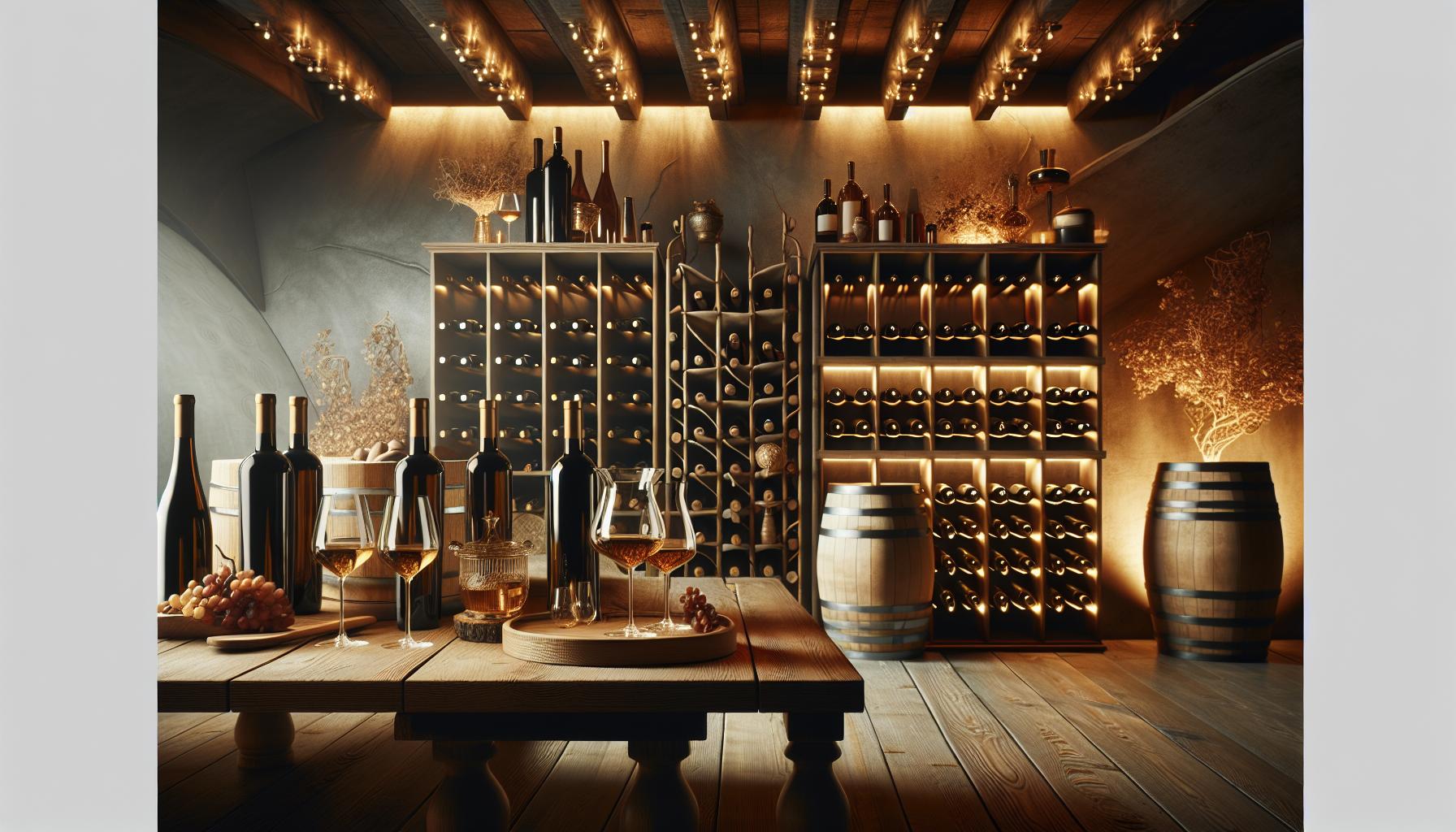
Ideal Storage Conditions for Your Wine Collection
To truly appreciate a bottle of wine, one must first grasp the importance of proper storage. Imagine the anticipation of uncorking a well-aged Bordeaux, only to find it has succumbed to the perils of improper environmental conditions. This unfortunate scenario highlights that the journey of wine doesn’t end at the vineyard but continues in the space where it is kept. For those embarking on their wine-collecting adventure, understanding the ideal storage conditions is not just a guideline; it’s an essential principle to honor the craft of winemaking and protect the precious flavors stored within each bottle.
Setting up your wine sanctuary begins with temperature control, the most critical aspect of storage. Ideally, wine should be kept in a cool, dark place with temperatures that hover between 45°F and 65°F (7°C to 18°C). The key here is stability. Fluctuating temperatures can cause the wine to expand and contract, potentially compromising the cork’s seal and inviting unwanted oxygen into the bottle. If your collection isn’t extensive enough to justify a wine fridge, consider a basement or an interior closet away from heat sources and sunlight.
Equally important is controlling humidity. A relative humidity level of around 50% to 70% is ideal. Too little humidity can dry out corks, making them brittle and susceptible to breaking or crumbling upon opening. Conversely, excessive moisture can lead to mold growth and damage labels. Utilizing a hygrometer will help you monitor humidity levels accurately, ensuring that your bottles remain in optimal condition.
Factors to Keep in Mind
The light is another vital player in the drama of wine preservation. UV rays from sunlight can prematurely age wine, fading its vibrant flavors and aromas. For this reason, store your bottles in opaque boxes or a darkened area. Avoid clear glass displays that might show off your collection but leave it exposed to damaging rays. It’s the unseen elements that often do the most harm, underscoring the notion that while the aesthetic of wine storage can be appealing, it’s the practical aspects that ultimately safeguard your liquid investments.
Lastly, consider the vibrations that your wine may endure. Persistent movement from sources such as refrigerators, washers, or heavy foot traffic can disturb the sediment in the wine, affecting its taste and texture over time. If your bottles must reside near these disturbances, try to place them on stable, sturdy shelves that will minimize vibrations. By giving your wine the chance to rest peacefully, you allow its flavors to develop harmoniously.
By crafting an ideal storage environment that balances temperature, humidity, light exposure, and vibrations, you not only enhance the longevity of your wine but also the quality of your tasting experience. With each bottle you select, remember that the journey of that wine is interconnected with the care and attention you give it while it awaits its moment of revelation.
How Different Wine Varieties Age Over Time
Different wine varieties possess unique characteristics, which profoundly influence their aging potential and how they evolve over time within the bottle. Understanding these nuances can not only enhance your appreciation of each sip but also inform your decisions during storage and selection. For instance, while it’s said that some wines get better with age, this is decidedly not a universal truth applicable to every bottle on your shelf.
Take red wines like Cabernet Sauvignon or Syrah-these varieties often flourish with bottle age, developing complex flavors and aromas that can transform dramatically over a decade or more. Their robust structure, derived from rich tannins and acidity, provides a valuable backbone, allowing them to soften and mature gracefully. With each passing year, notes of dark fruit, tobacco, and earthiness may emerge, revealing a tapestry of tastes that were initially hidden. A well-stored Bordeaux, for example, might undergo a beautiful metamorphosis from youthful exuberance to sophisticated elegance, paving the way for the kind of rich, savory depth that leaves a lasting impression.
In contrast, many white wines, particularly those that are lighter, such as Pinot Grigio or Sauvignon Blanc, are often crafted for early enjoyment. These wines typically deliver bright, fresh flavors of citrus and green apple, and while some (like Riesling or Chardonnay) can age well, most are best consumed within a few years of bottling. The delicate balance of acidity and flavor in these varietals, while refreshing, often loses its vibrance when held too long, leading to potential flabbiness or oxidation. Therefore, keeping track of the intended lifespan of your white wines can be just as critical as monitoring the aging process of reds.
Additionally, understanding how sparkling wines such as Champagne or Prosecco fare over time can add another layer to your wine journey. Generally, the primary charm of sparkling wines lies in their freshness and effervescence. While prestigious vintages of Champagne can age beautifully, developing intricacies that tantalize the palate (think toasted brioche and nutty undertones), many non-vintage sparklers are designed for immediate enjoyment, meant to be savored while they retain their lively bubbles.
Ultimately, knowing how different varieties age enables you to curate your collection thoughtfully, ensuring that each bottle is opened at just the right moment. By respecting the unique attributes of your wines and storing them under optimal conditions-cool, dark, and stable-you’ll not only protect your investments but also unlock the fascinating tales each bottle has to share. As you navigate your wine adventures, consider each bottle’s aging potential not just as a countdown, but as an invitation to explore the evolving dialogue between nature’s bounty and the grape’s journey from vineyard to glass.
Signs That Your Wine Has Gone Bad
When it comes to unopened wine, discerning whether a bottle has gone bad can be a nuanced process. As a wine enthusiast, you may be surprised to learn that, unlike many perishables, unopened wine doesn’t technically “expire” in the conventional sense. However, certain factors can compromise its quality over time, leading to a less than desirable drinking experience.
First and foremost, consider the cork integrity. If the cork appears popped out or has started to disintegrate, it may have allowed air to enter the bottle, potentially oxidizing the wine inside. Oxidation can result in off-flavors and aromas, stripping away the wine’s natural vibrancy. Additionally, an off-putting smell reminiscent of vinegar or nail polish can indicate that acetic acid bacteria have taken hold, turning your precious bottle into a less appealing concoction.
Next, examine the wine’s color. For whites, look for a dullness or browning, which might signal that the wine has oxidized. Red wines that have faded to a brownish hue rather than their usual bright red or purple might also be past their prime. Moreover, if you see any signs of sediment or unusual cloudiness that weren’t present when you purchased the bottle, this may be another clue that the wine has deteriorated.
Lastly, while unopened wine typically has a longer shelf life than many think, it’s critical to consider how it has been stored. Fluctuations in temperature and exposure to light can negatively affect wine quality over time. If you discover a bottle that seems to have been stored in a warm or brightly lit area, it may well have suffered thermal shock, effectively cooking the wine and leading to a diminished flavor profile.
Ultimately, paying attention to these details can enhance your wine selection experience and help you avoid unwelcome surprises when it’s time to uncork a bottle. While some wines can indeed age beautifully, many are crafted for immediate enjoyment; nuanced awareness of their condition is vital for the true appreciation of their nature.
Extending the Life of Unopened Wine: Best Practices
As a collector or enthusiast nurturing a passion for wine, it’s vital to understand the best methods for preserving the life of your unopened bottles. Proper care can significantly enhance the longevity of wine, allowing you to savor its evolving character over time. Not only does it improve your drinking experience, but it also safeguards your investment in a bottle that might one day be a glorious centerpiece to your collection.
To maximize the lifespan of unopened wine, consider the following practical practices:
- Temperature Control: Ideally, wine should be stored at a consistent temperature between 45°F and 65°F (7°C to 18°C). Rapid fluctuations can shock the aging process, so invest in a reliable wine cooler if your home environment fluctuates too much. A steady temperature preserves the wine’s flavor profile and integrity over time.
- Dark and Cool Environment: Light, particularly UV rays, can degrade wine, causing it to age prematurely. Storing your wine in a dark space, such as a basement or a dedicated wine cellar, minimizes exposure. If using a fridge for storage, keep it away from direct lighting.
- Humidity Matters: A humidity level around 70% is optimal for wine storage. Too little humidity can dry out corks, allowing air to seep in, while too much can foster mold. Use a hygrometer to monitor levels, and if necessary, adjust through humidifiers or dehumidifiers.
- Keep Bottles Horizontal: Storing bottles on their side keeps the cork moist, preventing it from drying out and allowing air in. This simple act can stave off oxidation and maintain the wine’s flavor over the years.
- Avoid Vibrations: Wine bottles should be stored where they won’t be jostled. Vibrations can disturb the sediment in wine and affect its aging process. A quiet, stable environment is ideal for nurturing your prized bottles into their full potential.
Implementing these best practices not only protects your collection but also enriches your enjoyment of each bottle as it matures. It transforms wine storage from a simple act into a mindful preparation for the moments you’ll undoubtedly cherish-be it sharing with friends or indulging in a quiet evening alone. Remember, every bottle has its story, and with the right care, you can ensure it has a long, beautiful narrative to unfold.
Common Myths About Unopened Wine Shelf Life
Wine collectors often find themselves navigating a maze of information, and amidst the complexity, myths flourish like wild vines. One prevalent misconception is that unopened wine remains a forever-safe investment, endowed with an eternal shelf life, but the reality is more nuanced. While it is true that unopened bottles can last for years-sometimes decades-this longevity is influenced by a variety of factors, from varietal characteristics to environmental conditions.
For instance, a common belief is that all wines can be stored indefinitely, but in truth, only certain types of wines benefit from long-term aging. High-tannin reds and robust whites often improve with age, whereas lighter wines, such as whites or rosés, generally taste best within a couple of years of bottling. Additionally, some may assume that storing wine upright is just fine; however, this can lead to dried-out corks and excessive exposure to air. To counteract this, it’s advisable to store bottles horizontally to keep the cork moist, which maintains a proper seal and rich flavor profile.
Furthermore, many wine enthusiasts fall prey to the notion that a wine can be “rescued” after its peak aging window has passed. This misconception disregards the delicate balance of compounds in wine that evolve over time. Once a bottle has peaked, its potential for enjoyment diminishes significantly, revealing a lackluster taste that no clever pairing can improve.
Lastly, there’s the idea that a pricey bottle guarantees a superior experience over time. While price can often reflect quality and rarity, it does not inherently guarantee that the wine will age well. Instead, understanding the specific varietal characteristics, the producer’s method, and optimal storage conditions will empower you to make informed decisions and elevate your wine experience. Engaging with wine is a journey-one that thrives on knowledge and an appreciation for the distinctive narratives encapsulated within each bottle.
The Science Behind Wine Preservation Techniques
The delicate dance of wine preservation involves a complex interplay of science and artistry that safeguards each bottle’s unique character and potential for enjoyment. At its core, the preservation of unopened wine hinges on understanding how environmental factors and packaging interact with the wine’s complex chemistry. For example, the role of oxygen cannot be overstated; it can be both a friend and foe. While a little oxygen exposure during the aging process enhances several wines by softening harsh tannins and deepening flavors, excessive oxygen can lead to oxidation-a process that dulls the wine’s vibrancy and can even render it undrinkable.
Temperature and Humidity: The Dynamic Duo
Maintaining optimal temperature and humidity levels is paramount in preserving the integrity of wine. Ideally, wine is stored in a cool environment, typically between 45°F to 65°F (7°C to 18°C). Temperatures outside this range can accelerate aging or, worse, spoilage. For example, a sudden temperature spike can lead to the separation of components and a corresponding degradation in flavor profile and aroma. Humidity plays a complementary role; a humidity level of around 70% is often recommended to prevent corks from drying out, which can lead to air seeping into the bottle. Without adequate humidity, the cork may become brittle, allowing unwanted air contact-one of the primary villains in the story of wine preservation.
Light and Vibration: The Unseen Adversaries
Wine is particularly sensitive to light exposure, which can lead to photo-oxidation and skunky flavors. Ultraviolet light, in particular, can wreak havoc, so it is no surprise that many wines are bottled in dark glass to block out harmful rays. Similarly, vibration can disturb the sediment in bottle-aged wines, disrupting their delicate equilibrium. This is why many collectors opt for wine cellars or specialized storage units that minimize these disturbances, allowing wines to rest peacefully until the perfect occasion arises for uncorking.
In summary, mastering is essential for any wine enthusiast eager to protect and savor their collection. Balancing temperature, humidity, light exposure, and vibration is akin to tuning an instrument; success ensures that when the moment comes to enjoy a well-aged bottle, its complexity and depth are preserved in all their glory. Engaging with wine through this lens transforms the simple act of drinking into a reverent appreciation of the journey each bottle has undertaken, embodying both time and terroir.
The Role of Packaging in Wine Longevity
Wine preservation doesn’t just begin and end with temperature and humidity; the packaging itself plays a critical role in how long a bottle remains pristine. Did you know that the color of the glass, the type of closure, and even the design of the bottle can significantly influence the wine’s aging potential? Understanding these aspects not only informs your purchasing decisions but also enhances your appreciation of the art and science behind wine.
The type of glass used for wine bottles is more than a mere aesthetic choice. Darker glass-often used for reds-helps block harmful ultraviolet (UV) light that can trigger chemical reactions leading to oxidation and spoilage. Conversely, lighter bottles are sometimes seen for white wines but can be detrimental when exposed to direct sunlight, especially if the wine is stored in clear view. To mitigate light exposure, consider housing your collection in a dedicated wine cabinet or a dark cellar where these fragile jewels are shielded from intense illumination.
Closure types are also pivotal in the wine preservation discussion. Traditional corks allow for a slow exchange of oxygen, which is essential for certain wines to develop complexity over time. However, they are not without their pitfalls-cork taint, caused by TCA contamination, can ruin an otherwise perfect bottle. On the other hand, screw caps have gained popularity, especially among white wines and younger reds. They provide an airtight seal that eliminates the risk of cork taint and can be particularly beneficial for preserving freshness. Yet, this also grants a different aging trajectory, sometimes favoring preservation rather than the nuanced evolution that a cork might allow.
Looking beyond the technicalities, the design of the bottle itself contributes to its longevity. Most quality wines are bottled with thicker glass, which not only enhances aesthetics but also protects against temperature fluctuations. The shape of the bottle can influence how sediment settles as well; for example, Bordeaux-style bottles feature a sloped shoulder that aids in sediment collection for easier pouring. Ultimately, choosing wines that come in quality packaging reflects an investment in your experience, ensuring the wine inside can age gracefully, ready to deliver its fullest expression when you decide to uncork it.
By paying attention to these packaging details, you not only safeguard your wine against environmental threats but also enhance your overall journey into the diverse world of wine appreciation. After all, behind every great bottle is a thoughtful consideration of how to honor its contents, inviting you to savor each sip with the knowledge that it was crafted not only for immediate enjoyment but to tell a story over time.
Impact of Temperature and Light on Wine Quality
The journey of a bottle of wine from vineyard to glass is delicately influenced by countless factors, among which temperature and light stand as two formidable guardians of its quality. Did you know that wine, much like a fine art piece, can deteriorate when exposed to the elements? When stored improperly, the once vibrant nuances of a carefully crafted wine can fade into dull, unidentifiable flavors, erasing the artist’s original intention.
- Temperature: The ideal storage temperature for wine generally hovers around 55°F (13°C), and while it might seem negligible, even a degree or two above or below can set off a chain reaction in the wine’s chemical makeup. For instance, higher temperatures can accelerate aging, causing the wine to lose its freshness and complexity dramatically. Likewise, temperatures that dip below freezing can damage the wine by expanding its contents and possibly forcing the cork out, allowing oxygen to intrude. Aim to keep your bottles in a stable environment, avoiding places such as kitchens or laundry rooms where fluctuations are frequent.
- Light: Sensitivity to light varies between wine types, yet it is universally acknowledged that UV rays can wreak havoc on even the finest wines. While darker glass can offer a modicum of protection, storing wine in a dark place is paramount-think of a tranquil cellar versus a sunny windowsill. Light exposure can cause “light-struck” aromas, turning a savory, well-balanced wine into a bouquet reminiscent of a damp cardboard box. For optimal preservation, consider dedicating a space that minimizes light interaction, ensuring your wine ages without the interference of harsh ultraviolet rays.
The tantrums of temperature and light may seem trivial, but respecting their roles is crucial to savoring the full expression of your collection. Creating an environment where your bottles can thrive not only enhances the flavors and aromas when it’s finally time to pop the cork but also honors the meticulous work that goes into producing each vintage. After all, behind every great bottle is a balance of chemistry and intuition, forever mingling in the delicate dance that is wine preservation.
Wine Storage Solutions for Every Collector
In the enchanting world of wine, where every bottle tells a story and carries the essence of its origin, the manner in which it is stored can significantly influence its journey from vineyard to glass. For those who don’t want to play roulette with their wine collection, implementing effective storage solutions is essential. Whether you have a modest selection of cherished vintages or a more expansive collection, addressing the unique needs of your wine can transform a simple stash into a veritable cellar of delights.
To begin, consider the environment in which your wine resides. A dedicated wine cellar, though perhaps the dream of the most committed connoisseur, can be a modest space fitted with proper temperature and humidity controls. Aim for a constant temperature of around 55°F (13°C) to prevent the volatile aging process from being thrown off course. If a wine cellar is impractical, think creatively. A closet in a climate-controlled area can serve as an excellent alternative-just ensure it’s well-ventilated and shielded from sunlight. Additionally, investing in a quality wine refrigerator can elevate your collection’s preservation game by providing precise temperature control, allowing for up to 30 bottles or more, depending on the model.
When organizing your collection, it’s not merely about stacking bottles haphazardly; consider the orientation of the bottles. Store wines with natural corks horizontally to keep the cork moist, which prevents air from entering and spoiling the wine. For those with screw caps or synthetic corks, vertical storage is perfectly acceptable. Create a catalog or a digital record of your collection that includes tasting notes and intended drinking windows. This not only adds a personal touch but also helps you celebrate the myriad experiences that each bottle offers over time.
Lastly, never underestimate the magic of aesthetic harmony. Proper wine storage can be an elegant display when done thoughtfully. Beautiful wooden racks or sleek modern designs can enhance the enjoyment of your wine experience while ensuring that each bottle is well cared for. Reflecting on the experience, as you approach your next gathering or intimate evening, you’ll find that well-stored bottles not only preserve the wine but enrich the stories shared over each pour, igniting the senses and forging connections over shared experiences. The beauty of wine lies in its ability to weave together the past and present, and through curated storage solutions, you can safeguard the treasures that await discovery.
Faq
Q: Does unopened wine go bad?
A: Unopened wine does not go bad in the same way perishable items do; however, it can deteriorate in quality over time. The shelf life depends on the type of wine-most reds and whites can last several years when stored properly, while sparkling wines usually last about three years.
Q: How long can unopened wine last?
A: The shelf life of unopened wine varies by type. Typically, non-vintage sparkling wines last about three years, whites can last three to five years, and reds up to ten years or more. For some high-quality wines, optimal aging can even extend for decades.
Q: What is the best way to store unopened wine?
A: To store unopened wine correctly, keep it in a cool, dark place, ideally at a consistent temperature between 45-65°F (7-18°C). Store bottles horizontally, away from light and vibrations, to preserve the cork and prevent air exposure.
Q: Can unopened wine be affected by temperature changes?
A: Yes, unopened wine can be significantly affected by temperature changes. Fluctuations can cause the cork to expand and contract, potentially allowing air into the bottle, which may spoil the wine. Maintaining a stable environment is crucial for quality preservation.
Q: Is it safe to drink old unopened wine?
A: Generally, old unopened wine is safe to drink but may have lost its flavor and aroma. It’s advisable to check for any unusual signs, such as leakage or discoloration. If the wine smells or tastes off, it’s best not to consume it.
Q: Can you freeze unopened wine?
A: Freezing unopened wine is not recommended as it can alter the flavor and texture. While wine won’t spoil in the freezer, the expansion of liquid may cause the bottle to break, risking both quality and safety.
Q: How can I tell if unopened wine has gone bad?
A: Unopened wine can be checked for quality by inspecting the cork and bottle. If the cork is leaking or pushed out, or if the liquid has a cloudy appearance or strong off-odors upon opening, it may be spoiled.
Q: What types of wine have the longest shelf life?
A: High-quality red wines and vintage ports typically have the longest shelf life, lasting 10-20 years or more when stored properly. Dessert wines like Sauternes also age beautifully. For precise recommendations, explore your wine’s specifics or consult a sommelier.
In Conclusion
As you navigate the world of wine, remember that understanding whether unopened wine goes bad is just the beginning of your journey. Proper storage not only extends its life but enhances the flavors that evoke memories and connection. Now that you’re armed with essential tips on shelf life and storage, take the next step: explore how to store wine effectively in your home and embrace the art of wine appreciation through our detailed guides on the perfect wine temperature and additional storage solutions.
Don’t let your cherished bottles stay in the dark-sign up for our newsletter to receive expert insights and exclusive offers, ensuring your fine wines are always ready for celebration. Engage with our community of wine lovers in the comments below. We’d love to hear your stories and tips! Remember, the right storage can transform your wine experience; let’s uncork a world of flavor together.
Get our latest guides, news, and insights highlighted in your Google Search & AI Overviews.