
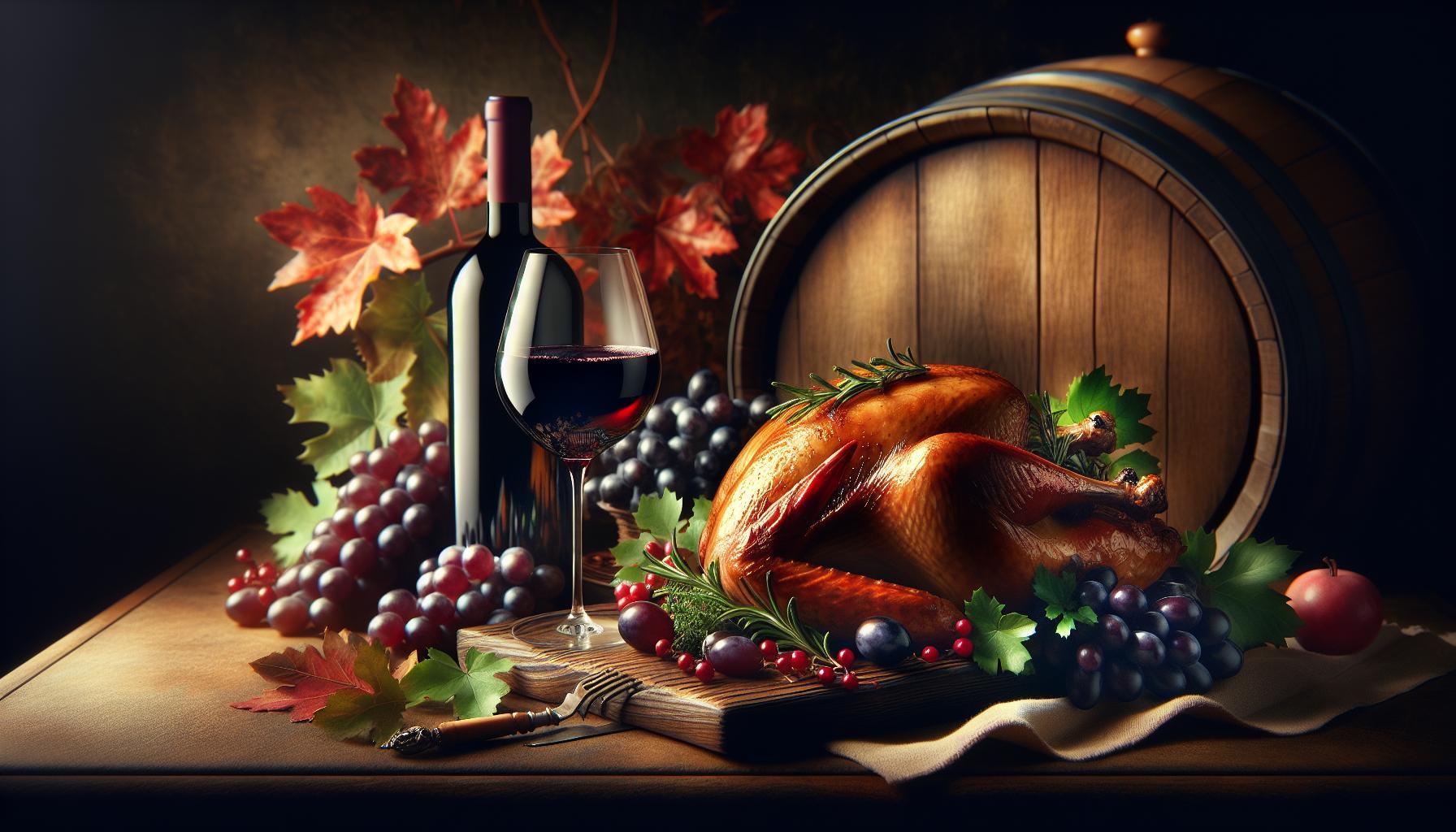

The aroma of roasted turkey mingling with the warmth of holiday gatherings evokes a sense of comfort and celebration. Yet, one of the most delightful puzzles of these feasts is discovering which wine elevates the experience. The right pairing can transform a traditional meal into an extraordinary culinary journey, enhancing flavors while adding a touch of elegance to your table.
As turkey takes the spotlight, its savory richness calls for a wine that balances and complements its flavors. Whether you’re planning a festive family dinner or a cozy gathering with friends, the art of wine pairing is accessible to everyone. It’s not just about selecting a bottle; it’s an exploration of flavors that invites connection and conversation among loved ones.
Join us as we delve into the world of wine and turkey pairings, unraveling tips and suggestions that will leave your taste buds dancing and your guests talking long after the last crumb has disappeared. Get ready to elevate your holiday feast with perfect wine pairings that resonate with the spirit of the season!
Choosing the Perfect Wine for Your Turkey Feast
Selecting the right wine to complement your turkey feast is akin to finding a musical score that harmonizes with the melody of your meal. With its subtle flavors and creamy texture, the turkey often plays the role of a versatile canvas, waiting for the painter’s brush of a fine wine to elevate the entire dining experience. When considering wine pairings for turkey, it is important to think about not just the meat itself but also the myriad of side dishes that typically adorn the table. The interplay of flavors can turn a simple gathering into a celebrated feast.
Exploring White and Red Wines
White wines like Chardonnay or Sauvignon Blanc often shine alongside turkey. A well-oaked Chardonnay brings creamy notes that echo the richness of traditional stuffing while bright acidity cuts through the savory fats. Alternatively, a crisp Sauvignon Blanc can provide a zesty contrast, brightening the palate with its citrus and herbal undertones. On the red side, opt for lighter-bodied varieties like Pinot Noir or Gamay. Their berry characteristics and mild tannins enhance the flavors of the turkey without overpowering it. Pinot Noir, for instance, often exhibits a delightful blend of red fruit with earthy undertones, making it a classic choice for Thanksgiving.
Celebration with Sparkling Wines
Don’t overlook the potential of sparkling wines to add a festive flair to your turkey feast. Champagne or a high-quality sparkling wine can cleanse the palate and invigorate the senses. The effervescence not only balances the richness of the turkey but also pairs wonderfully with a variety of side dishes, from creamy sauces to sweet potato casseroles. The celebratory nature of bubbles invites joy and laughter, making each sip a part of cherished memories and family connections.
As you navigate the landscape of wine pairings, let your intuition guide you. Trust your palate, experiment with flavors, and embrace personal preferences. After all, the best wine for your turkey feast is the one that resonates with your tastes and enhances the delightful moments shared around the table. Cheers to joyous gatherings and the spirit of discovery in every bottle!
Classic Wine Pairings: Elevating Your Holiday Meal
Selecting the right wine for a holiday feast is more than a mere culinary exercise; it embodies the art of enhancing flavors and fostering connections. Imagine savoring the tender juiciness of roasted turkey, with its subtle richness, shared among family and friends. The right wine acts not just as a complement but as an enriching partner that illuminates the essence of the meal, transforming each bite into an experience. When it comes to traditional holiday gatherings, classic wine pairings like Chardonnay, Pinot Noir, and Riesling not only charm the palate but weave a tapestry of taste that celebrates the season.
Classic Pairings That Shine
Turkey’s versatility allows for an array of wines to create the perfect synergy. A well-oaked Chardonnay shines alongside the bird, offering rich, buttery notes that echo the flavors found in creamy sauces and stuffing. Its bright acidity cuts through the richness of the dish, refreshing the palate and bringing balance to each mouthful. For those who prefer something lighter, Sauvignon Blanc can be an impeccable choice, with its zesty citrus and herbal notes lifting the flavors of traditional sides like green bean casserole or herbed potatoes.
Switching to reds, Pinot Noir is often heralded as the quintessential Thanksgiving wine. Its lower tannin levels and bright red fruit characteristics, often laced with notes of earth and spice, allow it to complement the turkey’s savory profile gracefully without overshadowing it. Alternatively, a Gamay offers similar lightness, with a fresh fruitiness that dances alongside the stuffing and cranberry sauce, enhancing both without overwhelming the senses.
Finding Balance and Harmony
As you explore these pairings, consider not just the main dish but the constellation of sides that often accompany turkey on your table. The interplay of flavors is where magic happens, as harmony is achieved through thoughtful selection. Pairing wines thoughtfully can transform a simple gathering into a memorable feast-one where the nuances in both food and wine emerge beautifully, and friends and family share stories over the clinks of glasses and the laughter that fills the air.
Ultimately, elevating your holiday meal through classic wine pairings is about personal connection. Engage your senses, trust your palate, and allow the rich tradition of food and wine pairing to guide you through your festive celebrations. Cheers to the joy of togetherness and the delicious exploration that lies ahead!
Exploring White Wines: Crisp Varietals for Turkey
The bright golden hue of a well-chilled white wine glistening in a glass often captures the spirit of festivity, making it the perfect companion to a sumptuous turkey feast. Think of those crisp, refreshing varietals as the gentle breeze that sweeps through an autumnal gathering, harmonizing perfectly with the myriad flavors found on the holiday table. White wines, particularly those with vibrant acidity and enchanting fruit profiles, elevate the experience of enjoying roasted turkey-a dish that boasts a delicate richness and subtle earthiness.
Among the most celebrated choices for pairing with turkey is Chardonnay, especially the unoaked varieties. This wine offers a clean, crisp character that echoes the flavors of fall, with notes of green apple, pear, and a hint of citrus. It provides a palate-cleansing freshness that beautifully marries the savory herbs and buttery stuffing accompanying your turkey. Alternatively, a Sauvignon Blanc shines with its zesty acidity and vibrant aromas of citrus and freshly cut herbs, making it a delightful match for the herbaceous elements of holiday sides like roasted vegetables and green bean casserole. This wine’s crispness invigorates each bite, enhancing the overall dining experience.
Another excellent contender is Riesling, which can vary from dry to sweet and often carries hints of stone fruits and floral notes. A drier Riesling pairs seamlessly with turkey, offering a refreshing contrast to richer flavors. Its slight sweetness can also beautifully balance the tartness of cranberry sauce-a staple on many holiday tables. Furthermore, exploring lesser-known varieties such as Grüner Veltliner can lead to delightful discoveries. This Austrian gem is celebrated for its peppery notes and crisp acidity, making it a versatile partner for both the turkey and its traditional accompaniments.
As you select your white wines, remember that the goal is to enhance the dining experience and facilitate a heartfelt connection among guests. Consider serving a flight of wines, allowing everyone to taste and compare the different profiles. This not only sparks delightful conversations but also invites a deeper appreciation of how various wines can transform a meal. Embrace the opportunity to explore, savor, and share the joy of discovery that wine brings to your holiday feast. Cheers to making memories that will linger long after the last glass is emptied!
Red Wine Options: Bold Flavors to Complement Your Feast
The moment the first bold aroma of roast turkey fills the air, it becomes clear that this holiday meal is about more than just the food. It’s an invitation to gather, to celebrate, and to share stories, laughter, and, of course, wine. When it comes to red wine, the right choice can elevate the experience, creating a harmonious balance that brings out the best in both the dish and the vintage. Embracing the spirit of the season, you’ll find that red wines can complement the tender, savory nuances of turkey while offering layers of flavor that invite exploration and enjoyment.
Rich and Robust Choices
Among the sea of red varietals, a few stand out as exceptional companions to turkey. Pinot Noir emerges as a favored choice, delighting the palate with its elegance and complexity. This varietal’s soft tannins and bright red fruit flavors of cherry and cranberry gently accentuate the turkey’s savory profile. Notably, a Pinot Noir from Oregon, with its earthy undertones, can beautifully mirror the stuffing’s herbal qualities, creating a delightful symphony on the taste buds. Think of each sip as an invitation to savor the moment, blending the rich tapestry of flavors across the holiday table.
Another bold contender is Zinfandel, integral to many American wine regions. With its jammy fruit presence and spicy undertones, Zinfandel complements the sweet notes of roasted vegetables, cranberries, and even a hint of barbecue glaze that might be applied to the turkey. Imagine the way the wine’s dusting of black pepper echoes the toasty notes of the stuffing, allowing every bite to resonate with a warm familiarity.
For those seeking something a bit more adventurous, Syrah can be a powerful ally. Embodying a robust spectrum of dark fruits, pepper, and savory herbs, this wine can stand up to bold flavor profiles, making it a spectacular match for a herb-covered turkey or any accompanying savory sauces. The depth of Syrah’s flavors encourages a meditative exploration with each sip, drawing you into the experience of the meal and fostering moments of connection with fellow diners.
The Art of Pairing
As the evening unfolds, pairing red wine with diverse elements of your meal can be enchanting. To truly elevate your feast, consider wine pairing flights-serving smaller pours of varied reds so guests can savor the contrasts and similarities. Whether experiencing the ethereal dance of a lighter Pinot Noir alongside a bolder Zinfandel, or exploring the luxurious depth of Syrah, your culinary journey offers an opportunity for shared discovery.
As you navigate through your holiday feast, let the wine be a catalyst for storytelling and conversation. Share tales of family traditions and the adventures that brought you together, allowing the atmospheric qualities of the wines to envelop the gathering in warmth and cheer. Remember, the essence of wine lies in its ability to connect us-drawing out memories, igniting laughter, and weaving a richer experience throughout our celebrations. So, as you fill your glasses, embrace each moment, and let the wines animate the flavors of your holiday feast. Cheers to a splendid gathering!
Sparkling Wines: Adding Celebration to the Table
Sipping a glass of sparkling wine during a holiday feast transforms the atmosphere from ordinary to extraordinary, mimicking the fizzy excitement in the air as loved ones gather around the table. The effervescence of sparkling wines can emphasize the joy of the occasion, offering a refreshing contrast to the richness of turkey and all its accompaniments. This sparkling delight is not just a celebratory beverage; its versatility and vibrant character make it an outstanding partner for turkey, enhancing flavors and elevating the dining experience.
When selecting a sparkling wine, consider the various styles available, each bringing its own unique charm to the table. Champagne, the illustrious French sparkling wine, is perhaps the most iconic choice. Its complex flavors of green apple, pear, and subtle brioche notes develop through strict aging processes, adding layers of depth that beautifully harmonize with the savory character of roast turkey. Whether served as an aperitif or paired with the meal, Champagne invites indulgence and celebration, making each sip feel special.
For those looking for affordable alternatives without sacrificing quality, Prosecco and Cava can be delightful options. Prosecco, with its refreshing notes of white peach and floral undertones, is playful and light, making it an easy-drinking choice that’s particularly lovely with sweeter sides, like cranberry sauce. Meanwhile, Cava from Spain, with its earthy undertones and fine bubbles, can provide a satisfying counterpoint to spiced or herb-laden turkeys, accentuating the dish’s savory elements while keeping the palate cleansed and refreshed.
The key to pairing sparkling wines with turkey lies in understanding the balance of flavors. The natural acidity and effervescence of sparkling wines cut through the richness of the turkey, enhancing each bite rather than overwhelming it. As you share toasts and laughter, allow the bubbles to play on your palate, cleansing and preparing it for the next delightful mouthful. Embrace the spirit of exploration as you mix and mingle different sparkling options alongside your holiday feast, creating a tapestry of flavors that reflect both traditional comforts and innovative twists. Let the sparkling wine serve as a catalyst for memorable conversations and joyful reflections-a toast to life’s precious moments that are, after all, meant to be celebrated.
Charming Rosés: Versatile Pairings for Thanksgiving
The beauty of rosé wine lies in its remarkable versatility, a quality that shines particularly bright during Thanksgiving. Often underestimated, this charming varietal can effortlessly adapt to the diverse palette of traditional holiday fare, making it a prudent selection as you gather around the table. Picture the soft blush of a rosé glimmering alongside golden-brown turkey, its hue a tantalizing promise of flavor. With each sip, you’re met with an orchestra of fruity notes that dance melodiously between acidity and sweetness-a perfect companion to that rich, savory dish.
The spectrum of rosé wines is wide, ranging from the delicate, strawberry-kissed Provence style to the more robust, spicier iterations found in regions like Tavel or even domestic blends from the West Coast. This variety allows for thoughtful pairing with the myriad sides often present at Thanksgiving. For instance, a dry Provençal rosé, renowned for its bright acidity and notes of citrus and red berries, can balance the sweetness of roasted vegetables and buttery mashed potatoes. Similarly, a fuller-bodied rosé, with hints of ripe cherry and subtle spice, harmonizes beautifully with the herb-infused turkey, bringing out its savory essence while complementing any herbal stuffing.
In the spirit of exploration, consider how these wines interact with your dishes: a lively rosé can provide a refreshing counterpoint to the fat of gravy, while unearthing new dimensions within your stuffing’s unique flavors. Here’s a handy guide to help you navigate these pairings:
| Rosé Style | Pairing Suggestions |
|---|---|
| Provence Rosé | Compliments roasted vegetables and herb stuffing. |
| Tavel Rosé | Enhances spiced or savory dishes, such as herbed turkey. |
| California Blush | Great with sweet sides like cranberry sauce and cornbread. |
As you curate the perfect Thanksgiving meal, cherish the moments spent with loved ones over the clinking of glasses filled with rosé. Let the wine inspire conversations that drift from lighthearted banter to heartfelt stories, weaving together the fabric of family history and tradition. The sumptuous flavors of the wine, coupled with the feast before you, create a sensory experience that lingers long after the last bite is savored. So, as you pour those inviting hues of rosé, embrace the potential of this flexible wine-it is not just a beverage but a celebration of connection, memory, and joy.
Understanding Tannins: Crafting the Ideal Texture
The complexity of tannins is a journey that transforms each sip of wine into a sensory dialogue, particularly when paired with a sumptuous turkey feast. Tannins, those naturally occurring compounds found in grape skins, seeds, and stems, impart a characteristic texture that shifts the experience of tasting from mere flavor into a tapestry of mouthfeel and structure. Understanding tannins not only enhances your appreciation of wine but also provides insight into how they interact beautifully with the rich, savory profile of turkey dishes.
When considering a wine for Thanksgiving, it’s essential to recognize that the right balance of tannins can significantly influence the overall dining experience. If you lean towards red wines with ample tannins, such as a Cabernet Sauvignon or a Syrah, these bold flavors can create a compelling contrast against the juicy turkey. The tannins serve to soften the richness of the meat, providing a pleasant astringency that cuts through gravies and creamy sides. However, a wine with excessively high tannins might overwhelm the palate, so moderation is key. Opt for options like a well-structured Pinot Noir or a versatile Tempranillo, both of which offer a delicate touch of tannins-enough to elevate your meal without overshadowing it.
Pairing Tannins with Flavors
The interplay between tannins and flavors exemplifies the art of pairing wine with food. Consider how a velvety Zinfandel, with its ripe fruit notes and moderate tannin structure, dances alongside turkey roasted with herbs. The wine’s profile enhances the aromatic qualities of the dish while the tannins provide just enough structure to contrast the bird’s natural succulence. It’s also worth exploring lighter-bodied reds, such as Gamay, which boasts lower tannins and can yield a refreshing complement to Thanksgiving fare, particularly when served slightly chilled.
For a different twist, white wines can also offer intriguing options. While they are typically lower in tannins, a barrel-aged Chardonnay can possess a layer of texture that creates an unexpectedly harmonious pairing with turkey. The creamy mouthfeel and nuanced flavors introduce an elegant balance, especially when paired with herb-infused gravies or buttered sides.
Ultimately, crafting the ideal texture for your holiday meal lies in recognizing the role of tannins and how they can enrich your culinary experience. Each bottle not only contributes to the meal but evokes stories and fosters connections, turning each sip into a celebration of the season. As you pour and savor, let the tannins envelop you in their complexity and charm-an invitation to savor each moment with those gathered around your table.
Balancing Acidity: Refreshing Your Palate Between Bites
A well-chosen wine can elevate a holiday meal, but it’s the balance of acidity that often transforms a good pairing into a memorable experience. Imagine the rich, savory flavors of roasted turkey mingling with the crisp nuances of a wine that balances the meal’s inherent heaviness. This interaction creates a refreshing counterpoint, cleansing your palate and preparing it for the next bite. Wines with vibrant acidity act as a bridge, drawing out the subtle flavors of side dishes like tangy cranberry sauce or creamy mashed potatoes, while also spotlighting the turkey itself.
Why Acidity Matters
Acidity in wine serves as its backbone, much like a well-structured dish relies on a bed of herbs or spices. For a Thanksgiving feast, wines with lively acidity, such as a zesty Sauvignon Blanc or a medium-bodied Pinot Grigio, can slice through the richness of the meal, revitalizing your taste buds. Not only does this balance enhance your enjoyment of the various flavors on the table, but it also helps to prevent palate fatigue-a common issue when indulging in rich, buttery foods over the course of a lengthy celebration.
Choosing the Right Wines
When selecting a wine to maintain that crucial balance, consider trying a few different options that showcase their acidity:
- Sauvignon Blanc: Known for its bright citrus and herbal notes, this varietal pairs beautifully with turkey, especially when dressed with herb-infused gravies.
- Riesling: A versatile choice that can range from dry to sweet. A dry Riesling with its pronounced acidity will enhance both the savory notes of turkey and the sweetness of traditional sides.
- Chenin Blanc: Often overlooked, this grape can deliver crisp acidity along with fruity layers, making it an excellent match for a Thanksgiving table brimming with diverse flavors.
- Pinot Noir: For those leaning toward red, a Pinot Noir with its softer tannins and vibrant acidity can provide a delicate balance to the meal. Look for those that are fruit-forward with earthy undertones.
By keeping these selections in mind, you enable yourself to curate an experience where every sip lovingly refreshes your palate between bites. As you navigate through courses, consider how the acidity elevates and reinvigorates, inviting conversation and connection over the table, ensuring that each moment is savored fully. The right wine enhances the collective joy of the occasion, transforming the act of dining into an engaging celebration of flavors and community. Embrace the journey of discovery in every glass, and let each pairing reflect the warmth of gatherings shared.
Regional Touch: Wines Inspired by Local Traditions
The story of wine is profoundly intertwined with the culture and traditions of the regions from which it hails. When we celebrate Thanksgiving, incorporating wines inspired by local traditions can deepen the connection we feel not just to our meals, but to the rich tapestry of human experience that wine represents. Each bottle has a story, often echoing the very land, climate, and heritage of a particular area. For instance, if you’re gathering around a table laden with turkey, why not consider a local varietal that resonates with the flavors of your region?
Consider the zesty and bright Sauvignon Blanc from California’s Napa Valley. Known for its vibrant acidity and crisp citrus notes, this versatile wine pairs beautifully with herb-roasted turkey, especially when served alongside a refreshing, tangy cranberry relish. Napa Valley has its own winemaking traditions, reflecting the influence of generations of vintners who have perfected the art of cultivation in this picturesque region. The way the sunshine strikes these vineyards not only nourishes the grapes but also imbues the wine with a unique sense of place-what the French call *terroir*.
Meanwhile, if you’re on the East Coast, a Riesling from the Finger Lakes of New York can offer a compelling profile of both floral and fruity notes, which can elevate the savory elements of your Thanksgiving feast. The cool climate here fosters a particular kind of acidity that balances the plush sweetness often found in these wines, making them a delightful complement to classic roasted turkey. The region’s winemakers draw on their German heritage, crafting wines that tell a story of adaptation and tradition in one of the country’s most renowned wine regions.
For those in the Midwest, explore a local Chardonnay from Michigan. These wines are often crafted with a mix of oak and steel aging, providing a complex layering of flavors that can showcase a rounder mouthfeel perfect against the backdrop of a buttery turkey. Add to that the passionate stories shared by the winemakers in this rapidly emerging region, and you have a fantastic way to celebrate not just the harvest, but the community that surrounds it.
It’s fascinating to think of how these regional wines, whether they hail from the soft hills of Oregon’s Willamette Valley or the sun-drenched coasts of California, carry with them the essence of their origin. As you pour these local selections, you’re not merely filling a glass; you’re sharing the stories and experiences of people connected deeply to their land. Each sip inspires a conversation that transcends the table, inviting discussions about heritage, tradition, and the joy of gathering together. Embrace the local wine culture at your Thanksgiving feast, and allow it to elevate not just the meal, but the entire experience of connection and gratitude.
Wine and Turkey: A Historical Journey Through Pairings
Turkey and wine share a rich tapestry of history that dates back to the establishment of Thanksgiving in the early 17th century. As settlers broke bread with Indigenous peoples, the spirit of sharing echoed through the ages, fostering a tradition of pairing the bounty of the land with the fruits of labor in winemaking. This historical journey explores the evolving relationship between turkey and wine, illuminating how cultural shifts and advancements in viticulture have shaped our contemporary dining experiences.
In early America, turkeys were often enjoyed with hearty ales or simple wines, as the refinement in winemaking was yet to flourish. However, as immigrants introduced their own winemaking traditions, diverse regions began to take shape, creating an array of wines suited for this central Thanksgiving dish. For example, the arrival of German immigrants in the 19th century brought Riesling to the Midwest, which pairs beautifully with turkey’s savory flavors, showcasing not just acidity but a hint of sweetness that enhances the dish’s natural succulence. This melding of flavours speaks volumes about the adaptability of both turkey and wine, as they consistently find common ground on our holiday tables.
Over the years, as culinary arts evolved and palates became more sophisticated, the wine options to accompany turkey broadened. The elegant Chardonnay became a staple pairing, celebrated for its buttery texture and vibrant acidity, which mirror the rich flavours of a perfectly roasted turkey. Additionally, the rise of boutique wineries in regions like Sonoma and the Finger Lakes has redefined what it means to pair wine with turkey, elevating our dining experiences through innovation while honoring traditional methods.
Today, we find ourselves in a unique moment, where a celebration of local and regional pairings encourages exploration beyond the ordinary. Envision a bustling Thanksgiving table, showcasing a spectrum of wines that tell stories from various vineyards-such as a delightful Pinot Noir from Oregon, evoking the earthiness of the region’s volcanic soil, enhancing the turkey’s herbaceous stuffing-and you encounter not just a meal, but an authentic representation of community and heritage. Allow this historical journey through turkey and wine pairings to inspire your own feasting traditions, inviting conversations that transcend mere sustenance, nurturing connections that resonate through generations.
Hosting Tips: Curating the Ultimate Wine Experience
Imagine a Thanksgiving table laden with the rich aromas of roasted turkey, stuffing, and pumpkin pie, enhanced by an array of carefully selected wines that elevate the meal from ordinary to extraordinary. Curating the ultimate wine experience is not just about choosing a few bottles; it’s about weaving together a tapestry of flavors, stories, and connections that resonate with your guests. Here are some thoughtful tips to guide you through this joyful endeavor.
To start, consider the theme of your feast and the preferences of your guests. Are you hosting a traditional dinner with family, or is it a modern gathering with friends? This context will help you select wines that complement not only the turkey but also the diverse dishes gracing your table. A few starter suggestions include:
- For white wine enthusiasts: A refreshing, citrusy Sauvignon Blanc pairs beautifully with herb-infused turkey, enhancing the dish’s natural freshness.
- For red wine lovers: A fruit-forward Pinot Noir, with its delicate tannins, can seamlessly bridge the flavors of turkey and cranberry sauce.
- For the adventurous: Consider a sparkling wine, such as a dry Prosecco, which can cleanse the palate between bites and add an element of celebration.
Additionally, create a narrative around your selected wines. Each bottle can tell a story about its region and the care that went into its creation. For example, a Chardonnay from California’s Sonoma Valley might remind you of sun-kissed vineyards, while a Riesling from Germany’s Mosel region could evoke the cool, crisp climate that shapes its bright acidity. Sharing these stories with your guests not only enriches their experience but also fosters a deeper appreciation for each sip.
Lastly, consider the aesthetics of your wine presentation. Beautifully arranged bottles can serve as both decor and conversation starters. Use wine glasses that showcase the color and aroma of each wine, encouraging interaction as guests discover their favorites. You might even set up a tasting station with small notes describing each wine’s flavor profile, pairing suggestions, and origin, allowing your guests to indulge in a mini wine tour right at the dining table.
As you craft this unique culinary adventure, remember that the ultimate goal is not just to serve good wine but to create an experience that fosters joy, connection, and celebration among friends and family. The right wine can become the unexpected guest that subtly enhances heartfelt conversations and cherished traditions, creating memories that linger long after the last glass is raised. Cheers to a Thanksgiving feast that honors both the meal and the spirit of togetherness!
Exploring Alternative Pairings: Beyond the Classic Choices
When the traditional wine selections for turkey are starting to feel a bit too predictable, it’s time to explore the vibrant world of alternative pairings that can surprise and delight your palate. Think outside the conventional boxes of Chardonnay and Pinot Noir, and venture into less-trodden territories that showcase unique varietals, unexpected regions, and innovative flavor profiles. The goal? To enhance not just the turkey, but the entire dining experience in ways that feel fresh and exciting.
Start by considering unusual whites that bring a new twist to your table. For instance, an Assyrtiko from Greece offers a bright acidity and mineral qualities that can complement the flavors of roasted turkey and stuffing remarkably well. Its zesty character pairs perfectly with herbaceous gravies and sides, creating a harmony that heightens the overall meal experience. Additionally, a skin-contact Pinot Grigio, known for its slightly tannic grip and complex flavors, can also surprise with its suitability for richer turkey dishes.
Don’t overlook the charm of aromatic reds either. A Garnacha from Spain or an Etna Rosso from Sicilian vineyards showcases bright fruit flavors coupled with earthy undertones that can dance delightfully against the richness of turkey and cranberry sauce. These wines carry a certain vibrancy that cuts through the savory elements, offering a refreshing sip that rejuvenates the palate.
If you’re feeling adventurous, why not consider orange wines? Made from white grapes that undergo extended skin contact, these wines possess a robust structure and flavor depth that make them ideal companions for turkey. Imagine a Furmint from Hungary, rich with notes of apricot, honey, and an underlying hint of spice-it adds a new dimension to classic holiday fare.
Finally, consider refreshing pet nat (pétillant naturel) sparkling wines, which are often less formal than traditional sparkling varieties but incredibly versatile. Their naturally fruity and effervescent nature can help cleanse the palate between dishes and keep the festivities lively. A well-chosen pet nat can serve as a delightful introduction to your meal or a spontaneous pairing with elements of your feast that guests might not expect.
By embracing these alternative pairings, you turn a traditional turkey dinner into an extraordinary culinary exploration. Each sip can spark conversations, memories, and connections, enhancing the festive atmosphere. So, the next time you set your holiday table, remember to let your imagination lead the way-after all, the world of wine is as varied and rich as the flavors you create in your kitchen.
Faq
Q: What type of wine pairs best with turkey?
A: A good wine pairing for turkey is often a Pinot Noir. Its bright acidity and light tannins complement the savory flavors of turkey, enhancing the dish without overpowering it. Alternatives include Chardonnay and Riesling, which also provide balance to turkey’s rich texture.
Q: Why is Pinot Noir a popular choice for turkey?
A: Pinot Noir is popular with turkey because its bright acidity cuts through the richness of the meat, while its berry notes harmonize with any herb seasoning. This classic pairing brings out the best in both the wine and the bird.
Q: Can I serve white wine with turkey?
A: Yes, white wine can be an excellent choice for turkey. Chardonnay, especially a lightly oaked one, complements the bird’s flavors well. A crisp Sauvignon Blanc or aromatic Riesling can also enhance the dish alongside lighter preparations or sides.
Q: What red wines go well with Thanksgiving dinner?
A: Besides Pinot Noir, consider a medium-bodied Merlot or Zinfandel, which pair beautifully with the range of flavors at a Thanksgiving table. These wines provide ripe fruit profiles that elevate the meal’s experience without overshadowing the turkey.
Q: How should the wine be served with turkey?
A: Serve red wines like Pinot Noir slightly chilled (around 55°F) to enhance their freshness. White wines should be colder at around 45-50°F. This temperature balance allows the wine’s flavors to shine alongside the rich turkey dish.
Q: Are sparkling wines a good pairing for turkey?
A: Yes, sparkling wines like Champagne or Prosecco can be delightful with turkey. Their effervescence adds a festive element and the acidity cleanses the palate, making them perfect for rich or herb-heavy turkey dishes.
Q: What wines should be avoided with turkey?
A: It’s best to avoid heavy, tannic wines like Cabernet Sauvignon that can overwhelm the turkey’s subtle flavors. Similarly, overly sweet wines may clash with the savory aspects of the dish. Opt for balanced wines instead.
Q: What is the best way to choose a wine for my turkey dinner?
A: When choosing a wine for turkey dinner, consider the preparation and flavors involved. Look for wines that provide acidity and balance, such as Pinot Noir for roasted turkey or Chardonnay for creamy sides. Always taste a few options beforehand for a personal touch.
Engage with your guests by not just pouring wine, but by sharing the stories and pairings behind each selection. For more inspiration, explore our main article on creating the perfect holiday feast!
Future Outlook
As you gather around the table this holiday season, remember that the right wine can elevate your turkey feast into a memorable celebration. Exploring the delicate flavors of your dish paired with a complementary wine not only enhances the meal but also sparks joy and connection among your guests. Whether it’s a rich Chardonnay, a medium-bodied Pinot Noir, or a festive sparkling wine, each bottle holds the promise of new narratives waiting to unfold with each sip.
Don’t stop here! Discover more about perfect pairings with our guides on Wine Pairing 101 and Ultimate Wine Pairing Tips for a deeper dive into the world of wine and food. Be sure to share your favorite pairings in the comments below and subscribe to our newsletter to receive exclusive insights and tips on harmonizing flavors for every occasion. Your next great gastronomic adventure awaits, filled with the rich textures and stories only a glass of fine wine can provide. Cheers to culinary joy!
Get our latest guides, news, and insights highlighted in your Google Search & AI Overviews.


