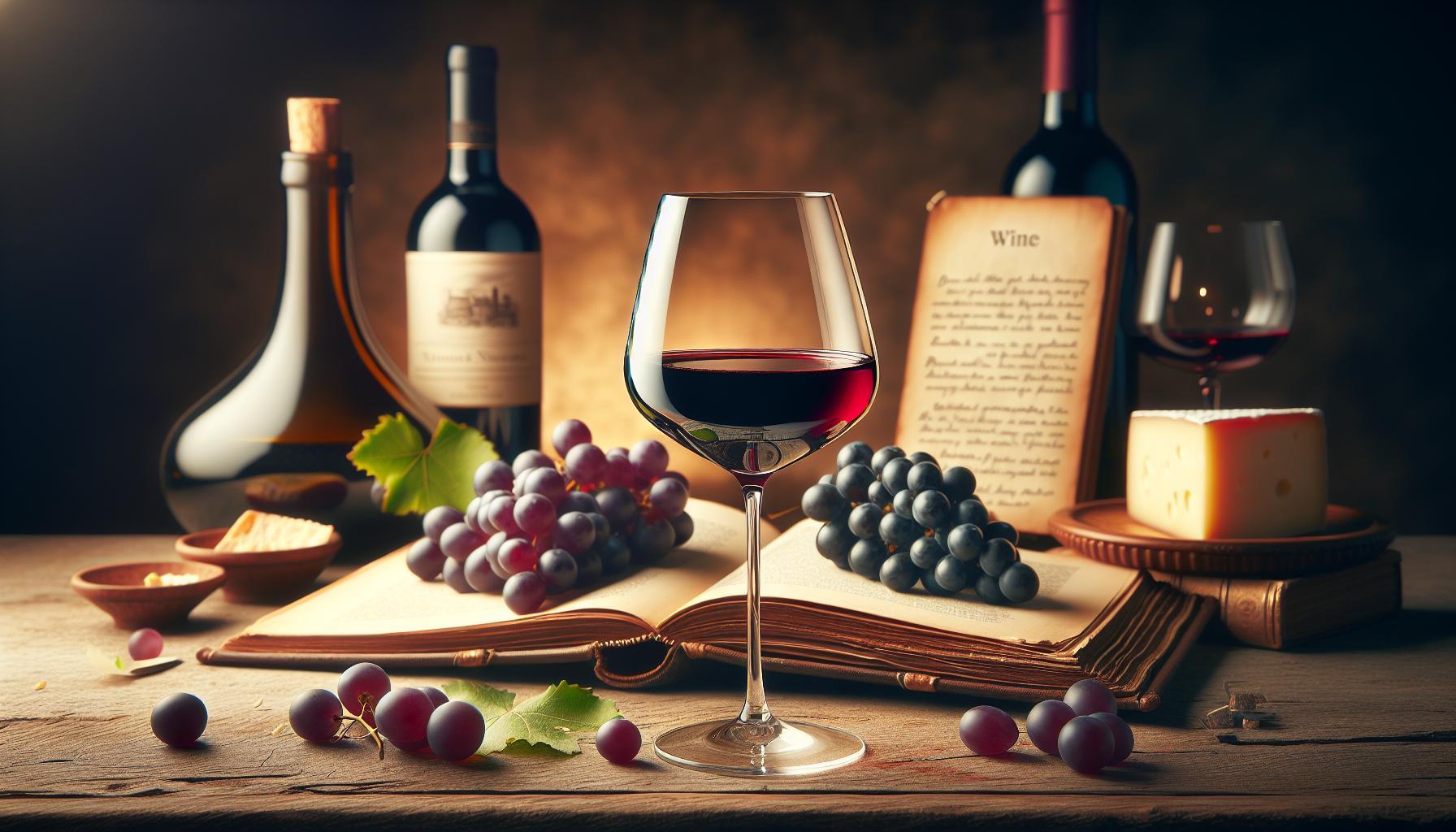
Did you know that Merlot is the world’s second-most planted red grape, celebrated for its versatility? As you step into the world of Merlot, the question lingers: is it a dry wine? This consideration is essential, especially when selecting the perfect wine to complement your meal or wind down after a long day. Understanding whether Merlot leans more towards dryness or sweetness can elevate your wine experience and enhance food pairings, transforming an ordinary dinner into a delightful culinary journey.
In this exploration, we’ll delve into the nuanced characteristics of Merlot, uncovering its tasting notes and the delightful flavors that can vary by region. Whether you’re a seasoned wine enthusiast or just beginning your exploration, we’ll guide you through the essential insights on Merlot’s profile and how to pair it with your favorite dishes. Join us as we demystify this beloved varietal and equip you with the knowledge to savor every sip with confidence and flair.
Is Merlot Truly a Dry Wine? Understanding the Basics

Merlot often wades into the debate between dry and sweet wines, captivating palates with its approachability and smooth textures. As a prominent red varietal, Merlot is predominantly classified as a dry wine, which is defined by its lower residual sugar content-typically under 1% by volume. However, it’s essential to understand that our experience of dry isn’t simply about levels of sweetness; it’s also influenced by the interplay of flavor, tannin, acidity, and alcohol.
What makes Merlot particularly intriguing is its ability to offer a fruit-forward profile, where flavors such as black cherry, plum, and even subtle hints of chocolate can create an illusion of sweetness on the palate despite the absence of sugar. The plush mouthfeel and rounded tannins further enhance this experience, providing a gentleness that makes Merlot accessible to novices and aficionados alike. The lush characteristics often lead some to perceive it as semi-sweet, when in reality, it’s the wine’s texture that softens the sensation of dryness.
Whether you’re sipping a classic Bordeaux blend-as Merlot is a star on the Right Bank-or a luscious Napa Valley creation, the intrinsic qualities of the grape make it versatile. It’s key to serve Merlot at the right temperature, usually slightly cooler than room temperature, to accentuate its vibrant flavors while maintaining that dry finish. Immerse yourself in its complexities during tastings, and you might discover that this varietal captures so much more than just a straightforward yes or no in terms of dryness.
The Allure of Merlot: Flavor Profile and Characteristics
There’s a reason Merlot captures the hearts of wine lovers worldwide: its remarkable ability to offer an inviting and versatile flavor profile. This beloved varietal typically boasts a smooth and lush character, presenting a medley of flavors that can transport you to sun-drenched vineyards at first sip. Merlot often showcases notes of black cherry, plum, and a tantalizing hint of chocolate, crafting a tapestry of taste that feels both accessible and sophisticated. This delightful combination lures in both seasoned enthusiasts and curious newcomers, compelling them to linger over the glass in delightful contemplation.
What makes Merlot particularly captivating is how it balances fruitiness with a plush texture. The wine is distinguished by rounded tannins and moderate acidity, which together create a pleasingly silky mouthfeel. This harmonious blend can often lead to a perception of sweetness, despite Merlot’s classification as a dry wine due to its low residual sugar content. The depth of its flavor paired with a rounded body invites the drinker to savor each moment, transforming a casual tasting into a more profound exploration of the wine’s intricate layers. It’s not uncommon for one to experience a lingering finish that teases out the more nuanced notes of earthiness or herbal undertones, revealing the grape’s adaptability across various terroirs.
When thinking of food pairings, Merlot’s versatility shines even brighter. Its profile complements a wide range of dishes, making it a fantastic choice for gatherings. Consider serving it alongside grilled lamb, which harmonizes beautifully with the wine’s richer fruit flavors, or a mushroom risotto that mirrors its earthy notes. Even a simple cheese platter featuring aged cheddar or creamy Brie can elevate your Merlot experience, allowing the wine’s full potential to radiate amidst savory bites. Overall, Merlot is not just a wine to be enjoyed; it is an invitation to a multisensory journey through flavor, companionship, and culture, making every pour a reflection of shared moments and savoring life’s pleasures.
Decoding Dryness: Merlot’s Sweetness and Acidity Explained

There is a common misconception that all dry wines lack sweetness, yet in the world of Merlot, this is a nuanced subject. While Merlot is classified as a dry wine due to its low residual sugar content, its lush fruit characteristics can create a perception of sweetness that may initially confuse the palate. This delightful ambiguity invites exploration into the interplay between sweetness, acidity, and the overall tasting experience.
Merlot’s sweetness often derives from its ripe fruit flavors, primarily notes of black cherry, plum, and even touches of chocolate. When encountered, these fruity elements present a richness that can mimic sweetness, despite the absence of high sugar levels. This perception is further enhanced by the wine’s soft texture, which is a hallmark of Merlot. The rounded tannins and moderate acidity contribute to a generous mouthfeel, encouraging a smooth and inviting sip that envelops your taste buds without overwhelming them.
The acidity in Merlot plays a crucial role in balancing its profile. While the fruitiness can suggest sweetness, the wine’s acidity provides a refreshing lift, ensuring that it doesn’t feel overly syrupy. A well-balanced Merlot will typically showcase a harmony between these elements, making each sip a rewarding experience rather than just a simple indulgence. This balance allows the depth of the wine to blossom, often leaving drinkers with a lingering finish that teases out earthier notes and subtle hints of spice, inviting a deeper appreciation for the complexity of the varietal.
In practical terms, understanding this dynamic can significantly elevate your wine tasting experience. When pairing Merlot with food, consider dishes that amplify its balance of flavors. Foods like grilled meats or mushroom-based dishes complement the wine’s earthy undertones, while creamy cheeses can enhance the perception of sweetness without overshadowing its dryness. By embracing the subtleties of Merlot’s sweetness and acidity, you not only enhance your palate’s sophistication but also deepen your appreciation for this beloved varietal, revealing layers of enjoyment that transcend the glass.
Tasting Notes: What to Expect from Merlot

One sip of Merlot can transport you to sun-drenched vineyards and cozy family dinners, brimming with notes of ripe fruits and subtle earthiness. This varietal captivates with its inviting aroma and flavor profile, making it one of the most cherished wines worldwide. When you pour a glass of Merlot, you can expect a symphony of flavors that play harmoniously, catering to both novice wine drinkers and seasoned connoisseurs alike.
The experience usually begins with vibrant scents wafting from your glass, often highlighting luscious fruit notes such as black cherry, plum, and occasional hints of chocolate or vanilla. Upon tasting, the initial impression is often a kaleidoscope of fruit flavors, which may seem rich yet balanced by the wine’s inherent dryness. This balance is primarily achieved through its smooth, rounded tannins that cloaked the palate without overpowering it. You might find that Merlot exhibits varying levels of acidity; some bottles will present a refreshing crispness, while others might lean towards a more velvety mouthfeel that envelops your senses.
Texture and Complexity
As you savor the wine, pay attention to the complex layers developing on your palate. Because of its medium to full body, Merlot can evoke feelings of warmth and comfort; it offers a satisfying, lingering finish that teases out additional flavors. Earthy undertones often emerge, reminiscent of sage or mushrooms, enhancing its versatility for pairing with various dishes. This depth of flavor reflects both the terroir from which it hails and the winemaking techniques utilized to coax out its character.
Pairing Merlot with food opens up another dimension of enjoyment. The wine’s fruit-forward nature beautifully complements dishes like grilled lamb or mushroom risotto, while its acidity helps cut through the richness of creamy cheeses.
In essence, each experience with Merlot invites you to explore not just the wine itself but the rich tapestry of flavors and culinary pairings it inspires. Whether you’re sharing a bottle during a lively dinner or contemplating its nuances in solitude, this beloved varietal offers a unique journey worth savoring.
Food Pairing Magic: Best Dishes to Complement Merlot
When it comes to harmonizing flavors, Merlot truly shines as a versatile companion at the dining table. With its luscious fruit-forward character and smooth tannins, this red wine invites a diverse array of dishes to dance alongside it. The equilibrium of its subtle acidity and rich textures makes it an exceptional choice for those seeking to explore the magical intersection of food and wine. The journey begins at the heart of your dining experience and ends with a lingering finish, echoing the flavors of the meal.
One of the most splendid pairings for Merlot is grilled meats. Consider serving it with grilled lamb, where the wine’s juicy plum and cherry notes enhance the savory, charred flavors of the meat. Alternatively, you might explore the depths of a beef stew, where the hearty nature of the dish marries beautifully with Merlot’s earthy undertones. For those inclined towards plant-based options, a mushroom risotto is an exquisite match-its creamy texture harmonizing beautifully with Merlot’s velvety mouthfeel.
Beyond the main courses, Merlot also complements aged cheeses, such as a rich cheddar or a creamy blue cheese. The wine’s acidity cuts through the richness of the cheese, creating a delightful interplay of flavors that amplifies the culinary experience. For a lighter affair, try pairing it with roasted vegetables, particularly those with a hint of sweetness like caramelized carrots or butternut squash. Each bite and sip reveals a new layer, guiding you further into the enchanting world of flavor.
In every glass of Merlot poured, there’s an invitation to explore, share, and enjoy. Its ability to enhance the dining experience elevates not just the meal but the bonds we forge around the table. So next time you uncork a bottle, let it inspire your culinary creativity, finding joy in both the wine itself and the delightful dishes that await.
Exploring Merlot’s Terroir: How Region Impacts Flavor

The story of Merlot is as varied and rich as its flavor profile, with the terroir playing a pivotal role in shaping what’s in your glass. Terroir, that elusive blend of soil, climate, and geographical nuances, dictates how a grape expresses itself. In the case of Merlot, the subtleties of various regions deliver a diverse palate experience that can astonish even the most discerning wine lovers. For example, the clay-rich soils of Bordeaux nurture a Merlot that boasts velvety tannins and a depth of dark fruit flavors. Here, you might find hints of plum, black cherry, and an earthiness that speaks to centuries of winemaking tradition.
In contrast, step into California’s Napa Valley, where the climate is warmer and sunnier. This exuberance translates into a fruit-forward style of Merlot, often characterized by ripe blackberry jam and even sweeter notes, sometimes with a touch of vanilla from oak aging. This difference in climate and soil composition fundamentally alters the wine’s character, showcasing how intimately linked grape varieties are to their environment. The sunny Napa fruit contrasts sharply with a more subdued and complex expression from regions like Washington State or the cooler nights of Chile, where you might discover Merlot with bright acidity and herbal undertones reminiscent of fresh thyme or mint.
As you embark on your tasting journey, consider how these regional characteristics might influence your wine selections. A Merlot from the dense, humid regions of Bordeaux might pair beautifully with a rich beef stew, its depth and structure beautifully complementing the dish. On the other hand, a California Merlot, with its bold fruitiness, would shine alongside grilled meats or robust pasta dishes, enhancing the meal without overpowering it.
Moreover, let’s not forget that the cultural significance of terroir transcends mere flavors; it encapsulates the heritage of wine-making. The legacy of a vineyard-how old the vines are, the specific practices of its winemakers-adds layers of narrative to your experience. Each bottle of Merlot is not just a beverage; it’s a chapter in a larger story steeped in the traditions and innovations of its region. Next time you lift a glass, consider where it comes from and let those thoughts enrich your sipping experience, transforming each encounter with Merlot into a moment of exploration and delight.
The Merlot Experience: Texture, Body, and Finish
The allure of Merlot lies not only in its rich flavors but also in its captivating texture and body, which invite exploration and contemplation with every sip. When you first pour a glass of Merlot, you may notice its deep, ruby color-a visual promise of the wine’s potential complexity. But as you take your first sip, the experience truly unfolds: Merlot typically boasts a medium to full body, with a velvety texture that caresses the palate. This silky mouthfeel is often attributed to the grape’s naturally low acidity and moderate tannins, which create a rare harmony, allowing the fruit flavors to shine without overwhelming the senses.
The beauty of Merlot’s body can also be attributed to the region in which it is grown. In regions like Bordeaux, the wine may present a more restrained texture, reflecting the grape’s heritage and the region’s cooler climate. Here, you might encounter a Merlot that harmonizes dark fruit flavors with earthiness and fine-grained tannins, creating a polished experience that lingers on the palate. Transitioning to a warmer climate, such as California’s Napa Valley, the narrative shifts dramatically; these Merlots tend to be more robust and fruit-forward, offering a luscious mouthfeel that bursts with ripe blackberry and plum flavors, often rounded out by notes of vanilla from oak aging.
The finish is another critical component of what makes Merlot so pleasurable. Many Merlots deliver a smooth, prolonged finish that invites reflection, often carrying through hints of spice or mocha, depending on the winemaking techniques employed. This lingering quality is a testament to the wine’s craftsmanship and the terroir from which it originates. A well-crafted Merlot can leave a lasting impression, making you yearn for another sip-or perhaps a perfectly paired dish.
To deepen your Merlot experience, consider tasting it alongside dishes that complement its textural qualities. A succulent pork tenderloin drizzled with a balsamic reduction could harmonize beautifully, enhancing both the dish and the wine. Alternatively, enjoy it with a rich chocolate dessert, where the chocolate’s sweetness can balance the Merlot’s fruitiness, allowing for a delightful dance on the palate. Ultimately, the Merlot experience transcends the glass, offering a narrative woven through taste, texture, and culinary delight, inviting both newcomers and seasoned aficionados to savor every moment.
From Vineyard to Glass: The Journey of Merlot
The journey of Merlot from vineyard to glass is a captivating tale of nature’s bounty, artistry, and meticulous craftsmanship, where every step is essential for unlocking the wine’s intricate character. Merlot, named after the French word for “blackbird,” thrives in well-drained soils and temperate climates, making locations like Bordeaux and California’s Napa Valley prime territory for its cultivation. The careful selection of vineyard sites is only the beginning; it sets the stage for a symphony of flavors that will evolve through the seasons.
Vineyard Practices and Harvesting
During the growing season, growers practice meticulous vineyard management. This includes canopy management to ensure adequate sunlight and airflow, which helps develop the grapes’ sugar levels while maintaining the health of the vines. As harvest time approaches, typically in late summer to early fall, winemakers perform taste tests to determine the optimal moment for picking. Harvesting Merlot at just the right point of ripeness is crucial-it influences the balance of sugar, acidity, and tannins in the final product.
Once harvested, the grapes make their way to the winery, where the transformation truly begins. In the cellar, care is taken to separate the best fruit for fermentation. Depending on the desired style, winemakers often choose between traditional fermentation methods and innovative techniques such as cold soak-an approach that allows the fruit to gently extract color and flavor without aggressive tannins.
Fermentation and Aging
Following fermentation, which converts sugars into alcohol, the wine is transferred to barrels for aging. It’s during this phase that Merlot develops its signature flavors. The choice of oak barrels-French, American, or hybrid-adds distinct nuances. While French oak tends to impart more subtle flavors of spice and vanilla, American oak can contribute a bolder, more pronounced sweetness. Aging can last anywhere from a few months to several years, with the specifics depending on the wine’s intended style.
Throughout the maturation process, the wine undergoes various transformations, including malolactic fermentation, where harsher malic acids are converted into softer, creamier lactic acids. This step is significant for Merlot, enhancing its smooth mouthfeel-a characteristic that many people love about this variety. As time passes, the interplay of fruit, oak, and acidity creates a more complex aroma profile, layered with notes of plum, blackberry, chocolate, and coffee, all beautifully interconnected.
Bottling and Enjoying Merlot
Finally, when the wine has reached its peak expression, it is filtered, bottled, and readied for distribution. Each bottle encapsulates the essence of its origin-from the vineyard’s terroir to the careful hands of the winemaker.
To truly appreciate this journey, consider the experience of enjoying a glass of Merlot. The process that unfolds before your palate can evoke a deep appreciation for the craftsmanship behind it. Whether it’s a side of grilled lamb drizzled with rosemary-infused sauce or a decadent dark chocolate dessert, pairing your Merlot with complementary dishes elevates both the wine and the meal, making for an unforgettable tasting experience. As you savor each sip, reflect on the story that brought this wine from vineyard to glass-it’s a remarkable blend of nature and nurture that captures the heart of the wine culture itself.
Merlot vs. Other Wines: A Comparative Analysis
For those delving into the world of wine, understanding where Merlot stands amidst the myriad of varietals can illuminate not just preference but also the intricate relationships between different wines. Merlot, often celebrated for its approachable style and soft tannins, finds itself in nuanced competition and complementarity with fellow red wines like Cabernet Sauvignon, Pinot Noir, and Shiraz. Each of these wines brings unique flavors, textures, and ideal pairings to the table, making the distinctions particularly fascinating.
The distinction between Merlot and Cabernet Sauvignon is perhaps the most prominent. While both are key Bordeaux varietals, they diverge in their profiles. Merlot typically offers a gentler, fruit-forward experience characterized by notes of plum, cherry, and chocolate, which many find delightful and easy to enjoy. In contrast, Cabernet Sauvignon often delivers a bolder and more tannic experience, with flavors of blackcurrant, smoke, and herbs. This structural difference makes Merlot an ideal choice for those seeking a softer wine, while Cabernet might appeal more to drinkers looking for complexity and depth.
Pinot Noir, another beloved varietal, presents a different scenario altogether. Known for its light body and high acidity, Pinot Noir often showcases delicate flavors of red berries and floral notes. The differences in body and acidity, combined with Merlot’s roundness and plush fruitiness, create a beautiful balance when both wines are served alongside a meal. For instance, while a Pinot Noir might pair well with salmon or chicken, a Merlot’s lush character complements heartier dishes, such as beef or rich pasta sauces, making them suitable yet distinct options for a dinner setting.
Shiraz, on the other hand, resonates with those who enjoy spicier, more robust wines. Its bold flavor profile often includes notes of dark fruit, pepper, and sometimes smoky undertones. While Merlot offers a more subdued sweetness and lush mouthfeel, Shiraz can feel more intense and concentrated. This intensity makes Shiraz a great match for grilled meats and spicy dishes, whereas the gentler Merlot works beautifully with dishes that include rosemary or garlic, enhancing the dining experience through thoughtful pairings.
Incorporating these comparative nuances into your wine repertoire not only enriches your palate but also deepens your appreciation for how each varietal interacts with food, emotion, and experience. Embrace the diversity of your palate by exploring these differences, allowing each glass to tell its own story and contribute to the colorful tapestry of wine enjoyment. After all, wine is an exploration, and in understanding the intricate relationships between varietals, you elevate your journey from mere tasting to genuine discovery.
The Cultural Significance of Merlot in Wine History
The evolution of Merlot in wine culture is a captivating narrative that intertwines regions, families, and historical moments, illuminating its status as more than just a drink but as a cultural artifact. Originating in Bordeaux, France, Merlot’s journey began in the 18th century, becoming emblematic of the fine wines produced in this revered region. In the annals of wine history, it is celebrated for its smooth texture and fruit-forward profile, making it a favorite among both connoisseurs and casual drinkers alike. As Merlot began its ascent in popularity, it not only shaped the landscape of Bordeaux wines but also influenced global wine production and consumption.
In the 1990s, Merlot’s rise to fame was propelled by significant media exposure, most notably through the popular film “Sideways,” which paradoxically caused a dip in Cabernet Sauvignon’s popularity. This cultural moment sparked a newfound appreciation for Merlot, showcasing its versatility and approachability in contrast to the more robust Cabernet Sauvignon. Wines crafted from Merlot, particularly those from regions like Saint-Émilion and Pomerol, became symbols of luxury and complexity, enticing a wider audience to explore their rich, velvety, and luscious flavors. The grape’s capacity to adapt to various climates and soil types further amplified its allure, leading to its widespread cultivation across the globe, including regions like California, Australia, and Chile.
The cultural significance of Merlot transcends mere taste; it represents connection and community. Wine often serves as a medium for bringing people together-be it at soirées, family dinners, or celebratory gatherings. The easy-drinking nature of Merlot invites a sense of conviviality, encouraging shared stories over a glass and elevating even the simplest meals to festive occasions. Its adaptability with food pairing, from hearty stews to gourmet burgers, reinforces its role in enhancing social experiences, embodying a spirit of warmth and inclusiveness.
As we explore Merlot, we uncover a tapestry woven from soil, climate, and human interactions. Each sip can evoke images of sun-drenched vineyards and the passionate hands that harvest the grapes, creating a bridge between the drinker and the landscape it hails from. The journey of Merlot reflects broader themes of globalization in wine culture, illustrating how a single varietal can traverse borders and concepts, evolving yet remaining rooted in tradition. In every glass of Merlot, there exists a rich history waiting to be celebrated, a flavor profile that tells a story, and a cultural resonance that continues to inspire both new enthusiasts and seasoned wine lovers.
Common Misconceptions About Merlot Debunked
The world of Merlot is riddled with myths that can cloud a wine enthusiast’s appreciation for this beloved varietal. Perhaps the most pervasive misconception is that all Merlot wines are sweet. In reality, the majority of Merlot wines fall into the dry category, showcasing balanced acidity and a smooth finish that complements the subtle fruit notes. The sweetness perceived by many drinkers often stems from the grape’s natural fruit character, which can evoke flavors of plum, cherry, and even chocolate. This is where the beauty of Merlot shines-the interplay of fruitiness and dryness creates a harmonious drinking experience that invites exploration.
Another common fallacy is the belief that Merlot is an inferior wine compared to its more robust cousin, Cabernet Sauvignon. While it’s true that Cabernet often boasts a higher tannin structure and more intense flavors, Merlot offers its own sophisticated elegance. Wine lovers might appreciate its softer mouthfeel and approachability, marking it as a wonderful introduction for those venturing into the world of red wines. Merlot’s rich, round textures and fruit-forward profile can stand shoulder-to-shoulder with the finest wines from Bordeaux and beyond, dispelling any notion that it deserves a secondary chair at the table.
There’s also a tendency to pigeonhole Merlot with a single food pairing, gravely underestimating its versatility. While it pairs beautifully with restaurants’ ubiquitous red meats, its food compatibility extends much further, embracing dishes from roasted vegetables to creamy pasta sauces. Merlot’s adaptability means it can enhance the experience of a cozy family dinner or a festive gathering, bringing a spirit of sharing and enjoyment to any meal.
Lastly, the geographical origin of Merlot is often misunderstood. Many assume that the best Merlot can only come from Bordeaux. In truth, excellent Merlots emerge from diverse regions, including Napa Valley in the U.S., where winemakers experiment with unique terroirs, and even emerging wine countries like Chile and Australia. Each region imparts distinct characteristics that contribute to a rich tapestry of flavors-from the herbal, earthy notes of cooler climates to the riper, fruit-driven profiles found in warmer areas. Embracing this diversity is key to truly understanding and enjoying Merlot in all its forms.
Merlot’s Evolution: Trends and Future Outlook in Wine Culture
In the ever-evolving landscape of wine culture, Merlot stands as a testament to both resilience and creative potential. Once sidelined after the notorious ” Sideways” effect, which perceived it as a lesser alternative to Cabernet Sauvignon, Merlot has undergone a renaissance, celebrated for its richness and approachability. This transformation reflects broader trends in the wine industry, as consumers increasingly seek diversity in flavor profiles and expressions of terroir. With its adaptability across various regions-from Bordeaux to California and beyond-Merlot is not just surviving; it is thriving, as producers embrace both innovative techniques and traditional methods to elevate the varietal.
As the palate of wine drinkers shifts, Merlot has become a canvas for experimentation. Winemakers are redefining this classic through various approaches, including blending with varietals like Cabernet Franc or Petit Verdot, which allows for the creation of more complex flavor profiles and textures. Alongside this, there has been a surge in organic and biodynamic viticulture, where harvests reflect more pure expressions of the land. Such practices not only enhance the wine’s authenticity but also resonate with a growing consumer interest in sustainability. In a world increasingly linked to mindful consumption, these elements highlight Merlot’s position not just as a drink, but as an immersive experience that intertwines environmental stewardship with sensory pleasure.
Moreover, Merlot’s evolution ties directly to its versatility in food pairing. As culinary culture incorporates global influences, the ability of Merlot to complement a myriad of dishes-from spicy Asian fare to rich Mediterranean cuisine-positions it as an ideal choice for contemporary dining experiences. The rising trend of experiential dining emphasizes the connection between food and wine, making Merlot an enticing option for chefs and restaurateurs looking to curate memorable meal experiences. As patrons explore vibrant dishes paired with the varied expressions of Merlot, the wine’s role transitions from mere accompaniment to a spotlight feature in modern gastronomy.
In looking ahead, the future of Merlot is not only about revitalization but also about its deepening cultural significance. The narrative surrounding this varietal continues to become richer, weaving together stories of heritage, innovation, and community. As wine education widens-fueled by social media platforms and digital communities-Merlot is poised to capture the interest of new drinkers, demystifying its complexities while enriching their understanding of wine culture. Whether enjoyed in the warmth of a family gathering or celebrated at a circular wine event, Merlot’s charm ultimately lies in its ability to unify people through shared experiences and thoughtful appreciation. With each bottle uncorked, the evolution of Merlot invites a toast not just to wine but to the human connections that grow and flourish around it.
FAQ
Q: Is Merlot considered a dry wine?
A: Yes, Merlot is typically classified as a dry red wine. While its fruit-forward flavor can create the perception of sweetness, the absence of residual sugar confirms its dry status. Enjoy this versatile wine with savory dishes for a balanced experience.
Q: What are the tasting notes for Merlot?
A: Merlot offers a rich array of tasting notes, commonly featuring dark fruits like plum, cherry, and blackberry, complemented by earthy undertones and hints of chocolate or vanilla from oak aging. Its smooth texture enhances the overall sensory experience, making it delightful for both newcomers and connoisseurs.
Q: What food pairs well with Merlot?
A: Merlot pairs excellently with a variety of foods, including red meats, grilled chicken, and hearty pasta dishes. Its softness complements the richness of these dishes, while its fruitiness balances flavorful sauces. Enjoy a glass alongside a gourmet burger for a classic pairing.
Q: How does Merlot differ from Cabernet Sauvignon?
A: While both are popular red varietals, Merlot is generally softer and fruitier, featuring lower tannins than Cabernet Sauvignon. This makes Merlot more approachable for casual sipping, whereas Cabernet offers a bolder profile with more complex flavors and tannins, suitable for aging.
Q: Can Merlot be sweet?
A: Although Merlot is predominantly dry, some winemakers produce off-dry or sweeter variations. However, most Merlot wines are made without residual sugar, so they retain a balanced taste profile. If you prefer sweetness, consider exploring dessert wines or fruit-forward blends.
Q: What is the ideal serving temperature for Merlot?
A: The ideal serving temperature for Merlot is between 60-65°F (15-18°C). This helps to enhance its fruit flavors and aromas, allowing the wine’s complexity to shine. Avoid serving it too warm, as higher temperatures can make tannins more pronounced.
Q: Is Merlot a good wine for beginners?
A: Yes, Merlot is often recommended for beginners due to its approachable flavor profile and soft tannins. Its smooth texture and fruit-forward nature make it easy to enjoy, providing a great introduction to the world of red wines.
Q: What regions are famous for producing Merlot?
A: The most renowned Merlot comes from Bordeaux, France, where it thrives in clay and limestone soils. Additionally, regions like California (notably Napa Valley), Chile, and Italy have gained acclaim for their Merlot wines, showcasing various terroirs and winemaking styles.
Explore the rich history and breadth of Merlot by delving deeper into its characteristics and potential pairings in our full guide on Merlot wines. Your journey into the world of wine awaits!
In Conclusion
As we uncork the complexities of Merlot, it becomes clear that this beloved varietal straddles the line between dry and fruity, offering unique tasting notes that transform every meal into a memorable feast. Whether you’re pairing it with rich meats or a simple pasta dish, understanding Merlot’s profile enhances your dining experience. If you’re eager to dive deeper, explore our articles on food and wine pairings or learn about the art of wine tasting.
Don’t let your journey end here-subscribe to our newsletter for exclusive insights and tips delivered straight to your inbox, ensuring you never miss a pour of knowledge. Have lingering questions about wine or Merlot? Share your thoughts in the comments below, and let’s cultivate a community of enthusiastic wine lovers together. Your next favorite bottle awaits; let’s continue this wine exploration!
Get our latest guides, news, and insights highlighted in your Google Search & AI Overviews.