Lamb, with its rich flavors and tender texture, offers a culinary canvas that begs for the perfect wine pairing. Did you know that the right wine can elevate the dining experience from satisfying to sublime? Understanding which varietals best complement each cut of lamb not only enhances flavor but fosters a deeper connection between the food and wine we cherish.
As you embark on this journey of taste, imagine the warmth of a family gathering centered around a beautifully roasted leg of lamb, or the elegant simplicity of lamb chops gracing your dinner table. Each cut tells a unique story, and the wine you choose can illuminate those tales in profound ways. Whether you seek a bold red to stand up to a hearty dish or a delicate white to contrast the richness, the right pairing transforms the ordinary into the extraordinary.
Join us as we delve into the harmonious world of lamb and wine, exploring perfect pairings that will tantalize your palate and enrich your dining moments. Prepare to discover the magic that awaits with every sip and bite.
Choosing the Right Wine for Lamb Cuts
can transform a delicious meal into an unforgettable culinary experience. The richness and unique flavors of lamb, varying from cut to cut, call for thoughtful wine pairings that enhance rather than overpower. Lamb’s intrinsic flavors range widely; for instance, the tenderness of a rack of lamb contrasts sharply with the hearty, robust appeal of a leg. Hence, a nuanced understanding of these variations is pivotal in selecting the perfect wine companion.
For tender cuts like lamb chops or the delicate rack, red wines with moderate tannins and balanced acidity work wonders. Pinot Noir, with its bright cherry notes and underlying earthiness, complements the lamb’s subtle flavors without overwhelming them. Alternatively, a Grenache, characterized by its berry fruitiness and a hint of spice, pairs beautifully, especially if the lamb is marinated with Mediterranean herbs. These choices celebrate the lamb’s flavors while introducing harmonic complexity.
Moving to heartier cuts, such as the leg of lamb, the wine selection pivots towards bolder companions. Here, Syrah or Shiraz delights the palate with their deep, dark fruit flavors and peppery notes, perfectly aligning with the robust taste of the meat. A well-aged Cabernet Sauvignon also shines, as its firm tannins and structured profile provide an excellent counterpoint to the lamb’s richness, particularly when the meat is roasted and served with rich sauces.
It’s also important to consider any additional flavorful elements in your dish, such as spices or sauces. For instance, if you’re preparing lamb with aromatic herbs and spices from Moroccan cuisine, consider a wine that can match that complexity, such as a rich Zinfandel or a full-bodied Malbec. These wines not only complement the lamb but also respect the vibrant flavors at play, creating a harmonious meal that invites admiration and conversation.
In summary, selecting wine to accompany lamb cuts involves balancing the meat’s inherent qualities with the wine’s flavor profile. By appreciating the nuances in each cut and drawing on a diverse range of wines, you create a celebratory experience that honors the art of pairing food and wine.
Exploring Flavor Profiles: Lamb’s Richness
The inherent richness of lamb, with its distinct flavors and textures, invites a journey of culinary discovery that deserves careful consideration, especially when pairing with wine. Think of lamb as a canvas painted with varying intensities; from the delicate notes of a tender lamb chop to the bold complexities of a slow-roasted leg, each cut offers its own unique profile that can harmonize beautifully with the right wine. This sensorial exploration is not just about taste; it is also deeply connected to the culture and geography where the lamb is sourced and where the wine is produced.
To truly appreciate lamb’s richness, it’s essential to consider the animal’s diet and breed, as these can impart distinctive flavors. Lamb raised on lush grass may exhibit a sweeter, more herbaceous quality, while those fed on grain could present a richer, fattier taste. Recognizing these nuances enables you to select a wine that complements or contrasts effectively. For instance, a lamb dish seasoned with rosemary or garlic calls for a wine with herby undertones, such as a well-structured Sangiovese or a bright Chenin Blanc. Both choices can amplify the dish’s aromatic profile, enhancing the overall dining experience.
The art of pairing wine with lamb is not only about complementing flavors but also about enhancing textures. Consider the tenderness of a rack of lamb: a glass of Barbera, with its vivacious acidity and soft tannins, perfectly cuts through the richness, providing a refreshing contrast that elevates both the wine and the meat. Conversely, when indulging in a hearty leg of lamb, a robust Tempranillo or an intense Malbec can mirror the dish’s depth, wrapping your palate in layers of flavor that echo each other.
To enhance your pairing experience, reflect on the method of preparation-roasting, grilling, or braising-and any accompanying sauces, as these can dramatically shift your wine choices. For example, a mint sauce served alongside grilled lamb might find a perfect companion in a crisp, fruity white like Sauvignon Blanc, while deeper, spicier profiles may call for the bold, peppery notes of a Syrah. Remember, the key lies in recognizing how the interplay of flavor can evoke a myriad of sensory responses, celebrating the culinary artistry of both the meal and the accompanying wine. Ultimately, exploring the rich tapestry of lamb’s flavors with the right wine is an endeavor that not only pursues taste but also weaves together stories, traditions, and personal connections at the dining table.
Red vs. White: Decoding Wine Colors
When it comes to pairing wine with lamb, the vibrant spectrum of red and white wines presents a fascinating exploration into how color influences flavor perception and culinary harmony. Understanding the characteristics that distinguish these two wine categories can significantly enhance your dining experience. Traditionally, red wines are favored for heavier lamb dishes, but white wines can also bring out surprising dimensions, especially in more delicate preparations.
Red wines, with their robust structures and rich tannins, often complement the hearty nature of lamb beautifully. Varietals such as Cabernet Sauvignon and Syrah resonate with the meaty textures of a roasted leg of lamb, their deep berry notes and spice profiles echoing the savory flavors of the dish. The tannins in red wine provide a counterbalance, cutting through the fat and enhancing the overall richness while aligning with the dish’s bold characteristics. Imagine savoring a glass of Malbec, where each sip unveils a tapestry of plum, cherry, and cocoa that mirrors the warmth of your dining environment.
Yet, don’t overlook the charm of white wines, particularly in dishes like grilled lamb chops or lamb with light herbaceous sauces. The acidity in whites can be refreshing and uplifting, creating a delightful contrast to the meat’s richness. A bright Sauvignon Blanc, for instance, brings out the herbal nuances of dishes garnished with mint or rosemary, while its crisp profile cleanses the palate between bites. Alternatively, a fuller-bodied white, such as Viognier, can provide a luxurious mouthfeel that complements richer lamb dishes without overpowering them.
Ultimately, the decision between red and white shouldn’t be confined to convention. The goal is to experiment and discover how each wine’s distinct qualities interact with the specific dish before you. Here, personal taste reigns supreme, and your intuitive pairing might lead you down unexpected paths, revealing new flavor associations that turn a simple meal into a memorable culinary adventure. So, whether you reach for a classic red or a surprisingly delightful white, open your mind to the possibilities, and let the moment guide your glass.
Essential Pairings for Lamb Chops
When contemplating the ideal companion for lamb chops, one must consider not only the flavor of the meat but also the cooking method and accompanying ingredients. The delicate yet rich nature of lamb chops opens a captivating dialogue between the wine and food, inviting exploration beyond traditional pairings.
For those who prefer red wines, a Pinot Noir shines as an exceptional match, particularly when the lamb is grilled or served with herb-infused marinades. Its vibrant acidity and soft tannins perfectly complement the rich lamb, while the wine’s notes of red berries intertwine beautifully with potential mint or rosemary accents. The wine’s elegance can elevate the overall dish, offering a refreshing contrast to the meat’s savory depth.
Alternatively, if your grill is at the ready and you’re preparing a more robust fare, consider Grenache or Merlot. Grenache, with its bright cherry and raspberry notes alongside hints of spice, resonates exquisitely, particularly when the lamb is served with sides like roasted vegetables or earthy grains. On the other hand, a full-bodied Merlot can embrace the meaty succulence of the chop, balancing the richness with its velvety texture and plummy flavors.
For those leaning towards white wine, a Chardonnay-especially if lightly oaked-can provide an equally delightful experience. Its buttery mouthfeel and citrus notes harmonize well with lamb chops sautéed in garlic and herbs, offering a cohesive blend of flavors. If your preparation leans on brighter elements, like a fresh mint salad, a crisp Sauvignon Blanc can inject a vibrant zing that dances across the palate, cutting through the richness of the meat and enhancing the greenery on your plate.
In pairing wine with lamb chops, let your personal preferences guide the way, while remaining open to the nuances that different choices can bring. This culinary adventure is not solely about the perfect pairing but about finding the satisfaction in how each sip and bite resonates, creating a shared experience that nourishes both the body and the spirit. Enjoy the journey, savor each interaction, and don’t shy away from experimenting with unconventional wines that might just surprise you.
Roast Lamb: Classic Wine Companions
When indulging in a perfectly roasted lamb, the symphony of flavors created by the savory meat and its accompanying herbs is simply divine, but the right wine can elevate this experience into something truly transcendent. The robust essence of lamb, often enhanced with garlic, rosemary, and thyme, beckons for wines that can stand up to its richness while also adding their unique character to the palate.
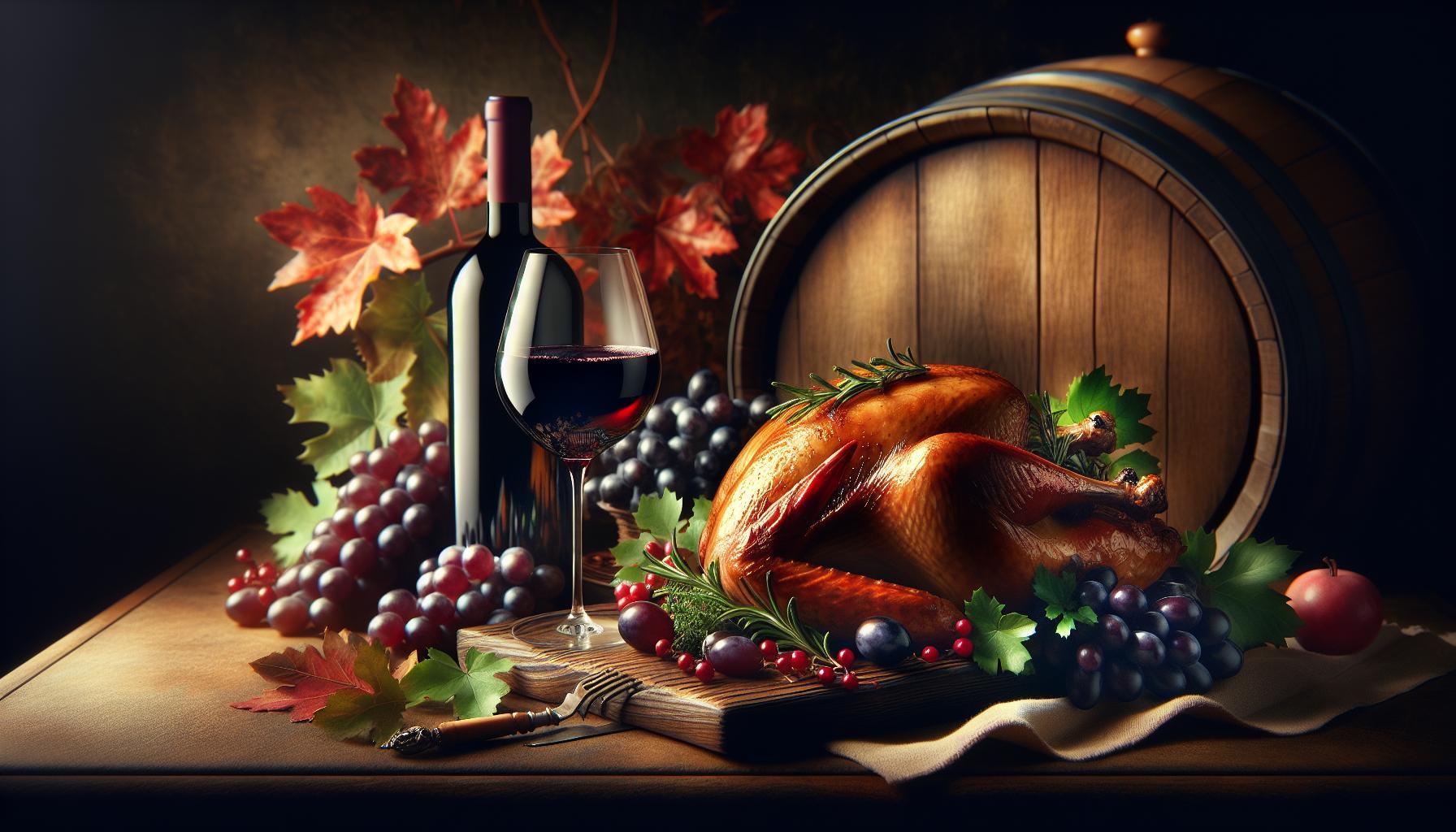
For a classic roast lamb, consider the full-bodied richness of a Cabernet Sauvignon. Known for its deep flavors and firm tannins, this wine provides a counterbalance to the unctuousness of the meat. Its dark fruit notes-think cassis and black cherry-pair exquisitely with the natural gaminess of the lamb, while its earthy undertones resonate beautifully with herbal seasonings. Another exceptional choice is a Shiraz, renowned for its boldness and spicy undertones. The peppery notes in Shiraz can enhance the flavors of roasted lamb that is often doused in garlic and spices, creating a pairing that feels both hearty and exciting.
A less conventional yet delightful selection comes from the Spanish region of Rioja, particularly a Reserva. This wine offers a complexity of flavors, blending dark fruit with hints of cedar and leather, which elegantly complements the tenderness of lamb. Additionally, don’t overlook an Italian Chianti Classico, with its vibrant acidity and red cherry flavors. This wine’s brightness can pierce through the richness of the dish, creating a dynamic interplay that keeps each bite and sip lively.
Ultimately, the journey toward a perfect pairing starts with one’s preferences. Whether you gravitate toward bold reds or are curious enough to experiment, the art of pairing is about resonating flavors and shared experiences. As you savor each bite alongside a well-chosen wine, remember that this is not just a meal; it’s a celebration of flavor, history, and the joy of good company. Allow the intricate dance of lamb and wine to transport you, fostering a deeper connection with both the culinary world and those you share it with.
Wine Pairing for Grilled Lamb: A Guide
Grilling lamb transforms it into a delectable canvas of smoky, charred flavor that begs for a wine pairing capable of highlighting its succulent characteristics. Whether you’re barbecuing tender lamb chops, aromatic kebabs, or a robust leg of lamb, the right wine can amplify those tantalizing flavors while standing up to the meat’s richness. The key lies in finding wines that harmonize with the grill’s char and the meat’s inherent gaminess.
A prime candidate for grilled lamb is a vibrant Grenache, especially one from the southern Rhône region. This varietal brings forward luscious red fruit flavors–think ripe cherries and strawberries-complemented by earthy undertones that can echo the smoky edges of the grilled exterior. A well-structured Grenache, with its soft tannins and bright acidity, can enhance the grilled lamb without overwhelming it, making it an excellent choice for a leisurely summer evening.
If you prefer something bolder, look no further than a Malbec, particularly one from Argentina. This wine’s dark fruit profile, combined with its plush, velvety texture, creates a mouthfeel that’s sumptuous alongside grilled lamb. When accompanied by herbs like rosemary or mint, which are often used in marinades, Malbec’s nuanced flavors can dance beautifully with the dish, creating a culinary symphony that celebrates both the wine and the meat.
Additionally, take notice of Sangiovese from Tuscany. This wine’s inherent acidity and earthy notes cut through the richness of the lamb, making it an appealing companion. A Chianti Classico, in particular, with its hints of wild herbs and spices, can reflect and enhance the rusticity of a grilled preparation, especially if it’s seasoned with Mediterranean herbs.
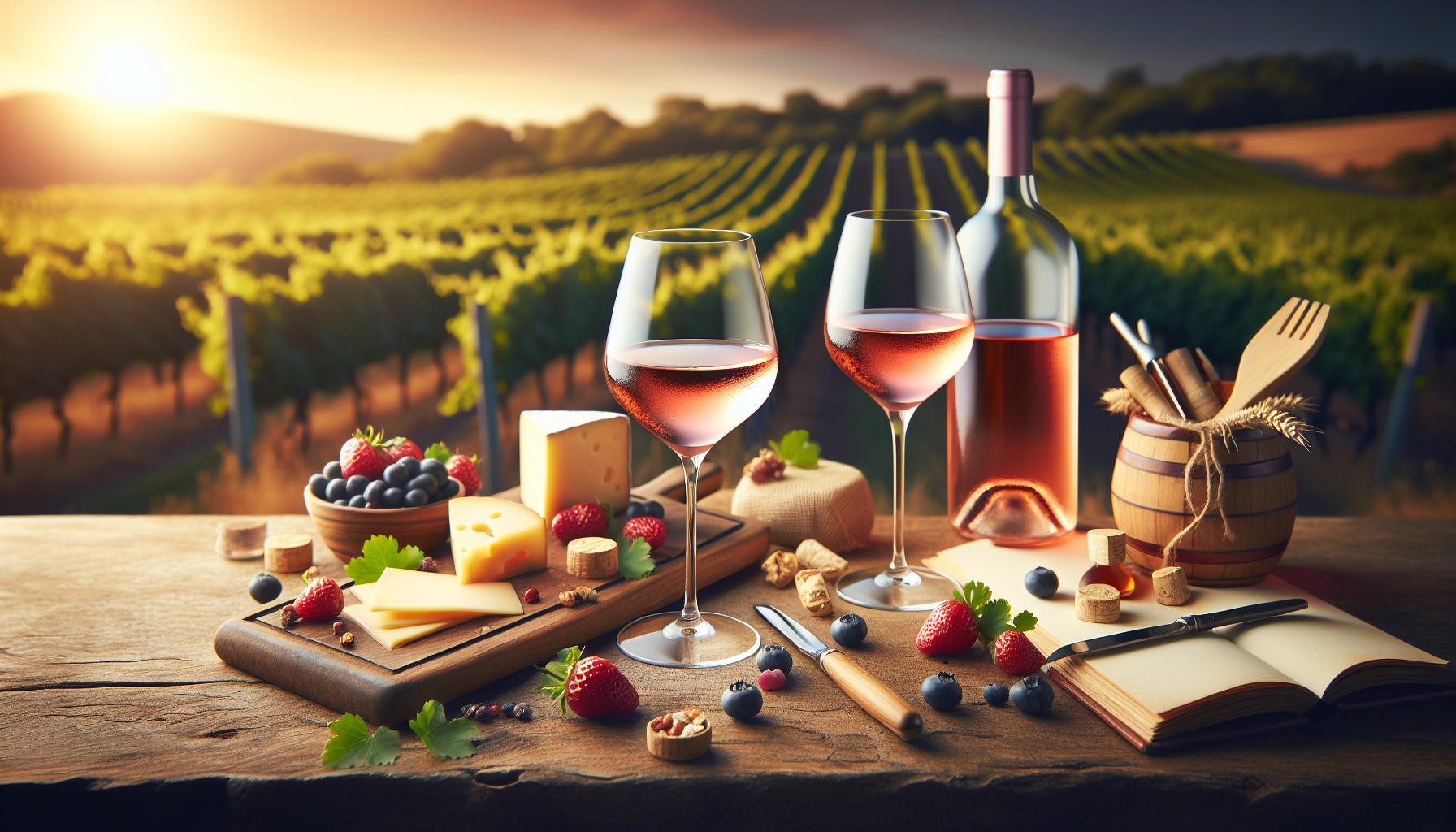
Embracing the essence of grilled lamb can also lead you down an unconventional path. Don’t hesitate to experiment with a quality Rosé, particularly a dry version from Provence. The lively acidity and red berry allure of Rosé can refresh the palate, offering a crisp counterbalance to the hearty flavors typically associated with lamb. It’s a choice that surprises many but rewards those willing to venture beyond the expected.
Ultimately, the world of wine pairing beckons you to explore, savor, and connect. With grilled lamb as your centerpiece, let your personal preferences guide you through the vibrant landscape of wines. As you sip and swirl, allow the flavors to resonate within you, creating memorable moments infused with conviviality and the spirit of discovery. Each bottle opens not just with a cork but with the stories and histories of cultures united by the love of food and wine.
Leg of Lamb: Finding Your Perfect Match
The leg of lamb, with its rich and robust flavor, demands a wine pairing that not only stands up to its intensity but also elevates the dining experience. As this cut typically features a hearty flavor profile and a tender, juicy texture, the right wine can enhance its natural characteristics and bring a delightful balance to the plate. When selecting a wine for leg of lamb, consider those that exhibit both structure and complexity, allowing for the layered tasting experience that this exquisite dish inspires.
One of the quintessential companions to leg of lamb is a bold Cabernet Sauvignon, especially one hailing from regions like Napa Valley or Bordeaux. These wines are known for their rich dark fruit flavors-think blackcurrant and plum-alongside a tannic backbone that can complement the meat’s depth without overpowering it. A well-aged Cabernet, with its notes of cedar and tobacco, can beautifully align with roasted garlic and herb rubs often used in leg of lamb preparation, creating a harmonious palate experience.
Exploring Alternative Varietals
While Cabernet Sauvignon is a classic choice, do not overlook the merits of a Syrah or a rich Shiraz. Syrah, particularly from the Rhône Valley, brings nuances of black pepper, smoke, and game, making it an ideal partner for the earthy notes of the meat. For those seeking something with a touch more fruit-forwardness, an Australian Shiraz, with its bold berry flavors and velvety texture, can be a delightful match, especially alongside a spiced lamb dish.
Moreover, for a lighter yet equally intriguing pairing, consider a Pinot Noir. Known for its finesse, a well-structured Pinot from Oregon or Burgundy can bring bright acidity and cherry notes to the table, cutting through the richness of the lamb. This pairing is especially poignant when the lamb features a herbaceous crust or is served with berry-based sauces, enhancing the overall dining experience through contrasting yet complementary flavors.
The Importance of Region and Occasion
When deciding on the perfect wine, let the preparation style and occasion guide you. For instance, a slow-roasted leg of lamb paired with hearty sides might call for a fuller-bodied wine, while a grilled version can lean towards a spicier or fruitier option, allowing for versatility in your choice. Even the season can influence your selection; a wine with a robust profile may be ideal for fall or winter gatherings, while something lighter is perfect for summer soirées.
Ultimately, savoring a leg of lamb alongside the right wine is a journey of taste and tradition, inviting not just appreciation for the flavors but also an exploration of culture and connection. Engage your senses, experiment with different varietals, and enjoy the unique stories each bottle has to offer, creating memorable meals that linger long after the last sip has been savored.
Unconventional Choices: Trying Different Wines
When it comes to pairing wine with lamb, many tend to gravitate towards traditional choices like Cabernet Sauvignon or Syrah, but there lies a world of exploration beyond these well-trodden paths. Unconventional wine selections can unveil new dimensions to your dining experience, breathing fresh life into your lamb dishes and igniting your palate with vibrant surprises. Embracing these alternatives reflects a broader philosophy of culinary adventure-cooking as an expression of creativity and curiosity.
Imagine pairing a succulent lamb dish with a Grenache, renowned for its luscious red fruit flavors and subtle spiciness. This grape thrives in sun-drenched climates, crafting wines that are approachable yet complex, often punctuated by hints of herbs and earthy undertones. A Grenache from the southern Rhône, for example, can harmonize beautifully with lamb prepared with Mediterranean spices, enhancing the dish rather than competing with its robust flavors. Similarly, an Albariño, while counterintuitive, could offer an exhilarating contrast, particularly with grilled lamb featuring citrus or herb-based marinades. Its bright acidity and floral notes can cleanse the palate, creating a refreshing balance especially in warmer months.
Exploring Sparkling Options
Even the world of sparkling wines presents exciting possibilities! A dry Cava or Champagne may seem like an unusual choice for lamb, yet these effervescent wines can prove to be delightful companions, particularly with dishes incorporating rich, creamy sauces or when served at festive gatherings. The bubbles not only cleanse the palate but elevate the meal into an occasion. For a more adventurous twist, try a pet-nat (pétillant naturel) – these naturally sparkling wines often exhibit funk and earthiness that can echo the rustic qualities of lamb.
Embracing Regional Varietals
Consider also looking into regional varietals that may be underappreciated. A Châteauneuf-du-Pape-an iconic red wine made from a blend of up to 13 different grapes-brings together depth and complexity, often complemented by notes of garrigue that can resonate with lamb’s pastoral character. Alternatively, a heartfelt Zinfandel can marry the juicy fruitiness of barbecue lamb ribs, while its spice interlaces beautifully with smoky flavors. Zinfandel, with its typically higher alcohol content, can easily match the richness of meats without overwhelming them.
In your journey of wine exploration, remember that each bottle holds a story-reflecting not just the grapes and vineyard, but also the people and traditions behind them. So as you serve lamb at your next gathering, allow your choice of wine to reflect your own personality and creativity. Challenge expectations, make the meal a dialogue between the dish and the glass, and enjoy uncovering the delightful surprises that accompany less conventional pairings. Your palate, enriched by these adventures, will thank you.
Regional Inspirations: Wine and Lamb Around the World
When exploring the global pairing of wine with lamb, one embarks on a delightful journey through the rich tapestry of culinary traditions. Different regions elevate the connection between these two delightful elements, each contributing unique insights shaped by locale, culture, and climate. For instance, in the Mediterranean, the robust flavors of lamb often find their perfect counterpart in the vibrant reds of the region. Consider a bold Barbera from Italy; its bright acidity and plum flavors can contrast beautifully with grilled lamb, enhancing both the meat’s natural richness and the dish’s smoky undertones.
In the French countryside, the classic alliance often features Côtes du Rhône, which highlights a profound affinity for lamb, especially when slow-cooked or roasted. The harmonious blend of Grenache, Syrah, and Mourvèdre in these wines offers an exquisite balance of fruit and spice that elevates lamb’s savory taste. This connection is profoundly felt during feasts and gatherings, where a bottle of Châteauneuf-du-Pape captures the heart of shared meals, resonating with flavors of garrigue and deep, earthy notes that reflect the pastoral heritage of the land.
Across the ocean, New Zealand’s vineyards poetically echo their stunning landscapes-in particular, Pinot Noir. Its light body and bright cherry notes provide an elegant match for lamb, complementing dishes seasoned with delicate herbs. In contrast, the fruit-forward Zinfandel from California boasts high alcohol content and a jammy richness that pairs beautifully with barbecue lamb ribs, creating a delectable fusion that stimulates the palate while celebrating approachable flavors typical of American grills.
For those wishing to forge a deeper connection through their food and drink, consider the Greece‘s tradition of pairing lamb with Agiorgitiko. This indigenous grape variety brings forth flavors of red berries with a herbal edge, making it a fantastic companion for lamb stews infused with Mediterranean spices. Meanwhile, the Spanish delight in serving lamb with Tempranillo, whose rich cherry and leather notes exemplify a perfect synergy, especially in dishes like Cordero Asado. Each choice illustrates not only the diversity of wine but also the profound ways in which food and wine intertwine, offering a sensory narrative that captures the essence of the world’s cultures.
As you navigate your own pairings, remember that the journey is as enriching as the destination. Consider exploring lesser-known regional varietals, engaging in the culinary storytelling that surrounds lamb, and embracing the flavors that resonate with your palate. Your table can transform into a tapestry of experiences, each glass a reflection of both individuality and shared heritage. It is this spirit of discovery that truly elevates the joys of wine and lamb; a reminder that each sip is a new chapter waiting to be savored.
Mood and Occasion: Wine Pairing for Lamb
The right wine can transform any meal into a memorable occasion, and pairing it with lamb is no exception. Lamb, with its rich and savory profile, invites a selection of wines that can elevate both the dish and the dining experience. Whether you are celebrating a special occasion or gathering with friends for a weekend barbecue, the wine you choose can set the tone for the meal and mood. Imagine opening a bottle of robust Shiraz during a festive family dinner; its bold flavors compliment the hearty characteristics of roast lamb, creating an atmosphere of warmth and camaraderie.
For gatherings that lean towards the casual yet refined, such as a summer cookout featuring grilled lamb kebabs, consider a chilled Rosé. This versatile wine brings a lively acidity that can cut through the richness of the lamb while enhancing the smoky nuances from the grill. The crisp notes of strawberry and watermelon mirror the vibrancy of the seasonal ingredients often paired with such dishes. Your guests will appreciate the refreshing contrast, making the entire experience both enjoyable and memorable.
In more intimate settings, such as a cozy dinner for two, opting for a sophisticated Cabernet Sauvignon can add a touch of elegance to your meal. With its full-bodied structure and rich tannins, this wine complements the deep flavors of braised lamb shanks, inviting discussion and connection. As you savor each sip and bite, the ambiance shifts from mere eating to a shared experience of flavor, contributing to the evening’s romance and allure.
Whenever you find yourself contemplating wine choices for lamb, remember that the occasion doesn’t just dictate the wine; it also opens doors to storytelling and personal connection. Perhaps a bottle from a vineyard you visited, or a wine you discovered on a trip that transports you back to the vibrant streets of Tuscany. Each sip is not only about taste but also about evoking memories and nurturing relationships, turning your wine and lamb pairing into a celebration of life’s beautiful moments.
Expert Tips: Elevating Your Wine Pairing Game
In the rich tapestry of wine and culinary pairing, approaching lamb with thoughtful consideration can elevate not just the meal but the entire dining experience. One of the most pivotal expert tips is to embrace the principle of complement and contrast. When dealing with lamb’s robust flavors-ranging from the succulent tenderness of a rack to the savory richness of a slow-braised shoulder-your wine should ideally align harmoniously with these characteristics or create an engaging counterpoint. For example, a Zinfandel with its fruity notes and peppery undertones can beautifully enhance a spiced lamb dish, while a Pinot Noir, with its delicate body and earthy nuances, can offer a lighter contrast to grilled lamb chops without overpowering their subtle flavor.
Another essential aspect to keep in mind is the temperature and serving conditions of both lamb and wine. Serving lamb at the right temperature, typically moderately warm, allows the dish’s flavors to express themselves fully. This is further complemented by serving wine slightly cooler than room temperature, especially for reds. Consider uncorking a Garnacha or Chianti about 30 minutes before serving-this allows its bouquet to develop fully, creating an aromatic invitation that sets the tone for a memorable meal. Remember, the first sip should echo the anticipation built by the aroma and appearance of the wine, drawing your guests into the experience even before they take their first bite.
Don’t shy away from exploring regional pairings, as they often yield delightful surprises. Imagine sampling a luscious Rhone blend alongside a traditional lamb tagine, showcasing how local terroirs complement one another. Each region has developed its culinary practices and wine traditions based on climate and soil, creating natural affinities. For those adventurous palates, consider an unconventional choice like a Sercial Madeira; with its unique acidity and rich complexity, it can provide a refreshing contrast, particularly with lamb dishes featuring fruit or sweet spices.
Lastly, engage your guests in the story of the wine. Sharing the background of a vineyard or the unique processing of a varietal can transform a simple meal into an intimate gathering. As you pour a glass of Malbec, perhaps recount how Mendoza’s high-altitude vineyards yield grapes with great depth of flavor. This narrative infusion not only enriches the experience but fosters connection, celebrating both the food and the culture that surrounds it. Whether it’s a casual barbecue or a formal dinner, elevating your wine pairing game with these approaches will ensure your next lamb dish is a heartfelt celebration of flavor and fellowship.
Frequently Asked Questions
Q: What wine pairs best with lamb?
A: The best wine for lamb typically includes red varietals such as Cabernet Sauvignon, Merlot, or Syrah. These wines complement lamb’s rich flavors and fatty cuts. An aged Bordeaux also pairs beautifully due to its complex notes and structure, enhancing the lamb’s savory profile.
Q: How does the cut of lamb affect wine pairing?
A: The cut of lamb significantly influences wine selection. For instance, grilled lamb chops pair well with bold reds like Syrah, while roasted leg of lamb complements richer, tannin-heavy wines such as Cabernet Sauvignon. Lighter cuts, like lamb shanks, can be enjoyed with Pinot Noir for a more delicate balance.
Q: Why is red wine preferred with lamb?
A: Red wine is often preferred with lamb due to its full-bodied flavors, which can stand up to the meat’s richness. The tannins in red wines interact well with lamb’s proteins, enhancing the taste while softening the palate, creating a harmonious dining experience.
Q: Can white wine be paired with lamb?
A: Yes, white wine can be paired with lamb, particularly lighter cuts or preparations. A full-bodied white like Chardonnay or a blend with oak aging offers great depth, handling flavors and herbs often used in lamb dishes. Consider a crisp Sauvignon Blanc for a refreshing contrast.
Q: What herbs and spices work well with lamb and which wines should I choose?
A: Lamb often pairs with herbs like rosemary, thyme, and mint. A wine with herbal notes, such as a GSM blend (Grenache-Syrah-Mourvèdre), enhances these flavors. For a spicier preparation, opt for a vibrant Zinfandel that balances spice with fruitiness.
Q: When is the best time to serve wine with lamb dishes?
A: The best time to serve wine with lamb dishes is during a formal dinner or festive occasions. Consider serving the wine slightly before the meal, allowing the aromas to blossom, creating anticipation for the pairing. This enhances both the dining experience and meal enjoyment.
Q: What is the ideal serving temperature for wine with lamb?
A: The ideal serving temperature for red wine with lamb is between 60-65°F (15-18°C). This temperature allows the wine’s aromas and flavors to be fully expressed, ensuring a delightful experience with the rich, savory notes of lamb.
Q: How can I choose a wine that complements a lamb dish without overpowering it?
A: To choose a complementary wine for lamb without overpowering it, consider the dish’s preparation method and seasoning. For richly flavored lamb, select a full-bodied wine, whereas lighter, herbaceous preparations may pair better with medium-bodied wines, allowing balance without dominance.
In Summary
As your culinary journey with lamb comes to a close, remember that the right wine not only enhances the flavors of each cut but also transforms your dining experience into a celebration of culture and connection. From the bold tannins of a Cabernet Sauvignon to the elegant notes of a Pinot Noir, each choice opens a window into the world of wine, inviting exploration and sophistication. Don’t miss out on this opportunity to elevate your meals-experiment and discover your perfect pairings today!
For further insights, dive into our articles on complementary side dishes that enhance lamb dishes or explore our guide on mastering wine pairings for diverse cuisines. If you’re eager to refine your wine knowledge even further, consider signing up for our newsletter to receive expert tips and exclusive content directly in your inbox.
Let your taste buds guide you, and remember, the adventure of wine pairing is as rich and varied as the wines themselves. Share your experiences with us in the comments below and join our community of fellow wine enthusiasts as we continue to explore the delightful dance of flavors on our plates and in our glasses!
Get our latest guides, news, and insights highlighted in your Google Search & AI Overviews.