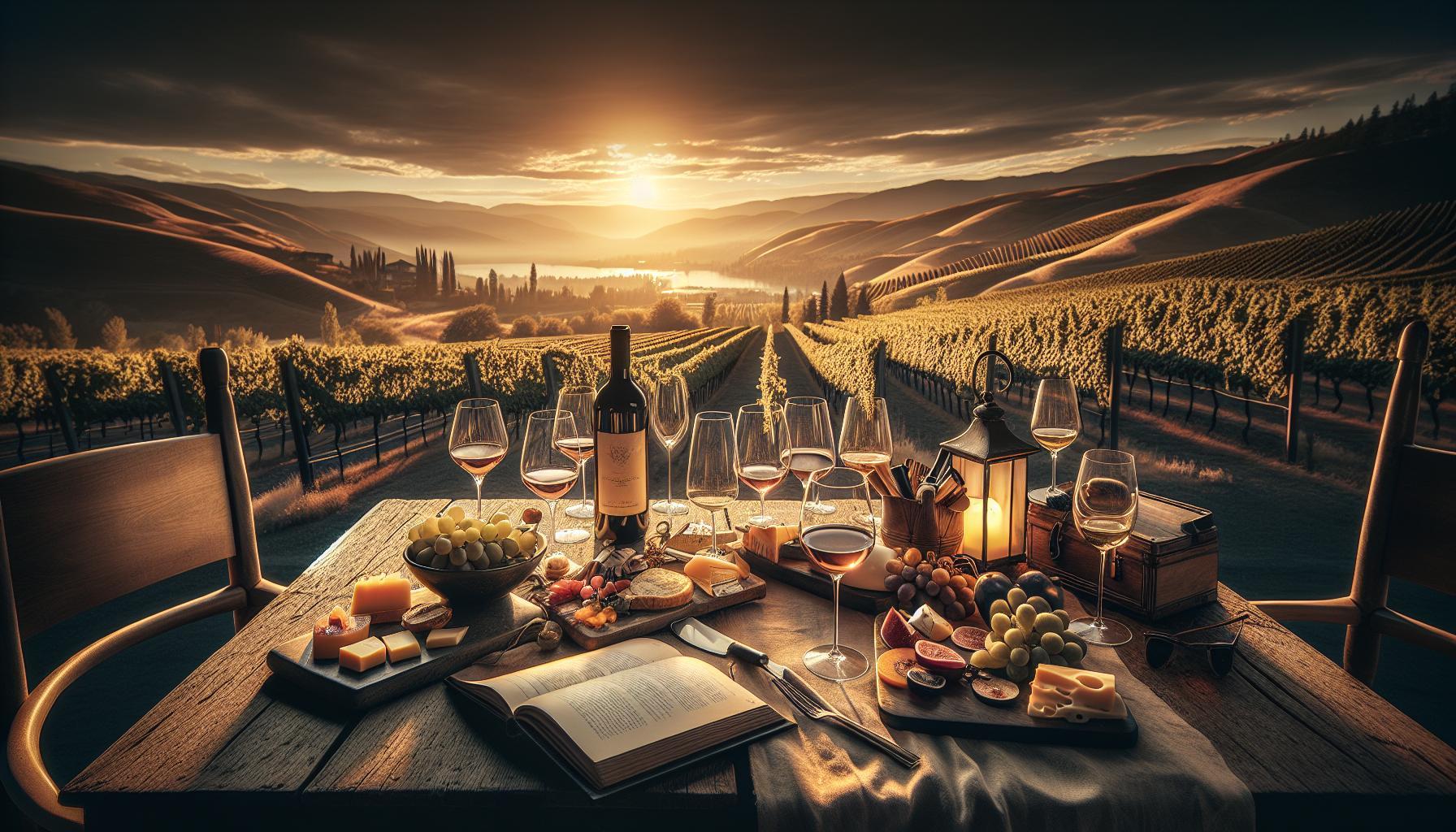
Nestled in the lush embrace of Oregon’s landscape, the Willamette Valley isn’t just a place-it’s an experience, a rich tapestry of wineries that invite exploration and discovery. Home to over 500 wineries, this region is particularly renowned for its Pinot Noir, a varietal that thrives in the unique climate and terroir of the valley. As we delve into how many wineries call this Pinot paradise home, you’ll learn not just about the numbers, but about the stories behind each glass, the passionate winemakers, and the enchanting surroundings that make every visit memorable.
Whether you’re a seasoned connoisseur or a curious novice, understanding the scope of wineries in Willamette Valley illuminates the region’s significance in the global wine landscape. It’s an opportunity to connect with nature, history, and innovation, all while savoring some of the finest wines. Prepare to embark on a journey that enhances your appreciation for both the wine itself and the vibrant culture that surrounds it.
How Many Wineries Exist in Willamette Valley?
In the verdant expanses of Oregon’s Willamette Valley, wine enthusiasts are greeted with a spectacular cornucopia of choices. Home to over 500 wineries, this region is celebrated for its deep commitment to quality, particularly in the realm of Pinot Noir. Each winery is a unique reflection of the local terroir, showcasing the profound relationship between the land and the fruit it bears, capturing the whispers of the wind and the stories of the soils they spring from.
Visitors can embark on a journey through picturesque vineyards, where the landscapes shift from rolling hills to lush valleys, each producing its own distinctive character of wine. The diversity of wineries encompasses boutique producers focusing on handcrafted, small-batch wines to larger estates that have made names for themselves on national and global stages. This rich tapestry allows for engaging exploration-tasting experiences that can range from intimate, guided tastings on sun-drenched patios to grandiose events featuring renowned winemakers sharing their craft.
As you traverse the various appellations-Dundee Hills, Yamhill-Carlton, and Eola-Amity Hills, to name a few-you’re not just sampling wine; you’re engaging in a deeper cultural exchange. Each visit offers the chance to understand the philosophies of the passionate individuals behind the labels. It’s in these encounters that wine transforms from a simple beverage into a narrative of place, purpose, and passion, awaiting to be savored and shared.
A journey through the Willamette Valley is not merely about counting wineries; it’s about the stories they tell and the moments they create. Whether you’re a seasoned aficionado or a curious novice, this valley offers a welcoming embrace, inviting you to immerse yourself in its exceptional world of wine.
The Allure of Oregon’s Pinot Noir: A Closer Look

The wine world often speaks in hushed tones about the magic of Oregon’s Pinot Noir, a grape that wears its heart on its sleeve and reveals the nuances of the land in every sip. This varietal thrives in the Willamette Valley, where the cool, temperate climate and diverse soil compositions foster an environment that produces beautifully expressive wines. For the discerning enthusiast or the casual drinker, exploring these wines is akin to tracing the contours of a rich tapestry woven with history, craftsmanship, and passion.
One cannot fully appreciate Oregon’s Pinot Noir without first grasping the significance of terroir-the interplay of geography, geology, and climate. The Willamette Valley’s unique geology, characterized by ancient volcanic soils, creates a fertile backdrop where every vineyard authors its own narrative. The valley’s distinct microclimates allow winemakers to experiment with farming practices, resulting in an incredible spectrum of flavors and aromas, from wild berry to earthy notes, often interlaced with an elegant acidity that beckons to be paired with food. Here, the winemaker’s touch is crucial; their decisions, from the timing of harvest to fermentation techniques, deeply influence the final expression of the wine.
Visiting local vineyards is an experience not merely of tasting but of storytelling. Each winery invites you into their distinctive world, where you can sip from a glass adorned with the unique fingerprints of its maker. Picture yourself on a sun-drenched patio, relishing a glass of Pinot Noir while gazing at sweeping views of lush vineyards, all the while engaging the winemaker in spirited conversation about the intricacies of their craft. This is where the allure intensifies-the wine transcends mere beverage, evolving into a conduit of culture and tradition.
Moreover, the growing emphasis on sustainable practices in the Willamette Valley’s vineyards only enhances the desirability of its wines. Many producers are dedicated to organic farming and biodynamic methods which not only protect the environment but also ensure that the wines reflect the pure character of the land. Such conscientious efforts resonate with the eco-aware consumer, adding a layer of ethical engagement to the enjoyment of Oregon’s beloved Pinot Noir.
In essence, a glass of Pinot Noir from the Willamette Valley is not just a delightful libation; it’s an invitation to a deeper appreciation of the land, the labor, and the love that infuses every bottle. As one sips, they’re not just tasting wine-they’re participating in a tradition, a dialogue, and an exploration of what it truly means to connect through this extraordinary grape. Keep your palate attuned and embrace the stories that each pour brings, for in every drop lies the essence of Oregon’s Pinot paradise.
Exploring the Geographic Diversity of Willamette Valley

The Willamette Valley, a sprawling expanse in Oregon that stretches over 150 miles from north to south, is not just a region; it’s a rich tapestry of geological diversity that profoundly influences its wines. Known primarily for its acclaimed Pinot Noir, the valley’s varied terrain, including hills, valleys, and undulating slopes, along with its unique climate zones, creates a playground for viticulturists and winemakers alike. It’s here that we discover the significance of local terroir-the concept that soil composition, climate, and topography come together to craft the character of each wine.
Within this alluring landscape, there are several AVAs (American Viticultural Areas), each with its own narrative and flavor profile. For instance, the Dundee Hills, celebrated for its volcanic soil, yields Pinot Noir that is rich and plush, often characterized by cherry and raspberry notes, edged with earthy undertones. This contrasts with the Eola-Amity Hills, where the cooling winds of the Pacific Ocean flow through the vineyards, resulting in wines that are more elegant and nuanced, showcasing floral aromas and bright acidity. The difference between these regions lies not just in the wines produced, but in the very essence of the land itself-a reflection of how microclimates can encapsulate the artistry of winemaking within their borders.
The valley’s diversity doesn’t stop at Pinot Noir; it hosts a staggering array of varietals cultivated in small batches, from Chardonnay and Pinot Gris to lesser-known grapes like Grüner Veltliner and Tempranillo. Each varietal reveals its distinct character, shaped by the soil and climate of its specific locale. As you journey through the valley, visiting wineries nestled among the grapevines, your palate will traverse a range of beautifully crafted wines that celebrate the nuances found in various vineyard sites.
Moreover, when exploring this geographic richness, consider an adventure through less-traveled paths to discover hidden gems. Wineries off the main route often offer intimate experiences, allowing you to savor wines while engaging directly with the dedicated individuals behind the bottles. It’s an invitation to immerse yourself in the stories, the struggles, and the triumphs that shape each glass.
The Willamette Valley remains a testament to how geography molds not only the environment but also the culture surrounding wine. With over 500 wineries dotting this captivating landscape, each offers a unique flavor profile and narrative, inviting enthusiasts to savor the diversity that is so profoundly tied to the land-an enduring journey through Oregon’s Pinot paradise.
Types of Wineries: A Spectrum of Choices

The rich tapestry of the Willamette Valley is not merely woven from its renowned vineyards but also from the diverse types of wineries that populate this scenic region. This extraordinary landscape, boasting over 500 wineries, encompasses an array of establishments ranging from intimate family-run operations to expansive, state-of-the-art facilities. Each winery tells a unique story, offering wine enthusiasts varied experiences to explore and savor.
Family-Owned Boutiques
One of the most enchanting aspects of the Willamette Valley is its plethora of family-owned wineries. These small, boutique establishments often prioritize quality over quantity, producing limited releases that reflect the nuanced terroir of their specific vineyard sites. Tasting at these wineries often feels like a personal rendezvous rather than a commercial transaction. Many owners are intimately involved in the winemaking process, and they delight in sharing their passion and knowledge with visitors. You might find yourself savoring a silky Pinot Noir while hearing the inspiring story of the family’s journey into viticulture, making each sip richer with context.
Estate Wineries
On the other end of the spectrum, estate wineries represent a fusion of tradition, elegance, and innovation. These establishments not only produce their wines but also cultivate the grapes used in the process, ensuring a meticulous relationship between the land and the bottle. Visiting an estate winery often comes with an immersive experience-think vineyard tours led by knowledgeable staff who guide you through the philosophy of their winemaking process, paired with exquisite tastings. Here, the focus is on understanding the intricate balance of nature and nurture that defines the wine, offering a deeper appreciation of flavors and aromas.
Commercial Wineries
For those looking for excitement and variety, the commercial wineries in the Willamette Valley cater to all tastes. These larger establishments frequently feature sprawling tasting rooms and provide an engaging atmosphere ideal for social experiences. Alongside their flagship varietals, many commercial wineries experiment with blending and innovative techniques, often incorporating guest winemakers and seasonal offerings. This dynamic environment encourages discovery, where you might stumble upon a unique blend that surprises your palate, accompanied by live music or seasonal events that create a festive atmosphere.
Specialty Wineries
Beyond traditional options, the Willamette Valley also hosts a selection of specialty wineries dedicated to specific varietals or innovative winemaking techniques. These may focus on sparkling wines, natural wines, or even organic and biodynamic practices. For instance, some wineries utilize non-traditional grapes like Grüner Veltliner or Müller-Thurgau, creating wines that defy expectations and showcase the region’s versatility. Engaging with these unique offerings allows visitors to expand their understanding of wine far beyond conventional choices, challenging preconceived notions and igniting curiosity.
Each type of winery in the Willamette Valley offers its own distinct flavor of experience, inviting visitors to indulge in not just the wines themselves, but also the stories and cultures behind them. As you traverse the valley, let your palate guide you, embracing the diverse choices and allowing each tasting to enrich your understanding of this remarkable wine region. Whether you’re a connoisseur or a curious newcomer, the spectrum of wineries here holds endless opportunities for exploration and delight.
Savoring Wine: Tasting Experiences at Local Wineries

In the Willamette Valley, each tasting experience holds the promise of discovery, inviting visitors to explore not just the wines but the stories, landscapes, and people that shape them. With over 500 wineries dotting the valley, the options for savoring Oregon’s renowned Pinot Noir-or any of the region’s delightful varietals-are ample and diverse. Picture this: as the sun sets over lush vineyards, casting a warm glow on the picturesque hills, you’re seated in a rustic tasting room, surrounded by artful bottles and the aroma of terroir-rich wines. It’s here, amidst this sensory feast, that memories are distilled into glasses, and friendships forged over shared appreciation.
One of the joys of wine tasting in this region is the array of styles and approaches represented across the wineries. Family-owned boutiques offer more than just a glass; they provide intimate access to the winemaker’s craft. Often, it’s the owner themselves pouring the wines, guiding you through the nuances of each vintage, and sharing heartfelt stories of their journey into viticulture. With each sip of their limited releases-crafted with meticulous attention to detail-you’ll not only taste the fruit but also the history and passion behind it. This personal touch transforms a simple tasting into an unforgettable narrative.
In contrast, visiting estate wineries elevates the experience to a holistic immersion. Here, you might find yourself wandering through sun-dappled vineyards, guided by knowledgeable staff who delve into the intricacies of grape growing and winemaking processes. Imagine the rich, velvety texture of a barrel-aged Pinot Noir as you learn about malolactic fermentation, a critical step that softens and enhances the wine’s flavor. Tasting in these settings often includes thoughtfully curated pairings with local artisanal cheeses or charcuterie, allowing you to experience how the right food can enhance the essence of the wine.
Commercial wineries, characterized by their expansive tasting rooms, offer a vibrant atmosphere alive with laughter and conversation. It’s here that you might encounter seasonal offerings or seasonal events like wine and music festivals, blending culture with fine wine. The opportunity to explore unique blends-crafted through experimentation and collaboration with guest winemakers-adds an element of surprise to each visit. Whether you’re enjoying a casually poured glass of rosé while mingling with fellow guests or seated at a wine dinner featuring expertly paired dishes, the energy cultivates a festive spirit that complements the depth of the wines.
Ultimately, a tasting experience in the Willamette Valley isn’t just about sipping wine; it’s a journey through the landscape of Oregon’s viticulture, imbued with the passion of those who call it home. As you navigate through these distinct venues, you’ll find that each glass reflects not just the terroir but the heart and soul of the people behind the bottles. So raise your glass-and toast not only to the delicious wine but to the rich tapestry of human connection it represents.
Meet the Makers: Profiles of Notable Winemakers
The art of winemaking in the Willamette Valley is deeply interwoven with the stories of those who cultivate the land and craft its wines. Each winemaker brings a singular vision to their winery, embodying the essence of the region’s rich terroir while infusing it with their individual passions and experiences. For example, Jim Anderson of Willamette Valley Vineyards is not only known for his award-winning Pinot Noir but also for his unwavering commitment to sustainable agricultural practices. Celebrated for his hands-on approach, Anderson’s journey from a corporate career to founding a winery exemplifies how personal evolution aligns with environmental stewardship, creating wines that resonate with the land.
Going to other notable figures, let’s consider the husband-and-wife duo of Ken and Ginger Wright of Wright Cellars. They are revered for their close-knit familial approach to winemaking. The Wrights meticulously source their grapes from select vineyards, emphasizing small-lot productions that highlight the unique characteristics of the terroir. Their crafting of wines such as the “Wright Pinot Noir” showcases not only the variety’s expressive flavor profile-brimming with cherry and earthiness-but also their prevailing philosophy of celebrating community and heritage. As they often share during tastings, each bottle tells a story, inviting wine lovers to partake in a lineage of care and quality.
Another winemaker, Nicole Nemeroff of Le Cadeau Vineyard, represents a dynamic shift in the industry as she deftly balances tradition with modern innovation. With a background in music, her artistic sensibility translates into her winemaking, where she draws inspiration from both French and Oregon techniques. Her Pinot Noir captivates the palate with a sophisticated elegance; layers of bright red fruit dance in harmony with subtle notes of spice. What sets her apart is a genuine dedication to biodynamic practices, not only producing exceptional wines but also nurturing the ecosystem that supports grape viticulture. This holistic approach resonates with modern consumers who increasingly value authenticity and sustainability in their wine choices.
Highlights of these winemakers speak volumes about the ethos of the Willamette Valley, where over 500 wineries thrive through their unique narratives and styles. Visitors are encouraged to explore these stories during tastings, revealing the faces behind the bottles, and cultivating a richer appreciation for each sip. Engaging with winemakers like Anderson, Wright, and Nemeroff provides a true glimpse into the heart of Willamette Valley wine culture-both broad in its bounty and intimate in its storytelling. As you venture through the valley, remember that each glass is not only a reflection of exquisite craftsmanship but also a bridge to the human experiences that shape them, inviting drinkers to savor the profound connections that wine can foster.
A Year in the Vineyard: Seasonal Changes and Events
In the Willamette Valley, a remarkable transformation occurs within the vineyards throughout the year, reflecting not only the rhythm of nature but also the dedication of the winemakers. Each season brings its own unique palette, from the vibrant blossoms in springtime to the rich hues of autumn during harvest. This seasonal journey not only dictates the vineyard’s appearance but also influences the quality of the grapes and, ultimately, the exceptional wines that emerge.
As winter’s chill sets in, vineyards enter a dormant phase. This is a crucial time for winemakers, who utilize this period to prune the vines carefully. Pruning is an art as much as it is a science; it shapes the forthcoming crop and enhances the vine’s health for the following year. With the appropriate cuts, a balance is struck between yield and quality, setting the stage for the appetizing Pinots that Willamette is renowned for.
Come spring, the vineyards awaken with a burst of life. Buds break forth, unfurling into delicate leaves that herald the growing season. This time is marked by the excitement of new possibilities; vineyard managers assess the budding vines for any signs of frost damage, and amidst the greenery, flowers bloom-prefacing the bounty that lies ahead. It’s also a time for events; wineries host vineyard tours, offering visitors a chance to learn about vine care and the science of terroir firsthand.
Summer ushers in a critical growth phase where the grapes begin to flourish under the warm sun. The careful monitoring of water and nutrient levels is essential, as winemakers prepare for the inevitable sweetening of the fruit. It’s a vibrant period filled with outdoor festivals, wine pairings, and tastings that ease into sunset picnics among the vines, celebrating the connection between people and the earth.
Finally, as the days grow shorter and cooler, autumn arrives with the glory of harvest. The palpable excitement during this time is irresistible, with vineyard workers and their families gathering to bring in the grapes-a communal act reminiscent of ancient traditions. Celebrations abound as wineries host crush parties, where visitors can cheer for the team, partake in freshly pressed juice, and sample the new wines emerging from the crush.
Each season in Willamette Valley is interconnected, weaving a tapestry of cycles that mirrors the winemaker’s journey. Whether through a winter’s careful pruning or the jubilant community during harvest, every moment contributes to the exquisite symphony of flavor that defines this Oregon wine region. As you sip the delicate notes of a Willamette Pinot Noir, remember that every glass captures not just essence of the grapes, but the heartfelt effort and artistry behind each vintage crafted in this remarkable valley.
Sustainability in Willamette Valley Winemaking
In a region renowned for its picturesque vineyards and world-class Pinot Noir, sustainability is not merely a trend for Willamette Valley winemakers; it has become an integral ethos that defines their craft. With over 500 wineries peppered through the valley, a remarkable commitment to environmental stewardship unites many of these producers in their pursuit of quality wine that honors both the land and future generations. A profound respect for nature drives the choices made in vineyard management, sustainable practices, and even winery operations.
Willamette Valley winemakers often engage in organic and biodynamic farming practices, reducing synthetic pesticide and fertilizer usage. This not only contributes to the health of the vines and the surrounding ecosystem but also allows for the expression of the true terroir-those elements of soil, climate, and ecosystem that give each wine its unique character. For example, wineries such as Domaine Serene and King Estate have adopted organic farming techniques, nurturing biodiversity on their properties which leads to healthier grapes and, ultimately, more expressive wines. Utilizing cover crops, crop rotation, and natural composting, these producers not only improve soil health but also create a vibrant habitat for local wildlife, demonstrating that the pursuit of exceptional wine can coexist with ecological mindfulness.
Moreover, many wineries are taking steps to ensure that their production processes are as eco-friendly as possible. From utilizing solar energy for power to recycling water and reducing waste, the commitment to sustainability extends beyond the vineyard. A focus on energy efficiency has led operations such as Willamette Valley Vineyards to implement energy management systems that significantly lower their carbon footprint. In addition, the increasing popularity of canned wines among eco-conscious consumers reflects a shift toward packaging that minimizes environmental impact while providing convenience and practicality.
Visitors to the region will find multiple wineries that provide educational tours highlighting their sustainable practices, allowing a deeper appreciation for the wine they savor. Emphasizing local food pairings alongside their offerings, these wineries prioritize relationships with local farms and artisans, celebrating the extraordinary potential of combining great wine with sustainably sourced food. The unique community of the Willamette Valley not only produces wines that are delicious and intriguing but also reflects a communal commitment to a sustainable future-one that viewers can taste in every glass.
By choosing to support these sustainable operations, wine enthusiasts become a part of this thoughtful narrative, contributing to a cycle of cultivation that honors both rich histories and vibrant futures. Each sip of Willamette Valley wine becomes a meditation not just on flavor but on the careful, considered methods that help preserve the beauty of Oregon’s landscape.
Pairing Perfection: Food and Wine in Oregon
In the verdant splendor of Oregon’s Willamette Valley, where the rolling hills cradle exuberant vineyards, food and wine pairing transcends mere culinary synergy-it’s a celebration of local culture, history, and the stunning terroir. The region is a haven for food lovers and wine enthusiasts alike, where every sip of world-class Pinot Noir or aromatic white varietal beckons to be complemented by equally exquisite local fare. Imagine sitting on a sun-drenched patio overlooking the vines, a glass of vibrant Pinot Noir in hand, as you savor the nuance of Oregon’s seasonal produce.
Fresh Ingredients & Authentically Local Pairings
The farm-to-table movement thrives here, with a plethora of artisanal ingredients sourced from the valley itself. From hillside gardens to local markets, the freshest seasonal vegetables and legumes converge with an abundance of exceptional meats and cheeses, establishing perfect partnerships for wine. Consider a chilled glass of dry Riesling, its crisp acidity sparkling alongside a dish of grilled local salmon, where each bite reflects the freshness of just-caught fish and garden herbs. Another delightful marriage is found in pairing a bold, earthy Syrah with a rich, locally sourced lamb dish, marrying the wine’s complexity with those deep savory flavors.
Local wineries, like the much-celebrated Domaine Serene, often showcase these thoughtfully curated wine and food pairings in their tasting rooms. Their culinary teams dedicate themselves to crafting seasonal menus that highlight the best produce available, enhancing the tasting experience by marrying the wines with dishes that draw out the unique aspects of each bottle. During the summer months, wine dinners featuring vibrant tomato and fresh basil salads pair beautifully with a chilled Chardonnay, evoking the sunshine and warmth of the valley-creating a delightful tapestry of flavor that dances on the palate.
Exploring the Wisdom of Pairings
Venturing beyond conventional pairings opens a world of creativity-what about a sparkling wine meeting the zesty punch of a citrusy ceviche? The effervescence refreshes the palate, enhancing the dish’s brightness. Alternatively, Oregon’s burgeoning craft beer scene offers intriguing pairing options as well, featuring hoppy IPAs alongside diverse cheeses, inviting a playful exploration of flavors. Wine lovers are encouraged to experiment, because the true joy lies not only in the pairing itself but in the conversation it inspires-stories shared, laughter echoed, and the warmth of connections forged over delicious food and drink.
In Willamette Valley, every wine bottle uncorked invites a story that intertwines with the rich agricultural tradition of Oregon. As you sip, pause to appreciate the journey of each varietal-from vine to glass-and the culinary artistry that brings together the flavors of this stunning landscape. This harmonious relationship between wine and food not only enhances the tasting experience but reiterates the community’s dedication to sustainable local produce, shaping a narrative that is as intoxicating as it is profound. So venture forth into this Pinot Paradise, and let your palate guide you through the pairings that make Willamette Valley an irresistible destination for any connoisseur.
Visiting Tips: Navigating Willamette Valley Wineries
Finding your way through the enchanting Willamette Valley, home to over 700 wineries, can feel akin to navigating a labyrinth of vines and rolling hills. Each twist and turn leads to new discoveries, from family-run boutique wineries to larger, iconic estates. To truly savor what this Oregon wine paradise has to offer, a little preparation can transform your visit from merely enjoyable to utterly unforgettable.
One of the most vital tips is to plan ahead. The valley’s wineries often require reservations, especially for popular tasting experiences like vineyard tours or exclusive tastings. Make sure to check each winery’s website or call ahead for their specific policies, as many are embracing tailored experiences that showcase their unique varietals and terroir. If your schedule allows, consider visiting during a weekday to avoid the crowds and enjoy a more personalized experience.
Equally important is to approach your tastings with an open mind and palate. While Willamette Valley is renowned for its Pinot Noir, exploring beyond the flagship varietal reveals a stunning diversity of options, including Chardonnay, Pinot Gris, and even lesser-known varietals like Gamay and Grüner Veltliner. Wineries often offer flights that allow you to sample a range of styles and blends, each boasting distinct flavor profiles reflective of the region’s unique terroir. Don’t hesitate to ask staff for recommendations or their personal favorites; their insights can lead to delightful surprises.
Lastly, immerse yourself in the confluence of wine, food, and local culture. Many wineries feature on-site restaurants or picnic spots where you can enjoy gourmet meals crafted from local produce paired with your wine selections. This not only enhances your tasting experience but also connects you with the broader agricultural tapestry of the valley. With a little planning, meaningful exploration, and a willingness to indulge your senses, navigating the Willamette Valley’s wineries promises to be a richly rewarding venture.
Uncovering Hidden Gems: Off-the-Beaten-Path Wineries
Exploring the hidden corners of Willamette Valley can yield delightful surprises and memorable wine experiences that often escape the mainstream tourist paths. Among its more than 700 wineries, some of the most enchanting and unique offerings reside off the beaten path, waiting for adventurous wine lovers to discover them. These hidden gems not only present exquisite wines but also an authentic connection to the land and the passionate artisans behind each bottle.
Venture into lesser-known appellations like the Chehalem Mountains or the Yamhill-Carlton District, where you might stumble upon family-run wineries that prioritize sustainable practices and small-batch production. Places such as Sineann Winery and Iron Wine Cellars provide intimate tastings where you can engage directly with winemakers who are eager to share the story of their craft. These personal encounters often include insights into their winemaking philosophy, techniques like malolactic fermentation, and the unique terroirs that shape their varietals.
Consider also seeking out wineries that are pioneering in unusual varietals. For instance, Benson Vineyards Estate Winery is notable for its cozy setting and a range of wines beyond the ubiquitous Pinot Noir, including a stellar Grüner Veltliner. Tasting at these lesser-known spots allows for a more varied and nuanced exploration of the region, highlighting how local microclimates influence flavor profiles and vineyard practices.
As you traverse through these off-the-beaten-path locations, pause to admire the sweeping landscapes and the personal touches reflected in each winery’s aesthetic. Many feature stunning vineyard views, unique architectural details, or artisanal picnic settings, allowing visitors to enjoy their tastings in immersion with nature. So, as you plan your visit, don’t overlook these hidden treasures; with a little adventurous spirit and an openness to discovery, you just might find your new favorite wine nestled among the rolling hills and quiet byways of Oregon’s wine paradise.
The Cultural Impact of Wine in Oregon’s History
Viniculture in Oregon is not merely a craft; it is a vibrant tapestry of culture, history, and community that blossomed against all odds. From the moment the first grapevines took root in the rich, volcanic soils of the Willamette Valley, a deep transformation began, shaping not only the landscape but also the very identity of this region. Today, with over 700 wineries, it stands as Oregon’s crown jewel in the world of wine, most notably for its exquisite Pinot Noir, celebrated globally yet deeply tied to the local ethos.
The journey of Willamette Valley wine has roots that extend into the cultural fabric of Oregon itself. In the 1960s and 1970s, a handful of determined visionaries ventured into this relatively untapped region, spurred by the promise of a climate that mirrors the famed Burgundy region of France. Their grit and passion led to the establishment of the first wineries, fostering an environment ripe for innovation and collaboration. This nascent wine community reflected a spirit of sustainability and craftsmanship, setting a cultural precedent that still thrives today. In the exploration of wine, visitors are invited not just to taste but to engage in a larger narrative-one that celebrates respect for the land, sustainable practices, and the artistry of winemaking.
Celebrating Diversity and Community
Wine in the Willamette Valley has come to symbolize more than just a culinary experience; it is a testament to the diversity of human connection and local identity. The valley’s varied microclimates contribute to a remarkable array of wines, each expressing its terroir-in essence, a blend of environment, climate, and human intervention. As wine lovers meander through the landscape, they discover a mosaic of family-run vineyards and boutique wineries, each with a unique story and vision. This network of local producers fosters a collaborative spirit that transcends competition, encouraging dialogues among winemakers, grape growers, and the community at large.
Noteworthy cultural events, such as the King Estate’s annual Pinot Noir Celebration or the Oregon Wine Month, elevate this narrative, drawing visitors eager to partake in the celebration of local wine culture. These gatherings provide opportunities to taste exquisite wines, dine on locally-sourced cuisine, and enrich one’s understanding of the regional heritage. They illustrate how the act of sipping wine evolves into a communal experience, with laughter, storytelling, and shared appreciation echoing through vineyard rows.
Overall, invites both locals and visitors to cherish the intersection of nature, art, and community. By indulging in the wine of the Willamette Valley, one becomes part of an ongoing story where every sip encapsulates generations of dedication, artistry, and a profound connection to the land-a narrative that is as rich and layered as the wines themselves.
Faq
Q: How many wineries are in the Willamette Valley?
A: The Willamette Valley is home to over 500 wineries, each offering unique expressions of the region’s famed Pinot Noir and other varietals. This diverse landscape allows for a plethora of wine experiences that cater to all palates and preferences.
Q: What makes Willamette Valley a top destination for wine lovers?
A: Willamette Valley is celebrated for its ideal climate and terroir, particularly for Pinot Noir. The region’s rolling hills, volcanic soil, and cool climate create perfect conditions for grape growing, making it a must-visit for wine enthusiasts seeking exceptional quality.
Q: What types of wine can I find in Willamette Valley?
A: While Pinot Noir is the star of the Willamette Valley, you’ll also find outstanding Chardonnay, Pinot Gris, and newer varietals like Riesling and Gamay. Each winery showcases distinct styles, reflecting the region’s diverse microclimates.
Q: When is the best time to visit wineries in Willamette Valley?
A: The best time to visit is during the harvest season, from late September to October, when you can witness grape picking and enjoy various events. Spring, with its blooming vineyards, is also a picturesque time to explore the area.
Q: Are there guided wine tours in Willamette Valley?
A: Yes, many companies offer guided wine tours throughout the Willamette Valley. These tours often include transportation, tastings, and insights from knowledgeable guides, making it a stress-free way to enjoy the region’s wineries.
Q: How can I learn about local wineries before visiting Willamette Valley?
A: Researching online through resources like the Willamette Valley Wineries Association or travel blogs can help you discover local wineries and their special offerings. It’s beneficial to check for reviews and wine tasting events when planning your visit.
Q: What should I consider when choosing a winery to visit in Willamette Valley?
A: Consider what type of experience you want-from casual tastings to immersive vineyard tours. Look for wineries that align with your wine preferences, offer additional amenities like picnicking areas, or host unique events to enhance your visit.
Q: Are reservations required for wine tasting at Willamette Valley wineries?
A: While some wineries accept walk-ins, many now require reservations, especially during peak seasons. It’s wise to check with individual wineries ahead of time to secure your spot and ensure a personalized experience.
The Way Forward
As we draw the curtain on our exploration of the Willamette Valley’s vibrant wine scene, filled with exquisite Pinot Noir and charming wineries, we invite you to embark on your own journey. Whether you’re a curious beginner or a seasoned connoisseur, the allure of this Oregon gem offers experiences that transport you through lush vineyards and captivating tasting rooms, each sip whispering tales of terroir and tradition. Don’t miss the opportunity to deepen your understanding of wine by diving into related adventures, such as “Exploring Oregon’s Hidden Winery Gems” or “The Art of Wine Pairing,” which will enhance your appreciation and guide your next tasting escapades.
Are you ready to plan your visit? Sign up for our newsletter to receive insider tips, exclusive offers, and updates about the best events in the Willamette Valley. As you set off to explore, remember that each bottle tells a story, and your next favorite wine is just a pour away. Join the conversation by sharing your experiences and thoughts in the comments below-the world of wine thrives on human connection, and we can’t wait to hear from you!
Get our latest guides, news, and insights highlighted in your Google Search & AI Overviews.