Did you know that an opened bottle of wine can still shine for days-or even weeks-if handled properly? Many wine lovers face the bittersweet dilemma of savoring a fantastic vintage only to watch it fade in quality after just a few days. Understanding how to keep wine fresh after opening is essential for preserving its intricate flavors and aromas, ensuring that each glass delivers the experience it was meant to provide.
In this guide, we’ll explore proven techniques and best practices to prolong the life of your wine, addressing common concerns such as oxidation and spoilage. Whether you’re a casual sipper or a dedicated connoisseur, mastering these methods will enhance your enjoyment and allow you to celebrate every bottle to its fullest. Dive in, and let’s unlock the secrets to maintaining the integrity of your beloved wines!
Best Practices for Storing Opened Wine
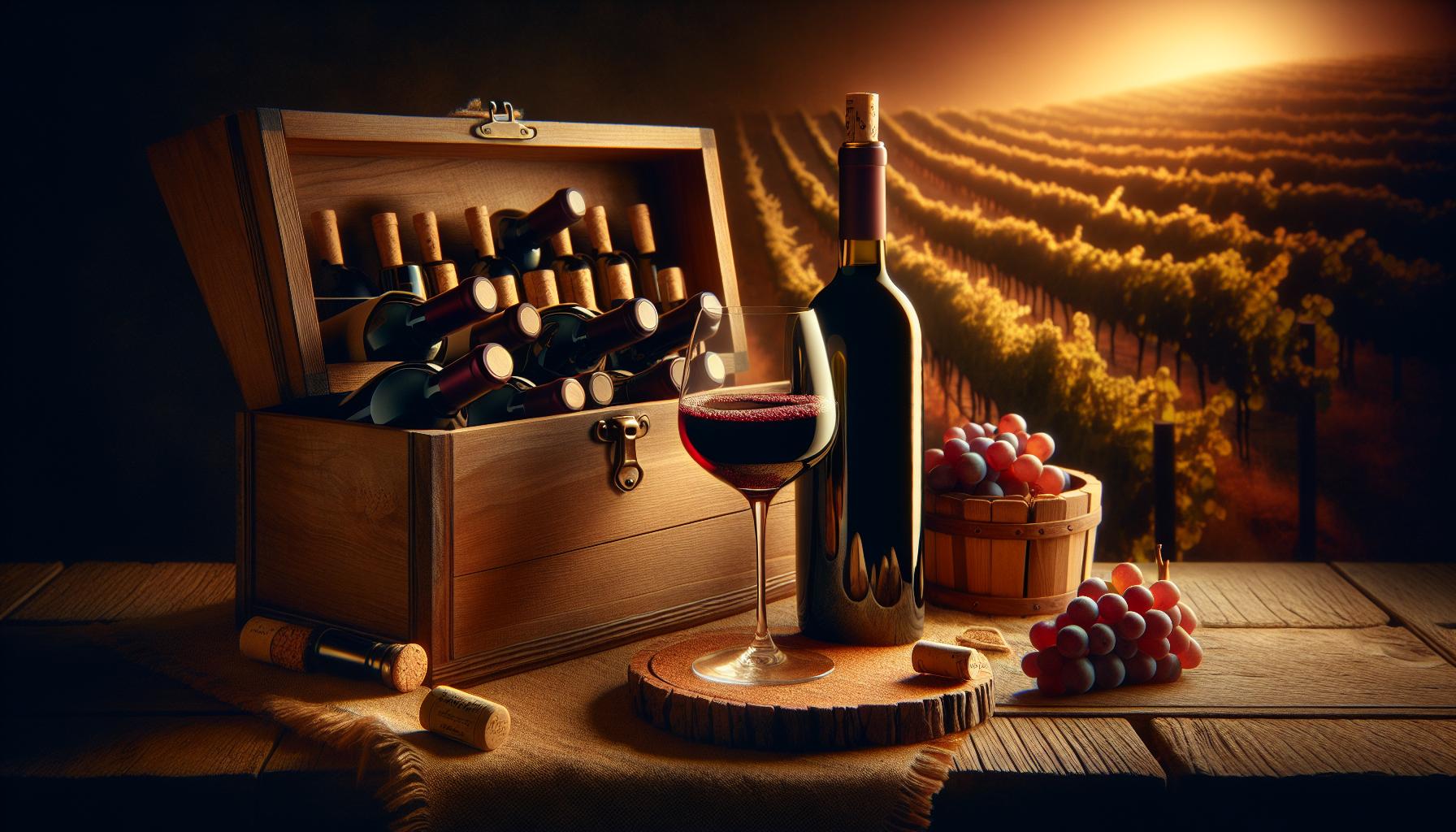
Storing an opened bottle of wine can feel like a delicate art, akin to preserving a fine painting or a cherished memory. Once the cork is pulled, a world of possibilities-and challenges-unfolds. The exposure to air begins a process of oxidation, which can enhance the wine’s character but can also lead to its swift decline. To savor every drop of your favorite vintage, a few best practices can help safeguard its essence and maintain delightful flavors long after the initial pour.
First and foremost, re-corking is crucial. Always ensure that you replace the cork tightly, ideally using the original cork if it’s still intact, or a reliable wine stopper specifically designed to keep out air. Consider investing in vacuum pump stoppers, which remove excess air from the bottle, significantly slowing down the oxidation process. This small investment can mean the difference between a well-preserved wine and a dried-out shadow of its former self.
Temperature control plays a pivotal role in wine storage too. Even after opening, maintaining a consistent, cool temperature is vital. Aim to store your wine in a refrigerator or a dedicated wine cooler to help it remain fresh. Whites generally thrive at lower temperatures, while reds should be served slightly warmer-around 55°F to 65°F. For opened whites, a consistent chill will help preserve their crispness, while reds benefit from a cooler environment that inhibits rapid deterioration.
Additionally, different types of wine require tailored approaches. For sparkling wines, proper sealing is imperative, as they tend to lose carbonation quickly. Utilize specialized sparkling wine stoppers that create an airtight seal, prolonging those delightful bubbles for an additional day or two. On the other hand, fortified wines like Port or Sherry possess a longer shelf life post-opening due to their higher alcohol content, often allowing for indulgence weeks after you’ve first uncorked them.
By following these practices, you embrace a mindful approach to wine consumption-one that honors the craft of winemaking and the joy it brings to your table. Each glass becomes a celebration of life’s flavors, a reminder to savor not just the wine itself but the moments shared with it.
Understanding Wine Degradation and Preservation
The journey of a wine from vineyard to glass is a marvel in itself, but that journey does not end when the bottle is opened. Once a bottle of wine is uncorked, a complex ballet of chemical reactions begins-most of which we would prefer to see as a slow dance rather than a rapid tumble into degradation. Wine degradation-a term that carries weight-occurs primarily through oxidation and evaporation. In essence, the mere act of exposing wine to air triggers a cascade of changes that can alter its flavors, aromas, and overall character.
When wine encounters oxygen, a delicate transformation occurs. Initially, this interaction can enhance certain flavors, leading to a richer and more complex tasting experience. However, as time ticks on, the wine can start to lose its vibrancy, becoming flat and lifeless. The volatile compounds responsible for its delightful bouquet may begin to dissipate, and soon you may find yourself left with a shadow of the once-thriving wine. This is where preservation becomes essential; it’s not just about choosing the right bottle but also understanding how to maintain its integrity once opened.
To successfully navigate the intricacies of wine preservation, it’s essential to arm yourself with a fundamental understanding of its vulnerabilities. Factors such as light, heat, and air can contribute to the rapid degradation of opened wines. Therefore, it’s advisable to store your wine in a cool, dark place, ideally in a wine fridge, to extend its lifespan. A well-sealed bottle kept at moderate temperatures will perform far better than one carelessly abandoned on the kitchen counter. Moreover, the type of wine also significantly influences its longevity post-opening; for instance, sparkling wines require immediate sealing to maintain their fizz, while fortified varieties can last much longer-up to several weeks.
Creating a personalized preservation strategy can not only preserve your wine but also enhance your tasting experience over time. By treating your opened wine with the same reverence you would a cherished book or artwork, you invite the harmony of craft and nature to linger a little longer, allowing for the opportunity to savor and reflect upon each sip. In this ongoing exploration of flavor and aroma, we cultivate a deeper connection with our wine and its remarkable story-a relationship that, much like the wine itself, is meant to be cherished and enjoyed.
Essential Tools for Wine Storage at Home
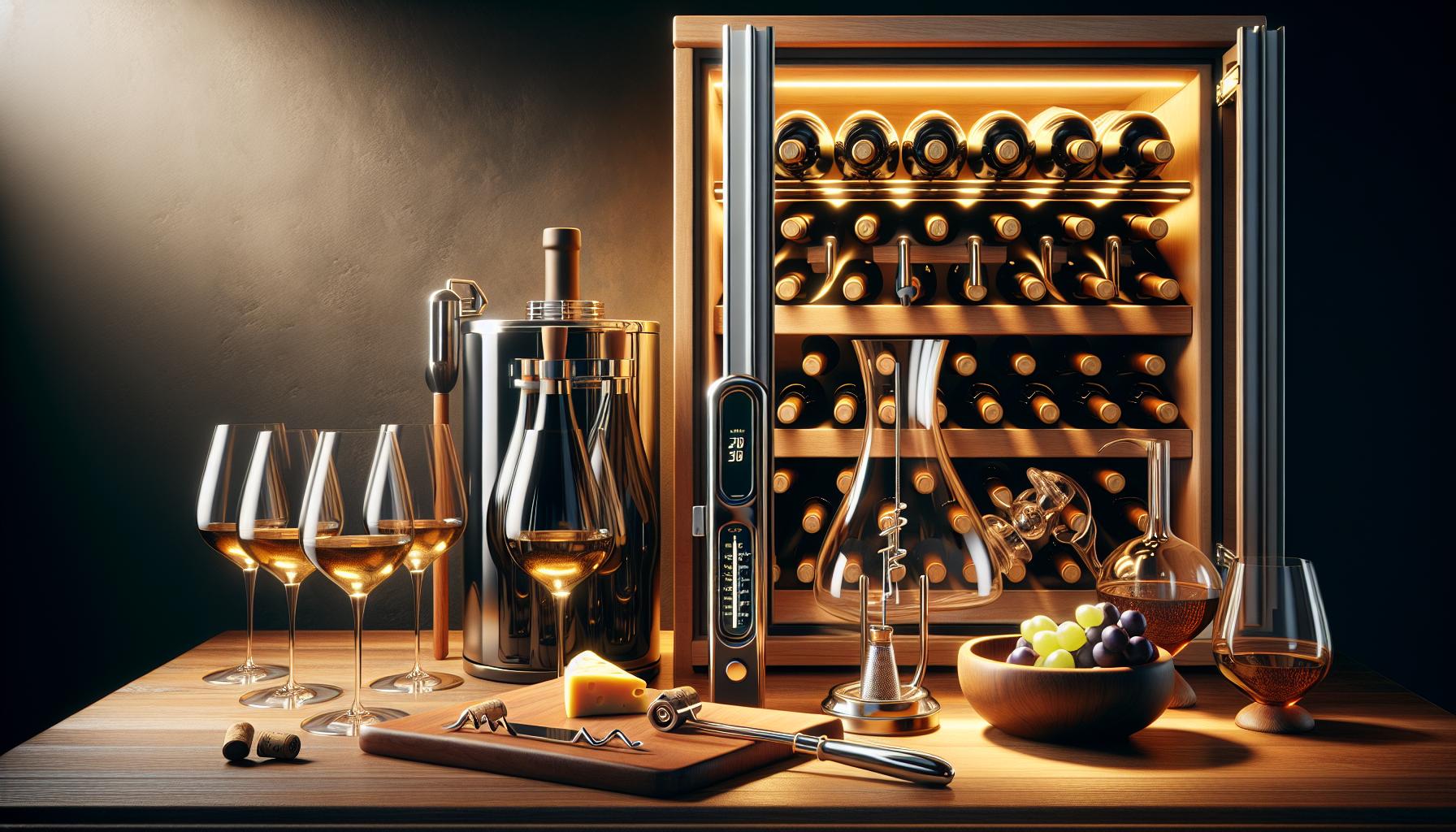
The art of preserving an opened bottle of wine is much like tending to a delicate garden; it requires the right tools, a nurturing environment, and a touch of mindfulness. By employing a few essential items, you can create a sanctuary for your wine that allows it to flourish rather than fade away after it’s been uncorked. Whether you’re a casual enthusiast or a dedicated connoisseur, having these tools at your disposal can significantly enhance your wine experience, ensuring that each sip remains as vibrant and delightful as the first.
Must-Have Tools for Wine Preservation
- Vacuum Pump: This ingenious device removes air from the bottle, minimizing oxidation and extending the life of your wine. Plus, many come with reusable stoppers, making them both cost-effective and environmentally friendly.
- Wine Preserver Spray: Wine preservers use inert gases to form a protective layer over the remaining wine, effectively preventing oxidation. This is especially useful for wines that need to retain their flavors, like reds and whites alike.
- Quality Wine Stoppers: Invest in silicone or cork stoppers specifically designed to fit snugly. A well-fitted stopper can help reduce oxygen exposure, which is crucial for maintaining flavors.
- Wine Fridge: Creating a temperature-controlled environment for your opened bottles is a game-changer. A wine fridge can maintain optimal temperatures, typically between 50°F-65°F, while also protecting from light and vibrations.
- Wine Journal: Not a physical tool for preservation, but a journal can help you track your opened wines and their flavors over time. Documenting your observations can enhance your understanding and appreciation, making every enjoyment a personal narrative.
Beyond these practical items, consider the space where your wines are stored. A cool, dark cupboard or a specially designed wine cellar provides a sanctuary for your prized bottles. Keeping your open bottles upright can also prevent leaking of cork materials into the wine and minimize contact with air, preserving the wine’s integrity for a longer duration.
With the right tools at hand, you can transition from a hasty drinker to a thoughtful curator of your wine collection, savoring each experience while ensuring that the journey of flavor extends well beyond the uncorking. Each bottle holds a story waiting to unfold, and with care, those tales can linger just a little longer.
Temperature and Its Impact on Wine Longevity
When it comes to savoring the nuances of an opened bottle of wine, temperature plays a pivotal role in preserving its qualities and enhancing your tasting experience. Imagine uncorking a bottle of exquisite Pinot Noir only to find that the warmth of your kitchen has dulled its vibrant cherry notes and delicate structure. Temperature not only affects how wine tastes but also its longevity; understanding this delicate balance can transform a fleeting pleasure into a lasting enjoyment.
Wine is remarkably sensitive to temperature fluctuations. Ideal storage temperatures typically hover between 50°F and 65°F (10°C to 18°C). Within this range, red wines thrive, developing their complex profiles without compromising freshness, while whites benefit from slightly cooler conditions, often around 45°F to 55°F (7°C to 13°C). When wine is stored too warm, the aging process accelerates, leading to a loss of character and flavor integrity. Conversely, cold environments can stifle a wine’s potential, suppressing its aroma and taste. As such, for open bottles, maintaining a consistent and moderate temperature is crucial to prolonging their delightful essence.
Moreover, light exposure and vibrations can further exacerbate temperature-related degradation. A wine fridge provides an excellent solution, offering both temperature control and protection from harmful light. Not only does this dedicated space ensure that your wine remains at its optimal temperature, but it also creates a tranquil environment, free from the disturbances of daily life. If a wine fridge isn’t an option, choose a cool, dark cupboard, and always remember that serving temperature matters too. A red served too warm, much like a white served too cold, can mask the wine’s finest attributes.
As you pour that first glass from an opened bottle, consider the journey it has made from the vineyard to your table. With a little mindfulness about temperature, you can help ensure that the magic of those flavors is preserved long after the cork has been pulled. The satisfaction of enjoying a wine that’s been carefully maintained is akin to weaving a tapestry of taste and experience-each sip a reminder that wine isn’t just a drink; it’s an exploration of time, tradition, and connection.
Choosing the Right Wine Stopper or Closure
Selecting the right closure for an opened bottle of wine can make all the difference in preserving its flavor and aroma, much like choosing a protective case for a treasured book. Though it may seem trivial, the choice of stopper is an art in itself, serving not only a functional role but also offering an opportunity to enhance your wine experience. Picture this: you’ve uncorked a magnificent bottle of Cabernet Sauvignon, relishing its deep cherry flavors and hints of oak. One misstep in sealing it can lead to a fate where those beautiful notes fade away too quickly, leaving only a shadow of what once was.
When it comes to wine stoppers, several options are available, each with unique properties and potential impacts on your wine’s longevity. The traditional cork, while romantic and emblematic of wine’s heritage, can be problematic once it’s been removed. It’s porous and can allow oxygen to seep into the bottle, speeding up the oxidation process. If you’re determined to relive the experience of that exquisite bottle over the next few days, consider a vacuum stopper. This handy tool fits snugly over the neck and, with a simple pump, removes excess air, which staves off that unwanted oxidation.
Another increasingly popular choice is the silicone or stainless-steel stopper, which provides a more airtight seal than cork. These options not only protect the wine from oxygen but also prevent leaks and can even be reused numerous times, making them both practical and environmentally friendly. Many of these stoppers come with interesting designs, adding a touch of flair to your kitchen or wine storage area. For those who enjoy sparkling wines, a specific type of stopper with a clamp mechanism can effectively reseal the bottle, preserving those delightful bubbles for your next occasion.
Ultimately, the key to prolonging the life of your opened wine lies not just in the type of closure you choose, but also in how you use it. After savoring your wine, make it a habit to seal the bottle tightly and store it upright in a cool, dark place. By combining the right stopper with thoughtful storage practices, you ensure that each glass of that wine will be as exhilarating and complex as the first, allowing the very essence of the vineyard to linger just a bit longer on your palate.
How to Store Different Types of Wine
Understanding how to store wine after opening can significantly enhance your tasting experience. Each type of wine has its unique characteristics and requirements for preservation, shaping the way it is best stored to maintain its integrity and flavor. Whether it’s a vibrant rosé, a rich red, or a delicate white, here are some tailored approaches to ensure that your opened bottles reward you with delightful sips long after they’ve been uncorked.
For red wines, aim for a temperature similar to a cellar, ideally between 55°F and 65°F (13°C to 18°C). Store them upright to minimize the wine’s contact with the cork-this reduces the risk of the cork molding or allowing air into the bottle. Using a vacuum stopper here can work wonders, as it extracts excess air, slowing oxidation. However, red wines can typically last three to five days post-opening, with some fuller-bodied varieties like Cabernet Sauvignon often improving in flavor as they breathe.
White wines require a slightly cooler environment, best kept between 45°F and 55°F (7°C to 13°C). You might consider placing them in the refrigerator, but don’t forget to take them out about 30 minutes before tasting to allow their aromas and flavors to fully express themselves. Sealing an opened bottle with a screw cap or a vacuum wine saver can help maintain that crisp freshness, and most whites, particularly those with higher acidity like Sauvignon Blanc, can stay enjoyable for three to five days as well.
For sparkling wines, preserving those invigorating bubbles calls for specialized storage. After opening, immediately reseal with a method designed specifically for sparkling, such as a clamp-style stopper, which maintains carbonation effectively. Store these bottles upright in the refrigerator, and aim to consume them within one to three days for the best experience. They tend to lose their fizz more quickly than still wines, so be sure to share with friends or treat yourself to an impromptu celebration!
All of these practices not only extend the life of your opened wines but also honor the artisan craftsmanship behind each bottle. By thoughtfully tending to their needs-creating optimal conditions for each varietal-you allow the story of the vineyard and the passion of the winemaker to be experienced even after the cork has been popped. Remember, enjoying wine is as much about the ritual of storage as it is about the act of drinking-each bottle carries with it potential waiting to be savored!
Creative Ways to Repurpose Leftover Wine
Repurposing leftover wine can be a delightful exploration of creativity that transcends the simple act of drinking. Rather than letting that half-finished bottle languish in the fridge, consider how a little ingenuity can breathe new life into your leftovers. From culinary adventures to thoughtful gifts, the possibilities are as varied and rich as the wines themselves.
One of the most rewarding ways to use leftover wine is in the kitchen. Cooking with wine adds layers of flavor that transform everyday dishes into extraordinary experiences. Try using red wine to create a rich marinara sauce for pasta or to deglaze a pan after sautéing meats. A splash of white wine can elevate risottos, imparting a delightful acidity that complements the creamy texture. Additionally, wine can be simmered down to create reductions for sauces, giving your meals that restaurant-quality finesse. Just remember: if you wouldn’t drink it on its own, it doesn’t belong in your meal, so choose wisely!
Another creative avenue is crafting homemade wine vinegar. With just a bit of patience, you can turn your leftovers into a flavorful condiment, perfect for salad dressings or marinades. Simply combine the leftover wine with a bit of vinegar and let it ferment in a dark, cool place. In a few weeks, you’ll have a unique, homemade product that showcases your wine’s original character.
For those with a flair for the arts, consider using leftover wine for various craft projects. The beautiful colors of red and white wines provide unique natural dyes for fabric and paper. Imagine hand-dyeing napkins for your next dinner party, or even repurposing old cloth to create beautiful wine-themed table runners. Alternatively, use wine corks for a variety of DIY projects-from custom coasters to bulletin boards-adding a touch of rustic charm to your home décor.
Lastly, do not overlook the gift-giving potential of leftover wine. Bottling homemade wine jelly or concocting aromatic wine-infused bath salts can turn your leftovers into heartfelt gifts for loved ones. These creations are not just useful; they carry a personal touch that resonates with thoughtfulness and creativity, perfect for any occasion.
Embrace the opportunity to transform your uneaten wine into something extraordinary, becoming an alchemist in your own right. Whether enhancing your culinary repertoire, innovating with crafts, or gifting with intention, the journey from bottle to creation engages with the very essence of what wine represents: connection, creativity, and a delightful exploration of flavors.
Flavor Profiles: What to Expect Over Time
Wine is a living entity, one that breathes and evolves even after the cork is pulled. As air interacts with the wine, a captivating journey begins, leading to shifts in flavor profiles that can be both delightful and disconcerting. Understanding these transformations not only enhances your enjoyment but also empowers you to savor every drop of your opened bottle.
When a wine is first opened, it often presents vivid expressions of its character. For a young Cabernet Sauvignon, you might encounter a burst of juicy blackcurrant, complemented by robust tannins that create a satisfying structure. Yet, as the days pass, the air exposure leads to oxidation, softening those bold notes and releasing a softer bouquet that includes nuances like leather, tobacco, or even subtle floral hints. This tender embrace of age brings a certain elegance to the wine, transforming youthful exuberance into something more complex and refined.
Over time, each varietal expresses its own narrative. A delicate Pinot Noir, for instance, can begin with fresh strawberry and cherry aromas, only to evolve into layers of earthy truffle, mushroom, and dried herbs as it interacts with air and time. In contrast, a hearty Shiraz might start with rich blackberry and pepper notes, gradually revealing hints of chocolate and further rounding out as the tannins mellow. These subtle changes paint a sensory landscape, inviting you to reflect on the nature of progression, both in wine and in life.
However, not all changes are positive. A wine that’s been opened for too long can become flat and lifeless, losing its vibrancy and charm. Its once-bright flavor can yield bitter notes, reminiscent of overly oxidized fruit, or even develop an unpleasant vinegar quality-a sign that the wine has passed its prime. Nonetheless, by being attuned to these shifts, you can decide the perfect moment to enjoy your wine, ensuring each sip is a celebration of its unique evolution.
The experience of tasting wine can be akin to reading a beautifully written book: each glass reveals a chapter of its story, inviting you to engage deeply with its unfolding narrative. As you explore these flavor transitions, remember to trust your palate, allowing your personal preferences to guide the way in this enchanting world of wine appreciation.
Signs Your Wine Has Gone Bad
In the enchanting world of wine, many enthusiasts find themselves pondering a vital question: how can one tell if a beloved bottle has deteriorated? While the ethereal qualities of wine can evolve exquisitely over time, there comes a moment when those transformations turn unfavorable, signaling that it’s time to let go. Recognizing the signs that wine has gone bad not only salvages your tasting experience but also enhances your appreciation for its delicate nature.
One primary indicator is often found in the appearance. Exposure to air over time may lead to a wine’s color changing dramatically, particularly in whites which might darken to an amber hue, while reds can appear dull with a muddy or brownish tint. A cloudy or hazy appearance can also suggest that the wine has surpassed its prime; sometimes this is the result of spoilage, evident through sediment that gently amorphizes in your glass. When holding your glass up to the light, pay attention-you’re not just seeking flaws, but also understanding the story told through these visual changes.
As you venture beyond the visual, the nose offers its own array of clues. A once-bright bouquet can morph into unwelcome aromas that may remind you of vinegar, wet cardboard, or even a pungent, rotten quality-a signal that your wine has succumbed to oxidation or bacterial spoilage. Particularly if the wine has taken on a sour or spoiled aroma, it’s a steadfast indicator to avoid that next sip.
Taste, the cornerstone of your journey with wine, is perhaps the most definitive test of quality. If you encounter overwhelming bitterness or an off-putting flatness-those vibrant flavors reduced to mere echoes-you might be facing a compromised bottle. Quality wines have nuanced layers that offer complexity; if your experience is marred by discordant flavors or an unpleasant finish, it’s best to trust your palate. While every tasting should be an exploration, sometimes that exploration leads to the conclusion that it’s time to bid farewell to a disappointing pour.
In conclusion, being attuned to the signs of deterioration ensures that your journey remains joyous-instead of forcing a sip that evokes negativity, you can focus on enjoying vibrant flavors while celebrating the life cycle of wine. With every opened bottle comes the opportunity to appreciate both the fleeting beauty of a great vintage and the wisdom that informs your future selections. Awareness of these signs not only enriches your own experiences but also encourages a respectful understanding of wine as an intricate, fleeting art form.
Cultural Insights: Wine Storage Traditions
In many cultures, wine has served as more than just a beverage; it is a symbol of tradition, ritual, and communal bonds. Understanding the myriad ways people around the world store and preserve opened wine unfolds a rich tapestry of cultural insights that can enhance our appreciation for this cherished nectar. From the rustic cellars of France to the modern wine fridges of the New World, each practice reveals a philosophy rooted in respect for the grapes and the stories they tell.
The Mediterranean regions, particularly Italy and Spain, highlight the heartwarming practice of sharing unfinished bottles among family and friends. When a gathering winds down, it is common to simply cork the wine and leave it on the kitchen counter-remarkably unpretentious. Here, wine storage is less about technical precision and more a testament to the culture of enjoyment. Techniques for prolonging freshness-such as briefly refrigerating a half-finished bottle of red wine or utilizing simple cork stoppers-are often handed down through generations, taken almost as instinctual knowledge rather than scientific rigor.
In contrast, the meticulous wine cultures of Germany and Austria emphasize climate control. Wine lovers often equip their homes with specific storage conditions that mirror the cool, dark cellars of traditional wineries, ensuring that both opened and unopened bottles are kept at optimal temperatures. It is not uncommon to see a dedicated wine fridge serving as a centerpiece in these homes, lovingly filled with bottles of Riesling and Grüner Veltliner poised for consumption. These practices reflect a deep reverence for terroir and the belief that proper storage must mirror the conditions from which the wine originates.
Meanwhile, many modern wine aficionados utilize technology to elevate their storage methods. Digital wine preservation systems and vacuum pumps have emerged, promising to keep opened bottles fresh for extended periods. These innovations resonate particularly in countries like the United States, where wine consumption is often tied to social occasions. Here, the emphasis is on convenience-facilitating that impromptu gathering or dinner party without the pressure of serving a bottle in one sitting.
Wine storage traditions are diverse, reflecting the local climate, cultural values, and historical practices of each region. Regardless of the method, a common thread weaves through these practices: the desire to honor the wine and its journey, ensuring that each sip remains a continuation of its narrative. By embracing these cultural insights, we enrich our own experience and understanding of wine, transforming the simple act of drinking into a shared story that connects us to generations past and present.
Wine Tasting Beyond the Bottle: Enjoying Leftover Wine
Unfinished bottles of wine can often feel like a sad reminder of convivial moments that have ended. Yet, rather than resigning yourself to pouring what remains down the sink or letting it languish in the fridge, consider the myriad of delightful ways to enjoy leftover wine. After all, each bottle holds potential beyond its initial consumption; it’s an opportunity for creativity and exploration that can enhance your culinary experiences.
Wine-infused cooking is one of the most charming avenues to explore. Rather than simply discarding your leftover wine, consider using it as a foundation for sauces, marinades, or reductions. A splash of red wine can elevate a basic tomato sauce for pasta, transforming it into a rich, hearty dish bursting with flavor. White wine, on the other hand, can add a layer of complexity to creamy risottos or delicate seafood dishes. The key is to allow the wine to simmer and meld with other ingredients, providing a depth that highlights the original character of the wine while contributing nuanced flavors to your meal.
If cooking isn’t appealing, consider incorporating leftover wine into engaging tastings. Gather friends for a casual “wine flight” evening, featuring various opened bottles. This not only allows you to savor what might otherwise be wasted, but it also opens the door to spirited discussions about palate preferences, aging processes, and varietal characteristics. Pairing these wines with an assortment of cheeses or charcuterie can enhance the experience, inviting guests to taste alongside food that complements the wine’s profile, creating a harmonious balance on the palate.
Don’t overlook the possibility of creating your own sangria or wine spritzers. By combining leftover wine with fresh fruits, herbs, and a splash of soda or juice, you breathe new life into what remains at the bottom of the bottle. This not only provides a refreshing summertime drink but also serves as a convivial centerpiece for gatherings. The varying sweetness and acidity from the fruits can be adjusted according to your preferences, leading to a concoction that celebrates the essence of the wine while encouraging creativity.
In adopting these practices, you not only honor the wine’s journey but also create new experiences that foster connection, enjoyment, and discovery. Rather than viewing opened wine as a limitation, embrace its potential for culinary creativity and social engagement-transforming what might be seen as a remnant into the catalyst for new memories and flavors. Each sip taken, whether on its own or incorporated into a dish, tells a story worth savoring, allowing you to continue the adventure long after the initial toast.
Pairing Opened Wine with Food for Lasting Enjoyment
Each opened bottle of wine is an invitation to explore new culinary landscapes-its flavors morphing like characters in a novel, revealing unique plots when paired with the right dishes. The art of pairing wine with food transforms mere meal times into a sumptuous celebration of taste and aroma, enhancing every sip and bite in delightful harmony. Here’s how to elevate your dining experiences using opened wines you’ve lovingly preserved.
When considering pairings, the first step is to assess the wine’s profile. For example, a full-bodied Cabernet Sauvignon pairs beautifully with rich, hearty dishes, such as a charred steak or a decadent mushroom risotto. Its robust tannins and dark fruit flavors cut through the fat, creating a palpable balance on the palate. Conversely, a crisp Sauvignon Blanc shines alongside lighter fare-think fresh salads with zesty dressings or grilled fish seasoned with herbs. Its acidity brightens the dish while complementing these elements, creating an amiable interplay that enhances both the wine and the food.
To foster lasting enjoyment, don’t shy away from experimenting with regional cuisine. A regional approach to pairing can create a delightful synergy; for instance, Italian Chianti with classic pasta dishes infused with tomato sauce, where the wine’s acidity meets the dish’s zest. As a rule of thumb, seek out harmony in flavors: spicy wines with spicy foods, oaked whites with creamy dishes, and fruit-forward reds with charcuterie. The goal is not just to match, but to contrast and balance the components, delighting the senses with each evolution of flavor.
Lastly, raise the experience by integrating thoughtful conversation around the pairings. Gather friends for an informal tasting session where you can share insights on the wine’s journey, discuss its terroir, and delight in the character each bottle brings to the table. Use platters of assorted cheeses, cured meats, or vibrant seasonal fruits and nuts to encourage exploration and discovery. In these moments of pairing and tasting, wine transcends its liquid essence, becoming a catalyst for connection, storytelling, and shared joy-qualities at the heart of wine culture. So the next time you find yourself with an open bottle, look beyond the glass; consider the wonderful world of food pairings waiting to be uncovered. Enjoy the adventure!
Frequently Asked Questions
Q: How can I best store opened wine to maintain flavor?
A: To maintain the flavor of opened wine, store it upright in a cool, dark place, ideally in a wine fridge. Ensure the cork is firmly in place or use a wine stopper to limit oxidation. This minimizes air contact, preserving the wine’s delicate notes.
Q: What is the ideal temperature for storing opened red and white wine?
A: Opened red wine should be stored at about 55-65°F (13-18°C), while opened white wine is best kept at 45-50°F (7-10°C). Using a wine fridge can help maintain these optimal temperatures, enhancing the preservation of flavors.
Q: How long does opened wine last in the fridge?
A: Opened wine can last 3-5 days in the refrigerator. Whites and sparkling wines generally stay fresh longer than reds due to their lower tannin content, which allows for better preservation of taste and aroma.
Q: Can vacuum sealing opened wine help preserve its quality?
A: Yes, using a vacuum wine sealer can effectively extend the life of opened wine by removing air from the bottle. This helps slow oxidation, allowing the wine to retain its intended flavors and aromas for a longer period.
Q: What should I do with leftover wine after a couple of days?
A: If leftover wine has gone flat or lost its appeal after a few days, consider using it in cooking. Red wine can enhance sauces or marin marinades, while white wine works well in seafood dishes or risottos, ensuring nothing goes to waste.
Q: Is it better to transfer wine to a smaller bottle after opening?
A: Transferring opened wine to a smaller bottle can be beneficial. Reducing the air space limits oxidation, thereby helping to preserve the wine’s flavor. Ensure the new bottle is properly sealed to maximize freshness.
Q: What types of wine last longer after opening?
A: Fortified wines like Port or Sherry typically last longer after opening due to their higher alcohol content, which acts as a preservative. Dry reds may also last longer than whites, particularly if stored properly.
Q: Why does opened wine change flavor after a few days?
A: Opened wine changes flavor due to oxidation. When exposed to air, compounds in the wine react, altering its taste and aroma. Freshness decreases as functional components break down, which can lead to flatness or off-flavors.
Final Thoughts
As you savor the last drops of your opened bottle, remember that each sip can tell a story of heritage and craftsmanship. By following these best practices, you can preserve not just the flavor, but the very essence of your cherished wines. Whether it’s utilizing vacuum pumps or specialized stoppers, embracing these techniques transforms the way you enjoy your favorite varietals-the magic of wine is too precious to let waste!
For those eager to dive deeper into the world of wine, check out our guides on wine tasting techniques and the art of wine pairing, which will enhance your appreciation and enjoyment even further. If you found value in this discussion, consider subscribing to our newsletter for the latest tips and trends, ensuring your wine journey is ever-expanding.
Share your own experiences or favorite tips in the comments-after all, wine is best enjoyed in good company, and we love hearing from our community! Discover the richness of wine culture, where history meets flavor, enticing you to explore even more. Make each glass a celebration!
Get our latest guides, news, and insights highlighted in your Google Search & AI Overviews.