
Have you ever found yourself hosting a gathering and wondering just how many cups of wine to pour from a bottle? In a world where meals and moments often revolve around sharing a good drink, understanding the conversation around wine measurements can elevate your hosting game. A standard bottle of wine contains about 750 milliliters, which translates to approximately five 5-ounce glasses-a perfect amount for an intimate dinner or small celebration.
This quick conversion guide not only clarifies these measurements but also enriches your wine experience, making it more enjoyable and less daunting. With the right knowledge, you can navigate wine selections with confidence and precision, allowing you to focus on what truly matters: savouring the drink and making lasting memories with friends and family. Dive in, and let’s demystify the delightful world of wine together!
How Many Cups Are in a Bottle of Wine?
Did you know that a standard bottle of wine holds 750 milliliters? This amount is equivalent to approximately 3.17 cups. While this might not seem significant at first, it unveils a world of possibilities when it comes to wine tasting and serving. Understanding these conversions not only enhances your wine experience but also helps in planning tastings, dinner parties, and cooking with wine.
When considering wine for gatherings, it’s essential to translate the volume into manageable servings. In practical terms, if you’re serving wine in 5-ounce glasses-a common pour size for tastings or casual sipping-each bottle will yield about five servings. For larger entertaining, knowing that a standard bottle covers around a third of a gallon can prompt you to decide if that’s enough for your guests or if you should ensure a more generous supply.
This knowledge can dramatically influence how you approach wine, whether you’re curating a tasting menu or simply balancing your meal pairings. For example, if you intend to treat your guests to a delightful evening with a variety of wines, converting bottles to cups can help you budget for which varietals to include. It invites creativity-consider a recipe that calls for a cup of wine, where knowing the conversion can dictate how much you’ll need to uncork.
Ultimately, the notion of how many cups are in a bottle of wine transcends mere numbers; it transforms your engagement with each pour into a mindful experience. Recognizing that every cup presents an opportunity to explore distinct flavor profiles, aromas, and histories can deepen your appreciation for this ancient beverage, making each sip a journey to savor.
Understanding Standard Bottle Sizes and Measurements
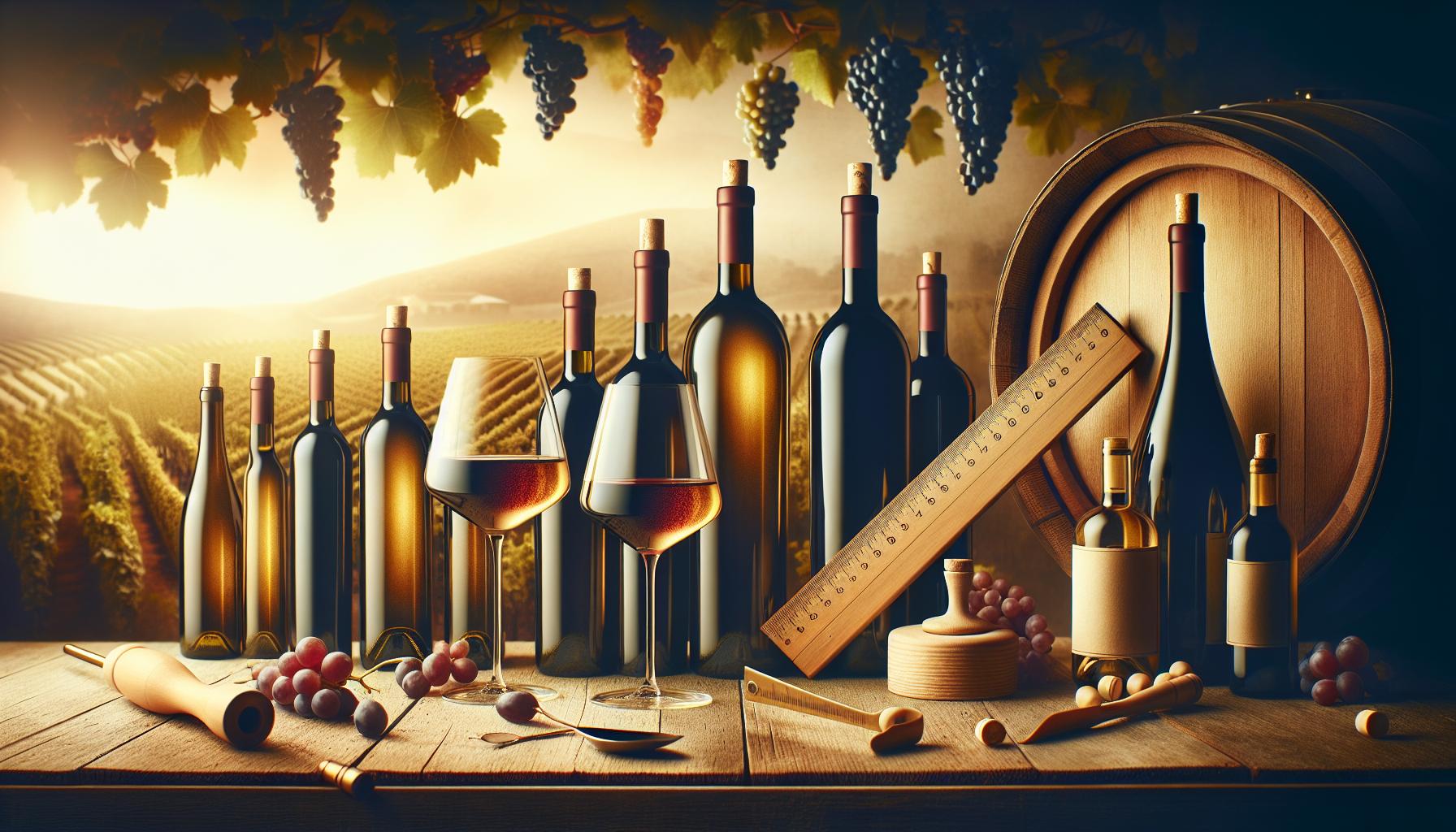
Did you know that a standard wine bottle holds 750 milliliters, a measurement steeped in tradition and practicality? This size, initially standardized in the 18th century, allows for a balance of portability and proper aging for the wine inside. When you consider that 750 milliliters equals roughly 3.17 cups, a simple conversion opens up a world of possibilities, whether for a casual gathering or an intimate dinner. Understanding standard bottle sizes not only enhances your wine-tasting experience but also empowers you with the knowledge to make informed decisions about serving and enjoying wine.
Wine comes in various bottle sizes, each designed to suit different occasions and preferences. The most common size is the 750 mL standard, but there are others, such as the magnum (1.5 liters, equivalent to two standard bottles) and the jeroboam (3 liters, or four standard bottles). These larger formats not only provide a stunning presentation but also allow wine to age gracefully due to the proportionally smaller amount of air in the bottle relative to its contents. For the home enthusiast, having a selection of bottle sizes can be a delightful way to enhance the experience of wine sharing; imagine uncorking a magnum for a celebration, creating an unforgettable moment for your guests.
When considering how to serve wine, it’s crucial to grasp the foundational measurements. Each 750 mL bottle yields approximately five 5-ounce servings, making planning for gatherings straightforward. If your celebration includes a mix of reds, whites, or sparkling wines, then calculating the number of bottles becomes as important as selecting the right varietals. For instance, planning a dinner for ten might lead you to consider having two bottles of each type to ensure everyone has enough to enjoy the evening.
In the backdrop of these measurements lies a rich tapestry of cultural and historical significance, inviting us to contemplate our relationship with wine. Each pour not only fills a glass but carries stories of the vineyards, vintners, and terroirs from which it hails. The knowledge of standard bottle sizes and their conversions allows you to approach wine with both reverence and confidence, turning each gathering into a curated tasting experience that celebrates the art of winemaking and the joy of companionship.
The Science of Wine: Volume and Serving Sizes
Did you know that a bottle of wine is not only a vessel for liquid, but also a carefully considered format that influences the experience of enjoyment? When diving into the world of wine, understanding wine volume and serving sizes can transform your gatherings from ordinary to extraordinary, enhancing not only the flavors but the conviviality that wine so often inspires. A standard wine bottle, holding 750 milliliters, translates to approximately 3.17 cups, providing about five 5-ounce servings. This knowledge becomes the bedrock for planning parties or intimate dinners where every guest deserves a thoughtful pour.
Understanding Measurements
The journey of a single bottle’s contents can lead to a plethora of serving styles, enriching personal interactions and culinary pairings. Reflect on how sharing a single bottle of rich Cabernet Sauvignon can bring warmth to a meal, offering three servings for a cozy dinner for two, or stretching into five delicate pours for a more formal gathering. In either case, the act of pouring takes on significance-each cup filled with intention and care, creating a moment for connection.
The art of measuring pours is not merely logistical; it invites mindfulness to each sip. Here’s a quick reference to keep handy:
| Volume | Equivalent Servings |
|---|---|
| 750 mL (Standard Bottle) | 5 servings (5 oz each) |
| 1.5 L (Magnum) | 10 servings (5 oz each) |
| 3 L (Jeroboam) | 20 servings (5 oz each) |
Pouring with Purpose
While gathering around a table, consider the nuances of each pour. The pouring technique itself can affect the aroma and taste; a gentle pour preserves the wine’s delicate essence and prevents excessive aeration. Reflective moments during these pours can enhance your appreciation of the beverage’s journey-from the vineyard to your glass-revealing the stories behind the varietal and the unique terroirs they hail from. As you navigate through planning your next gathering, remember that wine is not just consumed; it’s shared. Each cup serves as a vessel for conversation, nostalgia, and joy, turning simple gatherings into lasting memories.
Factors Influencing Wine Pouring: Etiquette and Tips
Pouring wine is an art, a delicate dance between tradition and personal expression that influences the entire drinking experience. The manner in which wine is poured can elevate a simple gathering into a memorable occasion, making it essential to consider a few key factors and tips that enhance both the etiquette and the enjoyment associated with serving wine.
Firstly, the temperature of the wine matters significantly. Red wines are generally best served slightly below room temperature, typically around 60-65°F (15-18°C), while white and sparkling wines shine at about 45-50°F (7-10°C). When pouring, ensure that you’re using a clean, suitable glassware that allows the wine to breathe. A wide bowl for reds promotes oxygenation, enhancing the flavors, whereas a narrower glass for whites preserves their crispness. Remember, the shape of the glass can affect not only the aroma but also the overall tasting experience.
Another critical aspect is the pour itself. For a standard serving, aim for about five ounces, which is roughly one cup. This portion not only allows for swirling and savoring but showcases the wine’s color and clarity, piquing the senses. When pouring, hold the bottle at the base and pour at an angle to avoid splashing. A gentle pour minimizes aeration, preserving the wine’s bouquet and revealing its layered complexity. If you’re serving multiple guests, rotate between bottles, allowing everyone the chance to engage with different aromas and flavors, fostering lively conversation.
Finally, consider pouring practices that honor personal preferences and enhance the social experience. Engaging guests in the process, asking about their preferences, and providing a little backstory to each wine can create a richer, more connected atmosphere. This approach transforms the act of sharing wine into a shared journey, making each cup not just a serving, but a moment to be cherished within the context of camaraderie and celebration. Such mindful practices not only elevate the experience but weave a tapestry of connection and appreciation that transcends the simple act of drinking.
A Deep Dive into Wine Varieties and Their Capacities
When it comes to understanding the intricacies of wine varieties, the relationship between bottle size and serving capacity becomes an engaging exploration of both the science and culture surrounding this beloved beverage. Standard wine bottles typically hold 750 milliliters, translating to approximately 5 servings at 5 ounces per glass, or rather, about 3.75 cups of wine. As we embark on this journey of exploring different wine varieties, we’ll discover how their unique attributes can influence not only flavor but also the frequency and quantity in which we indulge.
Wine varietals are extraordinary in their diversity, each offering distinctive flavor profiles influenced by grape type, terroir, and winemaking practices. For example, a luscious Cabernet Sauvignon often boasts a robust character with notes of black cherry, cassis, and oak, making it a sumptuous choice for a hearty meal. In contrast, a Pinot Noir, with its delicate nature, may reveal subtle red fruit flavors with an earthy undertone, lending itself beautifully to lighter dishes or contemplation on a quiet evening. Understanding the essence of each varietal not only enriches our tasting experience but also aids in discerning how much to pour based on personal preference and occasion.
Moreover, certain wine styles are more conducive to larger gatherings or specific moments of savoring. For instance, a refreshing Sauvignon Blanc or a crisp Rosé might be more generously poured during a lively brunch, while a complex Bordeaux might encourage a more measured approach. Here, serving size can also reflect the cultural practices associated with certain wines. In many European countries, wine is often served in smaller glasses, encouraging leisurely sipping and conversation rather than rapid consumption. This cultural nuance enhances the appreciation of wine as a shared experience, making the act of pouring and consuming wine a ritual interwoven with connection and hospitality.
As you delve deeper into the world of wine, consider how these factors influence your own serving practices. Will the celebration calls for clinking glasses, where you might opt for generous pours, or a more intimate gathering where a modest pour can linger in the glass and in conversation? Whatever the occasion, understanding how wine varieties relate to their serving capacities invites a mindful approach to enjoying one of life’s most delightful pleasures, transforming each bottle into a vessel of connection, flavor, and joy.
Exploring Wine Regions: Bottle Sizes Around the World
The world of wine is as varied and nuanced as the landscapes from which it springs, with each region not only producing distinct varietals but also embracing its own unique bottle sizes and serving customs. When it comes to understanding how these sizes affect our glass, it’s fascinating to see how cultural preferences intertwine with tradition, influencing how we enjoy our favorite pours across the globe.
In many instances, the standard size of a wine bottle-750 milliliters-holds across most regions, particularly in areas like Bordeaux and Napa Valley. This size typically translates to about 5 servings, making it a convenient choice for both casual dinners and grand celebrations. However, travel a bit further afield, and the bottle shapes and sizes begin to dance with local character. For instance, in regions like Italy, you’ll encounter the magnum, which is double the standard size. This 1.5-liter bottle not only extends the conviviality of dinner parties but is often believed to improve the aging potential of fine wines, allowing for a more robust flavor development over time.
While exploring these fascinating variations, it’s also important to recognize that some cultures favor smaller servings, which enhance the social experience of wine drinking. In countries like Spain, where tapas culture thrives, wine might be served in copas (small glasses) or even in traditional porróns-glass vessels designed to share the wine among friends. This encourages a more interactive and communal approach to drinking, making each sip an event, rather than a hurried task.
As you navigate the globe through its wine regions, consider not only the varietals and the stories behind them but also the bottle sizes and how they resonate with local customs. Embracing these details can enhance your appreciation and understanding of wine, transforming each bottle into more than just a container-but a key to unlocking a deeper connection to the cultures that foster them. Here, each sip invites reflection and conversation, weaving together threads of history, geography, and shared moments.
Converting Wine Measurements for Cocktails and Recipes
When it comes to mixing cocktails or cooking with wine, understanding how to convert measurements can elevate your culinary and beverage experiences. A standard bottle of wine, which contains 750 milliliters, translates to approximately 3.2 cups. This measurement serves as a useful conversion point for various recipes and drinks, allowing you to intuitively gauge how much wine is needed without reaching for a measuring cup every time.
Whether you’re creating a vibrant sangria, a rich sauce for a decadent dish, or a refreshing wine spritzer, having a rough understanding of these conversions will streamline your preparation process. For example, if a recipe calls for one cup of wine, simply pour from a bottle and know you’re using about 30% of its contents-making it easier to anticipate how much wine you’ll have left for sipping later. The same logic can apply if you’re considering larger quantities; if you’re preparing a roast that involves marinating in a full bottle of wine, you now have a clearer picture of your ingredient’s volume without excess measuring.
While exploring this practical side of wine, consider that some recipes might be more forgiving with quantities than others. For instance, when infusing flavors in a risotto or stew, the nuances of each varietal may emerge differently, depending on whether you use a white Sauvignon Blanc or a full-bodied Merlot. So, remember that while exact measurements are helpful, the beauty of cooking and cocktail crafting often lies in personal taste and experimentation.
In a more playful sense, engaging with these conversions invites you to savor your wine journey-not just in the context of sipping and sharing but also in crafting something uniquely yours. Tinker with proportions, blend varietals, and let the spirit of creativity compel you to make every drop count in both matches and mixes. After all, each splash of wine holds not only measurements but also the potential for memories waiting to be made.
The Art of Tasting: How to Properly Pour Wine
Pouring wine is not merely a utilitarian act; it is an art form that can significantly enhance the experience of tasting and enjoying each glass. To elevate the ritual of pouring, consider the gravity of your glass choice, the correct angle of pour, and the importance of filling the glass appropriately. A standard serving size typically hovers around five ounces-an amount that allows for both savoring and swirling. When serving from a standard bottle of wine, pouring about a third of a cup (approximately 2.5 ounces) for tastings is tasteful and allows the aromas to unfurl beautifully within the glass.
Mastering the Pouring Technique
The rhythm of a proper pour lies in its elegance. Start by holding the bottle firmly at its base, angling the spout slightly downward to avoid drips. As you pour, imagine the wine cascading like a gentle waterfall into the glass. This ensures that the wine interacts more with the air, releasing its bouquet of aromas and enhancing the overall tasting experience. When pouring multiple glasses, do so in a counter-clockwise rhythm around the table to maintain a sense of flow and inclusion among your guests-this small gesture encourages a convivial atmosphere.
Understanding Glassware and Its Impact
The type of glass you choose plays a crucial role in appreciating the wine’s character. Different varietals thrive in specific shapes: for example, a Pinot Noir glass, with its generous bowl and tapered rim, allows the delicate aromas to concentrate, drawing you into the nuances of its flavor profile. A common rule of thumb is to fill the glass to about one-third full; this grants sufficient room for the wine to breathe while encouraging swirling and aeration. When you swirl, you activate the compounds within the wine, stirring up the aromas that waft enticingly to your nose.
A thoughtful pour respects the wine and the occasion. As you lift the bottle, take a moment to appreciate the label and the history encapsulated within the glass. Reflect on the earth that nurtured the vines and the hands that harvested the grapes-each note, every sip, connects you to that broader narrative. A pour is not just about liquid swishing against glass; it is an invitation to pause, observe, and indulge in sensory pleasures. While the act itself is simple, the reverence you bring to it can transform a meal, a gathering, or even a solitary moment into a rich tapestry of experience and connection.
Mindful Wine Drinking: Appreciating Each Pour
Wine is not just a beverage; it’s an invitation to connect with the moment and savor each experience. As you contemplate how many cups are in a bottle of wine-typically about five, depending on serving sizes-consider what pouring a glass truly means. The act of pouring wine is an opportunity to embrace a more mindful approach to drinking. This involves not just the measurement but the intention that enriches your experience, transforming each pour into a ritual of appreciation.
When you hold a bottle of wine, take a moment to notice its weight, the artwork on the label, and the stories it embodies. Is it a spirited Pinot Grigio that might transport you back to warm summer days, or perhaps a robust Cabernet Sauvignon with its complexities mirroring a rich tapestry of flavors? As you pour, let the wine breathe. Fill the glass only one-third full-a common practice that allows the wine ample space to release its aromas. This small act not only enhances the sensory experience but also aligns with an ethos of moderation, ensuring each sip is savored rather than rushed.
To truly appreciate the nuances of the wine, engage your senses fully: observe its color, take a moment to inhale the fragrance, and feel the texture as it glides across your palate. Pair your wine thoughtfully with food to enhance the overall experience-a buttery chardonnay alongside a creamy pasta dish can create a harmony that elevates both elements. Remember, wine tasting is less about the quantity consumed and more about the quality of your engagement with it.
In our fast-paced world, savoring a glass of wine encourages a pause, a moment to reflect on the connections we cherish. Create a cozy atmosphere-dim the lights, light a candle, and perhaps share a story about the wine’s origin or your favorite memories associated with it. Each pour becomes not just a serving but a celebration of life, friendship, and the beautiful intricacies of the human experience. As you raise your glass, toast not only to the wine itself but to the moments and memories it can help create, bringing together flavors and feelings in a delightful symphony.
Wine Pairing Essentials: Calculating for Guests
When planning a gathering, understanding how many cups are in a bottle of wine can transform your event from merely social to an impeccable culinary experience. A standard bottle of wine typically contains about five 5-ounce servings. This knowledge becomes essential when calculating how much wine to provide for your guests, ensuring a harmonious balance that respects both your guests’ preferences and your budget.
To assist in estimating your needs, consider the following guidelines:
- Casual gatherings: At informal gatherings, such as a casual dinner or a casual get-together, plan for one bottle per two guests, particularly if your event extends for several hours or includes multiple courses.
- Formal dinners: For more sophisticated affairs like a multi-course meal, one bottle per three guests may suffice. Your guests will be sipping wine throughout the evening, and the pacing of servings allows for a careful appreciation of each pour.
- Mixed beverages: When offering cocktails alongside wine, consider one bottle for every four guests, as other drink options will supplement the experience.
The essence of wine pairing begins not just with the types of wine served, but also with the overall theme of the event. Are you serving a rich course of beef bourguignon? A full-bodied Cabernet Sauvignon can elevate the meal beautifully. For lighter fares, a crisp Sauvignon Blanc can provide a refreshing contrast. Incorporating a thematic wine selection that complements the meal encourages guests to engage with the wine and appreciate its complexities, enhancing their overall experience.
In your calculations, remember to account for the preferences of your guests. Do they lean towards white, red, or rosé? Incorporating a variety of wines can cater to differing palates and encourage exploration-a delightful aspect of sharing wine among friends. And as you prepare, reflect on the stories each bottle has to tell: the vineyard’s heritage, the winemaker’s philosophy, and the journey from grape to glass. This enrichment transforms wine into a centerpiece of connection and celebration, uniting flavors and friendships around the table.
The Cultural Significance of Wine Serving Practices
The act of serving wine is steeped in cultural significance, transcending mere consumption to embody social rituals, historical traditions, and artistic expressions. In many cultures, wine is not just a beverage; it serves as a conduit for connection among people, animating gatherings with stories, laughter, and shared experiences. From the communal toasting with glasses lifted high to the meticulous selection of varietals that enhance a meal, wine represents a tapestry of human relationships, celebration, and tradition.
In ceremonial contexts, the way wine is served can signal respect and appreciation. For instance, in countries like France and Italy, there are specific customs regarding how wine should be poured; the host often pours for guests as a gesture of hospitality, while ensuring that each glass is filled to a particular level to evoke a sense of tradition and care. These practices remind us that wine, especially a standard 750ml bottle holding roughly five 5-ounce servings, offers not just a measure of liquid, but also a framework for social interaction.
Moreover, the wine’s temperature and the choice of glassware can elevate the entire experience from simple refreshment to an artful encounter. For example, serving a delicate Pinot Grigio in a slender glass designed to preserve its floral notes invites guests to savor the wine’s full array of flavors. As guests enjoy their servings, whether it be during an intimate dinner or a festive celebration, they engage in a deeper emotional connection to the event and to each other. Such moments illustrate how the thoughtful pouring and sharing of wine foster an atmosphere of warmth, joy, and appreciation, transcending the clinking of glasses to create lasting memories.
It is essential to recognize how the heritage of wine serving practices has been shaped by regional traditions. In Spain, for instance, the ritual of pouring sherry involves a specific glass called a copita, which accentuates the wine’s sensory characteristics, inviting an experiential taste journey. Meanwhile, in Japan, serving sake in small ceramic cups symbolizes a bond of friendship and respect between people. These practices offer insights into how different cultures weave wine into their social fabric, reflecting broader historical narratives and emphasizing the unity that wine can inspire. Through these shared moments, the simple act of serving a bottle of wine evolves into a profound connection, weaving together people, stories, and cultures across generations.
Creative Uses for Leftover Wine: Beyond the Glass
Leftover wine, often seen as a conundrum at the end of a lovely evening, can actually be a treasure trove of culinary potential and creative inspiration. Rather than allowing that half-full bottle to languish in the fridge waiting for an opportunity to be consumed, consider the myriad of delightful ways it can enhance your cooking, household, and even your personal care rituals. A single bottle of wine typically yields about five glasses, allowing for ample experimentation – after all, five cups are a lot of opportunities!
One of the most delightful culinary uses for leftover wine is incorporating it into your cooking repertoire. Red wine can add depth to marinades, enriching meats with complex flavors. Simply combine wine with olive oil, garlic, herbs, and spices for a stunning marinade that tenderizes while infusing your protein with flavor. Additionally, wine can elevate sauces; a splash of red in a hearty tomato sauce or white in a creamy risotto can transform these dishes from mundane to magnificent.
The world of desserts also opens up beautifully with leftover wine. For instance, using wine in poaching can create enchanting desserts such as poached pears or wine-simmered figs that pair exquisitely with cheese or ice cream. Furthermore, consider using wine in your baking-red wine chocolate cake is a luscious twist that yields a moist and decadent treat.
Beyond the kitchen, leftover wine has surprising applications that cater to the practical and creative sides of life. Did you know that wine can serve as a natural cleaning agent? The acidity in wine can help in removing stains and odors from various surfaces. For the gardening enthusiast, leftover wine can even be used as a natural fertilizer due to its high potassium content. However, it’s essential to use it sparingly-mix a bit with water before drenching your plants.
Lastly, let’s not forget about the nurturing aspects of wine; homemade spa treatments can also benefit from that leftover bottle. A delightful wine foot soaks or facial masks infused with wine can harness its antioxidant properties, promoting hydration and rejuvenation.
In embracing these creative avenues, you not only reduce waste but also infuse your culinary adventures and daily rituals with the enchanting spirit of wine. So next time you find yourself with leftover wine, remember, it’s not just a remnant of the past-it’s a passport to new experiences and flavors waiting to be explored.
Q&A
Q: How many cups are in a standard bottle of wine?
A: A standard bottle of wine holds 750 milliliters, which is approximately 3.17 cups. This is a helpful conversion for recipes or when serving wine at gatherings.
Q: What is the best way to measure wine in cups?
A: To measure wine in cups, pour the required amount using a measuring cup, knowing that 1 cup equals about 236.6 milliliters. For instance, if a recipe calls for 1 cup of wine, use roughly one-fourth of a standard bottle.
Q: How many ounces are in a bottle of wine?
A: A standard bottle of wine contains 25.4 ounces (750 milliliters). This quantity can be useful for understanding serving sizes, as a typical glass of wine is about 5 ounces.
Q: How many servings are in a bottle of wine?
A: A standard bottle of wine provides about five 5-ounce servings. This helps in planning for meals, parties, and tastings ensuring everyone has a delightful experience.
Q: Can you calculate cups from milliliters?
A: Yes! To convert milliliters to cups, divide the number of milliliters by 236.6. For example, dividing 750 milliliters yields about 3.17 cups, making it easy to adjust for recipes.
Q: Why does wine serving size matter?
A: Serving sizes in wine help manage alcohol intake, facilitate social drinking, and enhance enjoyment. Understanding these measures can ensure a responsible and pleasurable wine experience at any occasion.
Q: Are wine glasses different in size?
A: Yes, wine glasses can vary significantly in size and shape. Commonly, a standard wine glass holds around 12 ounces, which allows for ample space for the wine to breathe while accommodating a typical serving of 5 ounces.
Q: How does wine type affect serving size?
A: Different types of wine may suggest varying serving sizes. Red wines are often served at 5 ounces, while dessert wines can be served in smaller 3-ounce portions due to their higher sweetness and alcohol content.
Closing Remarks
As you raise a glass to your newfound knowledge of how many cups are in a bottle of wine, remember that this understanding unlocks countless opportunities for exploration and enjoyment. Whether you’re planning an intimate gathering or simply curious about your favorite varietals, knowing these conversions elevates your wine experience to new heights. For further insights, explore our articles on the best wine pairings and tips for hosting a memorable wine tasting event-your next adventure awaits!
Don’t let your curiosity stop here! Sign up for our newsletter to receive exclusive tips and tricks that will enhance your wine journey, and consider sharing your thoughts in the comments below. What topics would you like to learn about next? By embracing this journey of wine discovery, you’re not just drinking; you’re becoming part of a rich tapestry of culture and connection. Cheers to your next pour, and may your exploration continue!
Get our latest guides, news, and insights highlighted in your Google Search & AI Overviews.