


In the world of wine, the distinction between a mediocre bottle and an exquisite treasure often hinges on one critical factor: temperature. Storing wine at the right temperature can elevate its flavors, preserve its qualities, and extend its lifespan. Did you know that even a few degrees can mean the difference between a luscious experience and a flat disappointment?
Whether you’re a seasoned connoisseur or a casual enthusiast, understanding the nuances of wine storage temperatures is essential. Are you worried about your cherished collection? Curious whether room temperature truly is optimal, or if a cooler environment enhances your whites more? This guide will unravel these mysteries and empower you to create a perfect cellaring strategy that resonates with your taste and style. Join us as we explore the art and science of wine storage, ensuring every sip is a moment to savor.
What Is the Ideal Temperature for Wine Storage?
The climate in which wine is stored can be likened to the embrace of a well-tailored suit-too tight and it suffocates; too loose, and it simply loses shape. Achieving the perfect temperature for wine storage is crucial, as even slight deviations can stifle a wine’s evolution or leave it floundering. Expert consensus points to a storage temperature between 45°F and 65°F (7°C to 18°C), with 55°F (13°C) often touted as the ideal middle ground for most reds, particularly those destined for aging [3[3]. Whites typically fare better at the cooler end, around 45°F, ensuring that they remain crisp and vibrant.
The Impact of Temperature on Wine
A wine’s flavor is as delicate as its journey from the vineyard to the glass. When stored at inappropriate temperatures, the complex chemical reactions that contribute to the flavor profile can be disrupted. For instance, higher temperatures can accelerate aging, leading to an undesirable outcome: a loss of freshness and overly baked characteristics. Conversely, temperatures that are too low may inhibit the wine’s development, muting the nuanced aromas and flavors that make each bottle unique. This delicate balance highlights why understanding specific varietal needs is equally important-different wines simply have different temperamental requirements.
Factors to Consider
The texture of the wine experience extends beyond just temperature, encompassing the entire storage environment. The humidity level, ideally around 70%, plays a vital role in maintaining the integrity of the cork. Too little moisture can cause the cork to dry out, leading to air exposure, while excessive humidity can foster mold growth. Additionally, vibrations can disturb sediment and disrupt the aging process-a quiet wine cellar or purpose-built storage unit becomes paramount in preserving the harmony of your collection.
Cultivating a nuanced appreciation for the intricacies of wine storage not only honors the wine itself but enhances the overall enjoyment, allowing each sip to unfold layers of history and connection. Whether you’re a casual enthusiast or a seasoned connoisseur, understanding and embracing the ideal temperature opens a door to greater wine experiences, showcasing the beauty of patience and proper care in the world of wine.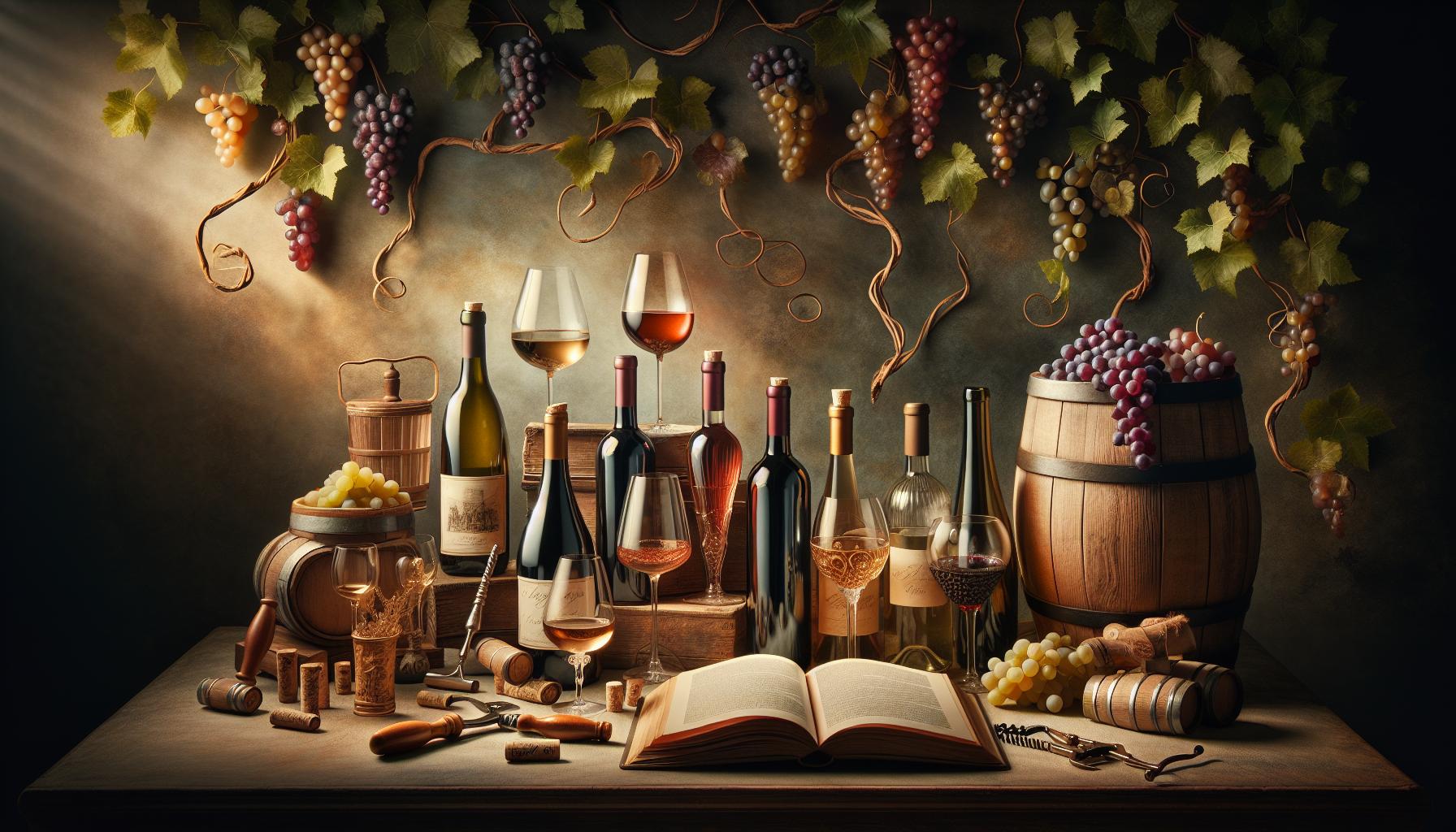
Understanding Wine Varietals and Their Temperature Needs
Understanding the unique needs of different wine varietals is essential for anyone dedicated to nurturing a refined palate. Each grape variety comes with its character, influenced by the terroir, climate, and, crucially, the storage conditions-specifically temperature. When one considers that a wine’s flavor is not merely a product of its ingredients but an intricate balance between these factors, it becomes clear how essential it is to understand what each varietal demands. For instance, red wines, enriched with tannins and often crafted for aging, tend to thrive at slightly elevated temperatures, ideally around 55°F to 65°F (13°C to 18°C). This range allows the myriad of flavors to unfold gracefully, bringing forth the deeper notes of spices, dark fruits, and earthy undertones.
Conversely, white wines, often pursued for their crisp acidity and refreshing qualities, fare better at cooler temperatures, around 45°F to 50°F (7°C to 10°C). Imagine uncorking a Chardonnay or Sauvignon Blanc on a warm day; the cooler storage elevates its vibrant freshness, allowing floral and citrus notes to shine brightly, dancing on the palate with each sip. This temperature differential not only caters to the sensory experience but also respects the wine’s evolution-ensuring the delicate aromas and flavors remain intact and enjoyable, much like the way a maestro conducts an orchestra.
Additionally, sparkling wines and rosés crave the invigorating chill of about 40°F to 50°F (4°C to 10°C) to preserve their effervescence and aromatic nuances. Without this careful attention to temperature, wines can easily lose their alluring characteristics. A bottle of bubbly, meant to invigorate and delight, may fall flat if not treated to the cooler embrace it deserves, transforming potential joy into disappointment.
Ultimately, understanding the temperature needs of wine varietals is not just about maintaining quality; it’s about honoring the artistry behind the bottle. By aligning storage temperatures with varietal characteristics, we invite each wine to share its story, transforming every gathering or quiet evening into a rich tapestry of flavors and memories. Like any craft, the nuances of wine storage are best appreciated through exploration and experimentation, allowing personal preferences to guide the journey. Thus, as you curate your collection, remember-the science of temperature not only preserves wine; it enriches the very experience of enjoying it.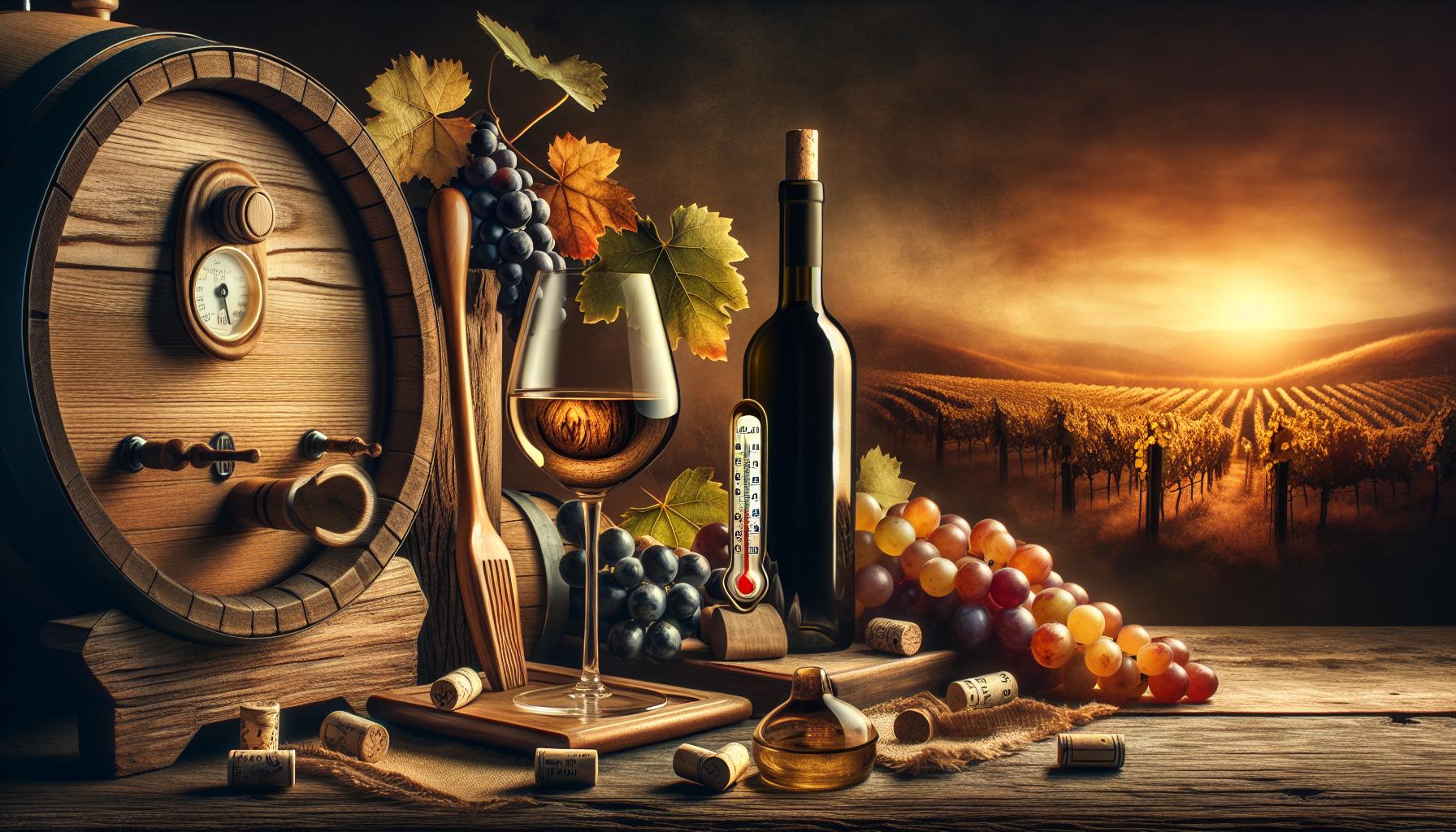
The Science Behind Temperature and Wine Preservation
Wine is a living entity, its character forever shaped by the conditions under which it is stored and served. This delicate dance between temperature and preservation plays a vital role in the integrity of a bottle, influencing everything from flavor development to the longevity of the wine itself. The ideal storage temperature, typically recommended to hover around a consistent 55°F (13°C), is not merely a suggestion; it is rooted in science, balancing the chemistry of the wine with the physics of its environment.
At the molecular level, wine is composed of thousands of compounds, each reacting differently to temperature shifts. When stored at incorrect temperatures, these compounds can become volatile-or worse, they might deteriorate. Keeping white wine too warm can mute its freshness, dulling those zesty citrus notes so often celebrated in a Sauvignon Blanc. Meanwhile, red wine stored too cold might stifle the tannins and acids that contribute to its richness, leaving an unbalanced and unsatisfying experience. This precarious balance is why maintaining a steady temperature is paramount; fluctuations can fatigue a wine, causing it to evolve prematurely and potentially lose its intended profile.
Moreover, temperature not only impacts the flavor and aroma of wine but also how it interacts with its cork. At elevated temperatures, the increased expansion of the liquid can force the wine against the cork, risking oxidation. Conversely, storing wine too cold can cause the cork to shrink, allowing air to seep in and spoil the wine. This interplay of materials and temperatures exemplifies how intricately wine preservation is tied to its essential chemistry. Thus, investing in a wine storage solution that offers climate control capabilities is not just an aesthetic choice-it is an insurance policy on your collection.
In the end, understanding the science of temperature in wine preservation is about honoring the art of winemaking itself. Every bottle tells a story, and ensuring that story is shared in its intended glory requires a respect for the conditions that nurture its life. So, as you select and store your wines, consider not just the bottle’s origins but also the environment you create for it-bringing it closer to its exquisite potential and enhancing your enjoyment with every sip.
Optimal Storage Conditions: Humidity and Environment
Cultivating the perfect environment for wine is akin to nurturing a delicate garden; both require attention to detail and an understanding of the underlying needs of the life within. Just as plants thrive in the right climate, wine flourishes when exposed to optimal humidity and environmental conditions. Humidity, in particular, plays a crucial role in wine storage. The ideal relative humidity level for wine storage hovers around 70%. This balance is essential for maintaining the integrity of the cork, which keeps your wine sealed against oxidation. If humidity levels drop too low, the cork may dry out, cracking and allowing air to breach the bottle; too high, and mold can develop, potentially ruining the wine and the label.
But humidity isn’t the only factor in creating a stable environment for your collection. The environment should also be free from disruptive vibrations, which can agitate the wine and accelerate its aging process. While it may seem trivial, the placement of your bottles matters greatly; choosing a quiet, dark location away from direct sunlight not only protects the wine from harmful UV rays that can degrade its flavors but also ensures that temperature fluctuations are kept to a minimum. Consider the temperature settings in conjunction with environmental factors-consistency is key. If you live in a region that experiences severe seasonal changes, a dedicated wine fridge or cellar can offer climate control features that provide a stable environment.
Another essential aspect of wine storage environment is airflow. Proper ventilation can prevent moisture buildup and promote even temperatures, creating a healthy microclimate for your bottles. Storing wines horizontally is also beneficial, as this position keeps the cork in contact with the wine, helping to maintain its moisture and sealing properties. With the right attention to humidity, temperature, and environmental conditions, you can ensure that your wine not only survives but thrives, ready to delight your palate when the moment is right.
Best Practices for Long-Term Wine Cellaring
To truly understand the art of long-term wine cellaring, one must appreciate the delicate balance that exists between preservation and decadence. Imagine your favorite wine aging gracefully, its colors deepening, nose becoming more complex, and flavors evolving into a tapestry of delightful nuances. Achieving such a transformation requires a purposeful approach to storage, where consistency in temperature, light, and humidity become your allies.
Maintaining an ideal temperature-typically between 45°F to 65°F (7°C to 18°C)-is crucial for longevity. However, it’s not just about hitting that sweet spot; it’s about stability. Fluctuations can wreak havoc on your wine’s integrity, leading to premature aging and a host of unpleasant tasting notes. Investing in a reputable wine storage solution that offers climate control can ensure that your collection remains in the optimal environment, regardless of the whims of the seasons outside your door.
Storage Position and Airflow
Equally important is how you store your bottles. Horizontal positioning is the gold standard for corked wines, as it keeps the cork moist, preventing it from drying out and allowing air to infiltrate the bottle. Yet, airflow shouldn’t be overlooked; a well-ventilated space can mitigate the risk of mold and maintain even temperatures. As you curate your collection, consider designated shelves or racks that not only accommodate your wine but also allow for sufficient air circulation-the essence of a well-cared-for cellar.
Adding to the romance of wine cellaring is the notion of using your collection as a living story. For instance, imagine selecting a bottle during the holidays that not only recalls a cherished memory but has also matured into a divine expression of terroir over the years. This narrative aspect instills a sense of purpose in wine collection, making routine maintenance a rewarding journey rather than a chore.
In conclusion, long-term wine cellaring is less about rigid rules and more about creating a nurturing sanctuary for your wines. It’s about understanding their needs and respecting the intricate process of aging. As you embark on your own cellar journey, relish each moment of anticipation and discovery-after all, every bottle has a tale waiting to unfold, much like the finest stories of friendship and celebration that wine invites.
The Impact of Temperature Fluctuations on Wine Quality
Temperature stability is not just a detail of wine storage; it’s the very foundation upon which the quality and longevity of your beloved bottles rest. When temperatures fluctuate, they can send ripples through the wine, affecting its flavor, aroma, and overall character. Wines are particularly sensitive beings-think of them as temperamental companions that thrive in consistent environments. A study revealed that even as little as a 5°F (3°C) shift can accelerate the aging process, leading to premature oxidation and the unwelcome emergence of undesirable notes such as vinegar or muted fruit flavors.
In the vast symphony of wine chemical reactions, temperature plays a conductor’s role. Warmer temperatures can elevate the rate of oxidation and alcohol evaporation, potentially leaving a wine that feels tired and unbalanced. Conversely, cooling shifts can do the opposite, suppressing the essential components that provide a wine’s structure and complexity. Imagine pulling out a bottle of red that should exude rich berry notes, only to be greeted by a flat and uninspired profile-a sadly common consequence of neglecting the stability that all great wines deserve.
Managing temperature fluctuations begins with understanding the environment surrounding your wine storage. Consider investing in a dedicated wine refrigerator or cellar that ensures both temperature control and humidity regulation. A proper setup allows you to maintain a steady climate, ideally between 45°F to 65°F (7°C to 18°C), where fluctuations are minimized. Avoid placing your wine near sources of heat, such as direct sunlight, appliances, or drafty windows. Instead, aim for a dark, cool space that will cradle your bottles like a good friend offering warmth on a chilly evening.
When you commit to creating this optimal storage environment, you’re not merely prolonging the life of your wine but enhancing your tasting experience. It’s the peace of mind that comes with knowing each bottle has had the chance to evolve gracefully. Over time, the flavors deepen, and the complexity unfolds-a meditative journey of tasting and storytelling. Each pour then transforms from a simple indulgence into a celebratory moment, inviting you to share tales of the past, ponder the present, and dream of future gatherings.
Where to Store Your Wine: Cellars, Fridges, and Racks
Finding the perfect sanctuary for your wine can feel akin to discovering a hidden treasure-one that promises to preserve the character of each bottle while enhancing your experience. The ideal storage environment not only protects your collection from prevalent threats like temperature fluctuations and light exposure but also allows the unique qualities of each varietal to develop harmoniously over time. Your options range from traditional cellars to modern wine fridges, and meticulous attention to detail will ensure your investments are safeguarded.
Wine Cellars
A purpose-built wine cellar is perhaps the gold standard for collectors aspiring to create an optimal storage environment. Typically located underground or in the cool interior of a home, these sanctuaries provide natural insulation against temperature changes. The recommended temperature of 45°F to 65°F (7°C to 18°C) is easily achievable with the right design. In a thoughtfully constructed cellar, you’ll find humidity levels hovering around 60-70%, which is crucial for maintaining cork integrity. Consider including features such as:
- Temperature Control Systems: Invest in a cooling unit to avoid fluctuations.
- Wine Racking Systems: Choose racks that allow for optimal air circulation while storing bottles horizontally, keeping the cork moist.
- Darkness and Quiet: Ensure limited light exposure and noise disturbances, both of which can adversely affect the wine.
Wine Refrigerators
For those who might lack the luxury of a dedicated cellar, a wine refrigerator can offer an ideal compromise. These appliances can hold a smaller quantity while ensuring precise temperature control, typically featuring dual zones to accommodate both red and white wines at their respective optimal temperatures. Many models come equipped with UV-resistant glass doors to minimize light exposure and adjustable shelving for flexibility in storage. When selecting a wine fridge, evaluate:
- Capacity and Size: Choose one that fits your needs without overcrowding.
- Vibration Control: Look for options that minimize movement which can disrupt the sediment in the wine.
- Energy Efficiency: Opt for models with good energy ratings to keep operating costs low.
Wine Racks
If your collection is modest or primarily for current consumption, simple wine racks can suffice, but careful placement is vital. Consider securing a rack in a cool, dark corner of your home, ideally away from heat sources like radiators or windows. Look for racks that support horizontal storage, promoting cork longevity, paired with an environment that maintains stable temperature and humidity. As you select a rack, remember:
- Material: Wood or metal racks can affect airflow and aesthetics; choose one that fits your decor.
- Wall-Mounted Options: If space is a constraint, creative wall-mounted racks can save space while displaying your collection in style.
In contemplating where to store your cherished bottles, always remember that each choice reflects your personal expression as a collector. Whether opting for an intricately designed cellar, a practical wine fridge, or simply chic racks at home, ensuring the right conditions will elevate not just the longevity of your wine but also the joy of every sip taken in anticipation of stories yet to unfold. Cheers to the adventures that await each pour!
How to Calculate the Perfect Serving Temperature
Determining the ideal serving temperature for wine is akin to striking a delicate balance in a dance; the right temperature not only enhances the wine’s flavors but also elevates the entire tasting experience. While the recommended storage temperature for wine ranges between 45°F to 65°F (7°C to 18°C), serving temperatures vary significantly depending on the varietal. Understanding these nuances allows you to bring out the best in each bottle, showcasing its unique characteristics and story.
For white wines, particularly those that are crisp and refreshing, serving temperatures are best kept between 45°F and 55°F (7°C to 13°C). Lighter varietals, such as Sauvignon Blanc and Pinot Grigio, benefit from the cooler end of this spectrum, as the chill accentuates their zesty acidity and youthful fruitiness. In contrast, fuller-bodied whites, like Chardonnay or Viognier, tend to shine at slightly higher temperatures, around 50°F to 55°F (10°C to 13°C). This allows the complex aromas and flavors to unfold gracefully, revealing the wine’s depth without compromising on refreshing qualities.
Red wines, on the other hand, generally thrive at warmer temperatures, usually ranging from 55°F to 65°F (13°C to 18°C). Lighter reds, such as Pinot Noir, are best served closer to the lower end of this range, which helps to highlight their vibrant fruit profiles and subtle earthiness. Meanwhile, full-bodied reds, like Cabernet Sauvignon or Syrah, benefit from the higher end of the scale. Serving them slightly cooler than room temperature can enhance their structure and reduce the perception of tannins, inviting the drinker to savor their rich complexity.
Certainly, temperature fluctuations can alter the way wine is perceived. When considering how to bring a bottle to its optimal sipping point, a good rule of thumb is to chill a white wine for about two hours in the refrigerator before serving, while red wines can be placed in the fridge for about 30 minutes prior. Using an instant-read thermometer can also aid in precision, ensuring that you’re presenting each wine at its perfect temperature. Much like a well-prepared meal, serving wine at the right temperature transforms the ordinary into the exceptional; it is an opportunity to invite your guests into the intimate realm of taste, one sip at a time.
Common Mistakes in Wine Storage to Avoid
Storing wine is an intricate art-a delicate balancing act that, if mismanaged, can lead to subpar sips and wasted bottles. One of the most common pitfalls is the assumption that all wine can be treated equally. Different varietals have unique needs, and neglecting this can lead to disastrous consequences. For instance, placing a delicate Riesling in the same environment as a robust Cabernet Sauvignon may create an imbalance, dampening the nuances that make each wine unique.
Temperature control is paramount, yet many overlook the importance of consistency. Fluctuations can be detrimental; wine is sensitive to changes, and what might seem like a modest spike can lead to accelerated aging or a flat flavor profile. Consider a wine enthusiast’s error of storing bottles in a kitchen-one of the warmest areas in the home. Regular exposure to heat and light can prematurely age even the finest wines. Instead, aim for a stable environment, ideally between 45°F and 65°F (7°C to 18°C), where cool and consistent reigns supreme.
Additionally, how wine is positioned can greatly affect its preservation. One common mistake is storing bottles upright. While this is typically safe for short-term storage, it’s not advisable long-term. The cork should remain in contact with the wine to prevent it from drying out. A horizontal storage position ensures the cork is moistened, maintaining the seal and preventing oxidation.
It’s also essential to pay attention to humidity levels. Many enthusiasts mistakenly think that as long as the temperature is correct, they’re in the clear. However, humidity plays a critical role-ideally, it should hover between 50% and 80%. Too dry, and corks can shrink and allow air to enter; too humid, and mold may develop, ruining labels and potentially the wine itself.
As we reflect on these common missteps, consider your own wine storage practices. Are you inviting your bottles to flourish, or are you inadvertently speeding up their demise? By aligning our storage methods with the needs of our wine, we allow each bottle to tell its story-a journey of flavor, texture, and time, ready to delight when the moment is right.
Temperature Tips for Different Wine Styles
When it comes to wine storage, understanding the intricacies of temperature is akin to learning a new language-a complex dialect that varies not just by region, but by each individual varietal. Just as a painter wouldn’t use the same brush for every hue, so too should a wine lover recognize the subtleties that different wines demand. Each style of wine harbors its unique characteristics and, as a consequence, its specific temperature needs. Below, we dive into the optimal ranges for various wine types, providing a roadmap for the conscientious enthusiast.
White Wines
White wines typically thrive when stored at cooler temperatures, which serves to preserve their crispness and refreshing qualities. Generally, a range of 45°F to 50°F (7°C to 10°C) is ideal for lighter varietals like Sauvignon Blanc or Pinot Grigio. Keeping these wines at cooler temperatures helps maintain their vibrant acidity, a hallmark that makes them so refreshing. On the other hand, fuller-bodied whites such as Chardonnay can benefit from a slight elevation in temperature, around 50°F to 55°F (10°C to 13°C), which enhances their complexity and richness without compromising freshness.
Red Wines
In contrast, red wines often flourish at slightly warmer bearings. For light reds such as Pinot Noir, storing them at about 55°F to 60°F (13°C to 16°C) can accentuate their delicate aromas and flavors. Medium to full-bodied reds like Merlot or Cabernet Sauvignon, on the other hand, benefit from temperatures in the range of 60°F to 65°F (16°C to 18°C). Here, warmth allows tannins to soften, and the full flavor profile to express itself, inviting the drinker into a deeper conversation with the wine.
Rosé and Sparkling Wines
Not to be overlooked, rosé wines and sparkling varieties require their own considerations. Rosé, which straddles the characteristics of whites and reds, is best served chilled at 45°F to 50°F (7°C to 10°C). This temperature ensures that the delightful fruitiness remains bright and inviting. For sparkling wines, such as Champagne or Prosecco, colder is better; often served at 40°F to 50°F (4°C to 10°C). This chill not only heightens the refreshing qualities of bubbles but also balances their inherent sweetness and acidity.
Conclusion
As you curate your personal wine collection, it becomes paramount to tailor your storage temperatures to the specific styles within your cellar. By appreciating the distinct needs of each varietal, you can create an environment that allows each bottle to reach its full potential, transforming a simple sip into an extraordinary experience. In this nuanced dance of temperature and flavor, every glass holds the promise of its own unique story, waiting to be told.
When to Invest in a Wine Refrigerator or Cellar
Investing in a wine refrigerator or cellar can feel like a rite of passage for any serious wine lover, akin to acquiring a cherished piece of art. As your collection grows-be it from thoughtful purchases, gifts, or special occasions-the need for proper storage becomes not just a convenience but a necessity. If you’ve found yourself leaning against the kitchen counter, cluttered bottles crowding the surface while you wonder whether your beloved Bordeaux is safe in its current dwelling, you may be at a pivotal moment. Understanding when to invest in a dedicated storage solution can elevate your wine experience from casual to extraordinary.
If you’re starting to collect wines that you intend to age, the first sign it’s time to consider a wine refrigerator is when your bottles outnumber your available space. Wine enthusiasts often accumulate a field of varietals over time, leading to an emotional connection with each bottle. However, as they accumulate, the risk of spoilage or degradation rises exponentially without proper temperature control. Ideally, wine should be stored consistently between 45°F and 65°F, and exposure to fluctuating temperatures can affect the aging process. Thus, a wine refrigerator, designed specifically to maintain optimal storage temperatures, can safeguard your collection and enhance its potential.
Moreover, consider what types of wines you enjoy and how often you consume them. If your weekends often involve gatherings-where you proudly pop open a delightful Riesling or a robust Cabernet-you may need a space not only to store your treasures but to keep them at serving temperature. The right wine refrigerator will allow you to separate your whites and reds, ensuring they’re both at perfect temperatures when it’s time to pour. For those with an eye on the future, investing in a wine cellar can provide not only a serene place to store but also an aesthetic appeal, integrating seamlessly with your home while showcasing your journey through the world of wine.
Ultimately, investing in a dedicated storage solution can turn a personal collection into a well-cultivated vineyard experience at home. Such solutions beckon you to explore and educate yourself on wine, turning every cork pulled and every glass poured into an occasion you can savor-not just in taste, but in the stories behind each bottle. Embracing this journey isn’t just about preserving wine; it’s about enriching your life with every interaction with your collection-because in the world of wine, the journey truly matters as much as the destination.
The Cultural Significance of Proper Wine Storage
In the world of wine, the temperature at which a bottle is stored is not merely a technical consideration; it embodies a cultural significance that resonates through centuries of tradition, craft, and enjoyment. For many, wine is more than a beverage; it is a story captured in a bottle, reflecting the land, the climate, the winemaker’s vision, and even broader social rituals. Storing wine at the right temperature not only safeguards these narratives but enhances the experience of sharing them, transforming the act of sipping into an intimate communion with history and culture.
The ideal temperature for wine storage-generally between 45°F and 65°F-not only prevents spoilage but also influences the flavor profile and the aging process. Just as a painter chooses the palette carefully, a winemaker relies on specific conditions to fully express the unique characteristics of their varietals. When wine enjoys consistent temperatures, it remains vibrant and true to its origin, fostering connections between the drinker and the terroir from which it hails. This intimate dialogue is often interrupted by temperature fluctuations, leading to a disjointed experience reminiscent of poorly rendered art.
Moreover, the symbolism of proper wine storage can be felt during gatherings that celebrate life’s milestones. A well-aged bottle pulled from a thoughtfully maintained cellar is akin to a seasoned storyteller at the dinner table, ready to share tales of harvests past. In these moments, the stored wine transcends its physical form, serving as a medium through which relationships are nurtured and memories are constructed. This ritualistic appreciation unites people-be they family, friends, or newfound acquaintances-under the banner of shared enjoyment and discovery.
By appreciating the cultural significance of wine storage, enthusiasts can approach their collections with an enriched perspective. Rather than viewing storage as merely a practical endeavor, it becomes a reflective practice that honors the intricate relationships within the world of wine. Each bottle stored correctly is akin to a chapter left intact in a beloved book, waiting to be revisited and shared, allowing the rich history of the vineyard to live on in every pour. In this light, the decision to invest in proper storage solutions not only elevates wine collection to an art form but also reinforces the timeless principles of respect and appreciation that have defined wine culture throughout history.
FAQ
Q: What temperature should red wine be stored at?
A: Red wine should ideally be stored at temperatures between 55°F to 65°F (13°C to 18°C). This range helps preserve the wine’s flavors and aromas, allowing for a smoother aging process. Make sure to keep wine away from heat sources and direct sunlight to maintain optimal conditions.
Q: What is the best temperature to store white wine?
A: White wine is best stored between 45°F to 50°F (7°C to 10°C). At this temperature, the wine maintains its crispness and refreshing acidity. Use a wine fridge or a dedicated cellar space to keep your white wines cool and away from light.
Q: How does temperature affect wine aging?
A: Temperature significantly influences wine aging; higher temperatures can accelerate aging, leading to loss of flavor and complexity. Storing wine consistently at cooler temperatures helps slow down chemical reactions, allowing the wine to mature gracefully over time. For detailed guidance, refer to our full cellar management section.
Q: What temperature fluctuations can wine tolerate?
A: Wine can endure slight fluctuations, ideally within a 5°F (3°C) range, but consistent temperatures are crucial. Frequent and large changes in temperature can cause expansion and contraction, risking cork integrity and oxidation. Aim for a stable environment to protect your collection.
Q: Can I store wine in a regular refrigerator?
A: While a regular refrigerator can temporarily store wine, it’s not ideal for long-term storage. Typical fridge temperatures (32°F to 40°F or 0°C to 4°C) are too cold for most wines and can negatively impact their flavors. Consider investing in a dedicated wine cooler for better conditions.
Q: What is the perfect temperature for sparkling wine storage?
A: Sparkling wine should be stored at around 40°F to 50°F (4°C to 10°C). This cooler range preserves its lively bubbles and fresh flavors. Keeping sparkling wines in an upright position can also help maintain their quality.
Q: Why is humidity important in wine storage?
A: Humidity is vital in wine storage to keep corks moist and prevent them from drying out. Ideally, aim for humidity levels between 50% to 70%. This balance prevents oxidation and spoilage, preserving your wine’s integrity. For in-depth tips, see our section on wine storage environments.
Q: How long can wine be stored at room temperature?
A: Wine can be stored at room temperature (around 70°F or 21°C) for short periods, but this should be avoided for long-term storage. Prolonged exposure to higher temperatures can degrade flavor and aroma profiles, especially in delicate wines. For optimal longevity, store wine in a climate-controlled environment.
To Conclude
As you embark on your journey to master the art of wine storage, remember that the perfect temperature not only preserves flavors but enhances your entire wine experience. By keeping your bottles in a stable environment, you’re ensuring that each sip tells a story of craftsmanship, culture, and connection. Don’t let your hard-earned collection suffer from improper conditions-act now to create an optimal cellaring setup that truly respects your wines.
Interested in diving deeper? Explore our articles on the nuances of terroir and how it influences wine characteristics, or discover essential tools for monitoring and maintaining your ideal storage conditions. Your journey doesn’t end here; sign up for our newsletter today to stay updated with the latest tips and insights that elevate your wine appreciation to new heights.
Let your newfound knowledge guide not just your wine selection, but how you cherish the moments around each bottle. Cheers to a world of flavor waiting to be unlocked!


