Have you ever opened a bottle of cooking wine, only to wonder if it’s still good to use? Like many culinary staples, cooking wine can have a shelf life that might surprise you. Understanding whether cooking wine goes bad is essential not just for ensuring food safety, but also for elevating your dishes with the best possible flavors.
Wine’s role in cooking transcends mere seasoning; it brings complexity and depth to your meals. However, the quality of the wine you cook with can significantly impact the final dish, making it crucial to know how to store and evaluate your cooking wine. As you dive deeper into this guide, you’ll uncover practical tips for storage, signs of spoilage, and best practices to ensure your next culinary adventure is as delightful as it is flavorful. Let’s embark on this journey of culinary exploration together!
The Shelf Life of Cooking Wine: What You Need to Know
The shelf life of cooking wine is a topic that often stirs curiosity among home cooks seeking to enhance their culinary creations with the depth and flavor that wine can provide. Unlike fine wines that are meant for savoring, cooking wines are typically fortified with salt and additives, which can alter how they age. In general, cooking wines can last several months to a few years once opened, depending on the type of wine and how it’s stored.
When it comes to cooking wine, the notion of “expiration” can be a bit of a gray area. The key factors influencing shelf life include the type of wine, storage conditions, and whether it has been opened. Unopened bottles of cooking wine can generally be stored at room temperature for a significant duration without major concerns about spoilage. However, once opened, cooking wine should ideally be stored in a cool, dark place, and tightly sealed. Aim to use it within three to five months for the best flavor-after this period, it can start to lose its aromatic qualities, transforming from a potential flavor enhancer into a dull note that could overshadow your dish rather than elevate it.
For many chefs, understanding the marriage of ingredients in cooking means paying attention not just to the fresh produce or spices at hand but also the wines used throughout the process. It fosters a deeper appreciation for the cooking experience, prompting experimentation with varieties like dry vermouth, Marsala, or sherry, each offering unique profiles that can drastically alter the nature of a dish. So when you reach for that bottle nestled alongside your pantry spices, remember: treating your cooking wine with care, just like any other ingredient, optimizes both its performance in your kitchen and the final presentation on your plate.
Signs That Your Cooking Wine Has Gone Bad

Cooking wine, often seen as an indispensable ally in the kitchen, can quietly fall from grace, transforming from a culinary companion to a dreaded foe. Knowing when your cooking wine has gone bad is crucial not just for flavor, but for the overall integrity of your dishes. The enchantment of a well-done sauce or a marinated chicken can quickly dissipate if the wine doesn’t meet your expectations. Here’s what to look out for to avoid an unpleasant surprise in your culinary endeavors.
First, pay attention to the aroma. If your cooking wine has developed a sharp, vinegary scent or smells excessively stale, it’s likely time to part ways. Fresh cooking wine should evoke inviting notes that might complement your dish, whether it’s a delicate aroma of herbs in a white wine or the rich, umami tones in a fortified wine. If the smell turns your stomach or generates no enthusiasm whatsoever, it’s a sign that the wine has crossed its threshold.
Next, examine the color and clarity of the wine. Cooking wines that are past their prime can become cloudy or develop sediment-foreshadowing their decline. A vibrant, clear appearance indicates freshness, whereas a muted or discolored hue suggests that it has begun to oxidize. Always trust your instincts: if it looks off, it probably is. Additionally, a taste test can confirm these suspicions. Even without consuming a large amount, a single sip should give you a clear idea of its quality. If it tastes bland or overly sharp-much like tasting old vinegar-it’s best to discard it.
Lastly, the texture can offer clues. Cooking wines should flow smoothly; if you encounter a syrupy consistency, it’s a strong indicator that the wine has started to spoil. Often, this change in texture correlates with an overall decline in flavor, rendering your culinary creations less delightful. Thus, keeping an eye-and a nose-on your cooking wine ensures that you’re not just cooking, but crafting magnificent flavors that resonate with the heart of culinary artistry.
Optimal Storage Conditions for Cooking Wine
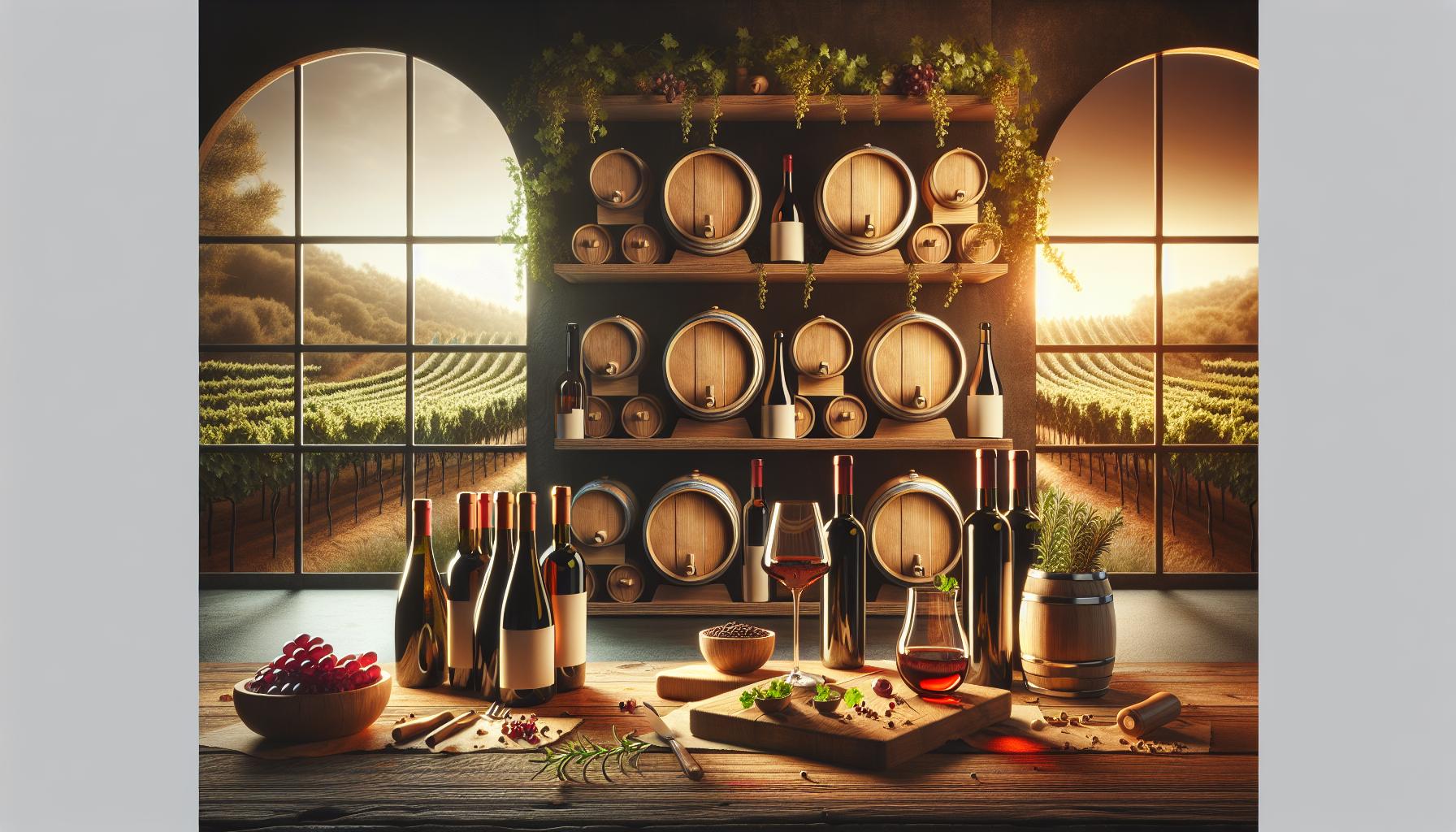
To truly appreciate the wonders of cooking wine, understanding the optimal storage conditions is essential. Much like a fine wine that requires tender care, cooking wine benefits from considerate storage practices to maintain its quality and prolong its usability. Following these guidelines can ensure that each pour brings the intended depth and complexity to your dishes.
Stability and climate control are your closest allies in preserving cooking wine’s flavor profile. Aim to store your wine in a cool, dark place, ideally maintained at a consistent temperature between 50°F and 70°F (10°C to 21°C). Fluctuations in temperature can induce premature aging and spoilage, so find a storage location that avoids direct sunlight and heat sources-no one wants their culinary secret turning into a cooking nightmare!
Additionally, ensure the bottles are kept upright if they are sealed with a screw cap. For corked bottles, however, storing them on their sides can help keep the cork moist and prevent air from seeping in. This is crucial, as oxygen exposure can lead to oxidation, diminishing the wine’s vibrant character.
Consider investing in a dedicated wine refrigerator if you find yourself frequently using cooking wine or if you wish to explore an expansive collection. Many of these appliances are engineered to provide the perfect environment for wines-maintaining ideal humidity levels and consistent temperatures. If a wine fridge isn’t feasible, even a kitchen cupboard, away from the oven or direct light, can serve as a decent makeshift storage option.
Approaching cooking wine with an understanding of these storage nuances not only extends its life but enriches your culinary creations. By treating your cooking wine with the same respect you would a fine varietal, you’re ensuring that every bottle delivers delightful flavors, whether in a simmering sauce or a delicate marinade. This mindful practice opens the door to disciplined experimentation, allowing you to explore the vast landscape of tastes that cooking wine can offer.
How to Preserve the Quality of Cooking Wine
To ensure that your cooking wine remains vibrant and flavorful, understanding a few key preservation techniques can be game-changing. Many home cooks overlook the fact that cooking wine is not just a pantry item but a dynamic ingredient that can elevate dishes when treated with care. Like a cherished family recipe, proper attention to storage and handling can enhance not just quality but also the culinary experiences it helps create.
First, always keep your cooking wine tightly sealed after use. Oxygen is the enemy of all wines, causing oxidation that can lead to off flavors and diminished aromas. Transfer any leftover wine into a smaller container-this reduces the amount of air in the bottle and keeps the wine fresh longer. Vacuum sealers are also a worthy investment, which actively limits the exposure of wine to air after opening. For daily culinary purposes, consider portioning out travel-friendly plastic descartables filled with cooking wine, so you can use just what you need without diminishing the integrity of the larger bottle.
Temperature Matters
Wine is fickle; its character can shift under improper conditions. The ideal storage temperature for cooking wine is akin to that of fine wines-generally between 50°F and 70°F (10°C to 21°C). Any radical fluctuations can provoke undesirable changes, like losing fruity notes or introducing bitterness. If you have the space, a wine fridge provides a controlled environment, but a simple cupboard away from heat sources works well too. Just be mindful of storing it upright if it’s a screw-top bottle or on its side if it’s corked to keep that cork moist.
Enhancing Longevity
Beyond storage, consider other factors that contribute to the life of your cooking wine. Exposure to light can degrade its quality; hence, a dark environment is paramount. For those who dabble in wine-based cooking frequently, keeping a small selection of wines specifically for culinary use can enhance your dishes significantly. Investing in different types of cooking wine, such as dry sherry or vermouth, not only adds depth to your cooking repertoire but also ensures you won’t be reaching for that older bottle that has seen better days.
In essence, treating your cooking wine with the same respect one would give to a venerable Cabernet or a treasured Pinot Noir can open a world of flavors in your dishes. By embracing these techniques, you create an enriching relationship with your wine, allowing its nuances to shine through in your cooking. Consequently, you are setting the stage for unforgettable meals that celebrate both ingredients and method.
Understanding Different Types of Cooking Wine
Cooking wine comes in various forms, each with its unique characteristics that can profoundly impact your dishes. Understanding these differences allows you to harness their potential, ultimately enhancing your culinary creations. From dry wines that provide robust flavors to sweeter varieties that can balance acidity, the selection you make can shape the taste of your meals in delightful ways.
Types of Cooking Wine
- Dry White Wine: Versatile and commonly used in many recipes, dry white wine-such as Sauvignon Blanc or Pinot Grigio-adds acidity and brightness to dishes like risottos or seafood. The crispness can help cut through rich flavors, elevating the overall dish while remaining subtle enough not to overpower other ingredients.
- Dry Red Wine: Ideal for hearty fare, dry red wine like Merlot or Cabernet Sauvignon can infuse depth and complexity into sauces, stews, and marinades. Its robust character complements everything from red meats to earthy vegetables, and it’s particularly good at developing flavors during longer cooking processes.
- Sherry: A fortified wine with a nutty flavor profile, sherry is an excellent choice for enriching sauces and soups. Its diverse range-from dry to sweet-means you can tailor it to suit specific recipes, providing a unique twist that can transport your dishes to new culinary realms.
- Marsala: Often associated with Italian cuisine, marsala wine is both sweet and savory. This cooking wine is perfect for dishes like Chicken Marsala, where its caramelized notes contribute to the dish’s complexity. Its rich flavor helps balance out bitter or spicy elements, making it an incredible culinary ally.
- Vermouth: A fortified wine flavored with various botanicals, vermouth can lend herbaceous undertones to your cooking. Dry vermouth works well in lighter sauces and seafood dishes, while sweet vermouth is a delightful addition to richer recipes, infusing them with its fragrant profile.
Incorporating different types of cooking wine into your kitchen repertoire is like adding colors to a painter’s palette. Each variety not only brings its flavor but also its cultural and historical richness, inviting a deeper connection to the art of cooking. For instance, the use of dry white wines can be traced back to Mediterranean traditions, where they were an essential component of local diets, much like the olive oil of the region. As you explore these unique wines, consider how they meld with your cooking style, open new avenues for experimentation, and transform the kitchen into an arena of creativity and discovery.
Choosing the right cooking wine elevates not just the dish but also the cooking experience. It encourages exploration and appreciation of both the ingredients and the culinary heritage from which they stem. Be mindful, however, of opting for quality wines over those labeled as “cooking wine,” which often contain added salts and preservatives that may detract from flavor. By selecting wines you would be proud to drink, you elevate your cooking while building a richer, more flavorful cooking narrative in your kitchen.
Can Cooking Wine Be Frozen for Later Use?
Cooking wine, much like a cherished ingredient in your pantry, deserves consideration when it comes to storage, and freezing can be a practical option to extend its usability. While the notion of freezing a liquid habitually considered ephemeral might seem unconventional, it is indeed an effective method to preserve the flavors one might want to integrate into future culinary adventures. When you freeze cooking wine, you’re effectively pausing its shelf life, allowing you to have a touch of sophistication at your fingertips without the need to continuously purchase bottles.
When approaching the freezing of cooking wine, there are a few key considerations to remember. First, pour the wine into ice cube trays, as this method is both convenient and versatile. Each cube typically holds about an ounce, which is perfect for tossing into sauces or marinades when the inspiration strikes. After the wine has frozen solid, transfer the cubes into a zip-top bag labeled with the date and type of wine. This simple organization allows you to pull out precisely what you need for your next culinary project without rummaging through your freezer. It’s akin to preserving the essence of a moment, capturing that single sip of joy for future enjoyment in your cooking.
One of the most fascinating aspects of freezing cooking wine is how it can deepen your understanding and appreciation of flavors. As you experiment with different varietals, you may find that certain wines, once frozen and thawed, retain more of their original character than others. For instance, a robust red wine can transform a simple beef stew, lending it a richness that speaks to its aged nuances, while a crisp white wine can elevate a seafood dish, evoking the freshness of coastal kitchens. Do keep in mind, however, that the freezing process can slightly alter the texture, especially in more delicate wines, so it’s best to reserve your highest-quality drinking wines for enjoyment in their liquid state while using cooking wines that complement rather than eclipse your dishes.
Ultimately, freezing cooking wine embodies the spirit of culinary resourcefulness. It invites creativity into your kitchen, encouraging you to explore and utilize ingredients you may have otherwise overlooked. By freezing cooking wine, you’re not just extending its life; you’re also inviting a richer tapestry of flavors into your cooking, where each thawed cube serves as an ingredient of inspiration, connecting past mealtime experiences to future gastronomic explorations. So, when you find yourself with leftover cooking wine, consider embracing this time-honored method, allowing those vibrant flavors to inform and enhance your culinary creations down the road.
The Role of Cooking Wine in Culinary Traditions
In culinary traditions around the globe, cooking wine serves as more than just an ingredient; it is a bridge between the everyday and the extraordinary. This unique role is steeped in history, where different cultures have integrated wine into their culinary practices to elevate flavors, enrich sauces, and create breathtaking dishes that tell stories. When you pour a splash of cooking wine into your stews or marinades, you’re not just adding a liquid; you’re harnessing the wisdom of generations who have understood that wine transforms the mundane into the magnificent.
Cooking wine embodies the character of the region it hails from, much like the dishes it complements. In French cuisine, for instance, wines like dry white (think Sauvignon Blanc) are often employed in classic sauces and risottos, seamlessly intertwining with ingredients to marry flavors together. Meanwhile, in Italian cooking, hearty reds such as Chianti not only enhance traditional ragù but also evoke memories of family gatherings around the dining table, where meals are savored slowly, one sip at a time. This connection between wine and culture illustrates that cooking wine is as much about the ingredients as it is about the shared human experience-gathering around plates filled with love and laughter while the rich aroma of simmering wine wafts through the air.
Moreover, the allure of cooking wine lies in its versatility. Less about the vintage and more about the balance it brings to dishes, cooking wines can be fortified, sweet, or dry, each style carrying its own flavor profile that lends distinct notes to the meals being prepared. For practical purposes, the ideal cooking wine should be one you would enjoy sipping as you stand by the stove-the cooking process can heighten its flavors, enriching your palate’s journey. The general notion is clear: if you wouldn’t drink it, don’t cook with it-this ethos reinforces a respect for wine as an integral part of our culinary tapestry.
Take this opportunity to embrace your cooking wine; explore different varietals, and let your creativity inform your culinary expressions. As you pour, savor the moment-you are engaging in a time-honored tradition that transcends cultures and speaks to the heart of human connection. Each drop has the potential to amplify your dishes, telling a story that resonates beyond mere flavors. So next time you reach for that bottle, remember: you’re not just cooking; you’re crafting a connection to our past, a celebration of flavors, and an invitation for those you love to sit at your table and share in the richness of life’s simple pleasures.
Alternatives to Cooking Wine: Flavorful Substitutes
In the vibrant mosaic of culinary practices, cooking wine occupies a unique niche, but what happens when you find yourself without this staple? Fear not; the world of flavors is rich with alternatives that can not only fill the gap but elevate your dishes to new heights. For instance, if you need a splash of acidity and fruitiness, consider using white grape juice mixed with a little vinegar. This combination successfully mimics the sweet-tart balance of white wine and can be used in sauces, marinades, or even risottos.
Another pleasant substitute is apple cider vinegar or balsamic vinegar, which both carry a depth of flavor that can enhance a variety of dishes. Dilute them slightly with water to avoid overpowering the other ingredients, and you’ll find that they impart a complexity reminiscent of fine wine. Stock or broth, whether vegetable, chicken, or beef, can also be an excellent substitute, particularly in recipes aimed at creating hearty soups or stews. The key is to choose a broth that aligns with the flavor profile of your dish; think of a light vegetable broth for risotto, or a robust beef broth for rich, meaty sauces.
For those who appreciate the herbal nuances often found in cooking wine, consider using non-alcoholic wine options, which seamlessly blend modern culinary practices with traditional flavors. These beverages retain the aromatic profiles we love, minus the alcohol content, making them a versatile and safe alternative. Finally, in a pinch, even plain water can serve as a base for many recipes, but to truly capture the essence of cooking wine, it’s advisable to enhance it with fresh herbs, spices, or a squeeze of citrus. This simple addition can transform your dish, providing layers of flavor that resonate well with the original intent of cooking with wine.
Explore these alternatives not just as mere substitutions, but as invitations to embark on a new culinary adventure, celebrating creativity and flexibility in the kitchen. Each selection holds potential stories waiting to be told, and as you taste and adjust, you participate in an age-old tradition that honors both the art of cooking and the community shared around the table.
Cooking Wine vs. Drinking Wine: What’s the Difference?
When it comes to the culinary world, the distinction between cooking wine and drinking wine is not just a matter of intended use; it reflects broader aspects of flavor, quality, and experience. Cooking wine is often fortified and contains added salt, designed to withstand the rigors of the kitchen rather than to be sipped elegantly at a dinner table. This functional approach allows it to provide the desired acidity and richness to dishes, often enhancing flavors without the subtleties expected from a fine drinking wine. However, this doesn’t mean cooking wine lacks depth; rather, it serves a different, albeit essential, purpose in the culinary landscape.
Culinary Purposes vs. Drinking Experience
Cooking wine is typically designed with practicality in mind, enhancing flavors in sauces, marinades, and dishes where cooking transforms the consistent taste of the wine through heat and reduction. On the other hand, drinking wines are often celebrated for their nuanced aromas and complex flavors, which are meant to be savored directly. Here, the palate delights in the symphony of tastes presented, from the bright acidity of a crisp Sauvignon Blanc to the lush fruit-forward nature of a Cabernet Sauvignon. This experiential aspect can elevate a meal, making the selection of a drinking wine a thoughtful process akin to selecting an inspiring piece of music to play during an intimate dinner.
Furthermore, the alcohol content and overall composition vary significantly between the two. Cooking wine usually has higher alcohol content, which serves a specific role in integration during cooking, and its added salt can detract from its palatability in raw form. In contrast, drinking wines are crafted to be balanced, considering sugar levels, acidity, and tannins to ensure enjoyable tasting experiences. For example, the bright fruitiness and lower salt profile of a good Riesling or Pinot Noir can transform a simple dish into a culinary masterpiece when paired correctly.
Quality Considerations
Moreover, the quality differences should guide your kitchen decisions. While cooking wine has its place, using leftover or older drinking wine can sometimes lead to richer, more sophisticated flavors in your cooking. The complexity that develops in wine through aging can impart layers of taste that a basic cooking wine might not achieve. This stratification of values underscores the importance of choosing ingredients wisely, whether you’re deglazing a pan or seasoning a slow-cooked stew.
In summary, while both cooking and drinking wines play pivotal roles in culinary traditions, they cater to different experiences and uses. Embracing the unique qualities of each can enhance both your cooking and dining experiences. Next time you’re reaching for that bottle to enhance your dish, consider the layered narrative of flavor it brings and choose not just for its practicality, but for the possibility of elevating your culinary creations to new heights.
How to Tell If Cooking Wine Is Still Good
Cooking wine, much like a trusty sous chef, plays a vital role in the culinary realm, infusing dishes with depth and complexity. However, just as one wouldn’t want to chop onions with a dull knife, it’s equally crucial to ensure that the cooking wine at hand is fit for use. To discern the freshness of your kitchen companion, look to your senses-sight, smell, and even taste can be revealing allies in this task.
First, inspect the bottle visually. If the wine has changed color-darkening beyond the usual hue or becoming hazy-that’s a red flag. Quality cooking wine should retain a clarity and color consistent with its original state. Next, take a moment to inhale the aromas. Fresh cooking wine will have a pleasant, albeit concentrated scent of the varietal used. If it smells vinegary or has an off-putting sourness, the winemaker’s craft has likely turned to a different purpose. Give it a gentle swirl and let it breathe for a moment; a wine that’s still good will emanate rich, inviting fragrances that evoke memories of a bustling kitchen.
Taste is where the rubber meets the road, so to speak. While the idea of sipping on cooking wine might not be appealing due to its salt content, a quick taste is sometimes necessary. A fresh bottle should offer a balanced acidity and a hint of its original flavors, elevating your dishes. If the wine is overly salty, flat, or distinctly unpleasant on the palate, it’s time to bid it farewell. Remember, cooking wine acts more as a flavor enhancer than a primary component, and a compromised bottle can muddle the essence of your culinary creations.
Lastly, keep an eye on your storage habits. Once opened, cooking wine, like a fine kitchen tool, benefits from proper treatment. Store it tightly sealed in a cool, dark place, minimizing exposure to air and light, which can accelerate spoilage. While the culinary journey with cooking wine can be both convenient and delightful, ensuring its quality will elevate your dishes, transforming a simple meal into a gustatory adventure worth savoring.
Using Cooking Wine: Tips and Tricks for Best Flavor
When you think of cooking wine, imagine it as the bridge between simple ingredients and a symphony of flavors. Its role in the culinary world goes beyond mere enhancement; it weaves a tapestry of depth and warmth within your dishes. To wield cooking wine effectively, a few tips and tricks can transform your culinary adventures from routine to extraordinary.
Choosing the Right Wine
The foundation of flavor begins with selecting the right type of cooking wine. Each variety brings its own unique characteristics to the dish. For instance, a dry white wine, like Sauvignon Blanc, works wonders in seafood dishes, adding a crisp brightness, while a hearty red wine, such as Merlot, enhances the complexity of red sauces and stews. Always remember: if it’s not good enough to drink, it’s not good enough for your cooking. High-quality ingredients yield more satisfying results, so investing in a decent bottle will pay dividends in flavor.
The Art of Application
Understanding when to add cooking wine during the cooking process is equally crucial. For braises and stews, introduce the wine early on to allow it to reduce and mingle with the other ingredients, enriching their flavors. Meanwhile, for sautéed dishes, consider deglazing the pan with a splash of wine after browning proteins. This technique captures all those flavorful bits stuck to the bottom, lifting them into a glorious sauce. Always add a touch of wine toward the end of cooking to allow its freshness to shine-too much heat can dull its vibrant flavors.
Pairing and Balancing Flavors
Balancing flavors is key, and cooking wine can serve as both a flavor enhancer and a counteractive element. If your dish leans heavily into richness, a splash of acidic cooking wine can cut through the fat and balance the palate. Conversely, in dishes that lean toward acidity, a sweeter cooking wine can soften and complement those sharp notes. Think of your dish as an orchestra; cooking wine adds an essential instrument that brings harmony among the various notes.
Cooking with wine is less about rigid rules and more about intuition, exploration, and enjoyment. Just as one might stroll through a vineyard, exploring the different varietals, embrace the creative process in the kitchen. Each bottle holds a potential story waiting to unfold, enhancing not only your dishes but also your connection to the culinary arts. So, pour with purpose, taste with passion, and let your cooking wine be the spark that ignites culinary delight.
The Impact of Cooking Wine on Your Dishes
The transformation of a simple dish into something remarkable often begins with a humble pour of cooking wine. This liquid alchemy works on multiple levels, introducing acidity and depth that elevate flavors and create harmony among ingredients. Whether it’s a robust red simmering in a pot of stew or a delicate white gracing a seafood sauté, cooking wine serves as both a confidant and a catalyst in the kitchen, weaving a narrative of taste that resonates with each bite.
Cooking wine is not merely a flavor enhancer; it plays a crucial role in the balance of your dish. The acidity found in wines can tenderize meats, breaking down proteins and allowing the dish to achieve a beautiful melding of flavors. When paired thoughtfully, the right cooking wine can accentuate the essence of your selected ingredients. For instance, a splash of dry white wine in a creamy risotto can cut through richness, bringing a refreshing brightness that lifts the overall experience. Here are some impacts that cooking wine can have on your culinary creations:
- Flavor Enhancement: The nuanced notes in wines can transform bland ingredients into something complex and exciting. A well-chosen wine complements the existing flavors while introducing new dimensions.
- Aromatics: As the wine cooks, it releases fragrant compounds that entice the senses, adding aromatic depth that speaks to the heart of home-cooked meals.
- Texture and Moisture: For stews and braised dishes, wine contributes moisture and helps maintain texture, ensuring that every bite is as tender as it is flavorful.
Moreover, understanding the historical and cultural significance of cooking with wine enriches the experience further. In many culinary traditions, wine isn’t merely an ingredient; it’s a celebration of heritage and art. Take the French coq au vin, where the wine not only imparts flavor but also tells a story steeped in rural tradition. This connection between wine and food invites cooks to explore and express their creativity, making every dish a canvas waiting to be painted with flavor and experience.
In essence, cooking wine is a pivotal character in the play of gastronomy, influencing everything from the aroma that wafts through the kitchen to the flavors that linger on the palate. By selecting the right wine and treating it with respect throughout the cooking process, you engage in a craft that transcends mere nutrition. You invite a richer experience into your cooking, one that honors both the ingredients and the culture surrounding them. As you experiment and explore, remember: the essence of wine is to enhance our connections-whether to our food, our guests, or our own culinary journey. Embrace its potential, and let cooking wine be the thread that weaves a vibrant story within each meal you create.
Faq
Q: Does cooking wine go bad after opening?
A: Yes, cooking wine can go bad after opening. Once opened, it typically lasts about 3 to 5 days when stored in the refrigerator. To maintain its quality, ensure the cap is tightly sealed to prevent oxidation, which can alter its flavor and aroma.
Q: How should you store cooking wine for optimum shelf life?
A: For best results, store cooking wine in a cool, dark place away from direct sunlight. Once opened, refrigerate the wine to prolong its shelf life, ideally using a dark glass bottle with a tight seal. Remember to check for off-flavors or odors before use.
Q: Can cooking wine be used past its expiration date?
A: While cooking wine may still be safe to use past its expiration date, its quality often deteriorates. Always check for changes in color, smell, or taste. If it seems off, discard it to ensure your dishes maintain optimal flavor.
Q: What are signs that cooking wine has gone bad?
A: Signs that cooking wine has gone bad include a sour or vinegar-like smell, significant cloudiness, or changes in color. If you notice any of these indicators, it’s best to discard the wine to avoid compromising your dish.
Q: What’s the difference between cooking wine and regular wine in terms of shelf life?
A: Cooking wine often contains salt and preservatives, which can give it a longer shelf life compared to regular wine. However, once opened, both types still require proper storage to maintain quality, with cooking wine generally lasting 3 to 5 days in the fridge.
Q: How long can unopened cooking wine be stored?
A: Unopened cooking wine can be stored for several years, typically up to 3 to 5 years, if kept in a cool and dark environment. Checking the label for specific best-by dates is always a good practice.
Q: Is it safe to use cooking wine that has been improperly stored?
A: Using improperly stored cooking wine is not recommended. Exposure to heat, light, or air can spoil the wine, leading to undesirable flavors. Always check for freshness and avoid using if stored incorrectly for extended periods.
Q: Can you freeze cooking wine for long-term storage?
A: Yes, cooking wine can be frozen for long-term storage. Pour it into ice cube trays, freeze, and then transfer the cubes to an airtight container. This method allows you to use portions as needed without compromising the quality.
Wrapping Up
In summary, understanding the shelf life of cooking wine is essential for elevating your culinary adventures, ensuring that each dish embodies the depth of flavor that only quality ingredients can provide. As you navigate your cooking journey, remember that properly stored cooking wine not only preserves its integrity but also invites a world of rich aromas and nuanced tastes into your kitchen. Don’t let uncertainty hold you back-check your shelves, refresh your supplies, and let every meal be an exploration of wonderful flavors.
Hungry for more insights? Dive into our guide on enhancing everyday meals with easy pasta recipes or discover the secrets to perfectly cooked chicken breasts using innovative techniques. Join our community of cooking enthusiasts by signing up for our newsletter to receive expert tips and recipes delivered right to your inbox. Together, let’s celebrate the art of cooking and make every meal a memorable experience. Cheers to informed cooking and delightful flavors!
Get our latest guides, news, and insights highlighted in your Google Search & AI Overviews.