


As any seasoned wine enthusiast knows, the delicate dance of flavor begins long before a bottle meets the palate-it starts with the ideal temperature for storage. Did you know that wine’s aromatic profile can shift dramatically with just a few degrees? The correct wine fridge temperature not only preserves but enhances the intoxicating aromas and flavors locked within.
In this guide, we’ll explore how temperature affects different varietals, ensuring your collection shines at its very best. Whether you’re a casual drinker or a passionate connoisseur, mastering this aspect of wine storage is key to elevating your tasting experiences and reaping the full rewards of your investment. Join us as we delve into the art of temperature control and discover how to create the ultimate environment for your prized bottles, transforming each sip into a moment of pure bliss.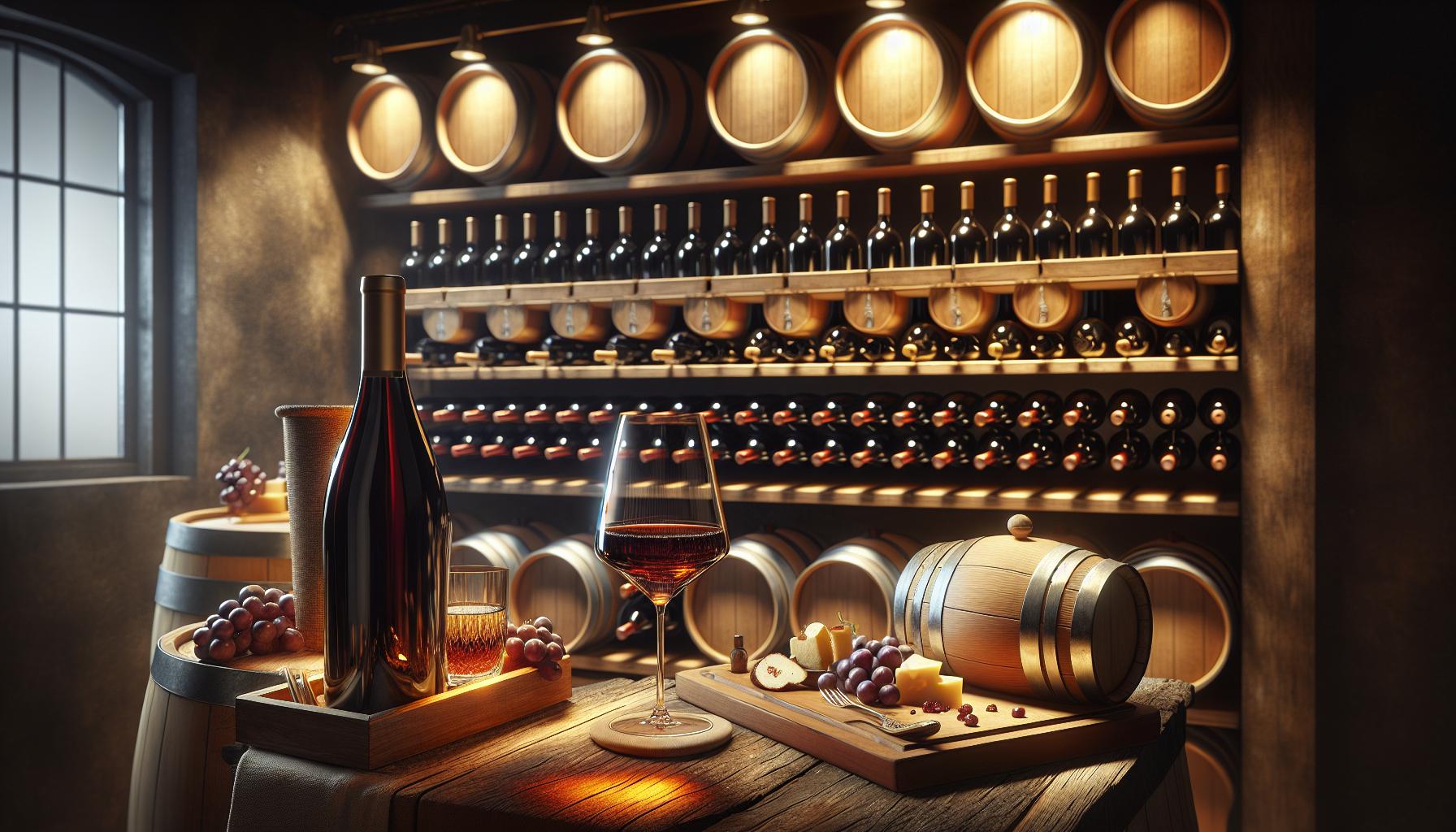
What is the Ideal Temperature for Wine Storage?
In the intricate dance of flavor and aroma, temperature plays a critical role in unlocking the full potential of wine. The ideal storage temperature typically hovers between 50°F and 55°F (10°C to 13°C), a threshold that allows both red and white wines to mature gracefully. This cool embrace ensures that the delicate compounds within the wine-such as esters, tannins, and acids-harmonize beautifully over time. When wine is stored at too high a temperature, these components can become volatile, akin to leaving a soufflé in the oven for too long; the result is often a loss of nuance and character.
When venturing into the realm of wine, it’s crucial to consider not just the general ideal temperature, but also what that temperature means for different wine varietals. For instance, while red wines thrive at warmer temperatures within that range, often around 55°F to 65°F (13°C to 18°C), whites prefer a cooler atmosphere, ideally around 45°F to 50°F (7°C to 10°C). This temperature alignment enhances their inherent characteristics-think of a chilling glass of Sauvignon Blanc, its crispness sharpened by the cool air, or a robust Cabernet Sauvignon, whose rich tannins soften and come alive when gently warmed.
Adjusting your wine fridge to the correct temperature is essential, but so is understanding that consistency is key. Sudden temperature fluctuations can disrupt the aging process, much like a shocking jolt can ruin an afternoon nap. By maintaining a steady environment, you’re not only protecting your wine but also nurturing its journey from grape to glass. Each bottle holds a narrative, and a stable temperature helps ensure that this story unfolds in the most delicious way possible, promising a delightful experience with every pour.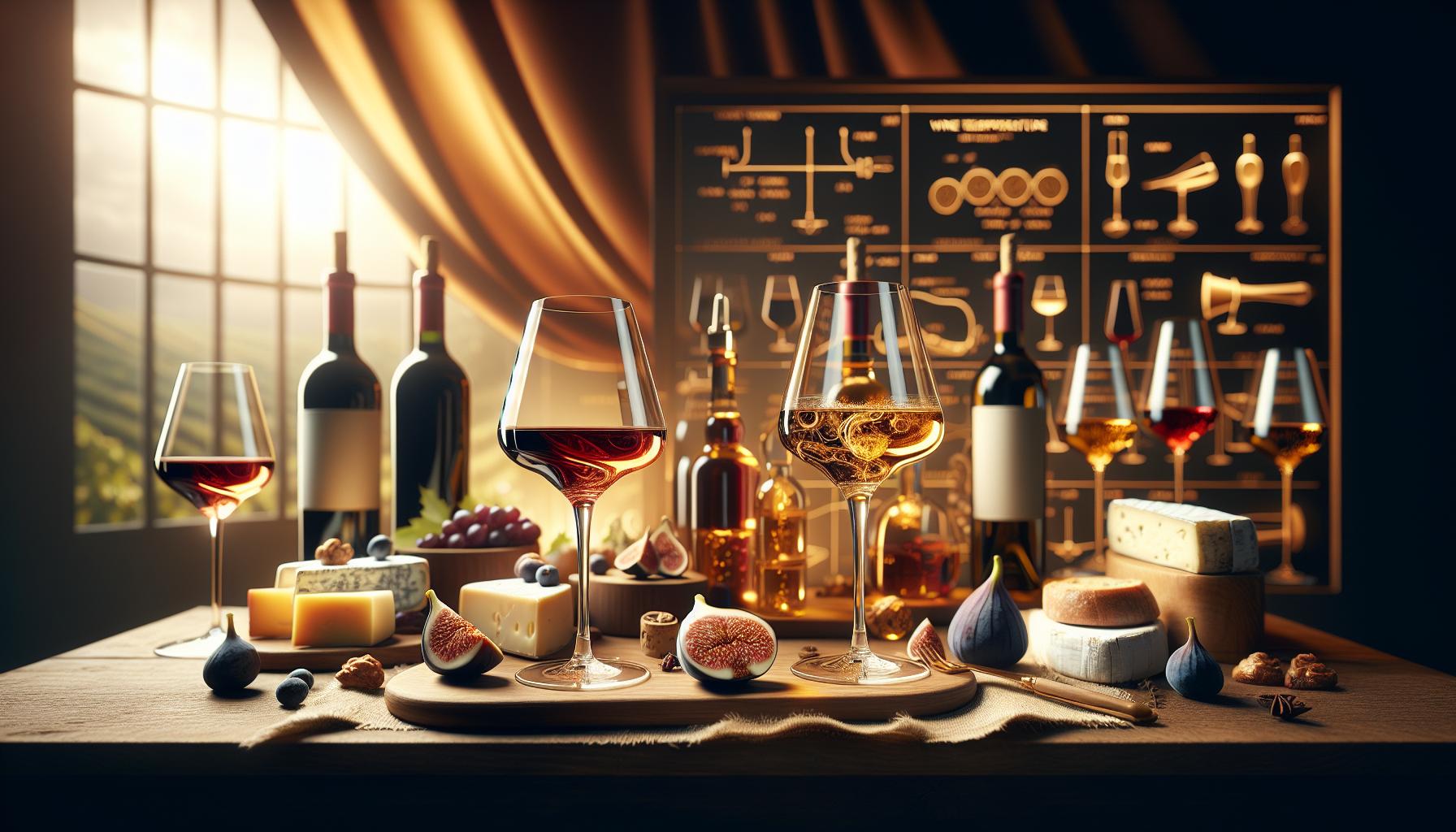
Understanding the Science Behind Wine Temperature
In the world of wine, temperature is not merely a number; it’s a door to experience, unlocking the hidden nuances of each bottle. The science behind wine temperature is deeply intertwined with the chemistry of its components. As wine sits in a bottle, it undergoes a gradual transformation influenced by its environment-especially temperature. Storage temperatures that fall within the ideal range of 50°F to 55°F (10°C to 13°C) provide the perfect conditions for wine to mature gracefully, allowing delicate compounds such as esters, tannins, and acids to interact harmoniously. This careful orchestration creates the symphony of flavors that can be savored later, transforming a simple sip into a profound exploration of senses.
As we delve into the temperature-specific needs of different varietals, we see the distinction in the gentle treatment required for white and red wines. For white wines, cooler temperatures between 45°F and 50°F (7°C to 10°C) preserve their bright acidity and vibrancy, allowing fruity notes and crispness to shine. Picture a chilled glass of Chardonnay; its citrus notes are heightened and refreshing, inviting you to take another sip. Conversely, red wines are best enjoyed at slightly warmer temperatures, a range of 55°F to 65°F (13°C to 18°C). Here, the warmth coaxes out complex flavors, softening tannins and releasing the wine’s full aromatic profile. Imagine savoring a full-bodied Merlot, where every taste reveals layers of dark fruit and hints of spice, emerging gracefully as it warms in your glass.
Moreover, understanding the science of wine temperature extends beyond the mere digits on a thermostat. It’s essential to maintain consistency to protect the integrity of the wine. Temperature fluctuations can disrupt the delicate aging process, akin to jolting awake from a dream. A stable environment fosters an uninterrupted evolution, nurturing the wine’s journey from vineyard to the table. This journey is worthy of patience and respect-each bottle tells a story, and your careful attention to temperature is the guardian of that narrative. In this light, thoughtfully choosing your wine fridge settings becomes an art form, enhancing your experience and appreciation of each bottle’s unique tale.
Ultimately, wine is more than a beverage; it is a sensory experience rooted in tradition and complexity. By understanding and honoring the science behind wine temperature, you become an integral part of the story, actively engaging with each sip, celebrating the magic that happens when wine reaches its ideal state of bliss.
Factors Influencing Wine Storage Temperature
Wine is a living entity, a blend of nature and nurture, and its storage environment plays a crucial role in its evolution. The extend beyond mere numbers on a dial; they encompass the very essence of wine’s character, determining how flavors develop and mature over time. As you embark on your wine journey, understanding these factors will help ensure that each bottle reaches its fullest potential, offering an experience that delights the senses and tells a story.
One of the most significant influences on wine storage temperature is the inherent characteristics of the wine itself. Different varietals have specific temperature requirements that can dramatically affect their flavor profile. For instance, white wines benefit from cooler conditions as this enhances their crispness and vibrant acidity. In contrast, red wines thrive when exposed to slightly warmer temperatures, allowing their complex aromas to fully express themselves. Thus, being attuned to the individual needs of each varietal is essential when determining how to set your wine fridge.
The design and efficiency of your wine storage unit also play a pivotal role. Not all wine fridges are created equal; some maintain a consistent climate better than others. Features such as dual-zone temperature controls can offer the flexibility necessary for storing diverse collections, separating reds from whites while ensuring optimal conditions for both. Additionally, the placement of your wine fridge can lead to variations in temperature; for example, units situated near heat sources or in direct sunlight may struggle to maintain stable conditions.
Lastly, don’t overlook the impact of humidity on your wine’s storage condition. While temperature is often touted as the primary focus, humidity levels in conjunction with temperature can substantially affect your wine’s cork integrity and, consequently, its overall quality. Too little humidity can lead to corks drying out and allowing oxidation, while excessive humidity can foster mold growth. Thus, aiming for a relative humidity between 50% and 70% is crucial in creating the perfect harmony for your wines, safeguarding those precious moments ready to be unveiled at your next gathering.
In mastering the myriad factors influencing the storage temperature of wine, you embrace not just the science, but also the passion behind the art of wine enjoyment. Each bottle is a reflection of time and care, waiting patiently for the right moment to be unveiled-your attention to these nuances ensures that it will make an unforgettable impact when the time finally comes to share it with the world.
The Perfect Temperature for Different Wine Varietals
Understanding the specific temperature needs of various wine varietals is not just an exercise in precision; it is a pathway to unlocking their latent qualities and nuances. Each bottle possesses unique characteristics shaped by its origin, grape variety, and the intricate process of winemaking. When stored at the right temperature, wines can offer a symphony of flavors, aromas, and textures, inviting the enthusiast to experience their full potential.
For red wines, a general consensus suggests optimal storage temperatures between 55°F and 65°F (13°C to 18°C). This range allows the complex aromas and tannins to mature gracefully. Lighter reds like Pinot Noir thrive at the cooler end of this spectrum, enhancing their fruity notes and vibrant acidity, while richer varietals, such as Cabernet Sauvignon, benefit from slightly warmer conditions to encourage the development of deeper, more robust flavors. Imagine sipping a glass of dark, brooding Malbec that has been lovingly kept just right; the flavors of black cherry and plum unfold on the palate like a well-woven tapestry.
In contrast, white wines prefer a cooler climate, ideally stored between 45°F and 55°F (7°C to 13°C). This temperature helps preserve their crispness, acidity, and bouquet. For instance, Chardonnays can shine when kept colder, as the chill accentuates their creamy texture and buttery notes, while aromatic whites such as Sauvignon Blanc and Riesling may reveal their zesty and floral profiles more vibrantly at slightly warmer temperatures within this range. The refreshing crispness of a well-chilled Sauvignon Blanc on a warm summer afternoon exemplifies the delightful harmony between wine and its environment.
It is essential also to consider sparkling wines, which demand even cooler temperatures, generally between 40°F and 50°F (4°C to 10°C). Champagne or Prosecco served too warm can lose their effervescence, transforming bubbly joy into a flat experience. Picture the exhilarating first sip of a well-chilled Rosé Champagne-the tiny bubbles dance, and the light fruitiness bursts forth, perfectly paired with a leisurely brunch or celebratory toast.
By tailoring your wine fridge settings to accommodate these diverse varietal needs, you invite each bottle to express itself more freely, enriching your enjoyment and appreciation of wine in all its splendid forms. Experimentation within these guidelines offers a delightful journey through taste and aroma, enhancing both solitary moments and shared experiences with friends and loved ones. A well-cared-for wine collection is not merely an assortment of bottles but a curated narrative of global terroirs and personal memories, each revelation waiting to be savored at just the right moment.
How to Set Your Wine Fridge Correctly
The optimal temperature setting for your wine fridge can make all the difference in how your wines express themselves when it’s time to indulge. Establishing the right conditions is like crafting a fine piece of art where every brush stroke-every degree-matters. Begin by adjusting your wine fridge to the ideal range based on the varietals in your collection, fostering an environment where each bottle can tell its story in full bloom. For more general guidelines, consider this: red wines thrive between 55°F and 65°F (13°C to 18°C); white wines prefer a cooler embrace at 45°F to 55°F (7°C to 13°C); while sparkling wines flourish in the chilly confines of 40°F to 50°F (4°C to 10°C).
As you dive into this nuanced world of temperature control, take note of these essential considerations for setting your wine fridge correctly:
1. Utilize Adjustable Shelving
Wine fridges often feature adjustable racks to allow for various bottle sizes. Ensuring there’s ample airflow around each bottle can help maintain consistent temperatures. Store thicker bottles, like Champagnes, upright to save horizontal space for your standard wines.
2. Calibrate Your Thermostat
Don’t take your fridge’s displayed temperature at face value-invest in a reliable thermometer to gauge the internal temperature accurately. Many factors can influence the reading, such as how full the fridge is or the frequency of door openings. Real-time adjustments may be necessary to reach the desired conditions, especially after restocking or during seasonal changes.
3. Regularly Monitor for Temperature Stability
Sudden temperature fluctuations can induce a shock to your wines, potentially damaging their delicate profiles over time. Make it a habit to check the fridge temperature regularly and ensure it stabilizes consistently within your chosen range.
4. Mind the Location
The placement of your wine fridge is another critical factor. Avoid areas near heat sources such as ovens, direct sunlight, or drafts from windows. Opt for a cool, dark corner of the room that can help your wine fridge do its job efficiently without external variables.
By adhering to these guidelines, you create a sanctuary for your fine wines, safeguarding them against the elements that might compromise their integrity and character. The temperature and conditions you choose not only protect your investments but also elevate your wine-drinking experience. Each bottle, when treated with care, becomes a magic vessel-ready to envelop you in its flavors and stories, allowing you to savor life one sip at a time. Maintain this harmony in your wine fridge, and let your collection flourish, ready for any occasion that calls for the celebration of life’s pleasures.
Common Mistakes in Wine Refrigerator Settings
When it comes to creating the perfect haven for your wine, even the smallest misstep in refrigerator settings can lead to irreparable consequences for your collection. One of the biggest pitfalls occurs when wine enthusiasts overlook the importance of temperature stability. An ideal wine fridge should maintain a consistent temperature, ideally between 50°F and 58°F (10°C to 14°C) for reds and 45°F to 50°F (7°C to 10°C) for whites. Frequent fluctuations, often caused by overfilling the fridge or placing it in direct sunlight, can stress the wine, leading to a dulling of flavor profiles that no sommelier can resurrect.
Another common mistake surfaces when wine drinkers naively trust their fridge’s built-in thermometer. Many units come with inaccurate displays that misrepresent the true internal temperature. Investing in a quality thermometer is paramount for discerning enthusiasts wanting to protect their investments. Keep in mind that opening the door too often or for extended periods can create significant temperature swings, which is especially detrimental to wines that require longer aging.
Also, don’t underestimate the power of bottle orientation in your wine fridge. A frequent error is storing all bottles upright. While it may look aesthetically pleasing, horizontal storage of corked wines is essential to keep the cork moist, preventing it from drying out and allowing air to seep in. This simple adjustment can save your cherished bottles from oxidation, which transforms vibrant, complex reds into flat, muted concoctions.
Lastly, ensuring proper airflow within your wine fridge is crucial. Overloading the space might seem practical, but it can lead to pockets of stagnant air, causing inconsistencies in temperature and humidity levels. Aim for an organized approach, grouping varietals and allowing space for air circulation around each bottle. Embracing these practices is not only an investment in preservation but also in the sensory journey that wine offers-every sip a reminder of the meticulous care taken to enjoy it at its best.
The Importance of Humidity in Wine Storage
Maintaining the right humidity is a silent yet essential aspect of wine storage that can significantly impact the quality of your cherished bottles. Ideally, the humidity level in your wine fridge should hover around 50% to 70%. This range plays a crucial role in preserving the cork’s integrity, which is fundamental to protecting the wine inside. A cork that remains moist ensures a tight seal, preventing oxygen from infiltrating and spoiling the wine, allowing it to age gracefully.
When humidity is too low, corks can dry out and shrink, opening the door to oxidation-a fate every wine lover dreads. This not only alters the wine’s flavor profile but can also lead to irreversible damage. Conversely, excessive humidity can encourage mold growth and compromise labels, which might make your collection less desirable if you ever choose to share your treasures with others.
To achieve the ideal humidity, consider integrating a small humidifier in your wine fridge if you live in an arid climate, or use moisture-absorbing packets if the area tends to be too humid. For those who prefer a high-tech solution, some wine fridges come equipped with humidity sensors and controls, allowing you to monitor conditions easily. Remember, just as you wouldn’t leave your prized wine unattended in a loud, bustling room, ensuring its environment is nurtured and stable is integral to honoring each bottle’s journey from vineyard to glass.
Ultimately, understanding and controlling humidity is akin to mastering the art of winemaking itself. It invites you to embrace the delicate balance between nature and nurture, cultivating a relationship with your wine collection that transforms mere storage into a thoughtful, protective embrace. Each time you reach for a bottle, you’re not just accessing a beverage; you’re opening a carefully preserved moment in time that deserves all the care and respect you can provide.
Temperature Fluctuations and Their Impact on Wine
There’s a compelling narrative woven into every bottle of wine, and the temperature at which it is stored plays a pivotal role in shaping that story. Temperature fluctuations can have a profound impact, acting almost like an invisible hand that can either gently guide the wine towards its peak potential or unwittingly lead it astray. When subjected to inconsistent temperatures, wine can experience a rollercoaster ride that can lead to irreversible damage. As custodians of these treasured liquids, it’s essential to understand the nuances of how temperature affects their development.
When temperature changes occur, they don’t just affect the wine’s immediate state; they influence the chemical reactions within the bottle. For instance, excessive heat can accelerate the aging process, leading to the premature decline of flavors, while chilling a wine too much can mute its bouquet, stifling the vibrant essences of fruit and oak. Ideal storage conditions typically hover around 55°F (13°C), but maintaining that environment consistently is where the true challenge lies. Each fluctuation can trigger a wave of expansion and contraction within the liquid and cork, potentially compromising the seal and inviting the air in-a phenomenon known as oxidation.
Let’s explore some practical scenarios: picture a wine fridge that fluctuates wildly due to a malfunction. Wines that were basking in optimal conditions suddenly find themselves exposed to scorching temperatures, rising above 70°F (21°C), alarmingly fast. In such instances, delicate varietals like Pinot Noir may prematurely resolve their tannins, transitioning from a robust wine into something resembling a flat, tired shadow of its former self. Conversely, if the temperature dips too low, perhaps below 45°F (7°C), it could lead to a distortion in flavor profiles, leaving a once-celebrated Cabernet Sauvignon feeling subdued and lackluster.
In everyday storage, the very act of opening and closing the fridge introduces further temperature variability. A wise strategy is to minimize door openings, preserve the climate inside, and ensure your wine has the peaceful environment it deserves. For those with a passion for their collection, investing in a wine fridge equipped with consistent temperature management can be a game-changer. These clever devices often utilize thermoelectric technology or compressor-based systems designed specifically with the nuances of wine storage in mind.
Understanding the intricacies of temperature fluctuation is not merely technical; it’s an intimate form of stewardship over your wine. It necessitates a commitment to honoring the wine’s journey-from vineyard to glass-acknowledging that every sip represents a delicate balance influenced significantly by its surroundings. As you tend to your collection, reflect on the sensory journey your bottles will take and the experiences they will cultivate during their time in your care. Each bottle is an invitation to a story, waiting patiently for the perfect moment to be shared.
How Long Can Wine Be Stored in a Wine Fridge?
It’s a common misconception that wine can be stored indefinitely, as if it were a fine piece of art simply waiting to unveil its masterpiece. In reality, while wine can benefit from aging, especially certain red varietals, how long it lasts in a wine fridge significantly depends on various factors, including the type of wine, storage conditions, and how well the bottle is sealed. Most wines are best consumed within a few years of purchase, although some special bottles may thrive for decades under optimal conditions.
Understanding Aging Potential
Generally speaking, everyday wines, like many whites and lighter reds, can be stored for 1 to 3 years in a wine fridge before their freshness begins to wane. On the other hand, more robust red wines and certain noble whites, such as select Bordeaux or Rieslings, can often be enjoyed after 5 to even 20 years if stored correctly. The exact timeline, however, hinges on the varietal characteristics, vintage quality, and how well they react to aging. It’s important to remember that wines will continue to evolve and change in flavor over time, which can enhance or detract from their qualities, depending on individual taste preferences.
Storage Conditions Matter
The environment within your wine fridge plays a pivotal role in preservation. Maintaining a consistent temperature-ideally around 55°F (13°C)-combined with proper humidity and minimized vibrations, allows wine to mature gracefully. If your fridge is well-calibrated to avoid dramatic temperature swings, it can extend the longevity of your wine, making it suitable for longer-term storage. Regular checks on the seals and conditions will also help in preserving the integrity of the wine, ensuring it doesn’t succumb to oxidation or spoilage.
Practical Tips for Prolonging Wine Life
- Labeling and Organizing: Keep track of your bottles by jotting down purchase dates and tasting notes. Organizing by varietal and intended drinking window can help you make informed choices when it’s time to uncork.
- Watch for Sediment: Over time, older wines may develop sediment, which can be a signal of aging. This is especially true for reds. If you’re storing something you plan to keep for a while, be prepared to decant or carefully pour to avoid this residue.
- Avoid the “Fizzle”: Sparkling wines generally have a shorter lifespan and should ideally be consumed within 1 to 3 years as well. These wines are best enjoyed fresh to appreciate their effervescence.
Ultimately, becoming attuned to how different wines evolve in flavor and aroma over time can deepen your appreciation of them. Each bottle not only harbors its own story but also reflects the artistry of the winemaker and the terroir from which it hails. By knowing how long you can store your wines and understanding the delicate balance involved, you can ensure that each sip will be a celebration of the journey from vineyard to glass.
Best Practices for Organizing Your Wine Fridge
When it comes to curating your personal wine cellar within a fridge, organization is key to ensuring not only preservation but also easy access and enjoyment. Just as you wouldn’t toss ingredients haphazardly into your kitchen pantry, treating your wine fridge with a thoughtful approach can elevate your wine experience. First off, consider the temperature zones within your appliance. Keeping reds slightly warmer and whites and sparkling wines cooler maximizes their flavors and aromas. Designate separate shelves for different varietals, allowing each bottle to thrive in its ideal microclimate.
Labeling for Clarity
Creating a labeling system can enhance your retrieval process significantly. Use small, waterproof labels to jot down the purchase date and tasting notes for each bottle. Consider color-coding your wines based on type-red, white, and sparkling-with different stickers. This way, when planning a dinner or a casual evening, you won’t rummage through, risking temperature fluctuations. Instead, you’ll know precisely where to reach.
Organizing by Occasion
Another effective strategy is to organize your fridge by occasion or intended drinking window. For instance, group together wines you plan to enjoy soon, perhaps those that are best consumed within a year. Meanwhile, set aside bottles meant for long-term aging in another section, allowing them to rest undisturbed. Some may even find it useful to maintain a “Ready to Drink” section for celebrated events, ensuring that they are always prepared for impromptu gatherings.
Moreover, keep an eye out for sediment in your older bottles-this is especially prevalent in reds. When organizing, position these older wines upright so that the sediment settles at the bottom, making decanting easier. Incorporating a bit of mindfulness into your wine organization fosters a deeper connection to each bottle and its unique story, from the vineyard’s careful sourcing to the artistry of winemaking.
As you assemble your wine fridge, remember that every bottle pleads for a counterpart, a meal, or a cherished moment to be shared. Let this serve as an inspiring journey rather than just a chore, enriching not only your palate but also your social interactions around this timeless beverage.
Choosing the Right Wine Fridge for Your Needs
Selecting the perfect wine fridge is akin to finding a comfortable home for your most cherished bottles, a sanctuary where they can rest and mature gracefully. As you embark on this selection journey, think of your wine fridge not merely as an appliance, but as an integral part of your wine appreciation experience. This space can significantly impact the flavors and aromas that develop over time, akin to how the right soil and climate nurture vineyard grapes. With that in mind, let us explore key considerations that will guide you to the ideal choice for your needs.
Size and Capacity
Before diving into technical specifications, evaluate the volume of wine you plan to store. Wine fridges come in various sizes-some may hold a modest selection of a dozen bottles, while others can accommodate an impressive collection of several hundred. Begin by estimating how many bottles you currently have and consider your acquisition habits. Is your collection destined to grow over the years? Opt for a fridge that affords some extra capacity, allowing you the pleasure of spontaneous discoveries without the constraints of tight space.
Temperature Zones
Temperature consistency is paramount for preserving wine quality, and this is where dual-zone wine fridges shine. These specialized units allow you to store red and white wines at their ideal serving temperatures concurrently. Reds often flourish at around 55°F, while whites perform best at roughly 45°F. The versatility of a dual-zone fridge not only enhances your wine experience but also simplifies your serving process for informal gatherings or intimate dinners, adding a layer of convenience to your enjoyment.
Cooling Technology
Consider the cooling mechanism of your chosen model. Compressor-based systems offer robust performance and reliability at maintaining the ideal temperature, but can be noisier. Conversely, thermoelectric units operate silently and feature fewer moving parts, reducing vibration-a vital factor since even small vibrations can disturb sediments in your wine. Ultimately, your decision may hinge on your living conditions; if you require a more subdued operation, thermoelectric models might be your preference.
Design and Aesthetics
Last but certainly not least, recognize the design and aesthetics of your wine fridge. An eye-catching fridge not only serves as a functional piece but also a centerpiece in your home. Choose materials and finishes that complement your decor-whether chic stainless steel, wood accents, or sleek tempered glass-each choice can elevate the ambiance of your space.
In a world where the choices can feel overwhelming, remember that the right wine fridge is one that reflects not just your practical storage needs but also resonates with your unique appreciation for wine. By blending function with beauty, you’ll create a true oasis for your collection-a place where each bottle can tell its story in the comfort of its own cozy nook.
Enhancing Your Wine Experience Through Proper Storage
In the realm of wine appreciation, the importance of proper storage cannot be overstated. Imagine uncorking a bottle of carefully aged Cabernet Sauvignon, only to discover that its once-vibrant flavors have faded into a muted memory due to careless storage conditions. The right environment not only preserves the original character of the wine but also enhances its potential for development over time. When artfully managed, your wine collection can evolve gracefully, reflecting the intimate journey of each varietal and the region from which it hails.
Humidity plays a crucial role in maintaining the integrity of your wine. An ideal humidity level of around 60-70% is essential for preventing corks from drying out and allowing oxygen to infiltrate the bottle. Too much humidity can be just as detrimental, fostering mold and causing labels to peel, diminishing the visual appeal of your collection. Regularly monitoring humidity will ensure that your bottles remain sealed tightly, safeguarding the wine within. Investing in a hygrometer can be an excellent decision; this simple device serves as an ally in your quest for the perfect cellar conditions.
Temperature stability is another pillar of wine preservation. Fluctuating temperatures can cause the cork to expand and contract, leading to oxidation or spoilage. Aim for a consistent temperature range of 45°F to 65°F. Reds typically thrive at around 55°F, while whites and sparkling wines prefer a cooler 45°F. This balance not only nurtures the unique profiles of each varietal but also enhances the fragrance and essence that wine lovers cherish. Remember, though, that patience is a virtue in wine storage; even the noblest of wines require time to reveal their true potential.
Finally, the organization of your wine fridge matters more than you might think. Arrange bottles by varietal, region, or even occasions, ensuring easy access for spontaneous gatherings or planned dinners. Creating a visual and logistical harmony within your fridge not only honors your collection but makes every uncorking an anticipated ritual. Consider labeling shelves or using a dedicated inventory app to record vintages, tasting notes, or personal reflections. This attention to detail not only enhances your enjoyment of each bottle but deepens your relationship with the exquisite dance of flavors, aromas, and memories that wine so beautifully evokes.
Ultimately, the potential of your wine lies within the gentle embrace of proper storage. Nurtured by the right conditions and thoughtful organization, your collection will flourish, transforming each bottle into a story waiting to be uncorked and shared.
FAQ
Q: What temperature should a wine fridge be set to for optimal storage?
A: A wine fridge should ideally be set between 45°F and 65°F (7°C to 18°C), depending on the type of wine. Red wines are best stored at the higher end, around 55°F (13°C), while whites and sparkling wines prefer cooler temperatures near 45°F (7°C) to maintain their crispness.
Q: Why is it important to store wine at a consistent temperature?
A: Consistent temperature helps preserve the wine’s flavor and aromas, preventing premature aging caused by fluctuations. A stable environment protects the wine cork from drying out or becoming too moist, ensuring the wine remains sealed properly, which is crucial for optimal aging.
Q: How does humidity affect wine storage temperature?
A: While temperature is critical, humidity levels (ideally around 50-70%) also play a role in wine storage. High humidity prevents the cork from drying and allows for better sealing, while low humidity can dry out the cork, risking oxidation. Balancing both is essential for wine longevity.
Q: Can I store opened wine in a wine fridge?
A: Yes, storing opened wine in a wine fridge is advisable, as it helps maintain the ideal temperature and slows down oxidation. Use a vacuum stopper or seal to minimize air exposure, enhancing the wine’s freshness for up to several days after opening.
Q: What type of wine fridge is best for long-term storage?
A: A dual-zone wine fridge is ideal for long-term storage, allowing you to separate red and white wines at their preferred temperatures. Look for models with consistent temperature control, UV protection, and adjustable humidity settings to ensure optimal conditions.
Q: Should I be concerned about vibrations affecting wine storage?
A: Yes, vibrations can disturb sediments in wine, negatively impacting its taste and quality. Choose a wine fridge that operates quietly and has a solid construction to minimize vibrations, ensuring your wine matures gracefully.
Q: How do I know if my wine fridge is cooling properly?
A: Regularly check the internal temperature with a thermometer to ensure it falls within the ideal range. Additionally, inspect the fridge for any unusual noises or signs of condensation, which could indicate cooling issues needing immediate attention.
Q: What are some common mistakes in wine fridge storage?
A: Common mistakes include overcrowding the fridge, neglecting to maintain proper humidity, and keeping the wine in direct light or near strong odors. Ensure optimal airflow and avoid frequent temperature changes to preserve wine quality.
Feel free to explore further into the storage aspects of your beloved wines and enhance your appreciation of their intricate world!
The Way Forward
As you embark on your journey to wine storage perfection, remember that the right temperature not only preserves your collection but enhances every sip you take. From the crisp notes of a chilled Sauvignon Blanc to the velvety richness of a perfectly aged Cabernet, understanding your wine’s needs is paramount. If you’re eager to dive deeper, explore our guides on “The Best Wine Fridge for Your Collection” and “Maximizing Flavor: Aging Wine Like a Pro.”
Don’t let your wine languish in uncertainty; act now to optimize its storage. Sign up for our newsletter so you won’t miss tips on the nuances of wine pairing and storage tips that will elevate your experience even further. Have questions or insights? Join the conversation in the comments below-your insights could spark the next great wine story! Remember, the joy of wine is best when shared, so don’t hesitate to spread the word. Cheers to your newfound expertise!


