


Imagine sipping your favorite vintage from a glass that is not only stunning but uniquely yours. Painting wine glasses offers a delightful blend of creativity and practicality, transforming unadorned glassware into personalized treasures for your next gathering or as thoughtful gifts. In this guide, we’ll explore techniques that allow your imagination to flow freely while ensuring that your artistic expressions remain both beautiful and functional.
Whether you’re preparing for a special occasion or simply looking to elevate your home entertaining experience, learning to paint wine glasses can breathe new life into your collection. Each brushstroke not only reflects your personality but also encapsulates stories worth sharing as you toast to good company. Dive into this creative DIY journey and discover how to elevate your wine-drinking experience with beautiful, handcrafted creations that spark joy and invite engagement.
Choosing the Right Paint for Glass Projects
can transform a simple wine glass into a stunning centerpiece that reflects your unique style. With the diverse range of paints available, selecting one that adheres effectively to glass surfaces while providing vibrant color and lasting durability is essential. Glass paint is specifically designed to bond with the non-porous nature of glass. This type of paint typically comes in two forms: transparent and opaque. Transparent paint allows the underlying glass color to show through, ideal for delicate designs, while opaque paint provides a more striking contrast against clear glass, perfect for bolder patterns.
When embarking on your glass painting journey, consider the intended use of your finished piece. For decorative items, you might choose a non-toxic, water-based glass paint that is easy to clean up and safe for occasional use. If your creation is destined for frequent use or exposure to the dishwasher, look for acrylic enamel paints that can withstand washing and handling without chipping or fading. Many modern glass paints require baking in the oven to achieve full durability, so ensure you check the manufacturer’s instructions for optimal results.
Moreover, using paint markers or pens can provide excellent precision for intricate designs, particularly for outlining or adding details. These tools come in various colors and finishes, giving you a versatile approach to your artistry. If you’re interested in adding texture, try products like sandblasting paste or sticker stencils, which can create depth and visual interest. Ultimately, experimenting with different types of paint and techniques will help you discover what works best for your personal aesthetic and project goals. Embrace the journey of creativity; the right paint is not just a medium, but a gateway to expressing your passion for wine and art alike.
Essential Tools for Painting Wine Glasses
When diving into the enchanting world of painting wine glasses, the tools you choose can greatly influence the quality and enjoyment of your artistic expression. It’s like selecting the right wine glass to savor a fine Merlot; the right tools elevate the whole experience, transforming a simple project into a masterpiece. To help you navigate this creative venture, I’ve compiled a list of essential tools that every aspiring glass painter should have on hand.
Must-Have Painting Supplies
- Glass Paint: Choose between transparent or opaque varieties based on your design vision. Transparent paints reveal the glass’s natural beauty, while opaque options provide a vibrant, striking contrast.
- Paint Markers & Pens: These are perfect for adding fine details and intricate designs. They offer precision that brushes might lack, allowing for delicate touches that bring your artwork to life.
- Brushes: A selection of various sizes and shapes-flat, round, and detail brushes-will allow you to achieve different textures and effects. Natural hair brushes often provide a smoother finish compared to synthetic ones.
- Pallette or Mixing Tray: Use this for mixing colors to create your custom shades. It’s also handy for keeping overlapping, wet paint organized while you work.
Additional Creative Tools
- Stencils: For those who desire patterns without freehanding, stencils can add a professional touch effortlessly. They also help maintain a consistent design across multiple glasses.
- Sandblasting Kit: For advanced artists, considering adding texture or etchings can take your designs to new heights. Sandblasting creates stunning depth and sophistication in your glassware.
- Protective Gear: Don’t forget gloves and a face mask if using any chemicals or sprays. Safety should never be compromised, even in the name of art.
Crafting beautifully painted wine glasses is more than just a hobby; it’s a journey into creativity that can enhance any gathering. With the right tools, you’ll not only enjoy the process but also produce stunning pieces that reflect your personality and style. As you gather your supplies, remember to take your time, enjoy the little details, and don’t hesitate to experiment. Each brush stroke serves as a celebration of creativity, reminiscent of the fluidity and grace found in a perfectly poured glass of wine. Happy painting!
Step-by-Step Instructions for Perfectly Painted Glasses
To embark on the delightful journey of painting wine glasses, mastering a series of straightforward, well-defined steps can open up boundless avenues for creative expression. Imagine each glass as a blank canvas, ready to tell its own unique story through your artistry. The process can be as enjoyable as savoring a well-aged cabernet-full of flavor and bursting with surprises.
Prepare Your Workspace
Start by ensuring you have a clean, well-lit workspace. Lay down some newspaper or a plastic sheet to catch any spills. Arrange all your supplies within easy reach, including your chosen glass paint, brushes, paint markers, and stencils. Taking the time to prepare your workspace not only enhances your creativity but also keeps your mind focused on the art.
Clean and Prim the Glass
Before you unleash your creative spirit, it’s essential to clean the wine glasses thoroughly. Use a mixture of warm water and mild soap to remove any fingerprints or residues that could interfere with paint adhesion. After washing, rinse them with clean water and let them dry completely. For an extra measure of adhesion, you can wipe the surface with rubbing alcohol, ensuring a pristine canvas for your brilliant designs.
Sketch Your Design
Once your glasses are dry, take a moment to envision your design. If you’re feeling bold, freehand your patterns directly onto the glass. However, if you prefer precise lines, lightly sketch your design on the glass with a pencil. If using stencils, secure them in place using painter’s tape to avoid any unwanted slips. This initial step is akin to doing a tasting flight; it helps you refine what flavors-or in this case, designs-you truly want to express.
Apply Base Layers
Using a brush or a paint marker, start applying your base colors. It’s often best to begin with lighter colors first, allowing them to set before adding darker shades. Remember, patience is key; applying multiple thin layers of paint rather than one thick layer provides a smoother finish and adds depth to your design. As you work, let your creativity flow-consider adding textural elements or gradients that resemble the rich layers of a fine wine.
Detailing and Finishing Touches
After allowing your base layers to dry fully, it’s time for the fun part: adding details! Use smaller brushes or paint markers for intricate designs, outlines, and final touches. This is not only where your personality shines through but also where the glass transitions from simple to truly artful. After you’re satisfied with your masterpiece, let everything cure fully according to the paint manufacturer’s instructions; this step is crucial for the longevity of your work.
As you admire your finished pieces, consider how they can enhance your wine experiences. Each glass now carries a piece of your creativity, ready to make every gathering a little more special. Through this process, you’ve not only created stunning glassware but also fostered a deeper connection to the art that complements your love for wine. Enjoy the satisfaction of crafting beautiful, customized wine glasses that are sure to spark conversations over shared sips. Happy painting!
Creative Techniques to Elevate Your Wine Glass Art
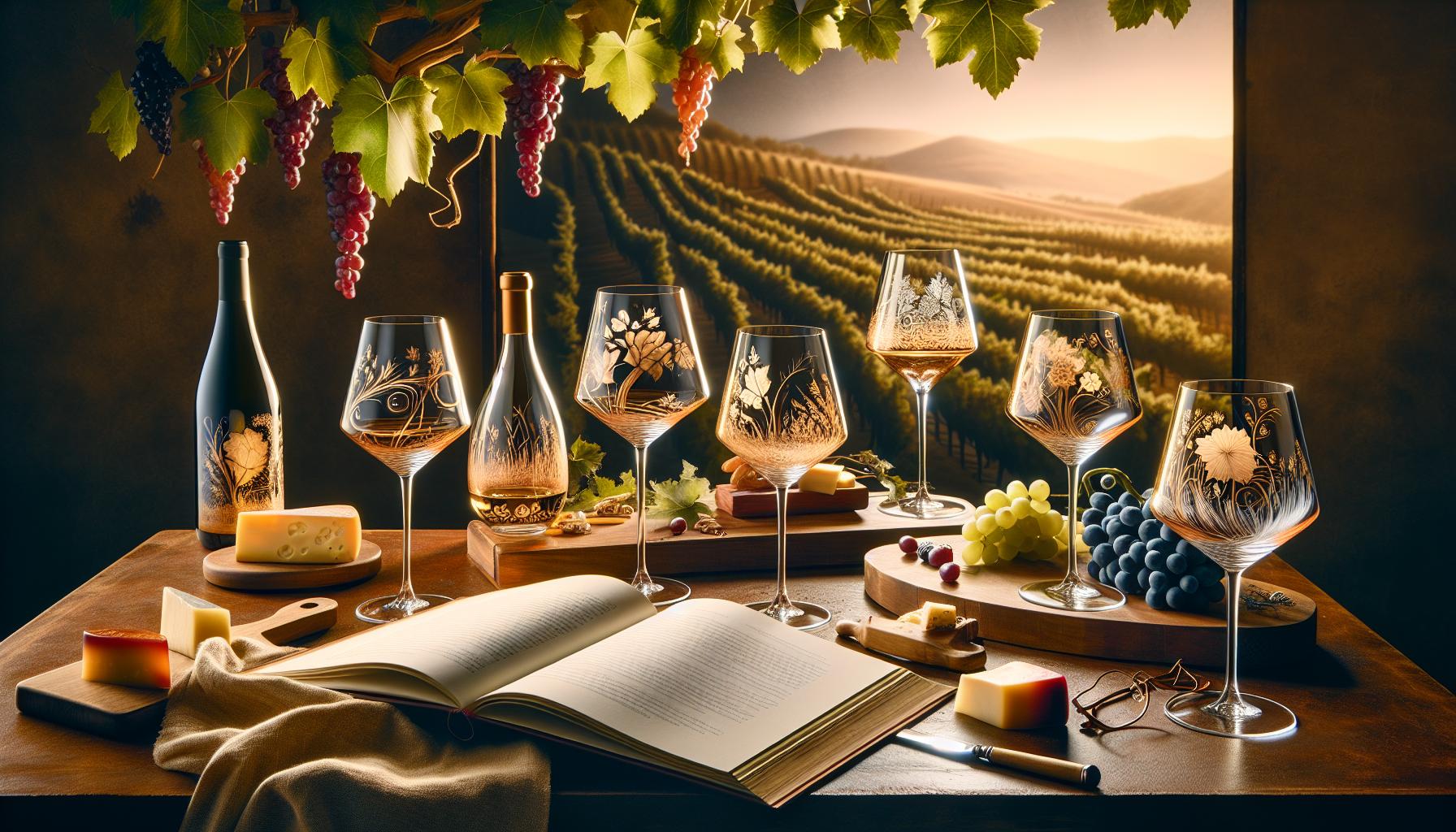
To breathe new life into your wine glass painting projects, consider various creative techniques that not only enhance the aesthetic appeal but also elevate the personal touch of each piece. The excitement of painting isn’t merely in the application of color but in the exploration of textures, layering methods, and unique design concepts that reflect individual style and expression. Think of your wine glasses as a blank palate where every stroke tells a story, transforming functional glassware into bespoke artwork.
One captivating method is the sponge technique, where you use a sponge to apply paint for a soft, textured effect. This creates an organic look reminiscent of the hues found in nature-ideal for floral or landscape patterns. Simply dab the sponge into paint and gently press it onto the glass. Layering different colors can achieve a stunning gradation that mimics the swirling nuances of a fine wine in a glass.
For a touch of sophistication, gold or silver leaf accents can instantly elevate your designs. After your base colors are dry, apply adhesive sizing in the areas where you wish to enhance your glass. When this adhesive becomes tacky, gently apply pieces of gold or silver leaf, and later seal them with a clear coat to protect your opulent embellishments. This technique transforms a simple design into something that catches the light, drawing attention like a lingering aroma from an aged vintage.
Another intriguing approach is watercolor painting, which allows for a dreamy, ethereal quality in your designs. By diluting glass paint with a medium and applying it with a brush, you can create beautiful washes that blend seamlessly into one another. Consider encapsulating seasonal themes-pastel blooms for spring or deep reds and oranges for fall-with this technique. Remember, the key here is to embrace the fluidity; every stroke can evoke the spontaneity found in a winemaker’s craft.
Embrace stencils or tape to introduce clean lines and defined shapes, perfect for achieving geometric patterns or intricate designs. Using painter’s tape, create stripes or chevrons across the glass to impart a modern, chic vibe. After painting, carefully remove the tape to reveal crisp lines, harking back to the precision seen in premium wine cellars.
Lastly, don’t hesitate to experiment with mixed media, incorporating beads, ribbons, or even pressed flowers into your designs. These additives not only provide texture but also tell a multi-dimensional story about your personality and lifestyle. Each embellishment can reflect a memory connected to a particular wine or vineyard, making your glass not just a vessel for beverage but a cherished artifact of personal history.
Exploring these creative techniques can transform not only your finished products but also the very experience of crafting beautiful wine glasses. Each piece becomes a unique narrative, much like the stories shared over a glass of wine-with every sip, an invitation to reminisce, reflect, and inspire further creativity.
Incorporating Personal Style into Your Design
To transform a simple wine glass into a reflection of your personal style, it’s essential to think beyond conventional designs. Harnessing your creativity not only makes the glassware uniquely yours but also adds a special touch to your gatherings. Each stroke of paint is an opportunity to express individuality, imbuing the artwork with your personality and history, much like a fine wine encapsulates the terroir of its vineyard.
Begin by considering what inspires you. Are you drawn to vibrant colors reminiscent of your favorite varietals, or do you prefer the muted tones that echo a serene vineyard at sunset? Reflect on your personal experiences, whether it’s a summer spent grape-picking in Napa Valley or intimate dinners filled with laughter and clinking glasses. Use these moments as touchpoints; the colors and patterns can represent the themes that resonate with those memories. For example, if you love the ambiance of a rustic wine cellar, earthy tones with a textured finish can convey that warmth beautifully.
Creating a personal motif can enhance your glasses further. Think about incorporating elements that tell your story. For instance, you might choose to outline the shape of your favorite wine region or represent a grape varietal that holds significance to you. Moreover, layering various techniques-such as a watercolor wash complemented by stenciled patterns-can elegantly showcase both artistry and narrative depth.
As you embark on this DIY journey, embrace the art of experimentation. Don’t shy away from mixing mediums, such as incorporating twine or pressed flowers, which can evoke memories linked to specific occasions or people in your life. Each embellishment can serve as a talking point, sparking conversations with guests about the experiences that shape your journey through the world of wine. Ultimately, your painted wine glasses not only enhance your decor but also become cherished keepsakes of your life’s stories-one pour at a time.
Caring for Your Painted Wine Glasses
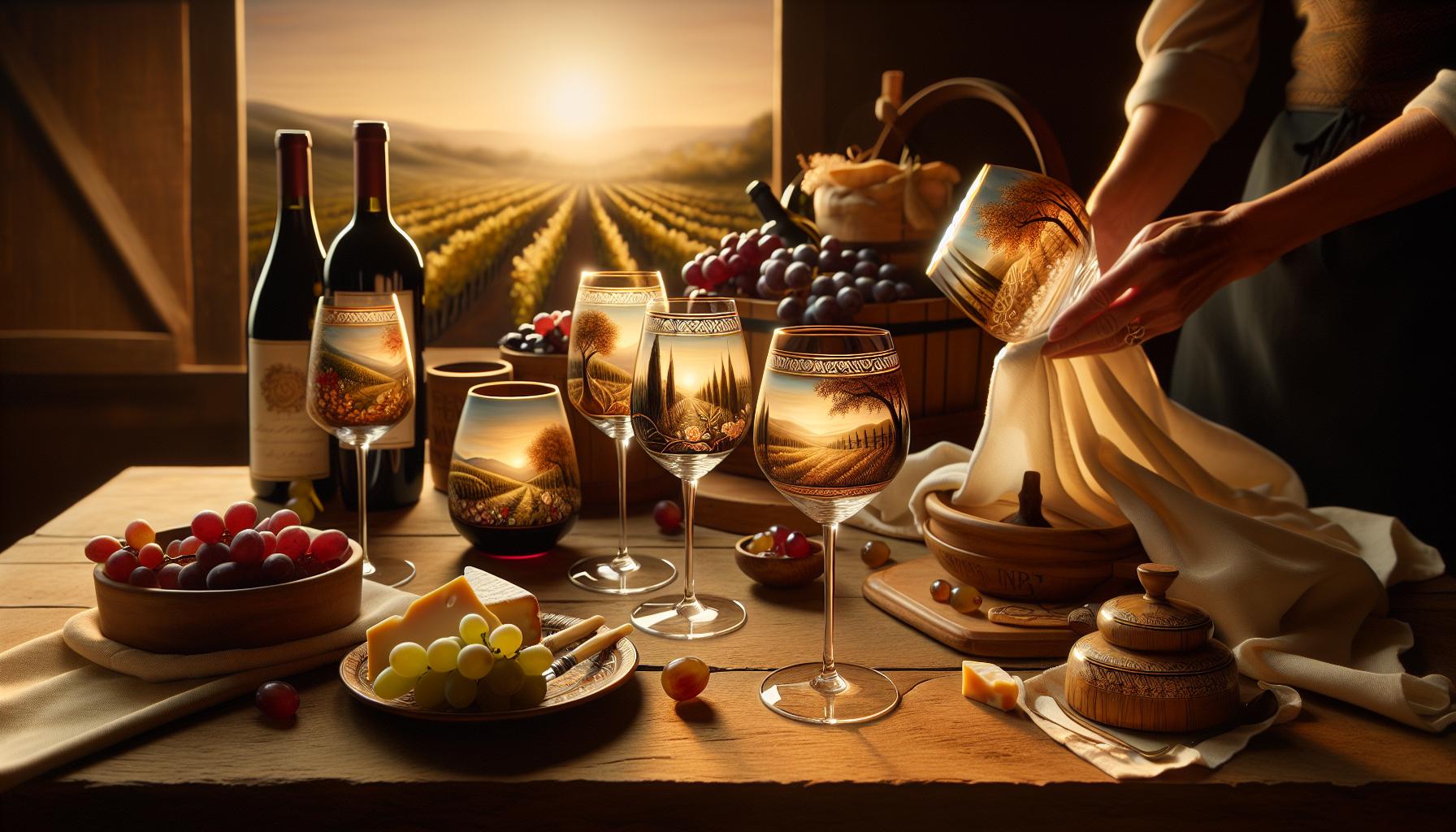
To preserve the beauty and vibrancy of your painted wine glasses, understanding the proper care techniques is essential. These creations, embodying your personal stories and artistic expressions, deserve to be treated with the utmost respect. A thoughtful approach to maintenance will not only extend the life of your artwork but also keep it as captivating as the day it was crafted.
First and foremost, always hand wash your painted glasses. Submerging them in a dishwasher may seem convenient, but the high heat and harsh detergents can dull or damage the intricate designs you painstakingly applied. Instead, opt for a gentle wash with mild soap and warm water, using a soft cloth or sponge to prevent scratching the surface. When drying, pat the glasses dry with a soft towel rather than rubbing to avoid any potential wear on your artwork.
For those who have used specific types of paint, such as acrylic or glass paints, it’s crucial to note the unique properties of each. Some paints are more resilient to temperature changes, while others may require curing or sealing to enhance durability. If your chosen paint is not dishwasher safe, consider applying a clear acrylic sealer for added protection, especially if your glasses are regularly used. This sealer creates a barrier against moisture and UV light, safeguarding your artistry.
Storage is another vital aspect of caring for your painted glassware. To avoid chipping or scratching, store your glasses upright in a secure space where they won’t collide with other items. Using individual felt bags or dividers can provide extra cushioning and preserve the integrity of your delicate designs. When entertaining, opt for coasters to prevent any potential marks or stains on the paint, celebrating both your creativity and the wine experience itself.
Embracing these caring practices will ensure that your painted wine glasses remain a cherished part of your gatherings, telling stories of creativity and joy for years to come. Treat each glass not just as a vessel for your favorite vintage but as a reflection of your artistic spirit, worthy of the same attention and love you pour into every craft and clink.
Unique Ideas for Seasonal and Themed Designs
The magic of painting wine glasses lies not only in the colors and techniques used but also in the themes you choose to explore. When seasonal changes roll around or celebrations beckon, the opportunity to create unique, themed designs for your wine glasses becomes a canvas for personal expression and creative storytelling. Imagine sipping a cabernet from a glass that encapsulates the essence of pumpkin spice in autumn, or clinking glasses decorated with snowflakes during your winter soirées.
For spring, think blooms and pastel colors. Design your glasses with delicate flowers like cherry blossoms or daffodils, utilizing soft pinks, blues, and yellows. For added flair, incorporate gold shimmer or metallic finishes to catch the light beautifully, mimicking the sun’s return after a long winter. As summer approaches, vibrant tropical motifs can create a festive atmosphere. Coconut palms, bright parrots, or citrus slices in sunny colors can invigorate your gatherings, evoking a vacation vibe right at your table.
When fall takes over, embrace earthy tones and rustic designs. Ornate leaves in hues of orange, red, and brown can harmonize effortlessly with your decor. Consider painting acorns or the silhouettes of bare trees to evoke a sense of nostalgia, reminiscent of cozy bonfire evenings. The holiday season then paves the way for a playful yet elegant approach; think glittery stars, snowflakes, or even tiny Christmas trees, intricately painted to evoke warmth and cheer. Utilizing rich greens, reds, and golds can transform your glasses into festive decor, making them an eye-catching element at holiday feasts.
Seasonal Inspiration Ideas
- Spring: Floral patterns, pastels, and soft watercolor effects.
- Summer: Tropicals, fruits, and bold colors.
- Autumn: Leaves, pumpkins, and warm earthy tones.
- Winter: Snowflakes, holiday themes, and sparkling embellishments.
Each season presents a chance to reflect not only the environment around you but also the experiences and memories that come with it. By tailoring your designs to the themes of the moment, you transform simple glassware into heartfelt keepsakes, inviting guests to connect not just with their wine but with the stories each design encapsulates. Embrace this creative journey as an opportunity not only to beautify your gatherings but also to impart warmth and intention into every sip.
Exploring the History of Decorative Glassware
From ornate chalices of the Renaissance to modern artisanal designs, the journey of decorative glassware reflects a rich tapestry of cultural evolution and artistic expression. Glass has captivated humanity since its earliest days, with its unique ability to both refract light and glisten like precious gems. In ancient Egypt, glassmaking was a closely guarded secret, creating intricate beads and vessels that signified prestige and wealth. Fast forward to the Venetian glassmakers of the Middle Ages, whose mastery of techniques led to the creation of exquisite pieces saturated with color and elegance, often adorned with elaborate designs.
As time progressed, the function of glass evolved alongside its aesthetic appeal, particularly within the realm of wine consumption. The introduction of stemware transformed the drinking experience, raising not only the appreciation of wine’s bouquet but also its presentation. Paint soon became a whimsical addition, allowing for personalization and celebration of occasions, transforming functional items into personalized art pieces. Decorative techniques, such as engraving and painting, began to flourish, with artisans adopting vibrant hues and intricate patterns that spoke to personal and cultural narratives.
Incorporating these historical insights into your own wine glass painting endeavor can enhance the experience, bridging traditional craftsmanship with contemporary creativity. When you choose to decorate a glass, think of the countless hands that have shaped and adorned similar pieces across centuries. Experiment with colors and designs that reflect not only seasonal themes but also your personal story-perhaps a cherished travel destination or a family tradition.
Ultimately, painting wine glasses is more than just a creative outlet; it connects you to a lineage of art and craftsmanship that spans cultures and epochs. Each stroke of paint is a tribute to this history, allowing you to contribute to the ongoing narrative of decorative glassware while creating evocative pieces that enhance your enjoyment of wine. By embracing this deep-rooted tradition, you not only beautify your gatherings but cultivate an appreciation for the artistry that enriches the simple pleasure of sharing a glass of wine.
How to Host a Wine Glass Painting Party
Gathering friends for a wine glass painting party is not just an excuse to sip your favorite vintage; it’s an opportunity to foster creativity and connection. Picture this: a group of friends surrounding a table adorned with an array of paints, brushes, and sparkling clear glassware, each person encouraged to express their personality through art while indulging in delightful conversation and wine. To ensure your event is seamless and memorable, you can take a few thoughtful steps that transform a simple gathering into a vibrant celebration of artistry and camaraderie.
Start by curating a selection of materials tailored to all skill levels. Be sure to include the essential supplies such as glass paints (non-toxic and for permanent results), paintbrushes in various sizes, painter’s tape for clean lines, and stencils for those who wish to maintain symmetry. Providing different sizes of wine glasses allows for varied approaches; larger glasses can entice more elaborate designs, while smaller ones might suit beginner artists. As for the ambiance, set the scene with soft lighting and an uplifting playlist that encourages a relaxed, social atmosphere. You might even inspire your guests with a small display of painted glasses from various artists or vintage pieces that showcase different techniques.
As the party unfolds, guide your friends through a step-by-step painting process. Begin with an easy walkthrough of basic techniques-like dot painting or color blending-before diving into more complex designs. Encourage everyone to share their creative inspirations, perhaps prompting conversations about favorite travel spots or shared memories that spark the imagination. To keep spirits high, don’t forget to toast to every completed masterpiece! This blend of art and conversation not only elevates the experience but also deepens the bonds among participants, creating joyful memories infused with laughter and creativity.
Incorporating themed challenges, such as painting glasses for the upcoming season or event, can motivate creativity and involvement. For example, you might suggest a “Spring Floral” theme where everyone designs their glasses with flowers, or a “Holiday Celebration” theme where wintry scenes come to life. Culminate the evening with a gallery walk to showcase each person’s work, allowing guests to admire one another’s creativity while enjoying the rich tapestry of stories interwoven in each design. This is not just about creating beautiful glasses-it’s about celebrating friendship, creativity, and the joy of shared experiences.
Inspiration from Professional Artists and DIY Experts
The world of wine glass painting is as vibrant and varied as the wines themselves, allowing creators to draw not just on their technical skills but also on their cultural inspirations. Influenced by the works of professional artists and DIY experts, enthusiasts can find a multitude of styles and techniques to ignite their creativity. Take a moment to consider artists who seamlessly blend color, texture, and personal narrative into their designs; their stories can serve as a canvas for our own imaginations.
Professional artists often share their creative processes in workshops, online tutorials, and social media platforms. These sessions can unveil surprising techniques, such as using salt to create unique textures or layering colors for depth. When exploring their work, look for particular themes:
- Nature-Inspired Designs: Artists frequently draw inspiration from elements of nature, depicting floral arrangements or landscapes that invite the viewer into a serene space.
- Abstract Techniques: Embrace the chaos as some artists pour or splatter paint, creating abstract designs that evoke feelings more than specific imagery.
- Cultural Motifs: Many artists reference their heritage in their glassware, integrating traditional patterns that tell stories unique to their backgrounds.
To further elevate your creations, consider following DIY experts who passionately share their tips and tricks. They may suggest practical adaptations such as using durable paints that withstand both washings and time, or debunk myths surrounding adhesive stencils that sometimes complicate the crafting process. Even simple innovations-like using a sponge to apply paint for a textured effect-can broaden your artistic possibilities.
Remember, inspiration can also come from your immediate surroundings. Local art fairs, community workshops, or even nature walks can trigger an idea or a design that resonates deeply with you. The key is to embrace the spirit of experimentation; after all, each painted glass serves as a reflection of your personal journey and creativity. When you merge these influences and techniques, the result is not just a beautifully painted wine glass, but a unique piece of art that embodies your individual style and story.
Showcasing Your Painted Glasses: Display Tips
When it comes to displaying your beautifully painted wine glasses, the way you present them can transform them from mere items into captivating pieces of art that invite admiration and discussion. Think of your painted glasses as not just functional objects, but as expressions of your creativity and personality, akin to a gallery showcasing your artistic journey. A well-thought-out display brings attention to the intricate designs and colors, allowing the stories behind each piece to resonate more deeply with viewers.
Creative Display Ideas
Consider the environment where you choose to showcase your painted glasses. An elegant vignette can be created on a dining table, where the glasses stand alongside carefully curated elements such as a bottle of wine, decorative coasters, and subtle lighting-think candles or fairy lights-to add warmth and allure. Alternatively, highlighting your glasses in a china cabinet or glass showcase can create a visual narrative. Group similar colors or themes together, perhaps contrasting vibrant floral designs with minimalist backgrounds to accentuate the craftsmanship without overwhelming the senses.
Utilizing Artistic Elements
Incorporating natural and artistic items enhances the visual appeal of your display. Use fresh flowers or seasonal greenery to introduce life and color that complements the painted designs. Displaying the glasses on a textured fabric-like linen or rustic wood-can amplify the tactile beauty of the pieces. Think about embarking on a small storytelling element; perhaps a placard or label explaining the inspiration behind the artwork or a personal anecdote associated with a particular glass. This additional touch can enrich the experience for your guests, inviting them to delve into the narrative of your creative process.
During special occasions, let your painted wine glasses take center stage by utilizing them as unique place settings for dinner parties or celebrations. Present each glass as a personalized token for your guests. You might even include a small craft or workshop activity at the gathering, where attendees can create their own designs, fostering connection and creativity among friends and family.
In conclusion, the way you showcase your painted glasses can elevate them into conversation starters and cherished mementos. Embrace the creativity of display, allowing the vibrant colors and unique designs of your wine glasses to tell your story and invite others into your artistic world.
Troubleshooting Common Painting Mistakes
When engaging in the delicate art of painting wine glasses, encountering challenges is part of the creative process. From paint running to uneven coats, each mistake is a stepping stone on the path to mastering this beautiful craft. Understanding common hiccups and how to resolve them can transform setbacks into opportunities for learning and experimentation.
While applying paint, a frequent issue is the often frustrating problem of smudging. This typically occurs when the paint is not adequately dried before you attempt the second layer or add decorative elements. To avoid this, allow each coat to dry completely, as outlined in your chosen paint’s instructions. Employing a heat gun or hairdryer on a low setting can speed up the drying process without compromising the paint’s integrity. Another common mishap arises from paint pooling at the bottom of the glass, particularly with thicker applications. A better approach is to use fine brushes or sponge applicators, applying thin layers, allowing gravity to guide your design. Thin layers not only improve adhesion but also ensure vibrancy without the risk of drips.
Correcting Uneven Paint Application
Achieving an even coat can sometimes feel like a daunting task, especially when working with intricate designs. If you notice unsightly brush strokes or uneven coverage, don’t despair. Dipping a clean sponge into your paint and gently dabbing it over the uneven areas can help blend and smooth the surface. Alternatively, if a mistake is significant, carefully scraping off the paint with a razor can permit a fresh start. Just be cautious not to scratch the glass.
Dealing with Paint that Peels or Chips
No one wants to see their beautiful creations flake away after a few uses. To prevent this, it’s critical to select the right paint for glass. Specifically, consider paints labeled as “glass paint” or “ceramic paint,” which bond better to glass surfaces. After painting, curing the glasses according to the manufacturer’s instructions-either by baking them in the oven or letting them air-dry for an extended period-is essential for durability. If you find peeling occurs despite your best efforts, a gentle wash of the glass with warm, soapy water typically does the trick to remove problem areas and allows for a fresh application.
Ultimately, the key is to remember that imperfections are not failures; they are simply part of your unique artistic journey. Each painted glass tells a story of creation, experimentation, and growth. Embrace the process, learn from the mistakes, and let your creativity shine through your wine glasses.
Frequently asked questions
Q: How do I paint wine glasses step-by-step?
A: To paint wine glasses, start by cleaning them with rubbing alcohol. Use a suitable glass paint and a brush or sponge. Apply your design in thin layers, allowing each to dry before adding more. Once finished, let the glasses cure as per the paint instructions to ensure longevity.
Q: What materials do I need to paint wine glasses?
A: You’ll need clean wine glasses, acrylic glass paint or special glass markers, painter’s tape for clean lines, paintbrushes, a palette, and optional stencils for designs. Ensure you have sealant if your paint requires it for durability.
Q: How long does painted wine glass paint take to dry?
A: Drying time varies by brand but typically takes about 1-2 hours for the surface to dry. For best results, allow the paint to cure for 24-72 hours before washing or using the glasses. Follow specific product instructions for accurate timing.
Q: Can I use regular acrylic paint on wine glasses?
A: Regular acrylic paint is not recommended for glass as it can wash off easily. Instead, opt for specially formulated glass paints, which adhere better and are often dishwasher safe when cured properly.
Q: How can I make my painted wine glasses dishwasher safe?
A: To make your painted wine glasses dishwasher safe, use high-quality glass paint and follow the manufacturer’s curing instructions, which may involve baking the painted glasses in an oven. Always check product details to avoid damage.
Q: What designs are popular for painting wine glasses?
A: Popular designs include floral patterns, geometric shapes, seasonal themes, and personalized monograms. You can also create ombre effects or use stencils for intricate designs to suit any occasion.
Q: How should I clean painted wine glasses?
A: Clean painted wine glasses gently by hand. Use mild soap and water, avoiding abrasive sponges. If the paint is durable, a soft cloth or sponge will suffice; avoid the dishwasher unless specified by the paint instructions.
Q: What should I avoid when painting wine glasses?
A: Avoid using non-glass-specific paint, applying thick layers that can drip, and washing the glasses in a dishwasher unless the paint is proven to be durable. Also, avoid painting the rim where lips touch for safety and comfort.
Final Thoughts
As you sit back and admire your beautifully painted wine glasses, remember that this journey of creativity not only enhances your table setting but also deepens your appreciation for the cultural narratives entwined with each sip. Whether celebrating a special occasion or simply enjoying a moment of solitude, these hand-painted masterpieces serve as a personal reflection of your artistry and connection to the craft.
If you found joy in this creative endeavor, dive deeper into our related guides on DIY holiday crafts and unique wine accessories. Don’t forget to subscribe to our newsletter for more inspiring tips that transform everyday moments into extraordinary experiences. Embrace the art of painting wine glasses and let your imagination flow-your next masterpiece awaits, and we can’t wait to see what you create! Share your thoughts and creations in the comments below, as we celebrate this beautiful blend of art and wine together. Cheers to your creative spirit!
Get our latest guides, news, and insights highlighted in your Google Search & AI Overviews.


