


Did you know that an unopened bottle of wine can remain good for years, sometimes even decades? Understanding how long wine lasts is crucial not only for enthusiasts looking to savor the perfect vintage but also for casual drinkers who aspire to appreciate quality over quantity. A wine’s lifespan hinges on various factors, including varietal, storage conditions, and bottle integrity.
As you navigate the enchanting world of wine, knowing how long your unopened treasures can age will help you make informed decisions about storage and when to indulge. Whether you’re contemplating that special bottle tucked away from a cherished occasion or considering an investment in your collection, mastering the art of cellaring is essential. In this article, we’ll explore the intricacies of wine longevity, empowering you to unlock the full potential of your unopened bottles and elevate your wine experience. So pour yourself a glass and let’s dive into the secrets of cellaring!
How Long Can Unopened Wine Last?
Wine, like a well-kept secret, holds promise within its sealed bottle, a treasure waiting for the perfect moment to reveal itself. Many enthusiasts ponder the lifespan of unopened wine-an intriguing question that lies at the heart of wine appreciation. On average, high-quality wines can last anywhere from three to twenty years when stored properly, but the reality is intricately woven with factors such as varietal, vintage, and storage conditions. For those who marvel at the idea of aging wine, it is vital to know that not all bottles are created equal. While some varietals like Cabernet Sauvignon and Chardonnay thrive and mature with age, others, like Sauvignon Blanc and Beaujolais, are best enjoyed young.
Proper storage contributes significantly to maximizing a wine’s life. Create a wine-friendly environment by keeping bottles upright in a cool, dark place with a consistently moderate temperature-ideally between 45°F and 65°F (7°C to 18°C). Here lies the paradox of potential; a well-stored Cabernet may reward decades of patience, while a mediocre Merlot might reach its peak merely a year or two after bottling. Therefore, understanding the unique character of each bottle can transform wine from a simple beverage into a captured moment of time, waiting to be celebrated.
As with all things cherished, patience is key. The journey of wine is steeped in history and human experience-it can tell stories of terroir, vintage variations, and winemaking philosophies. Approachable yet complex, wine invites you to explore beyond its label. So, as you curate your collection, let your enthusiasm guide you into the wine world’s rich tapestry, where every bottle has the potential to connect you with history, culture, and time itself.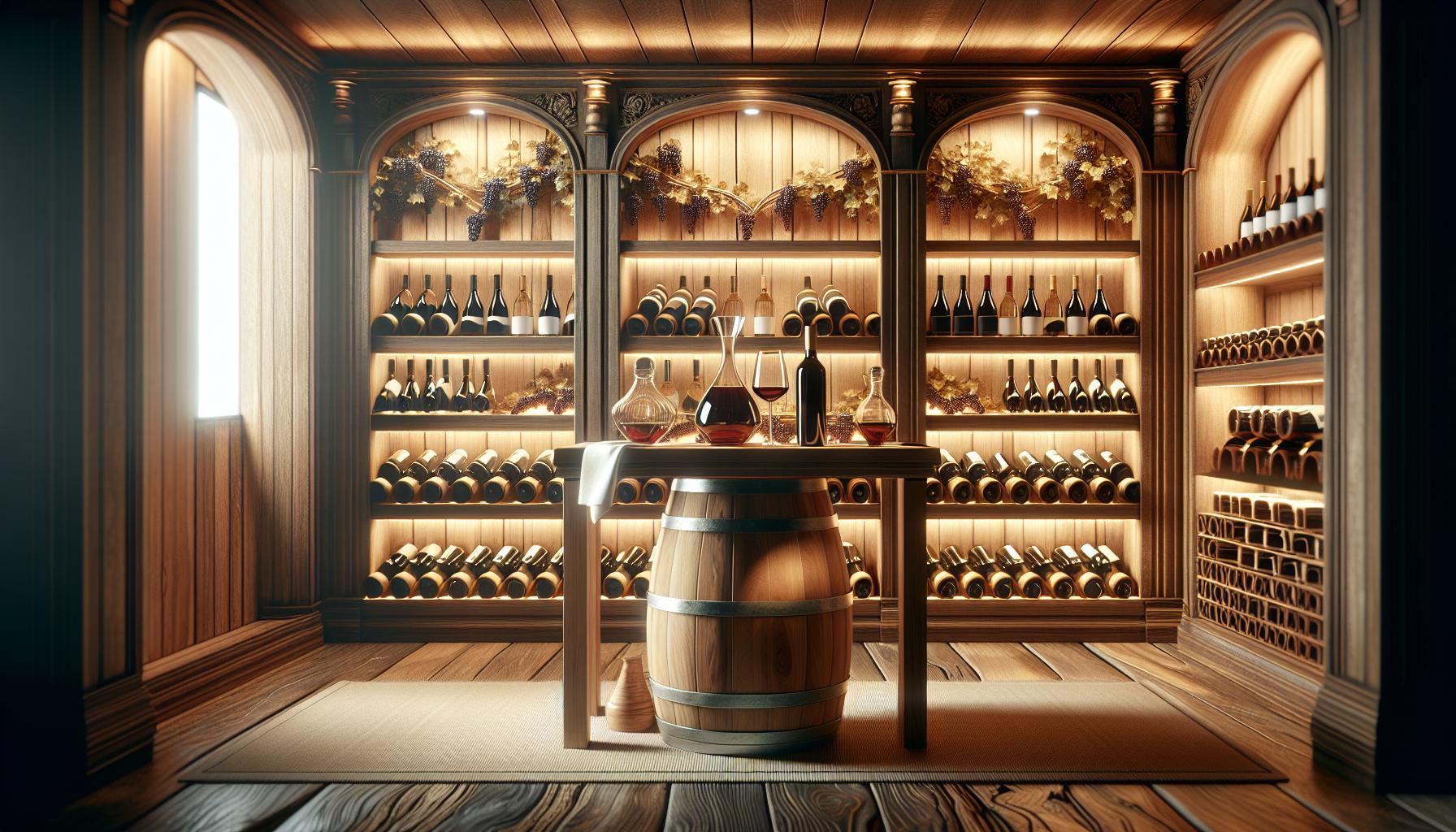
Understanding Wine Storage Principles
Wine is a creation of both nature and nurture, each bottle a meticulously crafted reflection of time, terroir, and tradition. To unlock the potential of wine-especially unopened bottles-it is imperative to understand the essentials of proper storage. It’s not merely a question of care; it’s an exercise in patience and respect for the artistry that each bottle represents. The right conditions can make the difference between a vibrant expression of flavor and a muted, disappointing sip that has lost its charm.
When it comes to wine storage, consider these fundamental principles:
- Temperature: A consistent, moderate temperature is paramount. Ideal conditions range from 45°F to 65°F (7°C to 18°C). Temperature fluctuations can lead to expansion and contraction of the liquid, which may compromise the seal and allow oxygen to infiltrate.
- Humidity: Maintaining a humidity level between 50% and 80% is crucial for preserving cork integrity. Too little humidity can dry out corks, which may cause them to shrink and let air in; too much can encourage mold.
- Light: UV light can degrade wine over time, altering its flavor and color. Therefore, keep bottles away from direct sunlight, ideally in a dark environment, or use UV-resistant glass.
- Vibration: Minimize movement. Constant vibrations can disturb the sediments in wine and interfere with its maturation process, so choose a stable and secure storage place.
Think of your wine collection as a living diary, with each bottle representing a moment in time waiting to be shared. Different varietals embrace aging differently; some, like Napa Valley Cabernet Sauvignon, may flourish for decades, while others are best savored in their youth. As you cultivate your collection, consider investing in a wine fridge or cellar that offers climate control, ensuring an environment that supports the longevity of your beloved bottles.
As you embark on your wine journey, remember that storing wine is not just about preservation; it’s about honoring the craftsmanship behind each bottle, anticipating the stories that will unfold with future tastings, and celebrating the fleeting yet exquisite nature of life itself. So, nurture your collection with consideration and care, and you may just find that time reveals the hidden treasures locked within those unopened containers.
The Role of Varietals in Wine Longevity
The journey of wine is intricately tied to the varietals from which it is crafted. Each grape possesses distinct characteristics that shape its taste, aroma, and ability to age gracefully over time. While certain varietals are celebrated for their aging potential, such as a robust Cabernet Sauvignon or a complex Riesling, others are best enjoyed young and vibrant. Understanding this spectrum can profoundly influence your collection strategy and expectations for longevity.
Typically, oak-aged reds like Bordeaux or Barolo thrive over the years, developing deeper flavors and more nuanced profiles as they mature. The tannins and acidity present in these varietals function as natural preservatives, allowing them to withstand the test of time. A well-cellared Cabernet Sauvignon, for example, can flourish for decades, evolving from bold fruit notes into layers of earthy, leathery complexity, revealing the artistry of its terroir. This metamorphosis is nothing short of magical and can enhance the experience of sharing the bottle long after its harvest.
Conversely, lighter whites and rosés, such as Pinot Grigio or Beaujolais, often offer a fresh, fruit-forward appeal that diminishes with age. These wines typically excel when they are youthful and crisp, showcasing their primary flavors and vibrant acidity. Understanding these nuances enables the discerning collector to curate a diverse collection, filled with wines that can be enjoyed at their peak while also considering those meant for aging.
As you plan your wine collection, consider charting the varietals alongside your personal palette. Create a reference table or a simple notebook that outlines which wines are ready to drink now and which ones should be saved for a future celebration. By doing so, you will not only make more informed choices but also embark on a delightful exploration of how time, varietal, and proper storage can converge to produce unforgettable experiences over the years. Embrace this knowledge with each new bottle you acquire; the stories you’ll unveil will be worth every moment of anticipation.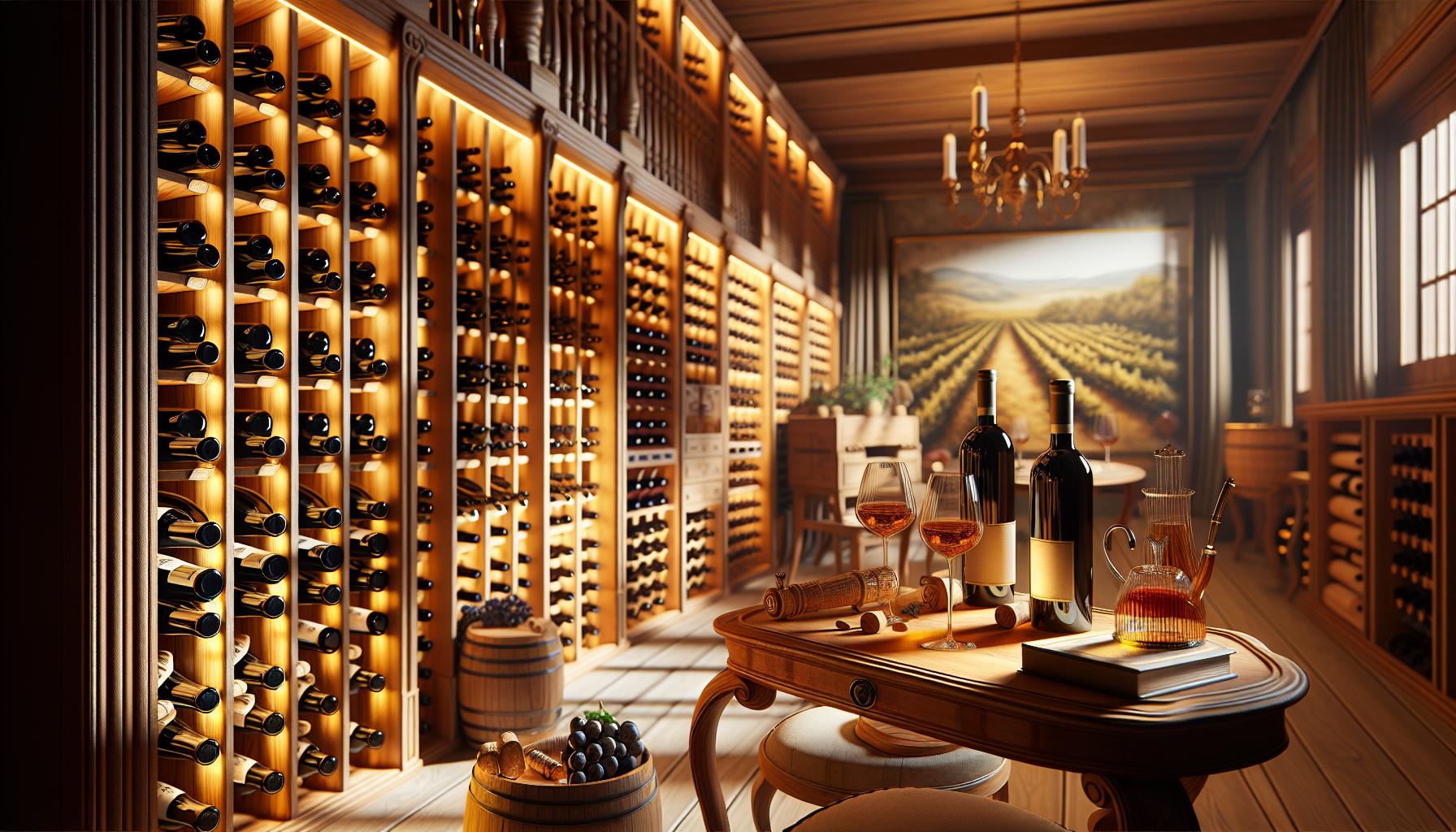
Ideal Wine Cellaring Conditions Explained
Wine, with its ability to encapsulate the essence of the vine, the earth, and the weather, deserves a sanctuary that can honor its journey from grape to glass. The ideal conditions for cellaring wine not only prolong its life but also enhance its potential for exquisite evolution. It’s widely understood that wine thrives in dark, cool, and stable environments-elements that mimic the ancient caves where wine was once stored.
Maintaining temperature is paramount; the ideal range is typically between 50°F and 55°F (10°C to 13°C). Temperatures that are too high can accelerate aging, dulling delicate flavors, while temperatures that are too low can stifle the wine’s development. Consider your cellar as a living ecosystem-much like a carefully curated recipe, every ingredient, or condition must be just right.
Equally vital is humidity, which should ideally hover around 60% to 70%. Too little humidity can cause corks to dry out, allowing oxygen to seep in, while excessively high humidity can foster mold, jeopardizing the wine’s integrity and the labels on your treasured bottles. A wine cellar with adequate ventilation prevents mustiness that can taint your collection.
Protecting wine from environmental fluctuations is crucial, and this is where the elegance of a quality wine fridge or a dedicated cellar shines. This control not only enhances wine longevity but also enriches the tasting experience-it’s like a symphony of flavors waiting for the right moment to perform. With these cellar secrets in mind, you can transform your wine collection into a treasure trove of potential stories, encased in bottles, ready for discovery and reverence.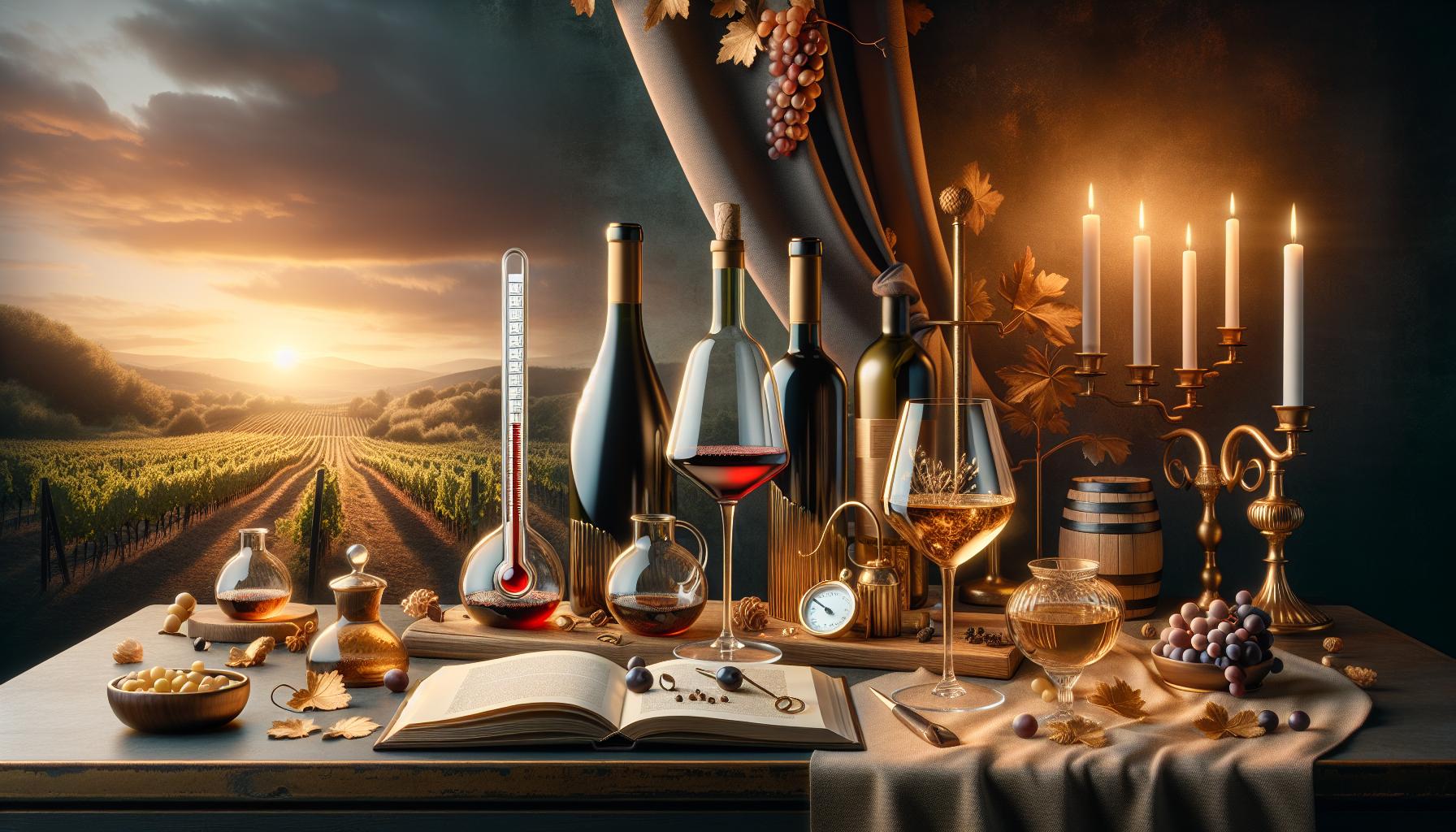
How Temperature Affects Wine Quality
Wine is no stranger to the intricacies of temperature, serving as both a protector of delicate aromas and a potential thief of its character. Maintaining a consistent temperature is not merely a matter of comfort; it is fundamental to ensuring that the wine remains in its ideal state, preserving its flavor profile and aging potential. Temperature fluctuations can result in a myriad of effects, not only impacting the wine’s immediate quality but also influencing its long-term health.
At the heart of it, wine thrives best in a narrow temperature range-typically between 50°F and 55°F (10°C to 13°C). Within this sweet spot, wines can gracefully evolve, developing complexity and depth. However, let’s consider the adversary: heat. When wine is exposed to temperatures above 70°F (21°C), it risks accelerating oxidation and altering its delicate bouquet. Compositions of fruit and floral notes may become muddled, transforming a once-vibrant Cabernet Sauvignon into a flat experience reminiscent of overcooked vegetables. Conversely, extreme cold can stymie the wine’s development, trapping its potential within a frigid shell and stifling the rich flavors that await expression.
Moreover, the impact of temperature goes beyond mere preservation; it is also a catalyst for the reactions within the bottle. For instance, higher temperatures can lead to accelerated aging, a rapid metamorphosis that might strip the wine of its youthful exuberance, leading to a prematurely aged product that lacks vibrancy. It’s akin to watching a child rush into adulthood-while growth is inevitable, haste may rob them of cherished experiences. On the other end of the spectrum, wine stored at cooler temperatures not only slows aging but can also enhance the wine’s longevity. This gentle aging can tease out layers of flavor that would otherwise remain latent, offering a rewarding experience for those patient enough to wait.
In summary, as you curate your collection, embrace the mantle of steward over the temperature of your treasures. Create an oasis that nurtures each bottle, allowing its story to unfold gradually and gracefully. Whether it’s through the use of a dedicated wine fridge or careful selection of storage space, remember that a little attention to temperature today can yield a lifetime of memorable moments tomorrow. Whether hosting a gathering or enjoying a quiet evening alone, the wines you serve will reward your diligence with vibrant expressions of their true nature.
The Impact of Light and Humidity
Light and humidity play pivotal roles in the quality and longevity of unopened wine, yet they are frequently overlooked in the excitement of selecting and purchasing the perfect bottle. Imagine a fine Bordeaux, the rich aromas of dark fruits swirling within its depths, only to be snuffed out by something as innocent as a ray of sunlight. Each bottle of wine is a delicate ecosystem, and maintaining an optimal environment is key to ensuring that it reaches its full potential when you’re ready to enjoy it.
Exposure to light-especially the harsh, ultraviolet kind-can significantly degrade the wine’s quality. Just as sunlight can fade the paint on your cherished artworks, it can also bleach the delicate cellars of aromatic compounds in wine, resulting in off-flavors and diminished complexity. That’s why wine should ideally be stored in a dark space. If a cellar is not an option, consider using wine cabinets with opaque doors or wrapping bottles in cloth to shield them from direct light. This precaution helps protect the wine’s integrity and helps preserve its age-old mystery, waiting to be unveiled only in the right company.
Humidity, while less commonly discussed, is equally critical. Wine bottles are typically sealed with corks, and a healthy percentage of humidity-around 60% to 70%-is necessary to keep these corks from drying out. If the environment is too dry, corks can shrink, allowing air to infiltrate the bottle and oxidize the wine, transforming what might have been a sublime tasting experience into a disappointing one marked by blandness and lack of vibrancy. Conversely, excessive humidity can lead to mold growth, which is not just unappealing but can also compromise the labels and the overall aesthetic of your collection.
In essence, crafting a suitable storage environment for your wines is akin to nurturing a garden-attending to light, humidity, temperature, and even air circulation can help cultivate an exquisite experience for your future tastings. Create an elegant haven for your bottles, where they can dream and mature undisturbed, promising delightful sips of complex flavors and enchanting aromas for years to come.
Signs that Wine Has Gone Bad
The journey of wine, from vineyard to glass, is a tale of transformation and care. However, the marvel of this liquid artistry can be interrupted by time or poor storage conditions, leading to signs that a bottle has succumbed to deterioration. Recognizing these markers is essential for any wine enthusiast aiming to protect their tasting experience.
One of the most apparent indicators of spoiled wine is a cork taint, often due to a compound called TCA (2,4,6-trichloroanisole). If your wine smells akin to wet cardboard or a damp basement upon opening, it may be time to bid farewell. These aromas are not just off-putting; they signal that the wine is overrun with undesirable compounds that can mask its intended complexity. Moreover, if you notice the cork itself is crumbling or has pushed up from the bottle neck, oxygen may have infiltrated the wine, leading to oxidation.
But it doesn’t end there. A wine’s appearance can also unveil its fate; if your bottle exhibits an unusually murky or cloudy look, this could indicate spoilage. A wine that has turned brown, especially in white wines, often hints at excessive oxidation-transforming crisp, vibrant flavors into dull, lifeless notes. Additionally, effervescence in bottles that shouldn’t be sparkling, such as still reds and whites, could signal unintended fermentation and spoilage.
Taste is the final arbiter in this triad of assessment. A sip that reveals a vinegar-like quality or an overly flat profile suggests that the wine has indeed gone off. Quality wines can age beautifully, evolving to complex layers of flavor, but when they exhibit a sharpness reminiscent of sour or rotten fruit, they may not be safe for enjoyment.
In sum, keeping an eye out for these signs-cork taint, murky appearance, and taste anomalies-ensures that your wine remains a source of pleasure rather than disappointment. With a discerning palate, you can navigate the enchanting world of wine, engaging in a reflective practice that celebrates each bottle’s unique story while avoiding those that have lost their charm.
Exploring Aging Potential in Wines
The ability of wine to evolve and develop complexity over time is one of its most alluring qualities. As you ponder the aging potential of your unopened bottles, consider that not all wines are created equal-some flourish with age, revealing layers of flavor and nuance, while others are best enjoyed fresh. For instance, robust red varietals such as Cabernet Sauvignon and Syrah often possess the tannic structure necessary to withstand the test of time, slowly softening and integrating their flavors. Conversely, many whites, especially those that are light and crisp, such as Sauvignon Blanc and Pinot Grigio, generally excel in their youth.
Aging potential is influenced by multiple factors, including varietal characteristics, winemaking techniques, and storage conditions. An understanding of the grape type is crucial; for example, wines with higher acidity and sugar levels, like Riesling or Sauternes, tend to age gracefully, often developing intricate aromas and a remarkable depth of flavor. On the other hand, wines with lower acidity typically announce their peak sooner, making careful selection important for those aiming to cellar wines for the long haul.
The winemaking process also plays a pivotal role in a wine’s aging potential. Techniques like oak aging impart structural components and subtle complexity, allowing the wine to evolve over time. Additionally, natural factors such as terroir-where the wine is grown-adds a layer of distinction to aging. For instance, wines from cooler climates often develop their aged character more gracefully than those from consistently warmer regions.
When considering which wines to age, a good rule of thumb is to choose those from reputable producers, as they are more likely to create wines designed for cellar longevity. Additionally, familiarize yourself with vintage reports, as some years yield grapes that are particularly suited for aging due to optimal growing conditions. Store your wines in a cool, dark place, with the bottles lying on their side to keep the cork moist, and revel in the anticipation as you await the moment to uncork a bottle transformed by time into a symphony of flavors, textures, and aromas that tell the story of its journey.
In your exploration of aging potential, remember that patience is a virtue, and every bottle holds a treasure trove of experience waiting to unfold. It’s not merely about the length of time a wine may last, but the beautiful transformation that happens along the way. So, as you curate your collection, think not just of quantity, but of quality-every carefully selected bottle is a future conversation about time, terroir, and the artistry of winemaking.
Tips for Selecting Wines for Long-Term Storage
Selecting the right wines for long-term storage is akin to choosing fine friends for a journey; you want companions that will only improve with time. To embark on this rewarding path, consider the following strategies that will guide you in curating a collection meant to age gracefully and delightfully.
Start with varietals renowned for their longevity. Cabernet Sauvignon, Syrah, and Merlot are often celebrated for their structure and tannins, which allow them to evolve beautifully over the years. Conversely, if your palate gravitates towards whites, look to Chardonnay or Riesling, particularly from regions known for their acidic profiles, as these can develop complex flavors with age. It’s essential to familiarize yourself with dependable regions; for instance, Napa Valley and Bordeaux are historical leaders in producing age-worthy reds, while the Mosel and Burgundy regions excel in crafting whites that can stand the test of time.
Next, consider the winemaking practices behind your chosen bottles. Wines that undergo oak aging or experience malolactic fermentation tend to have greater complexity and a more robust framework, which are both advantageous for aging. Additionally, consider seeking out natural wines from reputable producers. Many artisan wineries focus on nuanced, small-batch productions that reflect their terroir, which often enhances a wine’s ability to age gracefully.
Lastly, peering beyond individual varietals and producers, it helps to pay attention to vintage quality. Some years yield exceptional grapes, influenced by ideal weather conditions, leading to wines that are apt for long-term cellaring. Reference vintage charts to assess which years have produced standout vintages for your selected varietals. When selecting for your cellar, balance quality with personal taste; every bottle should evoke excitement and joy, anticipating the joyous occasions they will accompany in the future.
In closing, the journey of selecting wines for aging is not merely a technical exercise; it’s a passionate endeavor imbued with personal choices, regional pride, and emerging complexities over time. Each bottle you choose is not just a means to savor the moment but also a story waiting to unfold, echoing the rich tapestry of culture and connection that wine always promises.
Wine Labels: Decoding Expiration Dates
While many may think of expiration dates as definitive indicators of a wine’s quality, they often serve more as guidelines than as gospel truths. Unlike milk or bread, unopened wine doesn’t simply “expire” on a specific date. Instead, its longevity is influenced by several intricate factors that extend far beyond a mere number on a label. Understanding how to interpret wine labels can elevate your appreciation and make your selections for storage and enjoyment much more informed.
Wine bottles usually bear a vintage date, which indicates the year the grapes were harvested, and this can be a clue to the bottle’s potential for aging. However, it does not equate to an expiration date but offers insights into the conditions during that year, such as weather and yield – vital when predicting longevity. It’s wise to consult vintage charts for your desired varietals and regions, as certain years are celebrated for producing exceptionally age-worthy wines. A more contemporary wine from a noted vintage may last decades, while even a well-crafted bottle from a lesser vintage could deteriorate more rapidly. Therefore, the age of the wine itself can be more significant than the age of the bottle.
Furthermore, if you delve into the world of celebration, you’ll often encounter the term “best by” dates, typically found on dessert wines or sparkling wines. These dates usually suggest the optimal timeframe for enjoying the wine at its peak flavor profile. For instance, a sparkling wine may have a “best by” date a few years beyond its vintage year, signifying that while the wine can perhaps be enjoyed later, it is likely to reach its essence within that recommended timeframe.
Additionally, don’t overlook the nuances of the bottle’s construction and storage method, as these can also provide cues. A cork closure, for instance, suggests a wine meant for aging, while screw caps often indicate a design for immediate consumption. The environment in which your wine is stored plays a crucial role; if maintained under ideal conditions-cool, dark, and stable-many fine wines can outlive their labels and delight your palate long past any suggested date.
Ultimately, interpreting wine labels involves more than simple arithmetic; it is an art requiring patience, curiosity, and a willingness to explore the myriad attributes that each bottle holds within. By marrying knowledge with intuition, you can savor not just the wine, but the journey that each label invites you to discover.
Cellaring Secrets from Master Sommeliers
To preserve the exquisite essence of wine, master sommeliers reveal that knowledge and careful attention to detail are paramount. One captivating secret is the significance of a wine’s provenance and how its journey from vineyard to cellar can affect its longevity. For instance, a Bordeaux from a recognized château often embodies the craftsmanship and heritage that enable it to defy time, perhaps maturing gracefully for decades, while lesser-known wineries may not have the same aging potential.
One practical tip experts emphasize is the importance of maintaining a consistent temperature in your wine storage environment, ideally around 55°F (13°C). This stable climate prevents undesirable fluctuations that can shock the wine and spoil its delicate balance. Moreover, investing in a quality wine fridge or cellar can enhance this stability, creating an ideal microclimate for your bottles. If space allows, keeping the bottles horizontal allows the cork to remain moist, preventing it from drying out and allowing oxygen to seep into the bottle, which could oxidize your treasured wine.
Also, consider the power of patience; many sommeliers speak of ‘the waiting game’ when it comes to cellaring wines. Much like a fine cheese or an aged steak, a bottle of wine often evolves in the bottle, revealing layers of complexity that only time can unveil. Tannins soften, flavors meld, and surprising notes emerge – an exhilarating transformation that rewards the patient wine enthusiast. However, not all wines are designed for aging; varietals like Sauvignon Blanc or most rosés are better enjoyed fresh, highlighting their vibrant acidity and fruit characteristics rather than languishing in a cellar.
Lastly, it’s essential to document your collection. Keeping a simple inventory of your wines, noting their vintage, varietal, and ideal drinking window, helps you craft a personal narrative of your wine journey. As you season your palate and refine your tastes, this record can guide you toward future purchases and enhance your overall appreciation for the astonishing diversity of wines waiting to be discovered. After all, the world of wine is not just about consumption; it’s a conversation of culture, history, and human connection that unfolds with every glass.
Common Myths About Wine Longevity
Understanding the intricacies of wine longevity often comes laden with misconceptions, each perpetuated by a mixture of tradition and personal experience. One prevalent myth suggests that all wines improve with age. While it is true that some exquisite varietals can blossom into breathtaking works of art over the years, many are crafted for immediate enjoyment. Varietals like Beaujolais, most rosés, and many whites, particularly those with vibrant acidity, are best savored young. A wine’s potential for longevity frequently hinges on its structure, tannin, acidity, and overall balance-factors that vary wildly among different types and producers.
Another common fallacy is the belief that wine stored in pristine conditions will never go bad, even if left untouched for decades. In reality, wine is an organic substance, susceptible to various influences, including temperature fluctuations and poor cork integrity. Even unopened bottles can be compromised if not stored properly-Too much light, for example, can cause premature aging, while excessive humidity can lead to mold issues. Echoing the wisdom that wine is as much about the journey as the destination, one must remember that its vulnerabilities necessitate vigilant care to extend its lifespan.
Moreover, many wine enthusiasts cling to the notion that a bottle’s label should dictate its drinking timeline based solely on recommended aging windows. While these suggestions provide handy guidance, they aren’t gospel. Personal taste plays a crucial role in determining when to enjoy a wine; what is deemed peak for one person might still be too youthful or overly mature for another. Interpreting wine labels often involves a blend of patience and experimentation, allowing the individual palate to assess the evolving nature of each bottle.
In the realm of wine, open discussions often yield richer experiences than rigid guidelines. Embracing a curious mindset can encourage exploration beyond common myths, enhancing one’s appreciation and understanding of this complex and profoundly personal world. With every sip, we not only taste history but also contribute our stories to the narrative of that bottle. Thus, the art of wine longevity isn’t just about time; it’s about the connections we nurture and the moments we celebrate, each unique to the individual palate and shared experiences.
Q&A
Q: How long can unopened wine be stored?
A: Unopened wine can typically be stored for several years depending on the type. For most white and rosé wines, 1-2 years is optimal, while reds can last 3-5 years or more. Vintage wines may improve with age, lasting up to 10-20 years or longer in proper conditions.
Q: What is the best way to store unopened wine?
A: Store unopened wine in a cool, dark place with a stable temperature between 45-65°F (7-18°C). Keep bottles horizontal to maintain moisture in the cork and avoid vibrations. A wine cellar or a dedicated wine refrigerator is ideal.
Q: Does wine go bad if left unopened for too long?
A: Yes, wine can degrade if stored improperly or too long. Characteristics like flavor and aroma can diminish. Always check the specific vintage or varietal for optimal storage periods to ensure the best tasting experience.
Q: Can I drink wine that has been unopened for 10 years?
A: It depends on the wine. Many non-vintage wines are not meant for long aging, while well-cellared vintage wines can develop complex flavors over a decade. Always assess the wine’s type when considering its drinkability after long storage.
Q: What factors affect how long unopened wine lasts?
A: Factors include the wine type, storage temperature, humidity, and packaging. Higher quality wines with balanced acidity and tannins often age better, while other factors like exposure to light can harm wine longevity.
Q: Should I refrigerate unopened wine?
A: Refrigeration is not necessary for unopened wine unless it’s a white wine or sparkling wine, which benefits from cool temperatures. However, avoid storing red wines in the fridge for extended periods as it may spoil their aging process.
Q: How can I tell if unopened wine has gone bad?
A: Check for signs like a damaged cork, leaks, or discoloration in the bottle. If the wine smells vinegary or sour when opened, it’s likely gone bad. Always trust your senses when determining wine quality.
Q: What are some cellaring secrets for wine enthusiasts?
A: Proper cellaring involves maintaining a consistent temperature, avoiding light, and monitoring humidity. Keeping records of your collection and periodically tasting older wines can enhance your appreciation and understanding of aging processes.
The Conclusion
As you explore the intricacies of wine storage and its life within the bottle, remember that the magic of unopened wine lies in its preservation, inviting you to savor its true potential when the time is right. Whether you’re seeking the perfect vintage for a gathering or simply enriching your own evening ritual, understanding how long wine is good for unopened allows you to make informed choices. Don’t let your curiosity end here; dive deeper into related topics, such as “The Art of Wine Cellaring” or “Top Tips for Storing Wine at Home,” and unlock deeper insights into this enchanting world.
Why wait? Join our community by signing up for our newsletter to receive exclusive wine tips and recommendations directly to your inbox. Embrace your journey of wine discovery, and feel free to leave a comment below to share your thoughts or questions-we’re excited to hear from you! Remember, every bottle has a story waiting to unfold, and with the right knowledge, yours will be one of exquisite taste and experience.


