


Wine enthusiasts often find themselves pondering the terminology that accompanies their favorite beverage, and “dry wine” is a common yet often misunderstood term. Simply put, dry wine is characterized by its lack of residual sugar, which translates into a taste that feels crisp and refreshing rather than sweet.
Understanding the nuances of dry wine not only enhances your tasting experience but also helps you navigate menus and conversations with confidence. Whether you’re selecting a bottle for a cozy dinner or exploring wine pairings for an upcoming celebration, knowing what dry wine means can transform how you appreciate each sip.
Join us as we delve deeper into the realm of wine tasting terms, unraveling the rich stories and cultural significance behind this and many other classifications. With each exploration, you’ll develop a greater appreciation for the artistry involved in winemaking and how it connects us to history, tradition, and each other.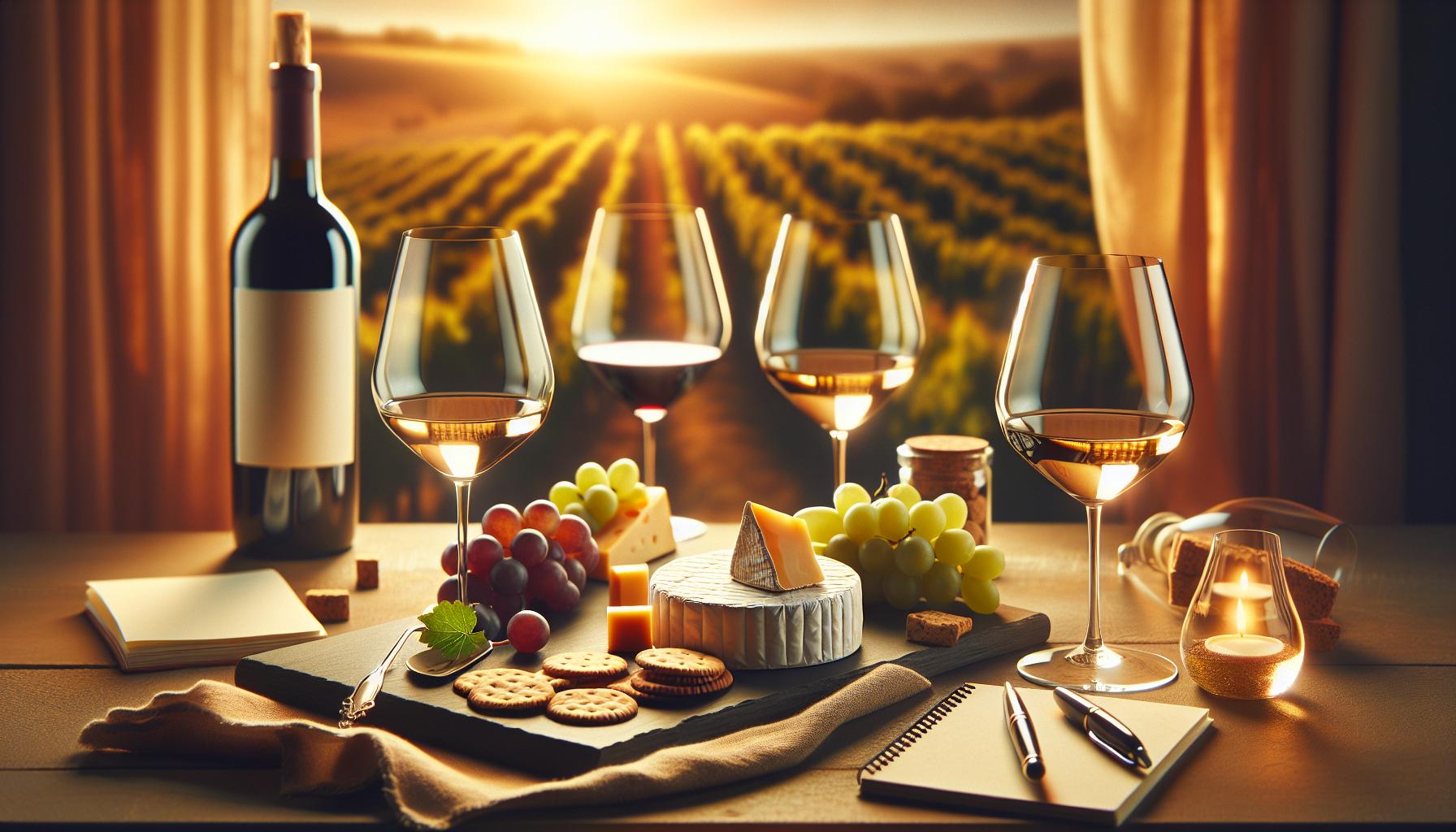
What Does It Mean for Wine to Be Dry?
The concept of a “dry” wine can often be puzzling to newcomers, yet it embodies a simple principle rooted in the wine’s sugar content. In essence, a wine is classified as dry when it contains very little residual sugar – typically less than 1% – after fermentation. While sweetness in wine can be easily perceived on the palate, the absence of sugar creates a contrasting profile that allows for the full expression of the wine’s acidity, tannins, and intricate flavor nuances. This dryness can elevate a wine, revealing complexities that sweet wines might conceal, and providing a diverse canvas for food pairing.
In the realm of wine tasting, understanding what constitutes dryness provides essential context. Dry wines do not overwhelm the senses with sweet flavors; rather, they often emphasize other characteristics such as fruitiness, earthiness, or herbaceous notes. For example, a dry Cabernet Sauvignon may present robust flavors of dark berries and cedar, while maintaining a balanced acidity that makes it versatile with a range of dishes. Wines such as Sauvignon Blanc and Pinot Grigio are excellent examples of crisp, refreshing dry whites that tantalize the palate without the weight of sweetness.
The experience of tasting dry wines is a journey through layers of flavor, often best revealed during contemplative sips. As you explore, consider how dryness can amplify the wine’s interaction with food-acidity in a dry wine can cut through richness in dishes like creamy risottos or fatty meats, accentuating flavors that sweet wines might mute. This interplay between wine and food encourages exploration beyond the initial sweetness commonly associated with wines, inviting enthusiasts to discover the profound connections between taste, texture, and aroma.
Ultimately, recognizing what it means for a wine to be dry opens up a richer dialogue about personal preferences and experiences. Whether you find joy in the vibrant zing of a dry Riesling or the mineral undertones of a dry Champagne, there’s a world waiting to be appreciated. Each glass tells a story, offering not just flavor, but an invitation to savor life’s complexities, reflect on culinary adventures, and share moments with others in the spirit of discovery.
Understanding Wine Sweetness: A Comprehensive Guide
Exploring the nuances of sweetness in wine reveals a captivating interplay of flavors and perceptions that can profoundly influence your tasting experience. At the heart of this exploration lies the concept of residual sugar, which is the unfermented sugar left in the wine after fermentation is complete. This sugar not only contributes to the sweetness of the wine but also affects its mouthfeel, acidity, and overall balance. Generally, a dry wine contains less than 1% residual sugar, allowing its acidity and other flavor elements to shine through.
The journey of understanding wine sweetness goes beyond mere measurements; it embraces the intricate tapestry of aromas, textures, and personal preferences. For instance, many people are surprised to discover that a wine labeled as “dry” can still possess fruity notes, which might tempt the palate into thinking there’s sweetness present. A classic example is a dry Riesling, which, while relatively low in sugar, can offer an enchanting bouquet of ripe peach and citrus zest, creating a vibrant experience without overt sweetness.
Wine tasting also invites you to consider how sweetness interacts with food. The art of pairing wine with cuisine often hinges on balancing these flavor profiles. A dry white wine, with its crisp acidity, complements rich dishes like buttery scallops or creamy pasta, cleansing the palate and enhancing the savory elements of the meal. Conversely, a sweeter wine can amplify the nuances of a dish, making it an essential companion to desserts or spicy cuisines.
Navigating the world of wine sweetness requires a willingness to explore and experiment. Various styles-from bone-dry to off-dry-offer a spectrum of tasting experiences. Engaging with these differences will deepen your appreciation and understanding of each wine’s character. So, as you pour your next glass, take a moment to relish not just the taste but the storied journey and the myriad possibilities that lie within each drop, enriching the tapestry of your culinary adventures.
Exploring the Different Types of Dry Wine
In the captivating world of wine, the term “dry” often invokes intrigue and curiosity, hinting at a spectrum of flavors waiting to be explored. While many wine enthusiasts might instinctively associate dryness with a lack of sweetness, understanding the different types of dry wine reveals a rich tapestry of styles and characteristics that can cater to varied palates. Dry wines range from crisp whites and bold reds to rosés that dance lightly on the tongue, each embodying unique profiles shaped by factors like grape variety, region, and winemaking techniques.
Types of Dry Wines
- Dry Red Wines: These wines often showcase a depth of flavor that can be both robust and elegant. Varietals such as Cabernet Sauvignon and Merlot exemplify the essence of dry reds with their bold tannins and dark fruit flavors. For instance, a classic Cabernet Sauvignon might present notes of black currant, cedar, and subtle hints of green bell pepper, creating a complex tasting experience ideal for pairing with grilled meats or hearty pastas.
- Dry White Wines: The refreshing nature of dry white wines makes them a favorite for many occasions. Varietals like Sauvignon Blanc and Chardonnay provide bright acidity and vibrant flavors. A Loire Valley Sauvignon Blanc can showcase zesty citrus and green apple notes, while a well-crafted Chardonnay may deliver layers of tropical fruit and buttery richness. These wines are indispensable companions to seafood, salads, and light poultry dishes.
- Dry Rosé Wines: Often enjoyed in warmer months, dry rosé wines bridge the gap between red and white, offering a versatile option that delights the senses. Made from red grapes with minimal skin contact, rosés can feature ripe berry notes along with floral and herbal undertones. A Provençal rosé exhibits the quintessential dry profile, combining juicy strawberry and watermelon notes with a crisp finish, making it an ideal partner for picnics and summer barbecues.
- Sparkling Dry Wines: For those seeking effervescence, dry sparkling wines-like Champagne or Prosecco-add a celebratory flair to any gathering. With varying levels of dryness, the terminology can be a bit confusing. Look for “Brut” styles, which are notably dry and often feature flavors of green apple, toast, and a creamy texture. These wines excel at enhancing the experience of rich hors d’oeuvres or decadent desserts.
Appreciating the Dry Wine Experience
Choosing a dry wine can be much more than simply following a preference for sweetness; it involves engaging with the nuances of aroma and flavor that each type offers. When you sip a dry wine, allow yourself to explore the interplay of acidity, tannin, and flavor notes that create its complexity. Consider how the wine’s finish lingers on your palate, and how it interacts with the flavors of your meal. This thoughtful exploration not only enriches your tasting experience but lets you appreciate wine as a magnificent expression of culture and art.
As you journey through the myriad selections of dry wines, embrace the opportunity to discover your personal favorites. Each varietal offers a signature profile, and every bottle may tell a different story-one intertwined with the land where it was grown and the hands that crafted it. So take a moment, pour a glass, and relish the beautiful subtleties that dry wines have to offer; you may find new favorites waiting just for you.
The Science Behind Wine Tasting: Taste Buds Explained
While enjoying a glass of dry wine, you may find yourself contemplating the complexities swirling within. What makes each sip so unique? The answer lies not only in the wine itself but also in the remarkable structure of our taste buds and how they interact with the myriad elements present in wine. Our taste buds, adept at distinguishing the five basic tastes-sweet, sour, salty, bitter, and umami-work in harmony with our olfactory senses to create the intricate flavor experiences we seek in dry wines.
When tasting dry wines, the absence of sweetness becomes a crucial focal point. Dry wine typically contains less than 1% residual sugar, meaning that the sugar content is minimal, allowing other flavors to surface prominently. As you savor a dry wine, you might notice its acidity, which plays a vital role in achieving balance. Acidity can add a refreshing quality, enhancing the perception of flavor and often prompting a desire for another sip. Consider this: wines with higher acidity, like Sauvignon Blanc, can present floral and green notes that dance on the palate, while those lower in acidity might reveal more rounded, fruit-forward characteristics.
The role of tannins in red wines should also not be overlooked; these compounds, found in grape skins, seeds, and stems, contribute a pleasant astringency that can profoundly influence mouthfeel. Tannins can provide structure and complexity, quite literally adding texture to your tasting experience. Think of a rich Cabernet Sauvignon; its robust tannins may evoke sensations akin to velvet on your tongue, while simultaneously inviting you to reflect on its flavor profile-perhaps hints of dark chocolate and ripe blackberries.
To appreciate dry wine to its fullest, engage fully with your senses: take a moment to observe its color, inhale the aroma, and allow the wine to envelop your palate. This process invites you not only to enjoy what is in your glass but also to connect the wine to the land it comes from, giving each bottle its story-its terroir. By understanding how to engage with your taste buds and develop an awareness of the components that contribute to flavor, you’ll deepen your appreciation of dry wines and the incredible journeys they offer.
How to Taste Wine Like a Sommelier
There’s an art to tasting wine that transcends mere consumption; it invites you into a world of flavors, aromas, and stories that each bottle holds. To truly appreciate dry wines, one must adopt a sommelier’s mindset, where every sip becomes an experience steeped in mindfulness and discovery. Begin your journey with the essential steps of visual, olfactory, and gustatory analysis, where observation, aroma, and taste harmonize to unlock the wine’s secrets.
Start by taking a moment to appreciate the wine’s appearance. Pour a small amount into your glass and hold it up to the light. Observe its color and clarity-deep reds like a Cabernet Sauvignon might display rich, inky hues, while a crisp Sauvignon Blanc may shimmer with pale green tones. Swirl the wine gently to observe the “legs” that form on the inside of the glass; this can give hints about the wine’s alcohol content and viscosity, both of which play a role in mouthfeel.
Moving on to the olfactory experience, take a good whiff of the wine. Inhale deeply to capture its bouquet-don’t shy away from exploring your sense of smell. Is it floral with hints of jasmine, or perhaps fruity with aromas of ripe peach and layered citrus notes? Consider how the absence of sweetness in dry wines allows other dimensions, like acidity and minerality, to shine through. When evaluating a dry wine, the interplay between these elements can reveal complexity. For example, a dry Riesling might exhibit striking citrus aromas matched with subtle mineral notes, creating a vibrant olfactory profile.
Once your senses are primed, it’s time to taste. Take a small sip and let the wine engulf your palate. Pay attention to its entry, body, and finish, allowing the flavors to unfold. How does the acidity balance the wine? Is it refreshing or does it lean towards a more robust experience? Note the contribution of tannins-are they smooth, suggesting a well-aged red, or are they bold and clingy, typical of younger wines? Dry wines often invite complexity; a well-structured Chianti, for example, may present earthy undertones paired with cherry and spice, creating a multifaceted tasting journey.
To elevate your tasting experience further, engage in a moment of reflection. Consider where the wine comes from-the terroir-the history behind it, and the passion of the winemaker. Each bottle tells a story, connecting you to a specific place and culture. By tasting wine through a sommelier’s lens, you don’t just sip; you savor every nuance, ultimately deepening your appreciation for the art of winemaking and the profound connections that wine forges among people and place.
Food Pairings: What to Serve with Dry Wines
Dry wines, with their crispness and complexity, are remarkably versatile when it comes to food pairings. The interplay between the wine’s flavors and the characteristics of various dishes creates an exquisite tapestry of taste that can elevate both the meal and the wine experience. Understanding which foods complement these wines can transform a simple dinner into a Culinary Symphony. Whether you’re sharing a meal with friends or enjoying a night in, the right pairings can unlock hidden nuances in both your wine and your food.
One classic pairing is dry white wine, particularly a Sauvignon Blanc, with fresh seafood. Imagine the bright acidity of the wine cutting through the richness of grilled salmon or the delicate flavors of a seafood ceviche. The herbal and citrus notes can enhance the freshness of the ingredients, creating a harmony that dances on the palate. For those who prefer red wine, consider a dry Pinot Noir with roasted chicken or duck. The wine’s soft tannins and earthy undertones beautifully complement the savory, caramelized flavors of roasted meats, while its acidity refreshes the palate after each bite.
For heartier fare, dry red wines like Cabernet Sauvignon or Syrah shine alongside grilled red meats and barbecue dishes. These wines offer rich, bold flavors that can stand up to the robust spices and smoky notes found in dishes like a smoky brisket or a marinated steak. Alternatively, a dry rosé can serve as a fantastic companion to a summer picnic spread, pairing well with everything from salty olives and artisan cheeses to light salads and charcuterie boards. Its versatile nature makes it an ideal choice for a variety of flavor profiles, bridging the gap between lighter and richer dishes effortlessly.
In summary, when exploring the world of food pairings, lean on the key characteristics of dry wines- their acidity, tannins, and flavor profiles. The right combinations allow the wine to enhance the meal, creating a sensory experience that’s greater than the sum of its parts. Whether you’re savoring a well-structured Chianti with pasta or delighting in a crisp dry Riesling with spicy Asian cuisine, each sip carries stories of terroir and tradition, inviting you to savor not just the flavors but the shared experiences that come with them. Enjoy the journey and let your palate lead the way!
Unraveling Wine Labels: Decoding Sweetness Indicators
When navigating the world of wine, the label is your roadmap-crucial for understanding not just where the wine comes from but also the essence of its flavor profile, particularly its sweetness. The terms used on wine labels can sometimes feel like a secret language, designed to confuse the uninitiated. However, a little knowledge can empower you to make informed choices and deepen your appreciation of what’s in the bottle.
First and foremost, the designation of “dry” signifies a wine that contains little to no residual sugar, typically less than 1% by weight. But labels may not always spell this out directly; instead, they might indicate dryness through terms like “Brut” for sparkling wines or even “sec” in French labels. For instance, a wine labeled as “Brut Nature” has no added sugar, making it perfectly dry, while “Extra Dry” can sometimes lead to confusion, as this term may actually refer to a sweeter wine than you’d expect!
A key to decoding sweetness indicators lies in understanding the characteristics of the varietal itself. For example, wines such as Cabernet Sauvignon and Merlot are often made in a drier style, while varieties like Riesling or Moscato can present sweetness, even when vinified to dry standards. Take a moment to study the label for terms such as “dry,” “off-dry,” and “sweet.” “Off-dry” means that while the wine is not perceived as overtly sweet, there is some residual sugar that may lend a subtle fruitiness to the palate without dominating the tasting experience.
Consider also the alcohol content noted on the label; higher alcohol levels (typically above 14% for table wines) can suggest less residual sugar, as the fermentation process is more complete, converting sugars to alcohol. Conversely, a low-alcohol wine (around 10-11%) may be more likely to retain some sweetness. So next time you peer at a wine label, understand that it is not merely a collection of words but a narrative waiting to be unraveled, each term offering insight into the wine’s character and how it might grace your glass at home. By honing your ability to decode these indicators, you embark on a personal journey into the world of wine that is rich with flavor and history.
Regional Differences: Dry Wine Around the World
Across the globe, the term “dry wine” can evoke a diverse tapestry of flavors and cultural backdrops, revealing how regional climates, traditions, and grapes shape this universally appreciated style. Understanding the nuances of dry wines from various countries not only enriches your palate but also deepens your appreciation for the craftsmanship involved in winemaking.
In France, the classification of dry wines begins in regions like Bordeaux and Burgundy, where reds such as Cabernet Sauvignon and Pinot Noir shine without residual sweetness. Take Bordeaux’s Left Bank, characterized by its gravelly soils and maritime climate; here, the robust tannins of a dry red meld with intricate notes of blackberry and cedar, inviting one to savor the harmony of earth and vine. Meanwhile, in Burgundy, the terroir whispers its secrets through elegant Pinot Noirs, where a dry finish can surprise with layers of cherry and spice, showcasing the wine’s earthy complexities.
Italy, renowned for its diverse wine culture, brings yet another dimension to the dry wine experience. In regions like Tuscany, Sangiovese thrives in the sunlight, yielding dry Chianti wines that tantalize the senses with vibrant acidity and notes of dried herbs, violets, and tart cherries. The meticulous aging process in oak barrels further enhances these wines, imparting a distinct character and a traditionally rustic charm. Similarly, in the northeastern regions, dry whites such as Pinot Grigio from Friuli-Venezia Giulia offer brisk freshness and minerality, perfectly suited for those balmy summer evenings on a terrace.
When venturing to the New World, countries like the United States and Australia showcase bold interpretations of dry wine. A California Cabernet Sauvignon often bursts with ripe fruit flavors but maintains its dry definition through careful vineyard management and precise fermentation techniques, leading to a well-structured wine with firm tannins and a lingering finish. Meanwhile, in Australia, particularly in the Barossa Valley, Shiraz showcases its dry style with rich, concentrated flavors of black plum and chocolate, often accompanied by a peppery spice that reflects the rugged landscape from which it hails.
In the realm of dry wines, exploring regional differences allows for a delightful journey of discovery. Each sip narrates a story of the soil, the climate, and the heritage that nurture each bottle-a testament to the artistry and passion of winemakers who dedicate their lives to crafting these liquid masterpieces. As you delve into the world of dry wines, remember that every glass is an invitation to connect with the culture and tradition of the land from which it comes, enriching not just your palate, but your soul as well.
The Role of Terroir in Flavor Profiles
The fascinating world of wine is intricately tied to its origins, and nowhere is this connection more pronounced than in the concept of terroir. Terroir, a term rooted in the French language, embodies the complete environment in which grapes are grown, encompassing the soil, climate, altitude, and farming practices. Each element harmonizes to produce wines that reflect their place of origin, elevating dry wines from mere beverages to terroir-inspired narratives that invite exploration and appreciation.
Consider the contrasting landscapes of Tuscany and the Napa Valley. In Tuscany, the sun-drenched hills provide an ideal environment for Sangiovese, the star of Chianti wines. The region’s unique soil composition-comprising clay, limestone, and schist-imparts distinctive earthy notes and vibrant acidity to the wine. This terroir allows Sangiovese to express lively flavors of cherries and dried herbs, often with an herbal, almost savory character. On the other hand, Napa Valley’s warm Mediterranean climate and its well-draining volcanic soils foster a rich concentration of fruit in Cabernet Sauvignon. Here, the balance of ripe blackberries, coffee, and dark chocolate interlaces with oak aging to craft a fuller-bodied wine that reflects its bold surroundings.
To appreciate the nuances of terroir, it helps to engage your senses during tastings. When sampling a dry wine, pause to ponder its aroma and flavor layers. The scents may transport you to the region where it’s crafted-think sunlit vineyards or cooler valleys. Consider how each sip reveals more complexity, perhaps hinting at the practices of the winemaker or the climate fluctuations of the vintage. For instance, wines from cooler climates might showcase a racy acidity and more restrained fruit character, while those from warmer areas often present lush, overripe flavors.
Ultimately, understanding terroir enriches your tasting experience. It encourages a deeper connection to the landscapes that yield the grapes and the people dedicated to crafting the wine. The interplay of grape variety and terroir invites myriad possibilities: one grape may exhibit fresh, floral notes in one region and robust, dark fruit in another, transforming how we perceive and enjoy dry wines. Embrace these stories-each bottle shares a whisper of the earth, revealing culture, tradition, and the terroir from which it springs. As you sip, remember that every glass is a tangible link to the land, echoing the artistry of the winemaker and the spirit of the place.
Discovering Iconic Dry Wine Varieties
Wine is an exquisite tapestry woven from many threads, and among its most captivating distinctions is the concept of dry wine. When you delve into the world of iconic dry wine varieties, you’re entering a realm rich with history, regional nuance, and flavor profiles that invite both celebration and contemplation. While sweetness might tempt the palate, dry wines offer a different allure; they are marked by their refreshing crispness and complexity, often serving as the perfect counterpoint to culinary delights or moments of quiet reflection.
Across the globe, certain varieties have garnered acclaim for their dry profiles, each reflecting the terroir from which they originate. Sauvignon Blanc, often heralded for its zesty acidity and bright, herbal notes, thrives in regions like the Loire Valley in France and Marlborough in New Zealand. With aromas of fresh-cut grass, lime, and green apple, this varietal is a delightful companion to seafood dishes or a vibrant summer salad.
Then there’s Chardonnay, which can present a delightful array of flavors, from crisp green apples to creamy, buttery notes, depending on its aging process in oak barrels. The dry versions from regions like Burgundy, particularly Chablis, are revered for their minerality and elegant acidity. This varietal transcends its often-sterotyped buttery reputation, showcasing the diversity of styles that can be achieved.
Moving from whites to reds, Cabernet Sauvignon stands tall, often regarded as the king of dry red wines. Whether sourced from the sun-soaked vineyards of Napa Valley or the renowned estates in Bordeaux, it typically features bold flavors of dark fruits, spices, and sometimes hints of tobacco or leather. The structure and tannins present in a well-aged Cabernet create an experience that’s both sophisticated and deeply satisfying, often demanding a robust meal for full enjoyment.
Another iconic variety is Pinot Noir, which, despite its delicate nature, offers depth and intrigue in dry styles. From Oregon’s Willamette Valley to the rolling hills of Burgundy, this varietal expresses a spectrum of flavors-think cherry, raspberry, and earthy undertones-with a silky texture that dances on the tongue. Its complexity often makes it a superb pairing with a wide range of dishes, emphasizing its versatility.
In exploring these varieties, one does not merely taste wine; instead, one participates in a narrative-a journey defined by land, climactic quirks, and winemaking traditions that span generations. Whether you are savoring a robust Cabernet or a crisp Sauvignon Blanc, each sip unfolds a story that is as rich and layered as the wine itself. These iconic dry wines not only indulge the senses but invite you to discover the cultural heritage of wine, reminding us of the deep connections between land, people, and the art of winemaking.
Dry vs. Sweet Wines: Key Differences Demystified
The distinction between dry and sweet wines is often a source of intrigue for both novice tasters and seasoned oenophiles alike. When a wine is described as “dry,” it’s primarily a reference to its sugar content-or more specifically, the lack thereof. In dry wines, the fermentation process converts most of the sugars present in the grape juice into alcohol, leaving little to no residual sugar to linger on the palate. This interplay between sweetness and dryness profoundly influences how the wine is perceived, not just in flavor but in texture and overall enjoyment.
One way to appreciate the difference is by exploring the sensory experience each type offers. Dry wines, such as a Crisp Sauvignon Blanc or an intense Cabernet Sauvignon, often present vibrant acidity and complex flavors that can include citrus fruits, green herbs, or even more earthy notes. The absence of residual sugar allows the wine’s natural characteristics and the terroir-those charming nuances imparted by the vineyard’s location, climate, and soil-to emerge distinctly. This clarity will resonate well on the palate, inviting you to savor the intricacies with each sip.
On the other hand, sweet wines entice the palate in their own right, often leading with lush, fruit-forward flavors and a smooth mouthfeel that coats the tongue. These wines retain a higher residual sugar content, allowing notes of ripe stone fruits, honey, or even caramel to shine through. Varieties like Moscato or Sauternes exemplify this category beautifully, often pairing wonderfully with desserts or serving as delightful aperitifs.
What truly enhances the appreciation of these wines is understanding your own palate and preferences. Consider experimenting with food pairings to see how the competing or complementary flavors unfold-sharp cheeses or grilled meats may beautifully accompany a dry wine, whereas a rich dessert may beckon a sweeter option. Ultimately, whether your preference lies in the nuanced dryness or the indulgent sweetness, each bottle offers a unique narrative, inviting you further into the rich tapestry of the wine world.
Enhancing Your Wine Experience: Tips for New Enthusiasts
There’s a certain alchemy in the world of wine that transforms mere grapes into a liquid that tells stories, evokes memories, and inspires celebrations. For those stepping into this enchanting realm, especially when exploring the layered meaning of dry wine, understanding a few fundamental practices can significantly enrich the experience. Here are some tips to enhance your wine journey, especially focused on dry wine appreciation.
First, embrace the importance of glassware. The right glass can elevate your tasting experience by concentrating the aromas of a wine, allowing you to savor its unique bouquet fully. For instance, a tall, narrow glass is ideal for white wines, including dry varieties like Sauvignon Blanc, as it directs the wine’s crispness toward your nose. Meanwhile, fuller red wines like Cabernet Sauvignon benefit from a broader bowl, which encourages oxygenation, enhancing their complex flavor profile.
Next, take a moment to observe. As you pour a glass of dry wine, observe its color, clarity, and viscosity. Is it a pale straw or a deep ruby red? These visual cues often tell you about the wine’s body and age, hinting at the flavors you might encounter. For example, a light yellow hue may suggest a young, zesty wine, while a deep garnet coloration can indicate maturity and depth.
When it comes to the tasting itself, remember the powerful trio of swirl, sniff, and sip. Swirling the wine not only releases its aromas but also allows you to witness the ‘ legs’ of the wine-those droplets that cling to the glass-which can indicate its alcohol content and sweetness. Your sense of smell is integral to tasting, as aromas play a critical role in perception. Take a moment to inhale the wine’s bouquet before your first sip; you might detect notes of citrus, herbaceous elements, or even hints of earthiness.
Lastly, don’t shy away from food pairings. Dry wines can be excellently complemented by various foods. A zesty Sauvignon Blanc pairs beautifully with a salad drizzled in vinaigrette or grilled seafood, while a robust Cabernet Sauvignon harmonizes with rich dishes like a perfectly grilled steak. Experimenting with these pairings can unveil new dimensions of flavor and deepen your appreciation for the intricacies of dry wine.
By cultivating an attentive and experimental approach to your wine tasting endeavors, you not only connect more deeply with the wines you enjoy but also engage with the stories they tell. Whether it’s a bottle shared among friends or a solo sip at the end of the day, each encounter paves the way for a richer understanding of the captivating world of wine.
Frequently asked questions
Q: What does dry wine mean?
A: Dry wine is a type of wine that contains little to no residual sugar, resulting in a taste that is not sweet. This dryness comes from the fermentation process where yeast consumes all the sugars found in the grape juice. Enjoy exploring different styles of dry wine for a fresh palate experience.
Q: How is dry wine different from sweet wine?
A: The primary difference between dry and sweet wine lies in their sugar content. Dry wines have less than 10 grams of sugar per liter, while sweet wines have higher levels. This affects not only flavor but also food pairings. Consider trying a dry Riesling to contrast with a dessert wine.
Q: What types of dry wines are popular?
A: Popular types of dry wines include Sauvignon Blanc, Chardonnay, and Pinot Noir. Each offers unique flavor profiles and characteristics. For an elegant experience, try a dry Chianti, which beautifully complements rich Italian dishes. Explore various dry wines to enhance your dining adventures.
Q: Can dry wines be fruity?
A: Yes, dry wines can be fruity! The term “dry” refers only to sweetness, and many dry wines exhibit vibrant fruit flavors like citrus in Sauvignon Blanc or berries in Pinot Noir. These fruity notes can add depth to a dry wine, making it enjoyable for diverse palates.
Q: What food pairs well with dry wine?
A: Dry wines pair well with dishes like grilled fish, chicken, and light pastas. The lack of sweetness in dry wines allows them to enhance the flavors of the food without overpowering them. For a perfect match, try a dry Chardonnay with lemon-herb grilled chicken.
Q: Is dry wine healthier than sweet wine?
A: Generally, dry wine tends to be lower in calories and sugar, making it a potentially healthier choice for those watching their sugar intake. However, moderation is key in any wine consumption. Opt for dry wines if you’re seeking a lighter option without sacrificing flavor.
Q: Why do some people prefer dry wine over sweet wine?
A: Many wine enthusiasts prefer dry wine for its complex flavors, acidity balance, and the ability to pair with a wider range of foods. Dry wines often provide a more nuanced tasting experience. Explore various regions to find the dry wines that appeal to your individual palate.
Q: How can I tell if wine is dry or sweet?
A: You can determine if wine is dry or sweet by checking the label for sugar content, or by tasting it. A quick sip will reveal sweetness levels; if there’s no overt sweetness and the wine tastes balanced, it’s likely dry. Experiment with different brands to discover your preferences.
In Conclusion
In exploring the essence of dry wine, we’ve uncovered a tapestry woven with culture, history, and the subtle art of tasting. Remember, understanding dry wine isn’t merely about the absence of sweetness-it’s about embracing the intricate flavors, aromas, and characteristics that define your unique palate. To deepen your appreciation, why not venture into our article on “The Importance of Terroir in Wine” or peek into the world of “Wine and Food Pairing Essentials”?
If you’re eager to enhance your wine journey further, consider subscribing to our newsletter for curated tips, exclusive tastings, and immersive articles delivered straight to your inbox. Unlock the profound joys of wine, connect with likeminded enthusiasts, and elevate your next tasting experience. Your next bottle awaits-explore, savor, and join the conversation in the comments below! Cheers!


