Rosé wine has captured the hearts of many, boasting a delightful spectrum of flavors that can spark joy in any glass. But is Rosé sweet wine? Understanding the various styles and sweetness levels is crucial for anyone looking to enhance their wine experience. From the refreshingly dry Provencal varieties to the lush, sweet options from regions like Tavel, Rosé is a versatile companion for countless occasions.
If you’ve ever been left wondering which bottle to choose or how to pair your favorite meals, you’re not alone. With its increasing popularity, a clearer understanding of Rosé can transform your palate and elevate your gatherings. Delve deeper with us into the world of Rosé, exploring its remarkable styles, aromatic profiles, and the subtle nuances that make each sip a unique experience. Join us on this journey, and discover how to select the perfect Rosé to suit your taste and enhance your culinary adventures.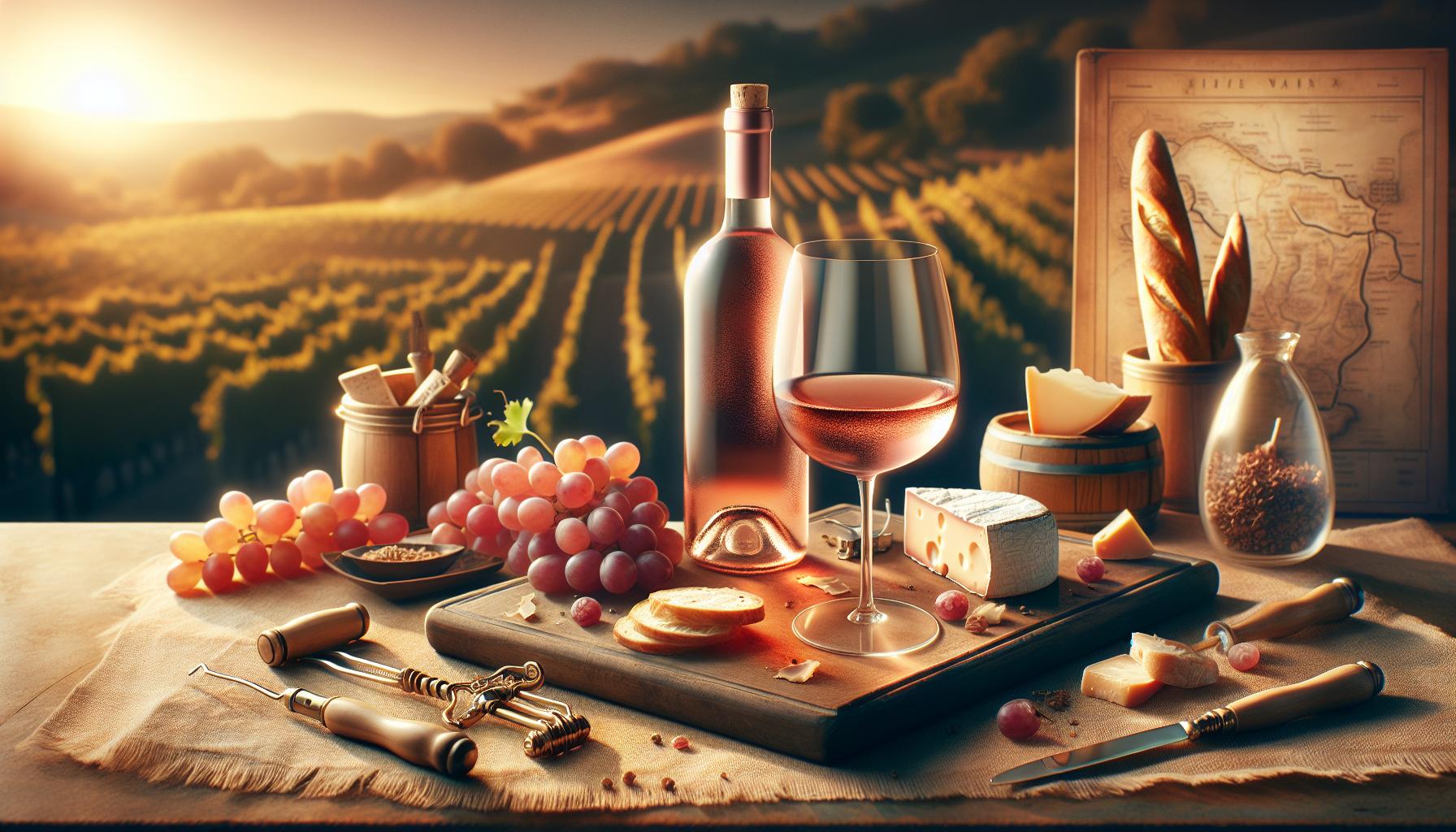
Understanding Rosé: The Basics of Style and Variety
In the world of wine, the term “rosé” evokes images of sun-drenched afternoons and joyful summer picnics, but beneath its charming surface lies a complexity worthy of deeper exploration. Rosé is not just a color or a casual choice; it represents a diverse tapestry of styles and flavors, each speaking to different traditions, grapes, and winemaking techniques. From the delicate blush of a Provence wine to the bold character of a California version, understanding the various styles of rosé is key to appreciating its nuances.
At its core, rosé can be made using several methods, primarily the direct press method, where red grapes are pressed gently to extract minimal color, and the saignée method, which involves bleeding off some juice from a red wine fermentation to concentrate color and flavor in the remaining wine. These techniques yield a spectrum of styles-from crisp and refreshing to rich and textured-demonstrating the winemaker‘s intent and the terroir of the region. A fun fact is that the rosé color can range from pale salmon to deep cerise, influenced heavily by grape variety and maceration time.
Another captivating aspect of rosé is the grape varieties that shape its character. Common grapes used in rosé production include Grenache, Syrah, and Pinot Noir, each bringing its own personality to the bottle. Grenache, for instance, often lends itself to fruity notes like strawberry and watermelon, while Syrah may impart a spicier, darker profile. This variety of grape origins underscores the idea that rosé can defy simple categorization, allowing wine enthusiasts to discover an exciting array of flavors and aromatic profiles.
As you embark on your exploration of rosé, consider the regions that produce them. Whether it’s the elegant, mineral-driven styles from the South of France or the fruit-forward interpretations found in Napa Valley, each region influences the final product’s taste and character. Understanding these dynamic relationships is not just about learning what you might enjoy; it’s about appreciating the story behind each bottle, making each sip a sensory journey intertwined with culture and history.
Exploring Sweetness in Rosé: Myths and Realities
While often associated with sweetness, rosé wine exists on a vibrant spectrum that encompasses a range of flavors, textures, and styles. The common misconception that all rosés are sweet stems from an oversimplified view of the wine, often fueled by a few well-known brands that dominate the market with their sweeter offerings. However, like a painter’s palette, the world of rosé is rich in diversity, showcasing a plethora of characteristics from bone-dry to irresistibly sweet.
To appreciate this complexity, it’s essential to delve into the factors that influence a rosé’s sweetness. Ingredients such as grape variety, climate, and winemaking techniques play integral roles. Grapes like Grenache tend to produce fruity, delicious rosés that may skew towards sweetness, while those made from Pinot Noir often lean more toward dryness with bright acidity. Climate further shapes these profiles; cooler regions typically yield wines with higher acidity and a drier finish, while warmer locales can foster luscious, fruit-forward styles. Understanding these relationships can greatly enhance your tasting experience, helping you differentiate between the myriad types available.
Beyond grape selection, the method of production significantly impacts sweetness levels. The saignée method, for example, can produce an array of styles depending on how much juice is bled from the fermentation tank of red wine. The balance of sugars during fermentation and the decisions made by the winemaker also heavily influence the final product. Each approach tells a story, inviting you to explore beyond mere labels to discover a wine crafted with intention.
So, as you navigate the enchanting realm of rosé, remember that sweetness is just one facet of a wine’s personality. Instead of seeking out just sweet options, consider embracing the variety found in both dry and sweet styles to discover your unique preferences. Venture into tastings that feature different regions and methods, allowing your palate to engage with the full spectrum of what this delightful wine has to offer.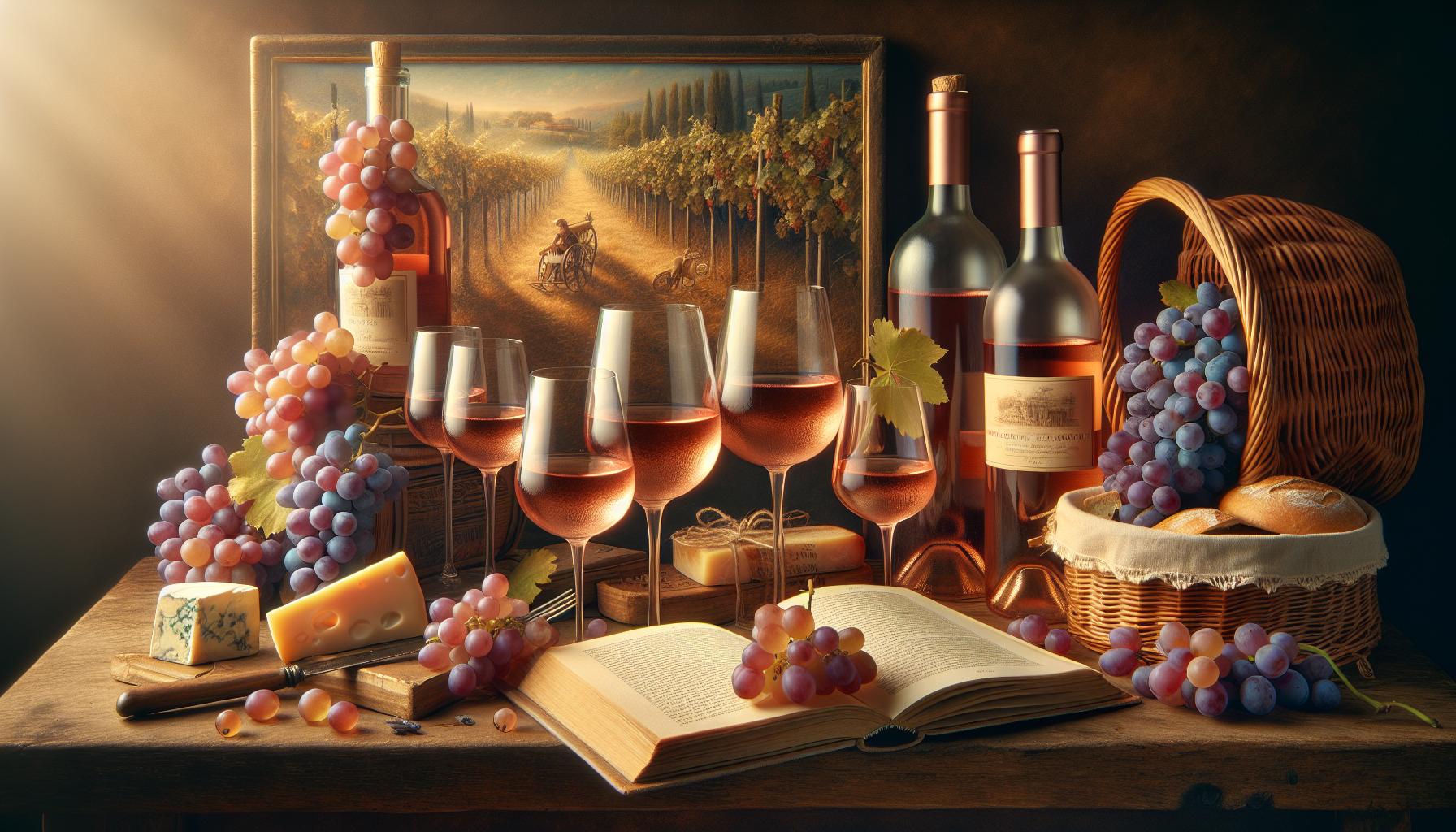
Delving into Rosé Varietals: Grapes that Shape Flavor
The allure of rosé lies not only in its captivating hues but also in the diverse array of grapes that contribute to its flavor profile. Each varietal tells a story of its origin, embodying the characteristics of its climate, terroir, and winemaking practices. As you embark on your journey through the world of rosé, understanding these grapes will not only enhance your appreciation but also guide you toward discovering your personal preferences.
Grapes for rosé are often chosen for their ability to express fruitiness while maintaining a delicate balance of acidity. Among the most prominent varietals, Grenache stands out, producing vibrant and berry-forward rosés that may skew sweet but are often layered with complexity-think juicy strawberries mingling with a whisper of spice. Another favorite, Syrah, provides a deeper, more robust profile, often evoking flavors of ripe plum and black cherry, making it a wonderful choice for those who enjoy a bolder sip. On the other hand, Pinot Noir yields a lighter, more elegant style, characterized by bright acidity and notes of raspberry and floral undertones that delight the palate without overwhelming it.
When exploring these varietals, consider the significance of blend-many exceptional rosés result from combining different grapes. The harmonious coupling of Grenache and Syrah, for example, can yield a wine that balances sweetness with depth, offering you a fuller, richer tasting experience. Components like Tavel and Côtes de Provence rosés often feature a medley of grapes, each adding its unique brushstroke to the masterpiece that is the final bottle.
Moreover, the climate where these grapes are grown deeply influences their flavors. In cooler regions, the prolonged hang-time can foster grapes that develop intricate layers of flavor, usually with higher acidity and drier finishes. Conversely, regions with warmer climates produce riper fruit, which can lead to lush, fruit-forward rosés.
As you sip your way through different varietals, reflect on how the grape influences your experience. With every glass of rosé, you not only taste a wine but connect with the history, culture, and artistry behind its creation. Let each varietal guide your journey through the nuanced world of rosé, where sweetness is just one note in a beautiful, unfolding symphony.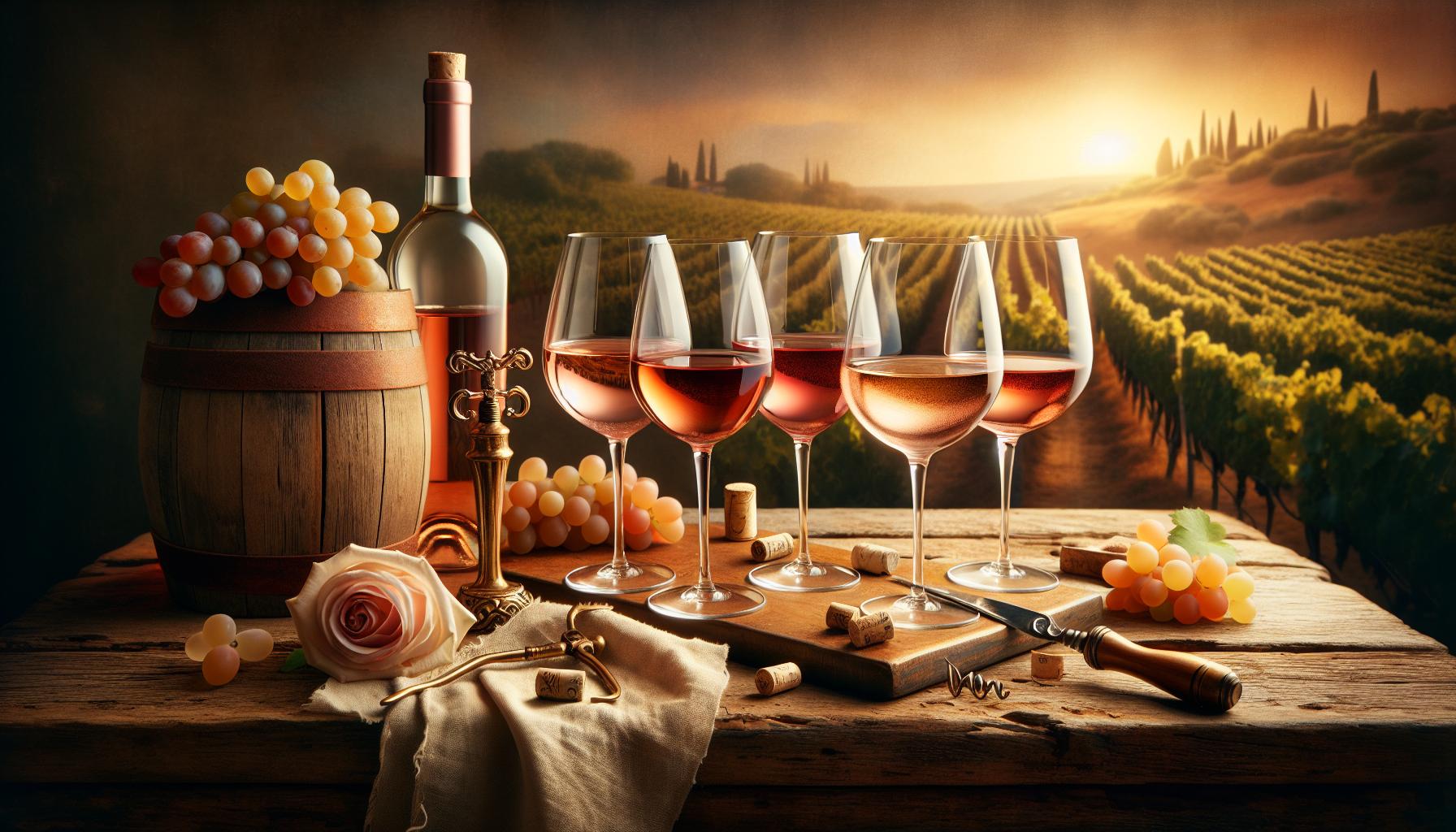
The Spectrum of Sweetness: Dry to Lush Rosés
The world of rosé is as diverse as the palate itself, striking a remarkable balance between the overt sweetness associated with some wines and the crisp dryness that so many enthusiasts seek. Within this vibrant spectrum, each style of rosé invites exploration, ensuring that there is something for everyone, whether you prefer a refreshing sip on a sunny afternoon or a more indulgent pour at the dinner table. At the dry end of the spectrum, many traditional regions such as Provence in France produce rosés that are characterized by their pale pink hues and high acidity, which brings forth flavors of ripe berries, citrus, and floral notes while keeping the wine remarkably dry. These are often crafted using grape varietals like Grenache and Cinsault, which offer a delicate touch without overwhelming sweetness, allowing the drinker to savor each sip.
As we move along the sweetness scale, we encounter a delightful range of options. Some winemakers intentionally leave residual sugars in their rosé, resulting in a luscious, fruity profile that tantalizes the taste buds. For example, a rosé made from a blend of Grenache and Syrah can provide a captivating sweetness reminiscent of fresh strawberries and juicy peaches. Additionally, certain styles, particularly those influenced by warmer climates, tend to enhance the natural sweetness of the grapes, yielding a rosé that feels plush and satisfying without being cloying. This revelation can open up exciting pairing possibilities, especially when considered alongside spicy dishes or rich cheeses.
It’s important to note that sweetness perception in wine can be subjective. A wine labeled as “dry” can still present fruit-forward flavors that may seem sweet to some, depending entirely on personal palate preference. Thus, tasting various styles is essential in understanding your preferences, leading to more pleasurable experiences. Exploring the nuances between a beautifully balanced dry rosé and a sweet, fruit-laden counterpart can transform one’s appreciation of the wine, illuminating the relationship between the grapes, their terroir, and the winemaking process.
When choosing a rosé, consider the occasion and how the wine’s sweetness will complement your meal or setting. A dry rosé might be ideal for light salads or seafood, while a sweeter option could serve as a delightful counterpoint to spicier dishes or even as a refreshing standalone sipper on a warm day. By experimenting within the spectrum of sweetness in rosé, you not only enrich your palate but also enhance your understanding of this captivating wine style, discovering the harmony that unfolds with every glass.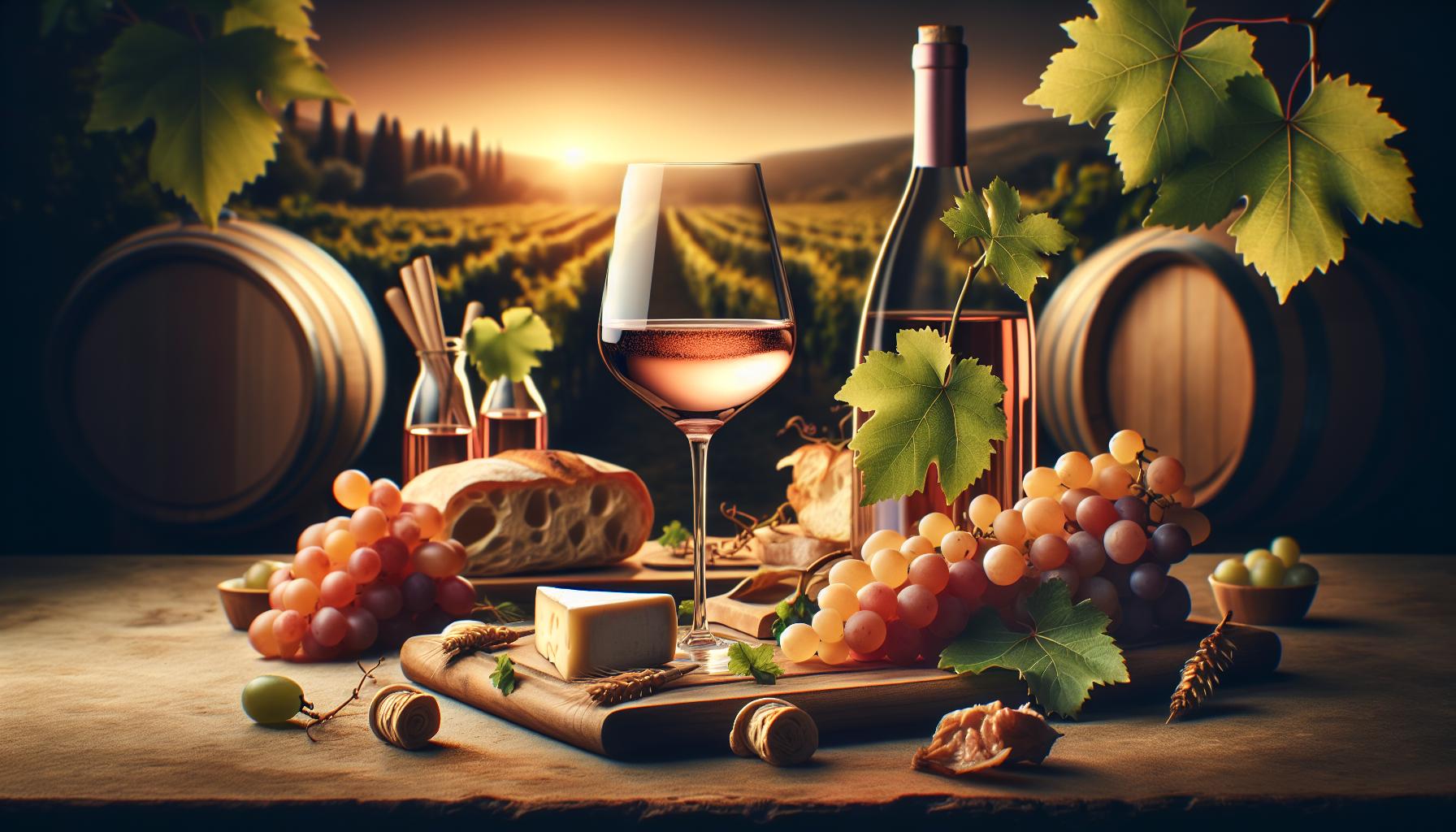
Taste Profiles: Notable Flavors Found in Rosé
The enchanting allure of rosé lies not only in its vibrant color but also in the kaleidoscope of flavors that can dance across the palate. From the sun-soaked vineyards of Provence to the lush hills of California, each bottle tells a story distilled from the unique environment where the grapes are grown. Rosé can exhibit a remarkable range of tasting notes, inviting wine lovers to explore various profiles that evoke imagery of summer gardens and sunlit picnics.
Among the notable flavors found in rosé, red fruits reign supreme. Bright notes of strawberries, raspberries, and watermelon often leap forth, especially in those crafted from grape varieties such as Grenache and Sangiovese. These fruits can manifest as mouthwatering freshness, perfect for a warm afternoon under the sun. Conversely, some rosés, particularly those that embrace a slightly sweeter profile, may reveal peach, apricot, or even tropical fruits like pineapple-a delightful callback to sunny vacations and backyard barbecues.
Yet, rosé goes beyond mere fruitiness. The influence of terroir-that mystical relationship between the land and the wine-contributes complex layers of minerality and undertones of floral notes such as rose petals and lavender. This delicate interplay can transport you to the French countryside or an Italian terrace, where the fragrance of blooming herbs sets the stage for a refined glass of rosé. Citrusy hints of grapefruit and lemon zest might also accentuate the refreshing quality of a well-crafted rosé, balancing sweetness with zesty brightness.
As your journey through rosé varieties continues, consider how the winemaking techniques employed can further shape these profiles. Techniques such as saignée (bleeding off some juice from red wine fermentation) often result in deeper hues and richer flavors, while colder fermentation can preserve a wine’s fresh and fruity essence. The result? Exceptional bottles that reflect not just the varietal character but also the winemaker’s vision, elevating your experience beyond the glass. Whether you lean towards the fresh berry sensations or the more nuanced complexities of floral and mineral elements, there’s a rosé waiting to be discovered that perfectly matches your palate.
Pairing Rosé: Culinary Matches for Every Style
The versatility of rosé makes it an exceptional companion at the dining table, seamlessly complementing a wide array of cuisines. With its vibrant fruitiness and refreshing acidity, rosé can elevate a dish, bridging the flavors of summer with culinary creativity. Imagine a sun-drenched afternoon, where a crisp, dry Provence rosé accompanied a charcuterie board laden with soft cheeses, cured meats, and olives-all perfectly balanced by the wine’s delicate floral notes and juicy red fruit flavors.
When pairing rosé, it’s essential to consider the style of the wine, as there is a whole spectrum from dry to sweet. A dry rosé, with its lean body and bright acidity, is particularly suited for lighter fare. Consider serving it alongside grilled shrimp skewers marinated in garlic and lime or a fresh feta and watermelon salad, where the saltiness of feta and sweetness of watermelon harmonize beautifully with the wine’s crisp profile. The interplay of flavors engages the palate, leading you through a refreshing summer experience.
Conversely, if your choice leans towards a sweeter style, look to pair it with slightly spicier cuisines or richer dishes. A sweeter rosé can stand up against the bold flavors of spicy Thai or Indian cuisine, where the touch of sweetness counteracts the heat while enhancing the aromatic spices. Picture a plate of pad Thai, with its savory-sweet profile, beautifully matched to a glass of off-dry rosé, enhancing the dish’s rich tapestry of flavors.
Additionally, do not shy away from dessert! A rosé with pronounced fruit characteristics can pair charmingly with a sorbet or fruit tart, the sweetness of the wine echoing the dessert’s freshness without overwhelming it. The key is to think about balance-how the wine’s acidity and sweetness can contrast or complement the food-and let your taste buds guide you. Each glass becomes not just a drink, but an invitation to slow down, savor, and appreciate the art of food and wine pairing in all its delightful complexity.
Regional Influences: How Terroir Shapes Rosé
The landscape of rosé is as diverse and colorful as the wines themselves, shaped intricately by the concept of terroir – that enchanting French term that encapsulates the unique environment in which vineyards thrive. Terroir includes everything from the soil composition and climate to the slope of the vineyard and local traditions of winemaking. These elements combine in ways that not only influence the grape varieties used but also the resulting flavor profiles, aromas, and characteristics that define rosé wines across various regions.
In southern France, for instance, the famed Provence rosés are often light, crisp, and highly aromatic, a reflection of the warm Mediterranean climate. The region’s sun-drenched vineyards produce Grenache and Cinquain-based blends that yield delicate hues reminiscent of pale salmon. This climate promotes early ripening and low acidity, resulting in wines that are refreshingly bright with notes of wild strawberries, white peach, and floral notes – perfect for sipping on a sun-drenched terrace. Conversely, in cooler climates like the Loire Valley, you may find rosés that feature a more pronounced acidity and structure, often made from Cabernet Franc or Pinot Noir. Here, the resulting wines are bright and crisp, showcasing flavors like tart cherries and subtle spice, often with a refreshing minerality that speaks to the nuances of their cooler growing conditions.
Regional influences extend beyond just the geographical features; cultural practices and historical traditions also play a pivotal role in how rosé is crafted. For example, in Spain, where rosado is a revered style, winemakers often employ traditional methods of maceration that extract more color and flavor from the skins of grapes like Tempranillo and Garnacha. The result is a fuller-bodied rosé with depth, flavor intensity, and a wonderful spiciness that pairs beautifully with rich dishes like paella. In contrast, the artisanal producers in the New World, such as those in California’s Napa Valley, leverage modern techniques and innovative practices to create a diverse range of rosé styles, often experimenting with blending and aging techniques that reimagine classic profiles.
Ultimately, the terroir encompasses an entire experience – every sip of rosé tells the story of the land from which it hails. So as you embark on your rosé journey, let your palate explore the regional variations; whether you prefer the light, breezy styles from Provence or the deeper, more substantial blends of Spain, understanding how terroir shapes these wines enhances your appreciation and connection to each unique bottle. It’s a reminder that wine is not just a beverage but a narrative of heritage, environment, and the intimate dance between nature and human ingenuity.
Crafting Rosé: Winemaking Techniques Explained
Crafting rosé is both an art and a science, rooted in a rich tradition that dates back centuries yet continually evolves with modern innovations. At its core, winemaking techniques for rosé can be categorized primarily into three methods: direct pressing, maceration, and blending. Each technique imparts distinctive qualities to the final product, allowing winemakers to express the terroir, grape variety, and their personal style.
In the direct pressing method, grapes are lightly crushed, and their skins are pressed directly to extract just enough color and flavor without overwhelming tannins. This approach often yields the lightest, most delicate rosés, emphasizing crisp acidity and bright fruit flavors. Imagine a sunlit summer day, with a chilled glass of Provence rosé shimmering in shades of pale peach, offering notes of wild strawberries, and a whisper of citrus.
The maceration technique, in contrast, involves leaving the grape skins in contact with the juice for a brief period, typically ranging from a few hours to a couple of days. This process allows for a deeper extraction of color, flavor, and aroma compounds. Depending on the duration and fruit variety used, the resulting wines can showcase anything from a soft blush hue to a vibrant pink, with taste profiles that vary widely. For example, a rosé crafted from Grenache may reveal layers of raspberry and peach, while one from Cabernet Sauvignon could surprise the palate with richer flavors of cherry and spice.
Lastly, some winemakers opt for blending, which means they create rosé by combining red and white wines. This method is less common but can produce unique profiles that blend the best characteristics of both. For instance, a rosé made from a blend of Pinot Noir and Chardonnay may possess the elegance of creamy textures alongside refreshing acidity, resulting in a wine that is intriguing and complex.
Ultimately, the craftsmanship behind rosé is not merely about the methods employed; it’s about the stories captured in each bottle. With the right techniques, a winemaker can draw out the essence of the grapes, the essence of the land, and the essence of the moment when each bottle is opened and shared. As you explore the myriad styles and flavors of rosé, consider how these winemaking techniques shape the experiences awaiting in your glass, inviting you to savor both the tradition and innovation that define this beloved wine.
The Best Rosé for You: Identifying Your Preferences
Choosing the right rosé can feel like a delightful puzzle, with so many styles and flavor profiles to explore-each one offering a unique experience. Whether you’re sipping on a vibrant Spanish rosado or a delicate French rosé, understanding your personal preferences can enhance your enjoyment and deepen your appreciation for this versatile wine. To navigate the world of rosés, consider the following factors that influence the wines you’ll find most enjoyable.
Begin by reflecting on your taste preferences. Do you lean toward the crisp acidity found in a Provence rosé, replete with notes of strawberries and herbs? Or do you crave the fruit-forward boldness of a California rosé that might bring out flavors of ripe watermelon or even hints of tropical fruits? Grapes play a pivotal role in flavor expression, so familiarize yourself with varietals commonly used in rosé production, such as Grenache, Syrah, Cabernet Sauvignon, and Pinot Noir. Each brings its own character to the wine, shaping everything from color to aromatic profile.
H3: Sweetness Spectrum
Understanding sweetness levels is crucial. While some rosés are bone dry, others can have a hint of sweetness that makes them immensely refreshing. Experimenting with different styles can help you identify where your palate lies on the sweetness spectrum. For instance, if you’re drawn to sweeter wines, a White Zinfandel or a sparkling rosé might tickle your fancy. In contrast, if you prefer a more structured flavor profile, seek out rosés that boast higher acidity and less residual sugar, such as those from the Sancerre region of France.
H3: Food Pairing Considerations
Don’t forget to consider what you’ll be pairing your rosé with. Certain styles of rosé can enhance specific dishes beautifully. For lighter appetizers, a classic dry rosé can provide complementary acidity, while richer styles work wonderfully with grilled meats or creamy pasta dishes. Exploring food pairings not only helps you find your ideal wine but also opens doors to new culinary experiences. So next time you sit down for a meal, think of it as an opportunity to engage with the broader spectrum of flavors that rosé can offer.
Ultimately, the best way to discover your preferences is through experimentation. Host a rosé tasting with friends, sample a diverse range, and take notes on what resonates with you. Wine is as much about the experience as it is about the taste, so savor each sip and let your palate lead the way, reminding yourself that the journey is often just as rewarding as the destination.
Trends in Rosé: Current Styles and Future Directions
In the ever-evolving world of wine, rosé has experienced a renaissance that’s hard to ignore. Once relegated to the sidelines of wine culture, it has emerged not just as a seasonal favorite but as a staple of modern viniculture, showcased for its diversity and accessibility. Today, the rosé category encompasses a vast array of styles, from the pale, bone-dry wines of Provence to the vibrant, fruit-forward iterations from California. This evolution reflects a broader trend towards lighter, refreshing wines that align with contemporary dining preferences and lifestyle choices.
Producers are not just focusing on the traditional Grenache or Syrah blends; they are also experimenting with grape varietals-including Pinot Grigio and Sangiovese-to create unique expressions of rosé. This creative approach is appealing to a new generation of wine drinkers who are seeking authenticity and personal connection with their choices. The rise of Instagrammable packaging and eye-catching labels has further propelled the popularity of rosé, making it as much a lifestyle icon as a beverage choice. Brightly colored bottles and clever branding engage consumers, enticing them to share their experiences online, thus enhancing the wine’s cultural footprint.
Moreover, the environmental consciousness that permeates today’s market has led many winemakers to adopt sustainable practices in their vineyards and production methods. Organic and biodynamic wines are gaining traction, championing freshness and terroir expression while minimizing environmental impact. With many consumers looking to align their purchasing decisions with their values, this movement towards sustainability in rosé production is also a strong trend that signals its future direction.
As we look ahead, expect innovations not just in production techniques, but in styles like sparkling rosé and orange rosé, which add layers of complexity to this beautiful category. In this landscape of variety and experimentation, the quest for the perfect rosé continues-a delightful adventure that invites exploration and a celebration of all that this wine has to offer. Whether it’s sipping an effervescent picnic-style rosé with friends on a sunny afternoon or enjoying a deeper, more structured wine with a rich meal, the future of rosé is bright, vibrant, and filled with endless possibilities.
Frequently Asked Questions
Q: Is all rosé wine sweet?
A: Not all rosé wines are sweet. While some rosés, especially those from regions like the Loire Valley, can have fruity sweetness, others are dry, such as those typical of Provence. Taste varies significantly by style and winemaking techniques, so it’s essential to check labels or ask for recommendations.
Q: What are the different styles of rosé wine?
A: Rosé wines come in several styles, including dry, off-dry, and sweet. Key types include Provence rosé (dry), White Zinfandel (off-dry), and dessert rosé wines. Each style offers unique flavors and food pairing possibilities, enriching your wine experience at any occasion.
Q: How can I tell if a rosé is dry or sweet?
A: To determine if a rosé is dry or sweet, check its label for descriptors. Dry rosés often mention “Provence” or “vin gris,” while sweet varieties may be labeled “off-dry” or include fruity notes. Tasting the wine is also revealing; sweeter wines have more prominent fruit flavors.
Q: What foods pair well with rosé wine?
A: Rosé pairs wonderfully with diverse foods due to its versatility. Enjoy it with salads, grilled vegetables, seafood, or light pasta dishes. The refreshing nature of rosé makes it a great choice for summer BBQs or picnics, enhancing the joy of shared meals.
Q: When is the best time to drink rosé?
A: While rosé is often associated with warmer months, it can be enjoyed year-round. Serve chilled during summer gatherings, but consider rich, food-friendly styles in cooler seasons. Explore its versatility with seasonal dishes for a delightful pairing experience.
Q: Can rosé wine be sparkling?
A: Yes, rosé wine can be sparkling! Sparkling rosé, like Prosecco Rosé or Rosé Champagne, offers bright flavors and effervescence that elevate celebrations. This style combines the fruity character of rosé with the lively bubbles, perfect for toasting special occasions.
Q: What are some popular grapes used in rosé wine production?
A: Common grapes for rosé include Grenache, Sangiovese, Syrah, and Pinot Noir. Each grape contributes distinct flavors and characteristics, from fruity and floral notes to more robust profiles. Understanding these varietals enhances your appreciation of rosé’s diversity.
Q: How should rosé wine be served?
A: Serve rosé wine chilled, ideally between 46°F and 55°F (8°C to 13°C). This temperature highlights its refreshing qualities. Use a large wine glass to appreciate its aromas, and don’t hesitate to experiment with food pairings to elevate your tasting experience.
Explore more about the delightful world of rosé styles and flavors to enrich your wine knowledge!
The Conclusion
As we conclude our exploration of rosé, we hope this guide has illuminated the delightful spectrum of styles and flavors this versatile wine offers. From the refreshingly crisp notes of a Provençal rosé to the luscious sweetness of certain designs, each sip is a celebration of culture and craftsmanship. Ready to deepen your knowledge? Dive into our articles on wine pairings and the art of tasting-these insights will enrich your next tasting experience and sharpen your palate.
Don’t let another summer pass without discovering your favorite rosé! Share your thoughts in the comments below or sign up for our newsletter to stay updated on the latest wine trends and exclusive releases. Cheers to your next adventure in wine! With every glass, you open up a world of stories, flavors, and connections that resonate beyond the bottle. Explore, enjoy, and elevate your experiences-rosé wine is waiting for you!
Get our latest guides, news, and insights highlighted in your Google Search & AI Overviews.