
When people think of rosé, images of sun-soaked picnics and carefree summer afternoons often come to mind. But is this beloved blush wine truly sweet, or does it offer a spectrum of flavors? Understanding rosé’s diverse taste profiles can deepen your appreciation for this versatile wine. By exploring its varying sweetness levels and the perfect food pairings that enhance each sip, you’ll elevate your wine experience and find new favorites to enjoy. So, whether you’re a rosé aficionado or just curious, let’s dive into the delightful world of rosé and uncover its true character.
Is Rosé Sweet? Understanding the Basics of Rosé Wine
The world of rosé wine is as vibrant and diverse as the sunsets it often mirrors-each glass holding a tale of terroir, tradition, and craftsmanship. Many wine lovers wonder about the sweetness of rosé, a category that can seem nebulous and varied. Understanding whether rosé is sweet requires a closer look at how this delicate wine is made and the choices vintners make during the process. Although some rosés lean towards the sweeter side, many exhibit a dry or balanced profile, with sweetness levels that can be quite nuanced.
Rosé wines can achieve their blush hue through various methods: skin contact, saignée, or blending. The skin of the grapes imparts much of the wine’s flavor and color. The length of time the skins remain in contact with the juice influences not only the shade but also the flavor profile. Generally, rosés made solely from red grapes tend to be drier, while those blended with white wine may incorporate sweetness. This intrinsic variability means that a wine labeled as “rosé” could range from the dry, mineral-driven styles of Provence to the more fruit-forward and occasionally sweeter iterations found in regions like California.
When examining whether a rosé is sweet, it’s essential to consider the residual sugar content, which gives the wine its sweetness. Most rosés have less than 10 grams of residual sugar per liter, categorizing them as dry or off-dry. However, some exceptions exist. Wines labeled “sweet” or “semi-sweet” typically contain higher residual sugar, striking a balance that may appeal to those who prefer a softer sip. The personal preferences of the taster, along with factors like food pairing, can significantly influence perceptions of sweetness; a buttery lobster might enhance a rosé’s fruity notes, making it seem sweeter, while pairing it with a tart salad could emphasize its crispness.
Ultimately, rosé wine offers a refreshing journey through flavor profiles, with something to appease almost every palate. Embracing this variety can transform wine drinking from a mere refreshment into an exploration of taste and culture, potentially igniting a deeper appreciation for the nuanced artistry behind each bottle.
The Palette of Rosé: Flavor Profiles Explained
Rosé wine captivates the senses not only with its enchanting color but also with a diverse palette of flavor profiles that range widely depending on the grape varietals, the methods of production, and even the terroir from which it originates. The essence of rosé lies in this complexity, where each sip reveals layers of taste that can ignite delightful nostalgia or provoke exhilarating new discoveries. From the sun-soaked vineyards of Provence to the vibrant vineyards of California, rosé offers a journey through fruit, florals, and the earth itself, making it a favorite for wine enthusiasts seeking both refreshment and depth.
The flavor profiles of rosé can be broadly categorized into several distinct characteristics, allowing for a personalized experience that caters to the palate of each drinker. For instance, many rosés exhibit bright notes of strawberry, raspberry, or watermelon, particularly those made from Grenache or Zinfandel grapes. These fruity flavors often evoke summery vibes, perfect for picnics or leisurely afternoons. In contrast, rosés crafted from more aromatic varietals, such as Sauvignon Blanc or Pinot Grigio, may surprise the taster with zesty citrus or herbaceous notes, lending a refreshing quality that’s excellent for pairing with lighter dishes.
Moreover, the sweetness of rosé wine plays a crucial role in shaping its flavor profile. While most rosés are crafted to be dry-or at least off-dry-there are styles that embrace sweetness, especially those labeled as semi-sweet. This nuanced variation can create a delightful contrast with food, allowing the fruitiness to harmonize with spice or acidity. The perception of sweetness can be influenced by the wine’s acidity level; a high acidity can accentuate fruity flavors while minimizing the sensation of sweetness, making the rosé feel more refreshing rather than cloyingly sweet.
When exploring the world of rosé, consider these key flavors and attributes that can influence your culinary pairings:
- Fruity Notes: Wines with pronounced fruit, such as strawberries and cherries, are best paired with salads, seafood, or grilled vegetables.
- Citrusy and Herbal Aromas: Rosés with zesty acidity work well with chicken, fish tacos, or dishes featuring cilantro and lime.
- Sweet and Spicy Varietals: If opting for a sweeter rosé, consider complementary flavors like Asian cuisine or spicy dishes to balance the palate.
Ultimately, the charm of rosé lies in its ability to adapt and surprise, making it an ideal companion for a multitude of occasions-be it a casual gathering or a sophisticated dinner party. As you delve into its various flavor profiles, allow each bottle to tell its own story, inviting you to savor its journey from vine to glass.
Types of Rosé: From Dry to Sweet Variations
Rosé wine can take you on a delightful journey across the spectrum of sweetness, from the refreshing dryness of a Provençal pink to the lush sweetness found in some off-dry styles. Understanding these variations not only enriches your appreciation but also enhances your food pairing possibilities. Most notably, rosé is not a monolithic category; it flourishes in its diversity, each bottle singing its own melody depending on how it’s made and what grapes are used.
At the heart of rosé’s appeal is the production method, which significantly determines its style and sweetness level. Generally, rosés fall into three broad categories: dry, off-dry, and sweet. Dry rosés, often favored in regions like Provence, prioritize crispness and refreshing acidity, making them perfect companions for a myriad of dishes, especially lighter fare. These wines, crafted from varietals such as Grenache, Syrah, or Mourvèdre, typically revel in flavors of fresh strawberries, cherries, and melons while showcasing floral notes that enhance their elegance.
Moving slightly up the sweetness scale, off-dry rosés strike a delightful balance. They employ a touch of residual sugar, producing a subtle sweetness that complements their fruity profiles. Varietals like Zinfandel can produce delightful off-dry rosés that resonate with watermelon and raspberry notes while retaining a refreshing zest. These wines are versatile for pairing with a wider array of dishes, such as spicier cuisines or richer salads dressed with vinaigrette.
At the opposite end, sweet rosés often appeal to those who prefer bolder, fruit-forward flavors. These examples might derive from a blend of grapes or specific varietals like Pink Moscato, which embody floral aromatics and luscious notes of peach and nectarines. Sweet rosés are particularly enjoyable when paired with spicy foods, as they help tame the heat while accentuating flavor. They could also serve as a delightful dessert wine, enveloping your palate in a comforting sweetness that lingers.
As you explore this vibrant spectrum from dry to sweet, consider your personal palate preferences and the moments you seek to elevate with a glass of rosé. Whether you’re celebrating with friends or enjoying a quiet sunset, there’s a rosé out there ready to add a splash of color to your experience, embracing the art of wine appreciation with every sip.
How Sweet is Rosé? Measuring Sugar Content
The sweetness of rosé is a nuanced topic, one that invites exploration and personal discovery. In the world of wine, sweetness is primarily determined by the sugar content remaining after fermentation, known as residual sugar (RS). This subtle factor can transform a beverage characterized by its refreshing acidity into one that envelops the palate in decadence. To navigate the vast landscape of rosé wines, understanding how sweet a specific bottle may be can significantly enhance your tasting experience.
Rosés can be broadly categorized based on their residual sugar levels, which offers a clear perspective on what to expect. Dry rosés, often containing less than 1% residual sugar, are quintessentially crisp and bright. These wines are celebrated for their vibrant acidity and flavors reminiscent of fresh berries and citrus. A classic example would be a Provençal rosé, where the goal is to create a refreshing drink that pairs effortlessly with seafood or light salads.
Off-dry rosés, with residual sugar levels ranging from 1% to 3%, present a delightful balance of sweetness and acidity. This style can often include ripe fruit notes, such as watermelon or tart cherries, which add complexity without overwhelming the palate. Varietals like Grenache and Zinfandel frequently lend themselves to this style, making them excellent companions to moderately spicy dishes and richer entrees.
At the sweeter end of the spectrum, sweet rosés can have upwards of 4% residual sugar, making them more approachable for those with a preference for bold, fruit-forward flavors. Examples like Pink Moscato often burst with aromatic notes of peach, strawberry, and floral undertones. These wines are not only enjoyable on their own but also excel as dessert companions or refreshingly sweet pairings with spicy or salty foods.
To gauge the sweetness of a rosé when exploring wine labels or menus, look for terms like “dry,” “off-dry,” or “sweet,” which provide helpful hints. Additionally, the alcohol content can serve as an indirect indicator-generally, sweeter wines tend to have lower alcohol percentages because sugar is not fully converted into alcohol during fermentation. Ultimately, tasting is your best guide; attend to your palate and take note of the sensations. Allow your senses to lead you to rosés that resonate with your preferences and elevate the moments you share with friends, family, or simply the delightful sounds of nature on a warm summer evening.
Common Myths About Rosé Wine: Debunking Misconceptions
The allure of rosé wine is often shrouded in myths that can obscure its true nature, leaving many wine lovers puzzled about its character and versatility. One prevalent misconception is that all rosé wines are sweet. This isn’t accurate; the reality is far more nuanced. Rosé can range from bone-dry to surprisingly sweet, depending on the grape varieties used and the methods employed during vinification. Understanding this spectrum can help you appreciate the variety of flavors that rosé offers, from crisp and refreshing to lush and fruity.
Another myth revolves around the idea that rosé is merely a blend of red and white wines. While the practice of blending does exist, the majority of quality rosés are made by a method called maceration, where red grape skins are left in contact with the juice for a short period. This allows a controlled extraction of color and flavor without reaching the depth found in a full red wine. Therefore, the shades and profiles of rosés can be as diverse as the grapes they originate from-think of them as wines in their own right, not just a byproduct of mixing.
Additionally, there is the notion that rosé should only be consumed in warmer months or during casual sipping occasions. This cafe conundrum does a disservice to the wine’s gastronomic potential. Many rosés possess a complexity that beautifully complements a range of dishes, making them perfect for year-round enjoyment. Pair a dry rosé with grilled meats, seafood, or even spicy fare, and you’ll find that its acidity and fruitiness offer a delightful counterbalance, enhancing the flavors of the meal.
Lastly, many people believe that rosé wines lack aging potential. While it’s true that many are crafted for immediate enjoyment, certain styles, particularly those made from robust varietals, can evolve gracefully over time. The tannins and acidity present in some rosé wines allow them to develop unique characteristics that resonate well after a few years in the bottle. Therefore, the journey through your glass of rosé can surprise you, offering depth and complexity that defies the myths that often cloud its reputation.
In unraveling these misconceptions, we come closer to truly enjoying rosé as a vibrant and versatile expression of wine that invites exploration and appreciation throughout the seasons.
Best Food Pairings: Elevate Your Rosé Experience
The culinary charm of rosé wine knows no season, dancing effortlessly between the lighthearted and the complex. This versatile wine, often seen as a symbol of summer, can elevate the dining experience all year round. Its delicate balance of acidity and fruitiness complements a remarkable array of dishes, allowing you to create memorable pairings that excite the palate and spark conversation.
When considering what to serve alongside your favorite bottle of rosé, think about its diverse flavor profiles, which can range from crisp and floral to rich and berry-laden. Here are some exemplary pairings that highlight the versatility of rosé:
- Seafood delights: The vibrant acidity of a dry rosé pairs beautifully with grilled shrimp or scallops, drawing out the natural sweetness of the seafood while providing a refreshing balance. Additionally, sushi, particularly with salmon or tuna, elevates the dining experience as the wine’s fruit notes harmonize perfectly with the umami of the fish.
- Salads with flair: A rosé’s brightness amplifies the freshness of salads-think of a goat cheese and citrus salad or a classic niçoise. The varying textures and vibrant flavors in the greens will find a lovely companion in a glass of rosé, enhancing every bite.
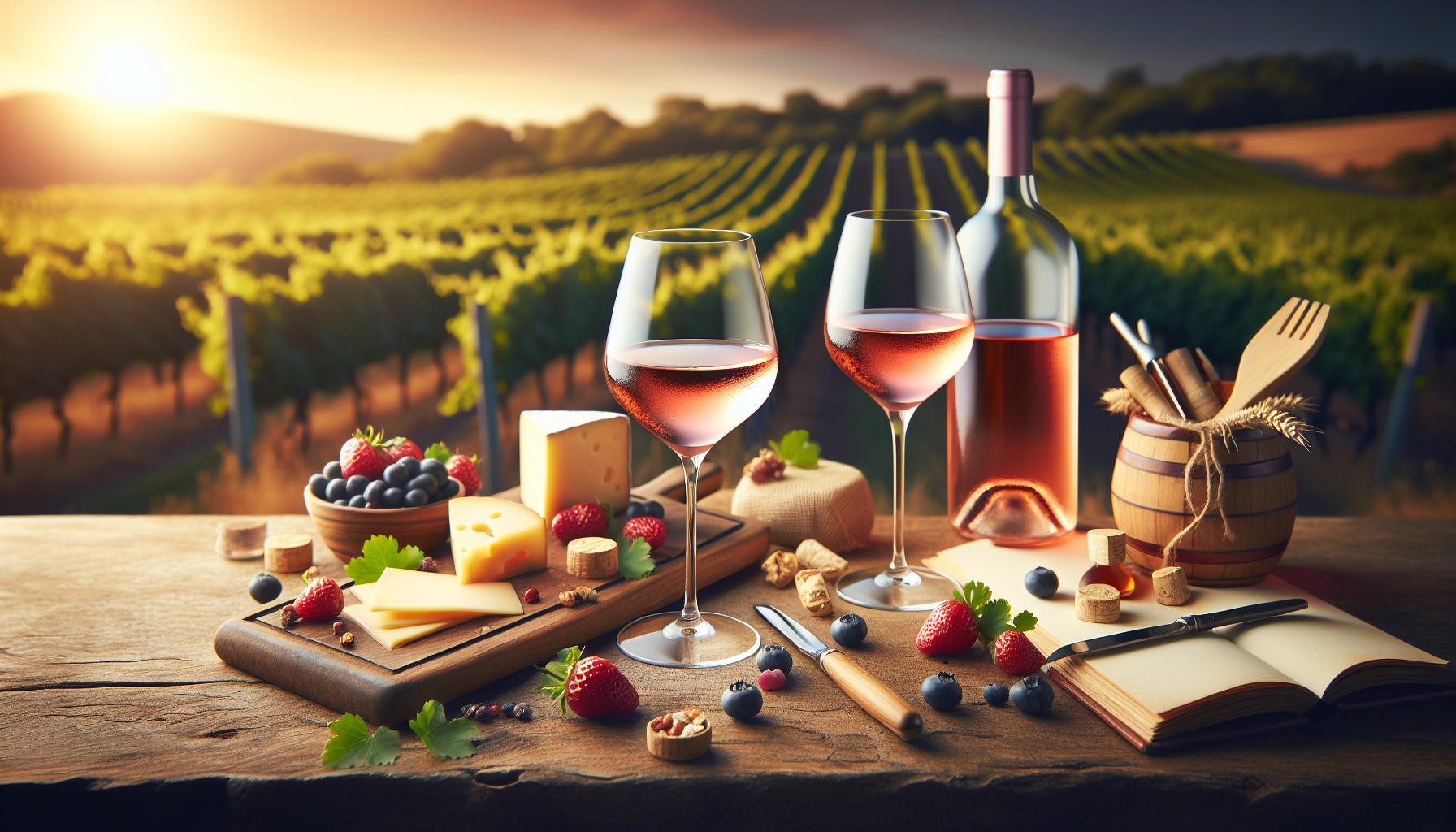
- Charcuterie boards: Imagine a gathering around a rustic table adorned with cured meats, cheeses, and seasonal fruits. A rosé serves as a unifying element, bridging the flavors of salty prosciutto, tangy feta, and sweet strawberries, offering a delightful contrast with every nibble.
- Spicy fare: Your favorite spicy Asian dishes-such as Thai curry or spicy Szechuan noodles-find a surprising ally in a slightly sweeter rosé, which helps temper the heat while enhancing the aromatic spices, creating a delightful dance of flavors on your palate.
Amidst this exploration of food pairings, it’s essential to note that the personality of the rosé is equally significant. A lighter, fruit-forward rosé from Provence will behave differently alongside food than a fuller-bodied style from the U.S. or Spain. This subtle interplay between food and wine is an invitation to tune into the nuances of flavors and explore the experiential joy that comes from perfectly matched delights. Each sip and bite encourages you to delve deeper into your wine and food preferences, crafting an experience that resonates with both tradition and your personal taste journey. So pour a glass, gather around the table, and allow the magic of rosé to transform an ordinary meal into an extraordinary celebration.
Rosé Around the World: Regional Style Differences
The world of rosé is as colorful as the wines themselves, with each region crafting its own unique expressions that reflect local terroir, grape varieties, and winemaking traditions. From the sun-soaked vineyards of Provence, renowned for its delicate and dry styles, to the lush landscapes of California, where bolder and fruitier interpretations prevail, understanding regional differences can significantly enhance your appreciation and enjoyment of rosé wines.
In France, particularly in Provence, rosé is a cultural staple, often enjoyed directly from the bottle during lazy summer days. The local approach emphasizes dry styles, crafted mainly from Grenache, Syrah, and Mourvèdre. These wines typically exhibit pale pink hues and flavors that dance between strawberry, melon, and herbal notes. A classic Provençal rosé boasts a mineral quality that echoes the rocky soils of the region, creating a refreshing, crisp finish perfect for pairing with seafood or light salads.
Moving north to the Loire Valley, you’ll encounter a different rosé narrative. Here, the Cabernet Franc grape takes center stage, producing rosés that are slightly more structured and can have a brighter acidity. Often referred to as “Rosé d’Anjou,” these wines may present a hint of sweetness and flavors of raspberry and watermelon, making them delightful companions to charcuterie or grilled chicken dishes. The diverse climate and varied soil types across the Loire allow for a fascinating range of expressions, each showcasing the region’s distinct character.
In Spain, the vibrant and heartwarming allure of rosado captivates the senses. Regions like Navarra and Rioja are famous for producing rosé wines that can range from dry to sweet, depending on the winemaker’s intent. The use of Tempranillo and Garnacha grapes results in wines with a rich cherry color and flavor profiles reminiscent of ripe strawberries and cherries, often with bold floral notes. These robust yet refreshing wines are excellent when paired with flavorful tapas, creating a harmonious dining experience that highlights the vibrant culinary culture of Spain.
The New World has also embraced rosé, with popular regions such as California and Australia venturing into more adventurous styles. California rosé often boasts a fruit-forward profile, characterized by juicy flavors of peach and grapefruit, making them immensely popular for casual sipping. In contrast, Australian rosé tends to offer a bolder taste experience, showcasing richer berry flavors that appeal to those looking for a more substantial wine. These modern interpretations often skew sweeter, reflecting evolving consumer preferences and opening new avenues for food pairings, from spicy cuisine to creamy desserts.
Ultimately, exploring rosé from different regions invites you to a global tasting tour that tells stories of each locale’s climate, traditions, and palate preferences. With each sip, you not only savor the wine but also connect with the rich tapestry of cultures that celebrate this delightful beverage. So the next time you pour a glass of rosé, consider its origins; let it transport you to sun-kissed vineyards and lively gatherings, enriching your dining experience with every nuanced flavor and story entwined within the bottle.
Crafting Your Perfect Glass: Serving Tips and Techniques
When it comes to enjoying rosé, the experience begins long before the wine touches your lips. The way you serve and savor this delightful drink can significantly enhance its attributes and your enjoyment. The ideal temperature for most rosés hovers between 45°F and 55°F (7°C to 13°C). A chill too cold can mask the intricate flavors, while a lack of coolness may make the wine taste more alcoholic and heavier. Pop the bottle in the fridge for about 30 minutes before serving, or use an ice bucket filled with water and ice for quick chilling. A thoughtfully chilled rosé is an invitation to explore its nuanced palette-a vivid bouquet that can feature everything from ripe strawberries to mineral undertones.
Choosing the right glass is equally essential; while it may be tempting to reach for a standard wine glass, a tulip-shaped glass can elevate the experience. This shape helps concentrate the aromas, leading to a more fragrant experience with each sip. Holding the stem avoids warming the wine with your hand, allowing those delicate notes to remain intact. As you pour, take a moment to appreciate the color, which can range from pale blush to a rich salmon hue, each indicating different characteristics and flavor profiles.
The setting also plays a crucial role in crafting your perfect glass. Imagine a sun-drenched garden or a candlelit evening. Pairing rosé with the right food amplifies its charm, making everyday moments feel special. Consider pairing a dry Provence rosé with light seafood dishes or fresh salads, allowing the wine to dance gracefully around your meal. Conversely, bolder rosés from California or Spain can harmonize beautifully with spiced foods or creamy desserts.
Finally, embrace the art of conversation. Wine tasting is as much a social experience as it is an exploration of flavor. Engage your guests in discussions about the flavors they’re sensing or the food pairings they prefer. Remember, the goal is to create a shared moment filled with joy, laughter, and discovery. With each sip, take a moment to reflect on the wine’s journey from vineyard to glass, allowing its story to enrich your experience and deepen your appreciation for this vibrant and multifaceted beverage. Each of these considerations works in concert, amplifying the sensory exploration that rosé offers and turning a simple glass into a memorable occasion.
Rosé in Culture: A Deep Dive into Its History
Rosé has a rich cultural history that weaves through the fabric of wine appreciation, echoing sentiments of celebration, relaxation, and social connection. Originating in ancient times, rosé wine can trace its roots back to the early winemaking days of the Greeks and Romans, who produced light, refreshing wines that were often enjoyed in festivals and gatherings. These early iterations were made from red grapes with minimal skin contact during fermentation, a method that continues to be foundational in modern rosé production. As wine enthusiasts today uncork a chilled rosé, they partake in a long-standing tradition that champions both flavor and conviviality.
Throughout the centuries, rosé has undergone significant transformations, reflecting the tastes and trends of each era. In France, particularly in regions like Provence, rosé became synonymous with leisurely summer afternoons, served chilled alongside seafood and seasonal salads. The rise of the “apéro” culture-an iconic aspect of French life that celebrates early evening drinks with friends-further ingrained rosé into the social fabric. Notable literary and artistic figures, from the Impressionists to contemporary poets, have also drawn inspiration from its vibrant hues and evocative flavors, often using rosé as a muse for their creative expressions.
Additionally, as the globalization of wine has taken hold, rosé has embraced myriad styles and interpretations from around the world. Each region adds its unique terroir and local grape varieties, producing everything from the highly acidic, mineral-driven rosés of Spain to the lush, fruit-forward styles popularized by winemakers in the New World. This diversity enriches the tasting experience and allows for more delightful food pairings, ensuring that rosé remains a versatile choice for various cuisines, from the simplest picnic fare to gourmet dishes.
In celebrating rosé, one not only indulges in a glass of wine; one engages with a cultural phenomenon that captures the essence of togetherness and enjoyment. Whether served at a sunlit brunch or shared during a cozy evening, rosé invites a spirit of joy and exploration. As you savor its attributes, think about the stories and moments that have been shared over it throughout history, and consider your own stories that continue to unfold with each glass raised in celebration.
The Art of Drinking Rosé: Celebratory Moments and Occasions
In an era where convivial gatherings often define our shared experiences, the ritual of drinking rosé offers a refreshing celebration of life’s joyful moments. Whether gracing a sun-soaked picnic or adorning a lively brunch table, rosé symbolizes not just a drink but an invitation to revel in connection and enjoy simple pleasures. With its vibrant hues reflecting shades of pink, from pale blush to deeper coral, rosé enlivens the senses and elevates any occasion into a feast for both palate and spirit.
Every sip of rosé tells a story, often punctuated by its versatility in pairing with food and ambiance. Picture a balmy summer evening, soft golden sunlight filtering through lush green canopies, as friends gather around a wooden table filled with an assortment of fresh salads, seafood, or charcuterie. This idyllic setting becomes even more enchanting with a chilled bottle of rosé, the wine’s bright acidity cutting through the richness of creamy cheeses and balancing the delicate flavors of grilled vegetables. Delve deeper into the emotional tapestry woven by these moments: laughter shared over clinking glasses, heartfelt conversations flourishing alongside spirited debates, all while the backdrop of a vibrant sunset casts a magical glow over the scene.
Embracing the essence of celebration, rosé wine is a catalyst for creating cherished memories. Whether marking a birthday milestone, toasting an engagement, or simply savoring the spontaneous beauty of a Friday night dinner with friends, rosé invites us to slow down amidst the hustle of daily life. It champions the idea that gathering around a table, sharing food and stories, and clinking glasses in camaraderie is as essential as the wine we enjoy. Beyond its flavors, the act of drinking rosé becomes a ritual of appreciation, a reminder to pause, linger, and absorb the deliciousness of the moment.
As you lift your glass to toast with rosé, consider the diverse narratives that fill each bottle-from the historical maritime traditions of Provence’s coastal vineyards to modern artisanal wineries crafting unique varietals around the globe. Each pour captures a unique expression of terroir, embodying the spirit of the land and the love poured into the winemaking process. So, the next time you uncork a bottle of rosé, let it symbolize not just the celebratory occasion but also the connection we resonate with one another and the richness of shared experiences. Embrace moments that deserve to be commemorated, for amid life’s ebbs and flows, it is these very connections that remind us of the sweetness imbued in every drop.
Exploring Rosé Cocktails: Creative Mixology Ideas
The world of mixology has embraced rosé with open arms, transforming this versatile wine into an array of delightful cocktails that capitalize on its fruity notes and refreshing characteristics. Whether you’re lounging by the pool or hosting a rooftop gathering, rosé cocktails not only quench your thirst but also heighten your appreciation for this beloved wine style. From sparkling spritzers to revitalizing fusions, the possibilities are as endless as the enchanting hues of rosé itself.
One particularly versatile creation is the Rosé Spritzer. It celebrates the wine’s natural acidity, effortlessly blending the elegance of rosé with a splash of sparkling water or soda. To craft a base that teases the senses, select a dry rosé, pour it over ice, and add seasonal fruit slices such as strawberries or citrus. The addition of fresh herbs-think mint or basil-adds an aromatic twist that uplifts the drink, transforming it into a fragrant oasis. This enchanting spritzer not only refreshes but also invites you to savor its delicate charm.
For a more extravagant twist, consider the Rosé Sangria, an experienced mixologist’s playground. Begin with a bottle of your favorite rosé, ideally one with balancing acidity and light fruitiness. In a large pitcher, mix the wine with fresh juices like orange or grapefruit, and introduce an array of fruits-peaches, berries, perhaps even a splash of pomegranate seeds. Let it sit for a few hours, allowing the flavors to meld and deepen. A touch of brandy or fruit liqueur can add a sophisticated edge, resulting in a drink that dances alongside summer picnics and al fresco dinners, all while conveying a laid-back elegance.
Creative Twists on Classic Recipes
The evocative realm of cocktails extends to innovative creations like the Rosé Mule, where the quintessential flavors of a Moscow Mule meet the alluring qualities of rosé. Mix the wine with ginger beer and a squeeze of lime, garnishing with a sprig of mint to enliven the drink with aromatic freshness. This cocktail is particularly refreshing and ideal for gatherings where conversation flows as freely as the drinks.
Another splendid creation is the Rose-Lavender Lemonade, marrying simplicity and sophistication. On a warm afternoon, combine fresh lemonade (or lemon juice, simple syrup, and water), a splash of dry rosé, and a hint of lavender syrup for an ethereal finish. The lavender adds a floral note that dances beautifully with the brighter lemon and rosé tones, serving as a delicate reminder of lush garden blooms.
- Rosé Spritzer: Dry rosé, sparkling water, seasonal fruits, fresh herbs.
- Rosé Sangria: Rosé, fruit juices, assorted fruits, a hint of brandy.
- Rosé Mule: Rosé, ginger beer, lime juice, mint for garnish.
- Rose-Lavender Lemonade: Fresh lemonade, rosé, lavender syrup.
These cocktail creations invite you to revel in the spirit of rosé, encouraging experimentation and personalization. As you mix, consider not merely the ingredients but also the experiences you wish to evoke-each cocktail a canvas for creativity. Serve them at your next gathering and watch as they become the heart of conversation, weaving together stories and laughter much like the gatherings they accompany. Embracing rosé in cocktails enhances its essence, and connects us to the broader human experience-a toast to both creativity and camaraderie.
Frequently Asked Questions
Q: Is rosé wine sweet or dry?
A: Rosé wine can be both sweet and dry, depending on the production methods and grape varieties used. Many rosés are on the dry side, showcasing fresh fruit flavors, while sweeter versions often have fruity aromas and are perfect for day sipping. Always check the label or ask for tasting notes to determine its sweetness.
Q: What are the tasting notes of rosé wine?
A: Tasting notes for rosé often include red fruit flavors such as strawberry, raspberry, and watermelon, balanced with floral notes and a crisp acidity. The flavor profile can vary between varieties, with some exhibiting herbaceous or citrus components, making it versatile for pairing with different cuisines.
Q: What food pairs well with rosé wine?
A: Rosé pairs beautifully with light dishes such as salads, seafood, and grilled vegetables. Its refreshing acidity makes it an ideal companion for Mediterranean dishes like tapas, as well as charcuterie boards featuring cheeses, olives, and cured meats. Experiment with these pairings to enhance your dining experience.
Q: How is rosé wine made?
A: Rosé wine is made using three primary methods: direct pressing, saignée (bleeding off juice from red wine production), and blending. Each method influences the color and flavor intensity, resulting in a unique rosé experience, from pale blush to deep coral hues.
Q: Why is rosé becoming increasingly popular?
A: Rosé’s popularity has surged due to its versatility and refreshing qualities, making it suitable for various occasions, from summer picnics to formal dinners. Social media exposure and innovative marketing strategies have also contributed to its appeal among younger wine drinkers.
Q: When should I drink rosé wine?
A: Rosé is often enjoyed during warmer months as a refreshing option, but it’s versatile enough for year-round sipping. It complements seasonal dishes, making it suitable for both casual gatherings and formal celebrations, allowing you to indulge your palate at any time.
Q: What is the best way to serve rosé wine?
A: The ideal serving temperature for rosé is between 45°F and 55°F (7°C to 13°C). This enhances its freshness and aroma. Use a proper glass to capture the wine’s bouquet and allow for swirling, which helps release its vibrant fruit notes and aromas for a more enjoyable tasting experience.
Q: Can you mix rosé wine in cocktails?
A: Yes, rosé can be a delightful base for cocktails, adding a fruity and refreshing touch. Try mixing it with sparkling water and fresh fruits for a simple spritzer or incorporating it into sangrias and other flavorful libations to enhance your summer gatherings.
For further exploration on taste profiles and pairing suggestions, delve into the sections discussing specific rosé styles and regional characteristics in our main article. Enjoy your wine journey!
Future Outlook
As you explore the delightful world of rosé, remember that its sweetness can vary widely, making it a versatile companion for countless culinary creations. Whether you favor a crisp, dry rosé or a luscious, sweet variant, the right pairing enhances both the wine and the dish. Don’t miss our guides on Perfect Pairings with Rosé and the Art of Choosing the Right Wine for Every Occasion to elevate your dining experiences.
Feeling inspired? Join our community by signing up for our newsletter, where you’ll receive exclusive tips and recommendations designed to deepen your wine appreciation. If you have any lingering questions about rosé or wine selection in general, we invite you to share your thoughts in the comments below-your insights enrich our collective journey. Cheers to your next wine adventure, and may every sip inspire you to explore further!
Get our latest guides, news, and insights highlighted in your Google Search & AI Overviews.