


In a world where organic food and sustainable practices are increasingly prioritized, the quest for authenticity has never been more significant, especially when it comes to wine. “Is 7 Deadly Sins Winery Organic? Truth Behind the Label” investigates this compelling question, peeling back the layers of marketing to reveal what truly lies within the bottle.
With consumers becoming more discerning about the origins of what they drink, understanding whether a winery adheres to organic practices is not just a matter of taste-it’s a reflection of values. This inquiry invites you to consider your choices, not only in flavor but in the environmental and ethical impacts of your selections. As you explore this intricately woven tapestry of wine production, you’ll discover how the label can tell a different story than the vineyard itself. Join us on this enlightening journey to uncover the truth behind 7 Deadly Sins Winery and what it means for your next glass of wine.
Is 7 Deadly Sins Winery Truly Organic? A Comprehensive Overview
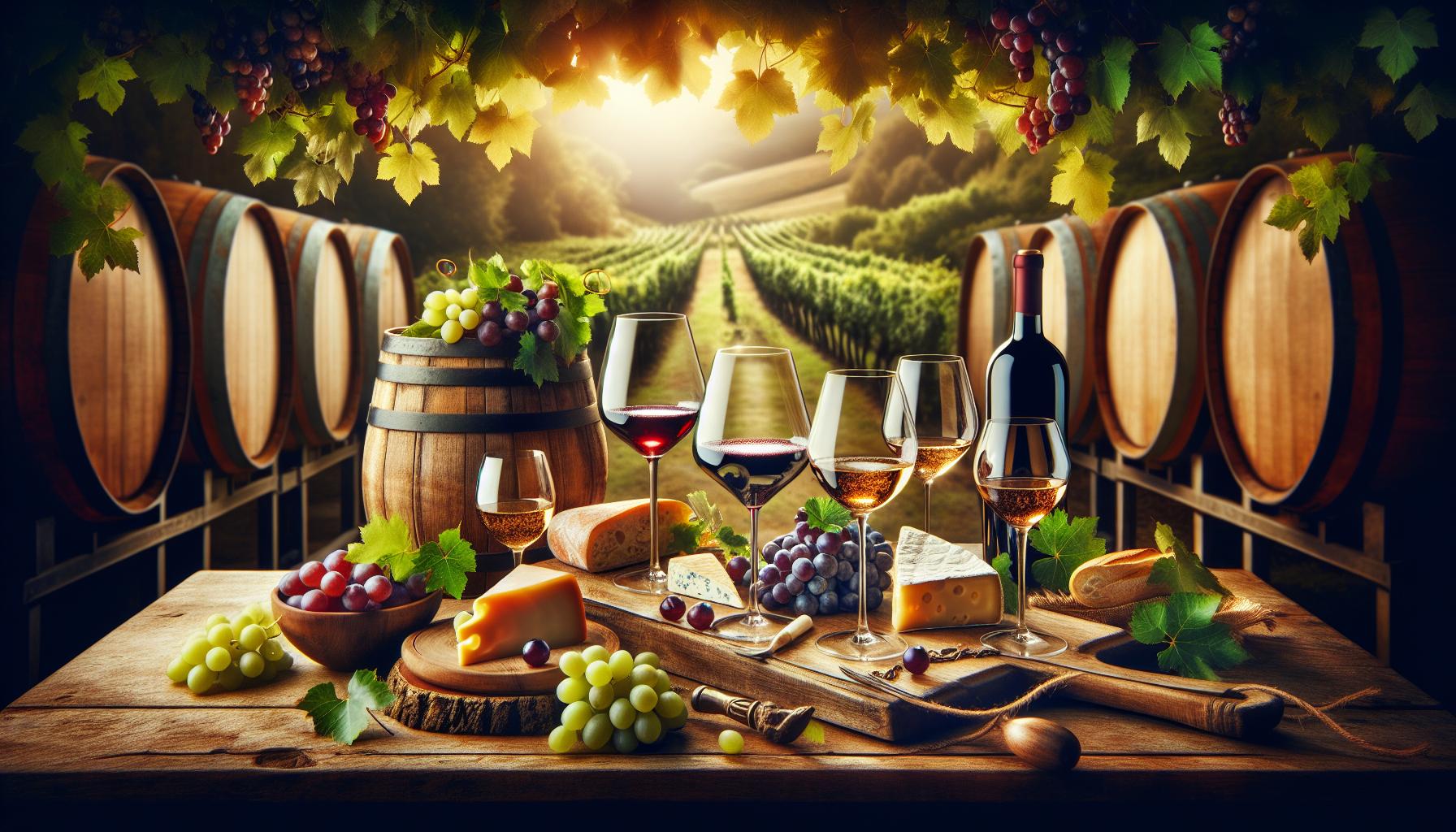
The allure of organic wine is not merely in its production methods but in its promise of purity and connection to the land. As consumers increasingly seek authenticity in their food and drink, understanding whether 7 Deadly Sins Winery truly embodies this organic ethos becomes paramount. With a commitment to sustainable practices, this winery strives to ensure that their wines not only taste exceptional but are also a reflection of environmentally conscious choices.
At the heart of 7 Deadly Sins Winery’s philosophy lies a rigorous approach to farming that prioritizes organic practices. This begins in the vineyard, where the use of chemical fertilizers and pesticides is replaced with natural alternatives. Techniques such as crop rotation, composting, and integrated pest management are employed, allowing the vineyard to thrive in a balanced ecosystem. By creating a healthy soil foundation-essential for organic farming-7 Deadly Sins Winery cultivates grapes that express their terroir authentically, without the interference of synthetic chemicals.
Furthermore, the journey from vine to bottle at this winery is a testament to their commitment to organic integrity. Each step, from harvesting to fermentation, is executed with an eye toward minimizing environmental impact. For instance, natural yeasts are favored during fermentation, enhancing the wine’s unique characteristics while eliminating the need for artificial additives. This meticulous attention to detail not only preserves the natural flavors of the grapes but also aligns with the growing consumer demand for transparency in the winemaking process.
In exploring whether 7 Deadly Sins Winery is truly organic, it is essential to consider the certifications they hold. To proudly label a wine as organic, producers must adhere to strict USDA guidelines, which include maintaining organic practices for at least three years before certification. This certification process ensures that consumers can trust the claims made by wineries regarding their organic status. As discerning wine enthusiasts, understanding these standards not only enriches your appreciation of the wine but also empowers conscious purchasing decisions.
Ultimately, the narrative of 7 Deadly Sins Winery is one of passion for the earth and a dedication to creating exceptional wines that resonate with the values of those who drink them. Every sip of their wine encapsulates the spirit of organic farming-celebrating the rich flavors forged through natural processes while contributing positively to the landscape. As you raise your glass, you engage in a story of sustainability, craftsmanship, and a profound respect for nature that transcends mere consumption.
The Meaning of Organic Wine: What You Need to Know
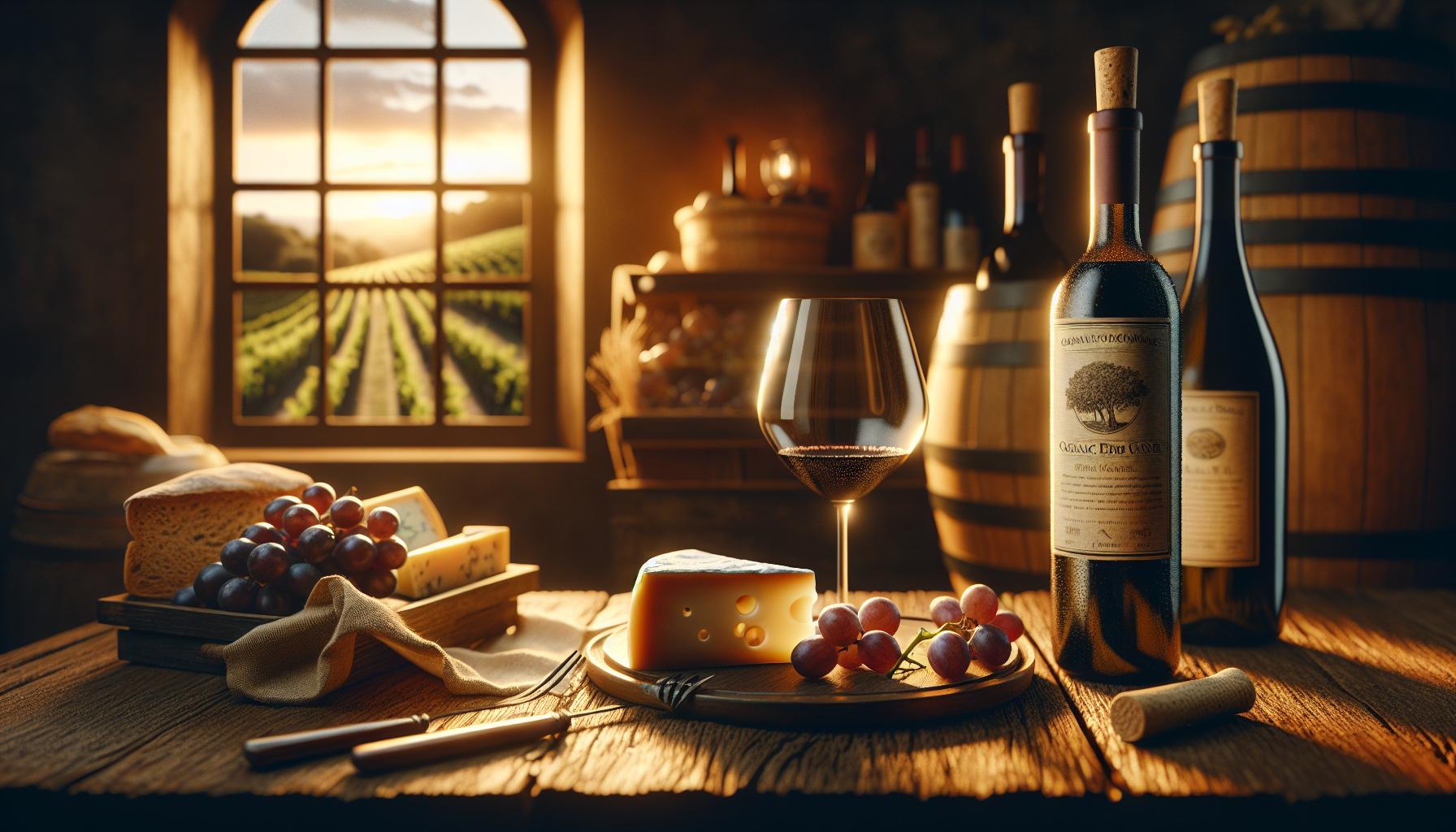
Organic wine embodies a philosophy that transcends mere production; it represents a commitment to nature, sustainability, and authenticity. At its core, organic winemaking means cultivating grapes in a manner that respects the environment and promotes biodiversity, foregoing synthetic chemicals and imposing a healthier approach to viticulture. This growing movement caters not only to health-conscious consumers but also to those who appreciate the deep connection between terroir and taste-where the land’s character resonates within each bottle.
Understanding the essence of organic wine requires delving into what it truly signifies. Wines labeled as organic must adhere to strict regulations set forth by organizations like the USDA, which mandate that grape producers utilize only organic practices, including natural pest management and soil fertility methods. These methods often involve the use of cover crops, compost, and organic fertilizers, which not only enrich the soil but also create a habitat for beneficial insects and wildlife. As such, the philosophy behind organic production aims to create a self-sustaining ecosystem that results in grapes with a more profound expression of their origin, or terroir.
When you indulge in an organic wine, you aren’t just savoring a drink; you are participating in a narrative that champions environmental stewardship and social responsibility. The absence of artificial additives and flavors in organic wines allows the true characteristics of the grape variety and vintage to shine, offering a tasting experience that is distinct and often richer than conventional wines. This transparency in production cultivates a sense of trust, inviting wine lovers to explore labels without the fear of hidden synthetic substances.
Moreover, organic wines frequently foster a sense of harmony-both in taste and philosophy. Each sip can evoke reflections on the intricate interplay between nature and human ingenuity. By choosing organic, the consumer embarks on a journey that connects them to the land, the winemaker’s passion, and the delicate balance of ecosystems. Thus, whenever you pour a glass from 7 Deadly Sins Winery, or any other organic producer, you’re not just experiencing flavor; you are celebrating a conscientious effort towards a sustainable future in wine that values the earth and everyone who contributes to its cultivation.
The Journey of 7 Deadly Sins Winery: From Vine to Bottle
The journey from vine to bottle at 7 Deadly Sins Winery is a rich tapestry woven with passion, precision, and a commitment to organic practices that honor both the grapes and the environment. Nestled in a lush landscape, the vineyard thrives on principles that prioritize sustainability and biodiversity, allowing nature to play a crucial role in the winemaking process. Imagine walking through rows of verdant vines, each grape cluster ripening under the sun, nurtured without synthetic fertilizers or harmful pesticides. Instead, the vineyard employs natural methods, such as cover cropping and composting, to enhance soil health and promote a vibrant ecosystem that includes beneficial insects and wildlife.
Harvesting is not just a mechanized process; it’s a moment of connection between the vineyard team and the land they cultivate. Each grape is handpicked at its peak ripeness, ensuring that only the best fruit makes its way to the winery. This meticulous attention to detail continues in the cellar, where traditional winemaking techniques complement modern innovations. Fermentation occurs with minimal intervention, allowing the expression of terroir-the unique character imparted by the soil, climate, and grape variety-to shine through in each bottle.
The winemaking philosophy at 7 Deadly Sins Winery embraces both art and science. Practices such as gentle pressing and the use of wild yeast enhance the wine’s complexity and authenticity, fostering a sense of place that resonates with every sip. The result is a collection of wines that not only reflect the integrity of their ingredients but also tell a story-a narrative that begins in the vineyard and culminates in your glass. Visitors to the winery are often treated to tastings that highlight these distinct qualities, providing an immersive experience that deepens appreciation for both the craft and the environmental ethos behind it.
Every bottle from 7 Deadly Sins Winery invites you to participate in this journey, connecting drinkers not just to the flavors, but to a broader commitment to sustainable viticulture. As you pour a glass, the vivid notes of fruit, earth, and even a hint of the surrounding landscape beckon your senses, transforming your tasting experience into a meditative encounter with nature. It’s more than just wine; it’s a celebration of mindful cultivation that echoes in every drop.
Ingredients Matter: Understanding Organic Certification
Organic certification in winemaking is a compelling and sometimes complex arena, capturing the interest of both casual drinkers and connoisseurs alike. At its core, organic wine is produced from grapes cultivated without the use of synthetic pesticides, herbicides, or fertilizers. This reflects a commitment to ethical farming practices that respect both the land and the consumer’s health. 7 Deadly Sins Winery stands as an example of such dedication, merging tradition with a modern understanding of sustainable agriculture.
One crucial element to appreciate is the rigorous process involved in achieving and maintaining organic certification. Waste not, want not is a guiding principle here; vineyards must demonstrate an organic farming regimen for at least three years before they can label their wines as organic. This includes practices like crop rotation, cover cropping, and the mindful use of compost, which rejuvenates soil health and promotes biodiversity. As you savor a glass from this winery, you’re not just tasting wine; you’re partaking in a philosophy that prioritizes ecosystem balance and resilience over mere profit margins.
When selecting organic wines, it’s essential to look for certified labels, which are typically indicated by the use of the USDA Organic seal or equivalent certifications in other countries. These seals assure consumers that the wines were produced in adherence to specific standards. However, it’s equally important to be aware of marketing tactics that may blur the lines; terms like “organic” can often be misapplied. Thus, understanding the nuances of organic certification can enhance your appreciation for the craftsmanship involved in winemaking, particularly at a location like 7 Deadly Sins Winery, where integrity in both ingredients and process is paramount.
The conversation surrounding organic certification extends into environmental impact as well. Choosing organic wine is a step towards supporting sustainable viticulture-a endeavor that acknowledges and utilizes nature’s intelligence to grow grapes. This cultivation method fosters an environment conducive to healthy vines, resulting in grapes that not only taste better but are also better for the planet. Thus, each sip of 7 Deadly Sins’ organic offerings opens a window to a more sustainable world, encouraging consumers to consider not just what’s in their glass, but what it represents in terms of stewardship and respect for the earth.
Exploring the Pairing: Wines and Sustainable Food Practices
Pairing wine with food is an art form that transcends mere sustenance; it embodies a connection to the earth, the agricultural practices behind the harvest, and the cultural narratives defined by tradition and innovation. When considering organic wines from 7 Deadly Sins Winery, the opportunity to enhance this experience is as rich as the wines themselves. Infused with a philosophy of sustainable agriculture, these organic selections invite you to create not only a meal but a journey through flavors that resonate with environmental stewardship.
Imagine sipping a lush, velvety Pinot Noir alongside a dish of herb-crusted roasted vegetables. Each sip not only elevates the palate with its deep red fruit notes but also echoes the diligent farming practices that ensured the grapes were cultivated without synthetic pesticides or fertilizers. This is the essence of sustainable food practices: choosing ingredients that resonate with both health and ethics. Pairing your organic wine with locally sourced foods not only supports sustainable agriculture but promises a fresh burst of flavors that commercial practices often lack.
Creating Memorable Pairings
To fully embrace the ethos of organic winemaking, opt for seasonal ingredients that complement the natural profiles of your selected wines. Consider these pairing suggestions:
- Chardonnay: A crisp, unoaked Chardonnay pairs beautifully with lemon-herb grilled fish, enhancing its citrus notes.
- Cabernet Sauvignon: Match a robust Cabernet with a juicy, grass-fed steak to highlight its tannins and rich fruit character.
- Rosé: This versatile choice harmonizes brilliantly with a summer salad of mixed greens, fresh berries, and goat cheese.
- Sauvignon Blanc: The herbaceous flavors in this wine shine alongside a dish of asparagus or peas, accentuating the earthiness of both.
When dining, don’t underestimate the power of presentation. A beautifully arranged table that reflects the natural beauty of your meal can enhance the overall experience, allowing you to savor each moment as you would the wine. A carefully selected candlelight setting or a few sprigs of fresh herbs can carry the ethos of the meal, reminding you of the commitment to sustainability underpinning both your wine and your feast.
Integrating sustainable practices into your food choices amplifies the narrative behind each glass of 7 Deadly Sins wine. As you engage with the flavors and textures of organic dishes, you also celebrate the heritage and modern practices of the wineries you support. With every bite and sip, you contribute to a larger story-one that honors both your palate and the planet. Each pairing is an opportunity to express gratitude for the craftsmanship involved and a reminder of how food and wine bring us together, creating connections that celebrate culture, history, and shared experiences.
The Environmental Impact of Organic Winemaking
The process of organic winemaking is a testament to a philosophy that cherishes the earth and respects the delicate ecosystem that supports viticulture. Unlike conventional practices, which often rely on synthetic fertilizers and pesticides, organic winemaking embraces a holistic approach to vineyard management. It honors natural processes, encouraging biodiversity while striving for sustainability. This commitment extends beyond the grapes themselves-it influences soil health, water conservation, and the overall environment.
By weaving together practices such as composting, cover cropping, and crop rotation, organic wineries like 7 Deadly Sins Winery not only enhance the soil’s vitality but also reduce the financial and ecological costs associated with chemical inputs. For instance, planting clover as a ground cover can naturally fix nitrogen in the soil while providing habitat for beneficial insects that control pests. This approach mirrors the intricate balances found in nature, fostering a resilient vineyard ecosystem that can withstand challenges like disease and climate variability.
Moreover, organic winemaking supports sustainable water practices by promoting air circulation and moisture retention in the soil. Techniques like dry farming-an essential method in some organic vineyards-allow for reduced irrigation demands, conserving precious water resources. In contrast to conventional methods, where heavy irrigation can lead to soil erosion and degradation, the organic approach keeps the land intact, nurturing it for future generations.
Each bottle from 7 Deadly Sins Winery is not merely a product of vinous craftsmanship; it is a reflection of a larger commitment to environmental stewardship. As you pour a glass, you embrace the story of the earth, the labor of mindful farming, and the aspiration for a sustainable future. This connection to the land enriches the tasting experience, allowing you to savor not just the flavors but also the ethos behind each sip. Through the lens of organic winemaking, every glass becomes a celebration of ecology, integrity, and the profound interconnection between nature and humanity.
Tasting Notes: What Makes 7 Deadly Sins Unique
In the world of organic wines, 7 Deadly Sins Winery stands out not only for its commitment to sustainable practices but also for the captivating range of flavors it offers. Each bottle is a sensory journey, where the fruits of organic farming resonate in every sip. Imagine uncorking a bottle and being immediately embraced by an aromatic bouquet that hints at ripe fruits, subtle spices, and earthy undertones-an invitation to explore what makes this winery unique.
The tasting experience begins with a palette of vibrant hues, often showcasing the deep garnet shades of a well-crafted Cabernet Sauvignon or the delicate pale gold of a Chardonnay. As you draw the glass to your lips, expect a bouquet rich in complexity; for example, their offerings might reveal notes of sun-kissed blackberries and raspberries mingling with hints of sage and rosemary, a nod to the careful cultivation of the vineyards nestled in their natural surroundings. These elements are not merely coincidence; they are the result of meticulous organic cultivation, where each grape is allowed to reflect its terroir-a rich combination of soil, climate, and location.
On the palate, 7 Deadly Sins wines frequently exhibit a gracious balance between acidity and richness. The robust tannins found in their red blends can evoke a smooth, silky mouthfeel, inviting you to linger longer with each sip. White varietals often surprise with their crispness, embodying notes of citrus or stone fruits that dance gracefully across the tongue, reflecting the care and precision that go into organic winemaking. This is particularly true in warmer vintages, where the natural ripeness of the grapes is harmonized beautifully through crafting techniques that respect the grape’s natural characteristics, allowing for a pure expression of the fruit.
As you savor the finish, hints of minerality may linger, a delicate reminder of the natural practices that shape each bottle from 7 Deadly Sins Winery. This conclusion often encourages a moment of reflection, contemplating the journey of each grape from vine to glass, and the environmental stewardship woven into the fabric of every pour. Organic winemaking is not merely about avoiding synthetic inputs; it embodies a philosophy that fosters a deeper connection to the earth and the tradition of wine, inviting each enthusiast to not just drink, but to experience and celebrate the rich stories behind the bottle.
Behind the Label: Marketing vs. Reality in Organic Wine
In a world where organic labels have become a badge of honor in the wine industry, the truth behind the label often leaves consumers wondering how much of the marketing narrative aligns with reality. 7 Deadly Sins Winery is no exception; while they promote their organic practices with pride, discerning wine enthusiasts must navigate the layers of branding to understand what that truly means for the quality and authenticity of the wine in their glass.
Understanding the organic designation itself is crucial for consumers. The term “organic” refers to how grapes are grown without synthetic fertilizers, pesticides, or genetically modified organisms. However, the specifics of these standards can vary significantly. While 7 Deadly Sins Winery highlights its commitment to sustainable, organic farming techniques-where biodiversity is encouraged and the ecosystem is respected-it’s important to delve deeper into the specifics of their practices. For instance, examining their vineyard management methods, such as cover cropping and natural pest control, provides insight into whether they truly embody the philosophy of organic viticulture.
And yet, the narrative surrounding “organic” can sometimes feel like a marketing strategy all its own. Labels crafted with evocative language are designed to capture the consumer’s imagination, often making bold claims about purity, sustainability, and health benefits. While 7 Deadly Sins Winery may indeed emphasize their commitment to these practices, discerning wine lovers might want to ask questions about certifications, sourcing, and third-party verifications. Are they compliant with national organic standards, or do they operate under a less stringent, self-designated label? Investigating the winery’s transparency in its agricultural practices can help clarify whether their organic claim stands up to scrutiny.
Moreover, the atmosphere of conscious consumption invites us to consider not just the wine we choose, but the stories we buy into as consumers of this celebrated beverage. Each bottle from 7 Deadly Sins presents a unique offering of flavors, a blend of marketing allure and genuine artisanal effort. Allow yourself to enjoy the delightful complexity of their wines, but approach the label with an informed palate-not merely captivated by a name but engaged in the narrative of how that wine came to be. Ultimately, seeking a deeper understanding of what “organic” truly signifies allows wine enthusiasts to cultivate a more fruitful relationship with their selections, perhaps leading to a glass that not only delights the senses but also resonates with the ethos of responsible winemaking.
Customer Experiences: Reviews from Wine Enthusiasts
Wine enthusiasts often bring their own experiences and perceptions to every bottle they uncork, and 7 Deadly Sins Winery has certainly piqued curiosity across various reviews. Enthusiasts frequently share their delight in the winery’s narrative-a blend of artful marketing and genuine commitment to organic practices. This unique positioning often leads to spirited discussions among those who appreciate not only the taste but the story behind the cultivation of their wine.
Tasting notes highlight a spectrum of flavors that many rave about. Reviewers frequently commend the winery’s reds for their intense, rich profiles. For instance, customers describe the Cabernet Sauvignon as having notes of dark cherry, with a subtle spice and a velvety finish. Meanwhile, the whites, such as the Chardonnay, are noted for their crispness and refreshing acidity, making them ideal companions for lighter fare. The pleasant surprises extend beyond flavors; enthusiasts appreciate how a bottle from 7 Deadly Sins sparks conversation, with each sip inviting stories of the surrounding landscapes and sustainable farming practices that elevate the experience.
On platforms where wine lovers gather, such as social media and review websites, the discussions about 7 Deadly Sins Winery often tread the line between appreciation and skepticism. Some consumers reflect on their expectations versus reality, particularly on the alleged organic certification. While many praise the winery for its sustainable approach, a handful have voiced concerns regarding the clarity of their organic practices. This invites further exploration and conversation about what “organic” truly means in the context of winemaking-a multi-layered dialogue that engages both seasoned sommeliers and curious novices aiming to deepen their understanding.
Ultimately, the community surrounding 7 Deadly Sins Winery reflects a broader trend among wine consumers seeking authenticity and a connection to the land. This human element-stories of passionate farmers, the earth beneath their feet, and the craftsmanship in every bottle-enhances the tasting experience. Enthusiasts often walk away with more than just a pleasant wine; they carry with them a narrative that intertwines with their own preferences and values, cultivating a richer appreciation for the artistry involved in each glass.
Comparing Organic to Conventional Wines: A Taste Test
When it comes to the fascinating world of wine, the debate between organic and conventional practices often finds its way into lively dinner conversations. It’s not just a matter of farming methods; it’s about philosophy, health, and the very essence of what you sip. Organic wines, like those touted by 7 Deadly Sins Winery, promise a purity that resonates with environmentally conscious consumers-yet, how do they truly hold up against their conventional counterparts in terms of taste and experience?
To start, let’s consider the foundational differences. Organic winemaking emphasizes the use of grapevines grown without synthetic pesticides or fertilizers and generally steers clear of artificial additives during the winemaking process. The idea is that the terroir-the distinct environment where grapes are grown-shines through clearer, allowing for unique expressions in flavor. This contrasts with conventional practices, which may leverage synthetic interventions to achieve consistent results across vintages.
In a hands-on comparison, we might uncork two glasses side by side: one filled with a vibrant organic Cabernet Sauvignon from 7 Deadly Sins Winery and the other a conventional Cabernet from a well-known label. As the glasses swirl, the organic wine reveals a bouquet rich in earthiness and ripe dark fruit-perhaps luscious blackberries interlaced with herbal notes of thyme and oregano. In contrast, the conventional selection offers a smoother, more polished flavor profile, often accentuated with vanilla and oak, thanks to the prevalent use of new barrels and adjuncts.
The Impact of Terroir
Wine’s taste is deeply influenced by its environment, and this is where organic wines often distinguish themselves. The philosophy behind organic viticulture is that healthy soil results in healthier vines, which in turn leads to grapes that express their origin more vividly. This can be especially apparent in tasting notes of organic wines, where the complexity of flavors tells a story of the land-be it a mineral undertone from rocky soils or a hint of salinity from proximity to the ocean.
Conversely, conventional wines sometimes tread a more uniform path to mass appeal, emphasizing robustness over depth. By doing so, they might sacrifice some of the nuances that can inform a more layered tasting experience. It’s this variability, this unpredictable charm of organic wines, that many enthusiasts find alluring.
Flavor Profiles and Personal Preference
Ultimately, personal preference plays a pivotal role in choosing between organic and conventional wines. Here are a few considerations to reflect upon when tasting these two categories:
- Flavor Complexity: Organic wines may offer a broader spectrum of flavors and aromas, often reflecting the nuances of each vintage.
- Health Factors: For those concerned about chemical residues, organic wines provide a sense of assurance regarding what’s in the bottle.
- Sustainability: Choosing organic can be an ethical decision, supporting sustainable agriculture and local ecosystems.
- Price Point: It’s worth noting that organic wines can sometimes fetch higher prices due to the labor-intensive practices involved.
As you ponder your palate preferences, do consider the experiential aspects too. The act of uncorking a bottle from 7 Deadly Sins Winery transcends mere consumption; it invites reflection and discussion about how the practices behind the wine shape its overall character. Remember, the best wine is not merely the most expensive or the most organic; it’s the one that resonates with your taste and your values. So, the next time you face the delightfully challenging choice between organic and conventional wines, lean into the flavors, engage your senses, and let the story within each bottle guide your experience.
The Future of Organic Winemaking: Trends to Watch
In recent years, the organic winemaking sector has gained remarkable momentum, not just as a trend but as a crucial pivot toward sustainability in the wine industry. A surge in consumer awareness around health and environmental impacts has left wineries like 7 Deadly Sins Winery on the cutting edge of this change, embracing practices that resonate with a growing audience eager for authenticity and integrity in their choices. As we look to the future, several key trends are emerging that are likely to shape the landscape of organic winemaking and, by extension, influence how wines from vineyards such as 7 Deadly Sins are crafted.
One significant trend is the integration of regenerative agriculture into organic practices. Beyond merely avoiding synthetic pesticides and fertilizers, winemakers are increasingly adopting methods that restore the health of the soil and ecosystem. This can include cover cropping, agroforestry, and the utilization of natural fertilizers derived from compost and cover crops, which not only enhance vine health but also increase biodiversity in the vineyard. Such practices not only improve the quality of the grapes produced but also contribute positively to the climate crisis-a key concern for many modern consumers.
Another trend is the rise of transparency and traceability in wine production. Today’s wine drinkers are more interested than ever in understanding the origins of their beverages. Wineries are responding by not only embracing organic practices but also promoting their processes through storytelling. Consumers want to know about the specific varietals used, the terroir of the region, and the desired outcomes for each vintage. This demand for greater transparency encourages wineries like 7 Deadly Sins to share the narratives of their vineyards, the challenges faced, and the triumphs celebrated, creating a more personal connection between the drinker and the wine.
Moreover, there’s an excitement growing around the use of natural winemaking techniques-minimal intervention, wild fermentation, and the avoidance of additives-that gives organic wines an idiosyncratic character. While these elements may lead to surprise and variation in each bottle, they also intrigue adventurous drinkers seeking unique flavor profiles that tell a story of their origin. As consumers continue to appreciate this artisanal approach, it is likely that more wineries will experiment, relinquishing control to the whims of nature, resulting in offerings that surprise and delight.
As these trends unfold, it becomes clear that the future of organic winemaking is not just about the absence of chemicals but about a holistic approach to viticulture that honors the land and the community. Each bottle from organic producers like 7 Deadly Sins Winery serves as a testament to the pillars of sustainability and ethical responsibility, inviting wine lovers to partake in a narrative that extends far beyond the glass. As the journey of organic winemaking continues, it will surely transform the wine industry, fostering a deeper appreciation for every sip raised in celebration of nature’s bounty.
Wine’s Connection to Culture: A Deeper Appreciation
Wine, much like a well-told story, weaves together personal experiences, cultural significance, and historical narratives that resonate across generations. The exceptional connection that wine affords us to our cultural roots transforms this drink into a vessel of shared memories and traditions. For instance, in regions where vineyards flourish, such as the picturesque landscapes that cradle 7 Deadly Sins Winery, wine is not merely a beverage; it’s a reflection of the community’s ethos, values, and agricultural heritage. Each bottle produced embodies the legacy of local winemaking techniques passed down through centuries, forging an intimate bond between vineyard workers and the land.
A unique aspect of organic wine, particularly at wineries like 7 Deadly Sins, is the dedication to sustainable practices that honor the earth and the community. Embracing organic farming means more than abstaining from synthetic pesticides and fertilizers; it involves nurturing a holistic ecosystem where vines thrive alongside a diverse array of flora and fauna. This commitment resonates with a broader cultural shift towards mindfulness and sustainability, prompting consumers to reflect on their choices and their impacts. When you uncork a bottle labeled “organic,” you’re not just engaging with a product; you’re participating in a budding narrative of ecological respect and cultural stewardship, amplifying the appreciation of each sip.
Beyond the environmental and ethical dimensions, there’s sensory delight in savoring organic wines that can evoke a spectrum of memories and emotions. Consider the character of a perfectly aged organic red; its deep garnet hue, aromas of ripe cherry and subtle earthiness may remind you of bustling family gatherings around a table laden with food, laughter, and storytelling. This intimate connection between wine and personal experience invites you to slow down, to contemplate, and to appreciate the nuanced flavors that parallel moments in life. The essence of organic wine lies in its authenticity, embodying both the terroir from which it originates and the stories that accompany it.
Celebrating wine’s cultural ties offers an opportunity to explore its role within broader contexts. Vintage celebrations, festivals, and local traditions offer the stage for showcasing the artistry involved in winemaking. Each event encapsulates the joys and challenges faced by growers, bringing the community together to honor their shared heritage. As we engage with wines from places like 7 Deadly Sins Winery, we tap into a collective consciousness-a reminder that we are part of a larger narrative that transcends mere consumption, inviting us to savor the diversity of human experience, one glass at a time.
FAQ
Q: Is 7 Deadly Sins Winery organic?
A: 7 Deadly Sins Winery is not certified organic. However, they implement sustainable farming practices that focus on minimizing chemical use and promoting environmental health. For those interested in organic wine, it’s essential to look for certifications on the label to ensure authenticity.
Q: What does it mean for wine to be organic?
A: Organic wine is made from grapes grown without synthetic pesticides, herbicides, or fertilizers. The fermentation process also avoids artificial additives. Organic labels can vary, so it’s advisable to check for certification from recognized organizations for assurance.
Q: Are there any health benefits to drinking organic wine?
A: Organic wine may contain lower levels of sulfites and synthetic additives, which some people find beneficial for reducing allergic reactions and headaches. Additionally, organic farming practices can contribute to a more environmentally-friendly product, enhancing the overall quality of the wine.
Q: How can I tell if a wine is organic?
A: You can identify organic wines by looking for labels that state “organic” or “made with organic grapes.” Certification seals from recognized organizations such as the USDA or other local certifiers indicate compliance with organic farming standards.
Q: What farming practices does 7 Deadly Sins Winery use?
A: 7 Deadly Sins Winery focuses on sustainable viticulture, which includes practices like reduced chemical applications and integrated pest management. These methods strive to maintain soil health and enhance biodiversity while producing high-quality grapes.
Q: Why is organic wine often more expensive?
A: Organic wine is typically more expensive due to the higher cost of organic farming practices, limited yields, and the time investment required for certifications. These factors, alongside smaller production scales, contribute to the premium pricing.
Q: Is there a taste difference between organic and non-organic wine?
A: Some wine enthusiasts believe that organic wines can have a more authentic flavor, stemming from healthier soil and grape cultivation. However, taste can be subjective; individual preferences may vary, and many factors influence the final product.
Q: Can I find 7 Deadly Sins wines in stores?
A: Yes, 7 Deadly Sins wines are available in select retailers and online. For the best chance of finding them, check local wine shops or the winery’s official website for purchasing options and availability.
For a deeper exploration of wine practices and culture, feel free to visit the main article on 7 Deadly Sins Winery, where you can uncover more about their vineyard philosophy and the art behind their wines.
Key Takeaways
As we uncork the truth behind “Is 7 Deadly Sins Winery Organic?”, remember that choosing organic wine isn’t just about taste-it’s a thoughtful connection to the land and a commitment to sustainable practices. If you found the insights enlightening, don’t stop here! Explore our in-depth guides on organic vs conventional wines and the intricate art of viticulture to expand your wine knowledge.
We invite you to share your thoughts in the comments below-what’s your take on organic wines? And if you enjoyed this exploration, sign up for our newsletter for more engaging wine stories that celebrate the history and culture behind every bottle. Don’t let the conversation end here; your palate deserves the journey. Let’s toast to learning and savoring responsibly!
Get our latest guides, news, and insights highlighted in your Google Search & AI Overviews.


