


New Zealand, a land of breathtaking landscapes and vibrant culture, is home to over 700 wineries, each offering a unique story and tasting experience. As a wine lover, you may wonder how this relatively young wine region has garnered international acclaim, producing exceptional vintages that reflect its diverse terroirs. By exploring Kiwi wine regions, you not only indulge in exquisite flavors but also immerse yourself in a cultural journey that connects you with the people, history, and natural beauty of this remarkable country.
Whether you’re a seasoned enthusiast or just beginning to appreciate the nuances of wine, understanding the breadth of New Zealand’s vineyards reveals the dedication and innovation behind each bottle. Join us as we delve deeper into the vibrant world of Kiwi wines-a journey that promises to enhance your palate and enrich your knowledge.
Exploring New Zealand’s Wine Landscape
While New Zealand may produce less than 1% of the world’s wine, its burgeoning landscape is both diverse and captivating, revealing the remarkable influence of geography and climate on viticulture. Nestled between rugged mountains and stunning coastlines, New Zealand’s wine regions are a tapestry of microclimates that contribute to the distinctive character of its wines. The combination of fertile soils, a temperate maritime climate, and the unyielding passion of local winemakers creates an environment ripe for exploration and discovery.
New Zealand is predominantly known for its iconic Sauvignon Blanc and Pinot Noir; however, a myriad of lesser-known varietals flourishes in this vibrant wine culture. From the sun-drenched slopes of Marlborough, where zesty, herbaceous Sauvignon Blanc reigns supreme, to the cooler climates of Central Otago, home to sumptuous, pinot noir-led blends, each region conveys its unique terroir-a term that reflects not just the soil and climate, but the human touch that goes into every bottle. Travelers can embark on a sensory journey, savoring crisp whites alongside seafood in a coastal bistro or rich reds paired with game meats amidst the Southern Alps’ breathtaking scenery.
As you delve deeper into the kiwi wine landscape, you’ll find stories bubbling at every turn-wineries that embrace sustainable practices, bold innovations in winemaking, and generations of family traditions. Many of these vineyards are open for tastings, offering visitors an immersive experience that often includes tours of the vineyard itself, detailing the meticulous process that transforms humble grapes into celebrated wines. This intimate connection with both the land and its creators invites appreciation that transcends mere consumption, sparking joy in the shared experience of unwinding with a glass among like-minded enthusiasts.
Ultimately, New Zealand’s wine landscape is not just about the hundreds of wineries scattered across its scenic regions; it is a celebration of nature’s bounty, cultural heritage, and the relationship between people and their land, encouraging everyone to slow down, sip thoughtfully, and perhaps, indulge in a bit of adventure along the way.
A Journey Through Kiwi Wine Regions
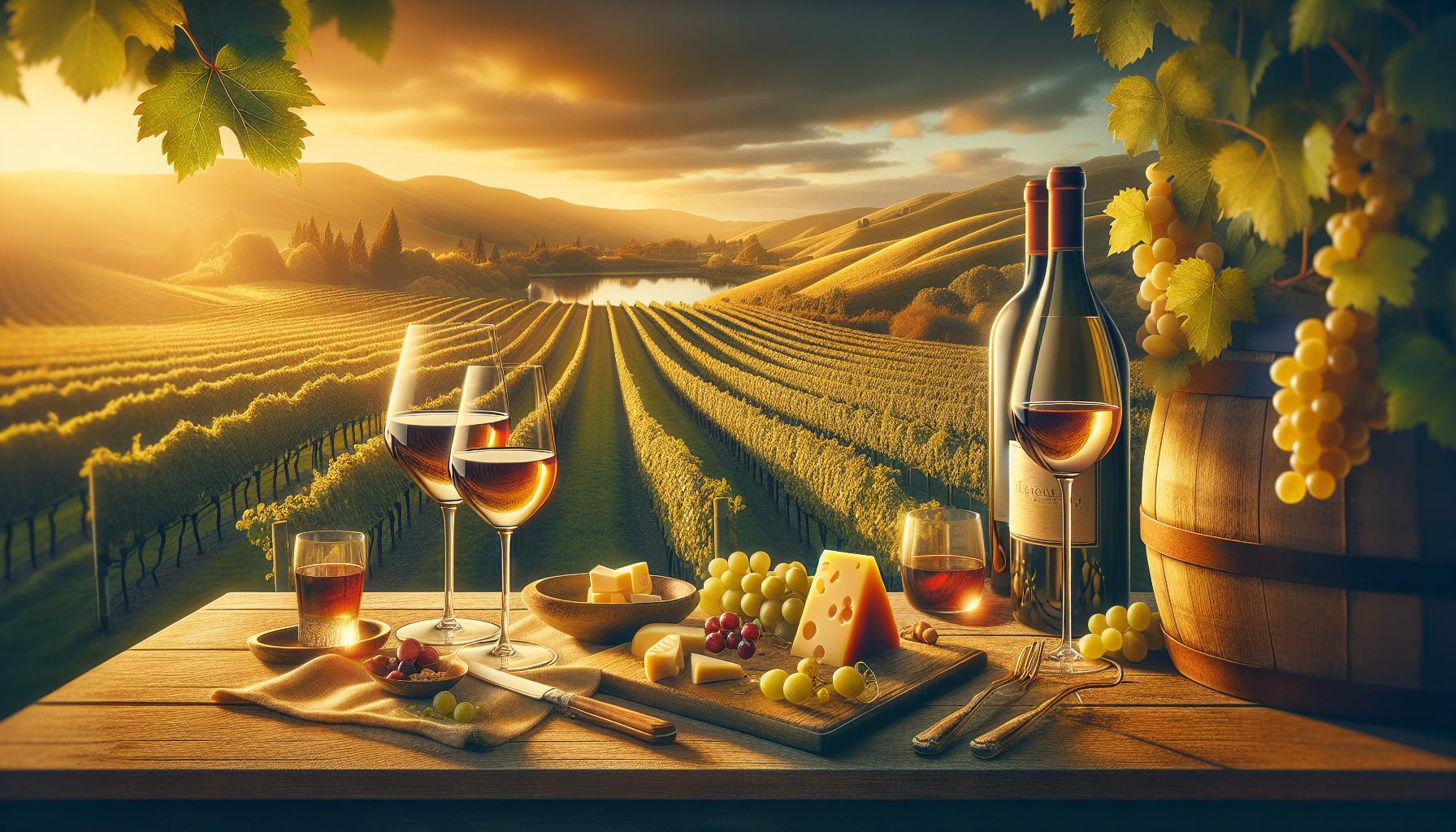
Navigating the lush and varied terrain of New Zealand’s wine regions is akin to embarking on a beautifully orchestrated journey. Each region tells its own story through a distinctive landscape, characterized by different soils, climates, and winemaking traditions. New Zealand is home to over 700 wineries, offering a depth and diversity that rivals larger wine-producing countries, yet this relative abundance remains a delightful surprise to many wine enthusiasts.
Within the renowned status of its eight principal wine regions, Marlborough, Central Otago, and Hawke’s Bay sit at the forefront, each known for specific varietals and styles that reflect their unique terroir. Marlborough, for example, has achieved international fame for its Sauvignon Blanc, which boasts vibrant notes of passionfruit and a crisp acidity that dances on the palate. Here, the sunlight bouncing off the vineyard slopes plays a key role in developing those characteristic flavors. Conversely, Central Otago, the world’s southernmost wine-producing region, reveals a cooler climate that favors lush, fruit-forward Pinot Noir. This region is not only visually stunning, with its dramatic landscapes of mountains and lakes, but it also produces wines that often carry complex layers of cherry, plum, and earthy notes, intriguing tasters with each sip.
Hawke’s Bay, with its warm microclimate, invites a different experience as it nurtures some of New Zealand’s finest red blends. These wines are noteworthy for their rich, full-bodied character and can often be paired beautifully with the region’s local cuisine, particularly its renowned lamb dishes. As you delve deeper, lesser-known regions like Martinborough and Gisborne begin to make their presence known, offering exceptional Chardonnay and Pinot Noir that showcase the nuances of their distinct environments.
Every visit to these inspiring regions can be an educational excursion. Many wineries open their doors for tastings and vineyard tours, offering insights into the meticulous practices of sustainable viticulture and innovative winemaking techniques. As you wander through the sun-kissed vines, perhaps with a glass of Sauvignon Blanc in hand, you may find yourself captivated not just by the wine, but by the sense of community and passion that permeates the air. This, truly, is where wine becomes a medium for connection, inviting you to appreciate the artistry that unfolds with every bottle. So whether you’re a seasoned connoisseur or a curious novice, New Zealand’s wine regions offer a tapestry of experiences waiting to be savored.
The Rich History of New Zealand Winemaking
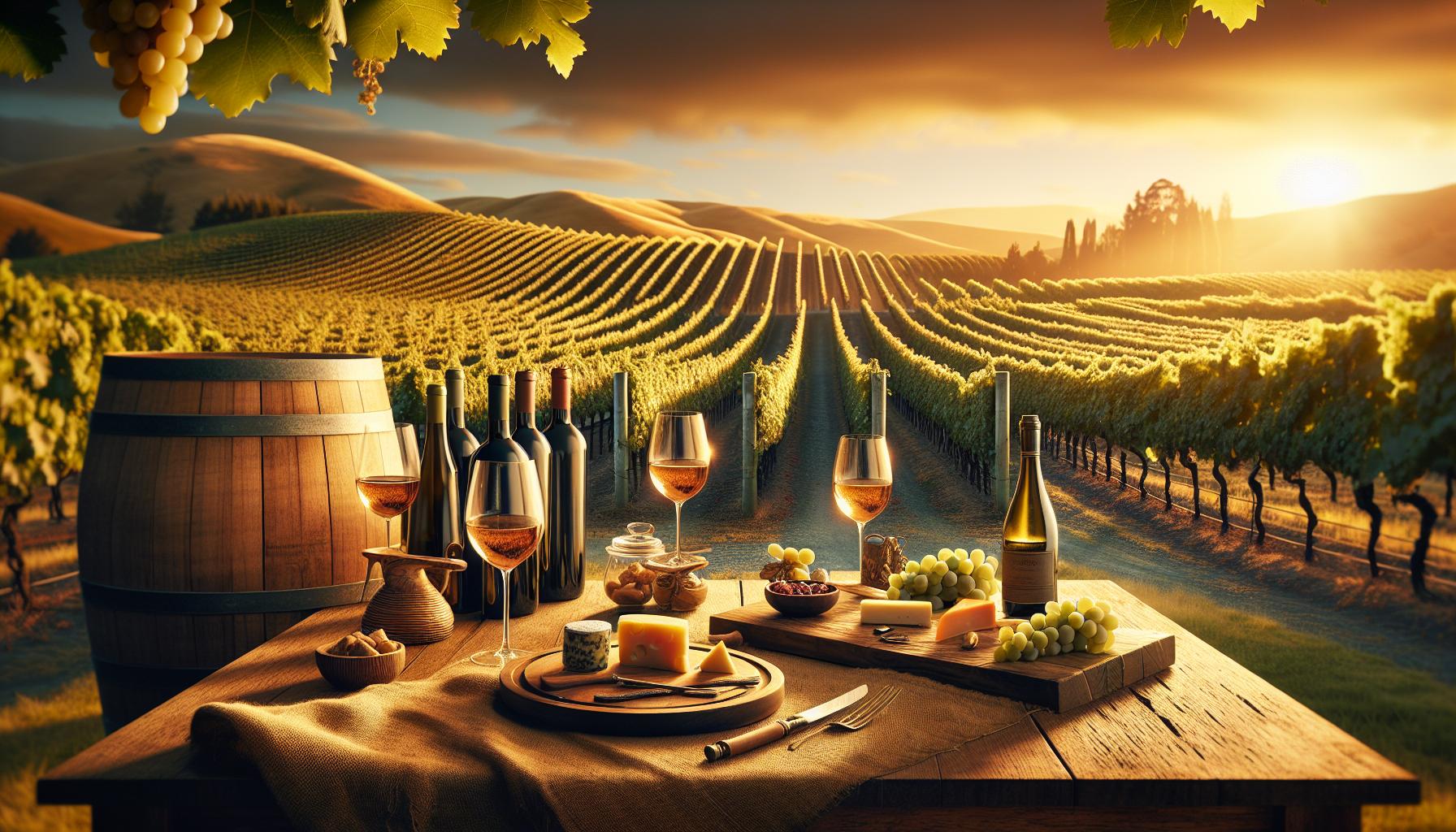
The journey of winemaking in New Zealand is a tale steeped in innovation, resilience, and cultural fusion. While the origins of viticulture in this remote archipelago can be traced back to the early 19th century, it is only in the past few decades that Kiwi wines have earned their place on the global stage. The first vines were planted in the 1810s by European settlers, yet it wasn’t until the 1970s that significant strides were made in refining the craft. This transformative period brought an influx of skilled winemakers who sought to understand the unique terroirs of the land, embracing the diverse climatic conditions and soil types that distinguish New Zealand from its wine-producing counterparts.
As you lose yourself in the lush landscapes of Marlborough or the rugged beauty of Central Otago, it’s intriguing to note how these regions were not always synonymous with exceptional wines. The success story began with Sauvignon Blanc, which emerged as the star of the New Zealand wine narrative during the 1980s. With its vibrant acidity and distinctive tropical fruit flavors, this varietal captivated international palates, propelling New Zealand into the global spotlight. As the world started to recognize the extraordinary potential of Kiwi wines, local vineyards expanded their repertoire, experimenting with varietals like Pinot Noir, Chardonnay, and Merlot.
The evolution of New Zealand winemaking is also a testament to the spirit of collaboration and sustainable practices that have become a hallmark of the industry. Many wineries, especially in regions like Hawke’s Bay and Martinborough, are committed to environmentally conscious techniques, often leading the charge in organic and biodynamic farming. This dedication to sustainability not only enhances the quality of the wines but also honors the rich natural heritage that surrounds them. With over 700 wineries across various regions, visitors have the opportunity to immerse themselves in this compelling story, learning about the artistry behind their favorite bottles-whether tasting a crisp Sauvignon Blanc or a robust Pinot Noir.
In the heart of this vinous revolution is an inherent desire to forge connections, both with the land and with those who share a passion for wine. Each visit to a winery becomes an intimate exploration, where the stories of old families, new faces, and shared visions intertwine. As you walk through vineyard rows and engage with winemakers, you’ll find that the history of New Zealand winemaking is not just about grapes and fermentation; it’s about the people, the culture, and the ongoing quest for excellence that defines the Kiwi wine experience. With every sip, you’re not just tasting the wine but also partaking in a rich heritage that celebrates both tradition and the innovative spirit of New Zealand.
Unique Terroirs: What Makes Kiwi Wines Special
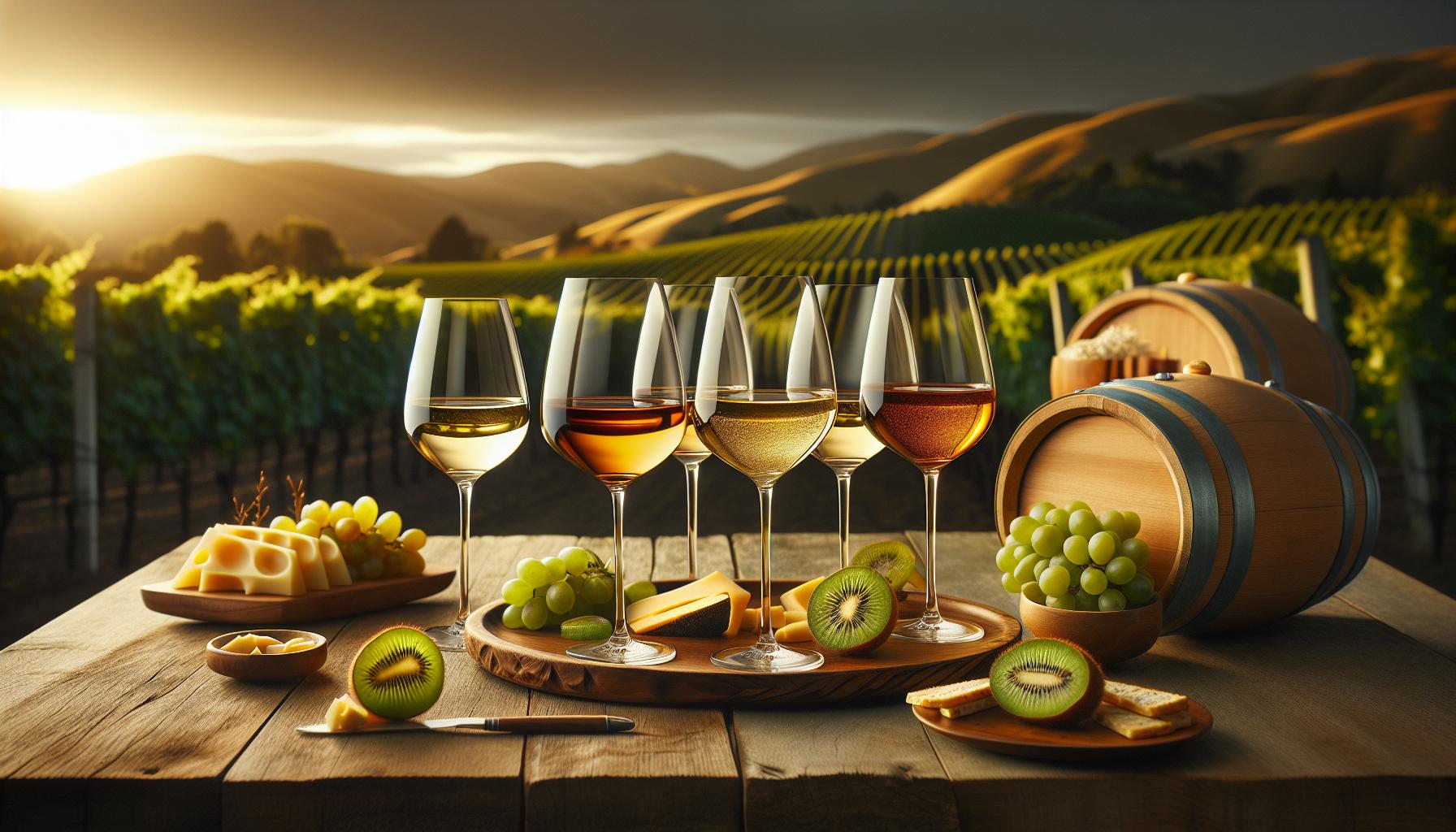
With its remarkable array of microclimates and diverse soil types, New Zealand’s winemaking landscape is a testament to the intricate relationship between nature and viniculture. The country is home to a plethora of unique terroirs, each offering distinctive characteristics that shape the wines produced in that region. From the lush valleys of Marlborough to the mountainous terrains of Central Otago, the geographic diversity plays an instrumental role in crafting wines that resonate with the essence of their origins.
In Marlborough, renowned for its vibrant Sauvignon Blanc, the combination of a cool maritime climate and alluvial soils contributes to the varietal’s signature crispness and punchy tropical fruit flavors. The region’s elongated growing season allows the grapes to ripen slowly, enhancing their aromatic complexity and refreshing acidity. Here, the influence of the Wairau River and its tributaries facilitates the drainage of excess water, ensuring the vines stress just enough to produce concentrated flavors. As a participant in the sensory experience, one might imagine the grassy notes of a Marlborough Sauvignon Blanc-an evocative reminder of the region’s coastal winds mixed with the sweet notes of ripe passionfruit, a true reflection of the terroir.
Moving to Central Otago, where the landscapes transform from rolling hills to dramatic mountainous ranges, we encounter a different story. The region’s unique continental climate, characterized by hot summers and cold winters, fosters the perfect conditions for Pinot Noir. The clay and schist soils in the area add a layer of minerality to the wine, enhancing its elegance. As you indulge in a glass of Central Otago Pinot Noir, the bright red fruit flavors often accompanied by subtle earthy undertones create a symphony of taste, revealing much about the region’s rugged beauty and the resilience of its vines.
The varied terroirs of New Zealand are further enriched by sustainable practices that many winemakers embrace. From organic to biodynamic farming methods, these approaches not only honor the land but also add depth to the character of the wines. As wine enthusiasts explore the offerings from different regions, they may come across wines that tell a story of the land itself, echoing the nuances of the climate and soil in every sip. By understanding these unique terroirs, wine lovers can cultivate a deeper appreciation for the craftsmanship behind New Zealand’s wines, recognizing that each glass is not just a reflection of the grape, but a celebration of the diverse landscapes that nurture them.
Varietals to Savor: Discovering Local Grapes

New Zealand’s wine scene is a vibrant tapestry of flavors crafted from an array of local grape varieties, each telling its own story of the land, climate, and the passionate winemakers behind them. The country is home to a diverse selection of grapes, uniquely adapted to its different regions, yet a few stand out as quintessentially Kiwi. The flagship varietal, Sauvignon Blanc, reigns supreme in Marlborough, where it flourishes in the cool maritime climate. This grape produces wines that are a vivid explosion of flavors, showcasing notes of freshly mown grass, zesty lime, and mouthwatering passionfruit that capture the essence of its environment.
The evolution of New Zealand’s winemaking has also seen the rise of its red varietals, with Pinot Noir taking the lead, especially in the vineyards of Central Otago. Here, the unique combination of high elevation and varying temperatures during the growing season allows for the development of wines with incredible character. Tasting a Central Otago Pinot Noir is like taking a walk through a sun-drenched forest, as layers of cherry, plum, and hints of earthiness unfold with every sip. The region’s winemakers skillfully balance fruit intensity with elegance, resulting in nuanced wines that have gained international acclaim.
Other noteworthy varietals include Chardonnay, which showcases the complexities of both clay and limestone soils across different regions, manifesting in a spectrum of styles from crisp and minerally to rich and creamy. Meanwhile, Syrah and Merlot have carved out a niche in warmer areas like Hawke’s Bay, offering velvety textures and lush dark fruit flavors that pair harmoniously with hearty local cuisine, such as lamb and beef.
In exploring New Zealand’s grape varieties, one encounters a remarkable journey not just through flavors, but also through culture and craftsmanship. Embrace the opportunity to taste these wines with an open heart and palate-each bottle encapsulates the spirit of its region and the artistry of its maker. Whether savoring a glass of vibrant Sauvignon Blanc from Marlborough or a sumptuous Pinot Noir from Central Otago, you are participating in a story that celebrates the rich agriculture and unique heritage of this stunning land.
A Guide to Iconic New Zealand Wineries
Visiting New Zealand’s iconic wineries is akin to embarking on a grand adventure through landscapes that are as diverse as the varietals they produce. With over 700 wineries scattered across its picturesque regions, the country is a veritable treasure trove for wine enthusiasts. These wineries not only present an opportunity to taste outstanding wines but also offer a glimpse into the artistry and dedication of Kiwi winemakers who are profoundly connected to their land.
Marlborough: The Sauvignon Blanc Capital
At the heart of New Zealand’s wine narrative is Marlborough, a region celebrated for its crisp and aromatic Sauvignon Blanc. Cloudy Bay, one of the pioneers of New Zealand wine, is a must-visit. Here, the vineyards boast miraculous views that inspire the vibrant flavors of its wines. Enjoy a guided tasting and learn about their sustainable practices that embrace both the region’s environment and its winemaking traditions. For those in search of an intimate setting, Greywacke offers a unique experience where you can chat with the winemaker over a glass of their renowned Sauvignon Blanc, savoring hints of elderflower and fresh-cut grass, all while overlooking the lush vineyards.
Cental Otago: The Pinot Noir Wonderland
Traveling south to Central Otago, you’ll find that this region is often lauded as one of the best places in the world for Pinot Noir. Rippon Vineyard, perched on the shores of Lake Wanaka, offers not only exquisite wines but breathtaking panoramic views of the Southern Alps. Their Pinot Noir is known for its rich flavors and complexities, with notes of dark cherry and wild herbs. Visitors are treated to a sense of place, where the vineyard’s regenerative farming practices are interwoven with stunning natural beauty. Meanwhile, Amisfield is another gem; their wine and dine experience showcases local cuisine paired with exquisite wines, epitomizing the concept of terroir – the intrinsic relationship between the wine and the lands from which it comes.
Auckland and Hawke’s Bay: Relishing the Diversity
Continuing towards the North Island, Hawke’s Bay is recognized for its bold reds, particularly Syrah and Merlot. Craggy Range, set amongst the stunning backdrop of the Te Mata Peak, is a winery that marries tradition with innovation. Here you can indulge in a food and wine matching experience, where local produce beautifully complements their award-winning wines.
In Auckland’s Kumeu Valley, wineries such as Kumeu River are renowned for their exceptional Chardonnays, showcasing the adaptability of local terroirs. With the scenic coastal views and rich history of the land, a visit to these wineries is not merely about tasting but immersing oneself in the cultural tapestry of Kiwi winemaking.
Whether you’re a seasoned wine aficionado or a curious newcomer, exploring these iconic New Zealand wineries opens the door to a world of flavors, stories, and experiences that affirm the country’s reputation on the global wine stage. Embrace the journey, for every bottle tells a tale-a reflection of the land, the climate, and the passion of its creators.
Hidden Gems: Underrated Wineries to Visit
Nestled among New Zealand’s more recognized wineries lie a host of hidden gems, each offering unique experiences for adventurous wine enthusiasts. These lesser-known vineyards are often the guardians of exceptional flavors and innovative practices, allowing visitors to taste the essence of New Zealand’s diverse terroirs and the passion of dedicated winemakers. Exploring these wineries can lead to delightful surprises, transforming a trip into an unforgettable journey of discovery.
One such treasure is Twelve Trees Vineyard located in the rugged hills of the Wairarapa region. Known for its biodynamic practices, this small winery produces limited quantities of Pinot Noir that showcase the region’s distinct characteristics. Visitors are often charmed by the vineyard’s intimate atmosphere, where tastings can include engaging discussions with the winemaker about the philosophy behind biodynamic viticulture. Expect to savor wines that are both expressive and elegant, marked by notes of ripe raspberry and subtle earthy undertones.
Another noteworthy stop is Linden Estate Winery, a family-owned winery in Canterbury, where you can explore not only their award-winning wines but also their stunning gardens. The winery excels in crafting rich, full-bodied Syrah and crisp Riesling, often celebrated in local competitions. Guests have the opportunity to enjoy tastings paired with artisanal cheeses sourced from nearby farms, creating a harmonious blend of flavors that highlight both the wine and the regional produce. The setting, with its serene vistas of the surrounding vineyards, makes for a peaceful retreat from the busier winery hotspots.
The Clyde Wine Company in Central Otago is also a must-visit for those seeking authenticity. Known for its small-batch wines made from organic grapes, Clyde stands out for its commitment to sustainability and traditional winemaking techniques. Here, guests can partake in tastings that include delightful wines such as their award-winning Pinot Gris, which showcases stone fruit flavors balanced by a refreshing acidity. The experience is often complemented by the warm hospitality of the owners, who delight in sharing the intricacies of their winemaking journey.
As you plan your adventures through New Zealand’s wine regions, consider stepping off the typical tourist path to these underrated wineries. They offer a unique glimpse into the local culture, innovative practices, and personal stories behind each bottle. By choosing to explore these hidden gems, you’ll not only discover exceptional wines but also forge connections that deepen your appreciation for the artistry of Kiwi winemaking. Each visit is an invitation to experience a different facet of New Zealand’s rich wine tapestry, revealing that sometimes, the best treasures are found where few dare to look.
New Zealand’s Wine Tourism: Experiences and Adventures
Wine tourism in New Zealand offers a rich tapestry of experiences that beckon enthusiasts to delve deeper into the vineyard-studded landscapes and the passion of those who cultivate these dreams in liquid form. Boasting over 700 wineries, New Zealand is a veritable playground for the wine lover, each region presenting its own unique charm and opportunities for discovery. Picture yourself strolling through sun-drenched vineyards, the scent of ripe grapes filling the air as you embark on tastings that not only delight your palate but also weave a narrative of place and tradition.
Beyond mere tastings, a visit to New Zealand’s wine regions introduces you to a vibrant array of activities tailored to engage all of your senses. Consider embarking on a vineyard tour, where knowledgeable guides share insights into the intricacies of viticulture and the stories behind each bottle. Pair this with a gourmet meal at a winery restaurant that specializes in farm-to-table cuisine, expertly matched with local wines. In regions like Marlborough, acclaimed for its Sauvignon Blanc, dining atop a terrace with sweeping views of the vine-clad hills creates a symphony of taste and scenery. You might also partake in the seasonal harvest, gaining hands-on experience while connecting with local winemakers passionate about their craft.
Moreover, New Zealand’s commitment to sustainability enhances your wine tourism experience. Many wineries have embraced eco-friendly practices, offering visitors tours that highlight their efforts in biodynamic farming or organic viticulture. For instance, at places like Te Whare Ra Wines, guests are invited to learn about the land’s impact on the wine, engaging with the philosophy that governs their unique approaches to winemaking. This blend of education and enjoyment creates a profound understanding of the cultural and environmental contexts that shape the wines you savor.
Importantly, the social aspect of wine tourism reflects the heart of New Zealand’s wine culture. Events such as wine festivals celebrate local talent and foster community spirit, encouraging connections among visitors and locals alike. If you’re feeling adventurous, a cycling tour through wine country pairs exercise with indulgence, allowing you to visit multiple wineries at your own pace, stopping to relish not just wine but also the stunning vistas and the warmth of Kiwi hospitality. Each sip becomes part of a larger story, inviting you to reflect on the connections between people, place, and the pleasures of wine.
In essence, wine tourism in New Zealand is a journey filled with experiences that resonate well beyond the tasting room. Whether you’re savoring a glass while overlooking a vineyard bathed in the golden glow of sunset or engaging in a spirited conversation with a winemaker, each moment encapsulates the adventurous spirit and unique charm of this storied land. Embrace the opportunity to explore, learn, and connect, as every visit unveils the soul of New Zealand’s dynamic wine culture, revealing layers of history, artistry, and community waiting to be discovered.
Sustainable Practices in Kiwi Wine Production
New Zealand has earned global acclaim not just for the quality of its wines but also for its steadfast commitment to sustainable practices in viticulture. The ethos of environmental stewardship is deeply embedded in the operations of many wineries across the country, as they recognize the intrinsic relationship between winemaking and the land. This awareness has fostered a vibrant culture of eco-consciousness that permeates from vineyard cultivation to wine production, enhancing both quality and integrity of the wines crafted here.
A growing number of vineyards embrace biodynamic and organic farming methods, which prioritize soil health and biodiversity. For instance, at Te Whare Ra Wines, a pioneer in organic viticulture, visitors are often treated to immersive experiences where they can learn about the land’s impact on wine characteristics. The winery employs composting, crop rotation, and natural pest control, resulting in wines that speak authentically of their terroir. Such practices not only improve the ecological balance but also elevate the flavors that define New Zealand’s unique wine profile.
Another facet of sustainability in New Zealand wineries is water conservation and management. Wineries are increasingly investing in advanced irrigation systems that minimize waste, ensuring that the demands of grape growing do not outstrip precious water resources. This is crucial in a country that is celebrated for its pristine landscapes yet faces challenges like climate variability. Techniques such as using cover crops to improve soil quality and mitigate erosion not only protect the environment but also enhance the overall resilience of the vineyards.
Moreover, many wineries are actively engaging in initiatives to reduce carbon footprints through renewable energy sources and eco-friendly packaging. The use of lightweight glass bottles and innovative packaging solutions reflects a concerted effort to lessen environmental impact. By adopting these measures, New Zealand’s wineries not only contribute positively to their ecosystems but also set a benchmark for sustainability in the global wine industry.
Ultimately, the journey through New Zealand’s wine regions becomes all the more enriching when one understands the sustainable practices at play. Each glass of New Zealand wine serves as a testament to the commitment of its producers to both their craft and the environment, allowing wine enthusiasts to connect deeply with the land with every sip. This harmonious relationship between winemaking and nature is the very essence of what makes New Zealand a beacon of sustainability in the world of wine.
The Influence of Climate on New Zealand Wines
The unique wines of New Zealand owe much of their character to the diverse and dynamic climate that graces its wine regions. Stretching from the subtropical north in regions like Hawke’s Bay to the cooler, maritime climate of Central Otago in the south, New Zealand offers a veritable cornucopia of weather conditions that allows grape varieties to flourish in distinctive ways. The climate is characterized by a combination of long sunshine hours, significant diurnal temperature variations, and various microclimates, all of which contribute to the development of rich flavor profiles and intricate aromas in its wines.
One of the standout features of the New Zealand climate is its remarkable sunlight. The growing season is often bathed in long hours of sunshine, enabling grapes to ripen beautifully while preserving the vital acidity that gives New Zealand wines their refreshing qualities. Sauvignon Blanc, a flagship varietal of the country, thrives in this sunny environment, developing its renowned citrus and tropical fruit notes. For example, the Marlborough region, famous for its intense and aromatic Sauvignon Blanc, benefits from cool nights that help maintain high acidity, balancing out the ripe fruit flavors and preventing over-ripeness.
Moreover, the influence of the surrounding ocean cannot be understated. The moderating effects of maritime climates ensure that temperatures remain favorable during the growing season. The cool breezes from the Pacific Ocean, particularly in regions such as Martinborough and Auckland, help mitigate the extremes of heat that can stress the vines. This climate, combined with well-drained soils, leads to grapes that are well-structured and expressive, reflecting the unique terroir of their origins. Pinot Noir, another iconic varietal in New Zealand, flourishes under these conditions, yielding wines that are both elegant and complex, characterized by vibrant cherry and earthy notes.
However, while the climate undoubtedly bestows advantages, it also presents challenges. Variability in weather, from unexpected frosts to intense rain, can quickly influence vineyard management and grape quality. Winemakers often showcase their craftsmanship by adapting to these changing conditions, employing strategic practices such as selective harvesting and careful vineyard positioning to ensure optimal fruit quality. For instance, regions like Waipara have learned to harness the region’s rich clay soils and unique climatic quirks to produce robust and flavorful wines, demonstrating how adaptability can enhance the winemaking process.
As you explore New Zealand’s wineries, consider how the climate shapes not just the grapes but also the stories behind each bottle. Each sip invites you to connect with the land and its elements, reminding you that wine is a living expression of its environment. The interplay of sunlight, soil, ocean, and skilled hands culminates in a diverse array of wines that reflect not just the science of viticulture but also the poetic artistry inherent in the winemaking tradition of this remarkable country. Embrace the sensory journey, and let the climate of New Zealand’s wine regions transport you to the lush and vibrant landscapes from which these exceptional wines originate.
Tasting Notes: What to Expect from Kiwi Wines
Exploring the tasting notes of New Zealand wines is akin to embarking on a flavorful journey through history and landscape, each sip a vivid snapshot of the unique terroirs that shape these extraordinary creations. Among the standout varietals, Sauvignon Blanc reigns supreme, especially from the Marlborough region. Known for its vibrant acidity and intense flavor profile, this wine often bursts forth with zesty notes of grapefruit, passion fruit, and fresh herbs. The cool climate coupled with bright sunshine nurtures grapes that not only ripen beautifully but also retain a crisp, refreshing quality that is nothing short of addictive.
The Pinot Noir from Central Otago, another stellar selection, tells a poignant story through its elegant and complex nature. With its notes of dark cherry, plum, and subtle hints of earth, this varietal showcases the balance between fruitiness and depth, often lending itself to spicy undertones that invite contemplation. As one samples these wines, the craftsmanship of New Zealand’s winemakers is evident; they manage to harmonize the boldness of fruit with the subtleties of oak aging, crafting a sensory experience that captivates both seasoned connoisseurs and curious newcomers alike.
Further enhancing the tasting experience, the Chardonnay produced in regions like Hawke’s Bay offers a delightful contrast, presenting rich, creamy textures combined with flavors of ripe apple and hints of toasted almonds. These Chardonnays embody a sense of place, their minerality intensely reflecting the diverse soil compositions found in various vineyards across the country, making every bottle a testament to its origins.
As you delve into the world of Kiwi wines, consider the intricate interplay of flavors, aromas, and textures, each glass a reflection of the land’s spirit and the winemaker’s vision. Tasting New Zealand wines is not simply an exercise in flavor appreciation but a profound connection to the diverse landscapes, climates, and traditions that give rise to such remarkable expressions. Whether you’re discovering a new favorite sip or revisiting beloved classics, allow each tasting to transport you-a culinary passport to the heart of New Zealand’s vibrant and dynamic wine culture.
Pairing New Zealand Wines with Local Cuisine
Imagine sitting down to a meal that beautifully reflects the vibrant flavors of New Zealand’s lush landscapes, each dish thoughtfully paired with a local wine that enhances the experience. The art of food and wine pairing in New Zealand is not just about making a match; it is about creating a symbiotic relationship where the elements of the dish and the characteristics of the wine dance together harmoniously.
New Zealand’s culinary scene is rich with fresh, local ingredients that lend themselves perfectly to imaginative wine pairings. Picture a plate of succulent green-lipped mussels, steamed in a zesty white wine and garlic sauce. Pairing this dish with a chilled Marlborough Sauvignon Blanc amplifies the experience, as the wine’s bright acidity and refreshing herbaceous notes accentuate the seafood’s natural sweetness, creating a savory symphony that celebrates the sea.
When it comes to heartier fare, Central Otago’s iconic Pinot Noir deserves a spotlight. With its earthy undertones and lush fruit profile, this wine pairs exquisitely with a slow-cooked lamb shank, served alongside roasted seasonal vegetables. The tender meat and rich sauce are beautifully complemented by the wine’s depth, while its subtle spice echoes the herbs incorporated in the dish, making for a meal that evokes the rugged beauty of the region.
### Embracing Local Flavors
To enhance your culinary journey through New Zealand’s wine regions, consider these pairing examples:
- Fresh Salmon: Pair with a bright Chardonnay from Hawke’s Bay, which offers a creamy texture and hints of stone fruit that elevate the dish’s elegance.
- Herb-Crusted Lamb: Enjoy with a rich Syrah from Hawke’s Bay, whose dark berry flavors and peppery finish create a bold contrast to the savory meat.
- Cheeses: A selection of New Zealand cheeses, such as blue cheese or creamy brie, can be beautifully matched with a late harvest Sauvignon Blanc, which brings sweetness to the table while balancing the cheese’s saltiness.
- Asian Fusion Dishes: Consider a Riesling from Gisborne, whose slight sweetness and acidity harmonize well with spicy flavors and complex sauces.
As you delve deeper into the passion behind New Zealand wines, each pairing becomes a story-one where the food carries the essence of its surroundings and the wine acts as a bridge to the land’s culture and history. With every sip and every bite, you are not just tasting a meal, but savoring the diverse tapestry of New Zealand’s natural bounty, transformed by the craftsmanship of its winemakers and chefs. This intricate dance between food and wine exemplifies the heart of New Zealand’s culinary identity, inviting exploration and creating memorable experiences that linger long after the last bite.
Q&A
Q: How many wineries are there in New Zealand?
A: New Zealand is home to over 700 wineries, spread across its diverse regions. Each winery contributes uniquely to the country’s renowned wine culture, offering everything from world-class Sauvignon Blanc to exquisite Pinot Noir.
Q: What are the main wine regions in New Zealand?
A: The primary wine regions in New Zealand include Marlborough, Hawke’s Bay, Central Otago, and Auckland. Each region features distinct climates and soils, influencing the wine styles produced, such as Marlborough’s famous Sauvignon Blanc and Central Otago’s exceptional Pinot Noir.
Q: What types of wine are produced in New Zealand?
A: New Zealand is celebrated for its diverse wine portfolio, producing standout varieties like Sauvignon Blanc, Pinot Noir, Chardonnay, and Syrah. The country’s unique terroir enhances the flavors, resulting in vibrant, high-quality wines that appeal to global palates.
Q: When is the best time to visit New Zealand wineries?
A: The ideal time to visit New Zealand wineries is during the harvest season, from March to May. This period showcases vibrant vineyard activities, including tastings, tours, and festivals, allowing visitors to experience the full richness of Kiwi wine culture.
Q: Are New Zealand wineries open for tours and tastings?
A: Yes, most New Zealand wineries welcome visitors for tours and tastings, often requiring advance booking. Check individual winery websites for information on guided tours, tasting options, and any events that might be happening.
Q: What factors contribute to the quality of New Zealand wines?
A: New Zealand’s high-quality wines stem from its diverse climates, unique terroirs, and sustainable vineyard practices. The country’s focus on precision viticulture and winemaking techniques allows for the production of distinct, high-caliber wines that reflect their regions.
Q: Why are New Zealand wines considered world-class?
A: New Zealand wines are regarded as world-class due to their exceptional quality, unique flavor profiles, and innovative winemaking methods. The country’s dedication to sustainability and terroir expression helps produce wines that stand out on the global stage.
Q: How can I find New Zealand wineries that offer experiences?
A: To find New Zealand wineries offering unique experiences, visit regional tourism websites or wine trail sites. These platforms often feature lists of wineries with special tours, tastings, and culinary events, making it easy to plan your wine journey.
The Conclusion
As you sip your way through the stunning landscapes of New Zealand’s wine regions, let your curiosity guide you deeper into our world of exceptional varietals, breathtaking terroirs, and rich vinicultural traditions. With over 600 wineries waiting to share their stories, each glass is a journey through the heart of Kiwi culture-where the art of winemaking intertwines with nature’s best offerings. Don’t miss out on further exploration: dive into our articles on the best wine-tasting experiences in Marlborough and the hidden gems of Central Otago.
Ready to elevate your wine knowledge? Sign up for our newsletter to receive exclusive insights, tasting tips, and updates straight to your inbox. Share your thoughts or your favorite winery experiences in the comments below; we’d love to hear from you! Your adventure in the world of wine continues-so pour another glass, and let’s toast to the wonders waiting in every bottle.
Get our latest guides, news, and insights highlighted in your Google Search & AI Overviews.


