


Imagine a bustling wedding celebration in ancient Galilee-a time and place where social bonds were intricately woven through shared meals and libations. At this event, amidst the laughter and music, a crisis emerged: the wine had run out. In an astonishing moment, Jesus transformed water into wine, a miracle that resonates far beyond its context.
Why did He choose this act? Exploring the historical and cultural implications of this miracle unveils layers of meaning about abundance, joy, and the divine interplay in human experiences. This transformation serves not just as an extraordinary event in the New Testament, but also as a profound illustration of generosity, hospitality, and the sacredness of community.
Join us as we delve into the significance of this miracle, revealing how it connects to broader themes in wine culture, spirituality, and human connection. Together, we’ll uncover the reasons behind this pivotal moment and what it teaches us about the intersection of faith and everyday life.
The Miraculous Transformation: What Happened at the Wedding?

At a wedding in Cana, a seemingly mundane event transformed into a profound moment of divine intervention when Jesus turned water into wine. This miracle, often celebrated as Jesus’ first public sign, takes us beyond the surface of mere celebration; it beckons us to explore the interplay of the ordinary and extraordinary. Imagine the guests, initially unaware of the looming crisis as the wine ran short-a symbol of both hospitality and joy in Jewish culture. The mother of Jesus recognized the urgency; in her subtle yet firm assertion, she nudged Jesus to act, revealing a deep understanding of His potential before even He seemed ready to step into the spotlight.
As the story unfolds, we find a tale rich in layers. When Jesus instructed the servants to fill the jars with water, and subsequently transformed that water into wine of the finest quality, it was more than a display of power; it was an invitation to witness the remarkable transformation inherent in life’s changing seasons. The guests, unaware of the miracle that had just occurred, were astonished by the quality of the wine, marveling at the host’s generosity: “Everyone brings out the choice wine first and then the cheaper wine after the guests have had too much to drink; but you have saved the best till now” (John 2:10). This commentary not only sets the stage for the miraculous act itself but also subtly reflects Jesus’ ethos of abundance and quality-elements that permeate His ministry.
This wedding feast serves as a prelude to the broader themes woven throughout the Gospels-the concepts of transformation, joy, and community. In many ways, the act of converting water to wine encapsulates a deeper theological narrative: from the old covenant to the new, from ritual purification to a relationship filled with grace and vibrancy. Each sip of that wine invites us to reflect on our own transformations, as it symbolizes the joy and celebration found in community gatherings, mirroring the essence of Jesus’ message throughout His ministry. Just as guests at Cana embraced the unexpected bounty, so too are we called to recognize the divine presence in our own lives, savoring the wonderful ways in which the mundane can shift into the miraculous.
Cultural Significance of Wine in Ancient Judea
In ancient Judea, wine was far more than just a pleasurable beverage; it was a vital element of the cultural and social fabric. From daily meals to religious ceremonies, wine represented joy, abundance, and community spirit. Imagine a sun-drenched hillside where vineyards flourish, their grapes kissed by the warm Mediterranean sun. This idyllic setting was crucial to the agricultural practices of the time, and wine was often intricately tied to the rhythms of life, marking both festivity and significance in gatherings.
Wine carried profound symbolic weight in Jewish culture. It was not merely a drink; it was woven into rituals and communal bonds. At sacred occasions like Passover, wine was integral to the Seder, encapsulating themes of liberation and remembrance. Its presence at joyous occasions, such as weddings and harvest festivals, underscored a lifestyle rich in communal spirit and celebration. The act of sharing wine was a gesture of hospitality and love, affirming relationships and creating lasting memories. Indeed, the act of toasting wine was a poetic intertwining of past and present, each sip carrying the essence of familial and cultural heritage.
Moreover, the quality of wine served was an indicator of the host’s generosity and status, making it a sophisticated ballet of social interaction. Guests would often expect a well-curated selection, with the finest wines showcased early in the feast. As guests savored the offerings, they reveled in imagined abundance, bonding over shared experiences. This was, indeed, a culture steeped in conviviality, where wine was the silent partner in conversations filled with laughter and stories, deepening connections with each clink of cups.
However, wine’s significance extended beyond mere social norms; it held a deep spiritual resonance. Within the Old Testament, wine is frequently mentioned as a blessing from God, symbolizing divine favor. It was instrumental in the cultivation of joy and hope, painting an imagery of prosperity-“A feast is made for laughter, and wine makes life merry” (Ecclesiastes 10:19). This broader spiritual context adds layers of meaning to the miracle at Cana, illuminating why Jesus’ transformative act resonated so deeply within that cultural landscape. By turning water into wine, He wasn’t just performing a miracle; He was affirming the very vitality of joy, community, and divine abundance that wine represented in ancient Judea.
In essence, understanding the allows us to appreciate the deeper symbolic acts of Jesus’ ministry, illustrating how a simple cup of wine can evoke themes of transformation, generosity, and divine grace. It invites us to reflect on our own intersecting paths with celebration, relationships, and the divine as we navigate the complexities of life today.
Exploring Jesus’ Message Through Wine Symbolism
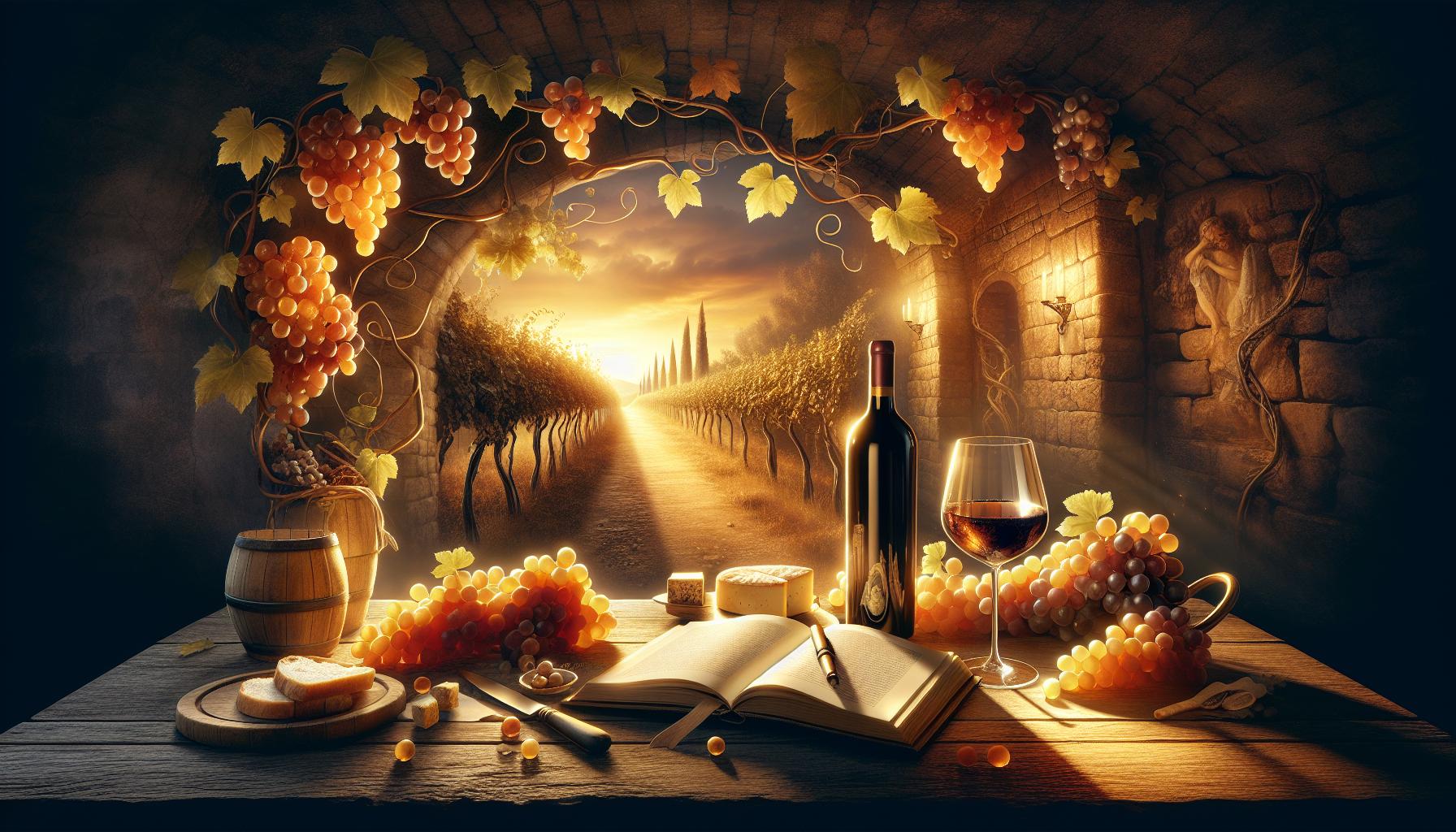
The miracle of transforming water into wine at the wedding in Cana is often celebrated not just for its miraculous nature but also for its rich layers of meaning, deeply entwined with the symbolism of wine in the context of Jesus’ teachings. Wine serves as a potent metaphor, reflecting abundance, transformation, and joy-concepts central to Jesus’ message and ministry. When Jesus chose to perform this miracle, He engaged with something deeply familiar and significant to the people of His time. At weddings, wine was not merely a drink; it was a symbol of festivity, community, and God’s blessing over the union.
In the act of changing water into wine, Jesus communicated a deeper spiritual truth: that divine grace can bring forth abundance even from scarcity. This transformative act implies that Jesus not only cares for the immediate needs of the people but also desires to elevate the mundane to the extraordinary. In the vibrant social scene of a wedding, wine acts as a catalyst for connection, conversation, and celebration. It fosters relationships and strengthens community bonds, encapsulating the spirit of sharing and hospitality intrinsic to Jewish culture. As guests delight in the finest wine, the moment becomes a concrete expression of joy and festivity, mirroring the kingdom of God that Jesus came to proclaim-a realm characterized by creativity, joy, and abundance.
Consider the nuanced layers of this miracle: wine was not simply chosen for its celebratory aspect but also for its capacity to convey deeper spiritual lessons that echo throughout the Bible. For example, in many scriptures, wine symbolizes God’s providence and joy. Through this miracle, Jesus affirms the significance of everyday celebrations as opportunities to encounter the divine. Every sip from the cup of wine can be seen as an invitation to experience grace, not only in lavish banquets but also in the simplicity of life’s everyday moments.
Ultimately, this miraculous transformation is a commentary on Jesus’ mission. It transcends the act itself; it invites us to reflect on how we can experience transformation in our lives. Just as He turned water into wine, we too can cultivate a mindset that seeks beauty and meaning, even in the ordinary. As readers absorb this narrative, they are encouraged to embrace their journey, finding joy and divine presence in every shared meal, every glass raised in toast, and every community gathering. In this light, the water-to-wine transformation becomes not just a historical event, but a continuous source of inspiration for living a life infused with generosity, joy, and connection to the divine.
Historical Context of Wine Production in Biblical Times

The land of ancient Judea was more than just a backdrop for the life of Jesus; it was a thriving hub of agricultural and cultural activity, with wine playing a pivotal role in the daily lives of its inhabitants. In this fertile region, wine was not merely a beverage; it was woven into the very fabric of society, symbolizing not only physical sustenance but also spiritual significance. The cultivation of grapes and the production of wine in Biblical times were both a testament to the land’s bounty and an expression of joy and community, seasoned richly with tradition and ritual.
During Jesus’ time, vineyards flourished across the Mediterranean landscape, benefiting from the region’s temperate climate and diverse soils. Most families had their own vines, highlighting both the economic importance of viticulture and its social dimensions. Wine was integral to Jewish life; it featured prominently in religious ceremonies, festivals, and, of course, weddings. At these joyful gatherings, wine was a vital component-a signal of festivity and abundance that transformed ordinary meals into memorable feasts. It served to forge bonds between individuals, families, and communities, deepening connections through shared experiences over the cup, much like the atmosphere at the wedding in Cana.
Traditional wine production methods involved a remarkable blend of artistry and forethought. Grapes were harvested at their peak ripeness, often celebrated with songs and dances, enhancing the communal spirit. The harvesting process was labor-intensive, requiring skillful hands to ensure that only the best grapes made it into the vats. Following this, grapes were trodden upon in large stone basins, releasing their juices-a process that can evoke a sensorial image of the fragrant, shimmering liquid emerging from crushed fruit. Fermentation was the next magical transformation, turning grape juice into wine, a process that ancient winemakers understood instinctively without modern technology. This age-old practice reflects the creativity and patience of those who crafted the wine that would later be served at pivotal moments in their social lives.
Wine is a powerful metaphor throughout many biblical texts, often symbolizing joy, celebration, and divine grace. The prophet Isaiah spoke of the “vineyards of the Lord” as places of abundance, linking the sacred and the everyday. This duality is present in Jesus’ own transformation of water into wine, where He elevated the ritual of the ordinary moment-an overflowing jug at a wedding-to a sublime expression of divine providence and community celebration. In many ways, the act of turning water into wine serves as a parable of transformation-where the familiar becomes extraordinary, resonating deeply with the cultural and historical context of His time. As we reflect on these historical practices, we find that they add layers of meaning to Jesus’ miracle, serving as a bridge between the simple and the sacred, the human and the divine.
Miracles as Metaphors: Understanding the Deeper Meaning
The act of transforming water into wine at the wedding in Cana is more than a mere display of miraculous power; it serves as a profound metaphor that resonates throughout Christian theology and human experience. This emblematic moment invites us to consider not only the physical transformation of substances but also the deeper transformational possibilities inherent in human life and spirituality. In doing so, it speaks to a universal truth: that the mundane can be elevated to the extraordinary, readily illustrating the workings of divine grace woven into the fabric of everyday existence.
Wine, in the cultural context of ancient Judea, served as a symbol of joy, community, and new beginnings, linking it intimately with the divine narrative Jesus embodied. In this light, the miracle at Cana can be understood as a metaphor for spiritual transformation-a potent reminder that one’s life, when touched by faith, can metamorphose from a state of scarcity or despair into a realm of abundance and celebration. Much like the grapes that are crushed and fermented to create wine, individuals often undergo trials before emerging renewed. This metamorphosis-this journey from water to wine-encapsulates the potential for growth through adversity, echoing spiritual themes found throughout scripture.
Moreover, the act of miraculously providing high-quality wine to the wedding guests highlights Jesus’ understanding of the human condition and the joys that bring us together. In a society where communal meals and gatherings were essential for social bonding, the wine at the wedding symbolized divine approval of joy and festivity in life. It underscores an important aspect of Jesus’ ministry-His message that life is meant to be celebrated, filled with communal joys, shared blessings, and overflowing with generosity. This event becomes a spiritual feast, not just for the senses but for the soul, teaching us that true abundance often lies beyond mere material wealth, inviting all who partake to find joy in connection, community, and divine grace.
In essence, this miracle serves as an anchor point, connecting the rich tapestry of Jewish tradition with the transformative power of Jesus’ teachings. As we savor the wine at our own tables, we can reflect on what it represents: a shared history, community bonds, and the ever-present opportunity for transformation. This perpetual cycle of turning the ordinary into the extraordinary invites us to engage more deeply with our realities, encouraging us to see beyond the surface into the rich, vibrant essence of life that mirrors the divine nature of our creator. As we appreciate the wine, we can embrace its layered meanings and savor the holistic experience that is both personal and communal, grounding us in the present while opening our hearts to the limitless possibilities of transformation.
The Role of Festivity and Community in Jesus’ Ministry
In the vibrant tapestry of Jesus’ ministry, festivity and community stand as pillars that support the profound messages He conveyed. The wedding at Cana, where Jesus transformed water into wine, serves as a quintessential example of how He valued joyful gatherings and communal connections. This miracle, set against the backdrop of a celebratory feast, highlights not merely a moment of need but a broader canvas where community and joy are intricately woven into the fabric of faith. It invites us to reflect on how deeply intertwined our spiritual lives are with the experiences of gathering, celebrating, and sharing abundance.
Festivity in Jesus’ time was not just about revelry; it was a vital expression of community life. Weddings were communal events, laden with social significance, representing not just the union of two individuals but the blending of families and larger social networks. As wine flowed freely during these celebrations, it symbolized joy, vitality, and divine favor. This context emphasizes that Jesus recognized the importance of communal joy in spiritual life. By choosing a wedding to perform His first miracle, He elevated the ordinary celebration into a sacred experience, underscoring the belief that the divine actively engages with our everyday lives.
Moreover, the act of providing wine at the wedding underscores Jesus’ message about abundance. He didn’t just meet the need; He exceeded expectations by offering the very best. This reflects a profound theological truth: God delights in our joy and desires that abundance flows in our lives-a theme echoed throughout the Scriptures. Jesus’ ministry invited people into a community where joy was paramount, illustrating that spirituality need not be somber but can be filled with laughter, connection, and shared moments of grace.
As we experience our own gatherings, whether over a simple meal or a grand celebration, we are often reminded of this essential truth-that the act of coming together, sharing stories, and enjoying the fruits of our labor enriches our human experience and fortifies our spiritual journey. Each sip of wine at a communal table can serve as a reminder of the joy and connection that Jesus advocated. It beckons us to cultivate spaces of warmth, generosity, and celebration in our lives, fostering a community where the presence of the divine can be palpably felt in our interactions with one another. Thus, through the lens of festivity and community, the wedding at Cana continues to resonate, heralding an invitation to embrace the joy of togetherness in our spiritual and everyday lives.
Wine as a Symbol of Abundance and Joy
In the ancient world, wine was more than a mere beverage; it embodied celebration, prosperity, and divine blessing. This cultural backdrop casts a radiant light on the miracle at the wedding in Cana, where Jesus transformed water into wine. When we think of wine as a symbol of abundance, it evokes images of bountiful feasts and joyous gatherings, where the essence of life is celebrated with every pour. In Jesus’ context, the act of providing wine not only met a pressing need but also served as a divine statement about the nature of joy and abundance that God wishes for humanity.
The very essence of wine speaks to the overflowing generosity of spirit. In biblical times, wine represented more than a convivial spirit; it was a marker of blessing and abundance, seen in agricultural festivals and celebrations that honored the harvest. Thus, when Jesus turned water into wine, He offered more than just a drink-He bestowed a gift that was rich in symbolism and meaning. The transformation from water to wine invited the guests to partake not only in a miraculous event but in the essence of life itself, where joy reigns supreme and abundance overflows.
As you savor a glass of wine, let it transport you to the communal tables of history, where gatherings were vibrant with laughter and stories. The texture of a well-aged red, perhaps, may remind you of the depth of connection shared among friends and family, while the crispness of a chilled white can evoke the fresh start of a new day filled with possibilities. When we embrace wine in our own celebrations, we participate in a long-standing tradition that celebrates not only the richness of the earth but the richness of our relationships. Each sip can serve as a reminder of the divine’s desire for us to experience life in its fullness, encouraging us to cultivate joy in every corner of our lives.
Moreover, the wine Jesus created at Cana was noted for its quality, marking a profound theological truth: God’s gifts to humanity are abundant and exceptional. This relationship between abundance and joy reflects a continuity throughout Scripture, emphasizing that divine love provides for our needs and desires more richly than we can fathom. As we navigate our own lives, may we embrace the abundance inherent in our relationships, experiences, and divine blessings-always remembering that in the simplest acts of sharing joy, we can find the sacred woven through our everyday existence.
Insights from Biblical Scholars on the Miracle’s Meaning
Biblical scholars offer a wealth of insights into the transformative act of Jesus turning water into wine, viewing it through lenses that blend theological significance with cultural context. One of the most notable interpretations is that this miracle serves as a manifestation of God’s abundance and grace. Scholars often emphasize that, in the context of a wedding feast-an event inherently tied to joy and communal celebration-Jesus’ act of providing high-quality wine at a moment of need highlights not just His miraculous power, but also the divine generosity that supersedes earthly limitations.
The narrative is often examined through the symbolism of wine itself, which transcends simple sustenance to encapsulate themes of joy, covenant, and the messianic age. Scholars like Joachim Jeremias have pointed out that wine in Jewish tradition is intrinsically linked to festivity and divine blessing, thus the miracle at Cana can be seen as an introduction to this new era of God’s promises being fulfilled through Jesus. The qualitative nature of the wine-referenced as being better than what was served initially-suggests a prophetic sign that the old order is being transformed into something greater, resonating with the broader biblical theme of renewal and redemption.
Moreover, engaging with this miracle through a literary lens reveals layers of meaning that speak to interpersonal relationships and community dynamics. The act of Jesus performing a miracle at a wedding not only addresses the immediate need of the hosts but also invites guests into a shared experience of wonder and delight. This act serves as an invitation to participate in a community that celebrates abundance and joy, uniting those present in a shared spiritual and social bond. Scholars like N. T. Wright highlight how this interweaving of joy, presence, and miraculous provision underscores the character of Jesus’ ministry-one intimately connected with life’s celebrations and the divine desire for humanity to thrive in love and connection.
In contemplating this miracle, we are called to reflect on the implications of divine grace manifesting in our own lives. Just as the guests at Cana experienced the unfathomable joy of a miracle, so too are we invited to recognize moments of abundance-however small they may seem-and to share in the joy of those around us. This perspective fosters an appreciation not just for the act of wine-making, but for the deeper connections that wine symbolizes: family gatherings, friendships, and communal celebrations that nourish both body and soul. Thus, scholars help us appreciate that the miracle is not simply a wonder to marvel at, but a deeper invitation into understanding God’s pervasive joy within our interconnected human experience.
Comparative Analysis: Water to Wine Across Cultures
The act of transforming water into wine is far more than just a miraculous event; it vividly encapsulates the rich cultural narratives surrounding wine across civilizations. In many ancient cultures, wine has historically been revered not only as a beverage but also as a potent symbol of life, celebration, and the divine. This multifaceted symbolism offers a compelling framework for understanding why Jesus’ first miracle at a wedding in Cana resonates so deeply across different cultural contexts.
In ancient Egypt, wine was often associated with the blessings of the gods and the cultivation of joy in human gatherings. The Egyptians viewed wine as a sacred beverage, offered to their deities during rituals. Similarly, in Greek culture, wine served as an essential component of the symposia-gatherings that blended philosophical discourse with merriment. Here, wine symbolized the joy of communion and the sharing of ideas, fostering connections between people much like the communal aspect Jesus emphasized through His miracle.
H3: The Festive Tapestry of Wine in World Religions
Wine’s role extends into religious narratives; it appears as a symbol of divine grace and covenant. In Judaism, for instance, wine is integral to the Sabbath and significant life events such as weddings. The Kiddush, a blessing recited over wine, serves to sanctify the day, paralleling the sanctity of the marital union that Jesus honored in Cana. The capability of wine to mark time and memory surfaces in these traditions, evoking a sense of shared history and familial bonds.
Comparatively, in Celtic traditions, mead and various fermented beverages were central in rituals, believed to invoke blessings and prosperity. As with wine in the U.S. Thanksgiving or harvest festivals, these ceremonies underscore the connection between bounty and gratitude.
The interplay of these cultural elements and winemaking traditions showcases wine as a universal emblem of celebration and community. When Jesus turned water into wine, it was not merely an act of miraculous provision; it bridged ancient traditions that honored the sacredness of life and the happiness derived from community engagement. In doing so, He reaffirmed the notion that the divine and the everyday are intricately intertwined, encouraging us to recognize moments of joy and connection in our daily lives-much like a glass of wine shared with loved ones.
Ultimately, this comparative examination invites deeper reflection on how we, too, can celebrate life’s abundance and transform ordinary moments into extraordinary ones, echoing the transformative experience of the wedding at Cana across various cultures and eras.
Modern Interpretations of the Wine Miracle in Christianity
The transformative act of turning water into wine at the wedding in Cana is not merely an ancient tale; it serves as a rich text for modern interpretations within Christianity, reflecting themes of joy, community, and divine intervention. Many contemporary theologians and believers see this event as a profound illustration of Jesus’ mission: to infuse ordinary life with spiritual abundance. At its core, this miracle encapsulates the idea that the divine can manifest in everyday situations, inviting us to look for grace in the commonplace.
In today’s spiritual landscape, discussions around this miracle often highlight the significance of wine as a symbol of joy and celebration. The act at Cana represents far more than just a practical response to a social blunder; it underscores the importance of festivity within the Christian faith. In many liturgical contexts, wine is not just a beverage but a sacred element, as seen in the Eucharist where it symbolizes Christ’s blood. This connection enriches the understanding of the miracle, suggesting that moments of celebration are both sacred and essential to human experience. It beckons believers to embrace community gatherings with a spirit of thanksgiving, recognizing that life’s true essence often unfolds in shared moments of joy.
Moreover, the cultural resonance of wine in the miracle cannot be overlooked. Wine is woven deeply into the fabric of Jewish tradition, representing abundance and divine promise. By choosing this medium for his first miracle, Jesus is seen as affirming these cultural values while simultaneously inviting a shift towards a new covenant marked by love and communal spirit. This aligns with modern interpretations that advocate for social justice and community-building, implying that fostering relationships and supporting one another is a reflection of divine love in action.
Ultimately, the story of Jesus turning water into wine transcends its scriptural roots to speak into the hearts of contemporary believers. It challenges us to find joy in the mundane and to create spaces for community celebration. As we gather with loved ones over a glass of wine, we can reflect on the deeper meanings of abundance, transformation, and connection-principles that resonate as strongly today as they did over two millennia ago. In every toast and shared story, we partake in the legacy of that miraculous moment at Cana, transforming our ordinary lives into extraordinary celebrations of faith and fellowship.
The Lasting Impact of the Water-to-Wine Miracle Today
The transformation of water into wine at the wedding in Cana continues to resonate through centuries, shaping not only religious beliefs but also cultural practices around joy and community. This miracle serves as a vivid reminder of how something as ordinary as water can become extraordinary through divine intervention. In a world where mundane routines often overshadow moments of significance, the account pushes us to seek out the divine in our daily lives. As we gather with loved ones, whether at a festive occasion or a simple dinner, the act of sharing a glass of wine becomes a potent symbol of connection, celebration, and abundance.
In modern Christian thought, this miracle symbolizes more than just a miraculous event; it calls us to recognize the spiritual potential present within our communal gatherings. Today, many churches and communities use wine as a central element in celebrations, echoing the biblical significance placed on it. Wine is not merely a beverage; it represents the joy of fellowship and the blessings that flow when people come together. By sharing wine, individuals reaffirm their relationships, creating bonds that reflect the divine essence of love and community that Jesus embodied. The sacramental use of wine deepens this connection, transforming everyday moments into sacred experiences, encouraging us to appreciate life’s micro-moments of joy.
The cultural significance of wine extends beyond the church into the broader realm of social interactions. Festivals, weddings, and even casual dinners often feature wine as a centerpiece, reminding us of the joy of celebration. As we lift our glasses, we part take in a tradition that stretches back to ancient Judea, where wine was emblematic of abundance and divine favor. This rich history imbues our contemporary wine experiences with a sense of continuity and connection to our ancestors.
Ultimately, the lasting impact of the water-to-wine miracle serves as an invitation-to seek out the extraordinary in the everyday, to foster community connections, and to celebrate life’s joyous occasions. Each time we share a drink with family or friends, we participate in a lineage of happiness that transcends time and cultural boundaries, enriching our understanding of what it means to live in communion with one another. As we sip, we are reminded of the transformative power of love, spirituality, and the undeniable richness of shared experiences in our lives.
Faq
Q: Why did Jesus turn water into wine?
A: Jesus turned water into wine at the wedding in Cana to demonstrate His divine authority and compassion. This miracle served as His first public sign, revealing His nature as the Messiah and enhancing the joy of the celebration. It symbolizes transformation, reflecting spiritual renewal.
Q: What is the significance of wine in biblical context?
A: In biblical context, wine symbolizes joy, abundance, and blessings from God. It plays a vital role in both cultural and religious ceremonies, representing the covenant between God and His people. The transformation of water to wine by Jesus highlights this rich tradition of wine’s importance in community and spirituality.
Q: How does the miracle of turning water into wine reflect Jewish customs?
A: This miracle reflects Jewish customs surrounding marriage ceremonies, where wine symbolizes joy and blessing. It underscores the importance of hospitality and celebration in Jewish culture, illustrating how Jesus honored and uplifted social traditions, as seen in the communal nature of weddings.
Q: What can we learn from Jesus turning water into wine?
A: The story teaches us about the importance of faith and the transformative power of divine intervention. It encourages us to celebrate joyfully and appreciate the blessings in our lives. Additionally, it reinforces the idea of abundance and God’s provision during significant life events.
Q: Where in the Bible can I find the story of Jesus turning water into wine?
A: The story is found in the Gospel of John, specifically in John 2:1-11. This passage details the wedding at Cana and highlights Jesus’s first miracle, emphasizing His role in the Christian narrative and His ability to transform the ordinary into the extraordinary.
Q: What historical and cultural insights can be drawn from Jesus’s miracle?
A: Historically, wine was integral to social gatherings in ancient Judea, serving as a symbol of community. Culturally, the miracle reflects the values of generosity and the importance of maintaining social bonds. It also shows how Jesus engaged with cultural practices to convey deeper spiritual truths.
Q: How does the miracle relate to the theme of transformation in Christianity?
A: The miracle signifies transformation, not just of water into wine but also of individuals’ lives through faith in Christ. It illustrates the core Christian theme of renewal and redemption, portraying how moments of divine intervention can lead to profound changes in personal and communal life.
Q: What does the quality of the wine say about Jesus in this story?
A: The quality of the wine, noted to be superior to what was served earlier, signifies Jesus’s divine nature and His ability to provide abundantly. This detail underscores His role as a provider and the concept of excellence in God’s gifts, highlighting the significance of quality in spiritual and communal experiences.
The Conclusion
As we reflect on the remarkable moment when Jesus turned water into wine, it’s not just about the miracle-it’s a deep exploration of cultural significance and the human connection that wine fosters. This act symbolizes joy, abundance, and the transformative power of faith. If you found this exploration enlightening, dive deeper with our related articles on the cultural significance of wine in ancient rituals and the historical context of Jesus’s miracles.
Embrace this opportunity to enrich your understanding of wine and its storied past-join our newsletter for insightful content delivered straight to your inbox. Have questions or insights? Share your thoughts in the comments below; we’d love to hear from you! By igniting this journey into the world of wine, you’re not just learning; you’re engaging in a tradition that celebrates history, culture, and the spirit of community. Cheers to discovering more together!


