


California, known for its breathtaking landscapes and rich agricultural heritage, is home to some of the world’s finest wineries. Whether you’re a seasoned oenophile or a curious novice, exploring California’s vibrant wine regions offers a journey into diverse flavors and traditions that reflect the state’s unique terroir. Each vineyard tells a story, inviting you to experience the artistry and passion behind each bottle.
Imagine sipping a velvety Cabernet Sauvignon as golden sunlight paints the vineyards at sunset, or experiencing the crisp, refreshing notes of a Chardonnay produced from grapes kissed by coastal breezes. The search for the best wineries can feel overwhelming, but it is rewarding, presenting opportunities to learn, savor, and connect with the vibrant culture of winemaking.
Join us as we unveil our top picks for wineries that promise not only exquisite tastings but also a deeper appreciation of the craft. Let this guide inspire your next adventure, as we navigate through the essence of California’s wine country-where every sip is a story waiting to be uncorked.
The Heart of California Wine: A Rich Heritage
In the rolling hills of California, wine has woven itself into the very fabric of the state’s identity. Not just a beverage, wine in California tells a story-a narrative rich with history, cultural influences, and an undeniable passion for the craft of vinification. From the iconic vineyards of Napa and Sonoma to the lesser-known gems hidden in the Central Coast, the heritage of California wine embraces a diversity that mirrors the state’s landscapes and its people. The history dates back to the missions established by Spanish settlers in the 18th century, who planted the first vineyards, leading to centuries of evolving techniques and varietals.
Today, the heart of California wine is characterized by a spirit of innovation and tradition harmonizing beautifully. California is a leader not only in the production of varietals like Cabernet Sauvignon and Zinfandel but also in the revival of heritage grapes that reflect the state’s diverse agricultural legacy. As vintners explore their roots, they revive old-world grape varieties, bringing back Trousseau gris and Valdiguié to complement the modern palette with a taste of history.
The reverberations of this rich heritage resonate in every glass poured. Visiting a winery often transcends mere tasting; it becomes a sensory journey through time. Whether you’re wandering the lush vineyards or engaging with passionate winemakers, you’ll find stories etched into the soil-a connection to a land shaped by both natural elements and human endeavor. Each sip reveals the dedication that goes into crafting the wine, inviting you to contemplate the interplay of climate, soil, and tradition that imparts unique characteristics to each varietal. In this way, the experience of California wine becomes not merely about consumption but appreciation-an exploration of a heartfelt legacy that continues to evolve while honoring its past.
So, as you contemplate where to sip the best wines in California, remember that each winery embodies a piece of this narrative. Make your selections not just based on the accolades but also on the stories those bottles carry, each representing not just a beverage, but a profound connection to the heart of California’s winemaking heritage.
Unveiling the Regions: Napa Valley vs. Sonoma
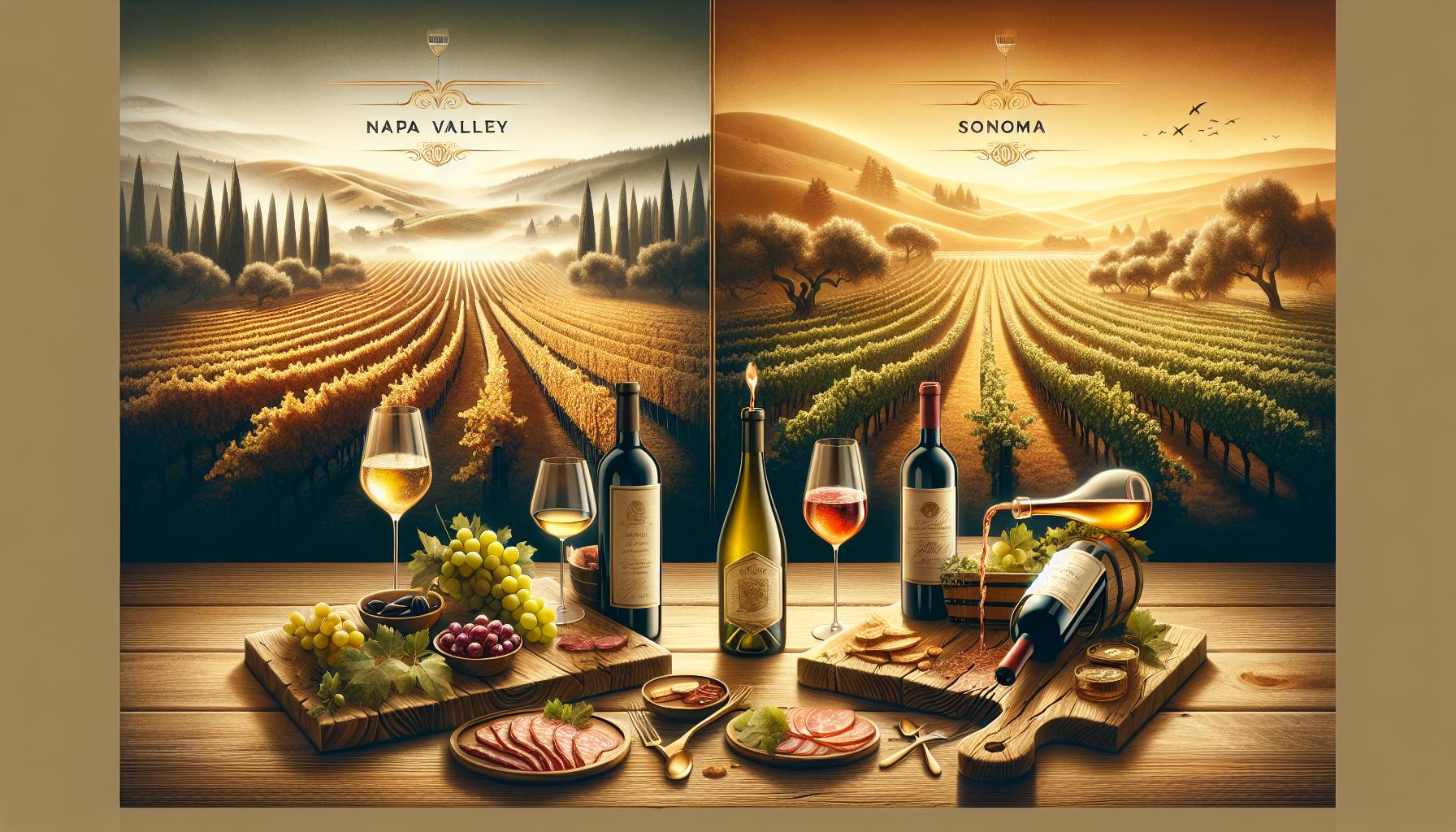
In the realm of California wine, the shores of Napa Valley and Sonoma County stand as titans in the world of viticulture, each with its own character, terroir, and grape variety that weave a narrative of excellence in winemaking. Napa, often viewed as the more glamorous sibling, is renowned for its high-end wineries and iconic Cabernet Sauvignon. The valley’s microclimates and diverse soils create an ideal environment for deep, rich reds that have garnered global acclaim, driving a robust tourism economy that celebrates tasting rooms adorned with both modern elegance and historical charm. Visitors often find themselves enveloped in the sophisticated ambiance of these estates, where the air is infused with the aromas of oak barrels and crushed grapes, creating a sensory backdrop that elevates the tasting experience.
On the contrary, Sonoma County offers an inviting warmth that embraces diversity not just in wine, but in lifestyle and culture. Known for its sprawling landscapes and less commercialized charm, Sonoma is a haven for those seeking a more relaxed exploration of wine. The county excels in producing a wide array of varietals, including delightful Pinot Noir and expressive Chardonnay, which thrive in its varied climates that range from coastal cool to warm inland areas. Wineries here often prioritize organic and sustainable practices, allowing visitors to connect with both the land and the people who cultivate it. As you wander through the picturesque vineyards of Sonoma, you might find yourself indulging in an impromptu picnic amidst the vines or engaging in thoughtful conversations with passionate winemakers eager to share their stories.
While Napa might dazzingly showcase opulence and prestige, Sonoma offers an authentic, grassroots experience that cultivates connections both to the vineyard and the community. Choosing between these two regions often boils down to personal preference; Napa provides a curated luxury experience, perfect for those celebrating a special occasion, while Sonoma invites curiosity and exploration, ideal for those wishing to discover hidden gems and local charm. Whether savoring the boldness of Napa’s Cabernets or reveling in the elegance of Sonoma’s Pinots, each sip tells a story that enriches your journey through California’s celebrated wine country.
As you plan your adventure across these storied hills, allow yourself to savor not just the wine but the surrounding beauty and the tales spun from generations of dedication, artistry, and innovation within each glass.
Hidden Gems: Lesser-Known Wineries to Explore
Nestled amidst the more acclaimed vineyards of California lie hidden gems-wineries that, while perhaps lacking the marketing might of their neighbors, deliver some of the most authentic and delightful wine experiences. Exploring these lesser-known estates can be akin to discovering a rare vintage hidden in a dusty cellar; the rewards are often exquisite and the journeys memorable. By venturing off the beaten path, wine enthusiasts can uncover unique varietals, unpretentious atmospheres, and genuine stories from those devoted to the craft of winemaking.
One such winery is Baker Lane Vineyards in Sonoma County, where the focus is on organic and biodynamic farming practices. Their Pinot Noir, produced from the cool-climate vineyards of the Russian River Valley, exhibits a delicate balance of fruit and earthiness, inviting drinkers to savor the nuances of the terroir. Visitors are often welcomed with open arms by the passionate owners, who love to share the intimate details of their winemaking process. The tasting experience here is intimate and personal-perfect for those who appreciate wine as an art form and a personal reflection of the land.
Another standout is La Marea in the Santa Lucia Highlands, a region that often plays second fiddle to Napa’s more glamorous reputation. This winery is dedicated to expressing the terroir through its small-lot production of Grenache and Chardonnay. The terroir-driven approach results in wines that surprise and delight, showcasing vibrant acidity and layered flavors. What sets La Marea apart is not just its stellar wines but also its commitment to sustainability, making it a favorite for eco-conscious visitors who wish to drink mindfully while enjoying the breathtaking coastal views.
Why Visit These Wineries?
- Authenticity: Lesser-known wineries often deliver a more genuine experience, allowing for deeper connections with winemakers and an understanding of their philosophies.
- Unique Varietals: These hidden gems frequently experiment with lesser-known grape varieties, providing a refreshing alternative to the mainstream offerings.
- Intimate Tastings: With smaller crowds, visitors can engage in personal conversations, enhancing their educational and tasting experience.
While large-scale wineries offer grandeur and polished marketing, the beauty of California’s wine country is accentuated by the small, often family-run operations that invite exploration and connection. Each vineyard presents a narrative woven from history, culture, and passion, contributing to the rich tapestry of California’s viticultural legacy. As you embark on your quest to find these hidden gems, approach each tasting with an open mind, a curious palate, and a readiness to engage with the stories behind every bottle. Cheers to the unforgettable discoveries that await in the less-traveled corners of California’s vibrant wine landscape!
Top Picks for Each Wine Type: From Bold Reds to Crisp Whites
When exploring California’s bounty of wines, the vast diversity of varietals offers something for every palate. From the bold sophistication of Cabernet Sauvignon to the crisp vibrancy of Sauvignon Blanc, the Golden State serves as a veritable playground for wine lovers. For those eager to deepen their understanding of these offerings, knowing where to sip and savor is essential.
Among the captivating profiles of red wines, Cabernet Sauvignon reigns supreme in Napa Valley. The iconic Silver Oak Winery, renowned for its expertly crafted Cabernets, beckons enthusiasts with its lush fruit and velvety tannins, often accompanied by tasting notes of blackberry, sage, and a hint of vanilla from oak aging. Similarly, Stag’s Leap Wine Cellars delivers a rich, structured Cabernet that is a testament to the terroir of the region, with its layered complexities providing a captivating experience.
On the other end of the spectrum, if your heart leans towards the lighter side of life, Pinot Noir shines bright in the cooler climate of Sonoma. Vineyards like Kistler Vineyards craft exquisite Pinot Noirs, bursting with flavors of cherry and earth, emanating elegance and depth. Not to be overlooked, Diane Branch Vineyards offers a unique approach through sustainable practices that breathe new life into traditional winemaking, showcasing the bright acidity and layered character typical of this varietal.
As you journey through the vineyard-lined hills, don’t forget the crisp and refreshing whites like Chardonnay. Sonoma boasts some remarkable options, with Kendall-Jackson leading the way, its flagship Chardonnay embodying a beautiful balance of fruit and oak. This wine provides a wonderful segue to bold culinary experiences, complementing everything from creamy pastas to seared scallops. Moreover, Williams Selyem’s Chardonnays, often celebrated for their bright zest and mineral undertones, illustrate the diversity within the varietal, appealing to both seasoned connoisseurs and curious newcomers alike.
For a truly unique tasting experience, consider indulging in Vermentino, an often-overlooked gem gaining traction in Sonoma County. Benziger Family Winery offers this aromatic white, which bursts with citrus notes and lively acidity, perfect for summer sipping on the patio. This is a testament to California’s innovative spirit, where winemakers embrace lesser-known varietals to offer tastings that surprise and delight.
Exploring these top picks ceaselessly reinforces the notion that no two wineries are alike; each destination showcases its personality through the wines it crafts. As you navigate this vinous landscape, allow your senses to guide you-from the bold reds that invite contemplation to the crisp whites that radiate joy. Each sip is not merely a drink; it becomes a story, a connection to the land, and an invitation to explore the richness of California’s wine culture.
Experiential Tasting: What to Expect at California Wineries
Visiting a California winery is more than just sipping wine; it’s an immersive experience that invites you to engage all your senses. From the moment you step onto a vineyard, you’re enveloped in a sensory landscape where the air is rich with the aromas of ripening grapes and lush greenery. Expect to see sweeping views of rolling hills adorned with vine-laden trellises, each telling a story of the land’s unique terroir, a term that captures the connection between the soil, climate, and grape variety, shaping distinct flavors in every bottle.
As you embark on your tasting journey, you will likely partake in guided tastings, which vary widely from one winery to another. Some establishments offer elegant, seated experiences featuring carefully curated selections that highlight their finest wines. Others adopt a more casual, exploratory approach, allowing guests to roam and sample at their leisure, often accompanied by playful anecdotes from passionate staff. You may find yourself savoring a full-bodied Cabernet Sauvignon at a grand estate in Napa Valley or a crisp Sauvignon Blanc on a sun-drenched patio overlooking Sonoma’s vibrant vineyards. Each sip is an invitation to appreciate the artistry that goes into winemaking.
What to Expect During Your Visit
During your winery visit, you can anticipate a series of engaging activities designed to deepen your understanding of the winemaking process:
- Wine Education: Expect knowledgeable staff to share insights about viticulture and enology. From the nuances of fermentation to the intricacies of aging in oak barrels, every tasting is richly educational.
- Food Pairings: Many wineries enhance tastings with food pairings that elevate the wine experience. Whether it’s artisanal cheeses or gourmet chocolates, these pairings illuminate how flavors complement one another.
- Tours of the Vineyard and Cellar: Guided tours often take you through the vineyards and production areas, showcasing everything from grape picking to bottling. These tours connect you with the land while enriching your appreciation for the craft of winemaking.
- Themed Tastings: Some wineries curate unique tasting events, such as vertical tastings that explore different vintages of the same wine or themed flights that highlight specific grape varieties.
As you savor each glass, take your time to contemplate the flavors dancing on your palate-notes of dark fruits, hints of spice, or delicate herbal undertones. This is not merely about identifying the flavors but rather about enjoying the whole experience of wine. Consider keeping a wine journal during your visits-jot down impressions of each wine, your pairings, and any reflections that arise. Just as each bottle tells a story, so too does your tasting journal evolve into a personal narrative of discovery and appreciation.
Ultimately, experiential tasting at California wineries is about forging connections, whether with the land, the winemakers, or fellow enthusiasts. Embrace the journey, relish the moments, and let each sip transport you deeper into the heart of California’s rich wine culture.
Beyond the Glass: Wine and Culinary Pairings
Exploring culinary pairings with wine is akin to a dance where both partners complement each other’s strengths, enhancing the overall experience far beyond the individual components. In the lush landscapes of California’s vineyards, this union is celebrated in tastings that highlight local produce and thoughtfully selected wines. From the savory notes in a bottle of Napa Valley Cabernet Sauvignon to the vibrant acidity of a Sonoma County Chardonnay, the right pairing can transform your tasting journey into a feast for the senses.
Many wineries have recognized the importance of this pairing philosophy, offering curated experiences that marry their wines with artisanal cheeses, gourmet chocolates, and seasonal dishes crafted from local ingredients. Imagine savoring a luscious Pinot Noir, its berry notes entwined with a rich, aged cheddar that accentuates the wine’s fruitiness, or enjoying a bright Sauvignon Blanc next to a zesty citrus salad that echoes the wine’s crispness. These combinations amplify the wine’s character, inviting exploration and discovery with every sip and bite.
Visiting California wineries often grants access to exclusive events focusing on food and wine pairings. For example, certain estates may feature chef-led tastings where culinary artisans create dishes specifically designed to highlight the terroir of the wines. This immersive experience not only educates the palate but also encourages a deeper appreciation for the interplay between flavor profiles and textures.
To ensure you make the most of your wine and culinary pairing adventure, consider these practical tips:
- Ask questions: Engage with knowledgeable staff who are eager to share their insights on the best pairings.
- Take notes: Jot down which wines and dishes resonate most with your palate; this will help refine your preferences for future tastings.
- Experiment: Don’t hesitate to try unconventional pairings; sometimes the most delightful matches can be the most unexpected.
As you dive into this engaging world of wine and food, remember that each sip is an invitation to savor not just flavors, but the stories and traditions that make California’s wine culture a thriving tapestry of experiences.
Sustainable Practices: Wineries Leading the Way
California’s wineries are not just celebrated for their exquisite wines but increasingly for their innovative sustainability practices. As the climate shifts and environmental consciousness grows, many wineries are leading the charge toward crafting wine with an eye on the planet. Did you know that some vineyards practice dry farming techniques, allowing vines to rely solely on natural rainfall, thus conserving water? This not only enhances the depth of flavor in the grapes but also reduces the ecological footprint of wine production.
Exploring these sustainable vineyards reveals a commitment to biodiversity that often mirrors the awe-inspiring California landscape. Wineries such as Domaine de la Côte in the Santa Rita Hills employ regenerative agricultural methods that enhance soil health and foster a diverse ecosystem. Utilizing cover crops and organic composting, they work tirelessly to cultivate a thriving habitat for pollinators and beneficial insects, promoting a balanced environment essential for the growth of high-quality grapes.
Another notable example is Frog’s Leap Winery, known for its holistic farming practices that include integrated pest management and carbon neutrality initiatives. Their practices go beyond just grape growing; they focus on habitat preservation and energy efficiency, even utilizing solar power to run their operations. This commitment not only protects the surrounding landscape but also inspires visitors to appreciate the intrinsic connection between sustainable practices and the vibrant wines produced.
With a surge in consumer awareness and demand for environmentally responsible practices, many wineries are opening their doors to share how sustainability is woven into the wine experience. During tastings, guests can engage in educational tours that highlight the vineyard’s practices, from organic farming to renewable energy use. By participating in these immersive experiences, wine lovers have the opportunity to share in the vision of a more sustainable future while enjoying the fruits of these conscientious efforts.
As you savor a glass of California’s finest, take a moment to reflect on the journey it took to reach your palate. Each sip not only embodies the essence of its terroir but also the dedication of winemakers who embrace sustainability as a pathway to creating wines that are both exceptional and responsible. This deeper awareness enriches the tasting experience, inviting a newfound appreciation for the stories behind every bottle.
The Journey of Terroir: Connecting Land and Wine
The intricate dance between land and wine is a poetic journey that begins not in the winery, but in the very soil that nurtures the vines. California’s diverse regions-from the sun-kissed hills of Napa Valley to the cooler climes of Sonoma-each contribute unique characteristics that define what’s in your glass. This connection to the land, encapsulated in the term terroir, encompasses the climate, geography, and cultural practices that shape the vineyard. It’s not just about the grape variety planted; it’s about how those grapes express the very essence of their environment.
Consider the bold, fruit-forward Cabernets that thrive in Napa Valley’s warm, sun-drenched soils, rich with minerals and organic matter. Here, the diurnal temperature swing-hot days followed by cool nights-ensures grapes reach optimal ripeness while maintaining acidity, imparting layers of flavor that speak of their birthplace. Contrast this with Sonoma Coast’s Pinot Noirs, which flourish amidst the region’s coastal fog and rugged terrain. These conditions contribute to a more delicate profile with vibrant acidity and complex aromas, showcasing the influence of maritime winds that temper the vineyard’s rich potential.
Exploring the relationship between terroir and wine also leads us into the realm of sustainable practices that enhance this connection. Wineries like Frog’s Leap harness the unique characteristics of their land by employing sustainable farming techniques that promote ecological balance. They focus on understanding the regional flora and fauna, allowing biodiversity to flourish and enrich the soil’s health. This commitment not only retains the integrity of the terroir but also results in wines that resonate with purity and authenticity.
As you sip a glass from California’s noteworthy regions, take a moment to contemplate the elements that shaped its soul. Each sip carries the echoes of the land-the nuances of weather, the composition of soil, and the practices of the vintners-all converging to create a story that’s as rich and complex as the wine itself. This journey engages your senses, inviting you to explore not just what’s in the glass, but the landscape and culture behind every bottle, making each tasting not merely an experience, but a connection to something greater.
Planning Your Visit: Tips for Winery Tours
Planning a winery visit in California can be as rewarding as savoring the wines themselves. As you prepare for your journey through the picturesque vineyards of Napa Valley or Sonoma County, consider a few key tips that will enhance your experience and deepen your appreciation for the craft of winemaking.
First, timing is everything. The best months for visiting California wineries are often between late spring and early fall, when the weather is pleasant and vineyards are lush. Weekends may tend to be crowded, so if your schedule allows, opt for a weekday visit. This not only grants you more personalized attention from the staff but also allows you to experience the serene beauty of the vineyards at a slower pace. Many wineries offer special events or themed tours during this time, which can add a unique flavor to your visit.
Next, do your homework. With hundreds of wineries to choose from, it’s worthwhile to research which ones align with your taste preferences. Consider whether you gravitate towards bold reds or crisp whites, and look for wineries specializing in those varietals. Websites like California Winery Advisor offer curated selections and insights into the best Napa and Sonoma wineries, aiding you in curating an itinerary that matches your palate. Don’t hesitate to reach out to wineries in advance to inquire about tastings, tours, and unique experiences they might offer.
When visiting a winery, engage with the staff and ask questions. The best tastings are interactive, and many sommeliers are eager to share their knowledge about the wines, the terroir, and even the history of the vineyard. This not only enriches your understanding but also connects you more deeply with the craft. Consider inquiring about food pairings or the unique characteristics of each wine you sample; those nuanced flavors emerge from the vineyard’s specific conditions and winemaking choices.
Finally, embrace the art of moderation. As delightful as it is to taste several wines in one visit, consider savoring rather than gulping-this enhances your sensory experience and allows the flavors to unfold. If you’re planning to visit multiple wineries in a day, be sure to pace yourself, hydrate often, and take breaks to absorb the stunning landscapes. Engaging with the local cuisine, perhaps stopping for lunch at a farm-to-table restaurant, can complement your tasting experience and offer insights into the region’s culinary heritage.
In essence, planning your winery tours with intent and curiosity not only leads to great tastings but also invites you into the rich narrative of California’s wine culture. Each bottle tells a story, and by immersing yourself in the experience, you’ll take home not just a selection of wines, but memories and connections that resonate far beyond the vineyards.
Events and Festivals: Celebrating California Wine Culture
California’s wine culture is not just about enjoying a glass at sunset; it thrives on celebration and community, offering a calendar filled with vibrant events and festivals that showcase the diversity and spirit of this remarkable region. From intimate tastings nestled in scenic vineyards to grand festivals under the California sun, these gatherings provide opportunities to delve deeper into the rich tapestry of wine-making traditions while forging connections with locals and fellow enthusiasts alike.
Spring kicks off the festivities with the Napa Valley Wine Auction, a renowned event that not only highlights extraordinary wines but also supports local charities. Attendees are treated to exquisite tastings, gourmet food pairings, and the chance to bid on rare wines, all while contributing to meaningful causes. This infusion of philanthropy into wine culture exemplifies the collective ethos of California’s winemaking community, where each sip of wine becomes a toast to both pleasure and purpose.
As summer rolls around, the Sonoma County Harvest Fair offers an enchanting blend of wine tasting and local culinary delights, featuring artisan vendors, live music, and cooking demonstrations. This event is designed for all ages and invites visitors to explore the region’s agricultural bounty, bridging the gap between the vineyard and the table. It’s a joyful reminder that wine is not just a standalone product but a companion to the rich tapestry of food and family traditions that define California culture.
Come fall, the Paso Robles Wine Festival turns the spotlight on emerging winemakers and the iconic varietals of the region, presenting a unique opportunity for discovery. Guests can wander through the heart of downtown Paso Robles, sampling an array of wines while engaging with artisans, local chefs, and the very winemakers behind the bottles. This interactive experience fosters connections, not just between the wine and the palette, but between people-the ultimate homage to the community-driven nature of California’s wine culture.
Periodic vineyard tours often coincide with these festivals, allowing attendees to immerse themselves in hands-on tastings that highlight the unique terroir of different regions. Participating in grape stomping sessions or blending workshops not only satisfies the senses but creates cherished memories that linger long after the last glass is poured. California’s wine events invite you to step beyond the tasting room, offering immersive experiences that forge a deeper appreciation for the craft, the land, and the people.
Embrace the social fabric of California wine culture by marking your calendar for these events. Each festival is a doorway into the local spirit and an opportunity to enjoy the diversity of wines that can only be forged under the golden California sun. Whether a seasoned connoisseur or a curious traveler, these celebrations await to elevate your journey through the state’s illustrious vineyards.
Collector’s Corner: Best Wineries for Rare Finds
Nestled within the Golden State’s sprawling valleys and sunlit hills, California’s wineries offer a wealth of rare finds that tell stories of the land, the grape, and the artistry of winemaking. Whether you’re an ardent collector or an aspiring enthusiast, exploring these hidden gems adds a rich layer to your wine experience. The thrill of discovering limited production wines often lies not just in the tasting but in the journey to uncover them. The state’s diverse climates and terroirs-ranging from the fog-kissed coastlines of Sonoma to the warm, rolling hills of Paso Robles-foster unique varietals that are waiting to be unearthed.
Top Wineries for Collectible Wines
When it comes to sourcing exceptional wines, certain wineries have made a name for themselves in the collector’s market. Here are some standout establishments that epitomize the essence of rare varietals:
- Harlan Estate – Nestled in the Napa Valley, this winery produces a mere 1,500 cases a year, making its offerings highly sought after. Known for its Bordeaux-style blends, Harlan Estate reflects the terroir with nuances of dark fruit, chocolate, and spice that age beautifully.
- Colgin Cellars – Tucked away on a hillside in Napa, Colgin is famed for its meticulous care in crafting limited quantities of wine. Their Cabernet Sauvignon, often praised for its elegance and depth, is a collector’s dream, showing stunning layers of blackcurrant, plum, and cedar.
- Scarecrow Wine – Offering an exquisite blend from its estate vineyard, Scarecrow’s Cabernet Sauvignon boasts an almost cult status. With production often limited to just 300-600 cases per vintage, securing a bottle can be competitive, but it’s well worth the effort for its notes of blackberry, graphite, and floral aromas.
Finding these treasures often requires planning and patience. Many of these wineries maintain waitlists for their allocations, meaning eager collectors should be proactive in signing up months ahead of release dates. Tasting events or private tours can also provide special access to limited releases-activities that not only enrich your collection but also deepen your appreciation for the artistry behind each bottle.
As you embark on this journey, consider joining wine clubs or societies that focus on exclusive releases. Many of these groups offer members first access to scarce wines or the opportunity to attend unique tastings that showcase rare vintages. These experiences are not merely about the product; they encompass the culture, history, and shared passion of the wineries and their patrons, fostering a sense of community that transcends the act of buying and drinking wine.
The world of rare California wines awaits, brimming with the promise of discovery and adventure. By immersing yourself in the stories behind these exceptional bottles, you can appreciate not only the complexities of their flavors but the narratives woven into vineyards nurtured by generations of winemakers, each contributing their unique chapter to the rich tapestry of California’s wine heritage.
Wine Clubs and Memberships: Exclusive Benefits Await
Connecting with California’s vibrant wine culture can be as effortless as pouring a glass of your favorite vintage, especially when you consider the myriad benefits that come with joining a winery’s club. Imagine receiving curated selections of exquisite wines delivered to your door, offering you not just exceptional taste but also a deeper connection to the very essence of California’s wine regions. Wine clubs often act as a bridge, linking passionate wine lovers with the artisans behind their favorite bottles, enriching the entire tasting experience while ensuring the journey of discovery is both seamless and rewarding.
By subscribing to a wine club, you unlock exclusive benefits that elevate your engagement with the world of wine. Many clubs provide first access to limited releases and special allocations, allowing you to be among the select few to savor rare vintages that may never see the public shelves. Moreover, members frequently gain invitations to private tastings and events that celebrate the artistry of winemaking, creating spaces for deeper enjoyment and understanding of the nuances behind each bottle. Picture yourself mingling with fellow connoisseurs over glasses of aged Cabernet Sauvignon while the winemaker shares the intricacies of their craft. Such connections foster a sense of community, turning steep inclines into shared conversations and celebrations of craftsmanship.
Additionally, many wine clubs offer insightful newsletters and educational resources, delving into the stories behind each varietal and vineyard. This is where the experience transcends the act of drinking; it’s an invitation to explore the terroir-the confluence of land, climate, and human tradition that shapes every sip. Each bottle becomes a narrative, a reflection of its origin that echoes the dedication and passion poured into each grape. Engaging in this rich dialogue not only heightens your appreciation of wine but also allows you to share your newfound knowledge with friends and family, enhancing social gatherings and dinners with depth and flavor.
Ultimately, the allure of wine clubs lies in their capacity to turn the solitary act of drinking into a communal celebration of history, culture, and artistry. Whether you’re a seasoned collector or a curious novice, joining a wine club intricately intertwines your personal journey with the collective stories of California’s vineyards, making each toast an opportunity for reflection and appreciation. So, as you embark on your exploration of California’s top wineries, consider the lines of connection you can establish through these exclusive memberships, enriching your palate and your understanding of the remarkable wines crafted in this remarkable land.
Faq
Q: What are the best regions for wineries in California?
A: The best regions for wineries in California include Napa Valley, known for its Cabernet Sauvignon, and Sonoma County, famous for its diverse varietals. Paso Robles is also noteworthy for Zinfandel, while Santa Barbara offers exceptional Pinot Noir and Chardonnay. Exploring these regions immerses you in stunning landscapes and unique wine cultures.
Q: How do I choose the best winery to visit in California?
A: To choose the best winery, consider your favorite wine varietals, the type of experience you seek (tasting, tours, events), and location convenience. Checking reviews and asking for recommendations can also guide you. Don’t forget to factor in whether you prefer larger commercial wineries or intimate boutique options.
Q: What time of year is best for visiting California wineries?
A: The best time to visit is during late summer and fall (August to October) for the harvest season. Vineyards are bustling, and many wineries host special events. Spring is also beautiful with blooming flowers, while winter offers fewer crowds and cozy indoor tastings.
Q: Are there any free wine tastings in California?
A: Yes, several wineries in California offer complimentary tastings, especially during special events or for first-time visitors. Check winery websites or local tourism centers for ongoing promotions. Consider planning visits during weekdays for quieter experiences and potential freebies.
Q: What should I expect when visiting a winery in California?
A: Expect a welcoming atmosphere where you can enjoy guided tastings of various wines, often paired with small bites. Many wineries offer vineyard tours to explain winemaking processes. Some facilities also host events, educational sessions, and art exhibits, enriching your visit beyond just tasting.
Q: How can I plan a wine tasting itinerary in California?
A: Start by selecting a region and identifying must-visit wineries. Consider their opening hours, tasting fees, and nearby attractions. It’s wise to allow travel time and book appointments in advance during peak season. Create a balanced itinerary, mixing larger and smaller venues for a diverse experience.
Q: What is the difference between Napa and Sonoma wineries?
A: Napa Valley is known for its premium wines and luxury experiences, often focused on international varietals like Cabernet Sauvignon and Merlot. Sonoma, on the other hand, offers a broader range of wines with a more laid-back vibe, featuring various climate zones that produce everything from Zinfandel to Pinot Noir.
Q: Are winery tours worth the cost in California?
A: Yes, winery tours often provide valuable insights into winemaking processes and vineyard practices while enhancing your tasting experience. They can also include exclusive tastings, beautiful views, and a chance to meet passionate winemakers. Consider your interests and the specific winery’s offerings when deciding.
To Wrap It Up
As you navigate through the enchanting world of California’s finest wineries, remember that each sip tells a story-of the land, the climate, and the passionate individuals behind every bottle. Explore further with our curated selections on tasting events for unforgettable experiences or delve into Paso Robles to uncover the hidden gems of this celebrated appellation. The journey doesn’t end here; discover more about wine pairings and vineyard tours to elevate your adventures.
Seize this moment to enhance your wine repertoire and connect with fellow enthusiasts by subscribing to our newsletter or sharing your discoveries in the comments below. Join us as we continue to explore California’s vibrant wine culture-there’s always something new to uncork. Cheers to your next tasting adventure, and let us guide you in making memories that linger long after the last drop!


