


Nestled in the heart of Oregon, Willamette Valley is a veritable paradise for Pinot lovers, heralded for its lush landscapes and exceptional vineyards. Did you know that this region boasts more than 500 wineries, each offering a unique expression of terroir and winemaking artistry? As you seek the best wineries to explore, you’ll find not just world-class Pinot Noir but also stories of passion, tradition, and innovation that define this vibrant wine community.
In your quest for the perfect bottle, understanding the nuances of Willamette Valley wineries becomes essential. Each visit isn’t merely about tasting wine; it’s an opportunity to connect with the culture, history, and people behind these distinguished labels. Whether you’re a seasoned connoisseur or a curious newcomer, the tales woven through every sip enhance the experience, inviting you to savor not just the wine, but the journey itself. Join us as we uncover the top picks that promise to delight your palate and enrich your appreciation for one of the most beautiful wine regions in the world.
The Allure of Willamette Valley: A Wine Lover’s Paradise

In the lush embrace of the Pacific Northwest lies the Willamette Valley, a region that beckons wine lovers with its breathtaking landscapes, diverse ecosystems, and fertile soil. With a climate that rivals some of the world’s most prestigious wine-growing regions, it’s no wonder that this area has become synonymous with exceptional Pinot Noir. The Valley’s rolling hills, dotted with picturesque vineyards, create a sensory tapestry that tells a story of passion, tradition, and the elemental connection between land and grape. As you wander through this wine lover’s paradise, each sip is a journey through its unique terroir, revealing layers of flavor crafted by both nature and the hands of skilled artisans.
The allure of the Willamette Valley extends beyond the glass, offering a tapestry of experiences designed to immerse visitors in the art of winemaking and the joy of tasting. Picture yourself enjoying a sun-drenched afternoon on a vineyard terrace, where the air is imbued with the scent of ripe berries, and your taste buds anticipate the cheerful acidity and earthy undertones of a finely crafted Pinot Noir. Here, you’ll not only explore renowned wineries but also stumble upon hidden gems that showcase the Valley’s rich tapestry of wine craftsmanship. Many wineries pride themselves on sustainable practices, enhancing the appeal for those who appreciate eco-conscious choices alongside their oenological pursuits.
For those seeking guidance on navigating this vibrant wine scene, it’s important to consider a few practical tips to enrich your visit. Start your journey by mapping out a selection of wineries that pique your interest, whether known for their prestigious labels or their intimate, family-owned charm. Don’t hesitate to engage with the winemakers; their stories add depth to your tasting experience, transforming a simple sip into a connection with the land and its heritage. Moreover, consider timing your visit to coincide with seasonal events or harvest celebrations, where the community gathers to appreciate the fruits of their labor-an opportunity not just to taste wine, but to truly feel the pulse of this enchanting region.
Ultimately, the Willamette Valley is more than just a destination for wine enthusiasts; it’s a sanctuary where every bottle carries a whisper of the land it comes from and the hands that brought it to life. It invites you to embrace the moments of connection, reflection, and discovery-an invitation to celebrate the artistry of winemaking nestled within its scenic hills.
Unveiling the Terroir: What Makes Willamette Pinot So Special?
The Willamette Valley, renowned for its stunning landscapes and ideal grape-growing conditions, has carved out a reputation for producing some of the finest Pinot Noir in the world. The secret lies not merely in the skill of winemakers but predominantly in the region’s unique terroir-a concept that encompasses the interplay of soil, climate, and topography, all contributing to the distinctive character of the wine. Imagine a canvas where each brushstroke reveals a new depth, from the mineral-rich basalt and sedimentary soils that form the foundation of the vines to the gentle winds and rains that shape their growth. These elements work in harmony, producing wines that exhibit an extraordinary range of flavors and complexities.
The climate in the Willamette Valley plays a pivotal role in the character of its Pinot Noir. With its moderate temperatures, characterized by the Pacific Ocean’s cooling influences and warm summer sun, the region fosters a long growing season essential for developing the grape’s nuanced flavors. Pinot Noir thrives in cooler climates, where the grapes achieve optimal ripeness while retaining bright acidity. This balance translates into wines that are not only expressive of their varietal characteristics-think vibrant cherry, raspberry, and earthy undertones-but can also evolve beautifully with age, revealing layers of complexity that make each sip an adventure of discovery.
A salient aspect of the Willamette Valley’s terroir is its diverse microclimates, which allow for nuanced distinctions between wines from different sub-regions, such as Yamhill-Carlton, Dundee Hills, and Eola-Amity Hills. Each area presents variations in elevation, exposure, and soil composition that delineate the flavor profiles of the wines produced. For example, the volcanic soils of the Dundee Hills imbue grapes with a mineral quality that often translates into deeper, more structured wines, whereas the sedimentary soils of the Eola-Amity Hills contribute to a lighter style with a bouquet of floral notes and fresh fruits. Exploring these sub-regions offers the curious oenophile a fascinating tapestry of expressions of this noble varietal.
Engaging with the stories of the land is as enriching as tasting the wines themselves. Local winemakers often extend their narratives to the terroir-the distinct soils, climate variations, and farming practices-enabling a deeper appreciation for each bottle. Visitors are encouraged to immerse themselves in this sensory journey, perhaps through vineyard tours and tastings where they can marvel at the vines, inhale the fragrant soils, and connect the liquid in their glass to the very earth it sprang from. It becomes an invitation to savor not just the meticulous cultivation and crafting of wine but also the cultural tapestry that surrounds this remarkable region. In the end, Willamette Valley Pinot Noir is a love letter to its terroir, with each vintage telling a story of a moment in time, a specific place, and the passionate hands that nurtured the vines.
Top Wineries for Exceptional Pinot Noir Experiences
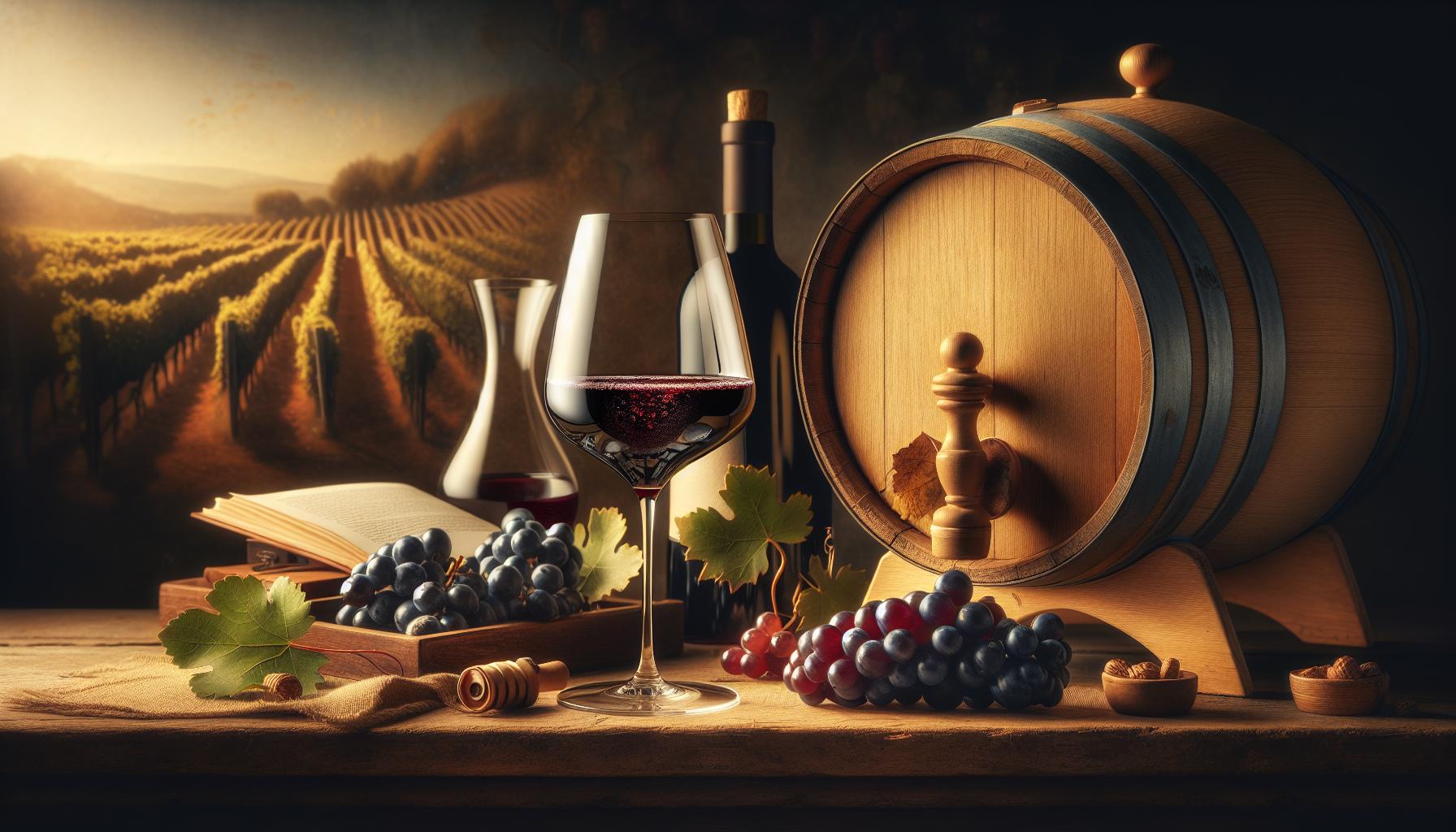
From the rolling hills adorned with vineyards to the painstakingly curated tasting experiences, the Willamette Valley beckons Pinot Noir enthusiasts with an array of exceptional wineries that embody the spirit of this remarkable region. Each winery here is not merely a production facility; it is a sanctuary where artistry, tradition, and innovation converge to create wines that narrate the land’s rich history and environmental nuances. For those eager to explore the crème de la crème of Pinot Noir producers, here are some top picks that promise memorable experiences, each with its own unique flair and flavor profile.
Renowned Estates
Many renowned wineries in the Willamette Valley have become synonymous with superb Pinot Noir and offer visitors immersive tastings that enhance appreciation for their craftsmanship. Some highlights include:
- Archery Summit: Nestled in the Dundee Hills, this winery features stunning architecture and breathtaking views. Known for its small-lot Pinot Noir, Archery Summit uses a unique gravity-flow winery system to gently handle the grapes. Tasting sessions often include vertical flights, allowing guests to experience the evolution of their signature wines through different vintages.
- Stoller Family Estate: With a commitment to sustainable practices, Stoller is the first LEED Gold certified winery in the United States. Their family-friendly atmosphere and exquisite Pinot Noir, crafted from estate-grown grapes, offer a compelling combination of quality and accessibility, making it a must-visit for families or groups.
- Domaine Serene: Celebrated for its luxurious approach to winemaking, Domaine Serene’s Pinot Noirs are consistently rated among the best. Guests can indulge in lavish tastings paired with gourmet bites, all enhanced by sweeping views of the vineyards and valleys below.
Artisan Producers
Venturing beyond the well-trodden paths, several boutique wineries present exceptional opportunities to discover hidden gems while interacting closely with passionate winemakers. Consider visiting:
- Evening Land Vineyards: Located in the Eola-Amity Hills, this winery is known for its meticulous attention to detail and distinctive terroir-driven Pinots. Visitors frequently rave about the intimate tastings and the opportunity to converse with winemaker Christophe Baron, who brings a unique European perspective to his wines.
- J. Christopher Wines: This winery focuses on producing small-lot, high-quality wines that reflect the intricacies of their locations. A visit often includes a tour of the vineyards, alongside the chance to taste eclectic varietals, providing a deeper understanding of the region’s diverse terroir.
Whether you find yourself sipping a velvety Pinot Noir overlooking the horizon at one of the larger estates or engaged in animated conversation with a boutique winemaker, the experience of tasting Willamette Valley wines is as nuanced as the wines themselves. Each visit tells a story, inviting you to savor not just the liquid in your glass but also the passion and dedication that brings it to life. Embrace the journey of discovery amidst the scenic beauty, and you’ll soon understand why Willamette Valley is a true paradise for wine lovers.
Hidden Gems: Lesser-Known Wineries Worth Visiting
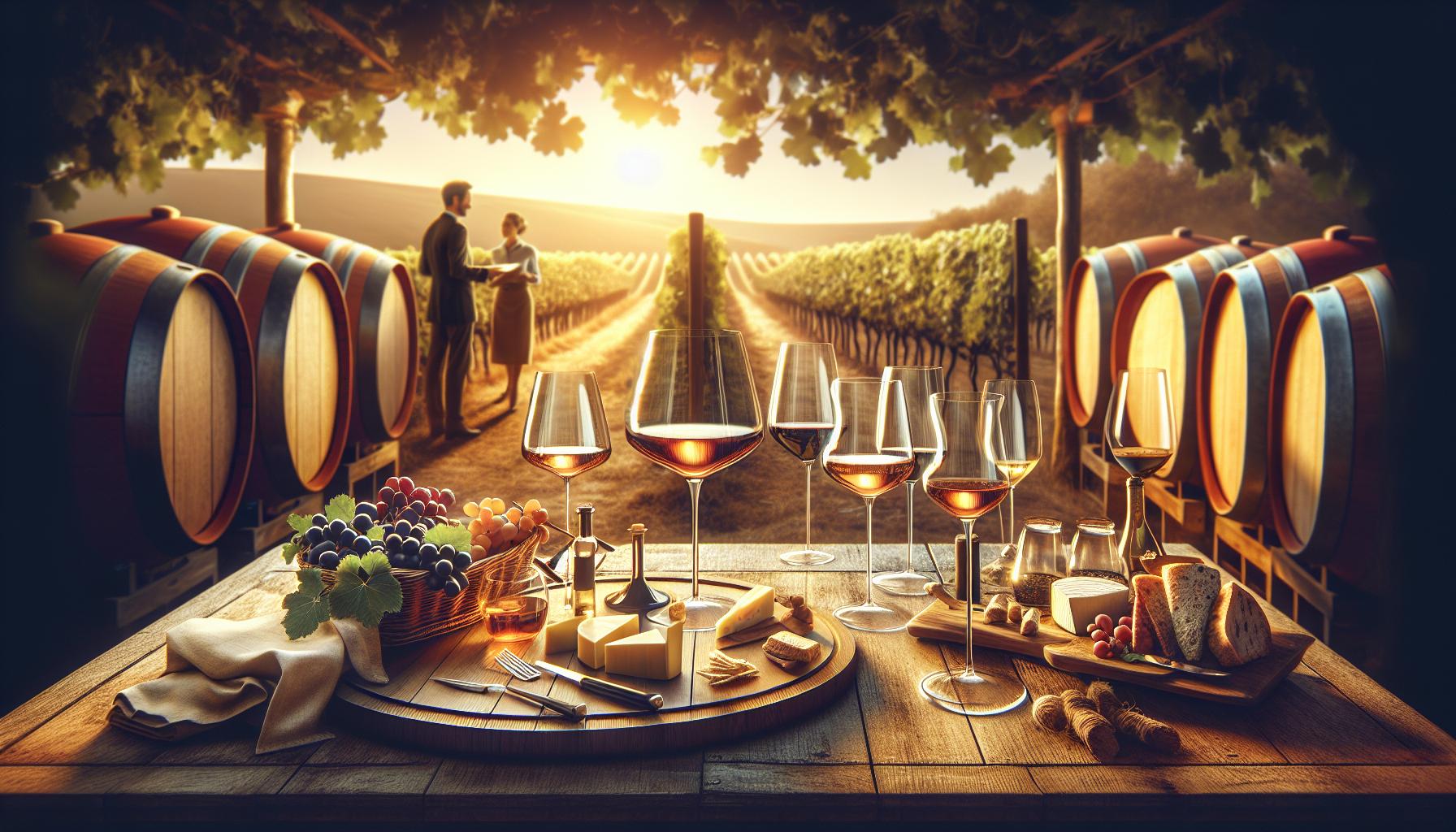
Nestled among the renowned wineries of the Willamette Valley, lesser-known gems await discovery, each offering unique expressions of Pinot Noir and intimate experiences that enrich the journey of wine appreciation. These hidden treasures not only showcase the depth of talent in this region but also provide an inviting atmosphere where you’re likely to share stories and laughter with passionate winemakers. Imagine sipping a glass of velvety Pinot Noir, uniquely crafted from estate-grown grapes, while feeling a sense of connection to both the wine and the gentle hands that brought it to life.
Consider taking a detour to LeColline Vineyard, a family-run operation that represents the spirit of collaboration between generations. Here, the focus remains on small-batch wines that reflect a sense of place-wines that highlight the nuances of their volcanic soils and varied microclimates. Tasting at LeColline often feels like visiting an old friend’s home, complete with laughter, warmth, and a shared passion for wine. The family is eager to share their stories, and the result is an experience far more personal than commercial.
Another enchanting stop is Greta V Wines, where sustainability and creativity intertwine beautifully. This boutique winery prides itself on organic farming practices and minimal intervention in the winemaking process. Each bottle captures a moment in time, a snapshot of the vineyard’s evolution, and invites you to revel in the layered complexities of their small-lot Pinot Noirs. Tasting here often includes a stroll through the vineyards, where you might glean insights into the meticulous care that goes into each vintage from the knowledgeable staff who treat the land as both a canvas and a privileged partner.
Exploring Pine Mountain Vineyard adds another delightful chapter to your Willamette Valley adventure. Tucked away in the foothills, this winery emphasizes the playful side of winemaking. Known for their whimsically labeled wines, Pine Mountain invites exploration and curiosity. Their tastings often lead to intriguing discussions about less traditional varietals, showcasing how innovation and an adventurous spirit are just as vital to the region’s wine culture as its esteemed Pinot Noir.
By seeking out these hidden gems, you’ll not only expand your palate but also immerse yourself in the rich tapestry of human stories woven through every bottle and vineyard visit. Each encounter will remind you that wine is not merely a beverage but a delicious narrative, echoing the land, the weather, and the people’s dreams. So, as you plan your itinerary in the Willamette Valley, let curiosity guide you to these lesser-known wineries and unveil a deeper appreciation for the artistry of winemaking.
The Art of Winemaking: Techniques Behind Willamette’s Best Pinots
The transformation of grape to glass in Willamette Valley is a captivating story of tradition, innovation, and a profound respect for the land. Here, winemakers embrace a diverse tapestry of techniques that breathe life into their prized Pinot Noirs. At the heart of this art lies a concept cherished across generations-terroir. This French term encapsulates the interplay of soil, climate, and the craft of the winemaker, undeniably shaping the character of each wine. In Willamette Valley, the varieties of volcanic soil and temperate maritime climate lend a distinct voice to their Pinots, creating wines that not only reflect their origin but also resonate deeply with the individual philosophy and passion of each producer.
A favored technique among Willamette winemakers is whole cluster fermentation. This method involves fermenting grapes with their stems, which introduces complex textures and subtle tannins, enriching the wine with earthy nuances. It is often utilized to enhance the intricate aromatic profile typical of high-quality Pinot Noir. Alongside this, native yeast fermentation is also employed. By allowing the natural yeast present on grape skins to initiate fermentation, winemakers invite a unique complexity that commercial yeasts often fail to replicate. The result is a vibrant symphony of flavors, where each sip unveils layers of sensory engagement that mirror the vineyard’s unique expression.
Additionally, oak aging plays a pivotal role in the crafting of exceptional Pinots in the Valley. The choice of barrels-often French oak-imparts flavors of vanilla, spice, and roasted nuts while contributing to the wine’s structure and aging potential. The duration and method of barrel aging further define the wine’s trajectory, ranging from subtle influences in lighter, more ethereal styles to rich, robust profiles in others. Malolactic fermentation, a secondary fermentation which converts sharp malic acid into softer lactic acid, is also frequent, lending a creaminess that enhances mouthfeel and invites further contemplation.
Moreover, with sustainability at the forefront of many producers’ practices, methods such as dry farming and organic viticulture are increasingly common. These not only respect the ecological balance of the land but often lead to grapes of superior quality, imbued with a sense of place that is unmistakable. Whether through the adoption of biodynamics or the pursuit of minimal intervention in the cellar, winemakers here continue to evolve their craft in harmony with nature, ensuring that each bottle serves not just as a drink but as an experience-one that tells a story of its environment, the hands that nurtured it, and the hearts that crafted it. As you explore Willamette Valley’s diverse offerings, remember that the art of winemaking here is a living, breathing journey, inviting you to engage with every sip.
Exploring Tasting Rooms: A Sensory Journey Through Flavors
In the heart of Willamette Valley, tasting rooms are more than just stops along the Vine; they are portals into the soul of the region’s winemaking culture. Each tasting room offers a unique sensory journey, inviting visitors to engage deeply with the beauty and complexity of Pinot Noir. From the moment you step inside, you’re enveloped by the aromas that waft from barrels of aging wine, enriched by the warm smiles and tales of the staff who have dedicated their lives to this craft. It’s here, amidst the vineyards and wooden beams, that your journey into the world of wine truly begins.
Immerse yourself in the sensory delights presented by each winery. Take a moment to appreciate the thoughtfully curated tasting menus, often a celebration of seasonal and local influences. Many vineyards provide a selection that features not only their signature Pinot Noirs but also limited releases that showcase the artistry of the winemaker. As you swirl your glass, observe the colors-from pale ruby to deep garnet-reflecting the wine’s age and complexity. When you take a sip, allow the flavors to unfold on your palate; you might recognize notes of ripe cherry, earthy undertones, or whispers of spice, each sip telling the story of the terroir from which it originated.
Tasting rooms also serve as an educational experience. Many establishments host guided tastings led by knowledgeable staff who can explain the myriad factors influencing each wine, from soil types to fermentation techniques. Engaging in conversation, you may uncover fascinating insights about the art of winemaking, like the subtle impact of malolactic fermentation on texture or how the use of various oak barrels contributes to flavor complexity. Educational sessions often include comparisons between different vintages or styles, giving you a first-hand understanding of how each year’s climate can influence the final product.
The atmosphere in these tasting rooms ranges from rustic and cozy to modern and chic, providing a perfect backdrop for your exploration. Many wineries offer outdoor seating with breathtaking views of sprawling vineyards and rolling hills, creating the ideal environment for savoring every glass while soaking in the landscape’s beauty. Some even partner with local artisans to deliver gourmet pairings, transforming your tasting experience into a harmonious blend of flavors. Look for wineries that showcase small bites sourced from nearby farms or local cheeses, pairing them with specially selected wines to elevate your tasting to new heights.
As you traverse through Willamette Valley, be open to serendipity-pop into a hidden gem where the owner’s passion for the land and its fruits shines through. Here, personal stories become intertwined with the wines, enriching your experience in ways that a mere tasting cannot. Whether in a bustling tasting room or a quiet corner of a family-owned winery, the connections made through shared stories and flavors resonate well beyond the bottle. Embrace this journey, and you will find that the exploration of tasting rooms is not just about the wine-it’s about the joy of discovery, shared experiences, and the celebration of what makes Willamette Valley a true paradise for Pinot lovers.
Pairing Perfection: Food to Complement Willamette Valley Pinots
The versatility of Willamette Valley Pinot Noir opens a delightful gateway to culinary pairings, where the wine’s nuanced profile can enhance a wide array of dishes. The delicate balance of fruit, acidity, and earthiness in these wines invites exploration, making the journey from vineyard to table an enchanting experience. Imagine savoring a glass of Pinot Noir while enjoying a dish that complements its character; the possibilities are as rich as the wines themselves.
When it comes to food pairings, consider the following:
- Roasted Chicken or Duck: The savory, caramelized notes of a roasted bird bring out the fruitiness of Pinot Noir, while the wine’s acidity cuts through the fat, creating a harmonious balance.
- Mushroom Risotto: The earthiness of mushrooms mirrors the often subtle, forest-floor hints found in a good Pinot, enhancing forest-like aromas and flavors.
- Salmon: A classic pairing, especially with grilled or oven-roasted preparations. The rich flesh of salmon complements the wine’s acidity and brings out its berry fruit notes.
- Charcuterie and Cheese Boards: Focus on soft, creamy cheeses like Brie or Camembert, as well as cured meats such as prosciutto or salami. The intersection of flavors creates a dynamic taste experience that is hard to resist.
- Vegetarian Dishes: Think roasted beets or eggplant Parmesan. The complementary flavors elevate both the wine and the meal, celebrating the earthy qualities that make Willamette Valley Pinot Noir so special.
As you explore these pairings, remember that the context in which you enjoy the wine can also heighten the experience. A cozy dinner with friends can amplify the warmth and richness of the food; a picnic surrounded by verdant vineyards can enhance the freshness and vibrancy of both the wine and the fare. Ultimately, food and wine pairings are not just about the flavors; they are about creating moments that linger long after the last sip and bite.
Be open to experimentation! While there are classic matches, don’t shy away from trying unexpected combinations. A spicy Asian dish might surprise you alongside a fruit-forward Pinot, or a rich chocolate dessert can showcase the wine’s depth in a completely new light. Each pairing is an opportunity to delve deeper into the vast world of flavors that Willamette Valley’s exceptional wines inspire.
Seasonal Celebrations: Wine Events and Festivals in the Valley
The Willamette Valley’s wine calendar is a vibrant tapestry woven with seasonal celebrations that elevate the experience of its prized Pinot Noir. From grape harvest festivals to curated wine tasting events, the valley comes alive throughout the year, inviting enthusiasts and newcomers alike to partake in its rich viticultural traditions. Each event is a unique opportunity to dive deeper into the world of wine, fostering connections between wineries, locals, and visitors, all united by a shared passion for exceptional vintages.
One of the hallmark events is the annual Oregon Wine Month in May, where over 700 wineries participate by showcasing their best offerings. This celebration often includes exclusive tastings, winery tours, and special dinners featuring local cuisine paired with the valley’s finest wines. This month-long festivity allows wine lovers to immerse themselves in the terroir and meet the passionate artisans behind each bottle.
As summer unfolds, the Art & Wine Walk in August offers a delightful blend of creativity and craftsmanship. Visitors explore various wineries while enjoying local art installations, live music, and artisan food. The picturesque views of rolling vineyards hail the perfect backdrop for sipping chilled Pinot Gris or a light-bodied rosé, enhancing the sensory experience that the Willamette Valley is known for.
With autumn heralding the grape harvest, October is a bustling month filled with Harvest Festivals at many wineries. These jubilant gatherings often feature grape stomping, vineyard tours, and live music, celebrating the culmination of the year’s hard work. It’s a magical time when the vine leaves explode in colors, and visitors can sample freshly crushed grape juice alongside the latest releases, fostering a deeper appreciation for the intricate process of winemaking.
Finally, the year winds down with seasonal wine release parties, particularly in December, where wineries present their new vintages. Here, you can savor the first tastes of the year’s Pinot Noir, often accompanied by festive pairings with seasonal dishes. These intimate events are perfect for those seeking to round off their year with cherished wines and festive cheer, reinforcing the community spirit that defines the Willamette Valley.
In addition to these events, every winery often has its own unique celebrations, tastings, and experiences to offer throughout the year. Whether you’re a seasoned connoisseur or a curious novice, the seasonal celebrations in the Willamette Valley provide a rich tapestry of opportunity to explore, enjoy, and truly savor the depth and diversity of its wines. Embracing these moments not only enhances your palate but also deepens your connection to the land and its vibrant wine culture.
Sustainability in Winemaking: Best Practices in Willamette
In the rolling hills of the Willamette Valley, a profound respect for the land manifests in the winemaking practices of its vineyard stewards. As the demand for high-quality Pinot Noir rises, so too does the commitment to sustainable practices that ensure the region’s natural beauty and ecological balance are preserved for future generations. Here, sustainability isn’t just a buzzword; it embodies a holistic approach to harnessing the land’s bounty, nurturing its resources while producing exceptional wine that tells a story of its origin.
A beacon of sustainability, many wineries in the Willamette Valley have embraced organic and biodynamic farming methods. These practices prioritize soil health, biodiversity, and natural ecosystems, resulting in grapes that reflect the unique terroir of the valley. For example, wineries like Stoller Family Estate employ organic vineyard practices to foster a natural balance that reduces the need for synthetic pesticides and fertilizers. Instead, they utilize cover crops and composting to enrich the soil. Such methods not only enhance the flavor of their Pinot Noir but also mitigate environmental impact, preserving the integrity of the ecosystem.
Moreover, water conservation and energy efficiency play pivotal roles in sustainable winemaking. Many vineyards implement drip irrigation systems that optimize water use, particularly beneficial during the hot summer months. Additionally, some wineries are incorporating solar panels or wind energy, exemplifying a forward-thinking approach to energy consumption. The Elk Cove Vineyards, for instance, has made significant strides in reducing their carbon footprint through such innovations, allowing them to cultivate their vines sustainably while still producing their beloved wines.
The commitment to sustainability extends beyond vineyard practices; it also encompasses the entire winemaking process. Wineries are increasingly adopting eco-friendly packaging choices and recycling initiatives, aiming to minimize waste. The emphasis on community connection fosters a culture of sustainability, where local artisans and farmers collaborate with winemakers to promote regional ingredients and craftsmanship. Events such as communal harvest gatherings illustrate this spirit, bringing together wine lovers and local producers to celebrate the interconnectedness of wine culture and environmental stewardship.
In the heart of this verdant paradise, it’s clear that a visit to the Willamette Valley is not just an exploration of exquisite Pinot Noir; it’s an invitation to partake in a movement towards sustainable wine culture. Every bottle uncorks a narrative woven with care for the earth, appreciation for craftsmanship, and a commitment to fostering an ecosystem where both wine and nature can thrive harmoniously. Sipping a glass of Willamette Pinot Noir isn’t merely indulgent; it’s an experience that honors the rhythm of the land and acknowledges the hard work of those devoted to its stewardship.
Planning Your Visit: Tips for Wine Tours and Tastings
Visiting the Willamette Valley is akin to stepping into a living canvas, where rolling vineyards meet breathtaking landscapes, inviting both novice tasters and seasoned connoisseurs to embark on a sensory journey. To make the most of your wine tour and tasting experience, a blend of thoughtful planning and spontaneous discovery is essential-after all, a perfect day in the valley can be as much about the moments shared as the wines savored.
First and foremost, consider the time of year you choose to visit. Spring and fall are particularly enchanting; spring brings vibrant blooms and lively festivals, while fall offers the stunning spectacle of changing leaves and harvest celebrations. Weekends tend to be busier in many wineries, so if your schedule allows, opt for weekday visits to enjoy a more intimate tasting experience. Be sure to make appointments at popular spots, as many wineries require reservations, especially for specialized tastings or tours that delve deeper into the art of winemaking.
As you navigate the myriad of exceptional wineries, consider crafting a route that offers a mix of established icons and hidden gems. The Willamette Valley boasts more than 500 wineries, each contributing unique flavor profiles and stories. Don’t overlook smaller vineyards that may offer exclusive tastings or unique varietals. For instance, contemplate a visit to an organic winery like Prive Vineyard, where you can learn about biodynamic practices while savoring artisanal wines.
It’s also beneficial to understand that tastings often come with a cultural component-a chance to absorb the landscape, the people, and the philosophy behind each bottle. Many wineries feature outdoor tastings with sweeping views, providing an ambience that enhances the flavors rolling across your palate. Immerse yourself in the experience by asking knowledgeable staff about food pairings or the vineyard’s story; their insights can elevate your understanding and appreciation of the wines.
Moreover, consider indulging in local gastronomy by coordinating your visits with culinary events or on-site dining. The Willamette Valley is not just a haven for wine lovers; its culinary scene is vibrant and intrinsically linked to the wines produced here. Restaurants often showcase dishes designed to complement local wines, allowing you to explore harmony between food and flavor. Lastly, don’t hesitate to explore the quaint nearby towns, where artisan shops and local markets can offer delightful pre- or post-tasting experiences.
In short, your adventure in the Willamette Valley should reflect the effortless blend of exploration and appreciation that wine embodies. With a blend of planning and openness to what each winery offers, you’ll leave not only with a cherished collection of bottles but also with unforgettable memories associated with each sip. Enjoy the journey-after all, in the world of wine, it’s just as much about the company you keep as the wines you taste.
Local Artisans: The Culinary Scene Enhancing Wine Enjoyment
In the Willamette Valley, the symphony of flavors extends well beyond the glass. The culinary scene, teeming with local artisans, elevates wine enjoyment into a multifaceted experience that tantalizes all the senses. From gourmet restaurants to artisanal food producers, each bite allows for a dialogue between food and wine, a discourse rich with local pride and creativity. Finding the perfect pairing, such as a juicy duck confit with a luscious Pinot Noir, transcends mere enjoyment and ventures into the realm of artistry.
Talented chefs in the valley are inspired by the seasonal bounty of the region, cultivating menus that mirror the rhythms of the land. Many establishments source ingredients from nearby farms and markets, forging a connection that emphasizes sustainability and freshness. This farm-to-table approach not only enhances the flavor profiles of each dish but also ensures that the offerings complement the wines being poured. For instance, try a dish featuring locally caught salmon paired with a crisp Pinot Gris-an exploration of the valley’s terroir that creates a beautiful balance on the palate.
Furthermore, specialty markets and artisan producers add a delightful dimension to the wine experience. Local cheese makers produce rich, creamy cheeses, perfect for pairing with aged Pinots whose tannins soften with age. Meanwhile, boutique chocolate shops craft confections infused with wine, providing a decadent finish to a day of tastings. Exploring these artisan offerings can be an enriching side quest as you weave through the vineyards, enhancing your overall journey with tastes that echo the wine in your glass.
To fully immerse yourself in this culinary haven, consider timing your visits with local food festivals or wine and dine events. Events such as the Oregon Wine Experience and the Willamette Valley Wine and Food Festival showcase the incredible talent of local chefs while featuring meticulously paired wines, creating an unforgettable communal experience. Each event becomes a narrative, weaving together food, wine, and community, allowing you to celebrate the very essence of what makes the Willamette Valley a true culinary paradise.
Wine Collecting Basics: Starting Your Willamette Pinot Collection
Starting a collection of Willamette Valley Pinot Noir can be an exhilarating journey, akin to embarking on a treasure hunt through Oregon’s lush vineyards, each bottle reflecting the unique characteristics of its terroir. To begin, focus on understanding the various expressions of Pinot Noir that flourish in this region, known for its volcanic soils and temperate climate. As you delve into the world of Willamette Valley wines, you’ll uncover a tapestry of flavors, from vibrant cherry and raspberry notes to earthy undertones and subtle spice.
First, identify a few reputable wineries renowned for their exceptional Pinots. Among the top picks are Domaine Serene, celebrated for its elegant wines that balance richness with finesse, and Ken Wright Cellars, which offers an array of single-vineyard expressions that highlight the nuances of each site. A visit to these wineries can provide invaluable insights, allowing you to taste multiple vintages and learn from passionate winemakers about their unique philosophies and techniques.
Next, consider a systematic approach to your collection. Start by acquiring a few bottles from different vintages and wineries, which will not only diversify your palate but also enhance the evolution of your collection as you observe how these wines mature over time. Investing in a solid wine cooler or cellar will help maintain the ideal temperature and humidity for your collection, ensuring that these precious bottles are stored in optimal conditions.
As you explore the art of collecting, don’t shy away from forging personal connections with local winemakers and fellow enthusiasts. Join wine clubs or participate in tastings and events-like the inspiring Willamette Valley Wine and Food Festival-where you can deepen your appreciation for the wines and discover hidden gems that might not be on your radar. Following these steps will not just serve to curate your collection; it will create a narrative filled with memories and experiences that go well beyond the liquid in the bottle, celebrating the culture and community surrounding Willamette Valley Pinot Noir.
Frequently Asked Questions
Q: What makes Willamette Valley wineries special for Pinot lovers?
A: Willamette Valley is renowned for its cool climate and diverse soil types, fostering exceptional Pinot Noir varietals. The region’s terroir enhances the wine’s complexity, offering rich, layered flavors of cherry, raspberry, and earthy undertones. This unique environment attracts winemakers dedicated to producing high-quality wines, making it a haven for Pinot enthusiasts.
Q: Which wineries in Willamette Valley offer the best Pinot Noir tastings?
A: Some of the top wineries for Pinot Noir tastings include Domaine Serene, known for its silky textures, and Stoller Family Estate, with stunning vineyard views. Other notable mentions are Adelsheim Vineyard and Sokol Blosser Winery, both providing immersive tasting experiences. Check their visitor guidelines to plan your trip.
Q: How can I find the best-rated wineries in Willamette Valley?
A: To find the best-rated wineries, utilize online reviews, explore wine tourism websites, and consult local vineyard maps. Apps like Vivino can offer user-generated ratings and insights. Consider visiting during special events like harvest festivals to experience more boutique wineries and their unique offerings.
Q: What is the ideal time to visit wineries in Willamette Valley?
A: The best time to visit Willamette Valley wineries is during the late summer and fall (August to November) when the grapevines are lush and the harvest season is in full swing. This timing also affords guests the opportunity to participate in vineyard tours and tastings involving freshly harvested grapes.
Q: Are there any notable winery tours in Willamette Valley?
A: Yes, many wineries offer guided tours that include vineyard walks, tastings, and discussions about the winemaking process. Popular tours can be found at Domaine Drouhin and Elizabeth Chambers Cellar, enhancing your appreciation for each wine’s story. Booking in advance ensures a spot on these sought-after experiences.
Q: What food pairings should I consider while tasting Pinot Noir from Willamette Valley?
A: Pinot Noir from Willamette Valley pairs beautifully with a variety of foods such as roasted duck, salmon, and earthy mushroom dishes. Its versatility complements lighter fare like grilled vegetables and cheeses, enhancing your tasting experience at the winery. Explore pairing suggestions to elevate your enjoyment further.
Q: How can I learn more about the winemaking process specific to Willamette Valley?
A: To immerse yourself in the winemaking process, consider attending winery tours that focus on viticulture and fermentation. Many wineries, such as King Estate and Chehalem, offer educational experiences shedding light on their techniques, helping you appreciate the craftsmanship behind each bottle.
Q: What should I know before visiting wineries in Willamette Valley?
A: Be sure to check each winery’s visiting hours and tasting room policies, as reservations may be required. Dress comfortably for vineyard tours, and consider designating a driver or using a local tour service to explore multiple wineries safely. Engage with staff to enrich your learning experience about their wines.
For an even deeper dive into the charm and character of each winery, check the main article for detailed descriptions and recommendations that capture the essence of viniculture in Willamette Valley.
Key Takeaways
As you embark on your journey through the enchanting wineries of Willamette Valley, remember that each Pinot Noir you savor is not merely a drink but a story captured in a bottle-an expression of the land, the climate, and the passionate artisans who crafted it. The best wineries offer more than exceptional wines; they invite you to partake in a rich tapestry of culture and history, creating memories that linger long after the last drop is poured. Don’t miss your chance to explore these hidden gems and unlock the flavors that await you.
For those eager to deepen their wine knowledge, consider visiting our comprehensive guides on wine tasting etiquette and understanding terroir. Engage further with our newsletter for exclusive insights and upcoming events in the world of wine. Whether you’re a seasoned enthusiast or a curious novice, your adventure begins now-embrace the essence of Pinot, and let it lead you to new discoveries. Join our community of wine lovers today, and let the exploration continue!
Get our latest guides, news, and insights highlighted in your Google Search & AI Overviews.


