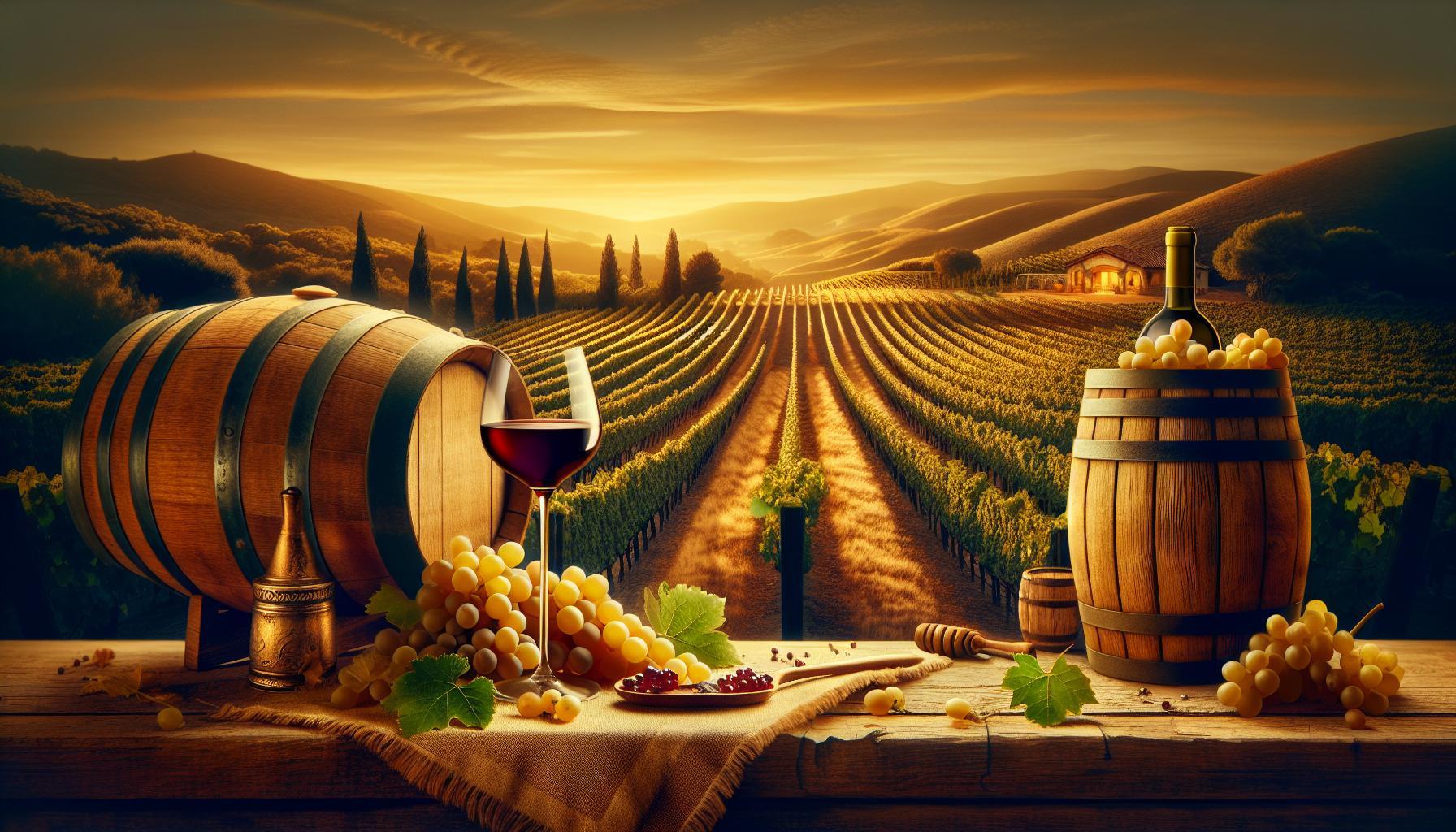
Napa Valley is more than just a destination; it’s a celebration of wine, culture, and the art of living well. Did you know that Napa is home to over 400 wineries, each offering a unique experience that entices wine lovers and curious travelers alike? In this guide, we’ll explore must-see wineries that promise unforgettable visits, from breathtaking vineyard views to exquisite tastings that mingle history and craftsmanship.
If you’ve ever found yourself overwhelmed by choices in this renowned wine region, you’re not alone. With so many options, knowing where to start can be daunting. Our selection features top picks that cater to a range of preferences, whether you’re a seasoned connoisseur or a casual enthusiast looking to enjoy a day in paradise. Ready to uncork your next adventure? Dive in and discover the essence of Napa Valley’s most captivating wineries, where every sip tells a story.
Must-Visit Wineries: Discover Napa’s Hidden Gems

Exploring Napa Valley is akin to wandering through a living masterpiece, with each winery offering a unique dialogue with the land that nurtures its grapes. While the iconic establishments often steal the spotlight, it is the hidden gems tucked away in picturesque corners of Napa that truly deserve your attention. These lesser-known wineries provide not only exquisite wine but also an intimate atmosphere that ignites your sense of adventure and connection with the region.
One such gem is Frogs Leap Winery, known for its organic practices and a steadfast commitment to sustainability. With its charming farmhouse and sprawling gardens, Frogs Leap invites visitors to unwind and savor its delightful line of wines including vibrant Sauvignon Blanc and expressive Zinfandel. Here, a guided tour reveals the behind-the-scenes magic of winemaking, from the vineyard to the bottle, offering a deeper appreciation of each sip.
Another must-visit is Burgess Cellars, perched atop a hill and providing stunning vistas of the valley below. This family-owned vineyard has been producing outstanding wines since the 1970s. The intimate tastings often feature their proprietary blends which showcase the best of Napa’s diverse terroirs. Guests can enjoy a relaxed atmosphere, where storytelling and wine tasting go hand in hand, enhancing the overall experience.
Your exploration should also lead you to St. Helena Winery, a tucked-away haven that prides itself on its small-batch production. With a focus on hand-harvested fruit and artisan winemaking techniques, each bottle is a reflection of their dedication to quality. The winery’s rustic charm, combined with the fragrant aromas of the surrounding vineyards, creates an inviting setting that encourages guests to linger longer, savoring both their superb wines and the peaceful ambiance.
These hidden treasures are not just places to taste exceptional wines; they are destinations where you can forge personal connections with the land, the winemakers, and the rich stories behind each bottle. As you meander through Napa Valley, consider stepping off the beaten path to discover these enchanting spots that highlight the essence of California’s premier wine region.
The Art of Wine Tasting: What to Know Before You Go

When embarking on your wine tasting journey in Napa, a delicate balance of appreciation, knowledge, and sensory engagement awaits you. Wine tasting is not just about sipping; it’s an art form that invites every participant to honor the complexities of the grape’s journey from vine to glass. Before stepping into the world of Napa’s exquisite vineyards, arm yourself with a few essential insights that will enhance not only your tasting experience but also your understanding of the rich narratives behind each wine.
First and foremost, embrace the five senses. As you approach the tasting, take a moment to appreciate the visual allure of the wine. Observe its color, clarity, and viscosity-elements that can suggest a great deal about the varietal and its age. As you swirl the wine gently in your glass, indulge in the tantalizing aromas that waft from the bowl. Inhale deeply, allowing yourself to identify distinct fragrances, from the zest of citrus to hints of oak or even the earthiness associated with certain terroirs.
When it comes to actually tasting, consider letting the wine linger on your palate. Take small sips, allowing the flavors to unfold gradually. Note the initial attack, the mid-palate characteristics, and the finish. Is it fruity, spicy, or even a touch tannic? Reflect on how these elements interact with one another, constructing a storyline that embodies the winemaker’s intentions. Coupling your tasting with food can elevate this experience even further-pairing a bold Cabernet Sauvignon with savory dishes, for instance, creates a delightful contrast that highlights the wine’s nuances.
Lastly, don’t shy away from asking questions. Each winemaker and staff member at the wineries is often keen to share their stories, insights, and secrets of the craft. This not only enriches your understanding of the wine but also deepens your connection to the Napa Valley’s vibrant culture. By approaching your wine tasting with curiosity and openness, you allow the experience to transform from a simple activity into a memorable journey of discovery that celebrates the artistry of winemaking in one of the world’s most renowned wine regions.
Breathtaking Vineyard Views: Experience Napa’s Scenic Landscapes
Nestled in the heart of Napa Valley, a short jaunt can lead you from bustling winery tasting rooms to serene landscapes that take your breath away. The breathtaking vineyard views that you’ll encounter as you explore this celebrated wine region are not just a backdrop; they are a vital part of the Napa experience, inviting you to immerse yourself in the natural beauty that enhances every sip of wine. Imagine standing atop a sun-kissed hill, gazing over rows of grapevines that seem to stretch infinitely toward the horizon. The interplay of light, color, and texture creates a living canvas-a sublime reminder of the artistry behind every bottle.
Many wineries in Napa Valley intentionally design their spaces to highlight the surrounding vistas, creating a seamless blend of architecture and nature. For example, a visit to Domaine Carneros offers not only exquisite sparkling wines but also panoramic views of the rolling hills, framed by idyllic gardens and historic châteaux architecture. The sweeping scenery invites guests to linger longer, perhaps with a glass of Méthode Champenoise while basking in the golden glow of sunset, which paints the vineyards in shimmering shades of amber and violet. This sensory symphony-sight, taste, and tactile warmth-enriches your understanding of terroir, as you reflect on how the land influences the very grapes that produce the wine.
The Journey Through Napa’s Landscapes
As you journey deeper into the valley, each winery presents a unique perspective on the local geography. Silver Oak Cellars in Oakville, for instance, provides a stunning view of the surrounding estate vineyards and neighboring hills, where visitors can learn about the regenerative farming practices that maintain the health of the land. Here, it’s possible to sip on a bold Cabernet Sauvignon while witnessing firsthand the sustainable methods that ensure the future viability of these beautiful landscapes. The opportunity to pair your tasting experience with stunning views fortifies an appreciation for not only the wine’s flavor profile but also its environmental roots.
Don’t overlook the striking beauty of Napa during different seasons; each brings its own charm. In spring, the hills are vibrant with wildflowers and freshly budding vines, while fall showcases a tapestry of hues as leaves turn gold and crimson. No matter when you decide to visit, take a moment to step away from the tasting room and embrace the surrounding beauty. Whether you’re strolled along landscaped paths or enjoying a picnic overlooking the rolling vineyards, these moments become indelible memories, connecting you to the very heart of Napa Valley-a region where wine and nature dance in perfect harmony.
Signature Wines You Must Try: From Classic Varietals to Unique Blends

To truly appreciate Napa Valley’s great offerings, one must explore its signature wines-an artistic fusion of tradition and innovation that reflects not only the region’s soil and climate but the passion of its winemakers. Think of them as stories bottled up, waiting to be uncorked. Whether you’re a seasoned connoisseur or an eager novice, each wine has its distinct personality, and Napa is a treasure trove of both classic varietals and intriguing blends that beg to be savored.
When it comes to iconic varietals, Napa Valley is synonymous with its Cabernet Sauvignon. This bold wine thrives in the valley’s sun-soaked hills, leading to deep, fruit-forward flavors-ripe black cherry, luscious plum, and subtle hints of dark chocolate or tobacco. For a quintessential taste, try Silver Oak Cellars’ Napa Valley Cabernet Sauvignon, which reflects the winery’s dedication to sustainability and artisanal winemaking. The harmonious integration of oak aging evokes a velvety mouthfeel that lingers, making it a quintessential pairing for hearty dishes like grilled lamb or a rich mushroom risotto.
However, don’t overlook the beautiful Chardonnay that flourishes in the cooler regions of Carneros. With its bright acidity and notes of green apple and citrus complemented by toasty vanilla from oak aging, a glass of Rombauer Vineyards Chardonnay can transform a simple seafood dish into a culinary delight. Consider enjoying it alongside oysters or a light pasta with cream sauce, where the wine’s crispness refreshes the palate.
But Napa’s creative spirit also shines through its distinctive blends. Wineries like Stag’s Leap Wine Cellars are celebrated for their innovative approaches. Take a sip of their ‘Artemis,’ a thrilling blend that captures the essence of several varietals-from Cabernet Sauvignon to Petit Verdot-crafted to produce elegance and depth. Each layer of flavor offers a new revelation, making it a compelling companion for a festive gathering or an intimate dinner.
As you traverse the valley, your reflections on these unique wines become intertwined with the very landscape that birthed them-grapevines stretching towards the horizon, basking under the California sun. The act of tasting transcends a mere sip; it is a dialogue with the land and its caretakers, inviting you to explore the symbiosis of nature and nurture represented in every bottle. Embrace the opportunity to learn more about the winemakers’ philosophies and the intricacies of their craft during your visits to these esteemed wineries, as these stories often enrich your tasting experience immeasurably.
With each swirl, sniff, and sip, immerse yourself in Napa’s wine culture-let the signature offerings reveal the rich tapestry of history, flavors, and stories hidden within every glass.
Exclusive Winery Experiences: Elevate Your Visit with Special Tours

Visiting a winery is more than just tasting exquisite wines; it’s an opportunity to delve into the heart of the winemaking process and connect with the land in a uniquely intimate way. Exclusive winery experiences offer visitors a chance to transcend typical tastings and engage in activities designed to deepen their understanding of wine and its intricacies. From private vineyard tours to interactive blending sessions, these tailored experiences can transform an ordinary visit into a memorable journey.
One of the most enriching options is the behind-the-scenes vineyard tour. Imagine walking through lush rows of grapevines, guided by a knowledgeable vintner who shares not just the winemaking techniques, such as the significance of terroir and the intricacies of malolactic fermentation, but also the stories and philosophies that shape each bottle. Some wineries, like Stag’s Leap Wine Cellars, offer exclusive access to their fermentation facilities or barrel rooms, providing insights into the aging process while sipping on a limited-release vintage. It’s a chance to witness firsthand how passion and precision come together in crafting extraordinary wines.
For the more hands-on visitor, blending workshops allow you to take on the role of a winemaker. You’ll be provided with sample blends from various varietals, like Cabernet Sauvignon, Merlot, and Petit Verdot, and challenged to create your own signature wine. This interactive process not only enhances your palate but also provides a tangible understanding of how different elements in winemaking contribute to the final product. After crafting your blend, you’ll relish the moment of tasting your creation alongside expert guidance, often receiving a personalized label for your bottle to commemorate the experience.
Visitors seeking a more tranquil setting may opt for picnic tours in the vineyard. These experiences often include a curated selection of locally sourced cheeses, charcuterie, and breads paired with the winery’s finest wines, all enjoyed against the backdrop of beautiful vistas. Imagine lounging on a blanket under the shade of ancient oaks, the sun setting over rolling hills, with each sip enhancing the flavors of fresh, seasonal ingredients. These serene moments encapsulate the essence of what Napa Valley offers: a sanctuary where wine, food, and nature harmoniously coexist.
Lastly, some wineries extend their exclusivity into the realm of seasonal events and festivals, which often feature gourmet meals paired with specially chosen wines. Events such as harvest celebrations not only invite you to taste new releases but also allow you to engage in age-old traditions, like grape stomping. Participating in these gatherings creates a sense of community and connection to the land and its people, making your visit as much about the experience as the wine itself.
As you explore Napa Valley’s prestigious wineries, seek out these exclusive experiences that invite you into a deeper relationship with the land, the winemakers, and the craft of wine. Embrace the opportunity to learn, taste, and create new memories that will linger like the aftertaste of a fine vintage-a reminder of your journey through this enchanting paradise.
Pairing Wine with Local Cuisine: A Culinary Journey through Napa
In the heart of Napa Valley, the art of wine pairing transcends mere aesthetics and becomes a culinary adventure that celebrates the region’s abundance. Picture this: a crisp, refreshing Sauvignon Blanc from a renowned winery like Duckhorn Vineyards, perfectly complementing a delicate plate of local oysters. The wine’s zesty notes cut through the brininess, creating a harmonious balance that dances on the palate. This seamless connection between wine and food invites us to explore not just what we taste, but the stories behind each sip and bite-from vineyard to table.
When considering wine and food pairings, envision the diverse culinary landscape that Napa has to offer, from Michelin-starred restaurants to charming farm-to-table bistros. Exploring these pairings can enhance the tasting experience, bringing out the best in both the wine and the cuisine. Restaurants such as The French Laundry or Bistro Don Giovanni curate menus that are designed with local ingredients in mind, ensuring that every dish resonates with its accompanying wine. For instance, consider a bold Napa Valley Cabernet Sauvignon served alongside a hearty grass-fed steak; the wine’s tannins beautifully soften the rich flavors, making each bite a revelation.
- Explore Seasonal Flavors: As the seasons change, so do the available ingredients in Napa. Each harvest brings new opportunities to pair wines with fresh produce, from heirloom tomatoes in summer to roasted squash in fall. Seek out wineries that offer seasonal tasting menus, where chefs craft dishes that embody the essence of Napa’s terroir.
- Engage Your Senses: Don’t be afraid to experiment. As you taste, take note of the wine’s aroma and flavor profile-its fruitiness, acidity, and finish. Consider how these characteristics interact with food, fueling conversations about taste and texture. For example, a light Pinot Noir may surprise you when paired with grilled salmon, adding depth without overwhelming the dish.
- Support Local Producers: Many wineries in Napa collaborate with local farms and artisans, creating unique experiences that reflect the community’s culinary heritage. Look for events where wine tastings are paired with artisanal cheeses or locally made charcuterie. This not only elevates your tasting experience but also connects you to the agricultural roots of the region.
Ultimately, the journey through Napa Valley isn’t just about tasting wine; it’s a flavorful expedition that unites local dishes and wines, deepening your appreciation for both. Each pairing tells a story-a tale of the land, the seasons, and the people who nurture these culinary treasures. So next time you find yourself in this picturesque valley, remember to savor the moment: sip the wine, taste the food, and let the flavors unfold like the beautiful vineyards that surround you.
Family-Friendly Wineries: Enjoy Napa with All Ages
The allure of Napa Valley extends beyond its exquisite wines, inviting families to embark on a journey that fun for all ages. While many might picture serene landscapes adorned with grapevines and adults enjoying wine flights, there is a burgeoning scene of family-friendly wineries that cater to younger visitors, ensuring that the entire family can relish the charm of this iconic region together. With many wineries offering activities suitable for children alongside premium wine experiences for adults, Napa has become a welcoming oasis for family getaways.
Activities for All Ages
Many wineries in Napa Valley have embraced a family-centric approach, creating environments that are both enjoyable and educational. For example, certain estates offer grape juice tastings for kids, allowing them to join in on the fun of tasting without the adult beverages. Wineries like Castello di Amorosa not only provide remarkable tour experiences through their castle-like structure but also have a variety of spacious grounds where children can roam and explore. The picturesque setting combined with a unique historical vibe makes for an enriching experience, where parents can indulge in wine tastings while kids enjoy the adventure.
Wines and More
As adults delight in sampling Napa’s finest varietals-rich Cabernet Sauvignons and vibrant Chardonnays-children can partake in fun activities like scavenger hunts, arts and crafts, or even vineyard tours specially designed for younger audiences. Many places provide picnic areas where families can enjoy a meal amidst panoramic views, transforming a simple outing into a memorable day. The Napa Valley Wine Train, for instance, offers themed dining experiences that appeal to all ages, combining sightseeing with culinary delights, making it an excellent way to introduce children to the story of wine while enjoying a fun family adventure.
Empowering Family Bonding
Emphasizing Napa’s diverse hospitality, wineries like V. Sattui stand out with outdoor spaces ideal for picnics, complete with play areas for children. These amenities foster a relaxed atmosphere where families can bond over delicious food and drink, creating cherished memories. Visiting Napa with children can therefore be an enriching experience, enhancing the journey of wine appreciation by incorporating elements of fun and creativity. By engaging the whole family in the passion for wine culture, wineries are not just places to taste; they become fertile ground for quality time and connection.
In an era where family-centric leisure is increasingly treasured, Napa Valley’s family-friendly wineries provide a delightful escape that successfully blends culinary sophistication with unpretentious enjoyment, making sure that every member of the family finds joy amidst the vines.
Behind the Scenes: Winemaking Secrets to Uncover
The journey of a bottle of Napa Valley wine is a tale woven through the land, the climate, and the meticulous artistry of winemakers. Behind the scenes, a symphony of processes unfolds, integrating centuries-old traditions with innovative techniques that result in those enchanting flavors that dance on the palate. Understanding the science and artistry behind winemaking not only enriches your tasting experience but also allows you to appreciate the passion poured into each drop.
At the heart of winemaking lies the concept of terroir, a French term that encapsulates the unique interplay of soil, climate, and human element that defines a wine’s character. In Napa, the diverse microclimates-from the cooler regions of Carneros to the sun-kissed hills of Stags Leap-allow for a plethora of grape varietals to flourish. Winemakers often take great pride in expressing their terroir, crafting wines that resonate with a sense of place. During a visit, pay attention to how certain wineries utilize their specific vineyard locations to enhance their offerings. Tours often include discussions about the soil composition and the technique of dry-farming, where vines are grown with minimal irrigation, encouraging deeper root systems and, consequently, richer flavors.
Another fascinating aspect of winemaking is the fermentation process, where the transformation truly begins. White wines often undergo a process called malolactic fermentation, softening the sharp malic acid into a creamier lactic acid, lending a buttery texture to Chardonnays, for instance. In contrast, tannic reds benefit from extended maceration, allowing the wine to extract color and flavor from the skins. Visitors are often welcomed into fermentation rooms, where you can witness the bubbling activity of fermenting grapes. The sheer alchemy of combining yeast strains with must (crushed grapes) is a captivating experience that underscores the importance of selecting the right yeast for the desired wine profile.
As you delve deeper into Napa’s winemaking culture, look for opportunities to engage with boutique operations. Smaller wineries often offer a more intimate look behind the curtain, showcasing hands-on techniques and unique, family-led traditions that larger producers might overlook. For example, at places like Beringer Vineyards, you might discover the art of blending-an intricate dance of combining different varietals to create a balanced, harmonious wine. Participating in such tastings can elevate your appreciation for the complexity and nuance of your favorite wines.
Lastly, don’t shy away from asking questions about sustainable practices being implemented at these wineries. Many are committed to eco-friendly processes, ranging from solar-powered facilities to organic farming methods that respect the soil and the surrounding ecosystem. Understanding the commitment to sustainability offers insights into not just the wines but also the values that underpin Napa’s winemaking community.
Uncovering these winemaking secrets can transform the ordinary act of tasting into a profound connection with the land, the people, and the history behind each glass. Embrace these experiences during your visits-after all, wine is not just a beverage but a narrative waiting for you to sip and savor.
Sustainable Practices in Napa: Eco-Friendly Wineries to Support
Exploring Napa Valley’s wineries can ignite not only your passion for exquisite wines but also a commitment to sustainability. As wine lovers increasingly seek to align their tastes with their values, many wineries in Napa are stepping up with eco-friendly practices that not only enhance the quality of their wines but also preserve the region’s stunning landscape for future generations. A visit to these wineries reveals a fascinating blend of tradition and innovation, giving you the opportunity to sip thoughtfully while supporting sustainable agriculture.
Napa Valley wineries are embracing sustainable practices rooted in the understanding that healthier ecosystems yield better grapes. A perfect example is the integration of organic farming methods and biodynamic principles that prioritize soil health, encourage biodiversity, and promote ecological balance. Wineries like Napa Cellars and Quintessa are excellent examples of this movement. At Napa Cellars, you’ll find a commitment to dry farming and minimal intervention techniques that honor the integrity of the land. Quintessa, meanwhile, practices biodynamic agriculture, ensuring that every aspect of vineyard management contributes to the ecosystem, from composting to crop rotation.
Moreover, many wineries are harnessing technology to improve their sustainability trajectory. Solar energy systems, water conservation initiatives, and waste reduction programs are becoming standards rather than exceptions. For instance, Stag’s Leap Wine Cellars, recognized not only for its award-winning wines but also for its sustainability efforts, utilizes solar panels that significantly reduce its carbon footprint. They engage in water conservation techniques to preserve this precious resource while maintaining the lush beauty of their vineyards.
As you plan your visits, keep an eye out for certification programs that highlight a winery’s commitment to sustainability. Look for labels like the Sustainable Winegrowing Program or California Certified Organic Farmers (CCOF) to ensure the wines you enjoy come from environmentally responsible practices. Not only will this enhance your tasting experience, but it also allows you to enjoy a glass of wine knowing you’re contributing to a meaningful movement within the industry.
In addition to supporting eco-friendly wineries, seek opportunities to participate in their sustainability initiatives. Many offer experiences like vineyard tours that educate visitors about sustainable farming practices. Engaging in these activities enriches your visit and fosters a deeper connection to the land and the sustainable philosophies that guide Napa’s winemaking community. So as your glass clinks with others, take a moment to savor not just the wine itself but the conscious choices behind each bottle-each sip is a testament to both nature and nurture converging beautifully.
Cultural Connections: Wineries that Tell a Story
The intricate tales woven into the fabric of Napa Valley’s wineries breathe life into every sip. Each vineyard is not merely a site for wine production but a vibrant narrative filled with history, culture, and passion. As you meander through the rolling hills and sun-drenched vineyards, you’ll encounter stories that span generations, connecting the land, the people, and the wines in a powerful tapestry that showcases Napa’s legacy.
At Domaine Carneros, for instance, the elegance of sparkling wine production is mirrored by its chateau, inspired by the illustrious vineyards of Champagne, France. This estate invites visitors not only to relish its méthode traditionnelle wines but also to embrace the French-inspired experience through historic architecture and expansive views. Each glass tells a story of French craftsmanship blended with California’s sunny terroir. Guests can enjoy a seated tasting of their exquisite wines while overlooking a breathtaking landscape, making for a truly memorable experience.
Similarly, Quintessa captivates with its commitment to holistic farming practices and deep respect for the land. The estate’s biodynamic techniques echo the stories of those who have carefully cultivated it, emphasizing harmony between the vines and their environment. Guests can engage with the land through immersive vineyard tours, learning about the meticulous processes that bring their diverse varietals to life, from composting to cover cropping, enhancing your appreciation of each sip by anchoring it deeply in place and practice.
Moreover, many wineries, like Stag’s Leap Wine Cellars, have their own unique historical narratives to share. This renowned winery made a name for itself by winning the “Judgment of Paris” tasting in 1976, challenging the notion that French wines were the pinnacle of quality. Their triumph not only reshaped the global perception of California wines but also solidified Napa’s status on the world stage. Tasting their award-winning Cabernets while learning about this pivotal moment in wine history offers an enriching blend of flavor and context, transforming a simple wine tasting into a poignant exploration of cultural heritage.
Exploring these wineries provides a holistic experience that transcends mere taste. It unfolds a rich tapestry of human connection, traditions, and innovations in winemaking, allowing visitors to ponder the profound relationship between nature and nurture. As you sip on a glass of well-crafted wine at any of Napa’s storied wineries, take a moment to appreciate the tales that each bottle holds-reflecting not only the terroir and techniques but also the dedication and dreams of those who came before.
Seasonal Events and Festivals: When to Visit for a Festive Experience
As the seasons shift in Napa Valley, so too does the vibrant tapestry of events and festivals that celebrate the region’s rich wine culture. Visiting during these festive occasions transforms a simple winery tour into an unforgettable experience, offering unique opportunities to connect with winemakers, fellow wine lovers, and the stunning landscapes that cradle the vineyards. Imagine immersing yourself in the rhythms of the harvest in autumn or savoring the delicate bouquets of spring at a blooming wine festival-each season brings its own charms and culinary delights.
In the fall, the Napa Valley Harvest Festival celebrates the culmination of the year’s hard work, featuring a cornucopia of local produce, artisan crafts, and, of course, abundant wines. From grape stomps to live music, the atmosphere vibrates with excitement, drawing locals and tourists alike to partake in the merriment. Visiting wineries such as Castello di Amorosa during this season allows guests to participate in grape picking and pressing, a hands-on experience that connects you directly to the labor and artistry of winemaking.
Spring unveils a different allure with the Napa Valley Wine & Food Festival, where culinary arts marry the world of wine. Chefs and winemakers team up to create pairings that highlight the freshest local ingredients, offering tastings, cooking demonstrations, and intimate dinners under the stars. This event is not just about food and wine; it’s a celebration of the community, fostering connections and igniting enthusiasm for the craft that goes into each bottle. Treasured favorites like Opus One often host special tastings, showcasing their label alongside renowned chefs, allowing guests to savor the intersection of haute cuisine and fine wine.
As you plot your visit, consider aligning your itinerary with themed weekends throughout the year that many wineries host. From barrel tastings to blending seminars, there is usually something extraordinary happening. In the summer, you might indulge in a concert series at V. Sattui Winery, where the music fills the air along with scents of grilled fare and vine-ripened grapes. Under the warm California sun, laughter and clinking glasses create an intoxicating ambiance that is hard to forget.
Ultimately, these seasonal festivals and events not only highlight Napa’s world-renowned wines but also reflect the collaborative spirit and creativity of the valley’s residents. Such moments invite you to deepen your appreciation for not only the wine but also the culture, history, and human connections that make Napa a truly enchanting destination. Whether you’re toasting with new friends at a harvest festival or enjoying a sophisticated pairing at a springtime gala, the experiences await to enrich your journey through this iconic wine country.
Local Tips for an Unforgettable Winery Visit
There’s an undeniable allure surrounding Napa Valley, a place where not only the wines are exquisite but the experiences are crafted with remarkable thought and care. To truly immerse yourself in this iconic wine region, consider a few local tips that can elevate your visit from ordinary to unforgettable.
First and foremost, time your visit wisely. Weekdays often offer a more intimate atmosphere, allowing you to engage in deeper conversations with staff and other visitors. If you can, align your trip with special events or harvest seasons. Participating in grape-picking during the fall or attending exclusive winemaker dinners will not only enhance your knowledge but will also provide a glimpse into the culture of winemaking. Many wineries, like Robert Mondavi Winery, frequently host seasonal activities that immerse guests in the full experience of the vineyard.
Be sure to savor the flavors beyond just the wines. Each winery boasts unique pairings that complement their varietals; many have kitchens or partner with local chefs to offer gourmet food options. Delve into these culinary experiences, as food and wine together create a delicious narrative. Picture this: sipping a crisp Sauvignon Blanc while enjoying fresh goat cheese drizzled with local honey-a perfect pairing that resonates with the essence of Napa. Domaine Chandon even offers guided food and wine pairings that showcase local ingredients, deepening your appreciation for the land and its bounty.
Next, embrace the surroundings. Napa’s picturesque landscapes are as much a part of the experience as the wine itself. Take advantage of vineyard tours, which often include breathtaking views of rolling hills and expansive vineyards. Wineries like Stag’s Leap Wine Cellars provide stunning vistas that beg to be captured on camera but are best experienced fully in the moment-breathe in the rich aromas of the vineyard, let the breeze brush against your skin, and allow the serenity of the environment to enhance the tasting process.
Lastly, do not rush through your tastings. Wine is an invitation to slow down-take the time to immerse your senses entirely. As you swirl a glass of Cabernet Sauvignon, let its deep ruby color catch the light and linger on your palate. Examine the flavors as they evolve, exploring the layers of taste that reveal stories of the soil, climate, and craftsmanship. Engage with your hosts; their passion and knowledge can transform each pour into a personal connection that transcends the bottle.
Incorporating these tips into your visit will not only enrich your understanding of Napa Valley wines but also deepen your appreciation of the culture and community that craft each extraordinary bottle. So embark with an open heart, keen senses, and, most importantly, a curiosity to explore.
Frequently Asked Questions
Q: What are the top wineries to visit in Napa Valley?
A: The top wineries in Napa Valley include Domaine Chandon, known for its sparkling wines; Castello di Amorosa, an enchanting medieval castle winery; and Robert Mondavi Winery, a pioneer in California winemaking. Each offers unique tastings and experiences, ensuring an unforgettable visit.
Q: When is the best time to visit wineries in Napa?
A: The best time to visit Napa Valley wineries is during the harvest season from late summer to early fall (August to October). This period offers pleasant weather and vibrant vineyard colors, along with special events like grape stomps and harvest festivals.
Q: How can I plan a winery tour in Napa Valley?
A: To plan a winery tour in Napa Valley, first decide on your preferred wineries based on wine styles and experiences. Make reservations for tastings, consider hiring a local guide for personalized tours, and check for special events or lunch options at the wineries.
Q: What should I know before visiting Napa Valley wineries?
A: Before visiting Napa Valley wineries, familiarize yourself with tasting room etiquette, such as making reservations in advance and being mindful of driving limits. Additionally, check each winery’s unique policies regarding fees and the types of tastings offered.
Q: Are there any family-friendly wineries in Napa Valley?
A: Yes, several family-friendly wineries in Napa Valley include Jessup Cellars, which offers picnic areas, and V. Sattui Winery, known for its beautiful grounds and deli. These wineries provide activities suitable for all ages, ensuring a pleasant experience for the entire family.
Q: How do Napa Valley wineries differ in their wine offerings?
A: Napa Valley wineries differ significantly in their wine offerings, ranging from bold Cabernet Sauvignons to aromatic Chardonnay. Some focus on organic and sustainable practices, while others specialize in innovative blends or traditional methods like barrel aging, creating unique tasting experiences.
Q: What dining options are available at wineries in Napa Valley?
A: Many Napa Valley wineries offer exquisite dining options, from gourmet restaurants to picnic areas. Notable spots include the Bistro at the V. Sattui Winery, which serves seasonal dishes, and the Fountain Grove Inn’s Cooper‘s Canteen, known for its casual fare paired with local wines.
Q: Can I find wine tours that include transportation in Napa Valley?
A: Yes, many companies in Napa Valley offer wine tours that include transportation. This option allows you to fully enjoy the tastings without worrying about driving. Look for packages that include visits to multiple wineries and provide lunch options, enhancing your overall experience.
Future Outlook
As you embark on your journey to explore the must-see wineries in Napa, remember that each sip tells a story-a narrative woven through sun-kissed vineyards, meticulous craftsmanship, and rich tradition. The beauty of Napa’s wine country lies not just in the prized bottles but in the moments they create; from intimate tastings to breathtaking views, each experience invites you to immerse yourself in a world of flavor and culture. Don’t wait-plan your visit today and embrace the allure of these top picks that promise an unforgettable encounter with exceptional wines.
For more insights on the best wine experiences, check out our guides on the Top Wine Tastings in Napa Valley and A Local’s Guide to Hidden Gem Wineries. Whether you’re seeking tips for your first tasting or looking to discover new varietals, our resources are designed to enhance your wine journey. Join our newsletter for the latest updates and exclusive recommendations, so you never miss a chance to indulge in all that Napa has to offer. Sip, savor, and share the joy of wine with those who appreciate its artistry, and let us be your trusted companion in navigating this exquisite landscape.
Get our latest guides, news, and insights highlighted in your Google Search & AI Overviews.