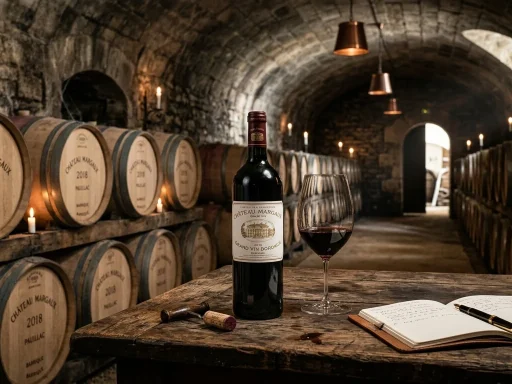
When it comes to wine, the question of cost can evoke both excitement and trepidation. How much is a case of wine, anyway? The answer is more complex than it seems, influenced by factors like region, varietal, and the nuances of production. Understanding these elements not only enhances your purchasing savvy but also deepens your appreciation for this timeless beverage.
Many wine enthusiasts often grapple with balancing quality and budget-seeking both exceptional flavor and reasonable prices. By exploring pricing structures, seasonal discounts, and savvy buying tips, you can navigate the world of wine more confidently. Whether you’re stocking up for a gathering or curating a personal collection, knowing how to make informed choices can elevate your experience.
Join us as we delve into the art of wine buying, uncovering valuable insights that will empower you to select your next case of wine with ease and expertise. Your journey into the world of wine pricing awaits, promising not just satisfaction for your palate but also a richer connection to the stories behind each bottle.
The True Cost of a Case of Wine Explained
Purchasing a case of wine can often feel like a daunting task, especially when the myriad of options and price points swirl around like a tenacious bouquet in an Old World red. But understanding the true cost of a case involves more than just adding up the price tags on the bottles; it includes a rich tapestry of factors that influence what you ultimately pay. From the vineyard’s location to the producer’s reputation, each element adds to the wine’s final price, reflecting its journey from grape to glass.
To begin with, the cost of production plays a significant role. Factors such as grape variety, quality of farming practices, and yield all contribute to the price per bottle. For instance, artisanal wines made from lower-yield grapes, meticulously hand-picked and processed with traditional methods often command significantly higher prices. Additionally, wines from renowned regions such as Bordeaux or Napa Valley typically carry a prestige price tag that reflects their geographical significance and reputation among connoisseurs. Understanding these elements allows you to appreciate why a single bottle might cost as much as an entire case of a lesser-known wine.
Moreover, consumer trends and market dynamics cannot be overlooked. The demand for particular varietals can drive up pricing, paralleling the ebbs and flows of agricultural conditions and global importation costs. Seasonal events, such as harvest festivals or wine fairs, often trigger price fluctuations as retailers and producers jockey for attention. As a savvy consumer, keeping tabs on these trends can lead to savvy buying decisions, particularly during off-peak times when sales and promotions abound.
In the end, the true cost of a case of wine encompasses not just the numbers on the price tags, but also the narratives each bottle brings-stories of terroir, tradition, and taste that will enliven your palate and enrich your experience. So the next time you consider adding a case to your cart, take a moment to reflect on the value that each bottle imparts; it’s a journey worth savoring.
Decoding Wine Pricing: Factors That Influence Cost
Purchasing wine can feel like navigating a labyrinth, especially when deciphering the pricing attached to each bottle. The apparent simplicity of the price tag hides a complex interplay of factors that can elevate a humble varietal to stratospheric prices, or conversely, render a premium bottle surprisingly affordable. Truly understanding wine pricing means looking beyond the currency and grasping the rich tapestry of elements that shape each bottle’s cost-from the vineyard’s geographical heritage to the nuances of production techniques and market dynamics.
One of the most significant determinants of wine pricing is the region of origin. Renowned wine-producing areas-the likes of Bordeaux, Burgundy, or Napa Valley-are often synonymous with quality and prestige, leading to higher prices due to their esteemed reputations. This phenomenon is not simply a matter of marketing; the terroir-the unique environmental factors that influence the growing conditions of the grapes-plays a crucial role in defining the wine’s character and potential. Thus, a Cabernet Sauvignon from a celebrated vineyard may evoke bold flavors and aromas sought after by enthusiasts, allowing wineries to command a premium that reflects both the quality and the story behind the bottle.
The production methods also contribute significantly to the final price. Take, for instance, wines produced using organic or biodynamic practices. These methods often entail labor-intensive hand-picking, careful vineyard management, and minimal intervention, which not only nurture the grapes but often lead to a smaller yield per acre. This increased labor and lower production translate into higher costs for consumers. Furthermore, wines that undergo lengthy aging processes-like fortified Port or high-end Barolo-can also carry a heftier price tag due to the time and resources involved in crafting these elegant bottles.
Consumer behavior and market trends introduce another layer of complexity. As specific varietals gain popularity or as wine enthusiasts begin to flock to emerging wine regions, prices can fluctuate dramatically. Seasonal influences, like summer picnics or holiday gatherings, can lead to temporary spikes in demand, further impacting pricing. Thus, keeping an eye on the broader market dynamics can empower consumers to make savvy purchasing decisions, especially when exploring lesser-known wines offering remarkable quality at more accessible prices.
Ultimately, appreciating the nuances of wine pricing invites us to savor not just the liquid in our glasses, but the myriad stories of the vineyards and the hands that crafted each bottle. With every sip, we celebrate not just the affordable pleasures of a case of wine but also embrace the heartfelt narratives woven into its price.
Navigating Discounts: Where to Find the Best Deals
In the world of wine, the quest for the best deals can feel akin to a treasure hunt, where each corner turned yields the promise of unexpected finds. Whether you’re stocking up for an upcoming gathering or merely indulging in personal favorites, knowing where to search for discounts can lead to satisfying savings without sacrificing quality. Many enthusiasts gradually learn that navigating discounts requires a blend of timing, awareness, and strategic selection.
One of the most effective strategies is to keep an eye on local wine shops and their seasonal promotions. Many retailers will offer substantial discounts during special occasions, such as holidays or anniversaries of the store’s opening. It’s also wise to consider the end-of-season clearances, particularly as summer wanes or the winter holidays approach, as shops make space for new vintages. Joining a mailing list or following your favorite wine shop on social media can provide insider information on flash sales or exclusive discounts that may not be widely advertised.
Online wine retailers are another goldmine for savings, particularly those that bundle cases. Many of these sites also offer first-time buyer discounts or loyalty programs that reward frequent purchases with points that can be redeemed for future buys. Moreover, websites that specialize in discount wines or auction formats can provide excellent opportunities to acquire high-quality bottles at significantly reduced prices. However, it’s crucial to remain vigilant and check shipping fees, as they can sometimes counteract the benefits of a great discount.
Lastly, don’t overlook the value of club memberships and tasting events, often hosted by wineries that offer discounts on purchases made during these experiences. Wine clubs typically provide subscribers with exclusive prices on shipments, and the curated selections can introduce you to new favorites that might otherwise be overlooked. Attending tasting events not only offers the chance to sample a variety but often includes special pricing for purchases made that day. This can be a delightful way to connect personally with the producers, enhancing the overall appreciation of your chosen wines.
In this intricate dance of pricing and discounts, every bottle holds a story, and every deal presents an opportunity to explore new realms of flavor-all while maintaining the essence of thoughtful purchasing. Embrace the adventure with an open mind and a discerning palate, and you’ll find that navigating the landscape of wine discounts can be as rewarding as the tasting itself.
Smart Buying Tips: How to Select Quality Wine
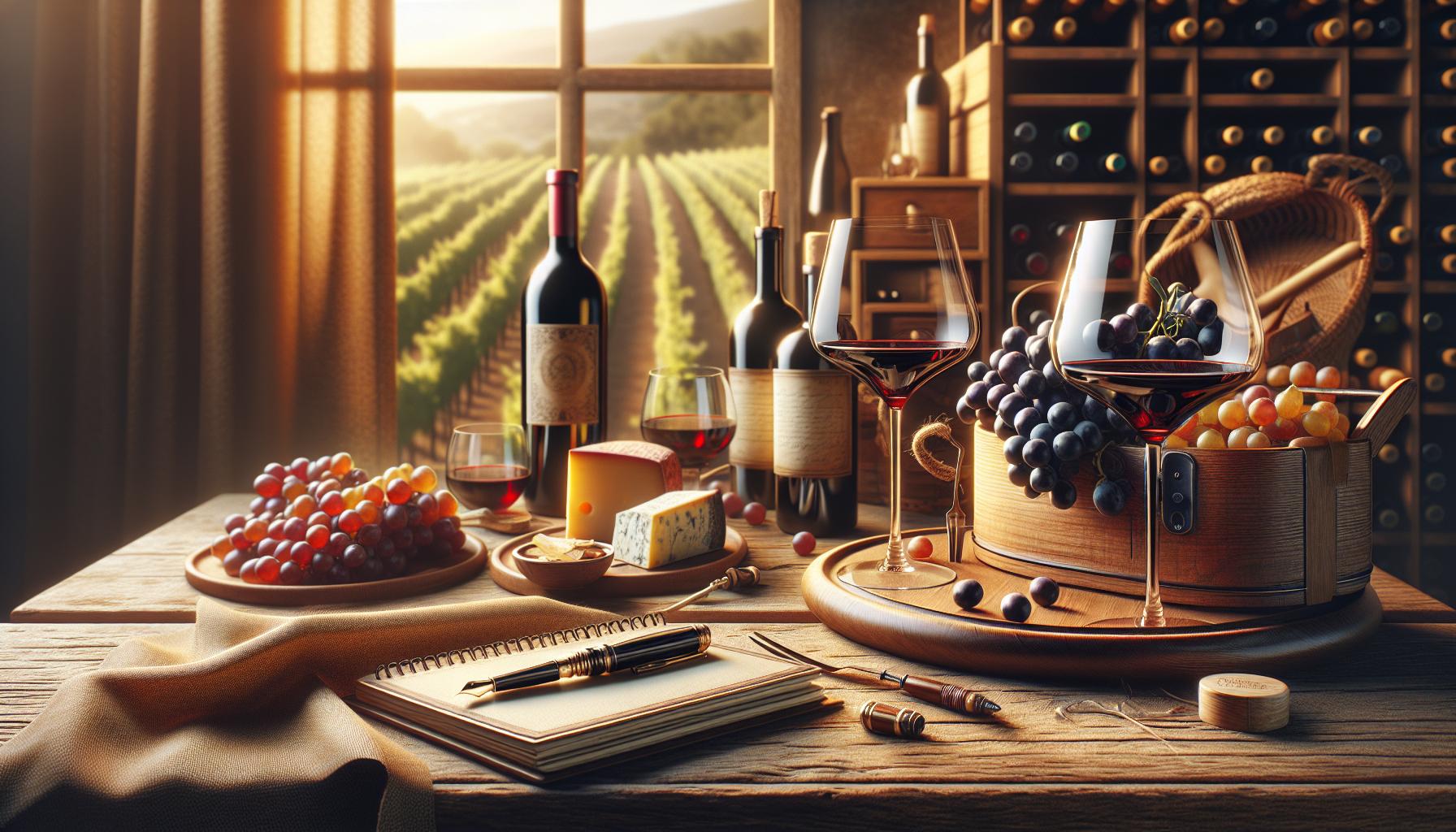
The world of wine is rich with stories, flavors, and secrets waiting to be discovered, yet selecting a quality bottle can often feel overwhelming. Imagine standing in a wine aisle, surrounded by a dizzying array of labels and varietals, feeling as though you’re on a quest for the Holy Grail. The good news is that with a few smart strategies, you can navigate this labyrinth and bring home bottles that not only please your palate but also provide great value.
To begin, understanding varietals and their profiles can significantly enhance your selection process. Each grape variety possesses unique characteristics influenced by terroir, the environment where it is grown. For instance, a Cabernet Sauvignon from Napa Valley will likely have bolder tannins and dark fruit flavors compared to its counterparts from cooler climates. Don’t shy away from asking for recommendations from knowledgeable staff at your local wine shop; they can offer insights into recent arrivals and favorites. Additionally, seek out wines that have won awards or received high scores from reputable sources, which often indicate a level of quality and craftsmanship that can be trusted.
Decoding Labels
Wine labels can feel cryptic, but they offer a wealth of information once you know what to look for. Key elements include the wine’s region of origin, vintage, and producer. Familiarize yourself with reputable regions known for quality production-like Bordeaux for reds or the Loire Valley for whites. Checking the vintage is also crucial, as some years yield significantly better grapes than others, drastically affecting quality. Similarly, preferred producers, often called “houses,” gain reputations for consistency in quality over time; picking well-known names can lead you toward reliable choices.
When considering price, remember that higher cost doesn’t always equate to better quality, especially when you factor in the value from less mainstream regions or lesser-known producers. These wines often offer remarkable quality at lower prices, making them hidden gems in your buying strategy. Use resources such as wine apps or websites to research and compare prices, ensuring you’re purchasing wisely without overpaying.
Trust Your Palate
Ultimately, the best wine is the one you enjoy drinking. Don’t feel pressured to conform to trends or high scores; giving yourself permission to explore your preferences is key. Attend tastings whenever possible; many retailers host regular events that allow for both sampling and learning. By actively engaging with the experience, you can refine your tastes and discover new favorites. This journey is less about finding the “perfect” wine and more about enjoying a diverse array of flavors and aromas.
In the ever-evolving realm of wine, your journey uniquely influences your selection process. Armed with these smart buying tips, you can confidently traverse the aisles, embrace the complexity of the wine culture, and find joy in every bottle you choose. As your palate grows, so too will your appreciation for the stories each vintage tells, cultivating connections that extend beyond the glass. Cheers to the adventure ahead!
Understanding Bulk Purchases: Is It Worth It?
Buying wine in bulk often provokes a thrilling conundrum: is it a wise financial move or an exercise in excess? Understanding the implications of bulk purchases can enhance your wine journey, allowing you to unlock not just savings, but also the opportunity to deepen your appreciation for various wines. When considering a case of wine-typically consisting of 12 bottles-you venture into a realm where pricing, quality, and personal preference intersect, making it crucial to navigate wisely.
One of the primary benefits of purchasing in bulk is the economy of scale. Retailers frequently offer discounts for whole cases, reducing the price per bottle significantly. For instance, while a single bottle of a sought-after Cabernet Sauvignon might cost $25, a case could drop the price to $20 per bottle, yielding an overall saving of $60. Such discounts can be particularly appealing if you have a favored varietal or producer, ensuring that you have a steady supply without the sting of impromptu purchases.
However, it’s not just about savings. The experience of buying in bulk provides an opportunity to explore and experiment with different vintages or styles. Consider a scenario where you dedicate a case to a particular theme, such as exploring the nuances of different Pinot Noirs from various regions. This allows you to not only compare flavors but also to engage in conversations about the unique terroirs that contribute to those distinct profiles. The joy of discovery that comes from tasting multiple bottles together can turn an evening into a rich narrative tapestry, filled with personal insights and shared stories.
Just as important, though, is the consideration of storage and consumption. Before diving into bulk purchases, ensure that you have the appropriate space and conditions to store the wine-ideally a cool, dark place with controlled humidity. You’ll want to ponder your drinking habits: if you find you typically enjoy a bottle or two a week, a case might suit perfectly. However, if your consumption is sporadic, the likelihood of your wine aging poorly increases, potentially negating those initial savings.
By weaving together the threads of cost efficiency, exploration, and mindful consumption, bulk purchasing can transform from a mere financial strategy into a holistic approach to enjoying wine. Remember, it’s not just about the number of bottles you acquire but the richness of the experiences you create along the way. Cheers to the adventures that await with every case you uncork!
Wine Varieties: How Their Price Differs
An astounding factor in the world of wine pricing is how the diversity of grape varieties can dramatically influence the cost of each bottle-and subsequently, the cost of a case. With countless varietals in existence, the price you pay for a case can range anywhere from budget-friendly to extravagant, encapsulating the unique characteristics of each grape’s terroir, cultivation methods, and the reputation of its producer. Whether it’s the robust Cabernet Sauvignon or the delicate Pinot Grigio, understanding the nuances of these varieties not only enhances your drinking experience but also informs your purchasing decisions.
Consider, for example, the beloved Cabernet Sauvignon. Known for its deep flavors of dark fruit, tobacco, and a hint of oak, a bottle from a renowned vineyard can easily set you back $50 or more. Therefore, a case might cost you $600, reflecting the wine’s high demand and limited production. Conversely, a more accessible varietal like the lively Pinot Grigio, with its bright notes of citrus and subtle minerality, often comes at a lower price point. You might find a case for under $200, making it a popular choice for gatherings and casual sipping.
While grape variety plays a pivotal role in pricing, it’s essential to consider factors such as regional reputation, winemaking techniques, and even vintage quality. For instance, wines from renowned regions like Bordeaux or Napa Valley often carry a premium due to their historical significance and the meticulous care that goes into cultivating the vines. In contrast, lesser-known regions can provide excellent quality at a fraction of the price. Buying from emerging wine regions not only offers a chance to explore new flavors but can also be a cost-effective strategy for filling your case.
Before making a selection, reflecting on your own taste preferences and the occasions for which you’ll serve the wine can guide your choice effectively. Would you prefer a robust red to accompany a hearty meal or a crisp white for light appetizers? By aligning your wine choices with your personal preferences and desired experiences, you not only maximize satisfaction but also ensure the budget aligns with your expectations. Engaging with various wine varietals cultivates a deeper appreciation for what each bottle brings to the table, culminating in a more enriched wine journey as you navigate the thrilling landscape of prices and possibilities.
Sales and Promotions: Timing Your Purchase Right
For those who relish wine, timing can be as pivotal as the varietal you choose. The landscape of wine sales is ripe with opportunities for savvy buyers willing to keep an eye on the clock and the calendar. Just as the cycle of the seasons impacts vineyard production, it also shapes promotional seasons that can yield enticing discounts on cases of wine. Foresight in the timing of your purchases not only enhances your experience but also your budget.
Many retailers and online platforms offer sales that coincide with specific times of the year-consider month-end clearance, holiday specials, or seasonal celebrations. For instance, as summer approaches, expect discounts on chilled wines, such as rosés and whites, which offer refreshing options for warm-weather gatherings. Alternatively, during harvest season in the fall, many wineries celebrate with deals aimed at showcasing their new vintages. It’s a magical time to seek out small-batch producers who may offer special pricing on cases to encourage local patronage, thus creating a direct line between you and the producer.
Apart from seasonal sales, subscribing to newsletters from your favorite retailers is an effective strategy. You’ll be the first to know about flash sales, exclusive promotions, and new arrivals. Many retailers encourage sign-ups by offering an introductory discount, sometimes on the first purchase. Furthermore, loyalty programs often reward repeat customers with special access to sales, as well as exclusive events that give the opportunity to taste and select future purchases, enhancing not only your wine repertoire but also your relationships in the wine community.
Lastly, always ponder the timing within broader wine trends. As consumer preferences shift and new wines enter the market, certain bottles might dwindle in availability. Many retailers will reduce prices on older vintages to make room for new stock, providing an excellent opportunity to snag a quality bottle at a significantly reduced price. Embrace the ebb and flow of the wine market, allowing you to navigate when to buy strategically and how to celebrate your savvy selections with a glass filled with this year’s most delightful finds.
Local vs. Online: Comparing Wine Buying Experiences
The art of wine buying has evolved tremendously, presenting enthusiasts and casual drinkers alike with a plethora of choices-from the alluring aisles of local wine shops to the vast digital marketplaces of online retailers. Each avenue offers distinct experiences that can cater to varied preferences and contexts. For those who relish the tactile experience of browsing through bottles, meeting passionate shop owners, and engaging in stimulating discussions about terroir and vintage, a local wine store can be a veritable treasure trove. Here, personal connections flourish, allowing customers to glean insights on hidden gems, local varietals, and limited releases that might not see the light of day on digital platforms. The aroma of cork, the allure of unique labels, and the chance to participate in tastings create an intimate shopping experience that transcends mere purchasing.
Conversely, the online wine marketplace unlocks access to an expansive world far beyond local selections, often with competitive pricing. Imagine scrolling through thousands of options, from esteemed international vintages to artisanal finds-all while comparing prices without the exhausting jaunt from aisle to aisle. Online retailers often feature reviews, ratings, and detailed tasting notes that can guide decision-making with a few clicks. Moreover, many websites offer subscription services, delivering curated selections right to your doorstep, making it easier to explore a diverse array of wines without the footprint left behind by traditional shopping.
However, both avenues come with their considerations. Shopping locally can sometimes lead to higher prices due to overhead costs, but it rewards patrons with personal service and a sense of community. On the other hand, while online options may boast convenience and breadth, they often lack the human touch that lends a certain warmth to the wine-buying experience. Price comparisons and reader reviews are invaluable, yet nothing quite matches the joy of discussing the intricacies of a Bordeaux with someone who has tasted it personally.
As you navigate the spectrum of wine purchasing, consider the occasion and personal preferences. Local shops can be perfect for selecting a bottle for an immediate gathering, where the advice of a shopkeeper might help you find the ideal pairing for dinner. Online shopping, with its ability to stock up on cases and explore international selections, may lend itself better to planning ahead or trying out seasonal varieties. Ultimately, the choice between local and online wine shopping becomes a delightful exercise in balancing access and experience, tailored to the ever-evolving palette and needs of each individual wine lover.
Seasonal Trends: How Demand Affects Wine Pricing
As the wheels of the seasons turn, so too does the world of wine pricing, intricately woven with the natural rhythms of grape harvests, holidays, and climate trends. Understanding how these seasonal demands shape the price of a case of wine can empower consumers to make informed purchasing decisions and seize opportunities for savings. For instance, during summer months, lighter wines such as crisp Sauvignon Blanc and refreshing rosé often see a surge in demand as outdoor gatherings and barbecues become more frequent. Consequently, prices can reflect this increased interest, especially for popular brands. Conversely, as autumn rolls around, the focus shifts to richer reds that pair well with heartier meals, prompting similar spikes in pricing.
In addition to seasonal preferences, specific events and holidays can dramatically influence wine costs. New Year’s Eve, Valentine’s Day, and Thanksgiving are peak times when consumers are more likely to splurge on wine, causing retailers to adjust their prices accordingly. A savvy shopper can mitigate these seasonal price increases by planning purchases ahead of time or buying just after the holiday rush when many retailers offer discounts to clear out inventory.
Another noteworthy aspect of seasonal trends is how climate affects grape yields and, by extension, wine availability. Unpredictable weather patterns-such as late frosts or droughts-can lead to reduced harvests, which may catapult prices for affected varietals beyond seasonal norms. For example, a particularly warm summer may yield a bountiful crop of a certain grape, allowing prices to stabilize or even decrease due to abundance. Conversely, a poor vintage can lead to scarcity, prompting each bottle’s price to reflect that rarity. Staying abreast of vineyard reports and commentary from wine experts can provide invaluable insights into what to expect, helping enthusiasts time their purchases for optimal savings.
In essence, being aware of these seasonal trends not only enriches the wine-buying experience but also enhances one’s appreciation of the wine itself. Engaging with the dynamic nature of wine pricing through each changing season fosters a deeper connection to the craft and culture behind the bottles, inviting consumers to celebrate the ebb and flow of wine’s place in our lives.
Exploring Wine Clubs: Subscription Benefits and Costs
Engaging with a wine club can feel like unlocking a treasure chest of rich experiences and delightful discoveries. These subscription services offer more than just bottles; they present a curated journey through the world of wine, tailored to your palate and preferences. From small, boutique wineries to well-known brands, joining a wine club allows you to experience a diverse range of varietals and regions that you might not typically explore on your own. Imagine discovering a crisp, aromatic Albariño or a robust Barolo that ignites your senses, all delivered directly to your door.
One of the most compelling advantages of wine clubs lies in the value they offer. While the cost can vary widely depending on the club, many provide substantial discounts on retail prices, often between 10% to 30%. This can make it easier to stock your cellar with quality selections without breaking the bank. For instance, a typical subscription might range from $100 to $300 per month, delivering up to a case of wine, which often equates to a significant savings compared to purchasing each bottle individually at a store. Additionally, many clubs include features such as free shipping, tasting notes, and pairing suggestions, enhancing the overall experience while educating you about your wines-thus expanding your knowledge and enjoyment.
Furthermore, the experiential aspect of wine clubs cannot be overlooked. Many clubs host exclusive events such as virtual tastings, winemaker lunches, and vineyard tours for their members. This interaction transforms the passive act of drinking wine into an immersive cultural experience. Picture yourself sipping a wine while chatting live with the winemaker who crafted it-a unique opportunity for learning and connection that is often exclusive to club members. As you cultivate relationships with other members and share your tasting adventures, you become part of a community united by a passion for wine.
When choosing a wine club, it’s essential to consider your personal preferences, whether you lean towards a particular style, such as reds or whites, or prefer organic or sustainable options. Clubs often provide personalization features that allow you to adjust your shipment based on your changing tastes and occasions. This flexibility transforms your subscription from a simple service into a bespoke experience, catering to your evolving palate while continually inviting exploration and growth in the art of wine appreciation.
Engaging with a wine club is not merely a transaction; it’s an invitation to delve deeper into the enchanting world of wine-one bottle at a time. By investing in a membership, not only do you enjoy the tangible benefits of delicious wines and monetary savings, but you also embark on a journey that enriches your understanding of global wine cultures, enhancing your journey with intriguing stories and meaningful connections.
The Importance of Vintage: How It Affects Value
The allure of vintage wines draws enthusiasts to explore the enchanting tapestry of factors that influence their value. When one speaks of a particular wine vintage, they refer not merely to the year in which the grapes were harvested but to a complex interplay of climatic conditions, vineyard practices, and the inherent qualities of the grape varietals themselves. Each vintage encapsulates a unique moment in time-where the sun, rain, and soil collaborate to shape the character of the wine, ultimately reflecting the essence of its vintage year. For wine lovers, understanding the significance of vintage can elevate their purchasing decisions, guiding them toward wines that resonate not just in taste but in cultural and historical context.
As we delve deeper into the nuances of vintage, it’s crucial to recognize that not every year produces an equally exceptional wine. Factors like a particularly frost-free spring or a scorching summer can yield grapes bursting with flavor, while a cool, damp season might lead to underwhelming wines. This variability can profoundly affect value: a stellar vintage from a prestigious region can appreciate significantly over time, attracting collectors and investors alike. Consider, for instance, a celebrated year like 2010 for Bordeaux; the wines from this vintage are often revered, resulting in soaring prices that reflect their desirability and rarity. Conversely, vintages that are less acclaimed might be available at more approachable price points, making them attractive options for those looking to enjoy quality wine without the lofty labels.
Building a curated collection requires a discerning eye towards vintage. When selecting wines, consider researching reputable sources, such as vintage charts, which often rank years based on their overall performance across various regions. This kind of due diligence can set you up for success in both enjoyment and investment. Additionally, personal experiences can guide your decisions. Perhaps you recall a memorable evening with a 2015 Pinot Noir that lingered on your palate; discovering similar wines from the same vintage might yield delightful surprises that resonate with those cherished memories.
In essence, appreciating the importance of vintage transcends mere price considerations; it invites you into a deeper appreciation of the artistry and craftsmanship that define wine-making. By exploring the layers of vintage significance, you not only enhance your understanding of wine dynamics but also connect with the stories of the land, the people, and the moment in history captured within each bottle. Always remember, the value of wine, much like life itself, often lies in the journey, the memories created, and the passions ignited along the way.
Sustainability and Organic Wines: Price Point Insights
In an age where environmental consciousness is rising, the appeal of organic and sustainable wines goes beyond the simple pleasure of sipping a glass; it invites us to participate in a lifestyle that honors the earth and the processes that nurture it. Wines crafted from organically grown grapes often carry a price premium compared to their conventionally produced counterparts. This difference is not just a reflection of production methods but also a testament to the commitment to sustainable agricultural practices that respect both nature and the community. Investing in organic wines supports viticulture that avoids synthetic chemicals, fostering biodiversity in vineyards and ultimately leading to wines that can express the true essence of their terroir.
Purchasing organic wine often raises questions about cost. While it’s true that organic viticulture can involve higher upfront expenses due to labor-intensive practices and lower yields, the long-term benefits are compelling. Consumers may find that the price point for organic wines can vary significantly based on factors like the region of production, grape variety, and winemaking philosophy. For instance, a small organic vineyard may charge more for their artisanal approach compared to mass-produced organic wines that, while still compliant with organic standards, cannot replicate the same artisanal touch. It’s worth exploring local organic producers who are committed to sustainable practices and may offer delightful options at a more approachable price point.
When considering organic options, look for certifications that indicate genuine adherence to organic farming practices. Labels like the USDA Organic or those from other recognized bodies lend reassurance that the wine has been produced under stringent guidelines. Additionally, many vineyards are now adopting biodynamic principles-a holistic approach to farming that considers the farm as an ecosystem. This can lead to more vibrant, complex wines, often elevating tasting experiences while providing insight into environmentally friendly practices.
As you venture into the world of organic and sustainable wines, remember that the true value lies not just in the taste but also in the story behind each bottle. These wines invite us to connect with the artistry of winemakers who respect the land and its heritage. By choosing organic, you are not just making a choice about what to pour into your glass; you are opting for a way of life that embraces health, community, and sustainability, enriching your own experience of wine with every sip. The journey into this realm is not merely about sipping and savoring; it’s about engaging with history, culture, and the earth itself, fostering a responsible and delicious relationship with one of humanity’s oldest beverages.
Frequently asked questions
Q: How much does a case of wine cost on average?
A: The average cost of a case of wine ranges from $120 to $300, depending on factors like the wine’s origin, brand, and varietal. For instance, boutique and premium wines can exceed $600, while bulk purchases from supermarkets may offer discounts, making cases even more affordable.
Q: What discounts are typically available when buying wine by the case?
A: Buying wine by the case often grants discounts of 10% to 20% off retail prices. Many wine shops and online retailers offer this benefit to encourage bulk purchases, so it’s wise to inquire about case discounts when purchasing.
Q: Are there specific times of year when wine is cheaper?
A: Yes, wines are often cheaper during off-peak seasons, such as winter and post-harvest periods. Major holidays like Thanksgiving and Christmas can result in sales, so keeping an eye on seasonal promotions is beneficial for bargain hunters.
Q: What should I consider when purchasing a case of wine?
A: Consider the types of wine you enjoy, the occasion, and how soon you plan to consume it. Think about whether you prefer mixing varietals or sticking to a favorite type. Also, check for shipping fees or membership perks for added savings.
Q: Where can I find the best deals on wine cases?
A: The best deals on wine cases can often be found at local wine shops, supermarkets with wine sections, and online retailers like Wine.com and Total Wine. Comparing prices across multiple stores and looking for promotions can yield significant savings.
Q: Can I mix different types of wine in a case?
A: Many retailers allow the mixing of different wines in a case, which is a fantastic way to explore various selections. However, confirm this policy with the store prior to purchasing to ensure that you can create your ideal collection.
Q: Does the price of wine reflect its quality?
A: Generally, higher-priced wines tend to offer better quality, often due to superior grapes, craftsmanship, and aging processes. However, excellent value wines can be found at lower price points, so it’s important to taste and explore rather than rely solely on price.
Q: How can I buy wine online safely?
A: To buy wine online safely, choose reputable retailers with good reviews, ensure they use secure payment methods, and verify their shipping policies, particularly regarding alcohol regulations in your state. Reading return policies and customer service options can also help avoid issues.
In Retrospect
As you embark on your wine journey, remember that understanding the cost and value of a case of wine can elevate your tasting experiences and gatherings. Key takeaways from our discussion highlight the importance of exploring pricing structures, knowing where to find discounts, and mastering negotiation techniques with suppliers. Don’t wait-seize the chance to elevate your collection and impress your guests tonight!
If you’re eager to dive deeper into the enchanting world of wine, consider exploring our articles on the intricacies of wine pairings or the charming tales behind regional varietals. Join our newsletter for exclusive tips and special offers, ensuring you stay informed and inspired. Together, let’s embrace the celebration of wine, fostering connections through every sip. Trust us, your palate will thank you!
Stay curious, and let the exploration of fine wines become a delightful part of your life. Cheers to new adventures in flavor!
Get our latest guides, news, and insights highlighted in your Google Search & AI Overviews.