In the world of wine, the allure of sweet red varieties offers a delightful escape for those who crave a richer, dessert-like experience. Sweet red wines are not just beverages; they are an invitation to savor unique flavors that can elevate any meal or gathering. Whether you’re looking to indulge in luscious fruit notes or seeking the perfect pairing for chocolatey desserts, finding the right sweet red wine can transform an ordinary moment into something memorable.
For enthusiasts and novices alike, navigating the diverse landscape of sweet red wines can be both exciting and challenging. With countless options and styles available, understanding which wines cater to your palate can enhance your enjoyment and appreciation of this beloved category. Join us as we explore top picks that resonate with sweet wine lovers, uncovering not just their taste profiles but also the stories and cultures behind each bottle. By the end, you’ll be equipped with the knowledge to confidently choose the sweetest sensations that await in your glass.
Which Red Wine Varietals Are the Sweetest?
The world of sweet red wines is rich and varied, inviting exploration into a delightful realm where grapes express charms as appealing as any dessert. Among the red varietals that deliver a sweet sip, few can rival the allure of Zinfandel and Lambrusco. Known for their fruit-forward profiles, these wines often carry notes of ripe berries, cherries, and sometimes even a hint of spice. The natural ripeness in Zinfandel, particularly when sourced from sunny regions like California, enhances its sweetness, making it a favorite among those new to the realm of reds. Lambrusco, with its effervescent quality, adds to its sweet appeal, revealing a slightly sparkling texture that dances on the palate, complemented by fruitiness that ranges from luscious blueberry to tart cherry.
Next on the spectrum, we find Sweet Shiraz, another star in the sweet red lineup. Often characterized by full-bodied richness, Shiraz can deliver jammy fruit flavors, especially when produced in regions like Australia. This varietal embraces the sweetness beautifully, particularly when crafted in a style that highlights residual sugar without sacrificing depth. Let us not overlook the Sweet Port, often overshadowed in discussions of sweet reds, which shines with its intense flavors of dark fruit, chocolate, and spices. The fortification process enhances its sweetness, resulting in a nectar-like quality that makes it a perfect pairing for decadent desserts or even enjoyed solo on a cold evening.
As we explore deeper, we encounter Merlot and Grenache, varietals that can also traverse the border into sweetness. When produced with specific techniques that retain residual sugars, these wines reveal delightful blends of ripe plum and berry flavors, making them accessible to a range of palates. The beauty of sweet red wines lies not only in their sugar content but also in the joyful experience they offer-whether for celebration or a quiet evening at home, these wines encourage a relaxed appreciation of life’s pleasures. As you embark on your sweet red exploration, remember that each pour tells a story, inviting you to savor not just the taste but also the delightful moments shared over a glass.
Understanding the Sweetness Scale in Red Wines
The appeal of sweet red wines lies not only in their luscious flavor profiles but also in their complex interplay of sweetness, acidity, and tannins. Understanding how sweetness is determined offers a gateway into appreciating these delightful wines. At its core, the sweetness scale in red wines ranges broadly from bone dry to lusciously sweet. Each wine’s sweetness is influenced mostly by residual sugar-the natural sugars left after fermentation. This critical phase in winemaking defines the wine’s sweetness level and can profoundly affect how we perceive its flavors.
To simplify, the sweetness scale can generally be categorized as follows:
Sweetness Scale Overview
- Bone Dry: Less than 1 g/L of residual sugar.
- Dry: 1-5 g/L of residual sugar.
- Off-Dry: 5-10 g/L of residual sugar, often perceived as having a hint of sweetness.
- Medium Sweet: 10-35 g/L of residual sugar, noticeable sweetness without overwhelming the palate.
- Sweet: 35 g/L and above; this category includes dessert wines and fortified wines like Port.
With these categories, navigating the extensive world of sweet reds becomes an enticing endeavor. For instance, Port, a fortified wine, often carries substantial residual sugar but maintains a balance through rich flavors of dark fruits and spices, making it perfect for cozy evenings or dessert pairings. Sweet Shiraz provides another experience, where jammy berry flavors dance alongside a structured richness, offering a robust mouthfeel underscored by just the right amount of sweetness.
Understanding where your chosen wine fits on this spectrum not only enriches your tasting experience but also enhances your appreciation of the art of winemaking. Each varietal has its unique story-whether it’s the vibrant cherry notes in a Lambrusco or the deep, chocolate-laden tones of a sweet Merlot, these wines invite you to sip slowly, pondering their nuances while savoring the sweetness that sets them apart. The allure of sweet red wines lies not just in their sugary charm but also in the moments they create-moments for celebration, reflection, and connection over a shared glass.
Exploring Notable Sweet Red Wine Regions
Amidst the rolling hills and sun-kissed valleys of the world, certain regions have become celebrated bastions of sweet red wines, each crafting their unique expressions that delight the palate and engage the senses. From the ancient soil of the Douro Valley in Portugal to the verdant landscapes of California, these regions offer a tapestry of flavors and experiences tied intimately to their geographical heritage. Visiting such locales or exploring their offerings from afar can transform any wine lover’s journey into a delightful adventure.
Douro Valley, Portugal
In the heart of Portugal, the Douro Valley stands as a beacon for lovers of sweet wines, particularly through its famed Port wine. This fortified wine, rich with the sweetness of dark fruits, is produced by blending grape varieties unique to the region, such as Touriga Nacional and Tinta Roriz. The tradition of winemaking here dates back centuries, and even today, vineyards are tended by generations of families, ensuring that the art of producing quality Port continues to thrive. A glass of Tawny or Ruby port not only teases the palate with layers of caramel, cherry, and spices but also carries the echoes of its storied landscape, making each sip a tribute to the artistry and culture embedded in the Douro hills.
California’s Paso Robles
Paso Robles has carved out a name for itself within California as a hotspot for not just robust reds, but also sweet varieties. Here, Zinfandel thrives, giving rise to luscious, jammy wines that often retain a delightful sweetness. The region’s warm climate, complemented by cooling evening breezes, nurtures grapes that develop rich, fruit-forward flavors reminiscent of ripe blackberries and raspberries. Winemakers in Paso Robles often experiment with late-harvest techniques, allowing grapes to hang longer on the vine, resulting in greater sugar concentration. This innovation produces delightful wines perfect for sipping on their own or pairing with rich desserts, inviting drinkers to linger a while longer over their glass, relishing both flavors and stories of the land.
Italy’s Veneto Region
The Veneto region of Italy is renowned for its sweet red wines such as Recioto della Valpolicella, an exquisite wine made from partially dried grapes. This unique method, known as appassimento, concentrates the flavors and sugars, yielding a wine that is both complex and sweet. With tasting notes of dark cherries, chocolate, and herbs, Recioto is a velvety companion to cheese plates or rich desserts. The winemakers of this region stay true to ancient traditions while embracing modern innovations, ensuring that every bottle reflects the character of the land and the wisdom of time-honored practices.
Exploring these notable sweet red wine regions not only offers a taste of delicious wines but connects you to the heart and soul of their respective cultures. As you sip on a glass, let the histories and landscapes transport you, reminding you that every bottle carries a story, waiting to be savored. Exquisite flavors await those ready to delve deeper into the enchanting world of sweet red wines, blending history, geography, and the universal love of good company.
Tasting Notes: What Makes Sweet Red Wines Unique?
Sweet red wines are a captivating realm that often invites intrigue and exploration. Their charm lies not just in their sugary profiles but in the unique tapestry of flavors that unfold in each sip, offering a sensory experience unlike any other. Imagine uncorking a bottle of Port, its deep amber hue speaking volumes of the aging process, or pouring a glass of Recioto, where the essence of dried fruit harmonizes with hints of chocolate. Each varietal tells a story, encapsulating the essence of the grapes, the soil, and the climate from which it hails.
At the heart of sweet red wines is their remarkable variety. The sweetness often stems from intentional winemaking techniques, such as late harvesting, drying, or fortification. For example, the Appassimento method used in making Recioto della Valpolicella involves drying grapes before fermentation, resulting in a concentrated sweetness coupled with intricate flavors. This technique produces wines with a luscious mouthfeel and complex layers that can echo notes of black cherry, plum, cocoa, and a hint of spice. Tawny Ports exude richness with flavors of caramel, dried figs, and nuts, while Ruby Ports offer a more vibrant expression with fresh berry undertones and a velvety texture.
Beyond the mechanics of sweetness, the experience of savoring sweet red wine becomes an invitation to slow down and savor the moment. As you breathe in the aromas, pay attention to how the bouquet transforms-what starts as a simple fruitiness may unfurl into a blend of floral and herbal notes, offering a delightful surprise with each swirl. The interplay of sweetness and acidity in these wines is what makes them intriguing; the right balance ensures that the wine does not feel cloying but rather invites repeated sips.
Crafting your sweet red wine journey is as much about personal preference as it is about exploration. Whether you find joy in pairing a sweeter Zinfandel with a chocolate dessert or enjoying a glass of Port after a hearty meal, each experience is an opportunity to reflect on the flavors and narratives that surround it. Engage with these wines, not just as beverages but as stories waiting to be uncovered, inviting you to explore the rich cultures and traditions that have shaped them.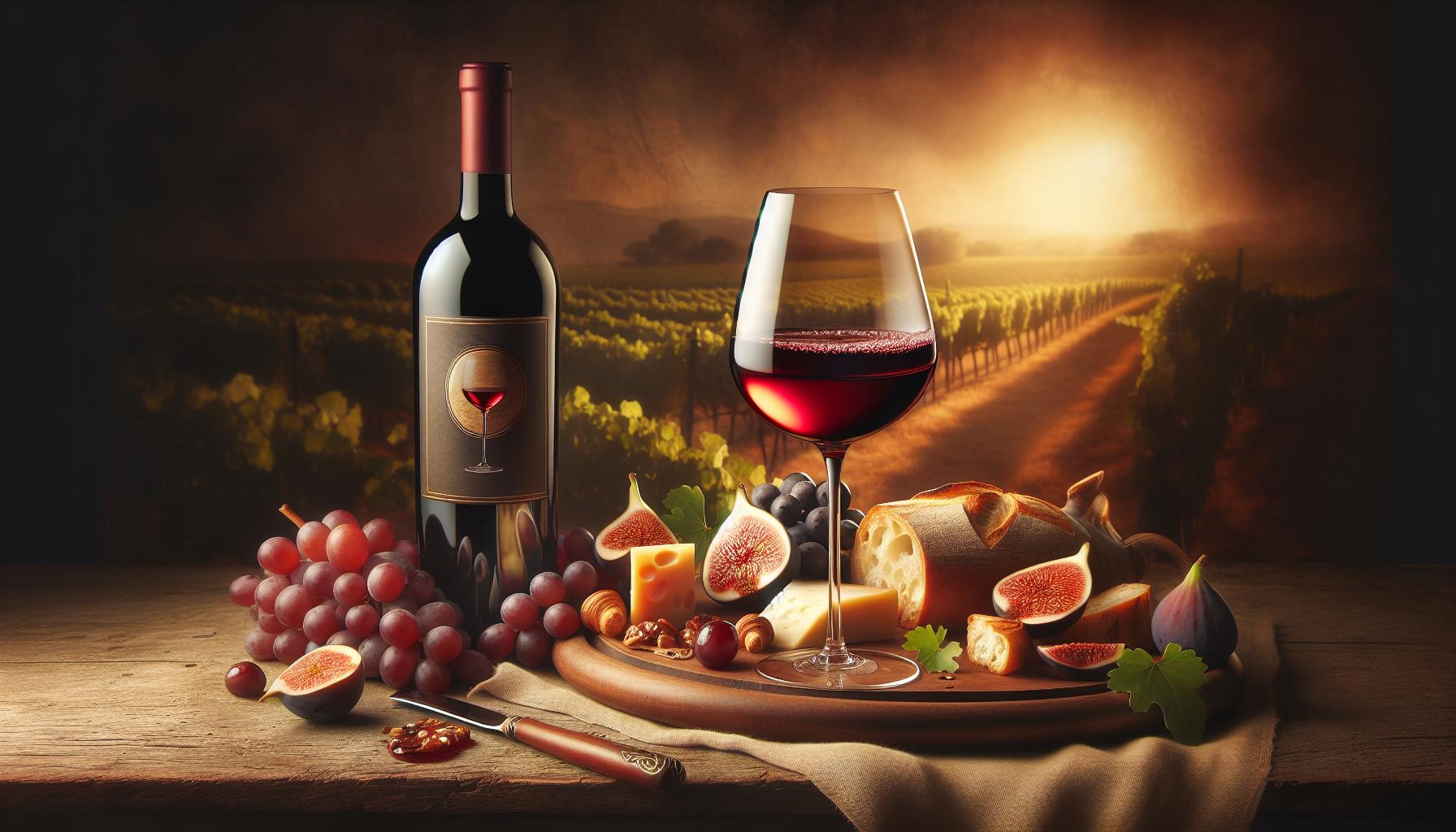
Food Pairing Tips for Sweet Red Wines
Sweet red wines, with their luscious flavors and rich textures, can elevate a meal into a truly memorable feast. The charm of these wines lies not only in their sweetness but in their versatility when paired with various foods. To unlock the best dining experiences, consider the specific characteristics of the wine you have chosen and the culinary delights that will complement them.
When pairing sweet red wines, it’s essential to balance the wine’s sugar content and flavor profile with the food. Desserts naturally spring to mind, but there’s a broader spectrum to explore. For instance, a Port-renowned for its deep, rich sweetness-works wonders with dark chocolate desserts or a well-aged cheese platter featuring sharp, salty cheeses. The interplay of the wine’s sweetness with the saltiness of the cheese creates a delightful contrast, enhancing the tasting experience. Alternatively, a sweet Zinfandel can be beautifully paired with barbecue dishes; its fruity notes and inherent spice harmonize with the tangy barbecue sauce, creating a chorus of flavors that celebrate both the meal and the wine.
Savory dishes can also shine alongside sweet red wines, particularly those that incorporate rich, bold flavors. Consider a Recioto della Valpolicella, whose luscious, dried fruit character complements rich meat dishes, such as roasted duck or a savory cherry-glazed pork loin. The sweetness in the wine balances the savory elements while complementing the dish’s natural sweetness, inviting each palate to dance. Even spicy cuisines, such as Indian or Thai, can cater well to sweet reds; their gentle sweetness cuts through heat and enhances the aromatic spices, illustrating a dynamic culinary connection.
Lastly, when contemplating an all-time classic pairing, look no further than cheese. The creaminess of a Moscato or a sweet red like Lambrusco can provide a delightful counterpoint to rich, creamy cheeses or soft, tangy ones like goat cheese. As you sip, let the sweetness mingle with the dairy’s richness, creating a velvety mouthfeel that lingers long after your palate has enjoyed the encounter.
When in doubt, let your preferences guide you. Experimentation is key-every pairing is an opportunity to discover new flavor harmonies and enhance your appreciation of sweet red wines. Relish the adventure, as each sip and bite invites you into a world rich with stories, history, and the simple joys of great food and wine shared among friends.
The Best Sweet Red Wines for Beginners
Sweet red wines can be akin to a thrilling first adventure into the world of viniculture, opening up a landscape rich in flavors and feelings. For anyone wary of navigating the vast wine universe, beginning with these delightful varietals is a splendid choice. They are often characterized by their enticing profiles, abundant fruit notes, and a smooth mouthfeel that invites new palates to explore the joy found in fermentation, terroir, and tradition.
When embarking on your journey, consider starting with Moscato d’Asti, a lightly sparkling wine that dances sweetly on the tongue with hints of peach, apricot, and honeysuckle. It’s not just sweet; it’s approachable, making it a fantastic entry point for those who may find traditional reds too tannic or complex. Equally charming is Lambrusco, a slightly effervescent red hailing from Italy, which offers a blend of fruit-forward flavors-think cherries and raspberries-accompanied by a velvety texture that creates a luscious experience. These wines not only quench thirst but evoke the warmth of Italian feasts and celebrations.
Moving up the sweetness scale, the rich Port provides a scenario steeped in tradition and history. Originating from Portugal, this fortified wine is a treasure chest of flavors, offering dense notes of dark chocolate, berries, and spices, making it a beloved companion for desserts or paired on its own with some aged cheese. Its higher alcohol content and sweetness create a symphony on the palate, inviting contemplation with every sip.
As you dive deeper, explore Zinfandel and Recioto della Valpolicella. The former typically presents with jammy fruit characteristics along with peppery notes, making it versatile for food pairings or a cozy evening by the fireplace. The latter, an Italian jewel, brings a treasure of dried fruit nuances, perfect for sipping alongside dark chocolate or aged cheeses. These wines narrate stories of their origins, each bottle a journey through the landscapes where vineyards flourish and cultures intertwine.
In essence, embracing sweet red wines opens a gateway to personal discovery and shared experiences. Each glass serves as a conversation starter, inviting friends and loved ones to gather and indulge in the vibrant tapestries of flavors that wine aficionados have cherished for centuries. So take a moment, pour a glass, and relish the intricate dance of sweetness and complexity that sweet red wines uniquely serve.
Finding Sweet Red Wines at Different Price Points
When it comes to sweet red wines, the delightful spectrum of flavors and aromas can be savored at various price points, making this style accessible to all enthusiasts. From everyday bottle finds to exquisite reserves, there is a sweet red to suit every palate and budget. Those venturing into this luscious world might find it refreshing to know that appreciating sweet wines does not require an extravagant spending spree. The key is to explore and enjoy the diversity each price tier has to offer.
At the entry-level, wines like Sweet Moscato or Lambrusco can often be found for around $10 to $15 per bottle. These friendly introductions to sweet red wines not only offer vibrant fruit profiles but also a touch of effervescence, making them the ideal companions for casual gatherings or simply unwinding after a long day. Yet, they certainly don’t lack complexity; Moscato captivates with its floral notes, while Lambrusco enchants with its light fizz, evoking a cheerful Italian feast in every sip.
Stepping up this flavorful journey, the mid-range category, typically priced between $15 to $30, unveils gems such as Zinfandel and Recioto della Valpolicella. These wines exude a richer character, often layered with dried fruit notes, spice, and an interplay of sweetness that invites deeper contemplation. A California Zinfandel may exhibit jammy berry notes with a touch of pepper that pairs beautifully with grilled meats, while the esteemed Recioto offers a luxurious sipping experience, bridging the gap between sweet and savory with its parade of dried fruits and hints of chocolate.
For those who wish to indulge in something truly exceptional, premium selections priced at $30 and above open the door to world-renowned wines like Port or Ice Wine. These offerings, often crafted through meticulous processes and extended aging, present intense depth and multifaceted flavors. A bottle of Vintage Port, for instance, serves as a testament to winemaking artistry, boasting rich layers of dark chocolate, figs, and spices that can evolve beautifully in the glass over time. On the other hand, Ice Wine, typically harvested from frozen grapes, captures a uniquely concentrated sweetness that dances effortlessly across the palate, leaving a lasting impression.
Ultimately, the adventure doesn’t end at purchasing; rather, it begins with exploring and savoring the world of sweet red wines at various price points. Whether you’re toasting a special occasion with a fine Port or enjoying a casual dinner with a versatile Zinfandel, each bottle tells its own story and celebrates the connection between nature, culture, and camaraderie. So, don’t hesitate to explore-there’s a sweet red wine out there waiting to be discovered, one sip at a time.
Myth-Busting: Common Misconceptions About Sweet Wines
Many wine enthusiasts shy away from sweet wines, often influenced by misconceptions that suggest sweetness equates to inferior quality or that sweet flavors are limited to simple, cloying profiles. In reality, sweet red wines offer a tapestry of complexities that defy such reductive categorization. One prevalent myth is that sweet wines are only appropriate for dessert. In truth, many sweet reds, such as Lambrusco or Recioto, can elevate savory dishes by harmonizing with spicy or rich flavors, proving their versatility beyond the dessert course.
Another common misconception is that all sweet wines must be low in alcohol, which is misleading. While many sweet wines, particularly those enjoyed by newcomers, often feature pronounced sweetness at lower alcohol levels, certain styles, such as Port, boast a robust alcohol content while retaining their delightful sweetness. This blending of high alcohol and sugar showcases the art of winemaking, where balance is key, allowing the complexities of flavor to shine without being overshadowed by sweetness alone.
Additionally, some believe that sweet wines are only suitable for inexperienced drinkers, a notion that undermines the richness found in fine sweet wines. Consider the intricate layers of a well-aged Vintage Port or the nuanced sweetness of an Ice Wine, crafted from grapes frozen on the vine. These selections are often favored by connoisseurs for their depth and craftsmanship, demonstrating that sweet wines can indeed be serious contenders in the world of fine wine.
Ultimately, the journey into the realm of sweet red wines encourages exploration and open-mindedness. The unique character of each varietal, combined with the artistry behind their production, invites a deeper appreciation that transcends mere sweetness. Let your palate lead the way, and you may just discover the exquisite elegance that sweet wines can offer, one layered sip at a time.
How to Taste and Appreciate Sweet Red Wines
To truly appreciate sweet red wines, one must engage with them on a sensory journey, inviting the complexities of flavor and aroma to unfold like a well-crafted story. Each sip becomes an exploration-a captivating dance of sweetness intertwined with acidity, mouthfeel, and depth. Begin your tasting experience by embracing the visual aesthetics; the deep ruby hues and glistening reflections in the glass can be as alluring as the wine itself. As you swirl the glass gently, watch the legs form and cascade down the sides, a prelude to the richness you are about to encounter.
Next, let your olfactory senses take charge. Inhale deeply, allowing the diverse notes to reveal themselves. Sweet red wines can weave a tapestry of aromas, from luscious berries and cherries to enticing spices and chocolate. Think of the layered complexity found in varieties like Brachetto d’Acqui or the jammy richness of a late-harvest Zinfandel. Each varietal carries its unique signature, influenced by the terroir and winemaking techniques. Allow the aromas to transport you beyond the glass, considering the vineyard’s history, the sun-soaked grapes, and the hands that crafted the wine.
When it comes to tasting, take your time. A small sip allows your palate to awaken to the wine’s delightful sweetness and the interplay of flavors. Allow the wine to linger, letting its texture evolve on your tongue. Is it velvety or syrupy, robust or refreshing? The lively acidity present in many sweet reds serves as a counterbalance, enhancing the wine’s complexity and preventing your tasting experience from becoming overly cloying. This balance is where the magic lies-sweetness tempered by refreshing zest, leading to moments of pure revelation.
To deepen your appreciation, pair sweet red wines thoughtfully with foods that can highlight their qualities. Imagine a slice of dark chocolate cake alongside a Ruby Port, where each element enhances the other in a harmonious celebration of flavors. Alternatively, consider Spicy Asian cuisine paired with Lambrusco, where the effervescence and sweetness cut through the heat and create a delightful culinary adventure. As you begin to explore these pairings, you’ll find that sweet red wines are not just a delightful indulgence but a versatile companion, capable of elevating various dining experiences. Embrace the journey, relish each moment, and let the sweet reds captivate your senses in ways you never thought possible.
Celebrating Sweet Red Wines: Traditions and Culture
Sipping on sweet red wine is more than just indulging in a delightful flavor; it embodies centuries of tradition, culture, and human connection. For many, a glass fills not just the palate but also the spirit, reflecting joyous occasions and communal gatherings that weave the fabric of our lives. One need only think of a celebratory toast at weddings, where Ruby Port glimmers in sunlight, embodying the sweetness of love and promise, or the festive atmosphere of holiday feasts adorned with bottles of Lambrusco, their effervescence capturing the exuberance of shared moments. Each bottle uncorks a story, inviting us to partake in the rich heritage that sweet wines have nurtured across diverse cultures.
In Italy, the sweet, sparkling Brachetto d’Acqui is often savored during celebrations, a delightful conclusion to a meal or a charming accompaniment to light desserts. It symbolizes the joy of family gatherings, particularly around holidays, where laughter echoes amidst clinking glasses. This tradition holds true in regions specializing in sweet reds, such as the Gewürztraminer from Alsace, which enhances conviviality through its aromatic profile and sweetness. Surrounding oneself with loved ones, savoring the fragrance of wine mingled with the rich scents of home-cooked meals, transforms ordinary moments into cherished memories.
The cultural appreciation for sweet wines also extends into rituals and customs across the globe. In Portugal, wine from the Douro Valley, often enriched with residual sugar, has been celebrated in harvest festivals and religious ceremonies, marking milestones that unite communities in reflection and festivity. Similarly, sweet wines have been crucial during times of celebration in American vineyard culture-from summer barbecues with sweet Zinfandel to the springtime release parties of dessert wines, where enthusiasts come together to relish flavors and forge lasting connections.
Notably, sweet red wines have historically served as gateways to exploration and understanding, allowing drinkers to engage with the vineyard’s stories-the soil, the climate, and the hands that nurtured the grapes. As you raise your glass, consider how each sip serves as a bridge between the past and present, binding you with others who have shared the experience of enjoying these exquisite wines. Let us celebrate this rich tapestry of traditions, where the sweetness of wine becomes a vital part of our shared humanity, resonating through the ages with every pour.
The Perfect Occasion for Sweet Red Wines
There’s something uniquely enchanting about sweet red wines that makes them ideal for a variety of occasions. Whether it’s a celebration, a comforting dinner, or a relaxing evening, these wines provide both enjoyment and a sense of connection. Picture this: you’re at a festive gathering, laughter in the air, and a bottle of Brachetto d’Acqui is opened, its fizzy sweetness elevating the moment. It’s not just a wine; it encapsulates the essence of joy, community, and the spirit of life’s special milestones.
Sweet red wines can truly shine during festive occasions. Birthdays, weddings, and holiday festivities often call for beverages that celebrate life’s sweet moments. For instance, Ruby Port, with its rich, velvety texture and luscious notes of dark fruits, is perfect for anniversaries or holiday dinners. Imagine pairing a fruit-forward Lambrusco with a chocolate dessert, or enjoying a glass of Hymn with spiced holiday treats, where the wine’s sweetness complements the richness of the food, creating a symphony of flavors that lingers in memory long after the last sip.
Moreover, intimate gatherings can benefit from the inviting nature of sweet red wines. A cozy night in with friends, reclining around a fire pit with a bottle of dessert-style Zinfandel, can transform an ordinary evening into a shared celebration of flavors and friendship. The shared experience of tasting and savoring these wines can forge connections, making even the simplest moments remarkably special.
In many cultures, sweet wines are more than just beverages; they embody tradition and history. In Portugal, sweet reds often accompany religious ceremonies or harvest festivals, bringing communities together in a rich tapestry of culture and celebration. Embracing these traditions can elevate your own gatherings, allowing you and your guests to partake in a blend of past and present, stitched together by the shared appreciation of fine sweet reds.
Ultimately, sweet red wines are not merely for the connoisseur or the casual drinker; they are for anyone seeking to infuse their life with sweetness and shared experiences. As you consider how to incorporate these wines into your own occasions, think about the flavors, the memories they evoke, and the company you’ll keep. Each bottle opened is an invitation to celebrate life, to forge connections, and to create moments that linger in the heart and soul.
Crafting Your Sweet Red Wine Collection
Crafting a remarkable collection of sweet red wines is akin to curating a personal library of flavors that tell your unique story. The journey begins not with a checklist, but with a sense of adventure-exploring regions, varietals, and personal tastes. Imagine embarking on a quest where each bottle captures not only the terroir of its origins but also the memories and moments you’ll share with friends and loved ones.
To ensure your collection reflects a balanced tasting experience, consider selecting wines from various renowned regions known for their sweet reds. Exploring Port from Portugal can bring rich notes of dark fruits, cocoa, and a velvety texture that warmly envelops the palate. Meanwhile, a bottle of Brachetto d’Acqui, with its effervescent sweetness and vibrant raspberry flavors from Italy, can elevate any cheerful gathering or intimate celebration. Don’t overlook Lambrusco, whose playful bubbles and fruity profiles can bring a lively energy to picnics and casual dinners.
When building your collection, think about the variety of sweetness levels available. Some wines, such as Ruby Port, offer a luscious sweetness ideal for dessert pairings, while others like Dessert Zinfandel captivate with their jam-like character and balance. Craft a collection that spans these sweet spectrums, catering to different occasions and palates. Hosting a diverse group? A sweet red with moderate sweetness like Recioto della Valpolicella could please both novice wine drinkers and seasoned aficionados alike.
Lastly, as you fill your wine rack, embrace the stories behind each bottle. Consider inscribing labels or maintaining a journal where you note the experiences tied to each wine-be it a first sip during a summer barbecue or a cozy evening by the fireplace. This practice not only personalizes your collection but transforms it into a tapestry of memories that can be revisited with each pour. Celebrate the sweetness of life as you embark on this rewarding journey, cultivating not just a collection of wines, but a rich narrative of taste, friendship, and tradition.
Q&A
Q: What are some popular sweet red wines to try?
A: Popular sweet red wines include Port, which is rich and fortified, and Lambrusco, known for its bubbly sweetness. Moscato d’Asti is another great choice for its low alcohol and fragrant fruitiness, while Sweet Shiraz delivers bold flavors with its residual sugar. Explore various options to find your favorite.
Q: How can I identify a sweet red wine?
A: To identify a sweet red wine, look for labels that mention “sweet,” “dessert,” or “late harvest.” Additionally, wines with high residual sugar content often have fruity flavors, a smooth texture, and lower acidity. Utilizing a red wine sweetness chart can help differentiate sweet varieties from dryer ones [[3]].
Q: Are there sweet red wines that pair well with food?
A: Yes, sweet red wines can pair beautifully with various foods. They complement rich dishes like barbecue, spicy foods, or chocolate desserts. For a delightful experience, try pairing a Sweet Shiraz with blue cheese or a fruity dessert with Lambrusco [[2]].
Q: What is the sweetest type of red wine?
A: The sweetest type of red wine is often considered Port. This fortified wine is rich, complex, and sweet due to its high residual sugar levels. Other contenders include Banyuls and sweet versions of Zinfandel, which are also quite aromatic and flavorful.
Q: When is the best time to enjoy sweet red wine?
A: Sweet red wine is best enjoyed chilled, making it ideal for summer evenings, dessert pairings, or special occasions. Its sweet profile makes it a lovely accompaniment to festive meals or relaxing moments by the fire. Don’t forget to savor it with friends!
Q: Can sweet red wine be used in cocktails?
A: Absolutely! Sweet red wine can enhance cocktails like sangrias or spritzers. Try mixing it with fruit juices, club soda, or spirits like rum or vodka for unique, refreshing drinks. These blends can elevate your cocktail game during gatherings and celebrations.
Q: Is sweet red wine healthier than dry red wine?
A: The health benefits of red wine, whether sweet or dry, largely depend on the context of consumption. While sweet red wines may contain more sugar, they also offer antioxidants. Moderation is key, so choose wine that suits your taste preferences while enjoying responsibly.
Q: What should I consider when selecting a sweet red wine?
A: When selecting a sweet red wine, consider your flavor preferences, the occasion, and food pairings. Reading wine reviews and trying different varieties can guide you to the perfect choice. Don’t hesitate to explore local wineries or specialty shops for personalized recommendations.
To Conclude
As you embark on your sweet wine journey, remember that the world of red wines is rich with flavors and stories waiting to be discovered. From the luscious notes of a ruby-red Zinfandel to the velvety embrace of a ripe Merlot, each bottle invites you to explore the nuanced dance between sweetness and complexity. Don’t let this moment pass-seek out your favorite sweet red and indulge your senses. For more insights, dive into our guides on “Best Red Wines Under $20” and “Understanding Wine Pairings,” where you can further expand your wine repertoire and elevate your tasting experiences.
Join our community of wine lovers! Subscribe to our newsletter for exclusive tasting tips and the latest discoveries, ensuring you’re always ahead in your sweet wine adventures. Share your discoveries with us in the comments-what sweet reds have captured your heart? The richness of wine culture awaits your exploration, so pour a glass, savor the moment, and let the journey continue. Happy tasting!
Get our latest guides, news, and insights highlighted in your Google Search & AI Overviews.