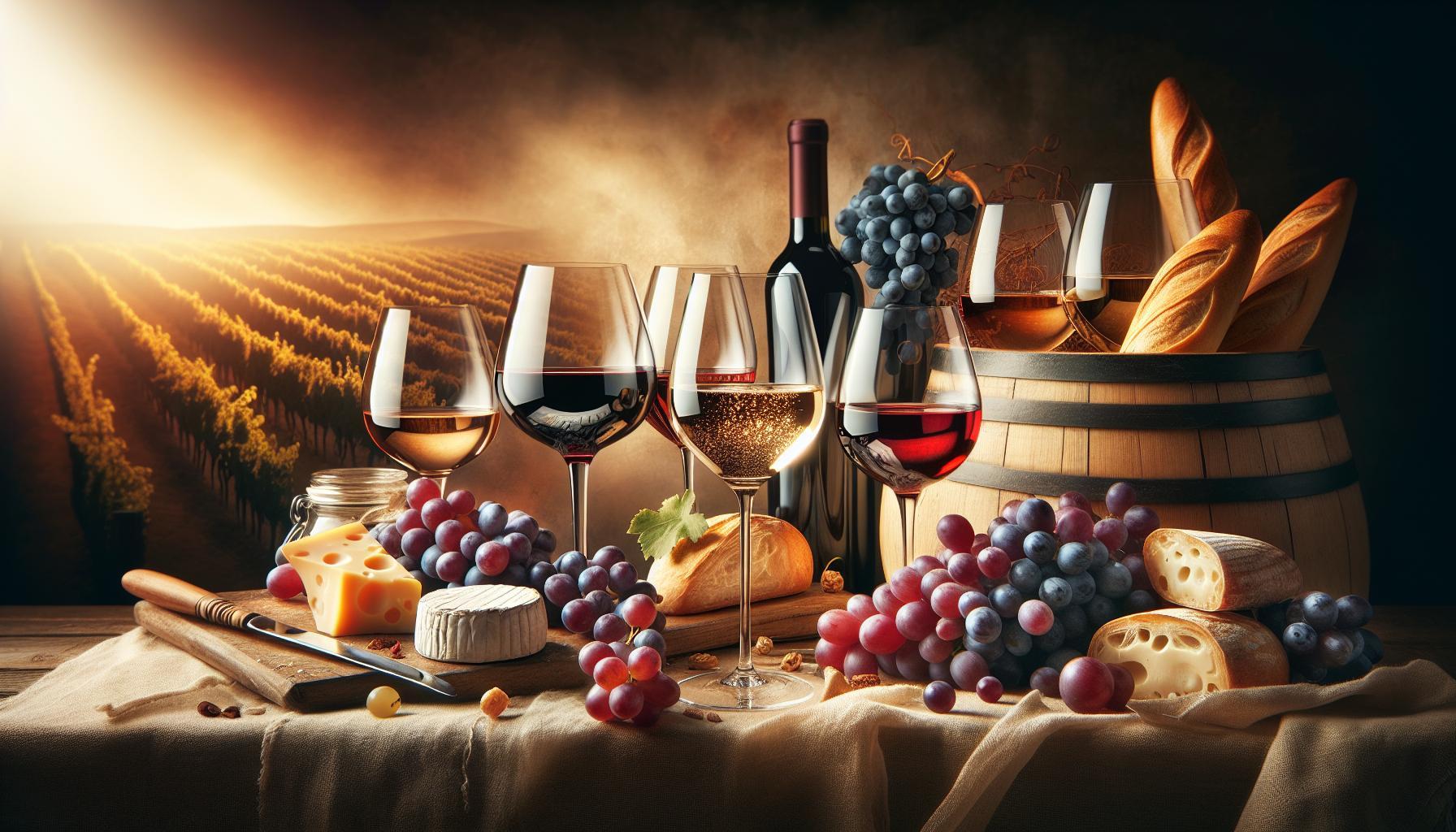
Sweet red wine is not just a drink; it’s an experience that tantalizes the taste buds and warms the soul. With its luscious sweetness and rich flavors, it forms the perfect companion for celebrations, intimate dinners, or quiet evenings when you seek comfort in a glass. But what exactly gives these wines their inviting character?
As we delve into the world of sweet red wines, we’ll explore the diverse flavors-from velvety berry notes to hints of chocolate-that cater to both seasoned enthusiasts and curious newcomers alike. Discovering sweet red wine opens up a treasure trove of delightful pairings and occasions, allowing you to elevate your moments and satisfy your palate. Join us on this journey to unlock the secrets of sweetness and find your new favorite bottle.
What Makes Sweet Red Wine Unique?
In the vibrant world of wine, sweet red varietals hold a captivating unique charm that sets them apart from their drier counterparts. Often underestimated, these wines are not simply desserts in a glass; they are a tapestry of flavors, each sip telling a story that dances across the palate. The sweetness in red wine typically emerges from the residual sugars left after fermentation, a delicate balance that cultivates richness and complexity. This makes sweet red wines an ideal canvas for showcasing the interplay of fruity notes, aromatic spices, and sometimes even a hint of earthiness, creating an experience that is both indulgent and intriguing.
The uniqueness of sweet red wines also stems from their ability to evoke a range of emotions and memories. Imagine a glass of Port, with its luscious chocolate and fig notes, whisking you back to a cozy winter evening by the fireplace, or a chilled Brachetto d’Acqui, its vibrant red fruit brightening a summer afternoon. These wines invite us to celebrate moments, whether it’s a festive gathering, a quiet dinner, or a spontaneous picnic. Their inherent sweetness often pairs seamlessly with a wide array of cuisines, from savory meats to spicy Asian dishes, enhancing dining experiences in unexpected ways.
Moreover, the artistry involved in crafting sweet red wines is what truly elevates them. Winemakers employ a variety of techniques to encapsulate sweetness while maintaining balance and structure. Methods such as stopping fermentation early, using noble rot (Botrytis cinerea), or even fortifying wines with spirits create diverse styles that cater to various palates. Each technique not only preserves the natural sugars but also adds layers of depth and character, making every bottle a unique expression of the vineyard’s terroir and the winemaker’s vision.
By embracing the complexity and versatility of sweet red wines, we open ourselves to a world where flavor and emotion intertwine, reminding us that wine is not just a beverage, but a multifaceted experience that enriches our lives and deepens our connections with one another. Whether you are a seasoned enthusiast or a newcomer to the realm of wine, sweet red wines offer an inviting pathway into the rich tapestry of wine culture, waiting to be explored and celebrated.
A Journey Through the World of Sweet Red Varietals

The world of sweet red varietals is like stepping into a kaleidoscope of flavor, as diverse and vibrant as the festivals that celebrate them. Imagine a glass filled with deep crimson hues, inviting you to explore its luscious depths. Sweet red wines are crafted from a variety of grape types, each offering a distinct profile shaped by geography, climate, and the winemaker’s artistry. While these wines vary greatly in flavor and sweetness levels, they share a common thread: an ability to wrap the drinker in warmth and indulgent pleasure, creating a sensory landscape that is meant to be savored.
Among the notable sweet red varietals is Port, a fortified wine from Portugal that boasts a rich, velvety mouthfeel and flavors of dark fruits like cherries and plums, intertwined with notes of chocolate and spice. Its sweetness arises from the addition of grape spirits during fermentation, which halts the process and leaves residual sugar in the wine. Another exquisite example is Brachetto d’Acqui, hailing from Italy, known for its effervescence and enticing aromas of strawberries and roses. This wine captures the essence of a sun-soaked summer day, making it a perfect companion for lighter fare or desserts.
Moving across the globe, Lambrusco, primarily grown in the Emilia-Romagna region of Italy, presents a refreshing balance of sweetness and acidity, with dark berry notes and a pleasantly fizzy texture. This wine breaks the mold of sweet wines, often served chilled, making it an approachable choice for casual gatherings and barbecues. For a more adventurous experience, delve into Demi-Sec Cabernet Sauvignon, which offers bold fruit flavors with a hint of sweetness, providing a unique interplay between rich tannins and sugary notes that can pair wonderfully with grilled meats or spicy dishes.
As you embark on this journey through sweet red varietals, consider the cultural narratives they weave. Each bottle tells a story of its terroir-sun-drenched vineyards, ancient winemaking traditions, and the passion of those who craft these elixirs. Whether you are seeking to elevate a dinner party or sipping by the fireside, sweet red wines present a delightful canvas for exploration. Let each pour invite curiosity, encouraging you to discover not only the wines but also the experiences that accompany them. The next time you reach for a bottle, consider not just the flavors but the journey it represents, embracing the sweetness of both the wine and the moments it enhances.
Tasting Notes: Flavor Profiles and Sensory Experiences

Sweet red wines are like a velvety embrace, offering a sensory experience that tantalizes the palate and evokes deep emotions. The unique characteristics of these wines stem from the grape varieties, regions, and winemaking techniques they embody, resulting in a delightful spectrum of flavors that can whisk you away on an aromatic journey. Imagine unearthing a glass of rich, opulent Port, with its layers of dark cherries, plums, and hints of cocoa, beckoning the adventurous spirit in you to savor each sip slowly. Alternatively, a chilled Lambrusco can invigorate your senses with its fruity effervescence, a perfect balance of sweetness and acidity that dances playfully on the tongue.
The allure of sweet red wines lies in their complexity and diversity. While each wine tells its own story, certain flavor profiles emerge consistently across the spectrum. Common tasting notes often include:
- Fruits: Expect lush dark fruits like blackberries, raspberries, and cherries, sometimes rounded out by tropical nuances in lighter varieties.
- Spices: Many of these wines exhibit spice undertones, often incorporating elements like cinnamon, clove, or even black pepper that add an intriguing depth.
- Floral Aromas: Varietals such as Brachetto d’Acqui can delight with fragrant hints of rose petals or violet, enhancing the overall tasting experience.
- Earthiness: Some wines present subtle earthy notes, reminiscent of forests or damp soil, connecting drinkers to the terroir from which the grapes were harvested.
When approached mindfully, each glass becomes a narrative, reflecting not just the winemaker’s art but also the land’s soul. Taste can vary widely within the realm of sweet reds; for instance, the rich, concentrated sweetness of a dessert-style wine like Vin Santo stands in contrast to a lighter, fruit-forward style like Brachetto, which often feels almost spritzy.
Don’t shy away from the theatrics of pairing sweet red wines with food; a well-thought-out combination can elevate both the dish and the wine. Imagine enjoying a Glass of Port alongside blue cheese-its creamy, salty richness harmonizing beautifully with the wine’s sweetness. Each tasting invites exploration and encourages you to engage in conversations that celebrate wine as a shared experience, where flavors intermingle with memories and stories. So, as you delve into the world of sweet red wines, allow your senses to revel, and let the vibrations of flavor transport you, one sip at a time.
The Art of Food Pairing with Sweet Red Wines

The interplay between sweet red wines and food is akin to a dance, where each partner enhances the other’s grace, creating a harmonious experience that delights the senses. Sweet red wines, celebrated for their luscious fruit flavors and rich textures, can elevate a meal from ordinary to extraordinary. Picture this: a velvety glass of Ruby Port paired alongside a slab of rich chocolate cake; the wine’s sweetness perfectly balances the dessert’s cocoa intensity, making each bite taste like a celebration.
When considering food pairings, the key is to match the intensity and flavor profile of the wine with that of the dish. Here are some compelling pairings to consider:
- Barbecue and Zinfandel: The fruity notes of Zinfandel, with its hints of raspberry and blackberry, complement the smoky, spicy aromas of barbecued ribs or pulled pork, making for a delightful culinary match.
- Pâté and Grenache: A rich pâté showcases the earthiness of a Grenache, whose sweet spice and berry flavors form a comforting union that enhances the dish’s savory richness.
- Cheese and Lambrusco: The effervescent nature of Lambrusco brings life to a cheese board featuring creamy Brie or tangy blue cheese, skillfully cutting through the creaminess and providing refreshing contrasts.
- Savoring Spice with Shiraz: Dishes with spice, like a Moroccan tagine, can be beautifully paired with a bold Shiraz, where the wine’s fruity character softens the heat, creating a luxurious experience.
Each pairing is an opportunity to explore the myriad flavors that sweet red wines can bring to the table. Furthermore, the sweetness can act as a counterpoint to salty or spicy foods, creating a balance that excites the palate. For example, try a sweet red like Brachetto d’Acqui with a spicy Asian dish, where the fruity sweetness tempers the heat, inviting deeper engagement with both the cuisine and the wine.
In this journey of flavor exploration, it’s essential to remain open-minded. Wine appreciation is subjective, and personal tastes vary widely. Encourage experimentation-what works beautifully for one may not resonate with another. So, next time you uncork that enticing bottle of sweet red, allow it to guide your culinary choices and witness how the right food can turn a simple glass into a profound experience, transforming an ordinary meal into a cherished memory.
Cultivating Sweetness: Key Winemaking Techniques
To achieve the enchanting sweetness characteristic of sweet red wines, winemakers employ a variety of techniques that influence the grape’s sugar levels and the fermentation process. Each method brings its own flavors and textures, weaving a complex tapestry of taste that ranges from lush and syrupy to delicate and nuanced. Understanding these techniques not only enhances your appreciation of sweet red wines but also invites you to explore the artistry behind each bottle.
One of the most noteworthy techniques involves halting fermentation before all the sugars from the grapes are converted into alcohol. This can be accomplished through a process called chaptalization, where sugar is added before fermentation, or by chilling the fermentation process to retain natural grape sugars. The result is a beautifully balanced wine that captures the essence of ripe, juicy fruit. For instance, in the creation of a Ruby Port, winemakers ferment the grape juice to a certain point before fortifying it with a high-proof spirit, which stops the fermentation and preserves a high level of residual sugar.
Another key technique is the use of noble rot, or Botrytis cinerea, a fungus that selectively enhances the sweetness and complexity of grapes. This method thrives in humid conditions, causing the grapes to shrivel and concentrate their sugars, resulting in extraordinary dessert wines like Sauternes. These wines are often celebrated for their deep golden hues and intricate layers of flavor, from honey to dried fruit, offering an experience that is as much about aroma as it is about taste. As you sip, consider how the judicious application of this natural phenomenon transforms straightforward grapes into luxurious elixirs.
Despite the complexity of these methods, the essence of crafting sweet red wines lies in the harmony of sweetness and acidity. A well-structured sweet red preserves enough acidity to counterbalance the sugar, creating a refreshing finish that invites indulgence rather than cloying sensations. Techniques such as malolactic fermentation, while more common in white wines, can also play a role in adding depth and roundness to the mouthfeel of sweet reds.
In your exploration of sweet red wines, consider this interplay of techniques as the foundation of their appeal. Each glass tells a story shaped by the vineyard’s unique terroir, the winemaker’s philosophy, and the intricate methods employed in the winery. By understanding and appreciating these elements, you cultivate a richer sensory experience that honors the deep tradition and craftsmanship behind every bottle.
Exploring Regional Specialties: Sweet Reds by Country
In the rich tapestry of sweet red wines, each country offers unique expressions that reflect its climate, soil, and winemaking traditions. The allure of sweet reds is not just in their delightful flavors but also in the stories behind them-stories that weave together geography, history, and the passion of the winemakers. Let’s embark on a journey across some of the world’s most celebrated regions known for their exquisite sweet red varietals.
Italy: The Heart of Sweet Reds
Italy is renowned for its diverse wine landscape, especially when it comes to sweet red wines. The iconic Barolo Chinato, a fortified wine from the Piedmont region, is a beloved example. This aromatic elixir is infused with herbs and spices, perfect for sipping after dinner, showcasing flavors of cherry, cocoa, and a hint of menthol. Another noteworthy varietal comes from the south: Passito di Pantelleria, where sun-dried grapes yield intense sweetness balanced by brisk acidity. The rich apricot and honey notes make it a harmonious companion to rich desserts or even blue cheese.
Spain: A Tapestry of Tradition
In Spain, the famed Pedro Ximénez sherry from the region of Jerez captivates many with its lush, syrupy texture and deep flavors of fig, molasses, and dark chocolate. This dessert wine, derived from grapes that are sun-dried to concentrate their sugars, pairs beautifully with rich desserts like bread pudding or blue cheeses, enhancing their savory profiles. Not to be overlooked, Bobal grapes from the Valencia region produce sweet reds that can be enjoyed as lighter alternatives, often showcasing fresh berry and floral notes.
Germany: A Sweet Symphony
Germany, primarily applauded for its breathtaking Rieslings, also produces delightful sweet reds. The Spätburgunder (Pinot Noir) can sometimes surprise with its sweet iterations, particularly those from regions like Baden and Pfalz. These wines often carry ripe cherry and strawberry notes, enhanced by a touch of earthiness, making them versatile for pairing with roasted meats or chocolate delicacies. The artistry of German winemakers shines through in their ability to balance sweetness with the bright acidity typical of their climate, crafting wines that linger on the palate.
United States: A New World Approach
In the United States, particularly in California, the craft of sweet red wine has evolved with innovative approaches. The Port-style wines produced in regions like Napa Valley, often made from Zinfandel or Syrah, showcase rich, jammy flavors with a delightful sweetness that speaks to both tradition and new-world exploration. Enjoy these wines with a variety of foods-from grilled meats to chocolate desserts-and you’ll find numerous pairings that enhance their exuberant character.
By exploring these regional specialties, wine lovers can fully appreciate how terroir influences flavor and character in sweet red wines. Each bottle tells a story, offering not just a taste but a connection to the land and the people who cherish it. As you venture into this enchanting world of sweet reds, let your palate guide you, and savor every sip as you uncover the rich traditions and innovative practices behind these delicious wines.
Sweet Red Wine Myths Debunked: What You Should Know
In the world of sweet red wines, misconceptions abound, often leading to hesitation among both seasoned enthusiasts and curious newcomers. One common myth is that sweet red wines lack complexity and are merely sugary beverages. In reality, many sweet reds display a rich tapestry of flavors, with robust elements that can include dark fruit, chocolate, and nuanced herbal notes. For example, a well-crafted sweet red like a Pedro Ximénez sherry embodies an intricate balance of sweetness and depth, resulting from the sun-drying process that concentrates the grapes’ natural sugars while also imparting complex layers of flavor that evolve as you sip.
Another prevalent notion is that sweet red wines are only suitable for dessert, relegating them to a narrow range of pairings. This perspective overlooks the versatility of sweet reds in complementing a variety of dishes. The artistry of these wines shines when paired thoughtfully with savory foods; consider the bold flavors of a rich, jammy Zinfandel-based sweet red alongside grilled meats or robust cheeses, where the sweetness can enhance and elevate the savory aspects of the dish. Moreover, the acidity often present in sweet reds provides a refreshing counterbalance, preventing the wine from feeling cloyingly sweet.
Some believe that sweetness in wine equates to lower quality or amateur appeal. However, many acclaimed wineries around the world produce exquisite sweet reds, emphasizing that sweetness can be a hallmark of quality when achieved through traditional winemaking techniques. For instance, the careful selection of grape varieties and control over fermentation processes can lead to the creation of exceptional wines that celebrate the balance between sweetness and acidity, much like the masterful craftsmanship of a Barolo Chinato from Italy.
Finally, a significant misperception revolves around the ideal serving context for sweet red wines. While often thought of for casual sipping or dessert pairings, these wines can truly shine in a formal setting, and should not be overlooked at wine tastings or sophisticated gatherings. As the world of wine continues to evolve, embracing the rich histories and flavors of sweet red wines can enhance one’s overall appreciation and understanding of wine as a diverse and complex cultural expression. Each sip invites you to not only taste the wine but to also engage with the stories behind its creation, connecting you to the land, the grapes, and the winemakers who pour their hearts into every bottle.
Finding Your Favorite: Recommended Sweet Red Wines
Sweet red wines offer an enchanting world that goes beyond mere sweetness; they are a journey into complexity, flavor, and artistry. When seeking your favorite among the myriad options, consider beginning with some celebrated varietals that consistently intrigue the palate. For instance, a beautifully crafted Brachetto d’Acqui from Italy brings delightful notes of strawberries and roses, perfect for summer sipping or pairing with light desserts. Its refreshing bubbles and vibrant acidity create an experience that is both uplifting and delicious.
Zinfandel, particularly those labeled as sweet, often spans the spectrum of tasting experiences. These wines can reveal deep layers of jammy fruit flavors, cocoa, and spices, all beautifully balanced by a hint of sweetness. An example is the Ravenswood Old Vine Zinfandel, which possesses that lush fruitiness while maintaining enough structure to stand up to heartier fare, making it perfect for barbecues or rich, cheesy dishes.
Another gem to explore is Dornfelder, a lesser-known German varietal that is gaining traction among sweet red aficionados. Dornfelder wines present rich plum and cherry flavors, complemented by subtle herbal notes, creating a harmonious blend of boldness and softness. A notable choice is the Dr. Loosen Dornfelder, which showcases this variety’s charm splendidly-ideal alongside roasted meats or even as a sophisticated conversation starter at gatherings.
Exploring Sweet Red Regions
As you expand your search, take a moment to explore the regional specialties that define sweet red wines across the globe. Seize the opportunity to experience Port from Portugal, renowned for its richness and complexity-especially the Late Bottled Vintage (LBV) selections that offer concentrated flavors of dark fruits and chocolate, paired beautifully with rich cheeses or chocolate desserts. Alternatively, the sweet reds from the Southern Rhône region, such as Muscat de Beaumes-de-Venise, erupt with floral and citrus aromas that entice the senses and lend themselves well to light pastries.
To make your journey of discovering sweet red wines even more rewarding, keep an eye on local wine shops and online retailers that specialize in diverse selections. They often curate collections featuring lesser-known appellations alongside popular brands. Engaging with knowledgeable staff about your preferences can reveal hidden treasures you never thought to try. This personal exploration is where the beauty of wine lies-not just in the drink itself, but in the stories and experiences that accompany every bottle. Each choice you make brings you one step closer to unearthing your perfect sweet red, rich with flavor and history.
Occasions for Sweet Red Wine: Perfect Pairings and Moments
Sweet red wines are not merely delightful in their sweetness-they also possess a captivating versatility that makes them perfect for a range of occasions, enhancing the moments we share with friends and family. Imagine a cozy evening by the fireplace, where the luxury of a rich, velvety Port wraps around you like a warm blanket, or a lively summer barbecue complemented by the spirited notes of a fruity Zinfandel. Each of these situations invites a distinct pairing that not only elevates the wine but also enriches the experience of connection.
For festive gatherings, consider reaching for a sparkling sweet red, such as a Brachetto d’Acqui or a Lambrusco. Their effervescence and playful berry flavors can turn simple celebrations into memorable occasions. Picture pairing the Brachetto with chocolate-covered strawberries for dessert or laughing with friends over chilled Lambrusco served alongside a platter of savory cheeses. The balance of sweetness with contrasting flavors can transform any meal into a joyous feast, making celebrations feel all the more special.
When it comes to more intimate dinners, tailoring your sweet red selection to the meal can create unforgettable pairings. A luscious Dornfelder is an excellent choice for a roasted duck with a cherry glaze, as its rich fruitiness and subtle herbal notes mirror the dish’s flavors beautifully. Alternatively, a good bottle of sweet red can also stand alone as a conversation starter, inviting slow sips and thoughtful discussions, whether enjoyed solo or with light appetizers.
In the realm of sweet red wines, there are no hard and fast rules, only personal connections to flavors and moments. Each glass invites exploration, encouraging you to discover new pairings that resonate with your own tastes and memories. As you raise a glass, take a moment to savor not just the wine, but the stories and relationships that make each occasion uniquely yours-because ultimately, it is the shared experiences that resonate most powerfully, just like a captivating bottle of sweet red wine.
Buying Guide: Tips for Choosing Sweet Red Wine
Every experienced wine lover knows that finding the perfect sweet red wine is akin to discovering a hidden treasure. With countless varietals and producers gracing the market, the journey can feel daunting, but fear not! Let’s embark on this wine-savvy adventure together.
To make a wise selection, start by considering the level of sweetness you desire. Not all sweet red wines are created equal; some, like Port and Muscat, are rich and syrupy, while others, such as Brachetto d’Acqui, are gently sweet with vibrant acidity. Familiarizing yourself with these profiles lays the foundation for your search. Tours through various wine regions can further enhance your understanding-explore the luscious Amarone from Italy or the fruity Lambrusco; each sip can tell a story that resonates with your palate.
When browsing wine aisles or scrolling online, pay close attention to the labels and descriptions. Terms like “dessert wine,” “semi-sweet,” or “late harvest” can provide essential clues about sweetness levels, while varietal names will guide you through the flavor spectrum. For instance, a bottle labeled as a sweet Shiraz may deliver jammy notes and spice, beckoning to those who enjoy a robust experience.
Another essential tip in your selection process is to ask for recommendations. Engaging with knowledgeable staff at wine shops or swiping into the digital realm of online forums can uncover hidden gems tailored to your tastes. Many retailers offer tasting events, which can be a delightful opportunity to sample various options, allowing your palate to guide your preferences.
Ultimately, savoring sweet red wine is as much about personal connection as it is about the liquid itself. Each bottle opens the door to distinct moments-whether it’s a cozy date night or a celebratory gathering with friends. So, embrace the adventure! Let each selection resonate with you and inspire stories worth sharing, turning a simple act of drinking into a rich tapestry of experiences woven through sweetness and connection.
The Sweet Red Wine Experience: Crafting Memorable Moments
There’s a certain magic in the experience of savoring sweet red wine that transcends the mere act of drinking. Each pour unfolds a unique narrative, inviting you to explore the rich tapestry of flavors and memories interwoven through every bottle. Imagine uncorking a bottle of Ruby Port, its deep crimson hue sparkling in the candlelight, releasing an aroma of ripe blackberries and warm spices that instantly transports you to sun-drenched vineyards. Sweet red wines are not just beverages; they are liquid stories that beckon you to pause, indulge, and create moments worth cherishing.
To truly appreciate sweet red wines, consider the company and context of your tasting. They’re splendid companions for a variety of occasions, whether you’re celebrating a milestone or simply unwinding after a long day. Picture yourself hosting a gathering with friends, where shared laughter mingles with the syrupy richness of a Brachetto d’Acqui, its effervescence mirroring the joy in the air. Serve it alongside cheese and fruit platters, or pair it with decadent chocolate desserts for a sensory delight that enhances the bonding experience. The secret lies in understanding that the right pairing can elevate your sweet red wine experience, creating a harmony between the flavors in your glass and on your plate.
Additionally, the environment in which you enjoy your wine can be transformative. Consider dimming the lights, lighting a few candles, and turning on soft music to amplify the ambiance. The gentle flicker of candlelight against a glass of Amarone creates an inviting atmosphere, emphasizing the wine’s complex notes of dried figs, chocolate, and vanilla. As you raise your glass, take a moment to appreciate not just the flavors, but the feelings and connections fostered by this shared experience. The act of slow sipping-reflecting on the memories, stories, and conversations that accompany each taste-can transform drinking into a sacred ritual.
In essence, sweet red wine serves as an enchanting backdrop for memorable moments. Whether you’re toasting to new beginnings, reminiscing about old friendships, or simply celebrating life’s daily victories, let each sip remind you of the importance of connection and joy. As you navigate through your journey of sweet red wines, remember that each bottle is not just a collection of flavors but an opportunity to craft cherished memories that linger long after the last drop has been savored.
Faq
Q: What is sweet red wine?
A: Sweet red wine is a type of wine characterized by its higher levels of residual sugar, providing a sweet flavor profile. Common varieties include Port, Lambrusco, and Brachetto. These wines can offer rich fruit flavors, often featuring notes of cherry, plum, and chocolate, making them delightful for dessert pairings or casual sipping.
Q: How is sweet red wine made?
A: Sweet red wine is typically made through fermentation methods that retain sugars, such as stopping fermentation early or using grapes with high sugar content. Techniques like fortification or adding unfermented grape juice also contribute to the sweetness, allowing for a diverse range of flavors and experiences in the final product.
Q: What foods pair well with sweet red wine?
A: Sweet red wine complements a variety of dishes, especially desserts like chocolate cake or fruit tarts. It also pairs nicely with savory foods like barbecued meats, spicy dishes, or a cheese platter featuring blue cheese. Experiment with contrasts to enhance the overall tasting experience.
Q: Can sweet red wine be served chilled?
A: Yes, sweet red wine can be served chilled, and doing so can enhance its refreshing qualities. Chilling balances its sweetness, making it a perfect choice for warm weather enjoyment or casual gatherings. Serve it at a temperature between 50-60°F for optimal flavor.
Q: What are the health benefits of sweet red wine?
A: Sweet red wine, like its drier counterparts, contains antioxidants such as resveratrol, which may help protect against heart disease and improve health. Moderate consumption can promote relaxation and social interactions. However, moderation is key, as excessive sugar can counteract these benefits.
Q: How do I choose the best sweet red wine?
A: To select the best sweet red wine, consider the region, grape variety, and sweetness level you prefer. Look for well-reviewed wines or ask for recommendations at wine shops. Tasting different varieties can help you identify your favorites and expand your palate.
Q: What is the difference between sweet red and dry red wine?
A: The primary difference lies in the sugar content. Sweet red wines have residual sugar, giving them a sugary taste, while dry red wines undergo fermentation that converts most sugars to alcohol, resulting in a non-sweet flavor. This difference affects the overall taste and pairing options for each type.
Q: Is sweet red wine better for beginners?
A: Sweet red wine can be a great entry point for beginners due to its approachable and pleasant taste profile. The sweetness can make it less intimidating for new wine drinkers, offering a more enjoyable experience as they explore various flavors and styles within the wine world.
These Q&A pairs are designed to provide clear, concise information that engages readers while optimizing for search engines. For deeper insights, consider reading our full exploration on sweet red wine varieties and tasting experiences.
In Retrospect
As you embark on your journey into the world of sweet red wines, remember that each sip invites you to explore a rich tapestry of flavors that reflect the heart and soul of its origins. From the luscious notes of raspberry and chocolate in a sweet red blend to the enchanting complexities of a fortified vintage, the possibilities are as diverse as they are delightful. Don’t let this moment slip away-explore our curated selection of the best sweet red wines and elevate your next gathering or quiet evening to something extraordinary.
Feeling inspired? Dive deeper with our guides on pairing sweet red wines with your favorite dishes or uncover the fascinating stories behind iconic wine regions. If you have questions or want to share your sweet wine discoveries, we encourage you to leave a comment below! Let’s cultivate our appreciation for these delightful wines together. Cheers to your next sip, and may it lead you to new and exciting flavors!