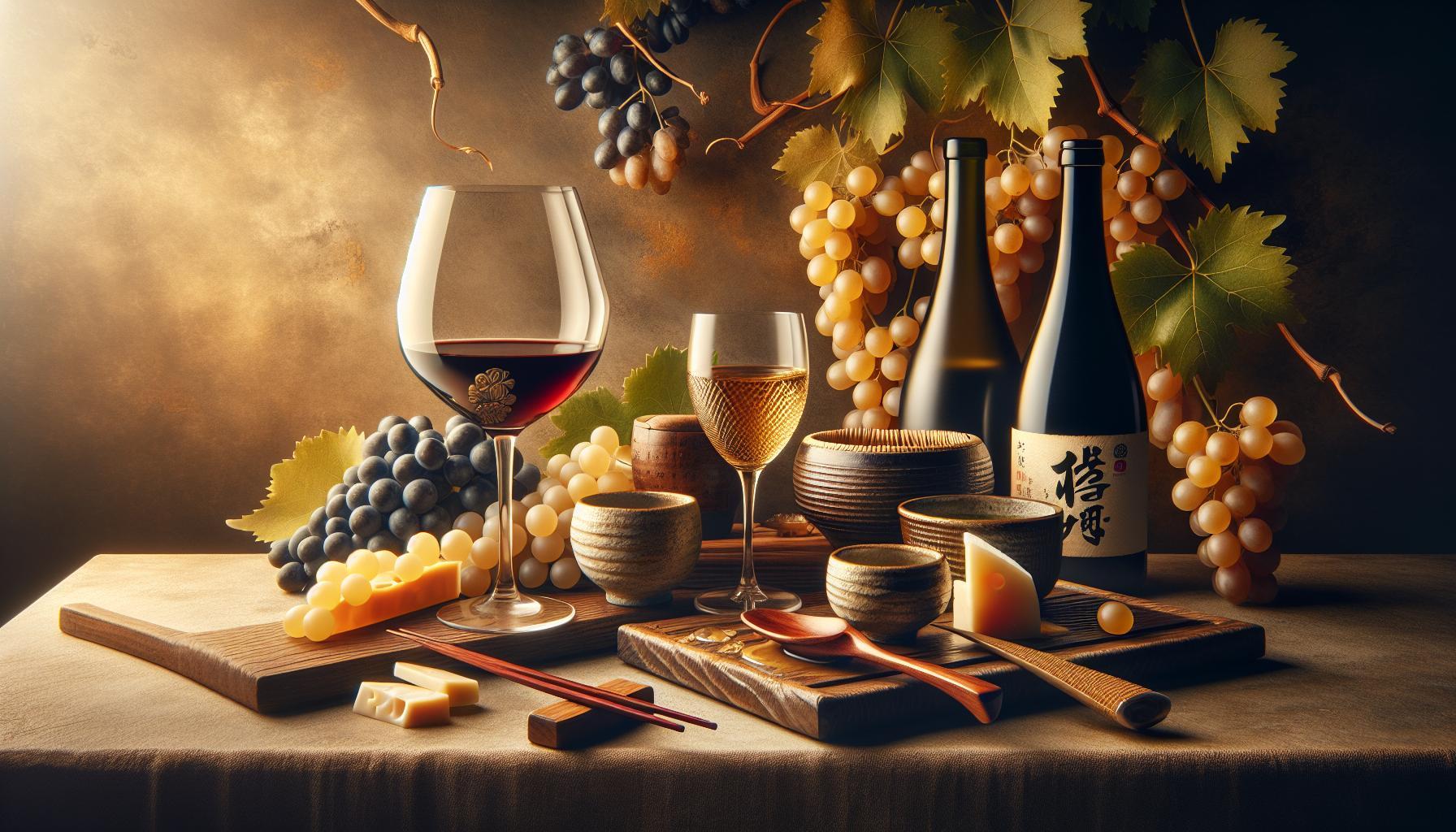

Is sake a wine? This question might seem straightforward, yet it opens a door to a fascinating exploration of cultural distinctions, fermentation methods, and taste experiences. Sake, often described as Japanese rice wine, is distinct in its production, involving the fermentation of polished rice rather than the grapes typically associated with wine.
As you dive deeper into the world of sake, you’ll find it is more than just a beverage; it is a rich tapestry of Japanese tradition, cuisine, and artistry. Understanding sake’s unique classification not only enhances your appreciation of this drink but also connects you to its historical roots and the myriad ways it can be enjoyed. So, pour yourself a glass and join us on this journey to unravel the mystery behind sake’s curious identity within the realm of alcoholic beverages.
Is Sake a Wine? Understanding the Basics
Sake provokes an intriguing question: is it a wine? At first glance, the classification can seem straightforward-after all, it’s often dubbed “rice wine.” However, delving deeper reveals a rich tapestry of production processes that align more closely with brewing than traditional winemaking. To clarify, sake is crafted through fermentation of polished rice, rather than the straightforward fermentation of fruit, as is typical with wine. It embodies unique characteristics that set it apart from wines, inviting enthusiasts to appreciate its nuances.
The brewing of sake involves a delicate dance of ingredients: rice, water, koji mold, and yeast. Koji plays a crucial role, breaking down the starches in the rice into sugars, which are then fermented by the yeast into alcohol. This dual fermentation process is akin to beer brewing, positioning sake in a realm distinct from wine. Traditional wines, on the other hand, rely primarily on the natural sugars in grapes to produce their alcohol content. Thus, while sake might share a serving glass with wine, its creation and flavor profiles straddle the boundaries of both worlds, creating a unique niche in the alcoholic beverage landscape.
To further appreciate sake, one must recognize the artistry in its brewing. Much like wine regions cultivate distinct terroirs, the water source and rice variety employed significantly influence a sake’s character. For instance, sake brewed with soft water often yields a smooth, refined product, while hard water can impart a more robust flavor. As you explore the consciousness of sake brewing, you’ll find that it is an expression of both tradition and innovation, where master brewers, or “toji,” combine centuries-old techniques with modern science.
Understanding sake’s classification not only enhances the tasting experience but also deepens appreciation for its cultural significance. Rather than a mere beverage, sake serves as a vessel of Japanese heritage, celebrating rituals and social connections. As you pour a glass, consider it an invitation to savor both the complexities of its flavor and the rich narrative woven into its creation-from the farm to the festive table, each sip tells a story steeped in history and craftsmanship.
The Art and Science of Sake Brewing
The world of sake brewing is a canvas where ancient traditions intertwine with innovative techniques, creating a beverage that is as complex as it is delightful. From the carefully cultivated rice fields of Japan to the meticulous processes within the brewery, every step in the creation of sake reveals layers of artistry and science. At the heart of brewing sake is a fascinating relationship between ingredients, particularly the crucial role played by koji mold. This unique fungus, known scientifically as Aspergillus oryzae, transforms starches in polished rice into fermentable sugars, a process that is essential to sake production. Unlike wine, which relies on the sugars found naturally in fruit, sake undergoes a simultaneous fermentation process, akin to brewing beer. This intricate technique allows both sugar and alcohol to develop concurrently, producing sake’s distinctive profile.
During the brewing process, seasoned artisans known as toji-master brewers-employ their expertise to guide fermentation through precise temperature control and timing. This hands-on approach ensures that each batch of sake embodies the characteristics that the brew master intends to capture, resulting in a wide spectrum of flavors and aromas ranging from fruity and floral to nutty and savory. As you delve into the world of sake, appreciate the intimate dance between tradition and innovation that each sip represents.

Sake vs. Wine: Key Differences Explained
To the untrained palate, the distinctions between sake and wine might appear subtle, yet a deeper understanding reveals a rich tapestry of differences. First and foremost, the fundamental ingredients diverge significantly. Sake is primarily made from polished rice, while wine is derived from fermented grapes. This seemingly simple difference sets the stage for varied processes and flavor profiles. When rice is polished to create sake, the outer layers, which can introduce bitterness, are removed, allowing the purest starches to ferment. In contrast, winemakers harness the natural sugars found in grapes, capitalizing on the unique flavors that the fruit itself imparts.
The brewing process also presents marked contrasts. Sake utilizes a simultaneous fermentation technique in which starches are converted to sugars and then fermented into alcohol all at once, akin to brewing beer. This process relies on koji mold-specifically Aspergillus oryzae-which plays a crucial role in breaking down rice starches into fermentable sugars. In contrast, wine fermentations are typically sequential; sugars are converted to alcohol through the natural yeast present on grape skins or added during fermentation. This fundamental difference results in varied texture and mouthfeel, with sake often exhibiting a smoother, creamier profile compared to the sometimes sharp and tannic qualities of wine.
Culturally, the beverages carry their own unique significances. Sake is deeply woven into the fabric of Japanese tradition, often served at ceremonies and rituals, symbolizing a spiritual connection with nature and community. Wine, while also rich in culture and history, embodies diverse traditions across many countries, from the vineyards of France to the sprawling estates of Napa Valley. These cultural contexts influence not only how each beverage is consumed but also how it is celebrated and appreciated within their respective societies.
Finally, consider the serving rituals and. While wine enthusiasts may engage in aeration or decanting to elevate the flavors of their favorite vintage, sake can be served chilled, warm, or at room temperature based on the type and desired flavor profile. The appropriate temperature enhances the subtleties of sake, much like how wine benefits from specific serving conditions. This invites a broader exploration of sensory experience, encouraging drinkers to savor each sip mindfully, whether they are appreciating the floral notes in a crisp junmai ginjo sake or the robust character of a red wine. Each beverage is a journey into its own distinct world, inviting exploration, understanding, and, ultimately, appreciation.
Cultural Significance of Sake in Japan
In Japan, sake is more than just a beverage; it is a pivotal part of cultural identity and traditional practice, encapsulating centuries of history and spirituality. The very term “sake” originates from the Japanese word for alcohol, but in the Western context, it specifically refers to the rice drink that has captivated palates around the globe. Sake is omnipresent in Japanese culture, gracing celebrations, rituals, and everyday life, symbolizing both community and connection to the spiritual world.
One of the most profound aspects of sake’s cultural significance lies in its role during rituals and ceremonies. During Shinto ceremonies, for instance, sake is often offered to the gods (kami) to purify the space and the participants. This sacred act underscores the belief that sake possesses a divine quality, bridging the earthly with the heavenly. Festivals such as the New Year’s celebration (Shōgatsu) and weddings cannot be imagined without the ceremonial pouring of sake, where each cup signifies wishes for prosperity and happiness. Sharing sake amongst family and friends during these moments fosters a sense of unity and continuity, making it a vessel of collective memory.
Beyond rituals, the profound care that goes into sake brewing mirrors Japan’s aesthetic principles of simplicity and harmony. The meticulous processes of polishing the rice, nurturing the koji mold, and carefully monitoring fermentation speak to a deep respect for nature and the ingredients used. This artisanal aspect of sake brewing has gained recognition, leading to a cultural revival where traditional methods are celebrated even in contemporary settings. As many sake brewers aspire to maintain their craft’s authenticity, they invite the drinker to not just appreciate the flavor but also to consider the journey from grain to glass.
Food has always been a canvas for cultural expression, and sake plays an integral role in complementing diverse Japanese dishes. With its rich variety of flavor profiles, sake can enhance the dining experience dramatically. From the fragrant notes of a Junmai Ginjo to the umami richness found in aged sakes, each selection prompts a deeper exploration of taste and texture, resonating with the seasonal ingredients of Japanese cuisine. This synergy between food and sake is not just about nourishment; it is about honoring traditions, celebrating craftsmanship, and fostering connections among people seated around the table.
Through these lenses of tradition, artistry, and hospitality, sake emerges as more than just a drink; it is a cultural touchstone that encapsulates Japan’s history and spirit. Whether sipped thoughtfully during a quiet evening or shared exuberantly during festivals, sake invites one deeper into the rich tapestry of Japanese life, making it an essential experience for anyone looking to understand this remarkable culture.
Tasting Notes: Flavor Profiles of Sake
The world of sake is a vibrant tapestry of flavors and aromas, each cup offering a unique expression of its rice, water, and the meticulous processes behind its brewing. Contrary to the common misconception that sake easily fits within the confines of wine, its flavor profiles are far more diverse, echoing the nuances of both rice varieties and brewing techniques. For those willing to explore, each sip can evoke a different story, with tasting notes that reflect centuries of tradition and artistry.
At the heart of sake’s flavor profile lies the rice, which serves not only as the foundation but also infuses the drink with varying degrees of complexity. Junmai sake, for example, is pure rice without any added alcohol. It often presents a robust and full-bodied experience, with rich umami notes that can evoke a comforting warmth akin to freshly cooked rice. On the other end of the spectrum, Ginjo and Daiginjo sakes highlight more elegance and refinement. These premium varieties undergo a thorough polishing process, resulting in delicate floral and fruity notes that beckon from the glass, often likened to a spring bouquet or fresh tropical fruits.
The water, essential to the brewing process, plays a significant role in shaping the taste of sake. Different regions in Japan are endowed with distinct mineral compositions that influence the final product. For example, the soft waters of the Fushimi region in Kyoto impart a soft texture and subtle sweetness to sake, while the hard waters from the northern regions can produce a dryer, sharper flavor. Furthermore, the fermentation process itself, which involves the arrangement of yeast and koji mold, can amplify or mellow flavor notes, leading to sakes that range from the fruity and floral to the earthy and nutty.
When it comes to actual tasting, one should approach sake with an open palate. Typically, the initial sip reveals bursts of flavor ranging from the bright acidity of green apple to the profound earthiness of roasted nuts. The finish often shifts, revealing layers of complexity-perhaps a hint of pepper or a lingering sweetness reminiscent of melon. With chilled sake, the cooler temperature can enhance the crispness and brightness, while warming can coax out richer, deeper flavors, offering yet another dimension to the tasting experience. The more one experiments, the more one uncovers about how temperature influences the perception of each sipper’s beloved sake varietals.
In our journey through the narrative of sake, understanding its flavor profiles is akin to exploring a fine library-each bottle a new chapter, each sip a sentence filled with history, culture, and deep personal connection. So, pour a glass, savor each note, and let the story unfold.
Food Pairings: Enjoying Sake with Cuisine
Exploring the delicate interplay between sake and food reveals a culinary harmony that transcends mere pairing; it is an experience where each element enhances the other. Consider for a moment the exquisite element of umami in sake, a flavor profile often celebrated in Asian cuisines. When you uncork a bottle of Junmai, with its rich, full-bodied character, its complexity sings alongside grilled meats or smoked fish. Imagine the warmth of a perfectly seared teriyaki chicken, paired with a chilled Junmai-each bite reflects the sweetness of the sauce, while the sake’s depth complements the dish’s savory notes, creating a balanced symphony on the palate.
Food Pairing Essentials
The beauty of pairing sake with cuisine lies not only in traditional Japanese dishes but in its versatility across global flavors. Here are some quintessential pairs that invite exploration:
- Sushi and Sashimi: The classic pairing-light, crisp Ginjo or Daiginjo sake elevates the fresh, delicate nature of seafood, enhancing the ocean’s briny kiss.
- Spicy Curries: Off-dry sakes can cool the heat of spicy dishes, such as Thai green curry. The sweetness of a Yamahai or Nigori can contrast beautifully with the spices.
- Cheeses: Aged cheeses surprisingly find harmony with sake; robust varieties like Gorgonzola can contrast nicely with a fruity Junmai Ginjo, while creamy Brie complements a delicate Junmai.
- Grilled Vegetables: Earthy, roasted vegetables resonate with the nutty flavors of aged sake, turning a simple meal into an engaging culinary experience.
As you embark on your sake journey, remember that temperature plays a pivotal role in your tasting experience. Chilled sakes, often associated with fruity and floral notes, are best served alongside lighter fare, while warmed sakes, with their richer and deeper profiles, can accompany heartier dishes, allowing you to savor their complexities fully. The exploration of food and sake pairing becomes a rhythmic dance, where each sip invites another bite, creating a narrative of taste that is both personal and reflective of cultural heritage.
Lastly, engage with this practice as an artist would with their canvas-feel free to experiment, trusting your instincts to guide you towards delightful combinations. Every meal can evolve into a story told through sake, revealing the intricate layers of both the beverage and the dish, turning every gathering into a memorable occasion steeped in shared enjoyment. Let the spirit of discovery lead your culinary adventures, transforming each tasting into an opportunity to appreciate the vibrant culture and history that sake embodies.
The Journey of Sake: From Grain to Glass
From the delicate grains of rice to the intricately crafted bottle, the journey of sake is a profound testament to tradition, artistry, and the alchemy of fermentation. Unlike wine, where the fermentation of grape juice largely defines the final product, sake is an elaborate process that transforms rice, water, yeast, and koji mold into a drink highly revered in Japanese culture. This transformation begins with the careful selection of rice-specific varieties such as Yamada Nishiki or Gohyakumangoku are prized for their quality, as the choice of rice directly influences the flavor and aroma of the sake.
The adventure begins with the polishing of rice, a meticulous process where the outer layers are removed to expose the starchy core. The degree of polishing is critical; the more polished the rice, the finer the sake. For example, a standard Junmai sake must have at least 70% of the grain remaining, while premium sakes like Daiginjo require at least 50%. This rice is then washed, soaked, and steamed-a phase that initiates the intricate dance of fermentation.
The next stage involves koji, a mold that plays a pivotal role in converting starches from the rice into sugars, which are essential for the fermentation process. The skill of the toji, or master brewer, is paramount at this point, as the right conditions must be created for the koji to thrive. Once the koji is prepared, it is combined with yeast and some of the steamed rice in a fermentation tank, where the magic of sake truly occurs.
During fermentation, the mixture undergoes a series of transformations, with yeast converting sugars into alcohol and carbon dioxide. This primary fermentation can last up to three weeks, after which the sake is pressed, filtered, and often pasteurized to stabilize the flavor. The artistry does not stop here, as sake can be further refined through blending and aging processes, each step enhancing the complexity and character. Finally, the sake is bottled, ready to be savored, each sip a culmination of careful craftsmanship and a deep respect for tradition.
As you savor the first taste of sake, consider its journey-not just from grain to glass, but through time and culture. Each bottle holds the stories of those who have cultivated the rice and honed their skills to produce such a beloved beverage, inviting you to join in a tradition that celebrates the harmony of nature and human ingenuity.
Exploring Sake Varietals: A Comprehensive Guide
Delving into the diverse world of sake reveals a rich tapestry of flavors, aromas, and textures, much akin to the varieties found in fine wines. Each type of sake embodies a unique story, tied to its production methods, the rice used, and the meticulous craftsmanship of the brewer. To truly appreciate sake, one must venture beyond its surface characteristics and explore the varietals that define this traditional Japanese beverage.
Sake is primarily categorized based on its production process and the rice polishing rate, which significantly influences the final flavor profile. For instance, Junmai sake, made without the addition of distilled alcohol, presents a robust and full-bodied flavor, showcasing the pure essence of the rice. Its savory umami notes make it a versatile accompaniment to a variety of dishes. On the other hand, Ginjo and Daiginjo sakes have undergone a finer polishing process, yielding a more aromatic and delicate tasting experience. These premium sakes often boast fruity or floral notes, perfect for sipping chilled to experience their complexity fully.
Beyond these categories, there are intriguing sub-varietals that offer distinct experiences. Nigori, or unfiltered sake, presents a cloudy appearance and a creamy mouthfeel, often with sweeter profiles. This makes it an appealing choice for those new to sake, as its approachable flavors can be paired effortlessly with spicy dishes or enjoyed as a standalone treat. Conversely, aged sake, known as koshu, exhibits a depth of character, with rich, mellow flavors that develop over time. These sakes can evoke a sense of nostalgia, inviting reflection on the passage of time and tradition.
As you explore the various types of sake, consider incorporating them into your culinary experiences. For example, pairing a crisp Ginjo with sushi can elevate the freshness of the fish, while a full-bodied Junmai might beautifully complement a hearty ramen or grilled meats. Each sip, whether enjoyed during a casual gathering or a formal dinner, serves as a reminder of sake’s cultural roots and the artistry behind its creation. Embracing the varietals of sake opens up a world of flavors and stories waiting to be discovered, inviting you not just to drink, but to engage in a meaningful exploration of this remarkable beverage.
The Myths and Facts About Sake
It’s a common misconception that sake is simply a type of rice wine, but this description only scratches the surface of its complexity. While both sake and wine are alcoholic beverages made through fermentation, the process and ingredients used in sake production set it apart in significant ways. Sake is produced through a culinary process known as multiple parallel fermentation, where starches from rice are converted to sugars and then to alcohol simultaneously. This intricate method creates a beverage that is fundamentally different from traditional wine, which relies on grape must and a linear fermentation process. Understanding this distinction helps demystify sake and opens the door to a richer appreciation of its myriad expressions.
One prevalent myth is that sake must always be served warm. In reality, sake can be enjoyed at a range of temperatures, from chilled to warm, depending on its type and the drinker’s preference. For example, premium sakes like Ginjo and Daiginjo are often best savored cold to highlight their delicate aromas and flavors, while certain Junmai sakes can offer a comforting experience when warmed. This versatility allows sake to be suitable for various dining experiences, complementing everything from sushi to hearty, savory dishes.
Another misunderstanding is that all sake is sweet. In fact, the flavor profiles of sake can vary widely, influenced by factors such as the rice polishing ratio, yeast strains, and brewing techniques. While some types, like Nigori, may possess a sweeter palate, others, such as Junmai, can exhibit dry and savory qualities. This breadth of flavor options highlights sake’s complexity and invites enthusiasts to explore and discover the rich tapestry of tastes that can be found within this unique beverage.
The cultural significance of sake in Japan is another area where myths abound. Many assume that sake is just a ceremonial drink, but it is deeply woven into the fabric of Japanese society, celebrated at festivals, offered as a toast during special occasions, and enjoyed in casual settings alike. The relationship between sake and food is particularly noteworthy; the Japanese art of pairing sake with cuisine, known as “sakagura,” emphasizes harmony and balance, allowing diners to enhance their meals with the perfect sake selection. By debunking these myths and exploring the truth about sake, we can better appreciate not just the drink itself but the rich heritage it represents.
Sake and Terroir: A Deep Dive
In the world of sake, the concept of terroir plays a pivotal role that rivals the venerable traditions found in the vineyards of France. Terroir, a term often associated with wine, encompasses not just the geography but the entire ecosystem that influences the characteristics of the final product. For sake, this means the interplay of rice, water, climate, and traditional brewing practices unique to a specific region. Each bottle tells the story of its origins, from the pristine waters of the Oita prefecture to the historic rice paddies of Niigata, where snowmelt nourishes the fields and imbues the rice with a distinct flavor profile.
The rice used in sake is a clear reflection of the terroir, much like the grapes in wine. Japanese sake is made predominantly from a special strain of rice known as “shuzokume,” which is cultivated specifically for brewing. The polishing ratio, or the degree to which the rice grains are milled, not only affects purity and flavor but also reveals the essence of the terroir itself. For instance, a daiginjo sake, with its higher polishing ratio, often showcases floral and fruity notes that can be traced back to the rice’s growing conditions-sunny days and cool nights enhance the aromatic compounds, resulting in a more complex flavor.
Another essential component is water. Japan boasts some of the finest brewing water in the world, sourced from mountain springs and wells. The mineral content of this water varies from region to region, impacting the brewing process and, consequently, the taste of the sake. Soft water, rich in magnesium and calcium, is ideal for creating clean, smooth sakes, while harder water can produce bolder, richer flavors that stand up well to food pairings. This relationship echoes the connection between soil and the expression of wines produced in different locales.
The cultural practices surrounding sake brewing also add another layer to the expression of terroir. Many sake breweries maintain century-old traditions that are intimately tied to their local communities, using ancient methods that have been passed down through generations. This reverence for tradition merges with the contemporary, where modern techniques and innovations complement age-old practices, resulting in a unique fusion that honors both the past and present.
Exploring sake through the lens of terroir is not just about the drink itself; it’s an invitation to appreciate the landscapes, agricultural practices, and cultural narratives that shape it. Each sip of sake can transport you to the rice fields of Japan, immersing you in the cadence of local life and the environment from which it emerged. As you raise your glass, consider the journey that brought it to your table-a testament to the artistry and dedication of the brewers who celebrate their land through every carefully crafted bottle.
Crafting Sake at Home: An Introductory Guide
The allure of crafting your own sake at home beckons the adventurous spirit in every fermentation enthusiast. Imagine the satisfaction of watching raw rice transform into a complex, aromatic elixir that not only tells a story of tradition but also reflects your unique touch. With sake, the process appears daunting, but like the finest brews that celebrate the heart of Japanese culture, your home-brewed sake can become a delightful exploration of your personal taste and craftsmanship.
To embark on this journey, you’ll need a few key ingredients and equipment. The essentials include:
- Rice: Look for premium sake rice (such as “shuzokume”), ideally with a high-polishing ratio.
- Water: Use soft water, preferably filtered or bottled, as it plays a crucial role in the final taste.
- Koji: This mold is necessary for saccharification, converting starches into sugars.
- Yeast: Specific sake yeasts (often labeled as sake-kin) will help achieve that aromatic complexity.
- Brewing equipment: A fermentation vessel, a hydrometer, and bottles-simple yet essential.
The process of making sake can be divided into several stages, each requiring your attentive touch. First comes the washing and soaking of rice, where meticulous attention to detail is crucial. Next, the rice goes through a steaming process, followed by inoculation with koji-a step that transforms your humble grains into something truly magical. This is where the art of sake brewing begins to diverge from traditional winemaking, emphasizing the transformative role of koji that unlocks flavors and aromas unique to sake.
Once you’ve let nature run its course through fermentation in a controlled environment, the liquid marvel you’ve labored over begins to take form. Patience is your ally here; the magic of fermentation can take days to weeks, and as you filter and bottle your sake, the culmination of your efforts gives rise to celebrations both intimate and grand. This experience not only enriches your connection to the craft but opens avenues for cultural appreciation, embodying the centuries-old traditions that shape the world of sake.
As you sip your homemade creation, allow the flavors to unfold-notes of fruit, florals, perhaps unexpected umami. This sensory experience not only nurtures your palate but also commemorates the bond between nature and the art of brewing. Your journey, from grain to glass, will resonate not merely as a process but as a profound connection to the world of sake, inviting you to explore deeper within this exquisite realm of fermented delights.
Frequently asked questions
Q: Is sake a wine or beer?
A: Sake is often mistakenly labeled as a wine but is technically more akin to beer. It is brewed from rice, water, yeast, and koji, which distinguishes it from wines made from fermented grapes. Understanding this distinction enhances appreciation for its unique brewing process [1[1].
Q: Why is sake called rice wine?
A: Sake is commonly referred to as rice wine due to its alcoholic nature and its consumption context. However, this term can be misleading as sake undergoes a brewing process similar to beer rather than fermentation like traditional wines. This process involves converting starches from rice into sugars before fermentation [2[2].
Q: What are the main ingredients in sake?
A: Sake consists of four primary ingredients: polished rice, water, yeast, and koji mold. The koji is essential as it helps convert the rice starches into sugars, making fermentation possible. This specific combination of ingredients contributes to sake’s distinctive flavors [1[1].
Q: How is sake different from wine?
A: The main differences between sake and wine lie in their ingredients and production methods. Sake is brewed from rice and involves multiple fermentation processes, while wine is made from fermented grapes. This fundamental difference influences their flavors, aromas, and overall experience [2[2].
Q: Can sake be considered a spirit?
A: While sake is an alcoholic beverage, it is not classified as a spirit. Spirits, such as whiskey or vodka, undergo distillation to achieve higher alcohol content. In contrast, sake is brewed and typically has a lower alcohol content, similar to beer [1[1].
Q: What types of sake are there?
A: There are several types of sake, including junmai, ginjo, and daiginjo, each defined by the rice-polishing ratio and brewing techniques. These types can range in flavor profiles from fruity and floral to earthy and rich, providing a wide array of tasting experiences [3[3].
Q: How should sake be served?
A: Sake can be served chilled, at room temperature, or warmed, depending on the type and personal preference. Delicate flavored sakes are often enjoyed cold to preserve their aromas, while richer varieties can be savored warm, enhancing their textures. Exploring different serving styles can deepen your sake experience [2[2].
Q: What food pairs well with sake?
A: Sake pairs beautifully with various foods, especially Japanese cuisine like sushi, sashimi, and grilled dishes. Its versatility allows it to complement different flavors, making it a wonderful choice for culinary exploration beyond traditional pairings [2[2].
Future Outlook
As you explore the intricacies of sake, we’ve uncovered its unique identity and rich cultural backdrop-distinguishing it from what we typically perceive as wine. Sake, a product of meticulous fermentation and craftsmanship, invites you to embrace its complexities and discover an entirely new dimension to your drinking experience. Don’t let this intriguing beverage remain a mystery; now is the perfect time to step outside your comfort zone and indulge in the world of sake.
For further insights, dive into our detailed guides on the different types of sake to try and the best ways to serve it-whether hot or cold. If you’re eager to broaden your palate, don’t miss our articles on cocktail recipes that highlight sake’s versatility and charm. Join our community by signing up for our newsletter to stay updated on the latest in sake and other unique beverages. Remember, the world of sake awaits you, and your next memorable tasting experience is just a click away!