Prosecco, the sparkling wine beloved by many, often sparks curiosity about its sweetness. With its origins in the sun-soaked hills of Italy’s Veneto region, this effervescent delight offers a spectrum of taste profiles, from crisp and dry to luxuriously fruity. Understanding whether Prosecco leans toward sweetness is essential for wine lovers and casual sippers alike, as it influences food pairings and moments of enjoyment.
As you explore this bubbly world, you’ll find that the question of sweetness relates to personal preference and culinary context, making it important for crafting the perfect experience. Whether you’re planning an elegant soirée or a relaxing afternoon with friends, knowing Prosecco’s characteristics can enhance your choices and elevate your gatherings. Join us as we delve into Prosecco’s taste profile and discover inspired pairing suggestions that will tantalize your palate and enrich your wine journey.
Is Prosecco Wine Sweet? Understanding Taste Profiles
Prosecco, with its effervescent charm and lively spirit, often invites the question: is this sparkling wine sweet? The answer, while not entirely straightforward, can be nuanced. Prosecco is typically classified as a dry wine, yet it frequently presents a delightful fruitiness that can give the perception of sweetness. This playful balance is primarily due to the Glera grape used in its production, which tends to express flavors reminiscent of ripe fruit, such as pear, apple, and even floral notes.
When exploring Prosecco’s sweetness levels, it’s helpful to consider the different styles available. The sweetness in Prosecco is categorized into several designations ranging from Brut (very dry) to Demi-Sec (moderately sweet). A Brut Prosecco typically features less than 12 grams of residual sugar per liter, presenting a crisp, refreshing taste that emphasizes its acid-driven qualities. Conversely, a Demi-Sec, with 17 to 35 grams of residual sugar, offers a softer, sweeter drinking experience, perfect for pairing with desserts or enjoying on its own. Understanding these classifications can enhance one’s enjoyment by aligning personal taste preferences with the right Prosecco selection.
The experience of tasting Prosecco can vary dramatically based on its sweetness level. For instance, a dry Brut Prosecco might entice the palate with its zesty acidity and clean finish, while a sweeter variant would linger with a richer mouthfeel and softer finish, inviting one to savor each sip. This spectrum of flavors and textures allows Prosecco to shine in various contexts, making it a versatile choice whether enjoyed as an aperitif or paired with a sumptuous meal. By contemplating these characteristics and styles, wine lovers can truly appreciate the depth and diversity that Prosecco offers, transcending its initial image as merely a refreshing bubbly.
In the realm of food pairing, sweet and dry Prosecco can find their perfect accompaniments. The crispness of a Brut aligns beautifully with seafood, light salads, and even cheese, whereas a Demi-Sec’s sweetness complements desserts like fruit tarts or creamy cheeses. By exploring these options, one can transform the experience of enjoying Prosecco into a delightful culinary adventure, perfectly marrying the wine’s vibrant character with the flavors of the dish at hand.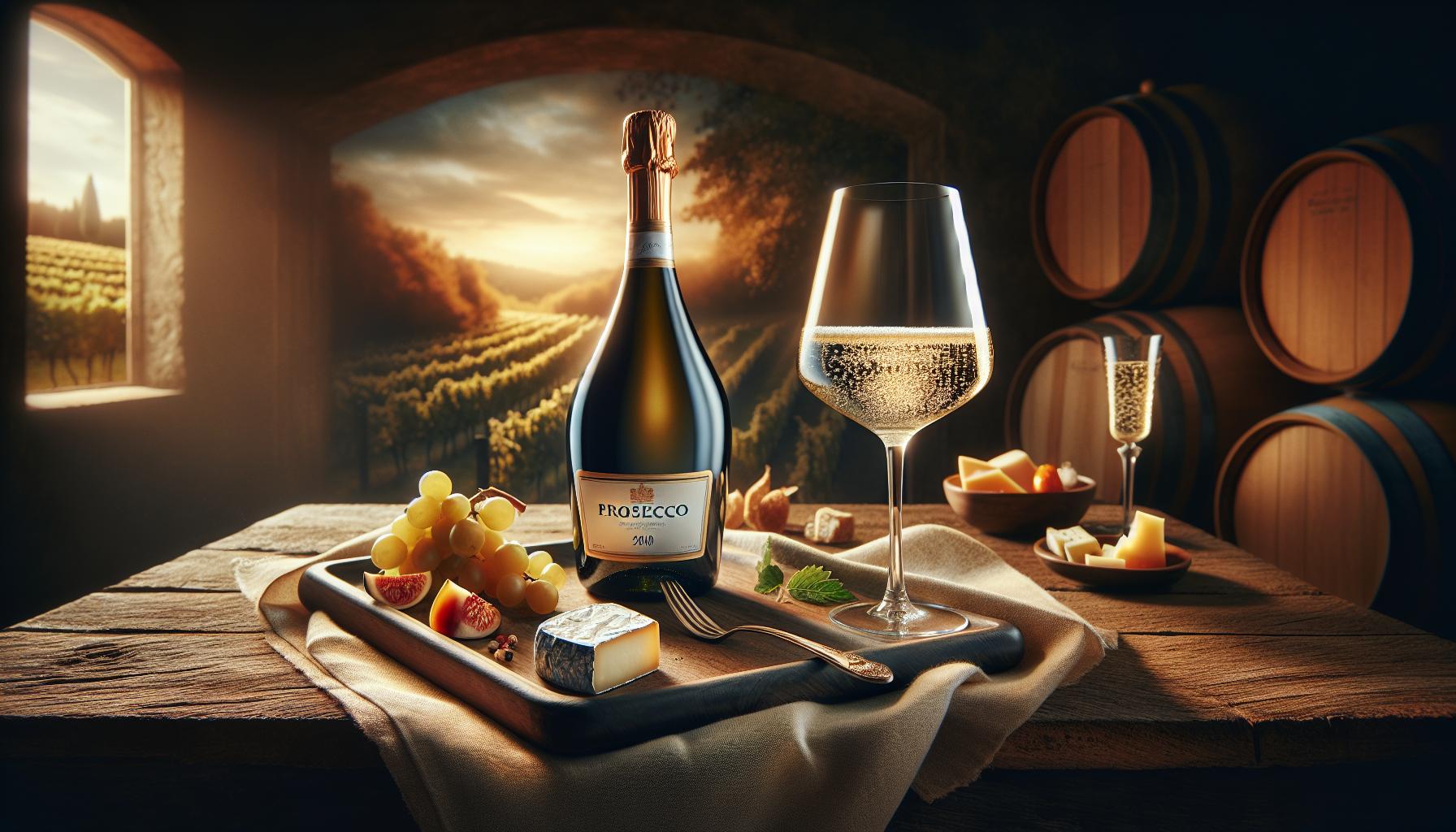
The Distinct Characteristics of Prosecco
Prosecco is often celebrated for its refreshing qualities, making it a favorite choice for various occasions, particularly for brunches and festive toasts. This sparkling wine, primarily produced in the Veneto region of Italy, is crafted mostly from the Glera grape, known for its bright acidity and aromatic profile. The tantalizing interplay of freshness and fruitiness in Prosecco is what makes it distinctive. This effervescent delight often exhibits notes of yellow apple, honeysuckle, and pear, evoking a sense of springtime in each sip. One cannot ignore how these aromas elevate the drinking experience, inviting enthusiasts to delve deeper into its characteristics.
The sparkling nature of Prosecco is not solely credited to its flavors but also to its production method. Typically crafted using the Charmat method (or tank method), where secondary fermentation occurs in large tanks rather than in individual bottles, this technique preserves the wine’s fresh fruit characteristics while imparting a lively effervescence. This gentler approach to carbonation ensures that the delicate floral and fruity notes remain vibrant, enhancing its appeal as a delightful aperitif or an accompaniment to various dishes.
Moreover, the versatility of Prosecco shines when considering the sweetness scales it occupies. This wine can range from the crisp and zesty Brut style, often enjoyed by those who prefer a drier palate, to the softer and sweeter Demi-Sec, which can be a sumptuous choice for dessert lovers. Understanding these classifications helps aficionados navigate the vast landscape of Prosecco offerings, allowing them to match specific styles to personal tastes or culinary pairings.
A delightful adventure lies in exploring how different Prosecco styles can elevate food pairings. For instance, the zesty, mineral qualities of a Brut Prosecco harmonize wonderfully with seafood dishes or light antipasti, while a more delicate and sweeter version can complement rich desserts, such as a zesty lemon tart or a creamy cheesecake. Each sip becomes a journey through flavors, connecting the wine to the dishes on the table, blending taste, texture, and aroma in a beautifully curated dining experience. Thus, invite both new enthusiasts and seasoned drinkers to indulge in a world where every glass reflects not just the skill of the winemaker but also the vibrant culture of Italy itself.
Exploring the Sweetness Levels in Prosecco
Prosecco, cherished for its lively bubbles and approachable charm, offers a delightful spectrum of sweetness levels that cater to a range of palates. The sweetness in Prosecco is not a one-size-fits-all affair; rather, it is a nuanced attribute that reflects the winemaker’s intention and the grape’s inherent qualities. This sparkling wine is classified into several categories based on the residual sugar content, which is vital for those looking to explore everything from a crisp, dry sip to a luscious, dessert-friendly glass.
Among the most common designations, we find Brut and Extra Dry at the drier end of the spectrum. Brut Prosecco contains less than 12 grams of residual sugar per liter, making it an excellent choice for enthusiasts who prefer clean, fresh flavors. Often characterized by green apple, pear, and floral notes, a Brut Prosecco pairs exquisitely with seafood dishes or a vibrant salad. Shifting slightly sweeter, the Extra Dry style may surprise many-labeled “dry” yet containing 12-17 grams of residual sugar, it brings in a bit more fruitiness, making it a versatile companion for antipasti or light pasta dishes.
As we dive further into sweetness, we encounter Dry and Demi-Sec Prosecco, which cater to those with a penchant for a softer, more indulgent palate. The Dry category, with 17-32 grams of sugar per liter, introduces a hint of richness without overwhelming the senses, serving as an ideal match for mildly sweet desserts such as fruit tarts or creamy cheeses. On the other hand, Demi-Sec, which can contain up to 50 grams of residual sugar, presents a luxurious option perfect for celebrating special occasions or for those with a strong affinity for sweeter wines. The lush, honeyed notes of Demi-Sec Prosecco beautifully complement rich desserts, like cheesecakes or chocolate mousse, inviting you to savor each sip as you indulge in culinary delights.
Understanding these classifications not only enhances your Prosecco experience but also opens up a world of pairing possibilities that elevate your meals. Each sweetness level tells a story-reflecting personal taste and culinary context, establishing Prosecco as not just a drink but a celebration of life’s flavors. So, whether you lean towards the dry or sweet, there’s a Prosecco waiting to be discovered that resonates with your palate, enhancing every toast and gathering.
Comparative Analysis: Prosecco vs. Other Sparkling Wines
The sparkling wine world is a vibrant tapestry of flavors and styles, each offering its own unique experience, yet few manage to capture the spirit and playfulness of celebration quite like Prosecco. Originating from the picturesque Veneto region in Italy, this effervescent delight is frequently compared to other sparkling wines, notably Champagne and Cava. While all these wines share the same bubbly joy, their flavor profiles, production methods, and sweetness levels reveal a fascinating array of distinctions that can beautifully complement an array of culinary adventures.
Prosecco stands out primarily due to its approachable sweetness levels and refreshing characteristics. As we’ve discussed, the varying sweetness of Prosecco, from the crispness of Brut to the lusciousness of Demi-Sec, caters to a diverse range of palates. In contrast, Champagne tends to exude a more complex, often toasty flavor due to its lengthy maturation process, which typically involves secondary fermentation in the bottle, known as the traditional method or Méthode Champenoise. This method imparts a depth of flavor that can include notes of brioche and nuttiness, presenting a more refined profile suitable for more formal occasions. Conversely, when one thinks of Cava, the focus shifts to its production method-also utilizing a traditional approach, yet predominantly crafted from indigenous Spanish grapes like Macabeo and Xarel.lo. Cava usually delivers a brighter acidity and drier finish, with less emphasis on sweetness compared to its Italian counterpart.
From a pairing perspective, each sparkling wine brings something delightful to the table. Prosecco, with its fruity and floral aromas, dances gracefully alongside anti-pasti platters, light pasta dishes, and even Asian cuisine, as its effervescence cleanses the palate between bites. Champagne, being the refined paragon of celebratory wines, pairs beautifully with richer foods such as oyster delicacies and buttery dishes, enhancing both flavors through its toasted intricacies. Meanwhile, Cava, with its zesty lime and apple notes, presents a refreshing contrast to salty tapas or charcuterie, providing a spirited boost to any gathering.
Ultimately, the choice between Prosecco, Champagne, and Cava can hinge on the occasion and your personal flavor preferences. Whether you lean toward the bright, jovial nature of Prosecco, the sophisticated allure of Champagne, or the vivacious zest of Cava, each pour offers an invitation to explore new sensations, awaken your senses, and foster connections with friends and family. So grab a glass, let the bubbles tickle your senses, and revel in the wonderfully diverse world of sparkling wines.
Tasting Notes: Flavors and Aromas of Prosecco
Prosecco enchants the senses with its vibrant personality, offering a fragrance that speaks of sun-drenched vineyards and the lively spirit of Italian gatherings. As you draw closer to the glass, the bouquet emerges-delicate notes of green apple, honeysuckle, and peach dance playfully in the air, teasing the palate before the first sip. This sparkling wine generally possesses a lively acidity that invigorates while also delivering a sweet undertone that can vary significantly across its diverse styles.
The flavor profile of Prosecco is often marked by its fruity and floral character, with each sip revealing layers of juicy pear, citrus zest, and hints of almond. The sweetness can range depending on the sweetness level, from the dry Brut to the sweeter Extra Dry and Demi-Sec varieties, creating a versatile drinking experience. The effervescence brings a refreshing sensation that accentuates its flavor, making it an ideal companion for both celebratory occasions and casual afternoons.
When it comes to tasting notes, consider the nuances that can emerge depending on the vineyard and production methods. The cool climate of the Veneto region bestows a crispness and purity to the Glera grape, often resulting in wines that express their terroir beautifully. The sparkling nature of Prosecco also allows for playful combinations in flavors, such as hints of tropical fruit and the intriguing minerality reminiscent of the region’s rich soil.
- Fruity notes: Green apple, ripe peach, and citrus.
- Floral aromas: Honeysuckle and acacia.
- Underlying notes: Almond and a slight hint of brioche.
This delightful combination of aromas and flavors emphasizes not just the wine’s sweetness but also its refreshing side, arming it with the versatility to pair beautifully with an array of cuisines. As you explore the world of Prosecco, each glass becomes an invitation to celebrate not only the wine itself but the shared moments that unfold with it-each bubble a reminder of life’s simpler pleasures.
Understanding the Production Process of Prosecco
In the enchanting realm of sparkling wines, the production of Prosecco stands out not only for its delightful effervescence but also for its dedication to craftsmanship and tradition. The journey of Prosecco begins in the sun-kissed vineyards of the Veneto region of Italy, where the Glera grape is meticulously cultivated. This grape is the heart and soul of Prosecco, thriving in the region’s unique climate, which imparts the crisp freshness and aromatic complexity that define this beloved wine.
The production process employs the Charmat method, a technique that sets Prosecco apart from traditional sparkling wines made via the méthode champenoise. In the Charmat method, after primary fermentation converts the grape juice into a base wine, the secondary fermentation occurs in large stainless steel tanks rather than individual bottles. This approach not only preserves the fruity and floral aromas but also allows for quicker production, making it possible to meet the growing international demand for this sparkling delight.
The Role of Terroir
The influence of terroir is profound in the crafting of Prosecco. The vineyards are often located on hillsides, benefiting from optimal sun exposure and well-drained soils. This geographical advantage contributes to the grape’s development, enhancing the natural acidity and sugar levels that eventually lead to the diverse sweetness profiles in Prosecco. Varietals are picked at their peak ripeness, ensuring that they possess the right balance of flavors essential for the final product.
Fermentation and Aging
Once the primary fermentation concludes, it’s time for the transformation that characterizes sparkling wines. The base wine is blended, and the addition of sugar and yeast starts the second fermentation, which produces carbon dioxide. This gas remains trapped in the tank, creating the characteristic bubbles. Afterward, the wine is filtered and bottled under pressure, locking in the effervescence that dances upon the palate. Aging can take place to enhance complexity, although most Prosecco is enjoyed young to highlight its fresh, fruity charms.
Through this enchanting process, producers harmonize nature and technique, ensuring each bottle of Prosecco embodies the essence of its origin. It’s a craft that invites moments of celebration, as each sip not only delights the senses but also tells a story of the land and the traditions passed down through generations. By understanding this intricate production process, wine lovers can appreciate the delicate balance of sweetness and acidity that makes Prosecco a versatile complement to everything from light appetizers to more complex dishes, enriching both meals and memories alike.
Food Pairing Suggestions for Prosecco Lovers
The effervescent charm of Prosecco extends beyond its delightful bubbles; it invites culinary exploration that can elevate any occasion. One of the captivating aspects of this Italian sparkling wine is its versatility, making it an ideal partner for a wide array of dishes-from light starters to more substantial fare. The overall freshness and varying sweetness levels of Prosecco allow it to be paired beautifully with different flavors, contributing to a memorable dining experience.
When considering food pairings, it’s insightful to focus on Prosecco’s flavor profile, which often features bright notes of green apple, honeysuckle, and pear, alongside a crisp acidity. These characteristics make it an excellent match for seafood dishes, particularly those that are lighter, such as grilled fish or shrimp cocktail. The acidity in Prosecco cuts through the richness, cleansing the palate while complementing the delicate flavors of the seafood.
Cheese also finds a harmonious companion in Prosecco. Soft cheeses like Brie or fresh goat cheese benefit from the wine’s effervescence, providing a delightful textural contrast. Likewise, a charcuterie board filled with prosciutto, salami, and an assortment of olives pairs wonderfully, as the wine’s sweetness enhances the umami flavors of the cured meats, creating a balanced tasting experience.
For heartier dishes, consider pairing Prosecco with creamy pasta or risotto, where the refreshing quality of the wine offsets the richness of the sauce. Dishes like a lemon-butter pasta or risotto with peas and mint can create a beautiful synergy, allowing the wine to highlight the freshness of the herbs and vegetables used.
As you explore these pairings, remember that Prosecco is not just a beverage but a cultural experience, often shared among friends and family. Its role in celebrations and gatherings makes it a wine that invites stories and memories to be woven into each meal, encouraging a sense of connectedness. Enjoying a glass of Prosecco while savoring delightful dishes encapsulates the joy that this sparkling wine embodies-making every sip a toast to life’s special moments.
Exploring Different Prosecco Styles and Variants
Prosecco’s allure lies not only in its sparkling effervescence but also in the diverse styles and variants it offers, each with its own unique characteristics and potential for delight. Predominantly made from the Glera grape, Prosecco can take on different forms, showcasing a range of textures, sweetness levels, and flavor profiles that cater to various palates and occasions. Understanding these distinctive styles allows wine lovers to select the perfect bottle for any setting, enriching their experiences with this celebrated Italian sparkling wine.
In the world of Prosecco, the primary classifications are Spumante and Frizzante. Spumante is the fully sparkling version, lively and effervescent with robust bubbles. This style is perfect for celebrations, uplifting the mood with its playful fizz. On the other hand, Frizzante has a gentle sparkle, offering a softer carbonation that is equally delightful but more approachable for casual sipping. It can sometimes pair beautifully with lighter fare or be enjoyed solo on a sunny afternoon.
Beyond these fundamental categories, Prosecco also presents opportunities to explore sweetness levels, which can range from Brut, the driest form, to Extra Dry and Dry. Interestingly, despite its name, Extra Dry Prosecco often has a touch more residual sugar than Brut, leading to a subtle sweetness that many find refreshing. This delightful imbalance creates a perfect foil for a variety of foods, from salty snacks to spicy dishes. For those who enjoy a sweeter sip, look for bottles labeled as Dry or Demi-Sec, which present a lusher experience while maintaining a lovely acidity characteristic of Prosecco.
When venturing beyond the standard styles, consider the stunning offerings crafted under the Conegliano Valdobbiadene Prosecco Superiore Denomination. This designation reflects the highest quality Prosecco, produced in a specific area that is known for its unique terroir. Wines from this region often demonstrate a richer complexity and an expressive character, making them worthy of any special occasion. Additionally, limited-production and vintage options can reveal nuanced flavor profiles and aromas, tracing the distinctiveness of each harvest and reflecting the craftsmanship of celebrated producers.
As you explore the diverse styles of Prosecco, allow each glass to showcase its story and the intricate craftsmanship involved in its creation. The beauty of Prosecco lies in its versatility; whether you craft a refreshing cocktail or savor it alone, each variant invites you to celebrate life’s moments-big or small-through its effervescent charm.
The Cultural Significance of Prosecco in Italy
Prosecco’s cultural significance in Italy transcends the realm of wine; it is woven intricately into the fabric of Italian life, symbolizing celebration, togetherness, and la dolce vita. Imagine a sun-drenched afternoon in Venice or a lively gathering in a bustling piazza, where the sound of clinking glasses and laughter fills the air. Prosecco, often the centerpiece of these convivial moments, embodies the spirit of Italian hospitality and joy. This sparkling wine has evolved from a local secret to an international favorite, marking milestones, from engagements to casual brunches with friends, accentuating the moments that matter.
Within Italy, Prosecco is more than just a drink; it’s a story of tradition and terroir. The denominations of Conegliano Valdobbiadene and Asolo Prosecco, both located in the northeastern part of the country, signify more than geographic boundaries; they highlight a commitment to quality and an appreciation for the unique climate and soils that nurture the Glera grape. These regions, characterized by steep vineyards and rich biodiversity, cultivate a sense of pride among local producers, who often engage in sustainable practices to maintain the health of their land. The emphasis on local farming and production not only supports the community but also ensures each bottle of Prosecco tells a story of its place of origin, with tasting notes that echo the lush hillsides and gentle breezes of the region.
Sharing a glass of Prosecco is a ritual steeped in Italian culture, marking significant life events and everyday pleasures alike. It invites a moment of pause, encouraging people to savor not just the drink but the experience of companionship it fosters. Whether enjoyed alongside a plate of cicchetti in a Venetian bacaro or paired with a classic pasta dish in a cozy trattoria, Prosecco enhances the flavors of Italian cuisine, bridging the gap between food and community. The sweetness levels in Prosecco, often debated among enthusiasts, reflect the diversity of palates and the richness of Italian culinary tradition, allowing for versatile pairings that cater to both sweet and savory lovers.
In the ever-expanding world of gastronomy, prosecco has carved itself a firm place as a versatile companion to culinary creations, from the traditional to the avant-garde. As food and wine cultures continue to intermingle, the role of Prosecco evolves, enriching personal and collective narratives within Italy and beyond. Choosing the right Prosecco, whether for a quiet dinner or a festive gathering, is a reflection of understanding not just the wine itself, but the traditions and celebrations that it accompanies. So, as you raise your glass, remember that with every sip of Prosecco, you partake in a greater story-a celebration of life, love, and the simple joys that make it all worthwhile.
Tips for Choosing the Perfect Prosecco
Choosing the right Prosecco can transform an ordinary gathering into a sparkling celebration. With its playful bubbles and refreshing taste, this Italian gem offers a delightful experience that can suit various occasions and palates. However, navigating the myriad options available can be a little daunting. To guide you in selecting the perfect Prosecco, consider the following tips that balance taste, occasion, and personal preference.
Understanding Sweetness Levels
The sweetness of Prosecco ranges from *Brut* (very dry) to *Demi-Sec* (sweeter). This classification can significantly influence your experience. If you prefer a crisp, dry taste that pairs well with savory dishes, opt for a Prosecco labeled *Brut*. Conversely, if you’re looking for something sweeter to accompany desserts or fruit, a *Demi-Sec* might be more to your liking. When in doubt, tasting before purchasing can be a great way to find your preferred level of sweetness.
Exploring Regional Variations
Prosecco hails primarily from the Veneto and Friuli-Venezia Giulia regions of Italy, with the *Conegliano Valdobbiadene* and *Asolo* areas being known for superior quality. Look for bottles from these regions for a more refined experience. The terroir imbues these wines with distinct characteristics, influenced by local climate and soil. For instance, Prosecco from Conegliano will often have floral and fruity notes, while those from Asolo may lean toward a nuttier profile.
Examining the Label
Pay attention to specific designations on the label. Look for *DOCG* (Denominazione di Origine Controllata e Garantita), which indicates a higher quality, as these wines must meet stricter production standards. Additionally, consider if you want a non-vintage (NV) Prosecco, which blends different vintages for consistency, or a vintage Prosecco, which can offer a more unique taste experience reflective of a particular year’s climate.
Pairing with Food
Think about what you’ll be enjoying alongside your Prosecco. Its effervescence makes it a natural pairing for a wide range of foods, from light salads and seafood to rich cheeses and spicy cuisines. If you’re serving appetizers or a light pasta dish, a dry Prosecco will enhance the flavors harmoniously. For a sweet conclusion to your meal, consider a sweeter variant that can stand alongside fruit desserts or pastries.
With these considerations in mind, you can confidently explore the sparkling world of Prosecco, elevating your tasting experience and bringing joy to your celebrations. Each bottle is a testament to Italian craftsmanship, waiting to add a sparkle to your moments shared with family and friends.
With each glass: Personal Stories and Reflections on Prosecco
A glass of Prosecco is like a sparkling invitation to linger in moments of joy and connection. With its refreshing effervescence and varied sweetness levels, this delightful wine allows for countless personal stories, each sip conjuring memories and experiences that transcend the ordinary. From an impromptu summer picnic in the park to a cozy gathering on a winter’s evening, Prosecco sets the stage for shared laughter and celebration.
In my own experience, I remember my first encounter with Prosecco-a sunny afternoon at a friend’s garden party. As we toasted with chilled glasses, the bubbles danced playfully, igniting a simple gathering into a joyful celebration. One sip transported me to the sun-soaked vineyards of Veneto, enveloped by the gentle aromas of pear and honeysuckle. It was then I realized how the right drink could elevate not only our meals but also our connections with one another, amplifying the laughter and deepening discussions.
As you explore Prosecco, think about how sweetness can mirror your tastes and preferences in those shared moments. For instance, the crispness of a Brut Prosecco might remind you of a celebratory brunch with friends, perfectly paired with savory quiches. In contrast, a Demi-Sec Prosecco, sweeter and more luscious, can evoke cozy evenings with dessert platters that bring loved ones closer. It is an essential aspect of enjoying Prosecco: learning to appreciate how the wine complements not just our taste buds, but our shared stories.
In every bottle, there’s a piece of Italy’s cultural tapestry, infusing each gathering with a sense of heritage and warmth. Next time you pop open a bottle, pause to savor not just the flavors but also the moments and reflections that unfold with each glass. Whether it’s a refined vintage style or a vibrant non-vintage, let Prosecco be your companion in celebrating life’s many chapters, transforming ordinary instances into extraordinary memories.
FAQ
Q: Is Prosecco wine sweet or dry?
A: Prosecco is primarily a dry sparkling wine, often noted for its light sweetness on the palate, particularly in lower quality variants. Most iterations are classified as “brut,” which means they contain a minimal amount of sugar, providing a refreshing and lightly fruity experience.
Q: What is the taste profile of Prosecco?
A: Prosecco typically features a light-bodied profile with fruity notes such as green apple, pear, and citrus, complemented by floral undertones. Its effervescence enhances its lively character, making it an enjoyable choice for many occasions [1[1].
Q: How does Prosecco compare to Champagne in terms of sweetness?
A: While both Prosecco and Champagne can be dry, Champagne often has a richer profile due to its aging process and use of different grape varieties. Prosecco tends to be lighter and fruitier, with a slightly sweeter finish, particularly in the frizzante style [2[2].
Q: What foods pair well with Prosecco?
A: Prosecco’s vibrant acidity and fruity notes make it ideal for pairing with light dishes such as seafood, salads, or spicy Asian cuisine. It also complements creamy cheeses and fruity desserts, enhancing the overall dining experience [3[3].
Q: What styles of Prosecco are available?
A: Prosecco is primarily available in two styles: “spumante,” which is fully sparkling, and “frizzante,” which is semi-sparkling. Both styles showcase the wine’s refreshing qualities, with spumante being more effervescent and frizzante offering a softer bubble [1[1].
Q: Does Prosecco come in different sweetness levels?
A: Yes, Prosecco is classified into different sweetness levels, with “brut” being the driest and “dry” containing slightly more sweetness. The label “extra dry” may also be seen, which surprisingly indicates a moderately sweet style, making the distinctions important for choosing based on personal taste [2[2].
Q: When is the best time to enjoy Prosecco?
A: Prosecco is versatile and can be enjoyed at any time-ideal for celebrations, brunch, or as a refreshing aperitif before a meal. Its approachable flavor profile makes it suitable for casual gatherings and formal occasions alike [3[3].
Q: Can Prosecco be used in cocktails?
A: Absolutely! Prosecco adds a delightful sparkle and fruity flavor to cocktails. It’s commonly used in mimosas, Bellinis, or simply topped with fruit for a refreshing spritz, enhancing its enjoyment while showcasing its effervescent charm [1[1].
Feel free to explore more about Prosecco and its unique characteristics to enhance your appreciation for this delightful Italian wine!
Key Takeaways
As you explore the delightful world of Prosecco, remember that its taste can range from crisp and dry to surprisingly sweet, offering a perfect companion for various occasions. Whether you’re savoring a glass on a sunlit terrace or pairing it with your favorite seafood, understanding Prosecco’s sweetness and taste profile enhances your experience and appreciation of this Italian gem. Dive deeper into our articles on food pairings for sparkling wines and the history of Prosecco to further enrich your journey through this captivating subject.
Don’t hesitate-share your thoughts in the comments below, and let us know your favorite Prosecco pairings or tasting experiences! And if you’re keen to discover more delightful wine options, subscribe to our newsletter for the latest tips and updates. Cheers to your next bubbly adventure!
Get our latest guides, news, and insights highlighted in your Google Search & AI Overviews.