


Imagine transforming your leftover red wine into a tangy, flavorful red wine vinegar-a kitchen alchemy that not only reduces waste but enhances your culinary adventures. Making red wine vinegar at home is easier than you might think, allowing you to infuse your dishes with vibrant acidity and depth of flavor.
In today’s guide, we’ll explore the simple steps to create this versatile condiment, revealing how a few basic ingredients can lead to rich, complex flavors that elevate everything from salad dressings to marinades. Whether you’re a seasoned chef or a curious beginner, this process invites you to engage with your food and embrace the simple joys of fermentation. As you continue reading, you’ll uncover not just the method, but also the history and culture surrounding this beloved pantry staple, enriching your kitchen experience.
How Red Wine Becomes Vinegar: The Science Behind It
The transformation of red wine into vinegar is a fascinating alchemical process that draws upon both natural fermentation and the principles of biology. At the heart of this transformation lies a simple yet powerful microbial reaction. When red wine is exposed to air, the alcohol within it attracts microorganisms, primarily Acetobacter, the bacteria that convert ethanol (the alcohol in wine) into acetic acid-what we recognize as vinegar. This process requires some patience and the right conditions; the presence of oxygen is crucial as it fuels the aerobic bacteria.
As the Acetobacter gets to work, it metabolizes the alcohol, breaking it down into acetic acid through a two-step oxidation process. First, the ethanol is oxidized to acetaldehyde, and then further oxidized to acetic acid. It’s a mesmerizing journey that transforms the delightful flavors of wine into the tangy zip of vinegar. Depending on the wine’s initial flavor profile, the resulting vinegar can range from fruity and floral to rich and complex, embodying the essence of the original wine while introducing a new character all its own.
The environmental factors playing into this process are equally critical. Temperature, light, and even the type of vessel used can significantly affect the outcome. Ideally, vinegar fermentation occurs in a slightly warmer environment (around 60-80 degrees Fahrenheit), which encourages the growth of the beneficial bacteria while suppressing undesired microbial activity. Many home vinegar makers swear by using wooden barrels or specially designed vinegar mother jars. A mother of vinegar, a gelatinous mass of Acetobacter, often forms naturally during fermentation and can be used to kickstart subsequent batches.
In summary, making red wine vinegar is an art steeped in science, requiring just the right combination of ingredients, time, and environmental conditions to create a culinary staple that not only enhances dishes but also carries with it the stories and flavors of the original wine. As you embark on this flavorful journey, remember that the delightful unpredictability of the fermentation process is what often leads to the most rewarding outcomes-both in taste and in rich, culinary discovery.
Essential Equipment for Homemade Vinegar
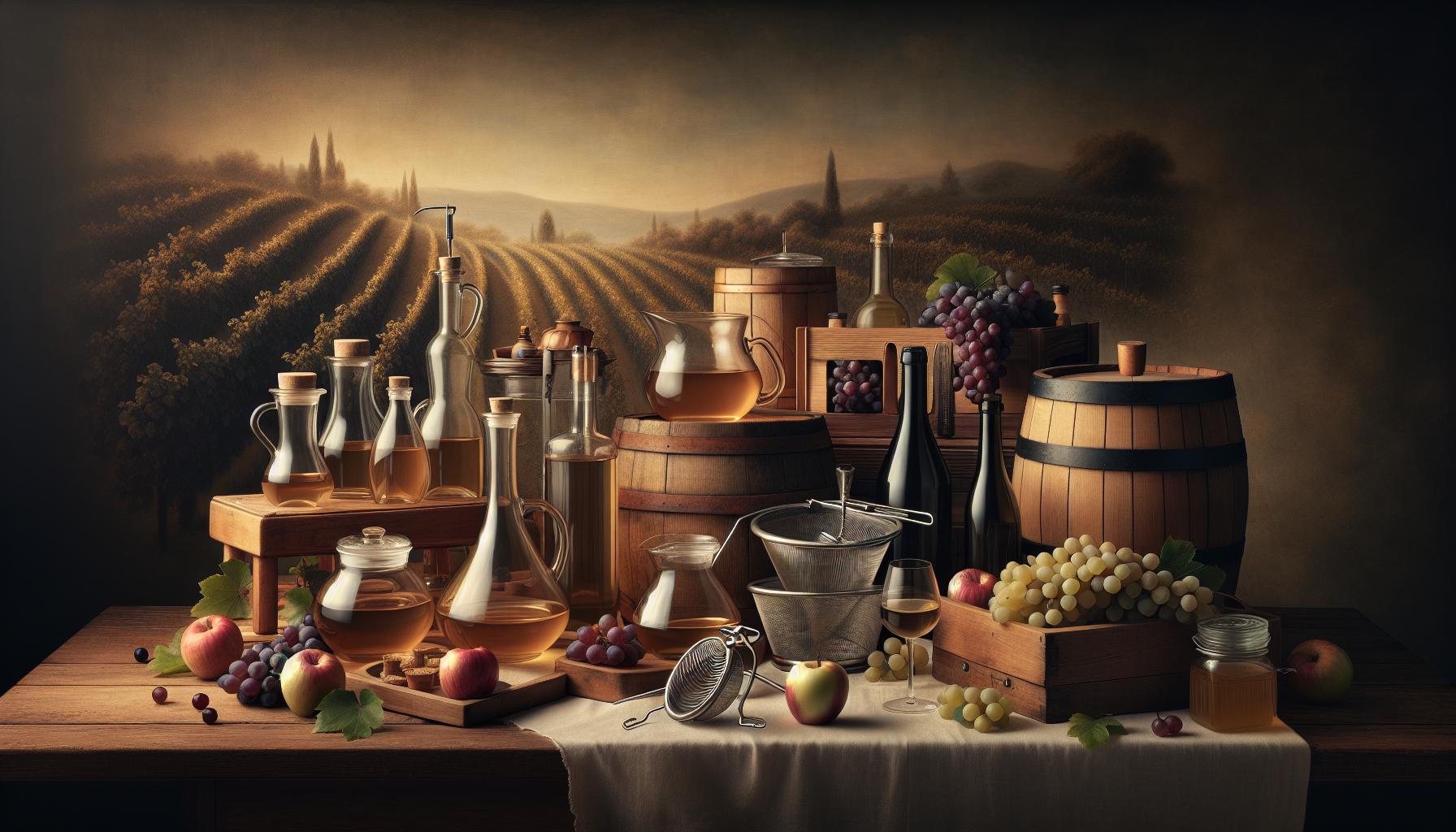
Creating your own red wine vinegar at home is not just a rewarding venture; it’s an exploration of flavors and an act of culinary artistry. To embark on this delicious journey, you’ll need some essential equipment that will serve as your trusted allies in the transformation of wine into vinegar.
Vessel Choice
One of the most critical components in making vinegar is the fermentation vessel. A glass jar or a food-grade ceramic crock is preferred, as they won’t impart any unwanted flavors or chemicals. Glass allows you to observe the fermentation process while ensuring that the acidity doesn’t react with the container. Ideally, you want a vessel that can hold a few liters of liquid, giving enough space for air circulation, which is crucial for the aerobic bacteria to thrive.
Air Exposure
Also integral to the process is a breathable covering for your vessel. Cheesecloth or a clean kitchen towel secured with a rubber band allows air to flow while preventing dust or insects from contaminating your mixture. This slight barrier encourages the friendly Acetobacter bacteria to do their magic without interference.
Other Necessary Tools
In addition to your vessels, a few more tools will elevate your homemade vinegar:
- Funnel: Essential for transferring liquids without spills, ensuring your workspace stays clean.
- Measuring Cup: For accurate wine and water measurements, helping you keep track of your ratios.
- pH Strips or Meter: These can help you monitor the acidity levels, guiding the fermentation process and helping you achieve your desired flavor profile.
- Wooden Spoon: Use this for gentle stirring. Metal utensils can react with acidic solutions, altering the flavor and quality of the vinegar.
Ultimately, the right equipment not only facilitates the process but also enriches your experience as you dive into the world of homemade vinegar. With your desired tools at hand, you can savor the process as much as the product, weaving your personal story into every drop of vinegar you create. As you gather these items, let your imagination roam; for in the dance between simple ingredients and patient brewing lies a world of culinary potential waiting to be explored.
Choosing the Perfect Red Wine for Vinegar
To embark on the journey of transforming red wine into luscious vinegar, one must first contemplate the selection of the wine itself. The quality and characteristics of the wine you choose will significantly influence the final product, weaving together the intricacies of flavor and aroma that make homemade red wine vinegar a culinary delight. While it may be tempting to reserve the finest vintages for sipping, the alchemical process of fermentation can elevate even modest wines into something extraordinary.
When selecting a red wine for vinegar-making, consider the variety’s inherent acidity and tannin structure. Wines with good acidity-such as Cabernet Sauvignon, Merlot, or Pinot Noir-are ideal, as they provide the necessary backbone for the vinegar’s tartness. Tannin-rich wines often add robust flavors, enhancing the depth of the vinegar. Think of how a lush, fruit-forward Zinfandel might infuse subtle notes of jam, or how a spicy Syrah can lend complexity with its peppery undertones. Just remember, the personality of your vinegar will evolve based on the initial characteristics of the wine.
In addition to varietal considerations, the choice of wine should also reflect your personal taste and culinary aspirations. A light, fruity red may yield a vinegary dressing that pairs exquisitely with salads, while a full-bodied wine could create a bold vinegar suitable for marinades or sauces. As you sip various wines, ask yourself what elements you wish to carry into the vinegar-making process. Are you enamored with the velvety texture of a Shiraz, or perhaps the floral notes of a Grenache? This meditative consideration not only enriches the final product but also elevates the crafting process itself into an expressive art form.
Ultimately, the ideal wine for your vinegar is one that inspires, excites, and nourishes your culinary imagination. Embrace the process with an open mind, and allow your chosen wine to invite you into its world of flavors-a world that, with a little patience, can transform into a bottle of exquisite red wine vinegar, waiting to dance across your next culinary creation.
Step-by-Step: Crafting Red Wine Vinegar
Creating red wine vinegar at home is a rewarding adventure that invites you to engage with the transformative powers of fermentation. As you begin this culinary journey, remember that patience is key; the magic of turning wine into vinegar unfolds gradually, allowing you to savor the process as much as the final product. To craft your own vinegar, you will need just a few basic ingredients and some essential equipment, which we’ll detail in the steps below.
Start by gathering your materials. You will need a clean glass jar or ceramic crock to act as a fermentation vessel, a breathable cover such as cheesecloth or a coffee filter secured with a rubber band, and, of course, your chosen bottle of red wine. Ensure you have a good quality wine; as mentioned previously, the unique qualities of the varietal you select will directly influence the flavor profile of your vinegar. Once you have everything ready, pour your selected wine into the jar, filling it to about three-quarters full to allow space for air.
Next, introduce the magic of the vinegar mother, a culture of acetic acid bacteria that converts alcohol into vinegar. If you have access to unpasteurized vinegar with a mother or a vinegar starter, add a few tablespoons to your jar. If not, you can use a bottle of raw apple cider vinegar as an alternative. Cover the opening with cheesecloth to allow oxygen to enter while keeping dust and insects at bay. Place your jar in a warm, dark spot, ideally between 60°F and 80°F (15°C to 27°C), where it can maintain a cozy fermentation environment.
After about a week, begin tasting your vinegar. Depending on various factors such as temperature and the specific conditions of your environment, the transformation can take anywhere from three weeks to several months. When the vinegar reaches your desired acidity, strain out any solids and transfer it to clean bottles for storage. For added depth, consider infusing your finished vinegar with herbs, garlic, or spices-these aromatic enhancements can elevate the complexity and give you endless creative opportunities in your culinary endeavors.
Embrace this simple yet profound kitchen project as a celebration of flavor and patience. Homemade red wine vinegar is not just an ingredient; it is a story of your taste, a reflection of your choices, and a bridge connecting the old traditions of fermentation with your modern kitchen. Enjoy the journey and the delicious rewards that await!
Common Mistakes to Avoid When Making Vinegar
The journey of transforming red wine into vinegar is not just a science; it’s an art form replete with potential pitfalls that can derail even the most determined home fermenter. One common mistake is using a contaminated fermentation vessel. It’s crucial to work with impeccably clean glass jars or ceramic crocks. Residues from previous experiments, whether benign or hostile, can hinder the growth of the vinegar mother, leading to a poorly fermented product. A clean slate is essential for a successful fermentation, much like a blank canvas for a painter.
Another frequent misstep is disregarding the necessity for ventilation. The fermentation process thrives on a delicate balance of air exposure; a trap of foul odors can result from sealing your vessel too tightly. Utilizing breathable materials-such as cheesecloth or coffee filters-prevents dust and insects from invading while allowing the vital interaction of air with the vinegar mother. This oversight can suppress the growth of helpful bacteria, resulting in a flat or improperly fermented vinegar.
Temperature control also plays a pivotal role in this culinary adventure. Many first-time vinegar makers overlook the importance of placing their fermentation vessel in a consistently warm and dark spot. Sudden temperature fluctuations can stall the fermentation process. The ideal range of 60°F to 80°F (15°C to 27°C) creates an inviting environment for those eager bacteria. Think of it as providing the perfect dining experience for your bacteria, where they can flourish and fulfill their role in this enchanting transformation.
Lastly, patience must be cultivated. Rushing the process can lead to premature bottling, resulting in vinegar that is overly harsh and lacking in depth. Regularly tasting the vinegar as it matures-like a fine wine-will guide you in determining its readiness. Just as a talented chef knows the precise moment to season a dish, so too must you develop the instinct to recognize when your homemade vinegar is at its peak flavor. By avoiding these common pitfalls, your journey into the world of homemade red wine vinegar can become a satisfying and flavorful success, allowing you to savor each step of the fermentation process as much as your eventual creation.
Enhancing Flavor: Infusions for Your Vinegar
Infusing your red wine vinegar with unique flavors can elevate it from a mere condiment to a culinary masterpiece. Consider this: each infusion is like adding a new chapter to the story of your vinegar, enriching its complexity and depth. While the fermentation process imparts a foundational tang, the additional elements you choose can complement and enhance its character, delighting the palate in unexpected ways.
To embark on this flavor journey, select ingredients that resonate with your personal taste and culinary ambitions. Common choices include herbs such as thyme, rosemary, or basil, which can transform your vinegar into a fragrant herb-infused marvel. Alternatively, spices like crushed peppercorns, cloves, or star anise introduce warmth and depth. For a burst of brightness, consider adding citrus peels-orange or lemon can enliven your vinegar with zesty notes that dance on the tongue. Dive into the sensory world of garlic or shallots, which can impart a savory allure, making your vinegar a perfect complement to dressings and marinades.
As you concoct your infusions, think about the process as a thoughtful exploration rather than a hurried task. Start with the basics: after your vinegar has fermented for a couple of weeks, add your chosen flavorings to the mixture. Allow the infusion to steep for at least one to two weeks-possibly longer if you desire a stronger flavor. During this time, taste periodically; as the vinegar matures, so too will its narrative, weaving together the essence of the wine and the new elements you’ve introduced. Remember, the art is in the balance-too much of a strong flavor can overwhelm, while too little may fade into the background.
When your infused vinegar reaches the desired taste, strain out the solids, and consider bottling it in a vessel that showcases its beauty. Avoid the temptation to rush; like fine wines, infusions benefit from time and patience. The result will be a personalized vinegar that not only enhances your dishes but also tells a story of your culinary journey-one that you can share with friends and family, evoking flavors and memories with every drop.
Storing and Aging Your Homemade Vinegar
Storing your homemade red wine vinegar is an art form in itself, closely tied to how it evolves over time. The environment you create for your vinegar can dramatically influence its flavor and acidity. Ideally, you’ll want to store it in a cool, dark place, away from heat sources and direct sunlight, which can degrade its quality. Consider using glass bottles, as they don’t react with vinegar like metal can. Opt for a container that allows some air to circulate; this is crucial, as vinegar can continue to develop in flavor even after you’ve bottled it.
Aging your vinegar isn’t merely about storage; it’s a transformative process where flavors deepen and mature. Think of it as letting a fine wine breathe, allowing the complexities to rise to the surface. Depending on your taste preferences, your homemade red wine vinegar can benefit from aging for several months to even years. During this time, it will develop a fuller body and more pronounced character. Regularly check on your vinegar; the time you allow it to age can be a delightful exploration, revealing new flavor profiles as months pass.
When it comes to practical storage advice, note the importance of keeping your vinegar at a consistent temperature. Fluctuations can cause undesirable changes in acidity and flavors. Using airtight containers is beneficial to prevent contamination. Remember to label your bottles with the date and ingredients used for infusions if applicable; this practice not only helps track aging but also fosters anticipation for each tasting.
Finally, if you’ve infused your vinegar with herbs or spices, consider straining these solids out after a few weeks to allow the liquid to clear and the flavors to integrate harmoniously. This will also prevent any unwanted bitterness from developing over time. Your homemade red wine vinegar has the potential to be a gastronomic delight, so take the time to nurture it as it matures into a culinary staple.
Exploring Varietals: Impact on Vinegar Taste
When it comes to crafting red wine vinegar, the varietal of wine you choose plays an instrumental role in shaping the final flavor profile. Each grape variety brings its distinct characteristics, much like how different musical instruments contribute to an orchestra’s sound. For instance, a Cabernet Sauvignon, with its bold tannins and dark fruit flavors, can create a vinegar that is rich and robust, perfect for dressing hearty salads or marinades. In contrast, a Pinot Noir, with its lighter body and nuanced berry notes, will yield a more delicate and refined vinegar, enhancing dishes like roasted vegetables or light seafood.
In exploring the impact of varietals, it’s essential to consider the terroir-the unique combination of soil, climate, and tradition that affects grape growth. The soil in which the grapes are grown can impart mineral qualities into the wine, which may become pronounced during the vinegar-making process. So, for example, vines grown in calcareous soils often produce wines that have a chalky, mineral backbone. This mineral presence can translate into a tangy, complex vinegar, elevating simple vinaigrettes or squaring off beautifully against rich meats like duck.
Moreover, the vinification process itself can further amplify these varietal differences. Wines that undergo malolactic fermentation, a process where tart malic acid transforms into softer lactic acid, can lead to vinegar that embodies a creamy mouthfeel and a rounder taste. Such nuances remind us that vinegar is not merely a sour dressing; it is an evolution of wine that tells a story through its acidity and depth. For culinary explorers, this opens up a vivid palette of flavors that enhance your dishes and inspire creativity in the kitchen.
Whether you are selecting a wine based on its varietal qualities or contemplating how different grapes can shape your homemade vinegar, remember that the adventure lies in experimentation. Don’t hesitate to try various combinations. You might discover that blending two distinct varietals creates a harmonious vinegar that feels uniquely yours-an alchemy of flavors that marries character and complexity. So grab a bottle from your collection, experiment, and witness how each varietal can transform your vinegar into a culinary treasure.
How to Use Red Wine Vinegar in Recipes
Red wine vinegar, with its rich acidity and complex flavor profile, is an indispensable gem in the kitchen. This tangy elixir not only adds a delightful zing to your dishes but also amplifies the inherent flavors of the ingredients with which it is paired. Imagine drizzling it over roasted vegetables, where it dances with the caramelized sweetness; or incorporating it into your marinate, infusing meats with an exquisite depth that only a well-crafted vinegar can provide. The possibilities are as diverse as the varietals from which it is derived.
One accessible way to introduce red wine vinegar into your culinary repertoire is through salad dressings. A simple vinaigrette can be the anchor of a great salad, beautifully harmonizing with fresh greens and vibrant vegetables. Combine three parts oil-perhaps a fruity extra virgin olive oil-with one part red wine vinegar, then season with salt, pepper, and a touch of Dijon mustard for depth. Experimenting with herbs or infused oils can further elevate this basic recipe, turning it into a personalized creation to accompany your favorite salads.
Marinades and Sauces
Red wine vinegar shines in the realm of marinades, where it enhances the flavor of meats, fishes, and even tofu. Its acidic qualities help tenderize proteins while enriching them with flavor. A classic marinade might include red wine vinegar, olive oil, minced garlic, and fresh herbs like rosemary or thyme. Allow your choice of protein to marinate for at least an hour-overnight if you’re feeling adventurous. The transformative magic unfolds as the vinegar not only penetrates but elevates each bite.
When it comes to sauces, a dash of red wine vinegar can brighten up heavy dishes or bring balance to rich sauces. For instance, a reduction sauce made with shallots, red wine, and finished with a splash of red wine vinegar can bring a beautiful acidity that cuts through the richness of a braised dish. Consider it a secret weapon you can wield to breathe life into your culinary creations.
Finishing Touches
For those finishing touches that can elevate a dish from good to unforgettable, look no further than red wine vinegar. A few drops can enhance a creamy risotto, brighten up a hearty stew, or even add complexity to a fruit salad. Its role is often understated, yet impactful-transforming not just the taste but the very experience of your meal.
As you venture into the delightful world of using red wine vinegar, let your palate guide you. Try it in various formulations and note how it harmonizes with the flavors on your plate. Just as every varietal tells a unique story, each culinary application opens up a new chapter in your cooking journey, allowing you to discover a wealth of creative possibilities. So pour, taste, and let the art of vinegar-making flourish within your kitchen!
The History of Vinegar in Culinary Traditions
In the tapestry of culinary history, vinegar is one of those enchanting ingredients that weaves through various cultures and epochs, each thread telling a different story. Its journey dates back thousands of years, with traces of vinegar-making found in ancient civilizations like Babylon, Egypt, and Greece. As early as 5000 BC, the Sumerians fermented beverages, unwittingly crafting the precursor to this dynamic condiment. Vinegar’s essential role in food preservation and flavor enhancement has served as a culinary cornerstone, echoing through time and adapting to the nuances of regional cuisines.
When we consider red wine vinegar, we delve into a rich cultural tradition, especially in Mediterranean countries. The ancient Romans, known for their sophisticated agricultural practices and epicurean zeal, utilized vinegar both as a culinary staple and a medicinal remedy. This dual-purpose application hints at the immense versatility of vinegar, allowing it to flourish in diverse contexts-from dressing salads to acting as an antidote against spoilage. It’s fascinating to think that what began as a means of preservation has evolved into a celebrated ingredient that elevates dishes in creative ways.
Across the globe, culinary traditions embrace vinegar, each adding their unique flair to its usage. In France, for example, red wine vinegar is revered as a staple of French gastronomy, often found in classic vinaigrettes and sauces such as hollandaise. The French have mastered the art of balancing this zesty element, employing it to brighten flavors and accentuate the complexities of dishes. In Italy, vinegar is key to creating robust marinades and pickling vegetables, showcasing the vibrant tastes of the region’s bounty.
Vinegar’s evolution into the vibrant, artisanal varieties we see today, including the beloved red wine vinegar, mirrors modern society’s approach to food: a blend of tradition, quality, and exploration. Home cooks today engage with vinegar not merely as a condiment but as an essential tool in crafting vibrant dishes that pay homage to centuries of culinary practice. As you embark on your journey to make red wine vinegar at home, remember this rich history: it’s not merely a recipe, but a way to connect with the past, honor regional traditions, and bring a taste of history to your table. Embrace the ritual of vinegar-making, for in every drop lies a story waiting to enrich your culinary experiences.
Pairing Your Homemade Vinegar with Foods
There’s something profoundly poetic about crafting your own red wine vinegar, transforming the leftovers of a cherished bottle into a zesty elixir that can elevate your culinary creations. As you venture into the world of homemade vinegar, one of the most delightful aspects is discovering how to pair it with various foods-turning simple meals into flavorful experiences that awaken the senses.
When it comes to utilizing your homemade red wine vinegar, let your imagination flow. This vinegar harmonizes beautifully with a variety of ingredients, enhancing their natural flavors. For instance, drizzle it over ripe heirloom tomatoes to introduce a tangy brightness that complements their sweetness. Tossing your favorite greens with a vinaigrette made from red wine vinegar, olive oil, Dijon mustard, and a touch of honey can transform a mundane salad into a dish that sings with flavor. The vinegar’s acidity counteracts the richness of creamy cheeses, making it a perfect partner for a fresh goat cheese salad or paired with a charcuterie platter featuring aged cheeses and cured meats.
Flavor Profiles to Consider
When pairing food with red wine vinegar, think about the overall flavor profiles at play. The vinegar’s nuanced notes-often reflecting the characteristics of the wine it was made from-can dictate which foods it will enhance. For example, a robust, heavier red wine vinegar, derived from full-bodied wines like Cabernet Sauvignon, may be better suited for hearty dishes such as roasted meats or stews, where it can cut through the richness and add depth. In contrast, a light, fruity red wine vinegar made from Pinot Noir might find its best companions in lighter fare, such as grilled vegetables or delicate seafood.
Cultural Inspirations
Drawing inspiration from various culinary traditions can also amplify your vinegar pairing adventures. Mediterranean cuisines frequently leverage the rich, multifaceted flavors of red wine vinegar. Imagine marinating chicken in a mixture of your homemade vinegar, garlic, and herbs like rosemary and thyme; it conjures images of sun-drenched afternoons spent enjoying a rustic meal. Mediterranean-inspired dishes, such as caponata or ratatouille, benefit from the tangy and sweet notes of red wine vinegar, bringing brightness and a balance that elevates each bite.
In essence, the key to pairing your homemade red wine vinegar with foods lies in exploration and personalization. Taste and celebrate the journey of flavor, letting your palate guide you. With a little creativity and an open mind, your homemade red wine vinegar can become a cherished staple-one that not only enhances dishes but also tells a story of flavor and culinary heritage.
The Health Benefits of Red Wine Vinegar
Red wine vinegar, a beloved staple in culinary kitchens, doesn’t merely serve the purpose of adding zing to salads or marinades; it boasts an impressive array of health benefits that deserve attention. This fermented condiment is rich in antioxidants, largely derived from the red wine it originates from, which can contribute to better health outcomes. Among these antioxidants is resveratrol, a compound often celebrated for its potential protective effects against heart disease. Incorporating red wine vinegar into your diet may help reduce blood pressure and cholesterol levels, allowing you to savor both its flavors and its benefits.
Moreover, red wine vinegar is often lauded for its positive impact on digestion. It promotes a healthy acid balance in the stomach, which can aid in breaking down foods. Many home chefs find that adding a splash of this vinegar to dressings or sauces helps soothe an upset stomach or alleviate bloating. In traditional practices, it’s also been used to support weight management; the acetic acid present in red wine vinegar has been linked to improving metabolism and reducing fat storage. A simple tonic of diluted red wine vinegar in water before meals could be a delightful addition to your routine, encouraging better digestion while being particularly refreshing.
A glance at the broader implications reveals that red wine vinegar can play a role in balanced blood sugar levels. Studies suggest that vinegar consumption can improve insulin sensitivity, making it a smart choice for those monitoring their glycemic index. This property further reinforces the notion that a small drizzle of vinegar in a meal can be a deliciously strategic approach to healthier eating. Embracing homemade red wine vinegar is not only about control over ingredients but embracing its multifaceted health benefits, allowing you to elevate meals while nurturing your body.
Frequently asked questions
Q: How do I make red wine vinegar from red wine at home?
A: To make red wine vinegar at home, start with a bottle of red wine and combine it with raw unfiltered vinegar or a vinegar mother in a wide jar. Cover it with a breathable cloth and store it in a dark, warm place for 2-3 weeks. Taste periodically until it reaches your desired acidity.
Q: What type of red wine is best for making vinegar?
A: For making red wine vinegar, use a dry varietal like Merlot, Cabernet Sauvignon, or Pinot Noir. Avoid sweet wines, as they can produce overly sweet vinegar. Choose a wine you enjoy drinking, as its flavor will be reflected in the finished vinegar.
Q: How long does it take to ferment red wine into vinegar?
A: The fermentation process to turn red wine into vinegar typically takes 2-3 weeks. However, depending on the environmental conditions and the specific ingredients used, it may take longer. Regularly taste the vinegar to monitor its development.
Q: Can I use leftover wine to make red wine vinegar?
A: Yes, leftover wine is perfect for making red wine vinegar. Ensure that it is still drinkable and has not spoiled. Just follow the same method of combining it with a vinegar mother or raw vinegar to start the fermentation.
Q: What can I do if my homemade vinegar isn’t turning out?
A: If your homemade vinegar isn’t fermenting, ensure it’s kept in a warm place away from direct sunlight. Adding more of a vinegar mother or raw vinegar can help kickstart the fermentation process. If you notice any off-smells or mold, discard it.
Q: How should I store homemade red wine vinegar?
A: Store homemade red wine vinegar in a cool, dark place in a glass bottle with a tight seal to maintain its quality. Once opened, it can be refrigerated, although it can also be kept at room temperature for easy access while cooking.
Q: Can I flavor my red wine vinegar?
A: Absolutely! You can infuse your red wine vinegar with flavors by adding herbs, spices, or fruit during the fermentation process. Just ensure they are clean and fresh. Popular choices include garlic, rosemary, or berries for added complexity in flavor.
Q: What are the health benefits of red wine vinegar?
A: Red wine vinegar has several potential health benefits, including aiding digestion, regulating blood sugar levels, and possessing antioxidant properties. Incorporating it into your diet can enhance flavor while providing health-promoting qualities.
Closing Remarks
Congratulations on mastering the art of transforming red wine into rich, flavorful vinegar! By harnessing the natural fermentation process, you’ve not only created a culinary staple that elevates your dishes but also embraced a journey through the age-old traditions of winemaking. Imagine the sophisticated tang of your homemade red wine vinegar drizzled over fresh heirloom tomatoes or mixed into a zesty vinaigrette. Don’t let your newfound skills stop here-explore our detailed guide on “How to Pair Vinegar with Food” and dive deeper into the world of DIY condiments that enhance every meal.
Ready to take your culinary adventures further? Join our newsletter for more tips and exclusive recipes that celebrate the beauty of homemade creations. Remember, your kitchen is a place of endless possibilities; don’t hesitate to unlock them by experimenting with different varietals and techniques. Share your experiences below; we’d love to hear how your vinegar turned out! Your delicious journey has only just begun, and we’re excited to guide you every step of the way.
Get our latest guides, news, and insights highlighted in your Google Search & AI Overviews.


