


When it comes to pairing wine with chicken, the choices can feel as abundant as the dishes themselves. Did you know that the right wine can elevate your meal from ordinary to extraordinary, enhancing flavors and creating a memorable dining experience? Whether you’re grilling, roasting, or simmering, understanding which varietals complement your chicken dish is key to mastering the art of pairing.
Chicken is a versatile canvas that adapts beautifully to various cuisines and preparation methods, inviting a spectrum of wines to join the feast. From the rich notes of a buttery Chardonnay dancing alongside creamy garlic chicken to the tart finish of a crisp Sauvignon Blanc cutting through a zesty lemon herb roast, the possibilities are delightful and diverse.
As we explore the best wines to complement your chicken dishes, you’ll discover not just the ideal varietals, but the stories and sensory experiences behind them. Join us on this journey of flavors and traditions, and unlock the secrets to your next unforgettable meal.
Pairing Basics: Understanding Wine and Chicken Harmony
The delightful dance between chicken and wine is one of culinary harmony-each complementing the other’s flavors, textures, and aromas. Understanding this pairing begins with recognizing the inherent qualities of both: chicken’s versatility and its ability to adopt flavors while retaining a lightness that invites various wine styles. A crisp white wine can elevate a simple grilled chicken dish, while a robust red may serve as the perfect accompaniment to a hearty roasted preparation. Thus, the journey of pairing chicken with wine is akin to exploring a rich tapestry woven with regional ingredients, cooking methods, and traditions.
At its essence, the key to a successful chicken and wine pairing is balance. Light dishes, such as those featuring lemon or herbs, pair beautifully with acidic whites like Sauvignon Blanc or a delicate Pinot Grigio, enhancing the freshness of the meal. On the other hand, richer varieties, like roast chicken with creamy sauces, might invite a fuller-bodied white like Chardonnay, which can handle the dish’s lush textures without overpowering its nuanced flavors. Similarly, red wines, known for their bold character, can complement grilled or barbecued chicken, especially if you choose wines with moderate tannins, such as a fruit-forward Pinot Noir or a medium-bodied Merlot.
To delve deeper, let’s consider the realm of regional pairings. Just as terroir plays a crucial role in wine production, regional dishes often evoke local wines that harmonize with them. From the herbaceous landscapes of Provence lending themselves to Rosé served with a Provençal chicken dish to the rich Chianti alongside a Tuscan-style chicken cacciatore, honoring local traditions can lead to delightful discoveries. Embracing the nuances of cuisine helps cultivate a more intimate understanding of how wine elevates the sensory experience of each dish, enriching your culinary repertoire.
In this exploration of wine and chicken partnerships, the joy of experimentation is paramount. Whether you’re hosting a dinner or simply enjoying a meal at home, consider the flavors, textures, and even the cooking methods used. This not only enhances your understanding of the potential in each pairing but invites a playful creativity that can lead to unexpected and delightful results. Remember, wine is not merely a beverage but a storyteller that enhances the experience at the table, creating memories to savor long after the last glass is poured.
Key Characteristics of Popular Chicken Varietals
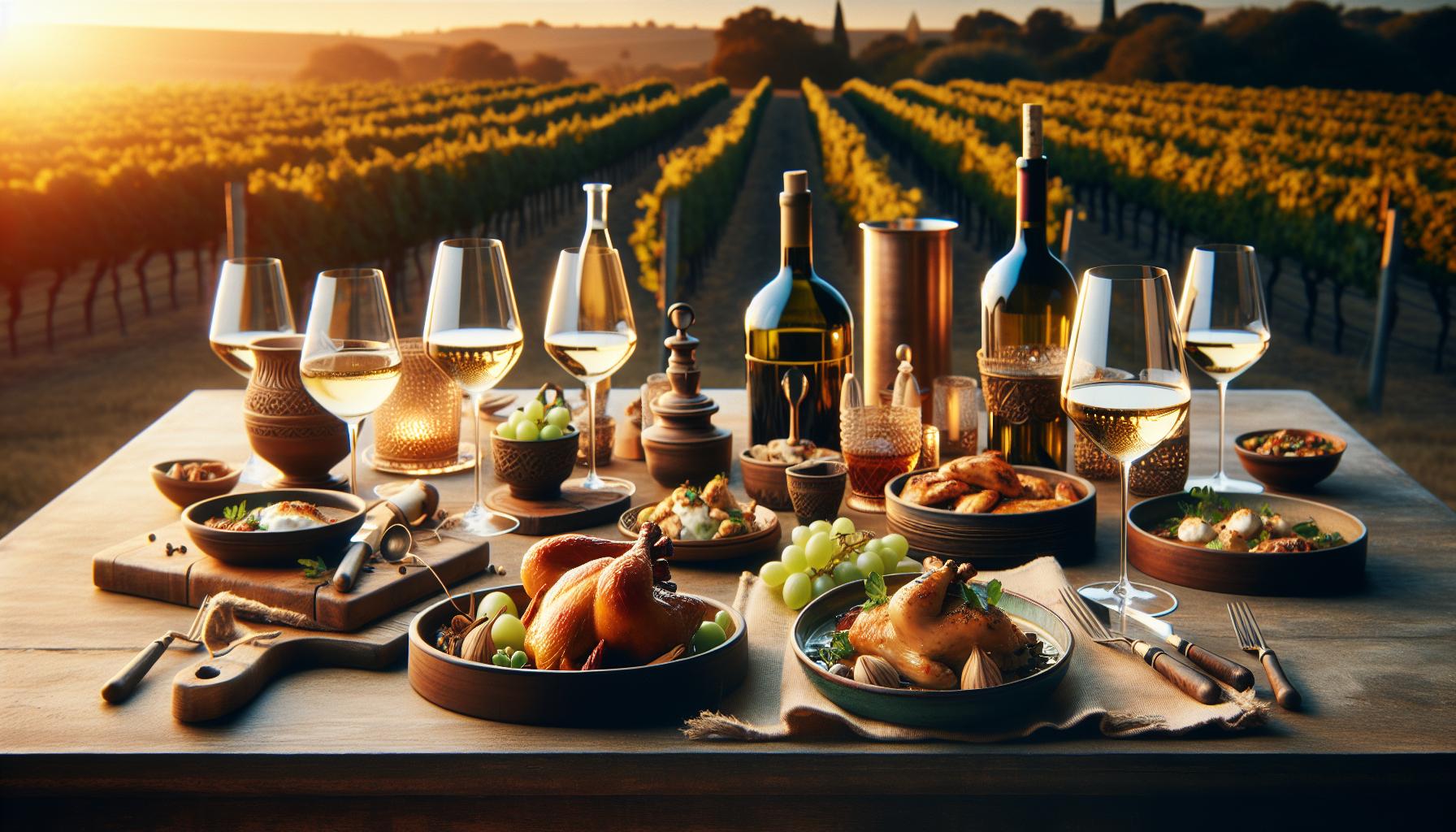
The world of chicken varieties is as diverse and compelling as the array of wines that can accompany them. Each chicken variant brings its unique flavor and texture profile to the table, creating an opportunity to explore a symphony of pairings that can elevate any meal. Consider the lean, tender meat of a Cornish hen, which offers a buttery richness that plays well with crisp white wines like Chardonnay. Its delicate flavor can be enhanced with a touch of oakiness, making it a delightful match for a lightly aged white that mirrors its subtle nuances.
In contrast, the robust and gamey character of free-range or heritage breeds, such as the Bresse or Ancona, commands a more assertive pair. Their rich profiles often benefit from deeper-colored wines; for example, a Syrah or Grenache can highlight the bird’s natural flavors while introducing complementary notes of black pepper and dark fruit. These wines help showcase the savory and sometimes slightly herbaceous qualities found in these chickens, creating a harmonious dining experience.
Another popular variant, the broiler, typically characterized by its mild flavor and versatility, can work well across various wine styles. Mild dishes like lemon-garlic roasted broiler chicken can be perfectly accompanied by a Sauvignon Blanc, with its bright acidity cutting through the richness while enriching the meal’s herbaceous tones. Meanwhile, a spicy Cajun broiler might find a surprising yet delightful partner in an off-dry Riesling, whose sweetness contrasts beautifully with the dish’s heat.
Lastly, consider the majestic roasting chicken, often seen as the centerpiece of home-cooked meals. This versatile option can adapt to countless preparation styles and marinades, making it a perfect canvas. Pair this with a well-structured Pinot Noir, whose elegance complements the juiciness of the meat without overpowering its flavors. The complexity of the wine beautifully mirrors the various seasoning techniques employed, whether they are herbaceous rubs or rich, savory sauces.
In sum, understanding the unique characteristics of popular chicken varietals not only enriches your culinary repertoire but also invites you to discover the fascinating world of wine pairings. Each chicken type offers a gateway to explore regional flavors and personal preferences, ultimately leading to delightful combinations that celebrate the art of cooking and wine enjoyment.
White Wines That Elevate Chicken Dishes
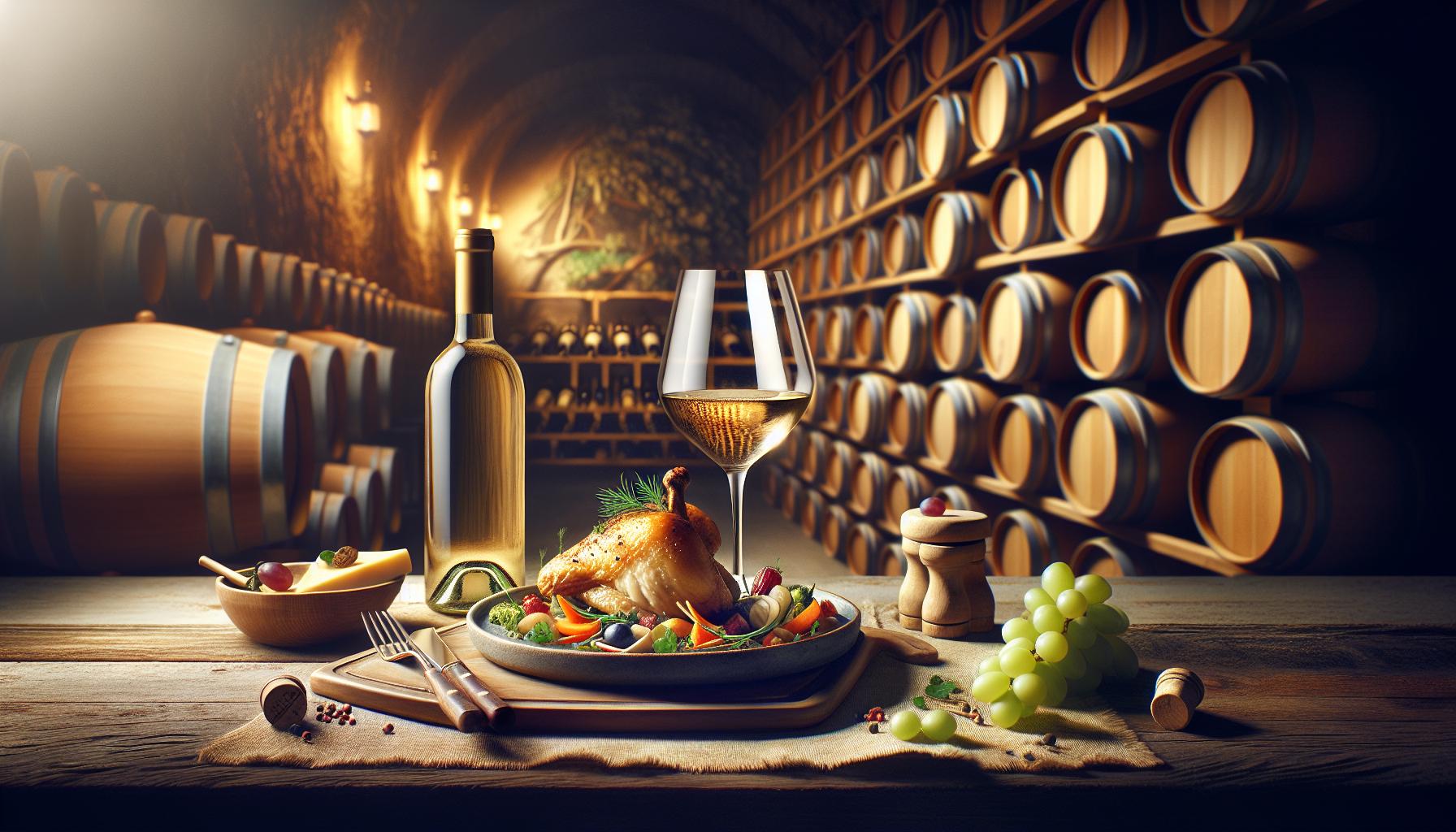
The enchanting world of white wine offers a plethora of choices to elevate your chicken dishes, transforming an ordinary meal into a sophisticated dining experience. Picture sipping a glass of crisp Sauvignon Blanc while savoring a pan-seared chicken breast drizzled with a zesty lemon butter sauce-the harmonious interplay of acidity and flavor can make each bite sing. With its vibrant notes of green apple and fresh herbs, Sauvignon Blanc not only cuts through the richness of the dish but also complements its flavors, showcasing the beauty of thoughtful pairing.
Bursting with Brightness: Sauvignon Blanc
This versatile varietal is an essential companion to many chicken preparations. Its high acidity, coupled with notes of citrus and tropical fruits, makes it an exceptional match for grilled or roasted chicken that features herbs like thyme or rosemary. Imagine a summer cookout where skewered chicken marinated in olive oil and lemon is washed down with chilled Sauvignon Blanc-it’s a culinary celebration of sunshine and freshness. Furthermore, for those adventurous palates, Sauvignon Blanc’s herbaceous quality can enhance dishes with bold flavors, such as a spicy Thai basil chicken, creating an exhilarating tasting experience.
Elegance in Every Sip: Chardonnay
Another classic that deserves your attention is Chardonnay. This grape varies significantly depending on the winemaking process; from unoaked to richly oaked, each style introduces a different character that can beautifully complement chicken dishes. A lightly oaked Chardonnay, with its creamy texture and notes of pear and vanilla, pairs wonderfully with roasted chicken served alongside buttery mashed potatoes. It brings richness that mirrors the dish, creating an enveloping warmth on the palate. Conversely, an unoaked Chardonnay bursts with crispness and minerality, making it an ideal partner for chicken salads or steamed chicken with a light vinaigrette-where the wine’s refreshing acidity can cut through the meal’s oiliness seamlessly.
Sweetness Meets Savory: Off-Dry Riesling
Don’t overlook the charm of an off-dry Riesling, particularly if your chicken dish has a hint of spice or sweetness. Its lower alcohol content and innate fruitiness can balance flavors beautifully, unveiling a delightful contrast in dishes like sweet and spicy glazed chicken. As you take a sip, the flavors of stone fruits-apricot or peach-elevate the experience, seamlessly harmonizing with the dish’s glaze. With its playful sweetness, Riesling encourages a dance of flavors on the palate, inviting you to linger over every bite and sip.
A Final Sip of Discovery
Exploring not only enriches your dining experience but also invites you to embrace the adventure of flavor discovery. Consider the unique preparation styles and bold ingredients in your meals as you choose wines, allowing the interplay of flavors to enhance your culinary creations. So whether you select a crisp Sauvignon Blanc, an elegant Chardonnay, or a playful Riesling, your meal is poised to become a canvas for enjoyment, each sip revealing the delightful nuances of wine and chicken in beautiful collaboration.
Red Wines: Bold Choices for Hearty Chicken
For those who find themselves drawn to the robust depth that red wines can offer, pairing them with hearty chicken dishes creates a memorable dining experience that resonates through every sip and bite. Imagine a plate of succulent coq au vin, where tender chicken melds with earthy mushrooms and rich, savory flavors. A glass of Pinot Noir-its light body, vibrant acidity, and notes of cherry and earth-complements this classic French dish perfectly, harmonizing while allowing the dish’s intricacies to shine.
When considering a bold choice, the depth of a Syrah or Shiraz cannot be overlooked. These wines carry an intensity that beautifully matches dishes seasoned with bold spices or served with a rich sauce. Picture a spicy harissa-marinated chicken grilled to perfection, its charred exterior releasing aromas that entwine with the wine’s smoky notes and dark fruit flavors. The synergy here is palpable; the wine’s tannins soften under the weight of the dish, allowing the spice to accelerate the flavor profile of both the food and the wine. This kind of pairing invites exploration, leading you into a conversation about each component’s personality.
Adventurous Pairings: Zinfandel and Barbera
For a more adventurous palate, consider Zinfandel-a versatile choice that can handle the heartiness of barbecue chicken smothered in a tangy sauce. With its fruit-forward profile, hints of pepper, and medium-to-full body, Zinfandel uplifts smoky flavors while balancing sweetness from the glaze, creating a joyful feast. Similarly, Barbera, known for its bright acidity and lower tannins, pairs well with richer, tomato-based dishes such as chicken cacciatore, its acidity cutting through the dish’s richness while enhancing the flavors.
The joy of pairing red wines with chicken lies in the creativity it fosters. Allow yourself to explore beyond established norms; perhaps a bold, herbaceous Cabernet Sauvignon might find its way into a plate of rosemary and garlic-infused rotisserie chicken. The wine’s structural tannins and berry notes play off the aromatic herbs, marrying beautifully with the juicy flavors of the bird. The more you experiment, the more you’ll discover that the interplay of wine and chicken is as dynamic as your culinary imagination allows it to be.
Rosé: The Versatile Companion for Chicken Meals
Rosé wines have emerged as the unsung heroes of the wine world, often overlooked in favor of their more robust red or crisp white counterparts. Yet, their unique versatility makes them an ideal choice for chicken dishes, seamlessly bridging the gap between full-bodied flavors and lighter preparations. Imagine a sun-drenched afternoon, where a perfectly grilled chicken breast pairs effortlessly with a chilled glass of rosé, its flavors echoing the delicate herbs and citrus notes sprinkled atop the dish. The experience is not just a meal-it’s a celebration of flavors that dance harmoniously on your palate.
This adaptability stems from rosé’s intricate balance, typically achieving a delightful interplay of fruit-forward profiles and refreshing acidity. Depending on the varietal, you might encounter notes of ripe strawberry, watermelon, or even a hint of floral elegance-each nuance elevating the dish it accompanies. When pairing with chicken, consider lighter rosés, like those from Provence, which effortlessly complement grilled chicken with a zesty lemon vinaigrette. The crisp nature of the wine cuts through the richness of the chicken while accentuating the refreshing elements of the dish, creating a vibrant dining experience.
For heartier chicken preparations, such as a roasted herb chicken with root vegetables, opt for a deeper rosé varietal, perhaps a Grenache or a Syrah-based rosé. These wines offer a richer body and flavor profile-infusing the meal with layers of complexity that invite a thoughtful sip. The subtle spice and berry notes in these rosés will resonate beautifully with the caramelized edges of your roast, providing a sense of warmth that enhances the comfort of the dish.
When exploring rosé, don’t shy away from regional varieties, as different terroirs bring their distinct charm to the glass. For instance, a Spanish rosado often exhibits a bold character that can stand up to the intensity of spicy chicken dishes, such as a chipotle chicken taco. Here, the fruitiness of the rosado works to tame the heat, ensuring every bite and sip is a harmonious dance of flavors.
Ultimately, embracing rosé as your go-to companion for chicken meals opens up a world of delightful possibilities, encouraging both exploration and creativity in culinary pairings. The beauty of this wine lies not just in its flavor but in its ability to create connections-moments shared over a table, enveloped by laughter and good food. So, pour a glass, let the aromas swirl, and dive into the experience that each pairing offers; each sip is an invitation to savor the marriage of wine and chicken in all its splendid variations.
Exploring Regional Pairings: A Global Perspective
To fully appreciate the marriage of chicken and wine, one must embrace the enchanting diversity of regional pairings, where local traditions and culinary practices influence choices in blissful harmony. Imagine savoring a perfectly grilled chicken while exploring a chilled Sauvignon Blanc from the Loire Valley, where bright acidity dances with hints of citrus, complementing the lemony notes in a fresh herb emulsion. Each glass not only showcases the flavors of the bird but also tells a story steeped in the terroir of its homeland, inviting you to a sensory journey across borders.
Regions renowned for their culinary delights offer distinctive insights into pairing wines with chicken. Take Italian cuisine, for example, where a classic roast chicken, infused with garlic and rosemary, finds a worthy companion in a medium-bodied Chianti. The wine’s bright cherry notes and subtle earthiness resonate beautifully with the savory flavors of the dish. This isn’t mere coincidence; centuries of gourmet practice have refined these pairings, where wine and food embody a regional identity that blends culture, history, and passion.
In Asia, the approach shifts to fragrant spices and bold flavors, demanding a different yet equally compelling match. A spicy Thai chicken curry adorned with basil might call for a Sauvignon Blanc or a Riesling with a hint of sweetness. These wines cut through the richness of coconut milk and balance the heat of chili peppers, showcasing how understanding the fundamental characteristics of a dish can unlock beautifully nuanced pairings.
Exploring regional pairings also encourages experimentation beyond the familiar. In Spain, for instance, the traditional dish of pollo al ajillo-chicken sautéed with garlic-pairs exquisitely with a vibrant Albariño, whose lively acidity and fruity notes create a refreshing contrast. Alternatively, consider a spicy jerk chicken from Jamaica with an off-dry rosé that harmonizes with the dish’s heat while enhancing its aromatic spices. Such thoughtful selections guide wine lovers on a quest to discover that the right wine can elevate not only the chicken on the plate but also the overall dining experience, transforming an ordinary meal into a memorable feast that celebrates the global tapestry of flavor.
Seasonal Pairing Tips for Chicken and Wine
As the seasons change, so too should our approach to pairing chicken dishes with wine. Different times of the year not only influence the flavors we crave but also the wines that elevate those dishes. In the warmth of spring and summer, think about lighter chicken preparations, such as grilled lemon herb chicken or a bright chicken salad. Here, a Sauvignon Blanc or a crisp Pinot Grigio shines with its zesty acidity and refreshing notes of citrus and green apple, harmonizing beautifully with the brightness of spring vegetables. Imagine a picnic spread featuring tender grilled chicken complemented by a chilled glass of Sauvignon Blanc, where each sip enhances the herbs’ freshness and the dish’s vibrant character.
As fall approaches, heartier preparations and the complexity of roasted flavors emerge. A perfect example is a rustic roast chicken, seasoned with herbs and garlic. For such comfort food, a medium-bodied Chardonnay, perhaps with a touch of oak, adds depth and creaminess, bringing forth the savory components of roasted garlic and herbs. If you’re adventurous, consider a light-bodied red, like a Beaujolais, which introduces intriguing berry notes and subtle tannins to the mix without overwhelming the dish.
Winter, with its chill and cozy meals, invites rich, soul-warming dishes to the table. Think of a hearty chicken pot pie or braised chicken with root vegetables. For these dishes, move toward a robust red, such as a Grenache or a Syrah, which possess the body and flavor complexity to stand up to the rich textures and savory elements. When sipping a velvety Grenache, the wine’s ripe berry flavors will marry effortlessly with the comforting heartiness of the chicken, creating an experience akin to wrapping yourself in a warm blanket.
In every season, the art of pairing wine with chicken encourages us to reflect on the natural ingredients available at the time and how they can enhance our dining experience. By staying attuned to seasonal ingredients and their corresponding flavors, we embark on a journey of taste that not only celebrates the chicken on our plates but also the world of wine that elevates it-creating a harmonious connection between our culinary traditions and the changing seasons.
Creating Flavor Profiles: Wine Styles and Chicken Preparations
The world of wine is a tapestry woven through time, culture, and personal experience, and when it comes to chicken preparations, the right pairing can transform a simple meal into an extraordinary culinary event. Every chicken dish tells a story, and pairing it with the right wine writes the next chapter, enhancing flavors, textures, and aromas in a delightful dance. Think of it as an intricate choreography where each sip complements every bite, allowing the essence of the wine to echo the dish’s character.
When selecting the perfect wine, consider the preparation method of the chicken, which plays a pivotal role in defining the flavor profile. For instance, a succulent grilled chicken, kissed by smoky flames and vibrant spices, yearns for a wine that can match its zest. Here, a lively Sauvignon Blanc offers zesty citrus notes and herbal undertones that play off the grilled skin’s char, while its crisp acidity slices through the richness of the meat, refreshing the palate with each sip. In contrast, a roasted chicken, steeped in fragrant herbs and concentrated flavors, begs for a more robust companion. A medium-bodied Chardonnay, which may undergo malolactic fermentation, contributes a creamy texture and subtle oak nuances that enhance the savory depth of roasted garlic and thyme, creating a symphonic harmony that enhances every forkful.
Moreover, consider the broader cultural influences that can inform your pairings. For example, a Mediterranean-inspired chicken dish featuring olives and tomatoes pairs beautifully with a Spanish Garnacha, whose juicy red fruit and earthy undertones reflect the vibrant ingredients of its origin. This connection between the wine and the meal not only satisfies the palate but also evokes a sense of place, inviting diners to travel uncharted culinary territories from the comfort of their table.
As you explore these pairings, remember that the journey of flavor is inherently personal. One might favor the crispness of a Pinot Grigio with a light lemon herb chicken, while another might find joy in a richer, oaked white like a Viognier. Allow your palate to lead the way: keep an open mind and a curious spirit. With each pairing, you’re not just choosing a wine; you’re crafting an experience, one that speaks to your individual tastes and the memorable moments shared over a shared meal. Embrace the art of pairing, and let the stories of wine and chicken unfold on your dining table.
Wine Terminology Decoded: From Terroir to Tannins
Wine is more than just a beverage; it’s a narrative steeped in history, culture, and craftsmanship. Each bottle contains a unique story that begins in the vineyard-a concept known as terroir. This French term refers to the geographical and environmental factors that affect the grape, from the soil composition and climate to the topography of the land. For instance, a chicken dish prepared with subtle herbs might pair beautifully with a white wine from a cooler climate, where the grapes are known for their crisp acidity and freshness. Think of a delightful Sauvignon Blanc from the Loire Valley: its vibrant citrus notes will dance around herb-roasted chicken, enriching the dining experience.
Understanding tannins is equally essential as they shape the structure of a wine, contributing to its body and aging potential. Tannins come from the skins, seeds, and stems of grapes during fermentation, imparting a dry, mouth-coating sensation that complements richer chicken preparations, such as coq au vin. A robust red wine, such as a Cabernet Sauvignon, showcases its tannins-offering depth and complexity while partnering seamlessly with heartier sauces and spices that may adorn your dish. The balance of acidity in both the wine and the meal is crucial; the right level of tannins can elevate flavors, making each bite more succulent.
Wine terminology can feel intimidating at first, but it opens a gateway to a deeper appreciation of what is in your glass. The process of malolactic fermentation, often employed in certain whites like oaked Chardonnays, transforms harsher malic acid into softer lactic acid, bestowing a creamy texture that can radically alter its flavor profile. This nuance pairs beautifully with creamy chicken dishes, enhancing the overall dish with richness.
In your exploration of wine pairing, remember that personal preference is your ultimate guide. Whether it’s the lighter, crisp notes found in a Pinot Grigio or the robust flavors of a Syrah, each choice reflects your palate and intent. Approach pairing with a sense of curiosity and playfulness, allowing the conversation between your wine and chicken dish to evolve-because in the end, every great pairing is a journey as much as it is a destination.
Navigating Wine Labels: How to Choose
Navigating the myriad of wine labels can often feel like deciphering an ancient script, yet within each label lies a treasure trove of information waiting to enhance your chicken dining experience. Understanding what to look for on a wine label not only helps refine your choices but also deepens your connection to the story behind each bottle. Consider this: a label isn’t just a marketing gimmick; it’s an invitation into the world of wine, where culture, geography, and history converge.
Begin with the varietal. This is the type of grape used to produce the wine and can significantly influence the flavor profile. For instance, when seeking a companion for grilled chicken, a Zinfandel, known for its bold fruit flavor and spiciness, could provide an exciting contrast to the smoky notes of your dish. Alternatively, for a lighter herb-roasted chicken, you might opt for a delicate Pinot Grigio, which promises a refreshing crispness. Pay attention to the ABV (alcohol by volume) as well; higher alcohol content can indicate a fuller body, which may pair better with richer chicken preparations.
Next, let’s explore the region and vintage. The region where the wine is produced often hints at its style and quality. A Chardonnay from California may showcase opulent fruit flavors, while its counterpart from Chablis, France, might reveal steely minerality, ideal for pairing with creamy sauces. The vintage tells you the year the grapes were harvested and serves as a reflection of that year’s specific climate and conditions. A well-reviewed vintage can promise a more exquisite tasting experience-a noteworthy detail if you’re planning a special dinner.
Finally, don’t shy away from examining terms such as terroir and winemaking process mentioned on the back of the label. The producers may highlight if the wine underwent malolactic fermentation or was aged in oak-these factors will influence the wine’s texture and complexity, ultimately enhancing its pairing potential. Much like a chicken dish can vary dramatically depending on its preparation methods, each wine’s backstory contributes to the conversation at your table.
By approaching wine labels with curiosity and an adventurous spirit, you’ll not only choose a bottle that complements your chicken but also uncover layers of stories and flavors that transform each sip into an experience. Remember, the journey through a bottle is as rewarding as the destination on your plate.
Hosting the Perfect Chicken and Wine Dinner
Gathering friends and family around the dinner table, accompanied by succulent chicken and carefully chosen wines, evokes a sense of warmth and camaraderie that few experiences can match. The allure of a chicken and wine dinner lies in its simplicity and the endless possibilities for creativity-from the choice of seasoning to the varietals selected to accompany the meal. Crafting the perfect dining experience hinges on more than just the food and drink; it’s about the atmosphere and the moments shared, merging rich flavors with rich conversation.
Start by selecting a theme for your dinner. Whether it’s a rustic French bistro vibe with coq au vin and a noble Burgundy or a fresh Mediterranean twist with lemon herb chicken and a crisp Sauvignon Blanc, your menu will set the tone for the evening. Consider offering a small array of wines that seamlessly complement the various chicken preparations you plan to serve. This could mean presenting sparkling wines as a delightful aperitif, followed by a white for lighter dishes, and culminating with a bolder red for richer flavors. Remember, the wines should not overshadow the chicken, but instead enhance the flavors of your dishes while sparking interesting discussions about the traits of each varietal.
Creating a warm and inviting atmosphere is paramount. Use soft lighting-perhaps string lights or candles-to foster an intimate environment. Choose your dining setup carefully, with appealing tableware and linens that reflect your theme. A lovely centerpiece featuring seasonal flowers or fresh herbs can ignite the senses before the meal even begins. Engage your guests by sharing stories about the wines you’ve chosen, or perhaps recount personal anecdotes related to the chicken dish you’ve prepared.
As you serve, introduce each course thoughtfully. Take a moment to explain why you selected each wine to accompany the chicken, focusing on tasting notes, regional influences, and any special pairings you’ve discovered along the way. Encourage your guests to explore flavors-offer them the chance to taste each wine alongside or against the food. This open dialogue about flavors and preferences not only cultivates an atmosphere of discovery but also fosters connections as friends bond over tastes.
Incorporating these elements will not only elevate the dining experience but also create lasting memories. Transform your chicken and wine dinner into an occasion that celebrates culinary arts and friendship, leaving your guests reminiscing about the delightful evening long after the last glass has been raised.
Tips for Experimenting with Unusual Pairings
When it comes to pairing wine with chicken, stepping outside of the traditional boundaries can lead to some truly delightful discoveries. Consider experimenting with atypical combinations that challenge conventional wisdom and reveal the hidden depths of flavor in both the wine and the chicken dish. For example, pairing a richly marinated chicken with a bold natural wine, like an orange wine, can provide an unexpected textural complement. The wine’s tannins and acidity will cut through the richness of the marinade, creating an interplay that dances on the palate.
Moreover, think about the various spices and cooking methods you might use. A spicy grilled chicken dish, with its smoky and charred notes, could thrive alongside a fruity Gewürztraminer. This aromatic wine balances spice with its sweet profile, enhancing the heat of the spices while creating a symphony of flavors. Alternatively, try a light, chilled red such as a Gamay with a lemon herb chicken; the wine’s acidity and fruity characteristics bring a refreshing contrast to the dish, enhancing each bite remarkably.
Explore Unique Flavors
Unusual pairings can often stem from the creative exploration of regional influences. For instance, if you’re serving a Thai-inspired chicken dish, look beyond the typical white wines and towards a medium-bodied rosé or even an off-dry Riesling. The slight sweetness and vibrant acidity of these wines will harmonize beautifully with the complex flavors prevalent in Thai cuisine. You might even venture into the world of sparkling wines, which can elevate the dining experience by providing effervescence that cleanses the palate between bites.
Engaging your guests in this experimental journey can also be rewarding. Prepare small tasting flights that allow them to sample a range of unexpected pairings with the same chicken dish. Provide guidance on what flavors they should identify and how the characteristics of the wine interact with the food. Not only does this approach cultivate a deeper understanding of flavors and preferences, but it also enriches the communal experience, turning an ordinary meal into a celebration of culinary creativity. By pushing the boundaries of traditional pairings, you invite a spirit of adventure that can make any chicken and wine dinner a memorable occasion.
Frequently asked questions
Q: What is the best wine to pair with grilled chicken?
A: A Sauvignon Blanc is an excellent choice for grilled chicken, as its vibrant acidity and citrus flavors complement the smoky char of the meat. For a richer option, consider a lightly oaked Chardonnay, which enhances the dish without overpowering it.
Q: What wine goes well with creamy chicken dishes?
A: A Viognier or an oaked Chardonnay pairs beautifully with creamy chicken dishes. Their lush textures and notes of stone fruits or vanilla can enhance the dish’s richness, creating a harmonious balance on the palate.
Q: Can I drink red wine with chicken?
A: Yes, you can enjoy red wine with chicken! Light-bodied reds like Pinot Noir or Gamay provide a great pairing, especially with roasted or herb-seasoned chicken, as they don’t overshadow the dish’s flavors and add complexity to each bite.
Q: What wine should I choose for chicken in tomato sauce?
A: Opt for a medium-bodied red wine such as Chianti or a Zinfandel. These wines have enough acidity to match the tomatoes while complementing the spices and herbs typically associated with a tomato-based chicken dish.
Q: How does the method of cooking chicken affect wine pairing?
A: The cooking method influences wine pairing significantly. Grilled or roasted chicken suits whites and light reds, while fried chicken pairs well with sparkling wines. Understanding these nuances can elevate your dining experience.
Q: Are there wines that pair well with spicy chicken dishes?
A: For spicy chicken dishes, consider off-dry Rieslings or Gewürztraminer. Their sweetness can counteract heat and enhance flavors, making each bite enjoyable without overwhelming the palate.
Q: What sparkling wine goes well with chicken?
A: A dry Prosecco or Champagne is delightful with chicken dishes. Their crisp acidity and effervescence cleanse the palate, making them ideal for fried or lemon-herb chicken recipes.
Q: Is rosé a good choice for chicken pairings?
A: Yes, rosé is an excellent versatile choice for chicken! Its refreshing profile and berry notes complement a wide range of preparations, from grilled to roasted chicken, making it perfect for various flavor combinations.
Final Thoughts
As you uncork your next bottle of wine to complement that perfectly roasted chicken, remember the exquisite relationship between grape variety and dish. Whether it’s the vibrant crispness of a Sauvignon Blanc or the depth of a Chardonnay, each sip is a celebration of flavor and culture. Don’t let this be your last adventure-explore more about wine pairings with our comprehensive guide on Exploring the Best Wines for Pork and enhance your culinary experiences.
Feeling inspired? Join our newsletter for exclusive tips on wine selections and food pairings. Your palate will thank you as you continue your journey of flavor discovery! Dive deeper into the rich stories behind each varietal and elevate every meal-because every dish deserves a glass that perfectly matches. Share your favorite pairings in the comments below and connect with fellow wine enthusiasts. Remember, the best moments in life are those shared over good food and great wine. Cheers to your next pairing!
Get our latest guides, news, and insights highlighted in your Google Search & AI Overviews.


