


Imagine enjoying a plate of creamy Alfredo pasta, the rich, buttery sauce clinging to each luscious strand of fettuccine. But what about the wine? Many assume that only white wines can accompany such indulgent dishes, yet red wine may surprise you with its potential to harmonize beautifully with creamy pastas. In this exploration, we’ll delve into the nuances of wine pairing, addressing common concerns and guiding you through the art of combining reds with Alfredo. Prepare to unlock new flavor experiences and elevate your dining moments, whether for a special occasion or a cozy night in. Join us as we uncover the unexpected delights of this delicious pairing, inviting you to savor every sip and bite.
The Harmony of Red Wine and Alfredo Sauce
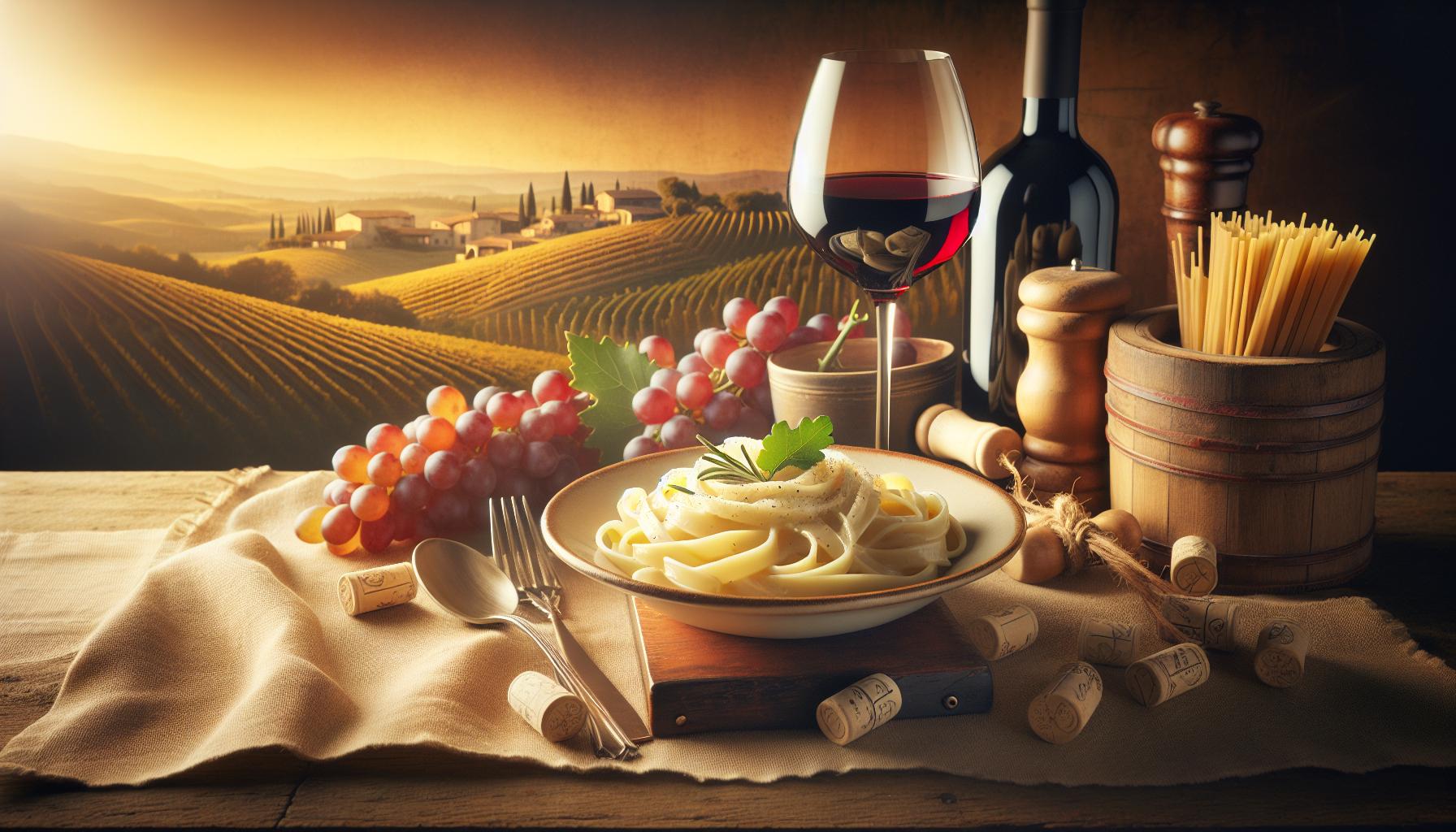
The creamy, luxurious texture of Alfredo sauce inspires visions of indulgence, a comfort food that invites a similarly rich glass of red wine to its table. Far from the conventional wisdom that only white wines can accompany creamy pasta dishes, red wine can offer a delightful contrast that heightens the dining experience. The key lies in understanding the interplay between the wine’s character and the sauce’s creamy, buttery profile. Imagine a comforting bowl of fettuccine Alfredo paired with a lush Merlot or a delicate Pinot Noir-each sip lifting the flavors of the dish while adding its own unique twist to the palate.
One of the most compelling aspects of red wine is its diverse range of varietals, each offering unique flavors and textures that can complement the richness of Alfredo sauce. For instance, a Barbera, with its refreshing acidity and bright cherry notes, can cut through the heaviness, providing balance and enhancing the dish’s overall experience. Conversely, a soft, fruity Grenache can wrap around the creamy pasta, creating a harmonious blend that delights as it dances across the taste buds. Even a well-structured Cabernet Sauvignon can play nicely, particularly when it showcases notes of oak and vanilla that resonate beautifully with the cream.
Exploring this pairing also encourages a deeper connection with your chosen wine. The conversation it sparks-perhaps about the origins of the vineyard or the winemaking process-fosters a sense of community. Engaging with friends or family over a beautifully paired meal transforms a simple dinner into a shared culinary adventure. So, as you reach for that bottle of red to accompany your Alfredo, remember that you’re not just pouring wine; you’re inviting warmth, connection, and discovery to your table. Embrace the complexity and let each bite and sip encourage you to savor the moment.
Exploring the Creamy Allure of Alfredo Dishes
The allure of Alfredo dishes lies in their captivating creaminess, a luxurious embrace that invites the diner into a realm of comfort and pleasure. Picture a plate of fettuccine swaddled in rich, buttery sauce-its velvety texture calling for a beverage that not only complements but enhances the experience. While traditional wisdom leans toward white wines as the go-to pairing for creamy dishes, there exists a delightful complexity in red wines that can elevate this classic Italian favorite. It is indeed possible for red wine to not only coexist with Alfredo but to emerge as a charming partner, offering contrasting notes that elevate both the dish and the wine itself.
Understanding the fundamentals of flavor pairing can transform the dining experience. Red wines, with their varied profiles, can bring out the hidden dimensions in Alfredo sauce. The key is to seek out wines that possess sufficient acidity to cut through the cream’s richness. A Barbera, for instance, boasts bright cherry flavors and refreshing acidity, slicing through the dense texture of the sauce, enhancing its depth without overshadowing it. Alternatively, a Grenache, known for its soft and fruity character, tends to wrap around the creaminess, creating a harmonious balance that’s as symphonic as it is delicious.
Additionally, exploring the storytelling aspect of wine and food pairing can elevate your meal into a shared experience. Perhaps you choose a Pinot Noir from a family-owned vineyard-its origin story igniting conversations at the dinner table. As the wine breathes, revealing its complex aromas of red fruits and subtle earthiness, it can spark curiosity about the winemaking process or how certain grape varieties thrive in their terroirs. This intimate connection between the meal and wine creates a tapestry of flavors and communal enjoyment, making each sip as memorable as each bite.
Embracing the versatility of red wines with creamy Alfredo déclassifies our preconceived notions of wine pairing. Rather than relegating rich dishes to the confines of white wine, we can celebrate red varietals that intrigue and inspire. Let the adventure begin, as you find the perfect bottle to accompany your next creamy fettuccine, enveloping your senses in a celebration of flavor, texture, and togetherness.
The Science Behind Wine Pairing Principles

The delicate art of wine pairing transcends mere gustatory preferences; it sits at the intersection of chemistry, culture, and personal experience. Understanding the foundational principles behind this pairing can enrich your culinary journey, particularly when considering whether red wine complements the creamy allure of Alfredo pasta. Intriguingly, chemistry plays a significant role in how we perceive flavors and textures, particularly through the interaction of acidity and fat. This is where pairing red wines with Alfredo dishes becomes a delightful challenge worth exploring.
At the heart of this exploration is the principle of balance. The luscious creaminess of Alfredo sauce demands a counterbalance to prevent the dish from feeling too heavy on the palate. Red wines laden with bright acidity can provide this much-needed refreshment, slicing through the richness of the cream and creating a harmonious equilibrium. For instance, a Barbera, with its acidity and fruit-forward profile, can enliven Alfredo, transforming each bite into a celebration of contrasting yet complementary experiences. The interplay of sensory elements-richness from the meal and brightness from the wine-creates a nuanced layering that captivates the senses.
Moreover, understanding the roles of tannins and flavor profiles in wine can add another dimension to your pairing adventure. Tannins, the compounds that give red wines their structure, can enhance or disrupt the experience, depending on how they interact with food. Softer tannin wines, like a Grenache, often drape the creaminess of the dish, creating an enveloping sensation that is both comforting and complex. When considering the diverse varietals, it’s essential to reflect on individual flavor notes; red wines with berry undertones can harmonize with the nuttiness of grated Parmesan cheese, while those with earthier profiles can pair beautifully with the umami of sautéed mushrooms, often found in many Alfredo variations.
In navigating the rich world of wine pairing, personal resonance is vital. Stories of families bonded over shared meals can enhance the dining experience, making each bite of pasta a chapter in a larger narrative. Engage your guests by selecting a red wine with a personal connection or a history that ties it to your meal, and watch as conversation flows as naturally as the wine itself. In this way, wine pairing becomes not just a science, but a celebration of connection-inviting you to slow down, savor, and appreciate the symphony of flavors that dance upon your palate. As you embark on your pairing journey, remember that the ultimate goal is to find harmony, allowing both the wine and the Alfredo to shine in their own right, while enhancing each other in the process.
Flavor Profiles: Red Wine Varietals for Alfredo

Imagine the rich, creamy texture of Alfredo sauce elegantly enveloping your pasta, each forkful offering a luxurious bite that invites indulgence. Now, pair that scene with a vibrant glass of red wine, and you may just discover a delightful harmony you never anticipated. While many enthusiasts might instinctively reach for a white wine, certain red varietals can enhance the experience beautifully, transforming your meal into a culinary celebration.
When selecting red wines to accompany Alfredo dishes, look for those with sufficient acidity and soft tannins to balance the sauce’s richness. For example, a Barbera-known for its bright acidity and flavors of cherry and raspberry-can provide that refreshing contrast, lifting each bite while complementing the dish. Similarly, a Pinot Noir, with its subtle earthiness and lighter body, seamlessly pairs with the creamy notes of Alfredo without overwhelming them. The delicate berry flavors in Pinot Noir resonate ingeniously with the nutty undertones of Parmesan, creating a delightful interlude of taste.
Another excellent choice is Grenache, a varietal celebrated for its juicy red fruit flavors and soft tannins. This wine’s round mouthfeel and moderate alcohol content allow it to meld beautifully with heavier pastas, offering a comforting embrace that enhances the creamy texture. When serving Alfredo that includes mushrooms or chicken, consider a Merlot; its plush berry profile and softer tannins can deliver a luxurious mouthfeel, which pairs well with the umami of the ingredients.
As we delve deeper, it’s important to consider the temperature and serving style of these wines. Lightly chilling these reds can amplify their refreshing qualities, making them even more appealing against the backdrop of Alfredo. Remember, wine should enhance the dining experience, so don’t shy away from experimentation. Taste the wine alongside your meal, and let the alchemy unfold-allowing your palate to guide you to the perfect pairing. In the end, every sip should weave together stories of flavor, tradition, and personal connection, inviting you to savor each moment.
Balancing Richness: Acidity and Tannins Explained

Pairing red wine with a rich, creamy Alfredo sauce may seem counterintuitive, but understanding the roles of acidity and tannins can unlock a world of flavors that enhance this classic dish. The key lies in the dynamic interplay between these components and the velvety texture of the sauce. Acidity acts as a refreshing counterbalance, cutting through the richness, while tannins add structure and complexity without overwhelming the palate.
When wine aficionados speak of acidity, they are referring to the bright, crisp sensations that awaken the taste buds. A higher acidity in wine can elevate the flavors in Alfredo, akin to a squeeze of lemon over a creamy dish-transformative and invigorating. Consider a glass of Barbera: its vibrant acidity and notes of cherry complement the creamy texture of the sauce, creating a delightful contrast that makes each bite feel new. By contrast, wines with too little acidity can feel flat alongside Alfredo, leaving the dish feeling one-dimensional.
Tannins, on the other hand, bring a different layer to the experience. These compounds, primarily derived from grape skins, seeds, and oak aging, can create a perception of dryness and structure in a wine. While red wines can often be associated with hefty tannins, selecting a varietal with softer, more rounded tannins allows for a harmonious experience when paired with creamy sauces. A gentle Merlot, for example, showcases plush berry flavors and a smooth mouthfeel, enhancing the silkiness of the dish without creating a clash. This balance is crucial in ensuring the wine feels like a companion to the food rather than a competing force.
In essence, the thoughtful selection of red wine can elevate Alfredo pasta into a multi-layered culinary adventure. It’s an invitation to explore how acidity and tannins work together to create a well-rounded experience that celebrates the richness of both the pasta dish and the wine. Embrace the experimentation-try different varietals alongside your favorite Alfredo recipe and relish the stories of flavor that unfold with every sip and bite.
Regional Influences: Italian Wine and Alfredo
Complementing a luscious plate of Alfredo pasta with a glass of Italian red wine is a dance of culture, history, and flavor that goes beyond mere culinary pairing. Italian cuisine, celebrated for its regional diversity, offers a mosaic of wines that can harmonize surprisingly well with creamy dishes like Alfredo. This interplay speaks not just to the ingredients but also to the traditions that shape each pairing.
Italian Wine Regions and Their Varietals
To understand how Italian wines can enhance Alfredo, consider the distinctive qualities from Italy’s numerous wine regions. Each locale has its own climate and soil composition, contributing distinctly to the wine’s flavor profile. For example, Tuscany, known for its bold Sangiovese, tends to impart a rich cherry flavor with enough acidity to balance the creaminess of Alfredo. This fruity base cuts through the dish’s richness, creating a vibrant experience for the palate.
In the Piedmont region, wines like Barbera present not only high acidity but also a delightful berry character and herbal nuances that replicate the subtle herbaceous qualities often found in Alfredo sauces. A well-chosen Barbera can enhance the flavors of garlic and parmesan, making every mouthful a delicious symphony. It’s worth noting that regional traditions often dictate how dishes and wines interact; therefore, exploring these connections can provide delightful surprises.
Tradition Meets Modern Palate
Traditionally, Alfredo sauce hails from Rome, yet its fusion with various Italian wines exemplifies the country’s adaptability. Consider how local wines transform the dining experience: for instance, a structured Montepulciano d’Abruzzo offers a rustic depth, pairing beautifully with the richness of the sauce while also invoking the warmth of the Italian countryside. This relationship between wine and food echoes the heart of Italian culture, where both are crafted with passion and history.
The intermingling of these cultural elements allows for a richer tasting experience. When savoring Alfredo paired with a robust Italian red, think of not just the flavors but the narratives they carry-tales of ancient vineyards, cooking traditions passed down through generations, and the communal love for food that brings families and friends together.
Ultimately, embracing Italian wines with Alfredo is an invitation to explore, experiment, and enjoy the complexities of taste while appreciating the stories behind each glass. So, pour a hearty Sangiovese or a vibrant Barbera, and let each sip transport you deeper into the heart of Italy, fostering connections between your meal and the timeless customs that inspire it.
Beyond Red: Alternative Pairings with Alfredo
The world of wine pairing often centers around beloved reds; however, when it comes to rich, creamy Alfredo sauces, the nuances of white wines, sparkling varieties, and even innovative rosés should not be overlooked. These alternatives can create delightful contrasts and harmonies that elevate your pasta experience beyond the ordinary.
A classic choice is Chardonnay, particularly those that undergo malolactic fermentation, which adds a buttery richness that resonates beautifully with Alfredo’s creamy texture. Look for a California Chardonnay that strikes a balance between oak influence and fruitiness-think of flavors like ripe apple, pear, and notes of vanilla. This wine’s silky mouthfeel complements the pasta, providing an indulgent pairing that feels luxurious while still respecting the dish’s roots.
Another excellent option is Pinot Grigio, especially from regions like Alto Adige or Friuli. Known for its bright acidity and crisp character, a well-chosen Pinot Grigio can cut through the richness of Alfredo, creating a refreshing counterpoint. The wine’s floral and citrus notes can enhance the flavors within the sauce, drawing out the garlic and parmesan without overwhelming them. This dynamic pairing is perfect for warmer evenings, offering a lighter take on the traditional wine options.
For those craving something sparkling, consider a Prosecco or even a Champagne. The effervescence and acidity found in these wines can cleanse the palate between bites, refreshing your taste buds and enhancing the experience of savoring creamy pasta. Prosecco’s fruity and floral characteristics harmonize remarkably well with the savory notes of Alfredo, making each mouthful feel festive.
Additionally, don’t shy away from exploring rosé wines. A dry Provence rosé, with its light red berry flavors and crisp acidity, can be an unexpected yet delightful companion to Alfredo. Its refreshing qualities and subtle fruitiness can balance the richness of the dish, adding an element of surprise that encourages culinary exploration.
In the spirit of adventurous pairings, consider experimenting with unoaked whites or even lighter-bodied reds, such as Gamay or a light Pinot Noir. These wines offer fruit-forward profiles and refreshing acidity without overpowering the dish, inviting a broader perspective on what defines a successful wine and food pairing. Embrace these alternatives, not just to challenge conventions, but to discover a fresh spectrum of flavors that can complement the comforts of Alfredo.
By stepping beyond the bounds of typical red wine choices, you open the door to a world of delightful pairings that celebrate both the dish and the wine. Whether celebrating with Chardonnay or exploring the bright notes of a Prosecco, remember that the joy of pairing lies in personal discovery and enjoyment. So, pour a glass, savor the moment, and let your palate guide you on this delicious journey.
The Role of Texture in Wine Pairing
When considering a creamy Alfredo dish, the interplay of texture becomes a delightful focal point in wine pairing. Texture invites us to explore how the tactile elements of both the pasta and the wine can create a symphony of sensations on the palate. Just as our taste buds respond to flavor, they also dance with the weight, smoothness, and mouthfeel of what we consume, making the choice of wine a critical aspect of the dining experience.
A rich and velvety Alfredo sauce typically thrives with wines that possess a lush mouthfeel, where the creaminess of the sauce can lovingly embrace the wine rather than compete with it. For example, a Chardonnay that has undergone malolactic fermentation offers a buttery texture that mirrors the goals of Alfredo itself. This beautiful synergy allows the wine’s opulence to enhance the meal, enveloping the dish in luxurious flavors. Similarly, a fuller-bodied Viognier-known for its lusciousness and aromatic profile-can elevate the overall experience, harmonizing with the sauce in a way that highlights the richness of the pasta.
On the other hand, choosing a wine with higher acidity introduces an intriguing contrast that can refresh the palate while complementing the dish. Consider a zesty Pinot Grigio or a sparkling Prosecco. Their crisp and lively textures cut through the sauce’s richness, allowing each bite of pasta to shine. The refreshing bubbles of Prosecco, for instance, cleanse the palate, making room for the next delightful mouthful of creamy goodness. This textural play can elevate an Alfredo meal into an experience marked by balance and finesse.
Ultimately, the ideal pairing is about finding that sweet spot where texture unites with flavor to create a masterpiece on your plate. Whether opting for a plush white wine that mingles with the creaminess of Alfredo or a refreshing counterpart that brings brightness to each bite, understanding the role of texture allows you to craft a dining experience that resonates deeply. As you embark on this culinary journey, embrace its sensory nature-play with the techniques of pairing and allow your palette to discover the rich, textured connections between wine and food.
Decoding Flavor Notes: What to Look For
Decoding the intricate notes in both red wine and Alfredo dishes can feel akin to deciphering a beautiful piece of music; it requires attention to detail, appreciation for harmony, and sometimes, a bit of experimentation. When indulging in a creamy Alfredo sauce, readers might wonder how to unlock the full potential of their chosen red wine, finding flavor notes that either complement or contrast the dish’s richness. Balancing these elements allows the meal to flourish as a holistic experience, where each sip and bite resonates in perfect unison.
To begin, it’s essential to engage with the flavor profiles that signature red grape varietals offer. For instance, a Malbec, with its plush dark fruit notes of blackberry and plum, can form a delightful pairing with Alfredo. The inherent sweetness of the Malbec can cut through the sauce’s creamy texture while the wine’s velvety tannins offer a soft embrace, making each forkful of pasta feel like a luxurious indulgence. The charm of red wines lies not just in their fruitiness but also in their underlying complexities. Look for secondary layers like a hint of spices, or perhaps floral notes, which can elevate the flavor landscape of the dish-a dusting of black pepper or a sprinkling of garlic in the sauce may ignite a flavor dance, resulting in an orchestra of taste sensations.
The region of origin also speaks volumes about what to expect from a wine’s profile. Consider a red wine from a cooler climate, such as a Pinot Noir, which may shine through with higher acidity and red fruit notes-think cherry or raspberry-with a charming earthiness that pairs beautifully with Alfredo, lending an exquisite contrast. The key is to select wines that offset the richness without overpowering it; wines with elegance and freshness will refresh the palate, paving the way for another bite of that creamy indulgence.
In your exploration, don’t shy away from taking mental notes on how specific flavors play together. Whether it’s the berry-infused notes of a youthful Cabernet Sauvignon or the earthy undertones of a Grenache, let your palate discern subtleties that speak to you. If you find a particular flavor profile resonates, try to replicate that experience with different Alfredo recipes-as ingredient variations in your sauce can lead to exciting discoveries. The beauty of wine and food pairing lies in its subjectivity and personal journey, encouraging you to savor the rich nuances of flavor and texture while fostering a deeper connection with each bite and sip.
Wine Serving Tips: Temperature and Glassware
When it comes to elevating your dining experience, the right serving temperature and glassware can make all the difference, akin to how a poet carefully selects their words to craft a resonant piece. For red wines, particularly those paired with the creamy embrace of Alfredo sauce, understanding the nuances of temperature and vessel can enhance the tasting experience profoundly.
Red wines are typically best served at a temperature range of 60°F to 65°F (15°C to 18°C). This cooler temperature allows the wine’s subtleties to emerge-unveiling the complex flavors without overwhelming the palate. Serving your wine too warm can accentuate the alcohol, masking those delicate notes that harmonize so beautifully with food, such as the sweetness of a young Malbec or the earthy undertones of a well-rounded Pinot Noir. To achieve this ideal serving temperature, consider placing the bottle in the refrigerator for about 30 minutes prior to serving. A small commitment of time can yield a remarkable impact on flavor perception.
Equally important is the choice of glassware. A glass with a wider bowl is ideal for red wines, allowing for proper aeration and inviting the aromas to swirl, enhancing the overall experience. The shape of the glass concentrates the aromas towards the nose, facilitating a richer sensory interaction. When sipping a velvety Cabernet Sauvignon alongside an Alfredo dish, for example, you’ll want a glass that showcases its depth and body, inviting you to inhale the scents as much as you savor the taste.
Here are a few further considerations to keep in mind:
- Glass Cleanliness: Ensure your wine glasses are spotlessly clean. Residues or scents from previous beverages can interfere with the flavor profile of your wine.
- Pouring Technique: Aim to fill your glass only about one-third full to allow room for the wine to breathe and for those lovely aromas to fill the air.
- Temperature Check: Consider using a wine thermometer or the simple touch test to gauge the wine’s temperature, ensuring it’s just right before serving.
Ultimately, serving red wine with Alfredo is not merely about pouring; it’s a ritual that invites all the senses into the experience. By mindfully attending to serving temperature and using the right glassware, you create an atmosphere where each sip and forkful offers new nuances and delights, transforming your meal into a memorable culinary journey.
Culinary Techniques: Enhancing Alfredo Dishes
In the delightful world of culinary experiences, enhancing an Alfredo dish goes beyond simply mastering the basic ingredients; it’s about embracing techniques that elevate the dish to a realm of creamy perfection. The luscious blend of cream, butter, and cheese in Alfredo creates an inviting canvas that pairs beautifully with the complex profile of red wines. As we dive into the art of preparation, consider how thoughtful techniques can transform your dish and ultimately harmonize with your chosen wine.
One effective approach to enhancing Alfredo is to incorporate layers of flavor before the sauce reaches the pasta. Begin by sautéing minced garlic in a blend of olive oil and butter, allowing the fragrant oils to infuse the base with a subtle richness. The timing is critical here; you want the garlic to soften and golden without crossing into bitterness, a delicate balance akin to choosing the right red wine to complement your pasta. Next, consider introducing a splash of white wine or a light red, such as Pinot Noir, during the cooking process. This will add a complex acidity that cuts through the creamy sauce, making each bite a thrilling balance of richness and brightness.
The addition of fresh herbs can also elevate your Alfredo experience. Chopped parsley or basil stirred into the sauce at the end of cooking delivers a burst of freshness that contrasts beautifully with the dish’s creaminess. Their vibrant notes can serve to lift the flavors of a medium-bodied red wine, creating a delicious interplay on the palate. Notably, sprinkling a touch of grated nutmeg can evoke warmth, enhancing both the aroma and depth of the sauce, reminiscent of the warm spices found in some red varietals.
Finally, consider the pasta itself as a canvas for flavor. Opt for fresh fettuccine or even a homemade version for a luxurious touch. The texture of freshly made pasta can significantly hold onto Alfredo sauce, creating a cohesive dish that begs to be paired with a glass of well-chosen red. Drawing from your experiences, share the joy of experimenting with different toppings, such as sautéed mushrooms, grilled chicken, or even crumbled sausage. Each addition not only enriches the Alfredo but also invites the opportunity for versatile red wine pairings that can surprise and delight.
In this journey of culinary exploration, each technique brings you one step closer to crafting an unforgettable Alfredo dish. By harmonizing flavors and textures, you create a dining experience that resonates with the lushness of your chosen red wine, transforming an everyday meal into a remarkable celebration of taste and tradition.
Sharing an Experience: Wine and Pasta Gatherings
In the enchanting dance of flavors that a well-crafted meal can create, few pairings inspire camaraderie and celebration like the combination of rich Alfredo pasta and a thoughtful selection of red wine. Imagine gathering around a softly lit table, the air gently infused with the warmth of garlic and the creamy allure of Alfredo sauce, as friends and family come together to share stories, laughter, and the delightful experience of sipping wine alongside your meticulously prepared dish. This is more than just a meal-it’s an event, an opportunity to create memories, and a way to explore the nuances of flavor together.
As guests arrive, set the stage for a memorable culinary adventure. Begin with an inviting charcuterie board adorned with an array of cheeses, cured meats, and olives, inviting everyone to mingle over shared bites while sipping on a light-bodied red, such as a Pinot Noir. This choice not only introduces the palate to the complexity of flavors soon to come, but it also sparks conversation about the wines and dishes you’ve carefully curated for later. Consider sharing a few anecdotes-perhaps a tale about your favorite Italian vineyard or the origins of your Alfredo recipe-that will enrich the experience and create a warm, engaging atmosphere.
When it’s time to serve the main event, embracing a communal approach often enhances the experience. Present the Alfredo dish family-style, allowing guests to serve themselves generous portions over fresh fettuccine, while you pour glasses of medium-bodied red wine, ideally one that maintains a lively acidity to cut through the creaminess. This enhances not only the flavor of the dish but also the sense of togetherness. Encourage guests to explore the pairing-perhaps taking a sip of wine followed by a bite of pasta-setting the stage for a discussion on how the textures and flavors interact. You might even challenge them to discover which varietal elevates the Alfredo to new heights or helps bring forth hidden flavors in the dish.
Lastly, as the evening winds down and the plates are cleared, there’s still room for creativity and reflection. Consider offering a selection of dessert wines or a digestif, keeping the spirit of discovery alive. A simple dessert can become extraordinary when paired with a well-chosen red wine, prompting lively discussions about the entire meal and allowing guests to share their thoughts. This sense of connection through flavors transforms a simple gathering into an unforgettable culinary experience, where each sip and bite resonates with warmth and joy-reminding us that food and wine are not just for nourishment but for enhancing the ties that bind us together.
Frequently Asked Questions
Q: Does red wine pair well with Alfredo sauce?
A: Red wine can pair with Alfredo sauce, though it’s not a classic choice. A lighter red, like Pinot Noir, can complement the creaminess without overpowering it. Balance the richness of the sauce with earthy, fruity notes in the wine. Experiment to find your perfect match!
Q: What types of red wine go best with creamy pasta dishes?
A: For creamy pasta dishes like Alfredo, opt for light-bodied reds such as Pinot Noir or Gamay. These wines offer subtle acidity and fruitiness that harmonize with the sauce’s richness without clashing. A chill might also enhance their freshness, making for a delightful pairing.
Q: Why is white wine traditionally recommended with Alfredo?
A: White wine is often suggested for Alfredo because its acidity can cut through the creaminess, enhancing the dish’s flavor. Light whites like Chardonnay or Sauvignon Blanc are typical choices. However, red wine can also create an enjoyable contrast when chosen wisely.
Q: Can I serve a bold red wine with Alfredo?
A: It’s generally better to avoid bold red wines with Alfredo as they can overpower the dish’s delicate flavors. If you prefer a bolder wine, consider decanting a medium-bodied red, like Chianti, which provides a bridge between richness and depth without overwhelming the palate.
Q: What food flavors should I consider when pairing red wine with Alfredo?
A: When pairing red wine with Alfredo, consider flavors like garlic, herbs, and spices commonly found in creamy pasta. Wines with earthy, herbal notes can complement these flavors, enhancing the overall experience while matching the sauce’s richness.
Q: How does the texture of Alfredo influence wine pairing?
A: The creamy texture of Alfredo can weigh on the palate, making it essential to choose a wine with acidity or lighter body. Opt for reds that provide refreshing contrasts, like Pinot Noir. This balance can elevate both the wine and the dish without feeling heavy.
Q: Are there specific serving temperatures for red wines with creamy dishes?
A: Yes, serving temperature matters! Light-bodied reds are best enjoyed slightly chilled, around 55°F (13°C). This temperature can help enhance their refreshing qualities and balance the richness of creamy pasta like Alfredo.
Q: Can red wine and Alfredo sauce be a versatile pairing?
A: Absolutely! Adjusting the wine’s chill and choosing lighter reds allows for versatile pairing options with Alfredo. Explore different variants and component flavors for a more personalized experience, showcasing how wine can enhance your dining journey.
For a deeper exploration of wine pairings and techniques, check out our detailed article on wine and food synergies!
The Way Forward
As we’ve explored the delightful pairing of red wine with creamy Alfredo dishes, it’s clear that this combination is not just a meal-it’s an experience. With each sip, you invite the rich tapestry of flavors to dance on your palate and elevate your culinary moments. If you’re eager to dive deeper into the world of wine pairings, consider checking out our articles on “The Best Red Wines for Pasta” and “Unlocking the Secrets of Cream Sauce Pairings.” These resources will further arm you with the knowledge to impress at your next dinner party.
Don’t let this knowledge fade-join our newsletter for the latest insights and tips that will enhance your dining experiences. Remember, exploring wine isn’t just about the drink; it’s about creating connections and memorable moments. Share your thoughts in the comments below, and let us know your favorite pairing tips! Cheers to your flavorful journey ahead!
Get our latest guides, news, and insights highlighted in your Google Search & AI Overviews.


