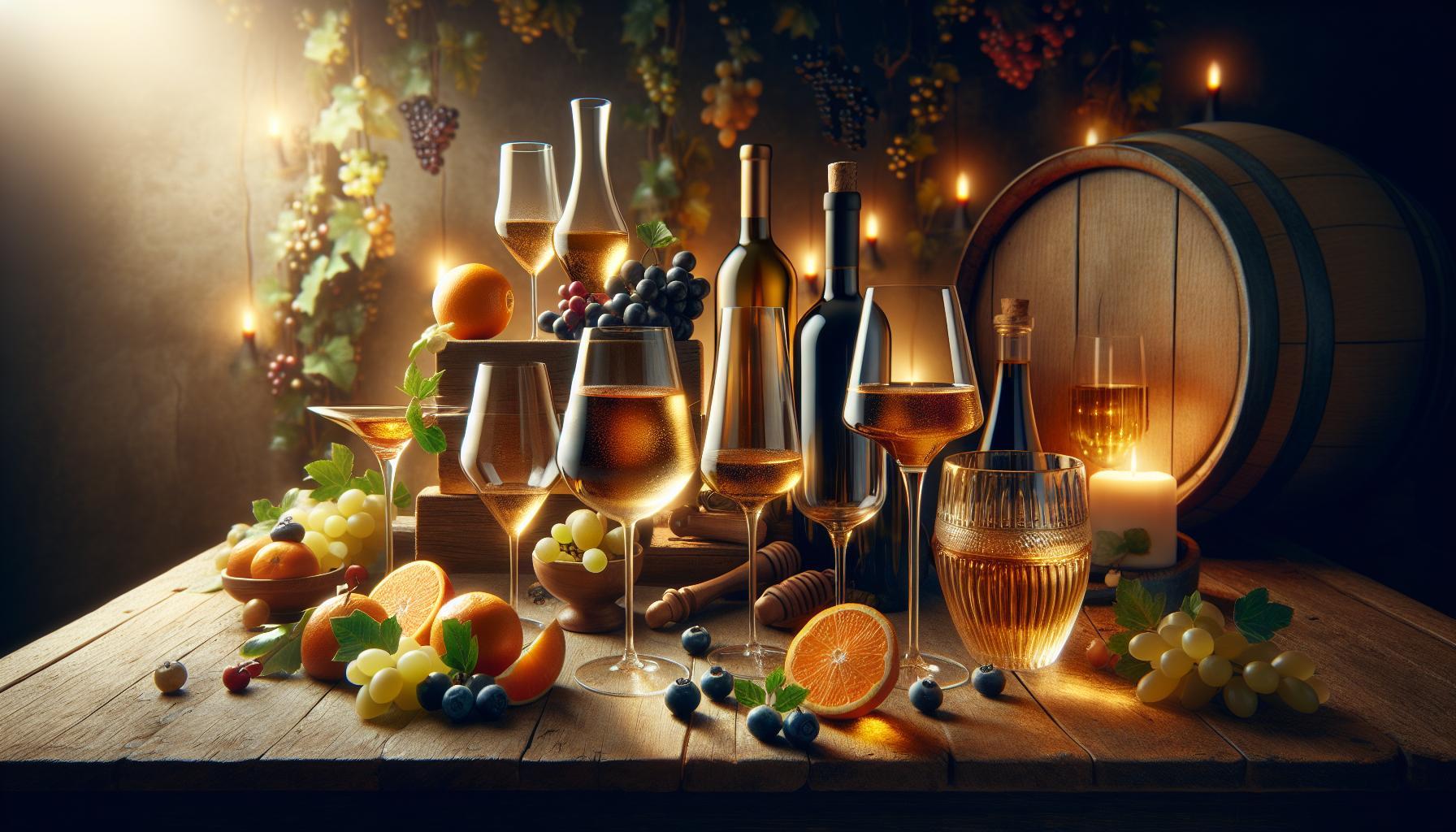
Mixing wine and liquor often inspires lively debates among enthusiasts and casual drinkers alike. Many believe that combining these beverages leads to chaos on the palate and the dance floor, while others relish the creative potential of crafting unique cocktails. In this exploration of the compatibility of wine and spirits, we’ll uncover safe drinking tips and debunk prevalent myths, guiding you through the nuances of mixing flavors without sacrificing enjoyment or wellbeing.
As we delve into this fascinating topic, consider your own experiences: Have you ever enjoyed a fine wine only to wonder whether it could complement a spirited liqueur? Perhaps you’ve been cautioned against mixing by friends at a gathering. Our journey will help demystify these concerns, empowering you to make informed choices about your drinking experiences. With the right knowledge and a dash of creativity, mixing can lead to delightful discoveries and new favorites. Let’s venture into the world of wine and spirits and reap the benefits of their harmonious potential.
Understanding the Essentials: Wine and Liquor Basics
In many social settings, the question of whether wine and liquor can coexist in a single glass sparks lively debates. While some purists might argue that blending these two beverages is akin to mixing oil and water, others relish the creative possibilities that arise when crafting cocktails that embrace both worlds. The truth lies somewhere in between-understanding the fundamental characteristics of wine and liquor not only enriches our appreciation of these beverages but also equips us with the knowledge to experiment responsibly.
Wine and liquor are distinct entities, each with its own unique production process and flavor profile. Wine, typically a fermented product of grapes, boasts complex notes that can range from fruity and floral to earthy and tannic. The characteristics of wine are deeply influenced by factors like the varietal, terroir, and vinification methods. On the other hand, liquor, distilled at higher alcohol concentrations, often embodies bold flavors derived from diverse sources-be it sugarcane in rum, grains in whiskey, or botanicals in gin. This difference in composition and potency means that thoughtful selection is key when considering combinations.
Each beverage contributes its own narrative and character when mixed, making the art of combining them both exciting and nuanced. For instance, a crisp Sauvignon Blanc can brighten a cocktail, while a rich Merlot may deepen its flavor. In essence, successful mixing hinges on balance; the goal is to harmonize rather than overpower. This approach invites us to explore beverages like wine spritzers or sangrias, where the addition of spirits enhances fruitiness without muddling the underlying wine essence. Trust your palate and be fearless; as with any form of culinary art, the best discoveries often come from playful experimentation.
While seeking to craft the perfect mixture of wine and liquor, it’s essential to remain mindful of your consumption. The higher alcohol content in many liquors can amplify the effects of both beverages, leading to unexpected results if one is not careful. Remember to pace yourself, hydrate in between drinks, and give yourself the freedom to appreciate the distinct qualities of each drink. In this journey of exploration, embody the spirit of curiosity and moderation; after all, the heart of wine and liquor culture is not just about the alcohol content, but the bond it fosters among friends, family, and cultures.
The Science Behind Mixing: Effects on the Body
Mixing wine and liquor is an age-old practice that can ignite both joyous celebration and cautionary tales. The biological implications of blending these two potent beverages hinge on how our bodies metabolize alcohol. Both wine and spirits contain ethanol, the active substance that affects our central nervous system. When consumed, ethanol is absorbed primarily through the stomach and small intestine, influencing our mood, coordination, and cognitive functions. This process can be both a science and an art, shedding light on why moderation is crucial when experimenting with combinations.
The speed at which alcohol impacts the body can vary based on several factors, including the type and quantity of beverages consumed. Wine, with its typically lower alcohol content, may lead one to feel more relaxed and sociable. In contrast, liquor packs a punch, resulting in quicker intoxication. When these two are mixed, the resulting cocktail can have unpredictable effects. One may underestimate the strength of a mixed drink, leading to rapid intoxication that may not be immediately felt. This phenomenon is often due to the fact that the sweetness and complexity of flavors can mask the harshness of alcohol, creating a deceptive allure that can encourage overconsumption.
It’s essential to recognize how different alcohol types affect the body. Wine, especially varieties that are rich in antioxidants like red wines, can have some beneficial health effects when consumed in moderation. Liquor, on the other hand, may not offer similar benefits and, in excess, can lead to more severe hangovers and dehydration. The combination of the two-while tantalizing for the palate-can exacerbate certain physiological responses, particularly when it comes to hydration. Alcohol acts as a diuretic; therefore, mixing can heighten the risk of dehydration, leading to more severe aftereffects.
To enjoy the creative possibilities without compromising well-being, being mindful of one’s limits is key. Hydrating in between drinks can help mitigate some of the negative effects of alcohol. Many enjoy alternating sips of water or non-alcoholic beverages with their cocktails. When crafting your drink, consider using lighter spirits or adding fresh ingredients like herbs and citrus to enhance flavors without overloading on alcohol. Ultimately, the joy of mixing comes with responsibility; respecting how these unique beverages interact within our bodies is the cornerstone of a delightful and safe drinking experience.
Common Myths Debunked: Mixing Wine and Liquor
Mixing wine and liquor often conjures images of cocktail parties filled with exuberance, but lurking beneath this celebratory veneer are numerous myths that can cloud judgment and lead to unwarranted caution or careless indulgence. One of the most persistent misconceptions is that mixing the two will universally exacerbate drunkenness. In reality, it’s not the combination of wine and liquor that amplifies intoxication but rather the total amount of alcohol consumed. A well-crafted cocktail can indeed be misleading due to its sweet flavor profiles, but understanding one’s personal tolerance and the alcohol content of each component is key to responsible enjoyment.
Another prevalent myth suggests that certain combinations cause severe hangovers, specifically blaming the mixing of different types of alcohol. The truth is that hangovers are primarily the result of dehydration, lack of sleep, and the congeners-those chemical by-products of fermentation found in darker spirits-rather than the mixing itself. For example, indulging in a glass of red wine followed by a whiskey sour may not lead to an unavoidable morning-after misery if done in moderation and accompanied by ample water and food. Incorporating hydrating beverages between your drinks can counteract the dehydrating effects of alcohol, offering a refreshing solution to this supposed pitfall.
Furthermore, a common belief is that one should always drink a particular type of alcohol at a time-like wine with wine and liquor with liquor-to avoid adverse physiological reactions. While personal preferences and bodily reactions vary, there’s no universal rule that prohibits the delightful mingling of flavors. In fact, many cocktail masterpieces exemplify harmony by cleverly balancing sweetness from wine and the boldness of spirits. To navigate these combinations safely, focus on lighter, high-quality spirits or infusing fresh botanicals into your drinks, allowing for a sophisticated palate experience without overwhelming your senses.
In reflecting on these myths, it’s essential to cultivate a mindful approach to mixing drinks. Enjoying the sensory journey of various flavors while respecting your body’s responses honors the complexity of wine and spirits. Ultimately, knowledge is your best ally when exploring the joyous realm of mixed drinks; understanding the narrative behind each bottle can elevate your experience and ensure that every sip is an occasion worth savoring. As you venture into the playful world of cocktails, consider it an opportunity to create unique stories-each glass telling a tale of taste, balance, and celebration.
Safe Mixing Techniques: Enjoying Responsibly
Mixing wine and liquor can seem intimidating, often laden with societal myths and personal fears, but with a thoughtful approach, it can also be a delightful exploration of flavors. Just as each sip can transport you to vineyards or distilleries, the act of mixing can embody creativity and respect for the craft. Start by understanding your limits-both in terms of alcohol content and personal tolerance. Remember, it’s not about restricting your choices, but about celebrating them within the boundaries of safety and enjoyment.
To enjoy the art of mixing responsibly, consider these practical strategies:
- Stay Hydrated: Alternate your alcoholic beverages with water or hydrating non-alcoholic drinks. This not only keeps you refreshed but also mitigates the dehydrating effects of alcohol. For instance, sip water between each cocktail, ensuring you’re fortifying your body with hydration.
- Mind the Measurements: Pay close attention to portion sizes. Mixing a glass of red with a whiskey can be enjoyable, but overindulgence can sneak up on you if you’re not monitoring your intake carefully. Stick to standard measures-about 1.5 ounces of liquor or 5 ounces of wine per serving-to keep things in check.
- Mix Lightly: Start with lighter cocktails that combine wine and liquor sparingly. A splash of gin with a glass of sparkling wine or a fruity wine spritzer can be an excellent way to explore combinations without overwhelming your senses. Gradually venture into richer mixes only as you feel more comfortable.
- Food Matters: Pairing food with your drinks enhances the overall experience and slows down alcohol absorption. Cheese, charcuterie, or light appetizers can complement wine beautifully, while hearty dishes work well with robust cocktails. This not only elevates flavor but also supports balanced drinking.
Moreover, always cultivate a mindful mindset. Approach each cocktail with intent: experiment, savor, and appreciate the nuances of each ingredient. Rather than viewing mixing as an act of reckless abandon, see it as a culinary adventure. A well-designed cocktail celebrates both wine and spirits, marrying their distinct profiles while allowing your palate to dance between the two. Remember, this journey is as much about exploration as it is about moderation.
By shifting the focus from fear to flavor, enjoying wine and liquor together can transform into an enriching experience, one that fosters connection-with the beverages, the moment, and perhaps even those around you. So, the next time you’re considering a mix, reflect on what you hope to experience. Let your curiosity lead the way, ensuring each sip is not just enjoyed, but cherished.
Pairing Flavors: Harmonizing Wine and Spirits
The dance between wine and spirits can create an exquisite harmony, much like a well-conducted symphony where each instrument plays its part to perfection. When considering the interplay of these two worlds, it’s essential to understand how their flavors can either clash or complement one another. By approaching the blending of wines and liquors thoughtfully, one can discover unique combinations that elevate the drinking experience, turning a simple cocktail into a memorable indulgence.
To achieve this flavorful harmony, start by considering the base characteristics of the wine and liquor involved. For instance, a bright, acidic Sauvignon Blanc might find a delightful partner in a crisp gin, where the herbal notes of the gin enhance the wine’s fresh citrus quality. Conversely, a rich Merlot may be better suited to the warmth of a dark rum or whiskey, combining to create a full-bodied cocktail that comforts as it invigorates. When exploring these combinations, it’s beneficial to think of contrasting flavors (acidity against sweetness) and complementary ones (herbal with fruity) to create a more balanced final product.
A practical way to experiment with these additions is through simple spritzers or cocktails, utilizing a splash of liquor mixed with wine to gauge compatibility. For example, a refreshing blend of Prosecco with elderflower liqueur and a twist of lemon can create a light and bubbly aperitif, enticing by both its visuals and taste. Alternatively, for those cozy evenings, consider warming a glass of spiced red wine and adding a shot of whiskey for a soothing embrace, turning classic wine into a comforting elixir.
Food pairing also plays a critical role in harmonizing flavors. A lovely charcuterie board, with its variety of cheeses and meats, can elevate your chosen wine and spirit concoction. Pairing ideas include complementing a zesty rosé with a refreshing vermouth, serving it alongside olives, or teaming robust Cabernet Sauvignon with a whiskey base, served with grilled meats. These thoughtful combinations not only enhance the flavor experience but also foster a convivial atmosphere that invites exploration and enjoyment-an essence captured beautifully in every sip.
In the end, harmonizing wine and spirits is an invitation to merge creativity with tradition. By building upon the foundation of flavor profiles, experimenting, and considering the broader picture of taste, anyone can transform standard drinks into a tapestry of flavors that celebrate the art of mixing. So, next time you contemplate your drink choices, remember the potential within each combination, and let the journey of discovery delight your palate.
Cocktail Culture: Creative Mixes with Wine and Liquor
The world of cocktails invites thrilling creativity, offering a playground where the deep, complex flavors of wine intertwine with the spirited boldness of liquors. Imagine a glass filled with the vibrant colors of a sun-kissed garden, fragrant with the scent of fresh herbs and fruits, and then, as if by magic, everything melds into a delightful concoction, telling a story of taste that dances across the palate. This is the essence of cocktail culture-where the spirit of innovation meets the rich traditions of winemaking and distilling, allowing mixologists to create extraordinary drinks that speak not just of flavor but of history and culture.
To embark on this flavorful journey, one must first appreciate what each component brings to the table. Wines offer a spectrum of profiles: the crispness of a Sauvignon Blanc harmonizing beautifully with the botanical notes of gin, or the bold character of a malbec complements the caramel and spice of dark rum. For a practical exploration, consider crafting a Wine and Liquor Spritzer-start with a base of sparkling rosé, then add a splash of elderflower liqueur for a floral kick and finish with a squeeze of lemon. This simple blend not only refreshes the senses but also captivates with every sip.
Delving deeper into the cocktail realm, one encounters classics that have stood the test of time. The Kir Royale, a French favorite, melds the tartness of crème de cassis with the effervescence of sparkling wine, creating a celebratory treat perfect for any occasion. Alternatively, take a step toward the more innovative with a Red Wine Sangria, combining an inexpensive red wine with fresh fruits, a splash of brandy, and spices, crafting a communal drink steeped in warmth and conviviality. These examples serve not only as instructions but invitations to play, experimenting with flavors until the perfect balance is found.
In this cocktail culture, the beauty lies in exploration and connection. Pair your creations with an artisanal cheese board or lively tapas to elevate the occasion, allowing the diverse flavors to complement and contrast, creating a memorable experience. Every cocktail tells a story, weaving threads of personal history-whether it’s the laughter shared over a fizzy spritzer on a sun-drenched patio or the warmth of a spiced wine on a chilly evening, mingled with the cheer of friends. As you raise your glass, each sip becomes a celebration of tradition, creativity, and the vibrant tapestry of flavors that wine and liquor can create together.
Mindful Drinking: Tips for Responsible Consumption
In an age where the pleasure of sipping and the social intricacies of beverage consumption intersect, the essence of responsible drinking becomes paramount. It is often a misconception that mixing various types of alcohol leads to more severe intoxication, but the truth lies deeper within the individual’s tolerance and choices. Understanding your limits is key. Pay attention to how different wines and spirits affect you personally, for the body’s response can vary widely based on numerous factors, including hydration, nutrition, and even the environment in which you drink.
To savor the delightful experience of mixing wine and liquor without tipping the scales of moderation, consider these practical tips:
- Hydration is Essential: Always accompany your alcoholic beverages with plenty of water. Aim to drink at least one glass of water for every alcoholic drink to stay hydrated and help mitigate the effects of alcohol.
- Mindful Pairing: When creating cocktails that mix wine and spirits, choose harmonious flavors that uplift rather than overpower. This not only enhances your drinking experience but can also make it easier to enjoy smaller quantities.
- Pace Yourself: Enjoy your drinks slowly. Give your body the time it needs to process the alcohol, and resist the urge to keep up with the pace of others. A simple mantra could be “sip, don’t gulp” to remind yourself to take it easy.
- Food Matters: Pair your drinks with nutritious snacks or meals. The combination of food and alcohol slows the absorption of alcohol into your system and enhances the overall tasting experience.
- Know Your Limits: Be aware of how different wines and liquors affect you. Perhaps a glass of full-bodied Cabernet Sauvignon mixed with a hint of whiskey, creating a unique highball, is your signature drink-but if it leaves you feeling unwell, it’s wise to reconsider.
- Take Notes: Keeping a simple journal of what you drink can help you recognize patterns in how you feel afterward. Note combinations that lead to pleasant experiences versus those that don’t.
Every interaction with wine and liquor not only provides an opportunity for enjoyment but also a chance to cultivate mindfulness and self-awareness. As you raise your glass, let each sip be not just a taste of flavors but a moment of connection to yourself and those around you. Engaging in mindful drinking transforms a potentially chaotic experience into a refined ritual, where every sip savored and every note discerned enhances your appreciation of the diverse world of wines and spirits.
The History of Wine and Liquor Blends
Throughout history, wine and liquor have coexisted in various forms, influenced by culture, geography, and societal norms. The blending of these two popular beverages isn’t merely a modern-day cocktail trend; it has its roots in ancient rituals and festive celebrations across civilizations. Originating as separate entities-wine with its rich history stretching back to the vineyards of Mesopotamia and liquor derived from distilled grains, fruits, or sugars-these drinks have frequently intertwined, creating new flavors and experiences that reflect the essence of human connection.
In ancient Rome, for example, wine was revered not just for its intoxicating effects but also as a social glue, essential for both feasts and religious ceremonies. The Romans were known to blend wine with other substances, including honey and herbs, enhancing flavor and suggesting medicinal qualities. Fast forward to the Renaissance, when the art of distillation flourished, leading to the creation of brandies and aperitifs. This period marked the beginning of a more systematic approach to mixing-wherein sweet wines like Vin Santo were paired with spirits such as grappa, illustrating an early appreciation for the harmony between wine and liquor.
The modern era has seen a vibrant cocktail culture emerge, encouraging experimental blends that capture the imagination of mixologists and the palates of consumers. Today, many classic cocktails showcase such blends; the timeless Sangria, combining red wine with fruit and spirits, invites drinkers to explore flavor layering, while the Brandy Alexander marries sweet wine and aromatic liquors for a richer tasting experience. Each drink tells a story-a fusion of elements that transcend borders and traditions, emphasizing the global and timeless love for these beverages.
As we savor this legacy, it’s vital to reflect on our own drinking experiences. Understanding the historical context of wine and liquor blends enhances not just our appreciation but also our mindfulness when mixing. Take the time to contemplate the flavors and aromas as they dance on your palate, each sip a nod to the diverse cultures and epochs that have shaped our modern drinking rituals. In mixing wine and liquor, we honor both tradition and innovation-crafting unique cocktails that resonate with the echoes of history while celebrating the present moment.
Savoring the Experience: Uniquely Crafted Drinks
The alchemy of blending wine and liquor unveils a world of unique tastes and creations that invite you to explore both tradition and innovation. Imagine the vibrant swirl of colors in a glass of Sangria, where robust reds meld with sun-kissed fruits and a splash of brandy, forming a tapestry of flavors that speaks to the heart of conviviality. These uniquely crafted drinks do more than satisfy thirst; they engage the senses, each sip a storyteller of emotion, history, and kinship.
To embark on this flavorful journey, it’s essential to embrace both creativity and intention in your mixing endeavors. Consider the balance of flavors-sweet, bitter, sour, and umami-as you select your ingredients. Harmonizing elements like the floral notes of a Sauvignon Blanc with the boldness of gin can create an unexpected yet delightful experience. Start with a solid base, such as a light white wine, and layer in spirits that complement its profile. Experimenting with bitters, herbs, and citrus garnishes can elevate your concoctions to sophisticated levels while maintaining a playful approach.
As you craft these drinks, remember that presentation can amplify the experience. A tall glass with a garnish of fresh rosemary or a twist of lemon not only enhances visual appeal but ignites anticipation for the flavors to come. Furthermore, sharing these creations encourages connection-inviting friends to sip on your latest cocktail fosters a shared journey of discovery.
In this ever-evolving cocktail culture, every mix fosters a dialogue between the past and present, encouraging you to recognize the influence of diverse traditions across the globe. Each drink pays homage to the long-standing artistic practice of blending, and as you savor the nuances of your unique recipes, you’ll find yourself participating in an age-old ritual of communion and celebration. So, whether you’re exploring classic combinations or inventing bold new blends, approach mixing with mindfulness and joy-the beauty lies not just in the drink itself but in the memories and connections forged in the process.
Cultural Perspectives: Mixing Traditions Across the Globe
The practice of mixing wine and liquor is a global tradition that reflects not just the interplay of flavors but also the cultural identities and histories of the regions from which these beverages originate. Across various cultures, the act of combining wine with spirits has evolved into unique expressions of creativity, each mix telling a story steeped in tradition and local ingredients. For instance, the Spanish Sangria-a harmonious blend of red wine, fresh fruits, and sometimes a splash of rum or brandy-illustrates how local flavors can transform a simple drink into a festive celebration. The way Sangria is approached at summer gatherings evokes communal joy, signaling the importance of sharing within Spanish culture.
In Italy, the creation of spritzes showcases a different yet equally vibrant perspective. The classic Aperol Spritz melds Prosecco with Aperol, a bitter liqueur, creating a refreshing aperitif that beautifully balances sweetness and bitterness. This drink is deeply ingrained within the culture of aperitivo, where socializing pre-dinner is a cherished lifestyle ritual. It reflects a dedication not only to flavor but to the art of leisure, an invitation to pause and appreciate the moment. Such drinks symbolize regions’ distinctive climate and lifestyle facets, inviting individuals into a sensorial journey as they sip and savor.
Meanwhile, the Japanese have their own nuances, utilizing sake in concoctions that marry tradition with innovation. A sake-based cocktail can elevate the dining experience, offering a glimpse into the meticulous craftsmanship that defines Japanese gastronomy. Drinks like the Yuzu Sake Sour, combining sake with citrusy yuzu fruit and a touch of whiskey, highlight the Japanese tradition of blending harmony and nature, where ingredients are selected not just for their taste but for their seasonality and aesthetic appeal.
The rich diversity of mixing wine and liquor is also observed in the Caribbean, where rum is a beloved staple. In cocktails like the Rum Punch, the blend of rum, fruit juices, and spices serves as a refreshing reminder of the islands’ vibrant culture. Here, mixing is not merely a culinary art but a celebration of community and harmony, often accompanying lively music and dance.
Understanding these varied cultural perspectives on mixing wine and liquor not only enhances our appreciation for the drinks we enjoy but also fosters a greater connection to the people and histories that craft them. Each sip becomes a journey through time and tradition, leading us to appreciate not just the flavors on our palate but the profound stories behind them. In embracing these global influences, we can create our own innovative blends while celebrating the shared heritage of mixing traditions that continue to bring us together across borders and cultures.
Personal Stories: Memorable Mixing Experiences
The world of mixing wine and liquor is often steeped in personal stories that illuminate the practice’s multifaceted nature. Picture this: a sun-soaked summer afternoon in the south of Spain, where friends gather around a table laden with ripe, juicy fruits-the kind that drips with sweetness, teasing the palate. It’s here that Sangria becomes more than just a drink; it transforms into a vessel of celebration, bringing people together as they share laughter and stories. The vibrant colors of red wine mingled with splashes of orange juice and the sparkling ticket of soda water create a potion that encapsulates the essence of summer. Each sip is a burst of community spirit, reminding us that mixing is as much about the experience as it is about flavor.
In Italy, we find ourselves drawn to the legendary spritz, a drink that captures the heart of aperitivo culture. I recall an evening spent in a quaint Venetian café where the local bartender, with a glint in his eye, concocted a perfect Aperol Spritz, the Prosecco effervescing like bubbles of joy in a glass. The balance achieved between the bitterness of Aperol and the sweetness of the wine was nothing short of theatrical. It was during that moment, with the backdrop of laughter and the setting sun painting the canal in hues of gold, that I understood the philosophy behind this drink: it is an invitation to savor the present. Each spritz served as a gentle reminder to pause, reflect, and connect-elements that form the very fabric of Italian cultural identity.
Exploring further afield, I was fortunate to attend a Japanese gathering where sake took center stage, forming the basis of innovative cocktails that fused tradition and modernity. A favorite was the Yuzu Sake Sour-its bright, citrusy notes harmonizing flawlessly with the umami of sake. This experience was a testament to Japan’s dedication to craftsmanship and seasonal ingredients, where simple elements are artfully combined to create harmony in every glass. Sharing this drink at a small, intimate gathering signified more than just appreciation; it represented a cultural ethos that values balance, beauty, and the cyclical nature of life-a fitting reflection of the meticulous care that goes into each sip.
These experiences underscore a vital truth about mixing wine and liquor: it is not merely a matter of taste; it’s an exploration of culture, community, and connection. Each drink tells a story, encapsulating the essence of its origins and the emotions surrounding it. So as we engage in our own mixing adventures, whether creating unique concoctions at home or savoring the craftsmanship of a bartender, let’s remember that every blend-like every gathering-holds the potential to develop into a cherished memory full of flavor, laughter, and shared experiences.
Frequently asked questions
Q: Can you mix wine and liquor safely?
A: Yes, you can mix wine and liquor safely, but moderation is key. Combining different types of alcohol can lead to overconsumption, as you might not be aware of how much you’re drinking. Always pace yourself and stay hydrated to maintain a safe drinking experience.
Q: What happens when you mix wine and liquor?
A: Mixing wine and liquor can lead to increased intoxication quicker than drinking either on its own due to the differing alcohol content. This might intensify the effects, causing headaches or nausea. It’s best to understand your limits and choose drinks wisely.
Q: Are there myths about mixing wine and liquor?
A: Yes, one common myth is that some alcohol mixes are more likely to cause hangovers than others. In reality, hangovers result from the total amount of alcohol consumed and your body’s reaction to it, not the specific combination of drinks.
Q: When is it best to mix wine and liquor?
A: Mixing wine and liquor is best done when creating cocktails or specific mixed drinks, like sangria. If you choose to mix, consider lighter wines with clear liquors to balance flavors while enjoying the complexity of both beverages.
Q: How can I enjoy wine and liquor together without overdoing it?
A: To enjoy both without overdoing it, start with wine then switch to cocktails that complement the wine’s flavors. Also, consume water between drinks to stay hydrated and help manage alcohol intake effectively.
Q: Why do people believe mixing wine and liquor makes you sick?
A: Many people believe mixing causes sickness because they often consume more alcohol than realized. Additionally, certain combinations may lead to particular reactions, but focusing on quantity and personal tolerance is more important than the types of drinks mixed.
Q: What drinks should I avoid mixing with wine?
A: Avoid mixing wine with heavy spirits like dark rum or bourbon, as their robust flavors can overpower the wine. Instead, opt for lighter spirits that can enhance the wine’s character, ensuring a more balanced and enjoyable drink.
Q: How does mixing alcohol affect wine’s taste?
A: Mixing alcohol can alter the wine’s taste by masking its nuanced flavors. The richness and complexity of a fine wine may be diminished when combined with stronger spirits, so it’s advisable to enjoy premium wines on their own to appreciate their full profile.
In Summary
As you explore the vibrant world of mixing wine and liquor, remember that knowledge is your finest tool. We’ve uncovered the myths and truths surrounding your favorite blends, from the art of balancing flavors to understanding personal limits. So, whether you’re contemplating a sumptuous sangria or a crisp wine cocktail, savor each sip mindfully. Feeling inspired? Dive into our related articles on “The Perfect Pair: Wine with Your Favorite Spirits” and “Cocktail Culture: The Art of Mixology” to further enrich your drinking experience.
Don’t let your journey end here-join our newsletter for expert tips and exclusive recipes that will elevate your next gathering. Your palate deserves exploration, and we’re here to guide you. Share your thoughts or your favorite concoctions in the comments below; we love hearing from fellow enthusiasts! Embrace the joy of discovery that wine and spirits bring, and let’s toast to endless possibilities ahead. Cheers!
Get our latest guides, news, and insights highlighted in your Google Search & AI Overviews.