


Did you know that the right serving temperature can enhance the aroma and flavor of your wine, turning an ordinary experience into an extraordinary one? Understanding the ideal temperature for different types of wine not only ensures each sip is at its best but also elevates your overall enjoyment. Whether you’re a casual drinker or an avid connoisseur, mastering the art of wine cooling is essential.
As you explore the nuances of red, white, and sparkling wines, you’ll discover that temperature plays a pivotal role in coaxing out hidden flavors and aromas. Imagine savoring a velvety Merlot perfectly warmed to bring forth its deep cherry notes, or a crisp Sauvignon Blanc chilled just right to refresh your palate. With a few key insights, you can confidently set your wine cooler to create the ideal environment for every bottle in your collection.
Join us as we delve into the essential temperature guidelines for various wines, ensuring that each pour delivers a harmonious blend of taste and aroma, allowing your wine journey to flourish.
What Temperature is Ideal for Wine Storage?
The nuanced art of wine storage hinges on understanding that temperature is more than just a number; it’s a crucial ingredient in the wine’s overall character. Storing wine involves striking a delicate balance, and ideal temperatures are critical to preserving the integrity of your beloved bottles. Most experts recommend a storage temperature of around 55°F (13°C), often described as the sweet spot for maintaining quality over time. However, variations in temperature can be a boon or a bane, depending on the type of wine and the duration of storage.
The Temperature Blueprint
When contemplating your wine storage strategy, consider the following temperature ranges for different wine types to enhance their characteristics:
- Red Wines: Best stored at temperatures between 55°F and 65°F (13°C to 18°C). This range allows red wines to maintain their aromatic complexity and intimacy.
- White Wines: Ideally served chilled, white wines thrive at cooler temperatures, around 45°F to 55°F (7°C to 13°C). Storing at the high end of this range ensures a vibrant expression of flavors.
- Sparkling Wines: The perfect chill is crucial, ideally between 40°F and 50°F (4°C to 10°C). This temperature preserves the effervescence and crisp flavor profile.
Achieving these optimal temperatures can often be best accomplished with a dedicated wine cooler. These units allow you to customize the environment, shielding your wine from the more erratic temperatures often caused by household appliances and seasonal changes. Consider looking for coolers with dual zones, offering settings for both red and white wines, supporting your intentions to explore and enjoy a diverse cellar.
The Risks of Temperature Abuse
Storing wine outside these recommended ranges can lead to various complications. If temperatures soar above 70°F (21°C), wine can age prematurely, resulting in muted flavors and excessive evaporation, ultimately diminishing its quality. On the other hand, storing wine at too cold a temperature can suppress the wine’s aroma and flavor, leading to an uninspiring experience when it’s finally uncorked. The impact of even minor fluctuations should not be underestimated, as wine is sensitive to temperature changes, which can disrupt the delicate balance of its composition.
In reflecting on your wine storage practices, remember: the right temperature isn’t just about prevention and preservation; it’s about cultivating an experience that respects the artistry in each bottle. Wine is a journey, and beginning that journey with an understanding of the optimal storage conditions sets the stage for delightful future sips, allowing you to savor each pour with intention and appreciation.
The Temperature Secrets for Red Wine

Storing red wine is not merely an act of preservation; it’s an art that significantly impacts the tasting experience. Did you know that the ideal temperature for red wine plays a pivotal role in unlocking its full potential? To truly appreciate the complexities of a robust Cabernet Sauvignon or a delicate Pinot Noir, knowing how to set the temperature in your wine cooler is crucial. Red wines generally thrive at temperatures between 55°F to 65°F (13°C to 18°C), with the sweet spot often hovering around 60°F (15°C). This range allows the wine’s aromas to develop fully while keeping the tannins refined, ensuring a balanced and enjoyable sip.
When considering the subtleties of red wine, it’s vital to understand that factors like varietal and age can influence the perfect serving temperature. For instance, bolder reds, such as Syrah or Zinfandel, benefit from the slightly warmer end of the scale, where the warmth amplifies their rich flavors and spiciness. In contrast, lighter-bodied reds, such as Beaujolais, can feel more refreshing when served at the cooler end of this spectrum. These nuances highlight the importance of choosing the right temperature to tailor the experience to each individual bottle and occasion.
A practical tip for the wine enthusiast is to invest in a wine cooler with adjustable temperature zones. This allows you not only to cater to red wines but also to store white and sparkling wines at their ideal temperatures. Consider setting the upper zone of your dual-zone cooler for red wines at 60°F while reserving the lower zone around 50°F for whites. This meticulous attention to temperature will cultivate an environment where your wines can evolve gracefully, providing you with the perfect backdrop for any gathering or solitary indulgence.
Ultimately, the temperature at which red wine is stored and served isn’t just about enhancing flavors-it’s about engaging with wine’s rich tapestry of history, culture, and tradition. With each thoughtfully poured glass, you partake in a ritual, a connection to the vineyards, the winemakers’ expertise, and the earth itself. Embrace this journey, and let your wine cooler be a steadfast companion, ensuring that every sip is not just drunk, but savored with intention and joy.
Unlocking the Best Chill for White Wine

In the realm of wine appreciation, the temperature at which white wine is served is akin to the gentle brushstrokes of a painter, crucial for revealing the hidden nuances of flavor and aroma. The ideal serving temperature for white wine generally hovers between 45°F to 55°F (7°C to 13°C), with each degree unlocking specific characteristics that delight the senses. A well-chilled white wine not only refreshes but elevates the tasting experience, transforming a simple sip into an exploration of its vibrant personality.
When selecting the right temperature for white wine, it’s essential to consider the grape variety and style. For instance, crisp, aromatic whites such as Sauvignon Blanc and Pinot Grigio thrive at cooler temperatures, allowing their zesty acidity and floral notes to shine through. On the other hand, full-bodied whites like Chardonnay may benefit from being served slightly warmer, around 50°F to 55°F, which can enhance their creamy texture and allow their oak-influenced aromas to flourish. Understanding these subtleties ensures that the wine’s true essence is brought to life, inviting each taster on a delightful journey through its myriad flavors.
Furthermore, the type of occasion can dictate the choice of chilling technique. A refreshing glass of white wine can provide relief on a hot summer day, while a slightly warmer temperature might be preferable for cozy gatherings during cooler months. Utilizing a dual-zone wine cooler becomes invaluable, allowing enthusiasts to cater to various styles: you might keep summer staples like Albariño in the lower zone at around 45°F, while reserving the top zone for Chardonnay resting comfortably at 50°F. This thoughtful customization not only ensures optimal enjoyment but also reflects a commitment to the craft of wine.
In concluding your white wine experience, picture this: as you pour from the bottle, the gentle clink of the glass harmonizes with conversations and laughter, each sip a testament to the care taken in selection and storage. Embracing the right temperature transforms not merely the drink but the entire atmosphere, creating memorable moments that echo the rich tradition of wine. Each even chilled glass is a reminder that wine, in its finest form, is a celebration-of the vineyard’s bounty, the winemaker’s art, and the countless stories waiting to be shared.
Sparkling Wine: Know the Perfect Temperature
When it comes to enjoying that delightful sparkle in your glass, getting the temperature right can be a game changer. Ideal serving temperatures for sparkling wines generally range from 40°F to 50°F (4°C to 10°C). At these cooler temperatures, the effervescence is enhanced, ensuring those tiny bubbles dance gracefully and provide a tantalizing mouthfeel that complements the wine’s flavors. Imagine a glass of well-chilled Champagne or Prosecco on a warm day; it’s not just a drink, but an experience that engages your senses and uplifts your spirits.
Choosing the right temperature for sparkling wine is not just about chilling-it’s about unlocking a world of flavors. For example, dry sparkling wines like Cava and Champagne can shine best when served just below the 50°F mark, accentuating their complex profiles, from the crispness of green apple to the bread-like notes that develop through secondary fermentation. On the other hand, sweeter sparkling wines-think Asti or Moscato-benefit from being served slightly cooler, around 40°F. This coldness brings out their fruity, luscious nature, making every sip a splash of joy.
To achieve the ideal temperature, consider using a wine cooler or an ice bucket filled with half ice and half water. This method not only chills your wine effectively but also keeps it at the right temperature longer than simply placing it in the fridge. As you pour the sparkling wine into a flute, take a moment to appreciate the frothy crown that forms. Each bubble carries the promise of a flavorful journey, enhancing the aroma and delivering a refreshing burst with every sip.
In a world where experiences are often rushed, savoring sparkling wine can be a pause to celebrate life’s moments-big or small. The right temperature truly harmonizes the wine’s character, ensuring that whether it’s a toast at a wedding, a casual gathering with friends, or a quiet evening at home, the effervescent delight in your glass reflects the joy of the occasion. So, as you prepare to enjoy your next bottle of bubbly, remember: temperature is key to turning a good experience into something truly memorable.
How Room Temperature Affects Wine Flavor
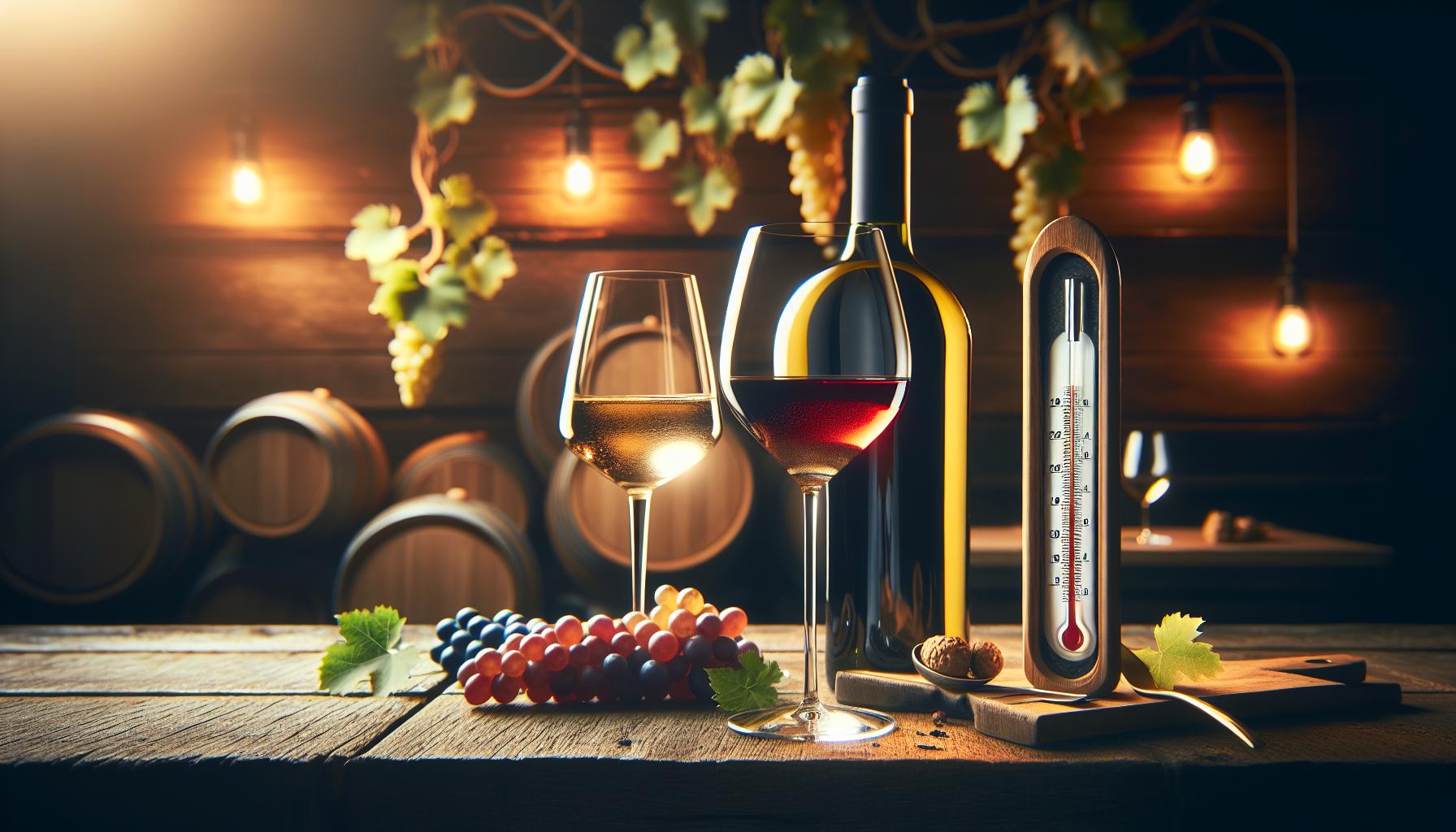
The temperature at which wine is stored and served can dramatically influence its flavor profile, transforming each sip into a multidimensional experience. While many consider room temperature a perfect setting for certain red wines, it’s essential to understand that this term can be subjective and context-dependent. True room temperature, ideally between 60°F to 65°F (15°C to 18°C), can serve as the ideal backdrop for wine appreciation, enhancing certain qualities while muting others.
When served too warm, the alcoholic content can rise to the forefront, drowning out the intricate aromas and flavors locked within. The delicate floral notes of a Pinot Noir, for instance, can become overshadowed by a harsh alcohol presence if the wine reaches temperatures above 70°F (21°C). Conversely, wines served too cold might hide their fuller nuances; the lush notes of a Merlot might appear flat and featureless without that bit of warmth to coax them out. Thus, understanding how ambient temperature interacts with wine can lead to richer, more enjoyable tasting sessions.
Wine’s various components-acidity, tannin, fruitiness-are affected by temperature, inviting a journey of sensory contrasts. As a piece of advice, allow red wines to breathe slightly at warmer temperatures to elevate their aromatic complexity. Picture a robust Cabernet Sauvignon resting at room temperature, its flavors blooming beautifully in the glass, comparable to the unfolding of a blossoming flower. Place your glass gently in hand; this tactile connection adds a layer of intimacy to the tasting experience.
To maximize your enjoyment, consider the environment when you pour. Celebrating a special occasion? A slightly warmer ambient temperature may enhance the joyous notes of a celebratory champagne, while a cozy evening with friends is ideal for a gently cooled red that allows for both deep conversation and refreshing sips. Ultimately, the magic of wine lies not only in its composition but in how we experience it through temperature, setting the stage for memories crafted with each pour. Enjoy the journey of discovery, and remember: the right temperature can transform a simple glass of wine into a profound moment of connection and joy.
The Science Behind Wine Temperature and Taste
Imagine savoring a velvety Cabernet Sauvignon that unfurls its depth and complexity like a masterful symphony, or a crisp Chardonnay that dances on your palate with bright acidity. These experiences hinge not only on the grape varietals but also on one crucial factor: temperature. reveals a fascinating interplay where every degree can impact aroma, flavor, and mouthfeel, sculpting your overall enjoyment.
Temperature affects the volatility of the wine’s aromatic compounds. When served too cold, as often happens with whites and sparklings, these delicate notes tend to be muted. The enchanting aromas of, say, a Sauvignon Blanc-think of fresh-cut grass and citrus zest-will lie dormant if chilled below their ideal range. Conversely, when reds are served above their optimal temperatures, the balance tips towards the alcohol, overpowering subtler flavors. A well-structured Syrah, for instance, can lose its nuanced spiciness and earthy undertones, becoming a one-note affair lost in heat.
Understanding these dynamics allows you not just to serve wines optimally, but to explore their stories through temperature. For example, let your reds come up to around 65°F (18°C) to invite those mesmerizing aromas to shine and engage your senses fully. Whites, meanwhile, find their sweet spot closer to 45°F to 55°F (7°C to 12°C), where they can proudly showcase their refreshing qualities without losing that hint of depth.
As you navigate the delicate balance of temperature, remember that wine appreciation is not merely a technical exercise but an art of connection. Each sip can transport you through time and place, inviting reflection and conversation. So, approach your wine cooler as a tool for storytelling, setting the scene for shared experiences as rich and varied as the wines themselves. The journey of discovery is yours to embrace, one perfectly chilled bottle at a time.
Setting Your Wine Cooler for Optimal Enjoyment
Setting your wine cooler to the perfect temperature can transform the way you experience your collection, enhancing the delicate balance of aroma, flavor, and mouthfeel that wine has to offer. Understanding the intricate relationship between temperature and wine is akin to tuning a finely crafted instrument: every degree matters. To ensure that each varietal sings its unique song, it’s imperative to set your cooler thoughtfully, catering distinctly to reds, whites, and sparkling wines.
To begin, consider the ideal temperatures for different types of wine. For reds, a cooler setting of around 55°F to 65°F (13°C to 18°C) is optimal. This range allows the wine’s flavors to unravel slowly, inviting you to indulge in the complexity of its character while preventing the alcohol from dominating the experience. A Cabernet Sauvignon at 62°F (17°C), for example, strikes the perfect balance, revealing robust tannins and rich berry flavors without overwhelming the palate. On the other hand, whites and rosés thrive at cooler temperatures, ideally between 45°F to 55°F (7°C to 12°C). This ensures that their crispness and vibrant acidity are preserved, allowing the citrus and floral notes to dazzle brightly on your palate.
Common Cooling Mistakes
It’s easy to overlook the subtleties of wine cooling. One common pitfall is the tendency to store all wines at the same temperature, which can lead to a lackluster tasting experience. Additionally, frequent door openings can result in temperature fluctuations that affect wine quality. Investing in a model with dual-zone capabilities is an excellent solution, enabling you to maintain different settings for red and white wines simultaneously.
Finding Your Ideal Setting
Much like fine-tuning a recipe, finding the right temperature may require a bit of experimentation. Consider keeping a journal of how different bottles taste at various settings, noting the nuances that surface. Whether it’s a lively Sauvignon Blanc that dances with floral notes or a robust Merlot that unveils layers of dark fruit, this practice not only enhances your enjoyment but also deepens your understanding of wine characteristics.
Ultimately, viewing your wine cooler as a nurturing environment for your cherished bottles opens the door to a world of flavor exploration and appreciation. When properly set, your cooler becomes more than just a storage unit; it becomes a stage where each bottle can perform to its fullest potential, transforming moments of sipping into memorable experiences worth savoring.
Common Mistakes in Wine Cooling Temperatures
Wine’s flavor profile is a delicate tapestry woven through careful temperature management, yet countless enthusiasts fall prey to common pitfalls that can compromise their enjoyment. One prevalent mistake is the misconception that all wines can be treated as a homogeneous group, deserving of a single storage temperature. This one-size-fits-all approach often results in suboptimal tasting experiences. For instance, red wines served too cold can mute their complex flavors, while whites stored too warm may lose their refreshing acidity. By understanding the distinct temperature needs of different varietals, one can elevate the experience from merely drinking to savoring every sip.
Another frequent error occurs when wine enthusiasts underestimate the impact of frequent door openings on their cooler’s internal environment. Each time the door swings open, it allows in warm air that can disrupt the carefully curated temperature settings, resulting in unwanted fluctuations that stress the wine. This is akin to pulling a fine cheese from the fridge too often; the more exposure it has to fluctuating temperatures, the less enjoyable its flavor becomes. To mitigate this, consider how often you access your wine cooler. Designate specific times for selection to minimize disruption, ensuring that your wines remain in their ideal conditions.
Moreover, many people overlook the value of investing in advanced cooling technology. For those who appreciate both red and white wines, opting for a dual-zone wine cooler can be a game-changer. These systems allow you to create separate environments; imagine a cabinet where your robust Cabernet peaks at 62°F, while your crisp Sauvignon Blanc enjoys a cool 50°F. This versatility not only preserves the integrity of each bottle but also invites you to explore and understand the nuances that different temperatures bring forth.
Finally, keep in mind that setting and forgetting is not a viable approach. It’s beneficial to document your wine tasting experiences, noting how varying temperatures influence flavor perception. A personal log can provide insight that enhances future selections, transforming your wine journey into an engaging exploration rather than a series of arbitrary choices. By sidestepping these common cooling mistakes, you nurture your collection, allowing each bottle to fully express its unique character, and ensuring that every encounter with your wine is an experience to cherish.
What Happens if Wine is Stored Incorrectly?
Imagine a cherished bottle of wine lying dormant on a shelf, only to be jeopardized by improper storage conditions. When wine is kept at unsuitable temperatures-whether too warm or too cold-it can initiate a slow decline that not only diminishes its quality but can also alter its essence in unexpected ways. Wine is a living entity, and just as we would nurture a delicate flower or a fine cheese, ensuring the right environment is paramount for preserving its character and complexity.
When wine is stored at high temperatures-beyond the ideal range of about 45°F to 65°F-its aging process accelerates. This can lead to a range of undesirable outcomes, such as oxidation. Think of it like leaving a delicate fruit out in the hot sun: it quickly loses its vibrancy and flavor. The wine’s once intricate bouquet may become dull and flat, its once vibrant acidity may falter, and the delightful nuances that make it unique could be replaced with an unappealing cooked or stewed quality. These changes are akin to watching a chorus of flavors lose their harmony, leaving a one-note experience that disappoints even the most ardent wine lovers.
Conversely, if wine is subjected to colder temperatures, particularly below 45°F, it can struggle to fully express its characteristics. Just like people can seem subdued in freezing conditions, so can wine. Low temperatures can stifle the very essence of floral aromas and fruit flavors, rendering them muted or even entirely absent. Aging becomes an ordeal rather than a beautiful evolution, and wines may succumb to faults more readily, such as unwanted crystallization or even spoilage. This is where the elegance of a wine often lies: in its ability to dance gracefully on the palate, revealing layers of taste, texture, and freshness that can only flourish when stored correctly.
Storage temperature is not just a minor detail; it’s a foundational element of wine enjoyment that deserves attention. To safeguard your collection, invest in a reliable wine cooler or climate-controlled cellar, designed to maintain precise temperatures and humidity levels. A well-designed wine cooler can provide a sanctuary where bottles rest undisturbed, waiting patiently to reveal their treasures in due time. Neglecting proper storage conditions is essentially depriving the wine of its journey, limiting the stories it can tell when uncorked. As stewards of these delightful libations, we owe it to our wines-and ourselves-to honor their unique requirements with dedication and care, enriching our tastings and broadening our understanding of the incredibly intricate world of wine.
Expert Tips for Customizing Your Wine Cooler
To elevate your wine experience, customizing your wine cooler is not just a luxury; it’s a vital aspect of fine wine appreciation. Think of your wine cooler as a nurturing cocoon, where every bottle is safeguarded to express its finest attributes. An ideal approach to this customization involves understanding the unique requirements of different wine varieties and transforming them into specific storage conditions.
Begin by considering the different temperature zones within your cooler. For optimal results, set the temperature between 45°F to 65°F. This range caters to the diverse needs of your wine collection. For example, reds, which tend to shine in slightly warmer conditions, prefer temperatures closer to 55°F. This gentle warmth allows their complex flavors to bloom, revealing notes that dance between fruitiness, earthiness, and sometimes, a hint of oak. In contrast, whites and sparkling wines thrive at about 45°F to 50°F. This cooler environment preserves their crispness and zesty notes, enhancing the freshness that characterizes these varietals.
As you navigate through your collection, take a moment to appraise each bottle’s individual character. Understand that some wines, like Pinot Noir, are particularly sensitive to temperature fluctuations due to their delicate structure, benefitting greatly from consistent storage conditions. On the other hand, robust varietals like Cabernet Sauvignon can hold their own, but even they flourish when stored at the right temperature, keeping their bold personality intact while allowing for gradual aging.
Adjust humidity settings to maintain moisture levels between 50% to 70%; a crucial facet that many enthusiasts overlook. Adequate humidity prevents corks from drying out and shrinking, which can lead to oxidation and spoilage. Furthermore, consider how wine is organized within the cooler. Horizontal storage is not just visually pleasing; it keeps the wine in contact with the cork, maintaining the seal and ensuring that your gems await you in perfect condition.
Lastly, don’t underestimate the power of a stable environment. Avoid placing your cooler in areas prone to temperature swings, such as near windows or heating vents. Your wine deserves to bask in tranquility, free from the disturbances that can alter its journey. By beautifully marrying temperature control with strategic organization, you honor not only the craftsmanship behind each bottle but also your own journey as a wine lover. Turning the simple act of storing wine into a sacred ritual transforms your wine cooler into a temple of appreciation, where every sip becomes an exploration of nuances and flavors waiting to be discovered.
Choosing the Right Wine Cooler for Your Needs
Investing in a wine cooler can significantly elevate your wine appreciation journey, transforming the way you store and enjoy your cherished bottles. As you embark on the quest to find the perfect wine cooler, consider not just the aesthetic or brand but also how it aligns with your unique collection and drinking habits. The right model will serve as a sanctuary for your wines, maintaining ideal temperatures and humidity levels while providing proper organization.
When selecting a wine cooler, think about your collection size and the types of wine you prefer. If you enjoy a diverse array of varietals-including reds, whites, and sparkling wines-look for models that offer multiple temperature zones. A dual-zone wine cooler allows you to keep reds at a warmer temperature (around 55°F) while simultaneously chilling whites and sparkling wines closer to 45°F. The elegance of a well-designed cooler with separate zones cannot be overstated; it gives you the freedom to tailor conditions for each type of wine, ensuring they express their full character and flavor.
Another essential factor is the cooler’s capacity and shelving design. Horizontal storage is not just a choice of style; it helps maintain moisture in the cork, preventing oxidation. Look for racks that are easily adjustable to accommodate various bottle shapes and sizes, particularly if you are passionate about exploring unique or limited-edition bottles. Consider coolers that utilize UV-resistant glass doors to protect against light exposure, which can degrade wine quality over time.
Lastly, think about the location of your wine cooler. A stable environment free from vibrations and temperature fluctuations is crucial for optimal wine storage. Ensure your cooler is placed in an area that avoids direct sunlight and significant heat sources, such as kitchen appliances or heating vents. With the right choice, your wine cooler becomes more than a storage unit; it becomes a celebration of your passion for wine, a piece of art in your home, and a commitment to savoring every sip. By thoughtfully considering these factors, you honor the craftsmanship of each bottle and transform your wine-drinking experience into a sophisticated ritual worthy of exploration and enjoyment.
The Cultural Significance of Wine Serving Temperatures
The perfect serving temperature of wine is not just a matter of preference; it carries significant cultural weight, reflecting traditions, rituals, and the diverse climates from which the wine originates. Unlocking the intricate relationship between a wine’s temperature and its flavor profile can transform a simple sip into a rich experience and create lasting memories among friends, family, and fellow enthusiasts. Imagine gathering around a dinner table, the clinking of glasses echoing the warmth of companionship, as everyone anticipates not just the meal but the accompanying wine that will elevate the entire occasion.
Serving wine at the optimal temperature lays the groundwork for a memorable tasting experience, as it allows the nuances of aroma and flavor to shine. For instance, a red wine served too cold may mask the rich, bold flavors and tannins that define its character, while an overheated white wine can overwhelm with alcohol rather than offering its refreshing acidity and floral notes. This delicate balance invites a thoughtful approach to hosting: a well-chosen wine at just the right temperature can set the tone for celebration, fostering conviviality and enriching conversations.
Consider the cultural nuances of wine service around the globe. In France, the traditional practice of serving Bordeaux at a slightly warmer temperature than Burgundy reflects the regional diversity and the understanding of how climate affects wines. Meanwhile, in Italy, you may find Chianti served at a cooler temperature, exemplifying their approach to preserving the wine’s crispness and vibrancy. Such customs reveal a shared respect for the craft of winemaking and the communal experience of enjoying wine-binding generations through cultural practices that honor the land, the vine, and the shared joy of tasting together.
As we navigate the world of wine, let us embrace the art of serving with intention. Whether raising a glass to toast a new beginning or savoring a quiet moment at home, the temperature at which wine is served can amplify emotions and create connections-transcending mere beverage consumption into a celebration of life itself. By understanding and respecting the cultural significance and science behind these temperatures, we honor not only the wine but the rich tapestry of history and human interaction that accompanies it.
FAQ
Q: What is the ideal temperature for storing red wine?
A: The ideal temperature for storing red wine is between 55°F and 65°F (13°C to 18°C). This range allows for optimal aging and helps preserve the wine’s flavor integrity. Ensure your wine cooler maintains a consistent temperature to avoid adversely affecting the wine’s characteristics.
Q: What temperature should I set for white wine in a cooler?
A: White wine is best served chilled, ideally at a temperature between 45°F and 55°F (7°C to 13°C). This range allows the crispness and acidity to shine, especially for varieties like Sauvignon Blanc and Chardonnay. Consider cooling it slightly before serving for the best taste experience.
Q: How can I adjust my wine cooler’s temperature efficiently?
A: To adjust your wine cooler’s temperature efficiently, set it to the desired range depending on the wine type, then allow the cooler to stabilize for at least 24 hours before adding wine. Regularly check the temperature using a thermometer to ensure it remains consistent.
Q: Why is temperature control important for wine storage?
A: Temperature control is crucial for wine storage as fluctuations can spoil the wine. Higher temperatures can accelerate aging, while too low temperatures may inhibit the development of flavors. Constant temperatures help maintain the wine’s quality and longevity.
Q: When should I chill sparkling wine, and at what temperature?
A: Sparkling wine should be chilled to around 40°F to 50°F (4°C to 10°C) before serving. This chilling enhances the freshness and effervescence, providing a delightful taste experience. An hour in the fridge should suffice before enjoying it with good company.
Q: How long can wine be stored at the wrong temperature?
A: Storing wine at the wrong temperature can lead to rapid deterioration; wines stored above 70°F (21°C) can spoil within a few months. If you’ve accidentally stored wine improperly, try to consume it sooner rather than later to ensure it remains enjoyable.
Q: Can I store both red and white wines in the same cooler?
A: Yes, you can store both red and white wines in the same cooler, but it’s best to use a dual-zone cooler. This allows you to maintain different optimal temperatures for each type, enhancing their respective flavors and aromas.
Q: How does humidity affect wine storage and temperature?
A: Humidity impacts wine storage as it helps keep corks moist, preventing oxidation. Aim for a humidity level of around 50% to 70% while maintaining the proper temperature. This balance ensures your wine remains in prime condition, enhancing its aging potential and taste.
In Conclusion
As you embark on your journey to perfecting the art of wine storage, remember that the right temperature not only enhances the flavor profiles of your wines but also respects the intricate tapestry of culture and history each bottle embodies. With every pour, you’ll unlock nuances that tell stories of terroir and tradition. If you’re eager to deepen your appreciation further, explore our guides on wine tasting techniques and the influence of glassware on your sensory experience.
Don’t let the world of wine intimidate you-take this opportunity to refine your skills and impress your guests. Need personalized advice? Sign up for our newsletter at the bottom of the page, where we share curated tips that cater to every wine lover. Your next favorite bottle awaits, and with the right knowledge and tools, your wine cooler will become a treasure trove of delightful experiences. Join us in this exploration and let your palate be your guide!
Get our latest guides, news, and insights highlighted in your Google Search & AI Overviews.


